 Purdue University - Extension - Forestry and Natural Resources
Got Nature? Blog
Most of us have probably heard or seen a lot about pollinators in the media recently. The reason why is that pollinators are really, really important. We simply can’t live without them. Researchers estimate that one out of every three bites of food we eat is made possible by pollinators. More than 100 food crops in the U.S. depend on pollinators, including almost all fruit and grain crops.
There are many different types of pollinators including native bees, butterflies and moths, beetles, flies, wasps, and of course hummingbirds. But perhaps one of the more interesting pollinators is the Monarch. Millions of Monarchs congregate in a relative small area in Mexico each winter. In March they start their journey north which has occurred over several generations. Unfortunately, the number of Monarchs counted in overwintering colonies has declined over the past 25 years.
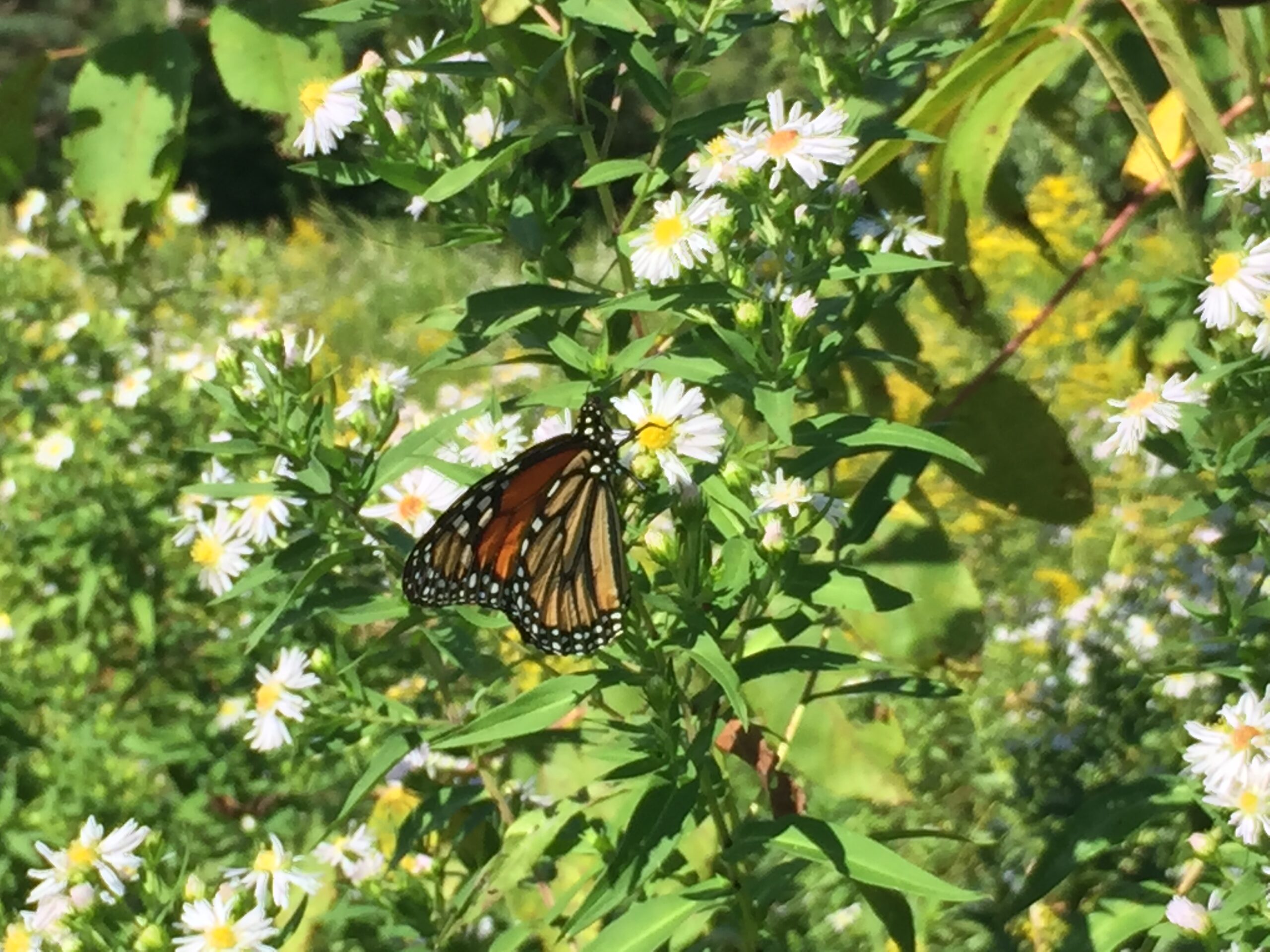
In response, many states including Indiana have developed a state Monarch Conservation Plan. With input from many stakeholders over several years, the Indiana Monarch Conservation Plan was released in December 2020. One goal of the plan was to create an online resource that would act as a clearinghouse for Indiana monarch and pollinator conservation data, research, best management practices (BMPs), and events. I invite you to visit the Indiana Monarch and Pollinator Conservation Hub at https://indianawildlife.org/monarchs/.
You might be asking yourself, ‘Why is a wildlife specialist writing about pollinators?’ It turns out that quality habitat for wildlife is often quality habitat for pollinators. The diversity of wildflowers and structure that native grasslands, trees and shrubs benefit them all. Trees such as eastern redbud and Ohio buckeye provide early nectar sources. Native grasslands that have a diverse mixture of wildflowers provide food, bare ground, and structure desirable for a wide variety of pollinators.
Resources
Protecting Pollinators: Why Should We Care About Pollinators?, The Education Store, Purdue Extension resource center
Ask The Expert: What’s Buzzing or Not Buzzing About Pollinators , Purdue Extension – Forestry & Natural Resources (FNR) YouTube Channel
Purdue Pollinator Protection publication series, Purdue Extension Entomology
Indiana Monarch & Pollinator Conservation Hub, Indiana Wildlife Federation
Monarch Watch, University of Kansas
100 Plants to Feed the Monarch/Other Resources Available, Xerxes Society for Invertebrate Conservation
Brian MacGowan, Wildlife Extension Specialist & Extension Coordinator
Purdue Department of Forestry and Natural Resources
Purdue Landscape Report: J. Sterling Morton had a strong enthusiasm for trees and advocated intensely for individuals and civic groups to plant them. Once he became secretary of the Nebraska Territory, he further spread his message of the value of trees and Morton first proposed a tree planting holiday to be called “Arbor Day” at a meeting of the State Board of Agriculture.
The celebration date was set for April 10, 1872. Prizes were offered to counties and individuals for the largest number of properly planted trees on that day. It was estimated that more than 1 million trees were planted in Nebraska on the first Arbor Day.
Many other states also passed legislation to observe Arbor Day each year. By 1920, more than 45 states and territories were celebrating Arbor Day. The tree planting tradition became prominent in schools across the nation in 1882, with students were learning about the importance of trees as well as receiving a tree to plant in their own yard. They continue to do so today in many states.
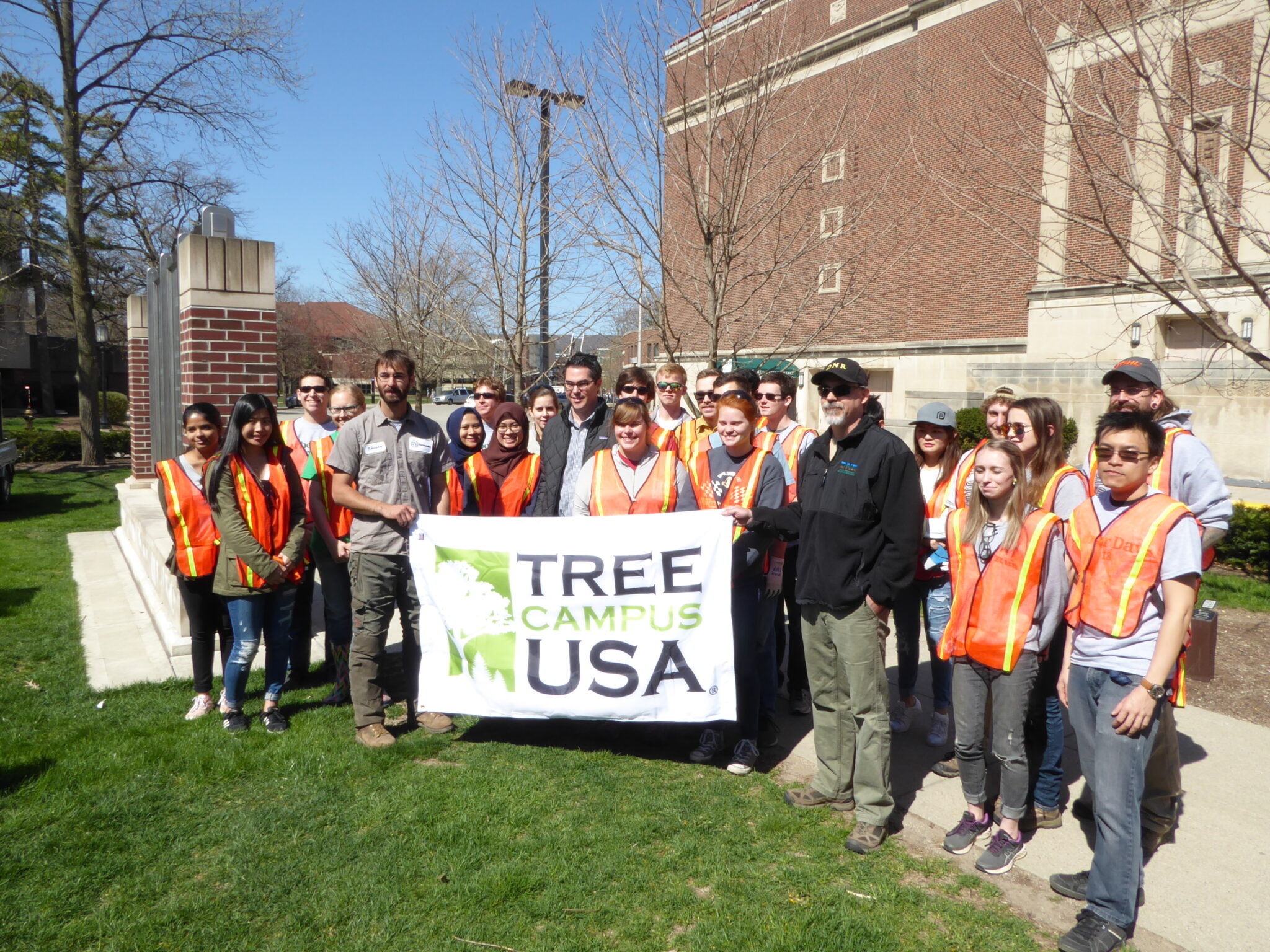
Celebrate arbor day by planting a tree!
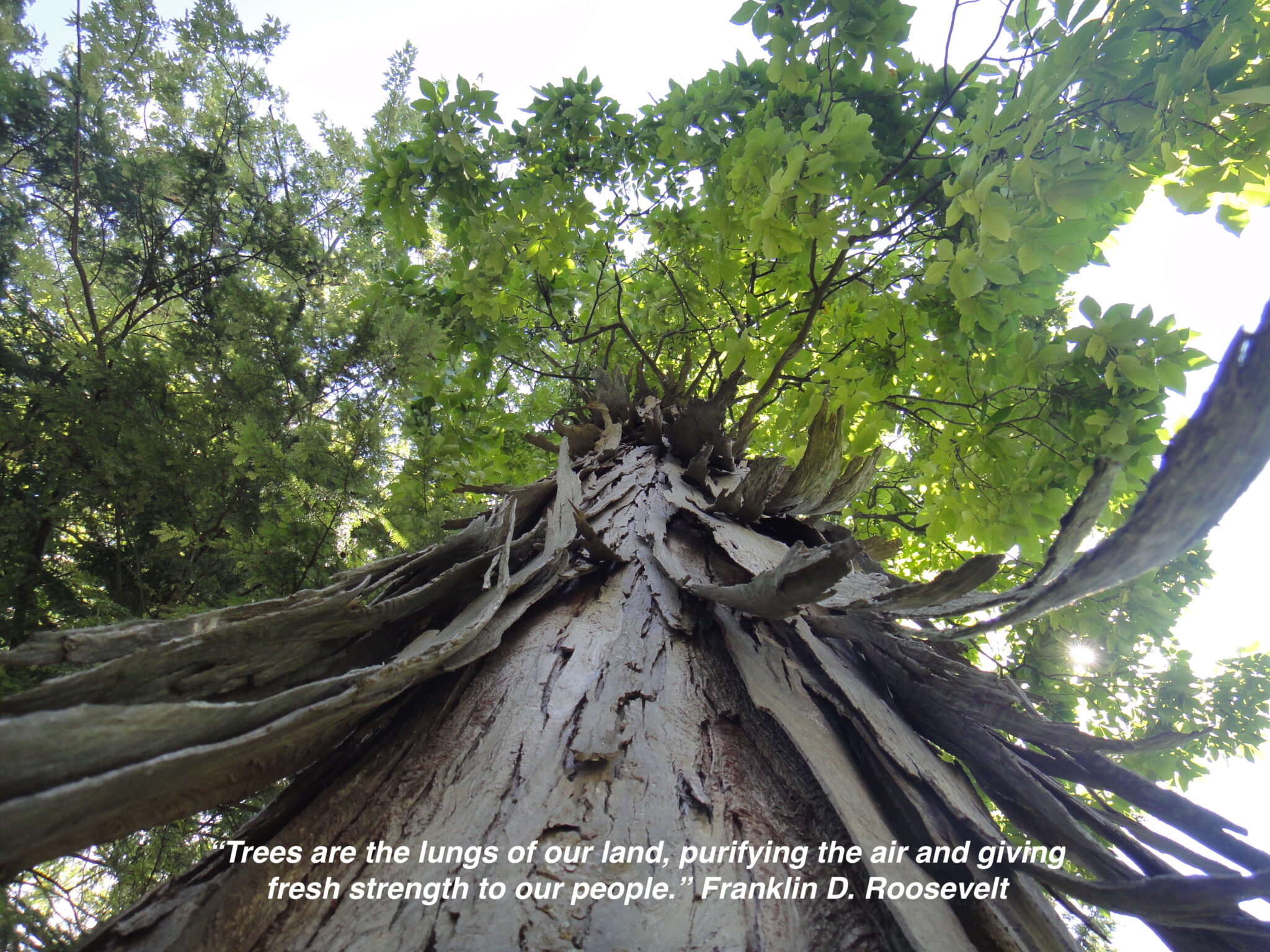
Trees make a difference in our lives, every day.
Currently, Arbor Day is celebrated in all 50 states. The most common date for the state observance is the last Friday in April — National Arbor Day — but a number of state Arbor Days are at other times to coincide with the best tree planting weather, from January and February in the south to May in the far north.
Find out when people in your state gather together to plant and celebrate trees.
So, just why do we celebrate trees? They are essential to our health and quality of life. Trees provide many benefits, called ecosystem services, that impact nearly every aspect of our daily life. Trees improve air and water quality, reduce heating and cooling costs, improve health outcomes, increase business, and so much more. Simply stated, we need trees.
How do we determine the value of those benefits trees provide where we live? Research and technology have made it much easier to quantify those ecosystem services. The value of your tree and the ecosystem services it provides can be found by visiting this web page. It’s fun and easy to find out just what your tree contributes to the urban forest.
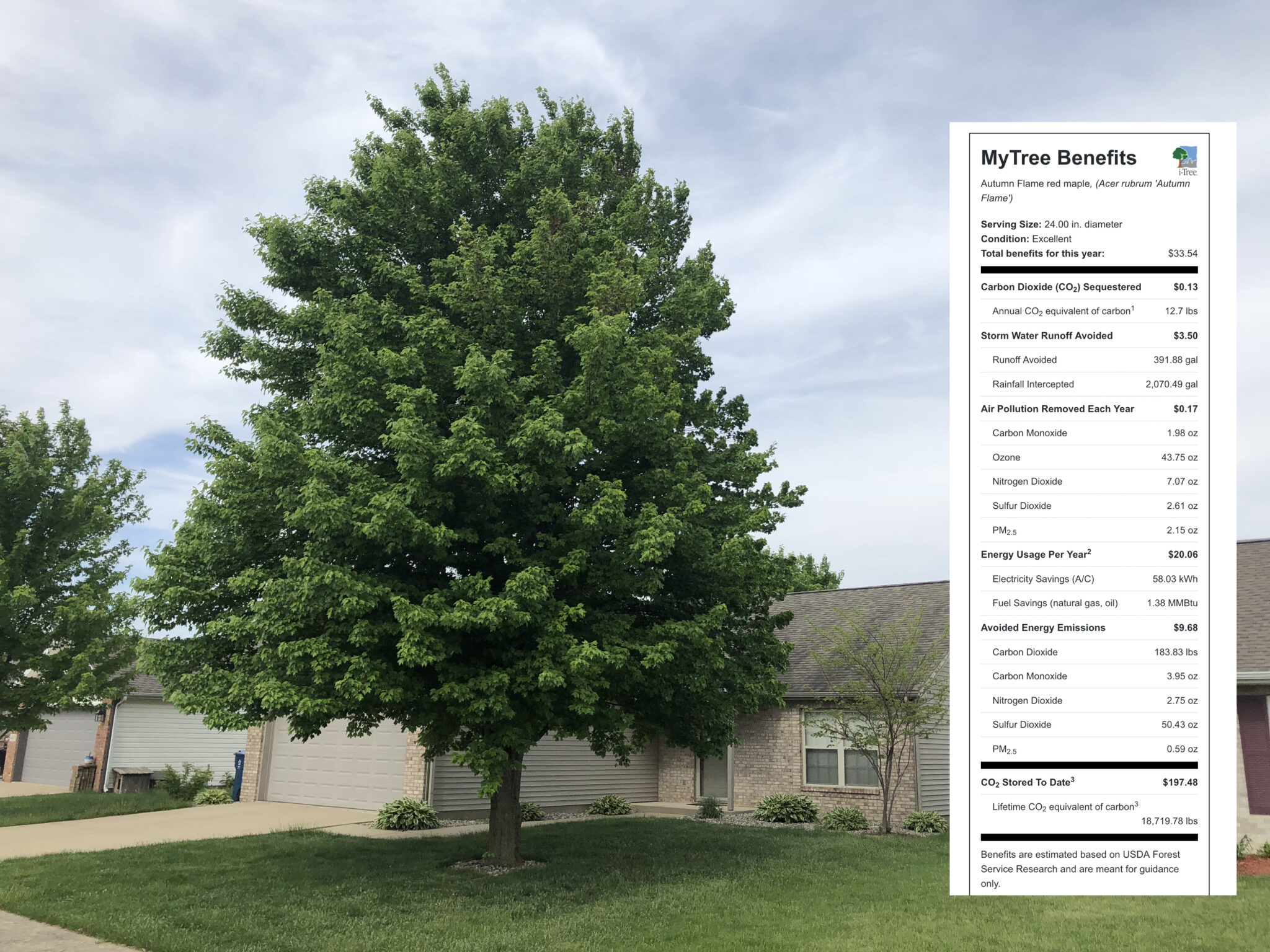
Find out what your tree is worth in benefits.

Trees provide ecosystem services including shade.
Join us in paying tribute to our trees which make up our urban forests by selecting and planting a tree where you live or taking part in a community tree planting. Learn how to choose and plant a tree properly to help improve the longevity and hopefully it will be providing those benefits in the future for your grandchildren and beyond. Trees can be a living legacy to great environmental stewardship. Plant trees not just for the future, but with a future. Some additional resources are available below:
For the best advice on tree planting and care, seek out a tree care professional with the experience and expertise to care for your trees. Search for a tree care provider in your area. Also, consider hiring an ISA Certified Arborist which can be found here.
Resources
Tree Appraisal and the Value of Trees, The Education Store, Purdue Extension resource center
Resources and Assistance Available for Planting Hardwood Seedlings, The Education Store
Tree Support Systems, The Education Store
Tree Planting Part 1: Choosing A Tree, Video, Purdue Extension YouTube channel
Tree Planting Part 2: Planting Your Tree, Purdue Extension Video
Planting Problems: Trees Planted Too Deep, Video, Purdue Extension – Forestry and Natural Resources
Tree Selection for Landscape, Purdue Extension – FNR Video
Tree Installation for the Landscape, Purdue Extension – FNR Video
Tree Pruning for the Landscape, Purdue Extension – FNR Video
Lindsey Purcell, Urban Forestry Specialist
Purdue University, Department of Forestry and Natural Resources
Purdue Landscape Report: The hard freeze April 20th & 21st had many homeowners concerned about their perennial and annual plants in their landscape. For the vast majority of perennial plants, there aren’t many issues long-term of concern. Some foliage and flowers have significant damage, but the plants will recover, and possibly release new vegetative buds in severe cases. The plants that suffered the most damage, and in some cases death, are the annuals planted by impatient landscapers and gardeners. Planting annuals prior to the frost-free date (May 10th in central Indiana) will more than likely cause a replant to occur.
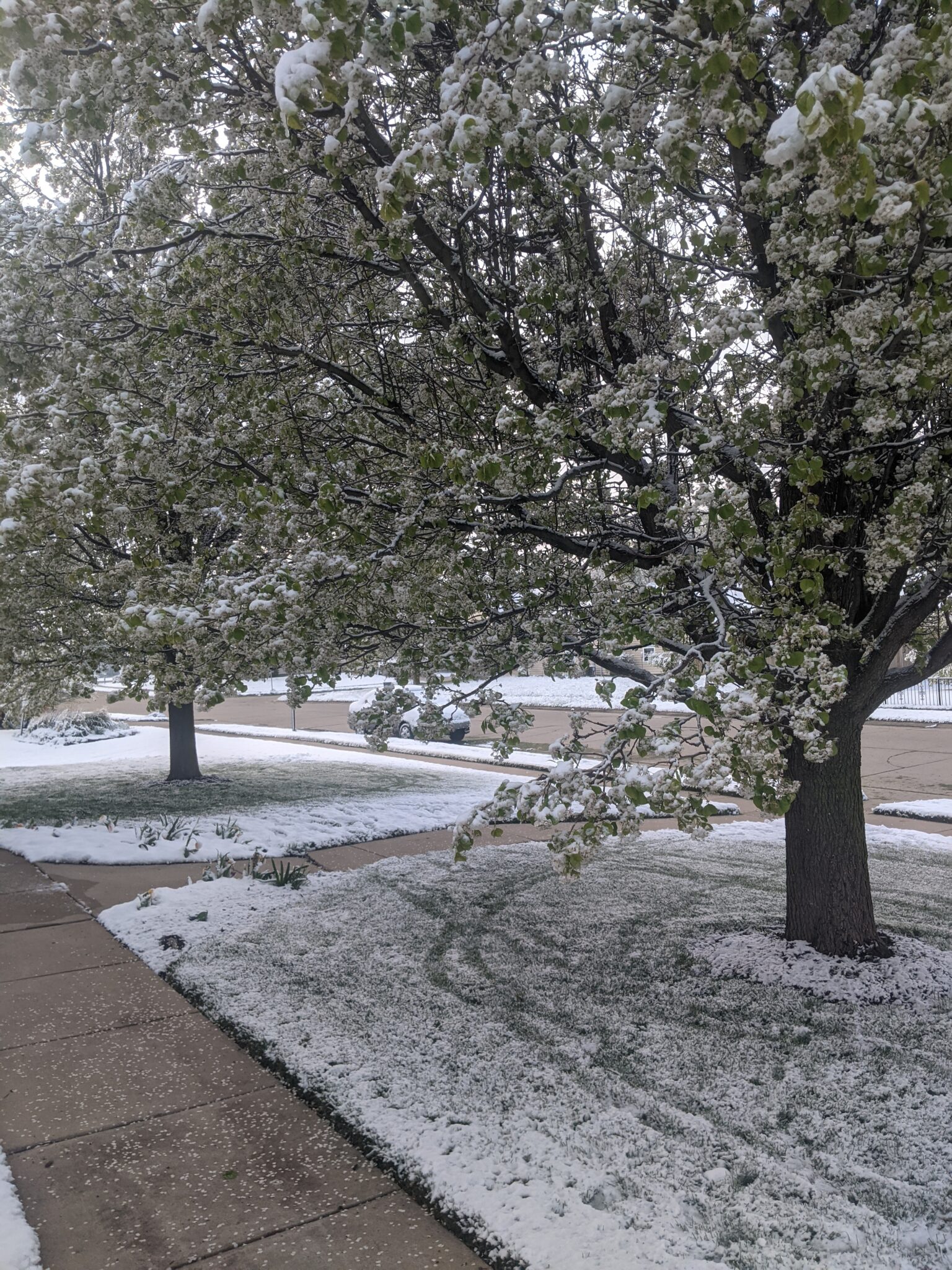
Figure 1. Cold temperatures and cold on April 21-22 caused stress on many plants that have broken buds.
In addition to the potential stress from the temperatures, many trees received broken limbs due the combined weight of the leaves/flowers and snow load.
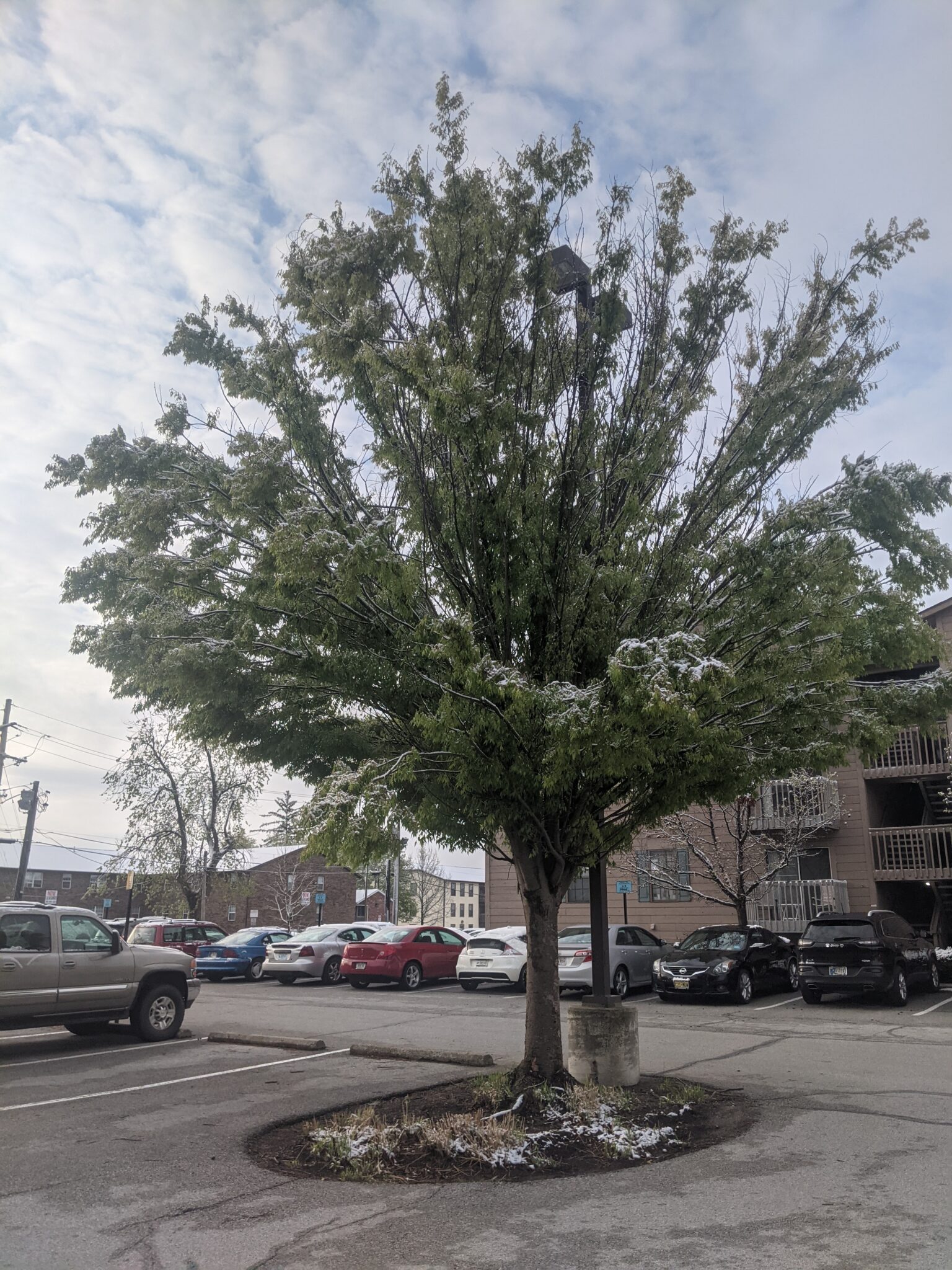
Figure 2. A Japanese Zelkova in full leaf with a heavy snow load.
If you maintain a client’s fruit trees (i.e. apples), there may be a significant impact on fruit production. The Purdue Meigs Horticultural Research Farm, located about eight miles south of the West Lafayette campus, recorded a low temperature of 22o F on April 21st. Dr. Peter Hirst, pomologist, indicated that at the current stage of flowering a temperature of 25o F might result in a 90% bud kill. Since there was a significant snowfall, the hope is that there was some moderation in temperatures.
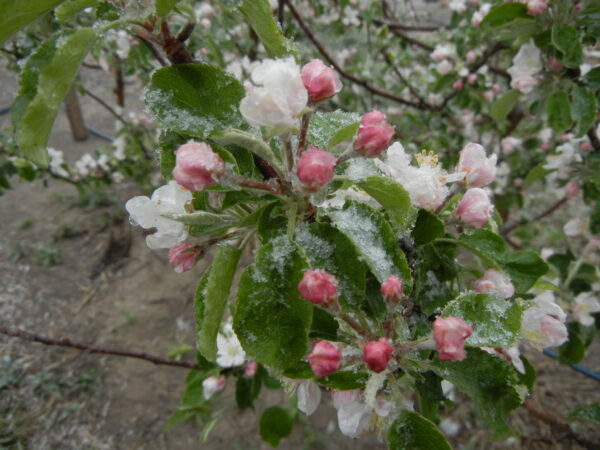
Figure 3. Apple flowers on April 22 in West Lafayette. Photo by Tristand Tucker.
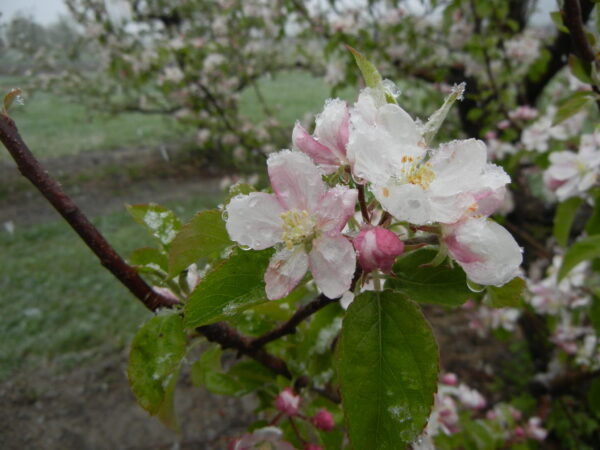
Figure 5. Apple flowers on April 22 in West Lafayette. Photo by Tristand Tucker.
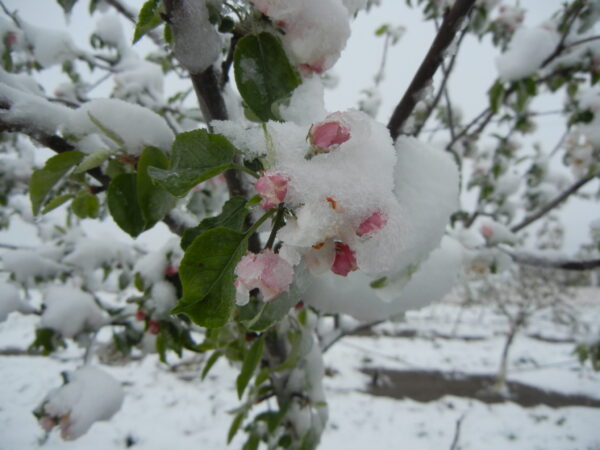
Figure 4. Apple flowers on April 22 in West Lafayette. Photo by Tristand Tucker.
Plants that have been stressed due to cold temperatures should be closely monitored over the growing season. Don’t prune ‘dead’ portions until you allow more buds to break. Chances are the early foliage was dropped and new leaves will soon emerge. Be sure to provide adequate moisture to assist in recovery. Currently about half of the state is in the beginning stages of drought, so be sure to provide irrigation now if your area is dry. Always remember that too much water can be just as detrimental as too little water.
The Indianapolis Star published an article on the extreme low temperatures.
Resources
Purdue Landscape Report
Tree Installation for the Landscape, Video, Purdue Extension – Forestry and Natural Resources YouTube Channel
Effects of Cold Weather on Horticultural Plants in Indiana, The Education Store, Purdue Extension resource center
Winterize Your Trees, The Education Store
What do Trees Do in the Winter? , Got Nature? Blog, Purdue Extension – Forestry and Natural Resources
Kyle Daniel, Nursery & Landscape Outreach Specialist
Purdue Horticulture and Landscape Architecture
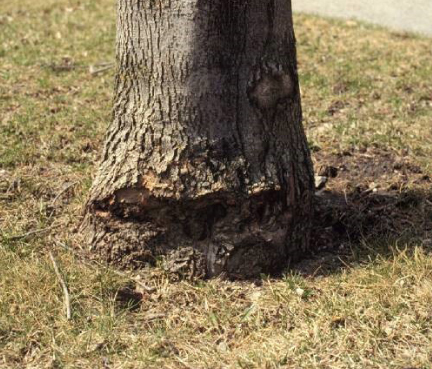
Photo from publication FNR-492-W
Question: I am actually a Master Gardner in Hamilton County and I need help with a tree bark damage question. We have a beautiful dogwood tree that is about 18’ tall and 6” in diameter. By accident my husband backed into the tree with his truck while unloading mulch – he did not see it! Now there is severe damage to the bark at the bumper height – about 3” wide and 14” long. All the way down the bark is gone.
What are the chances the tree will survive? What if anything should I do at this point?
My husband wanted to cover it with painter’s tape to protect it but I know that is not good for the tree. Please let me know your suggestions as I do hope to save the tree if possible.
Answer: Well, that is certainly an unfortunate accident for the tree! There may be a rescue treatment worth trying that research has shown promise in sealing the wound. The ability for the tree to seal and close off wounds is based on species, age and energy resources. Additionally, follow these instructions…
- Keep the tree healthy; mulch and supplemental watering during drought conditions.
- Trace the wound with a wood file and sharp knife, removing any loose bark to a clean wound.
- Take black plastic and attach it to the tree wound, just past the wound edge, using small, ¼” staples from a staple gun.
- Attach the plastic so that it forms a seal which will help to maintain a moist environment for parenchyma cells to do their work at compartmentalizing and creating wound wood on the perimeter of the damaged area.
- The plastic may need to be checked periodically to be sure it is attached well until removal.
- Leave the wound covered for about 12 months, then remove carefully.
This will not guarantee recovery, but research has indicated it does facilitate healing more quickly in many species. Continue to monitor for health and recovery.
Good luck!
Resources
Tree Wound and Healing, Got Nature? Blog, Purdue Extension – Forestry and Natural Resources
Equipment Damage to Trees, Got Nature? Blog
Tree Defect Identification, The Education Store, Purdue Extension resource center
Tree Pruning Essentials, Publication & Video, The Education Store
Tree Pruning: What Do Trees Think?, The Education Store
Mechanical Damage to Trees: Mowing and Maintenance Equipment, The Education Store
Tree Planting Part 1: Choosing a Tree, Video, Purdue Extension Channel
Tree Planting Part 2: Planting Your Tree, Purdue Extension Video
Lindsey Purcell, Chapter Executive Director
Indiana Arborist Association
It’s time to meet another native Indiana tree. This time Purdue Extension forester Lenny Farlee brings you the Umbrella Magnolia. This small tree is easily identified by the clusters of long simple leaves at the end of the twigs, which form an umbrella shape.
If you have any questions regarding wildlife, trees, forest management, wood products, natural resource planning or other natural resource topics, feel free to contact us by using our Ask an Expert web page.
Resources
Indiana’s Native Magnolias, The Education Store, Purdue Extension resource center
Umbrella Magnolia, Native Trees of Indiana River Walk, Purdue Fort Wayne
Umbrella Magnolia, Purdue Arboretum Explorer
ID That Tree, Playlist, Purdue Extension-FNR YouTube Channel
A Woodland Management Moment, Playlist, Purdue Extension-FNR YouTube Channel
Shrubs and Woody Vines of Indiana and the Midwest, Purdue University Press
Native Trees of the Midwest, Purdue University Press
Investing in Indiana Woodlands, The Education Store
Forest Improvement Handbook, The Education Store
Lenny Farlee, Sustaining Hardwood Extension Specialist
Purdue University Department of Forestry and Natural Resource
On this winter edition of ID That Tree, Purdue Extension forester Lenny Farlee uses black walnut and eastern cottonwood twigs to show you tips on how to identify native Indiana trees with alternative leaf arrangement without help from the leaves.
If you have any questions regarding wildlife, trees, forest management, wood products, natural resource planning or other natural resource topics, feel free to contact us by using our Ask an Expert web page.
Resources
Black Walnut, The Education Store, Purdue Extension resource center
Facts About Black Walnut, The Education Store
Indiana Walnut Council, Industry Representatives include 45 states and 3 foreign countries
Cottonwood, The Education Store
Eastern Cottonwood, Native Trees of Indiana Riverwalk
FNR Hardwood – Eastern Cottonwood, The Purdue Arboretum Explorer
ID That Tree, Playlist
A Woodland Management Moment, Playlist, Purdue Extension-FNR YouTube Channel
Investing in Indiana Woodlands, The Education Store
Forest Improvement Handbook, The Education Store
Lenny Farlee, Sustaining Hardwood Extension Specialist
Purdue University Department of Forestry and Natural Resource
In this episode of ID That Tree, Purdue Extension forester Lenny Farlee continues to talk about the oak groups, this time focusing on the black oak species. Deep sinuses on the leaves and shinier coat, a dark blocky bark and acorns with loose shingle-like plates on the cap are some key identifiers to separate it from the red oak and others.
If you have any questions regarding wildlife, trees, forest management, wood products, natural resource planning or other natural resource topics, feel free to contact us by using our Ask an Expert web page.
Resources
Black Oak, Native Trees of Indiana Riverwalk, Purdue Fort Wayne
Black Oak, The Purdue Arboretum Explorer
ID That Tree, Playlist
A Woodland Management Moment, Playlist, Purdue Extension-FNR YouTube Channel
Investing in Indiana Woodlands, The Education Store
Forest Improvement Handbook, The Education Store
Lenny Farlee, Sustaining Hardwood Extension Specialist
Purdue University Department of Forestry and Natural Resource
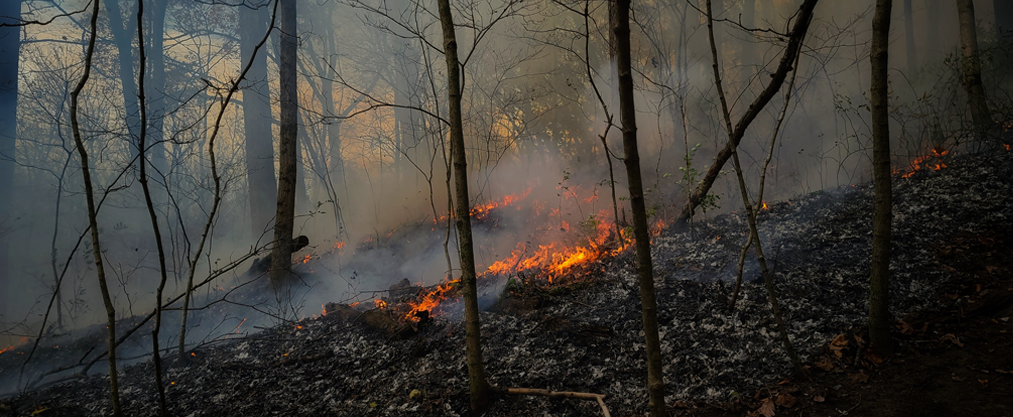 The goal of extension work is to provide practical solutions to local – and global – issues from agricultural production, environmental issues, natural resource conservation, land use and more.
Purdue Extension wildlife specialist Jarred Brooke’s work with prescribed fire is doing just that, as it is now being used to educate a new audience about various techniques of the habitat management method, the Wounaan indigenous community of Panama among others, thanks to the United States Forest Service.
Naomi Mills, a smokejumper squad leader for the Missoula Smokejumpers and fire specialist for USFS International Programs in the Latin America region, is utilizing Brooke’s Wildlife Habitat Hint series on prescribed fire techniques to illustrate various ignition techniques and methods as part of her virtual fire management training sessions.
Resources
Wildlife Habitat Hint: Prescribed Fire Techniques – Backing Fire, Video, Purdue Extension – Forestry and Natural Resources YouTube channel
Wildlife Habitat Hint: Prescribed Fire Techniques – Flanking Fire, Purdue Extension – FNR Video
Wildlife Habitat Hint: Prescribed Fire Techniques – Strip Head Fire, Purdue Extension – FNR Video
Wildlife Habitat Hints: Prescribed Fire Techniques – Ring Fire, Purdue Extension – FNR Video
Wildlife Habitat Hints: Prescribed Fire Techniques – Point Source Fire, Purdue Extension – FNR Video
Wildlife Habitat Hint: Late Growing Season Prescribed Fire, Purdue Extension – FNR Video
FNR Ask The Expert: Prescribed Fire with Jarred Brooke and Mike Saunders, Purdue Extension – FNR Video
Renovating Native Warm-Season Grass Stands for Wildlife: A Land Manager’s Guide, The Education Store, Purdue Extension resource center
Prescribed fire: 6 things to consider before you ignite, Got Nature? Blog, Purdue Extension – Forestry and Natural Resources
Indiana Prescribed Fire Council
Jarred Brooke, Wildlife Extension Specialist
Purdue Department of Forestry and Natural Resource
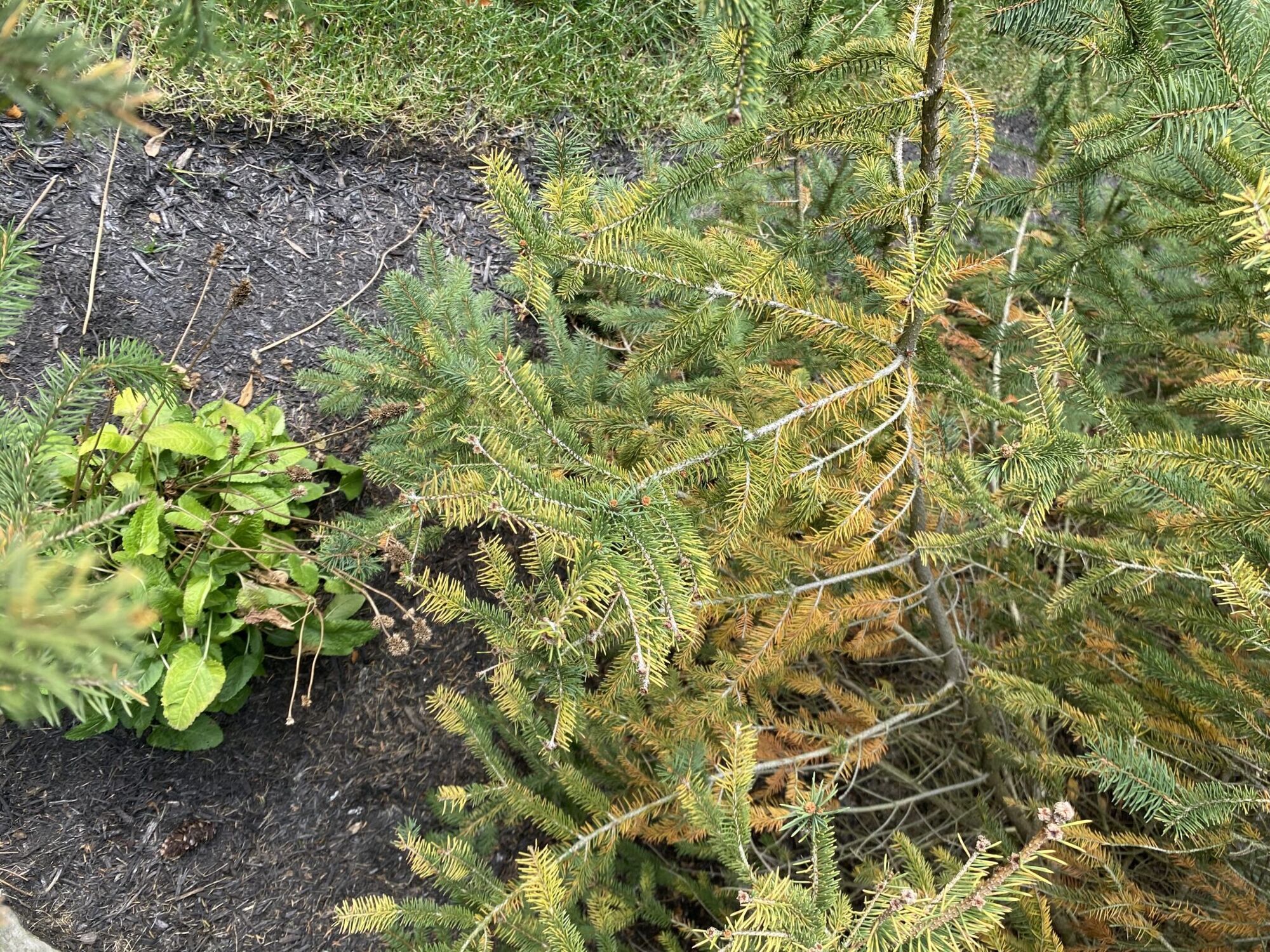
Figure 2: A young spruce tree under the effects of transplant and root stress.
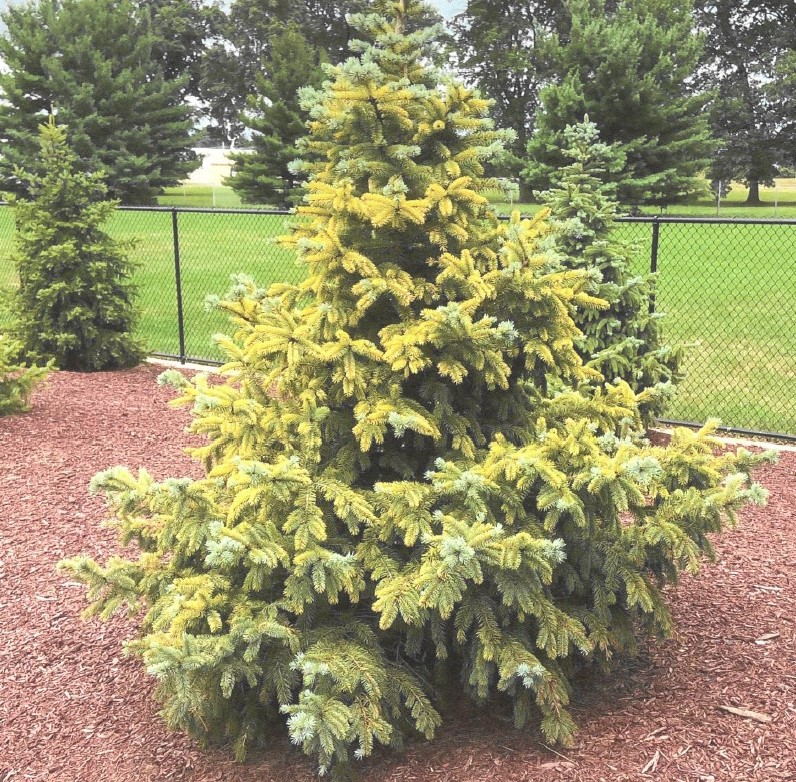
Figure 1: A spruce tree suffering from root damage and water stress.
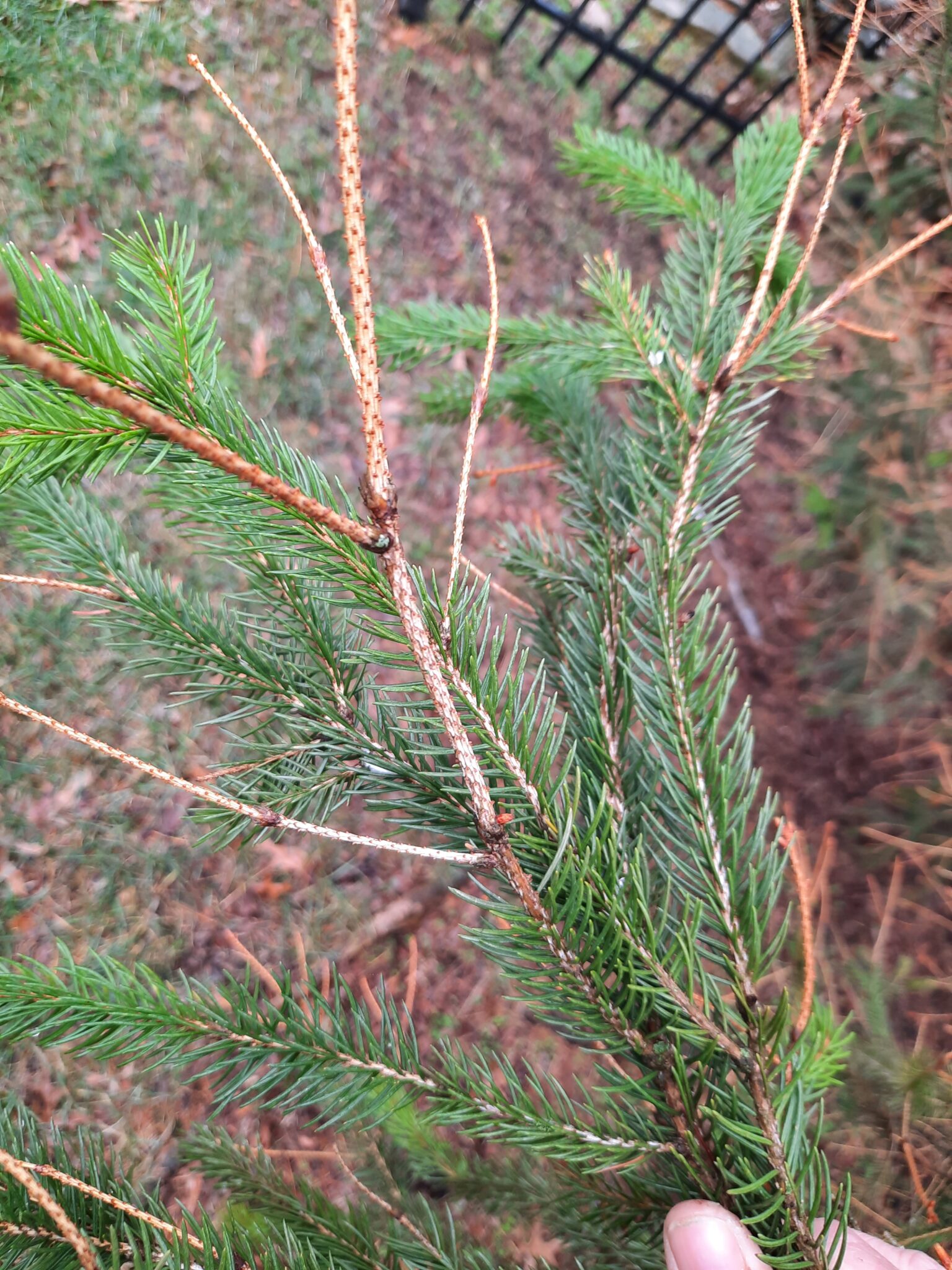
Figure 4: Phomopsis dieback with excessive needle loss on branch tips.
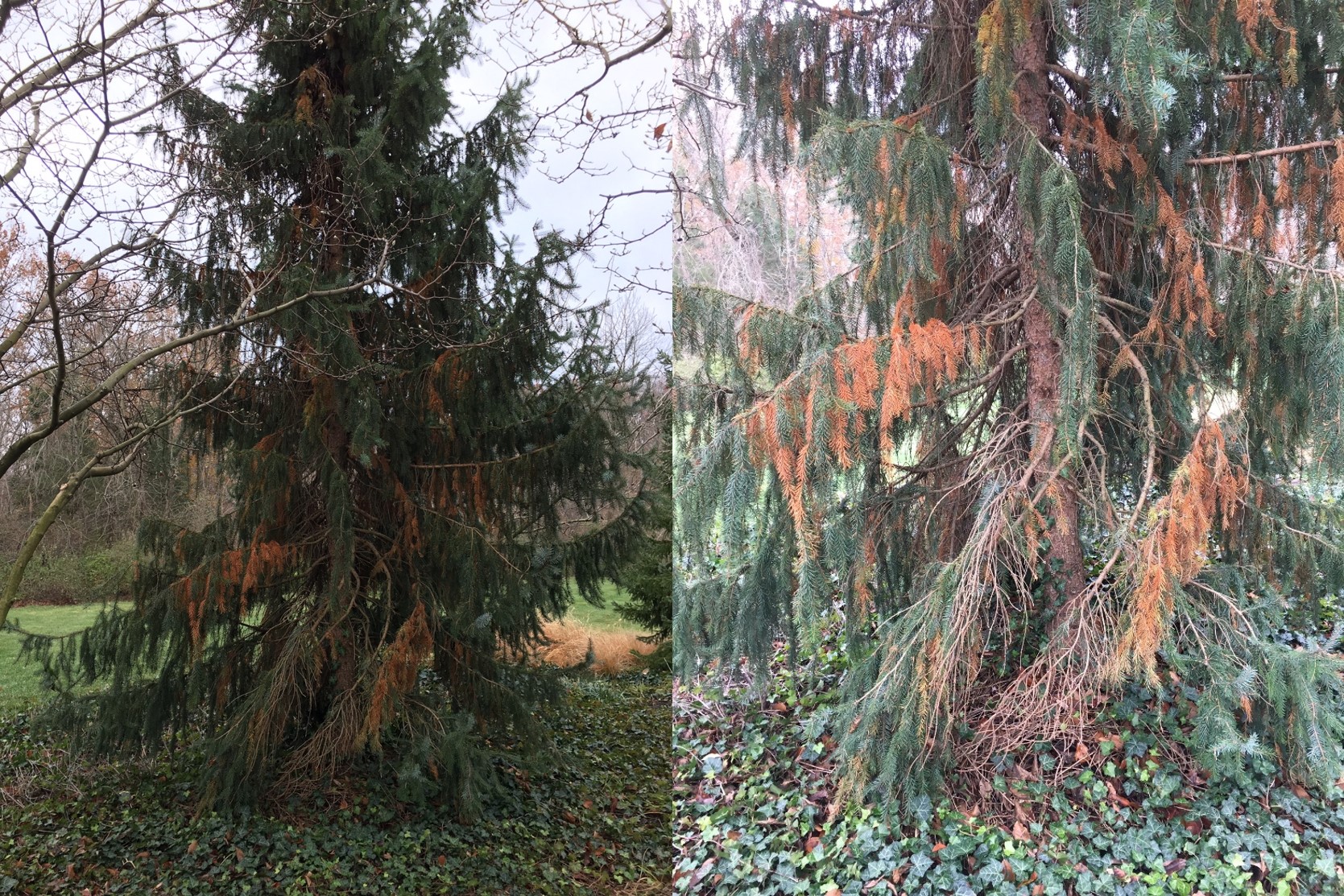
Figure 3: Dieback symptoms in a mature tree associated with Phomopsis infection.
Resources
Borers of Pines and Other Needle Bearing Evergreens in Landscapes, The Education Store, Purdue Extension resource center
Ask an Expert Question: Blue Spruce dying, what can I do?, Got Nature? Blog, Purdue Extension – Forestry and Natural Resources
Why Spruce Trees Lose Their Needles, Purdue Extension
Diseases Common in Blue Spruce, Purdue Extension
John Bonkowski, Plant Disease Diagnostician
Purdue Department of Botany and Plant Pathology
In this edition of ID That Tree, Purdue Extension forester Lenny Farlee gives tips on how to identify two species – honey locust and bur oak – from just the markings and scarring on leafless twigs.
If you have any questions regarding wildlife, trees, forest management, wood products, natural resource planning or other natural resource topics, feel free to contact us by using our Ask an Expert web page.
Resources
Honey Locust, The Education Store, Purdue Extension resource center
Bur Oak, The Purdue Arboretum Explorer
Bur Oak, Native Trees of Indiana Riverwalk, Purdue Fort Wayne
ID That Tree, Playlist, Purdue Extension-FNR YouTube Channel
A Woodland Management Moment, Purdue Extension – FNR Playlist
Investing in Indiana Woodlands, The Education Store
Forest Improvement Handbook, The Education Store
Lenny Farlee, Sustaining Hardwood Extension Specialist
Purdue University Department of Forestry and Natural Resource

Recent Posts
- ID That Tree: Shumard Oak
Posted: March 9, 2026 in Plants, Urban Forestry, Wildlife, Woodlands - ID That Tree: Fragrant Sumac
Posted: February 4, 2026 in Plants, Urban Forestry, Wildlife - It’s Not Too Late to Order Trees for Spring Planting
Posted: January 13, 2026 in Forestry, How To, Plants - Red in Winter – What Are Those Red Fruits I See?
Posted: December 1, 2025 in Forestry, Plants, Urban Forestry, Wildlife, Woodlands - Untangling and Identifying Vines, Purdue Landscape Report
Posted: September 29, 2025 in Invasive Plant Species, Plants, Wildlife - Control Management of Poison Hemlock
Posted: May 7, 2025 in Invasive Plant Species, Plants, Wildlife, Woodlands - Top 10 Spring Flowering Shrubs, Purdue Landscape Report
Posted: April 28, 2025 in Gardening, Plants, Urban Forestry - PPDL’s 2024 Annual Report – Enhancing Plant Health
Posted: March 21, 2025 in Forestry, Invasive Insects, Invasive Plant Species, Plants, Wildlife - What Are Invasive Species and Why Should I Care?
Posted: February 24, 2025 in Forestry, How To, Invasive Plant Species, Plants, Woodlands - Ask An Expert: Holidays in the Wild
Posted: December 9, 2024 in Christmas Trees, Forestry, Forests and Street Trees, How To, Plants, Wildlife, Woodlands
Archives
Categories
- Alert
- Aquaculture/Fish
- Aquatic/Aquaculture Resources
- Ask the Expert
- Christmas Trees
- Community Development
- Disease
- Drought
- Forestry
- Forests and Street Trees
- Gardening
- Got Nature for Kids
- Great Lakes
- How To
- Invasive Animal Species
- Invasive Insects
- Invasive Plant Species
- Land Use
- Natural Resource Planning
- Nature of Teaching
- Plants
- Podcasts
- Ponds
- Publication
- Safety
- Spiders
- Timber Marketing
- Uncategorized
- Urban Forestry
- Webinar
- Wildlife
- Wood Products/Manufacturing
- Woodland Management Moment
- Woodlands