 Purdue University - Extension - Forestry and Natural Resources
Got Nature? Blog
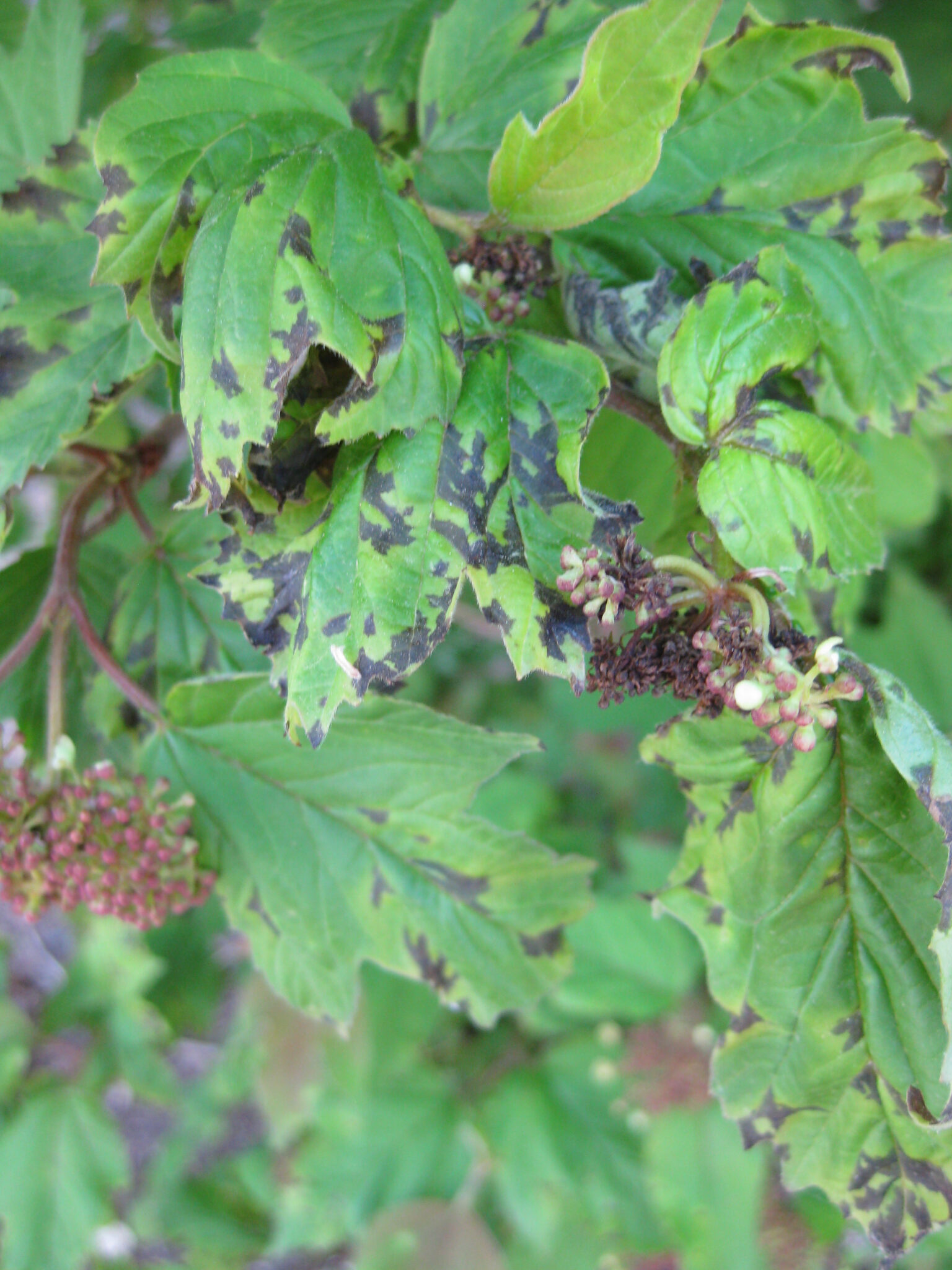
Bacterial leaf spots are often angular with chlorotic halos, as seen on this high bush-cranberry. Photo by Janna Beckerman.
Purdue Landscape Report: Pseudomonas syringae pv. syringae is an opportunistic bacterial pathogen that attacks a diversity of woody ornamental plants. The bacteria cause flower blights, cankers, shoot blights, and diebacks.
Symptoms
Symptoms often begin as expanding leaf spots. On lilac and viburnum, small spots expand to irregularly shaped brown lesions with yellow halos (Fig. 1). For most other hosts (cherry, pear, basswood, dogwood, hydrangea, high bush-cranberry, mountain-ash), infected leaves turn reddish brown or black and usually remain on the branch after they die (Fig. 2). As the bacteria spread into woody tissue, dark, sunken sections of the stem (cankers) expand, working their way back toward the trunk from infected leaves and flowers. Leaves attached to a cankered branch will wilt while the tip of the affected branch curls and droops like a shepherd’s crook (Fig. 3). Cloudy droplets of sticky fluid (ooze) may accumulate on leaf tips, leaf surfaces, stems, and even infected fruit.
Image of infected flowers result in blossom blast.
Figure 2. Infected flowers result in blossom blast. The continued growth of the bacteria can result in cankering and blight. Photo by George Sundin.
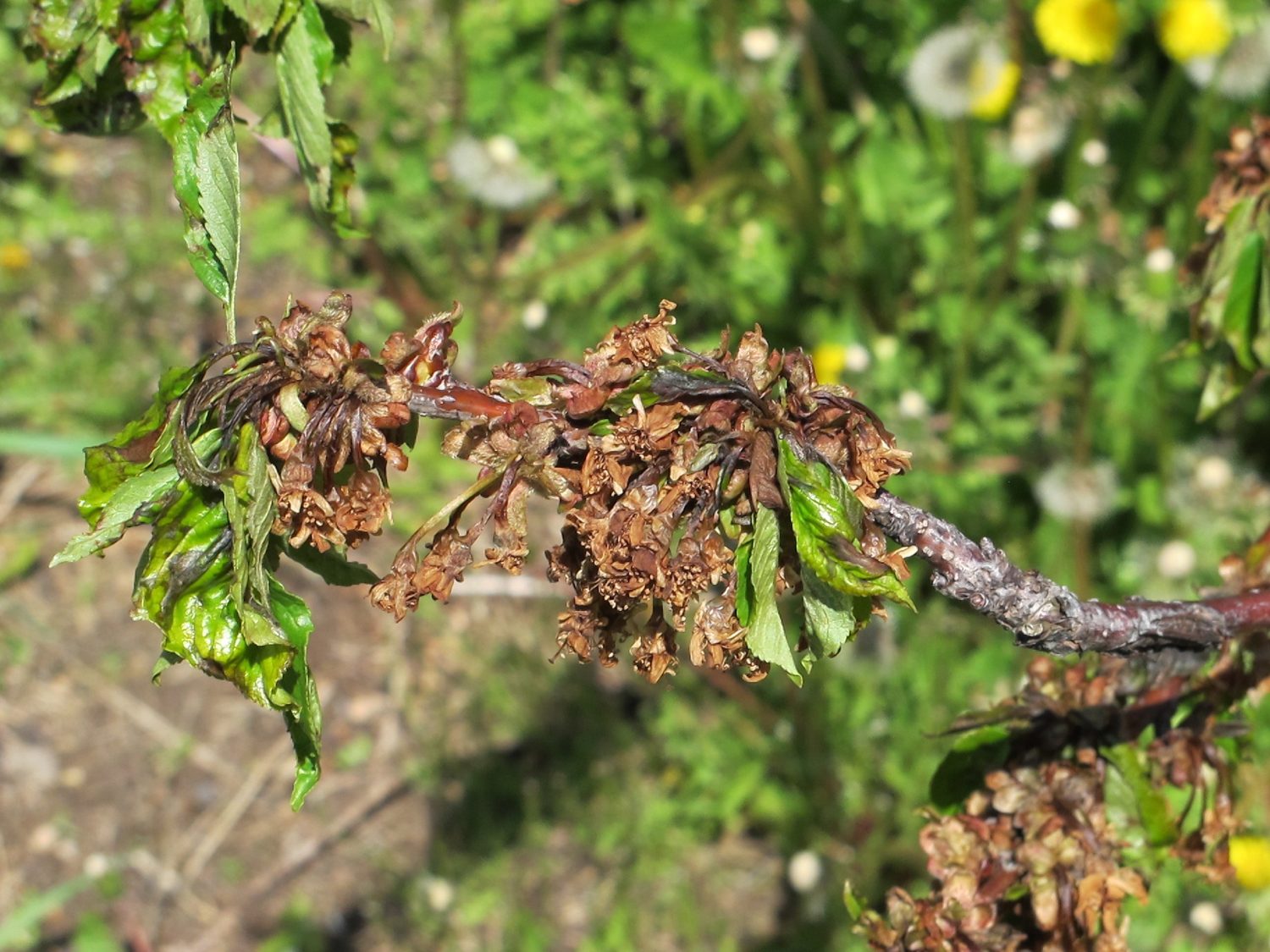
Figure 2. Infected flowers result in blossom blast. The continued growth of the bacteria can result in cankering and blight. Photo by George Sundin.
Life Cycle
The bacteria overwinter and persist in cankers, along with asymptomatic bud and twig tissue. In presence of water and warming temperatures, bacteria multiply and may ooze from infected tissue. Wind-driven rain, insect, or mechanical pruning spread Pseudomonas. Bacteria enter the plant through flowers or injury.
Management
All bacterial pathogens, including Pseudomonas, invade flowers or wounded tissue. To prevent or minimize the risk of infection:
- Use disease-free plants and budwood.
- Prune in the late winter/early spring.
- When pruning, do not mix pruning to shape woody ornamentals with pruning to manage disease.
- When pruning to remove infected shoots, be sure to disinfect shears between plants.
- Minimize overhead irrigation when possible to minimize splashing and pathogen spread.
- Avoid over-fertilization practices that drive excess succulent growth.
Figure 3. Bacterial blight is a common scourge to common lilac. Using resistant varieties is the best way to protect against the disease. Photo by Janna Beckerman.
- Avoid late season fertilization practices that prevent plants from achieving timely dormancy and promote freeze damage and/or winter injury (Fig. 4).
- Choose zone appropriate plants to avoid freeze damage and/or winter injury.
- Choose disease resistant plants, when available. The following lilac varieties were found to be resistant over a four-year trial: Donald Wyman, Royalty, Superba, Miss Kim, Edmund Boisier, Victor Lemoine, Dwarf Korean, Mme. Antoine Buchner Isabella, Sensation, Anna Amhof, Krasavitska Moskvy, Michael Buchner, and Alphonse Lavallée.

Foliar sprays of some copper-based bactericides (e.g., Camelot, Kocide, and Nu-Cop) were found to reduce disease incidence in trials on lilac (Vey and Palmer, 2018). Avoid using copper under cool, humid conditions to reduce the risk of phytotoxicity and damaging plants. Copper resistant populations of Pseudomonas syringae have been reported in other crops (vegetables, stone fruit). Products containing acibenzolar have provided inconsistent control in multiple trials but is labeled for use. Use of quaternary-ammonium disinfestants (KleenGrow) have been found to reduce bacterial populations and disease incidence and should be considered as part of any rotation with copper products. Due to the diversity of copper products, be sure to test for phytotoxicity issues prior to large scale treatment of crops.
To view this article and other Purdue Landscape Report articles, please visit Purdue Landscape Report.
Subscribe and receive the newsletter: Purdue Landscape Report Newsletter.
Resources:
The Purdue Landscape Report
Purdue Landscape Report Facebook Page
Find an Arborist website, Trees are Good, International Society of Arboriculture (ISA)
Phytophthora Diseases in Ornamentals, The Education Store, Purdue Extension’s resource center
Root Rot in Landscape Plants, The Education Store
Symptoms and Signs for Plant Problem Diagnosis, The Education Store
Tree Defect Identification, The Education Store
Tree Pruning Essentials, Publication & Video, The Education Store
Shrubs and Woody Vines of Indiana and the Midwest, Purdue University Press
Tree Risk Management, The Education Store
Equipment Damage to Trees, Got Nature? Blog
Tree wounds and healing, Got Nature? Blog
ID That Tree, Purdue Extension-Forestry & Natural Resources (FNR) YouTube playlist
Southwest Damage, Scalding, or Frost Cracking – Landscape Report
Subscribe to Purdue Extension-FNR YouTube Channel
Janna Beckerman, Professor of Plant Pathology
Purdue Department of Botany
A rain garden is a green infrastructure project that can improve the quality of stormwater, minimize pollution, and enhance biodiversity and pollinator habitat. Purdue, Iowa State and Illinois-Indiana Sea Grant researchers explain how to site, size, design, install and maintain a rain garden, and provide advice on plant selection, too.
When stormwater runs off streets, driveways, roofs, and other impervious surfaces, it can move pollutants such as oil, fertilizers, heat, and chemicals to storm drains and eventually to natural bodies of water, such as lakes, streams, and rivers. These natural water sources are valuable resources for recreation, irrigation, and drinking water. Green infrastructure projects, such as rain gardens, can improve the quality of stormwater, reduce flooding, minimize pollution, enhance biodiversity and pollinator habitat, and create educational and recreational opportunities.

Green infrastructure includes a range of practices that allows stormwater to infiltrate into the soil or be stored for later use, thereby reducing flows to sewer systems and surface waters (U.S. EPA, 2022). A rain garden is one such practice. It is a small-scale landscape feature planted with native shrubs, perennial plants, or flowers in a shallow depression. It captures and stores runoff, allowing it to slowly infiltrate into the soil. At the property scale and when properly located, rain gardens lessen erosion in steeply sloped areas, reduce the potential for water to flow into basements, and minimize ponding in areas with poor drainage. The net effect of multiple green infrastructure practices can reduce streambank erosion and downstream flooding as stream flows decrease. Water quality is also affected as plants and microbes in the soil filter nutrients and some heavy metals as the stormwater soaks into the soil.
To receive the free download for the Introduction to Rain Garden Design please visit The Education Store.
Resources:
Community Development, Purdue Extension Program
Environmental Planning in Community Plans, The Education Store, Purdue Extension’s resource center
Enhancing the Value of Public Spaces: Creating Healthy Communities, The Education Store
Conservation through Community Leadership, The Education Store
Tree Installation: Process and Practices, The Education Store
Planting Forest Trees and Shrubs in Indiana, The Education Store
Planting Your Tree Part 1: Choosing Your Tree, Video, Purdue Extension – Forestry and Natural Resources YouTube Channel
Subscribe – Purdue Extension – Forestry and Natural Resources YouTube Channel
Purdue Extension-Forestry and Natural Resources Calendar, workshops and Conferences
Kara A Salazar, Sustainable Communities
Purdue Community Development Extension Specialist
Sara Winnike McMillan, Associate Professor
Purdue University
Payton Ginestra, Natural Resources and Environmental Science
Purdue University
Laura Esman, Water Quality Program Coordinator
Purdue University
John Orick, Purdue Extension Master Gardener State Coordinator
Purdue University
Kara Salazar has been promoted to Assistant Program Leader for Purdue Extension Community Development. She has served in this role part-time but will now be fully dedicated to this program area. Kara will maintain her 25% appointment with Illinois-Indiana Sea Grant (IISG) and serve on the Agriculture Natural Resources (ANR) Extension Advisory Committee. She will still be located in the Forestry Building (FORS 308) and affiliated with the Department of Forestry and Natural Resources (FNR).
Working with multidisciplinary teams, Kara oversees the development and delivery of programs to support environmental planning, community development, and sustainable development strategies in communities across Indiana and the Great Lakes states. Kara provides leadership to the Purdue Extension Community Development Program and serves as a liaison between Illinois-Indiana Sea Grant and Purdue Extension.
Kara has a B.S. in public affairs and environmental science and a M.P.A. in natural resources management and nonprofit management from the Indiana University School of Public and Environmental Affairs. She also received a M.S. Ed . degree from the IU School of Education at Indiana University-Purdue University Indianapolis (IUPUI) with concentrations in community building and science education. Additionally, she is a Ph.D. candidate in Natural Resources Social Science at Purdue University. Kara is a member of the American Institute of Certified Planners (AICP), a Climate Change Professional (CC-P), and a Professional Community and Economic Developer (PCED) with credentials from LEED AP Neighborhood Development, the National Green Infrastructure Certification Program (NGICP), and the National Charrette institute.
Congratulations to Kara in her new position as she continues to move Purdue Extension and IISG forward with her expertise and team building.
Check out Kara’s lead role in the following programs and learn about the vast resources available:
Purdue Extension Community Development – strengthens the capacity of local leaders, residents, businesses, and organizations to build resilient, inclusive and sustainable communities through research-based resources and processes. Examples of a few of the programs and resources available include: Leadership and Civic Engagement, Community and Organizational Planning, Economic and Business Development.
Illinois-Indiana Sea Grant (IISG) – utilizes research, outreach, and education to bring the latest science to Great Lakes communities and their residents. By connecting decision-makers with science, we help strengthen and preserve ecosystems and communities in southern Lake Michigan and beyond.
Agriculture & Natural Resources (ANR), Purdue Extension – ANR Educators serve as research based, unbiased information source for county and state constituents on a variety of topics including: crops, ag business, livestock, natural resource, horticulture, small farms, urban ag, pesticide use, and land conservation.
Purdue Extension – a leader in providing relevant, high-impact educational programs that transform he lives and livelihoods of individuals and communities in Indiana and the world. Purdue Extension – Forestry & Natural Resources (FNR) is a branch of the Cooperative Extension Service/Purdue Extension. FNR Extension provides resources for aquaculture, fish management, urban and forestry management, natural re source planning, wildlife, and sustainable biomaterials. We encourage you to browse, download free publications, utilize our Ask an Expert, subscribe to Got Nature? newsletter and view upcoming workshops.
More Resources including Kara’s publications and videos:
Implementation Examples of Smart Growth Strategies in Indiana, The Education Store, Purdue Extension’s resource center
Conservation Through Community Leadership, The Education Store
Climate Change and Sustainable Development, The Education Store
Climate Change: Are you preparing for it?, The Education Store
Enhancing the Value of Public Spaces, The Education Store
Enhancing the Value of Public Spaces: Creating Healthy Communities, The Education Store
One Water Approach to Water Resources Management, The Education Store
Rainscaping Education Program, Purdue Extension
Community Development, Purdue Extension
Community Planning Playlist, Purdue Extension-Forestry & Natural Resources (FNR) YouTube Channel
Rainscaping and Rain Gardens, Purdue Extension YouTube Channel
Conservation through Community Leadership, Purdue Extension You Tube Channel
Enhancing the Value of Public Spaces Program, Purdue Extension YouTube Channel
Indiana Creek Watershed Project – Keys to Success, Partnerships and People, Purdue Extension You Tube Channel
Subscribe to Purdue Extension – Forestry and Natural Resources YouTube Channel
Diana Evans, Extension and Web Communication Specialist
Purdue University Department of Forestry and Natural Resources
The Purdue Rainscaping Education Program introduces two new videos as they continue to provide training and resources on rainscaping practices that can be installed in residential settings or small-scale public spaces projects.
Rainscaping and Rain Gardens
Rainscaping is a combination of sustainable landscape design and management practices that prevents polluted runoff from reaching water bodies — directing stormwater to be absorbed by plants and soils.
Rainwater Harvesting with Cisterns
This video demonstrates how rainwater can be harvested with cisterns for future use in your landscaping and gardens.
Rainscaping is a combination of sustainable landscape design and management practices that prevents polluted runoff from reaching water bodies — directing stormwater to be absorbed by plants and soils. Learn more about rainscaping and demo rain gardens at: Purdue Rainscaping Education Program.
Resources:
What is Rainscaping? Purdue Rainscaping Education Program Video, Purdue Extension
Q&A About Drainage Water Recycling for the Midwest, The Education Store, Purdue Extension resource center
Rainscaping Playlist, Purdue Extension – Forestry and Natural Resources (FNR) YouTube Channel
Ask an Expert: Rainscaping, Purdue Extension – FNR YouTube Channel
Rain Gardens Go with the Flow, Indiana Yard and Garden, Purdue Horticulture
Become a Purdue Master Gardener, The Education Store
Master Gardeners Program
Plan Today For Tomorrow’s Flood, The Education Store
John Orick, Purdue Master Gardener State Program Coordinator
Department of Horticulture & Landscape Architecture
Kara Salazar, Assistant Program Leader and Extension Specialist for Sustainable Communities
Department of Forestry and Natural Resources
 Question: I’m interested in doing regeneration planting of oaks and hickories on my property, and have made attempts with both direct seeding, as well as starting in Rootmaker containers and then planting the seedlings after one year of growth. I have been having a major problem with voles, despite my best attempts at barriers, and am wondering if there is anyone who would be able to advise me?
As an example, I had a black oak seedling, one year old, with great growth, about 18″ tall and with a root ball of comparable size, which I planted this fall. After 2-3 months, in December, the entire root system was eaten and all that remained of the seedling was the stalk, with clear gnaw-marks where it had been chewed off at the base. It was protected by a wire mesh enclosure that covered all sides plus the top, and was set about four inches into the ground. The mesh was finer than the standard chicken wire; the openings were about dime-size.
I would appreciate any guidance your experts can share.
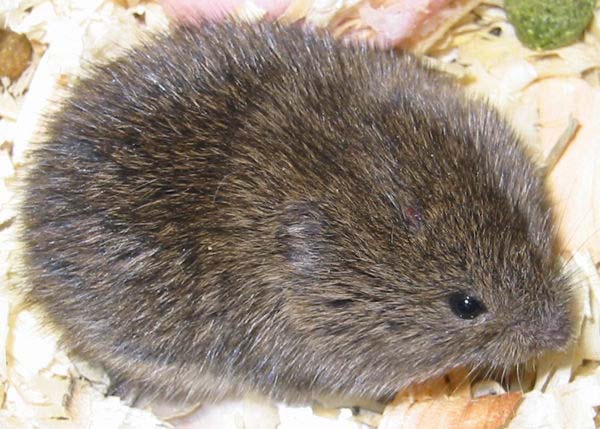
Answer: Based on your description, it certainly sounds like pine (=woodland) voles, Microtus pinetorum, although trapping would be needed to confirm. I am no longer doing work on voles, but earlier work, Selective Feeding of Pine Voles on Roots of Seedlings, showed that they really do like roots of oak seedlings.
When I want to exclude small mammals, I use ¼ inch mesh size or smaller. One other approach I’ve used with success is to create an “apron” of hardware cloth underground and extending outward several inches from the cylinder. Since pine voles create tunnels below the ground surface, this isn’t a guarantee of exclusion, but it certainly should discourage them.
If the problem is too severe for you to tolerate, a rodenticide bait such as zinc phosphide is another option. Thiram is a repellent that could be used – like all repellents, it has variable and short-term effectiveness (but still tends to be better than other commercial products).
The following link offers some practical tips on voles and vole control, including trapping to verify that voles are present, and methods of scouting and treating with rodenticide to reduce exposure risk to other nontarget wildlife and pets, Controlling Voles in Horticulture Plantings and Orchards in Missouri, University of Missouri Extension.
Resources:
Voles!, Purdue Extension-Agronomy
Voles (remember the V), Turfgrass Science, Purdue Horticulture & Landscape Architecture
Dealing with Mole Damage in Your Yard video, Purdue Extension-Forestry & Natural Resources YouTube Channel
Orphaned Wildlife, Got Nature? blog
A Template for Your Wildlife Habitat Management Plan, The Education Store, Purdue Extension resource center
Forest Improvement Handbook, The Education Store
Wildlife Habitat Hint, Purdue Extension – Forestry & Natural Resources (FNR) YouTube Playlist
Conservation Tree Planting: Steps to Success, Purdue Extension – FNR YouTube Video
Woodland Stewardship for Landowners, Purdue Extension – FNR YouTube Playlist
Woodland Management Moment, Purdue Extension – FNR YouTube Playlist
Rob Swihart, Professor of Wildlife Ecology
Department of Forestry and Natural Resources, Purdue University
Purdue Landscape Report, Why are the Japanese beetles running late this year?: Nothing heralds summer like the hum of Japanese beetles ravenously descending on a flower garden. Cool weather this spring has slowed emergence of adults from the soil. Heavy spring rains early followed by relatively drier weather in late June, may have trapped adult Japanese beetles under a crusty layer of hardened soil. Due to their large numbers in many parts of Indiana last year, they are very likely just waiting for a good rain to soften the surface, so they can dig themselves into the light of day and on to your flowers. So, if we get a little more rain by the time this article comes out, we are likely to be awash in adult beetles.
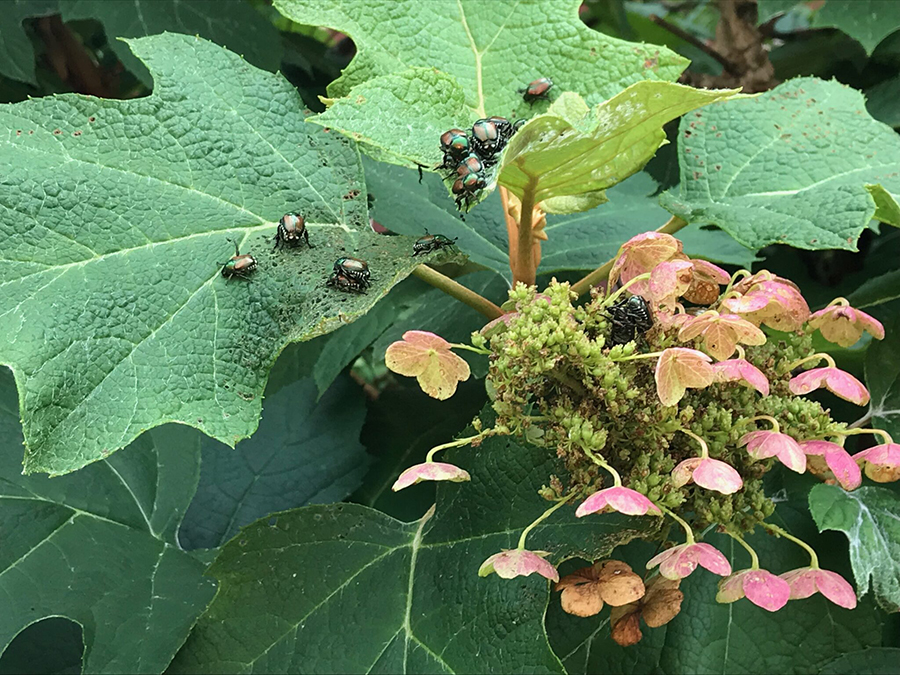 Weather is only part of what makes Japanese beetles predictably unpredictable. Beneficial organisms including fungi, microsporidia, and parasitic wasps also act different life stages of Japanese beetles. Japanese beetles have been the target of several national programs to release these beneficial organisms to reduce beetle populations. Favorable conditions for these beneficials can help reduce the local abundance of grubs and beetles.
Although killing grubs will reduce the number of beetles, the small size of lawns and the long flight range of makes it unlikely for your grub control program to reduce defoliation. In experiments conducted in my lab over 20 years ago, we found adult beetles can easily fly a kilometer (0.66 miles) in a single day. With adults living for several weeks, it is easy to image beetles traveling long distances from untreated lawns to plants on your property.
Life cycle of Japanese beetles: As the weather warms in the spring larvae (aka white grubs) move closer to the surface and begin feeding on turf roots. In May they enter a pupal stage and stop feeding. In June they typically emerge from the soil as adults. Adults fly in summer when they feed on flowers and leaves. In late July and early August adults lay eggs into the turfgrass. White grubs hatch from eggs and feed on the roots until frost when the larvae begin dig deeper into the soil to avoid killing temperatures.
To find out what you can do about Japanese beetles and view photos view: Why are the Japanese beetles running late this year?
Resources:
Report Invasive
Invasive Species, Got Nature?
Invasive Species, Playlist, Purdue Extension – FNR YouTube Channel
Indiana Department of Entomology and Plant Pathology
Spotted lanternfly: Everything You Need to Know in 30 Minutes, Video, Emerald Ash Borer University
Emerald Ash Borer, EAB Information Network
Invasive plants: impact on environment and people, The Education Store, Purdue Extension’s resource center
Woodland Management Moment: Invasive Species Control Process, Video, Purdue Extension – Forestry and Natural Resources (FNR) YouTube Channel
What are invasive species and why should I care?, Got Nature? Blog, Purdue Extension – Forestry and Natural Resources
Pest Management, The Education Store
Cliff Sadof, Professor Entomology/Extension Fellow
Purdue Entomology
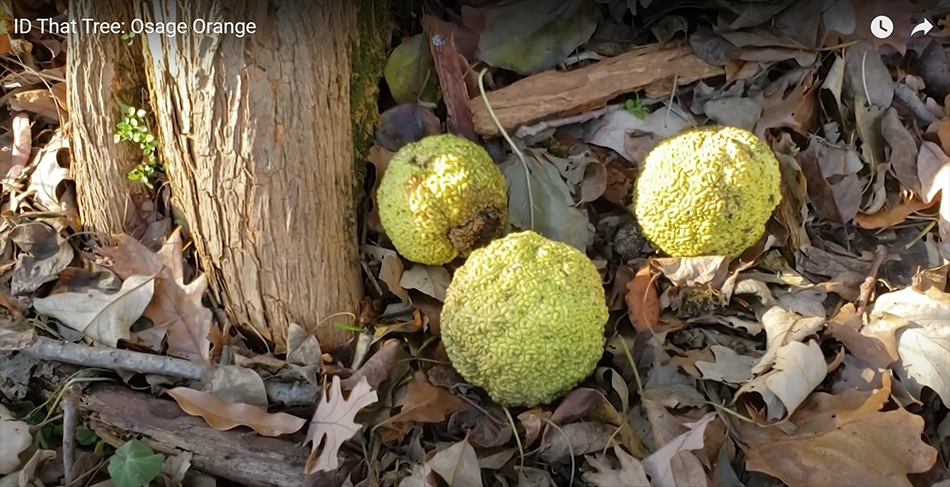 Question: I am building a hedge row and am contemplating working with Osage-orange seedlings and planting them. Is this a good choice?
Answer: Osage-orange, (Maclura pomifera) aka hedge, hedge-apple, bodark, bois d’arc and several other common names, is a tree native to parts of Arkansas, Oklahoma, and Texas, but has been planted in every one of the lower 48 states. The reason for that extensive planting was Osage-orange was promoted as the best tree for “living fences”, which were hedgerows planted to enclose or exclude livestock before the use of barbed wire. Osage-orange was also widely panted as a hedge-row and windbreak by the conservation programs of the FDR administration in the 1930’s. You can still encounter some of those old hedgerows on the landscape. It made a good hedgerow because the stems have stout thorns at the base of the leaves and will produce large and dense sprout colonies when cut back or pruned. It produced a living fence described as “horse-high, bull-strong, and pig-tight”.
The wood of Osage-orange was also used for wagon wheel parts, tool handles and fence posts due to its strength and rot-resistance. I have met a few landowners who showed me Osage gate or fence posts they had helped set as a child that were still in good condition 60 or more years later. It is also an excellent firewood, with one of the highest BTU yields of any native tree. Native peoples used straight-grained Osage-orange wood for outstanding bows, thus the French name bois d’arc and the English derivation bodark. Some crafters still seek Osage wood for making traditional bows or for turnings and other decorative items. The wood becomes so hard and dense with drying that it is recommended in most cases to work it green. The yellow-orange fresh wood color gradually ages to a deep reddish brown.
Osage-orange may have had more favorable treatment as a wood for many uses were it not for the tendency of the tree to fork, bend and twist, making straight, long stems uncommon.
The fruit of Osage-orange is where this and the hedge-apple name comes from. Osage-orange is neither a citrus tree nor an apple, but the large, round, green to yellow fruit suggest each to some extent. The interlacing bumps and crevices and the round shape suggest a brain to many, including myself. The closest relatives of Osage-orange are actually the mulberries. The size of this fruit and the limited number of current animals that will use it have prompted some to suggest it was originally eaten and propagated by large, and now extinct, ice-age animals such as the giant ground sloth, mammoth, and mastodon.
Osage-orange has many interesting and sometimes useful characteristics, but it can also become weedy in some situations. It can spread by seed or sprouts into disturbed areas like abandoned fields, farmlands, or grazed areas and out-compete native vegetation. For these reasons, planting new areas to Osage-orange is usually discouraged.
Resources:
You Say Hedge-Apple, I Say Osage Orange!, Indiana Yard and Garden – Purdue Consumer Horticulture.
Osage Orange, The Wood Database
ID That Tree: Osage-Orange, Purdue Extension-FNR’s YouTube playlist
ID That Tree, Purdue Extension-FNR’s YouTube playlist
Windbreaks – Agroforestry for Any Property, Caring for your Woodland, University of Wisconsin-Madison, Extension
The Woody Plant Seed Manual, U.S. Forest Service
Native Trees of the Midwest, The Education Store, Purdue Extension’s resource center
Shrubs and Woody Vines of Indiana and the Midwest, The Education Store
Woodland Management Moment , Purdue Extension-FNR’s YouTube playlist
Investing in Indiana Woodlands, The Education Store
Forest Improvement Handbook, The Education Store
Lenny Farlee, Sustaining Hardwood Extension Specialist
Purdue University Department of Forestry and Natural Resources
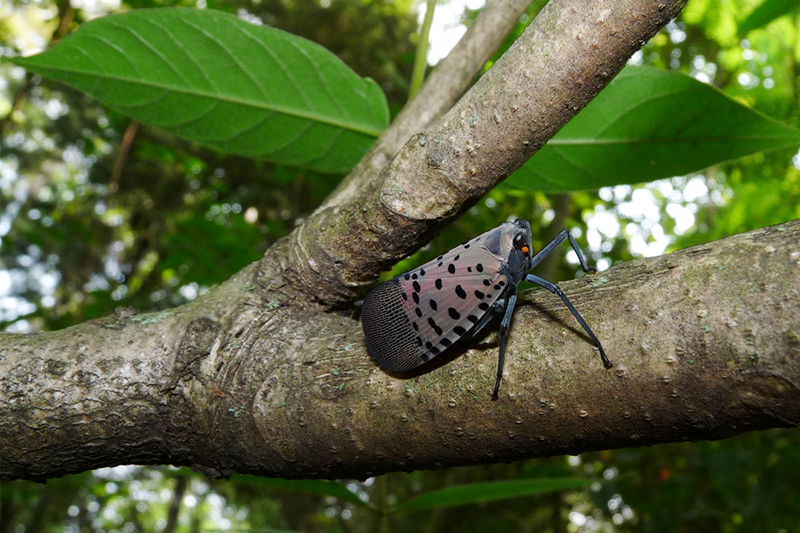 Spotted lanternfly is a major pest of concern across most of the United States. Spotted lanternfly (SLF) is an invasive planthopper native to China that was first detected in the United States in Pennsylvania in 2014. SLF feeds on over 70+ plant species including fruit, ornamental and woody trees with tree-of-heaven as its preferred host. Spotted lanternfly is a hitchhiker and can easily be moved long distances through human assisted movement.
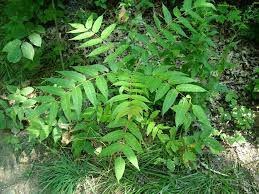
Tree of heaven (TOH) is the preferred host for the spotted lanternfly (SLF). The ability to identify TOH will be critical to monitoring the spread of this invasive pest as the 4th-stage nymphs and adult spotted lantern-flies show a strong preference for TOH.
Report a Sighting
- Take a picture and note your location.
- If you can, collect a sample of the insect by catching it and placing it in a freezer. You can use any container available as long as it has a tight seal (like a water bottle) so that the spotted lanternfly can’t escape.
- Report the sighting at DEPP@dnr.in.gov, eddmaps.org, or 1-866-663-9684.
 Stop the Spread
- Check your car and outdoor equipment for spotted lanternfly eggs, nymphs, and adults before driving or moving to a new location.
- Don’t move firewood because it can spread spotted lanternfly and many other invasive insects.
- Stay up to date with the latest spotted lanternfly information by subscribing to our newsletters (www.purduelandscapereport.org/ and www.in.gov/dnr/entomology/entomology-weekly- review/) and following us on Facebook, Twitter, and Instagram (@reportINvasive and @INdnrinvasive).
- Share your spotted lanternfly knowledge with others!
Resources:
Spotted Lanternfly, Indiana Department of Natural Resources Entomology
Spotted Lanternfly Found in Indiana, Purdue Landscape Report
Invasive plants: impact on environment and people, The Education Store, Purdue Extension’s resource center
Woodland Management Moment: Invasive Species Control Process, Video, Purdue Extension – Forestry and Natural Resources YouTube Channel
Invasive Species, Playlist, Purdue Extension – FNR YouTube Channel
What are invasive species and why should I care?, Got Nature? Blog, Purdue Extension – Forestry and Natural Resources
Report Invasive
Diana Evans, Extension and Web Communication Specialist
Purdue University Department of Forestry and Natural Resources
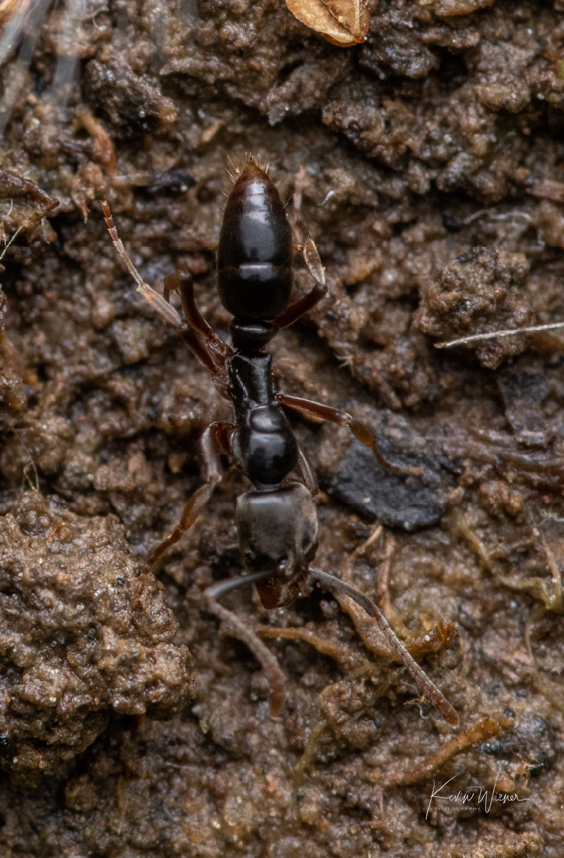
Asian needle ant in
natural setting. Photo by Kevin Weiner, Evansville, IN.
It is official. The Asian needle ant is our newest invasive insect pest and has now become a permanent resident, stinging ant. Two ant specimens taken from a wooded area in southern Indiana by an astute amateur entomologist, who observed their appearance and behavior as ‘out of the ordinary’, was submitted to the Indiana Department of Natural Resources and to the Purdue University Plant and Pest Diagnostic Laboratory for species identification in February, 2022. Both were confirmed to be Formicidae: Brachyponera chinensis, commonly known as the Asian needle ant, not previously recorded from Indiana.
Asian needle ants (ANAs), originally from Eastern Asia (China, Japan, and Korea), were first discovered in the United States in the early 1930s, but only recognized as a pest since 2006. They have been officially established in several states in the U.S. including North Carolina, South Carolina, Alabama and Georgia and, have been anecdotally reported as far north and west as New York, Tennessee and Kentucky.
Note that stings to humans will be moderately painful (potentially causing severe allergic reactions to susceptible individuals) much like fire ant or bee stings, but fortunately because these ants are much less aggressive in protecting their nests, the number of stings per encounter will be less.
The First Report of the Invasive Asian Needle Ant in Indiana pdf provides more details on their identification and biology.
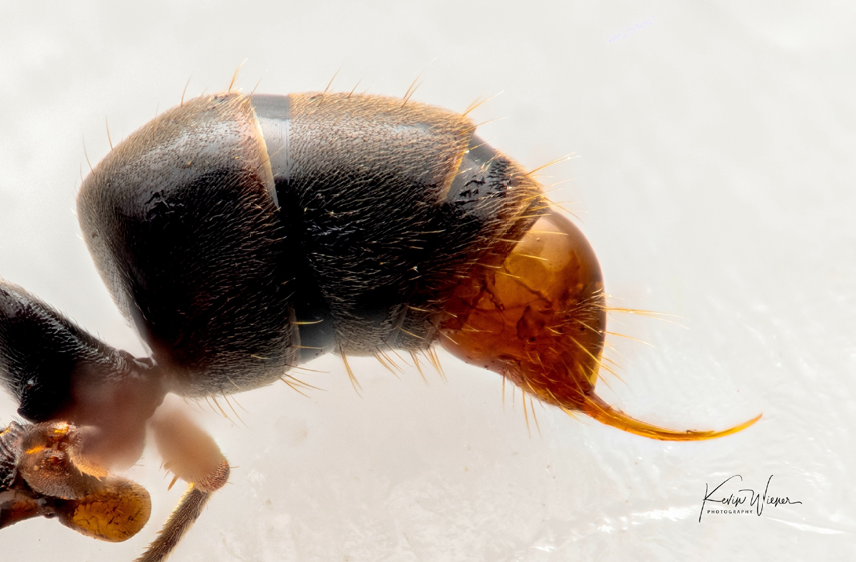
Asian needle ant stinger extended. Photo by Kevin Weiner, Evansville, IN.
If you want to confirm a sighting of the Asian needle ant please contact the Purdue University Plant and Pest Diagnostic Laboratory at this time. More information will be presented as experts monitor the spread.
Resources:
Thousand Cankers Disease, Indiana Department of Natural Resources
Thousand Cankers Disease: Indiana Walnut Trees Threatened, The Education Store, Purdue Extension’s resource center
Indiana Walnut Council
Spotted lanternfly: Everything You Need to Know in 30 Minutes, Video, Emerald Ash Borer University
Emerald Ash Borer, EAB Information Network
Report Invasive Species, Purdue Invasive Species
The GLEDN Phone App – Great Lakes Early Detection Network
EDDMaps – Early Detection and Distribution Mapping System
Indiana Department of Natural Resources: Invasive Species
Indiana Invasive Species Council
Cooperative Invasive Species Management Area (CISMA)
Invasive plants: impact on environment and people, The Education Store
Woodland Management Moment: Invasive Species Control Process, Video, Purdue Extension – Forestry and Natural Resources (FNR) YouTube Channel
Invasive Species, Playlist, Purdue Extension – FNR YouTube Channel
What are invasive species and why should I care?, Got Nature? Blog, Purdue Extension – Forestry and Natural Resources
Report Invasive
Indiana Department of Entomology and Plant Pathology
Tim Gibb, Insect Diagnostician and Extension Specialist
Purdue Department of Entomology
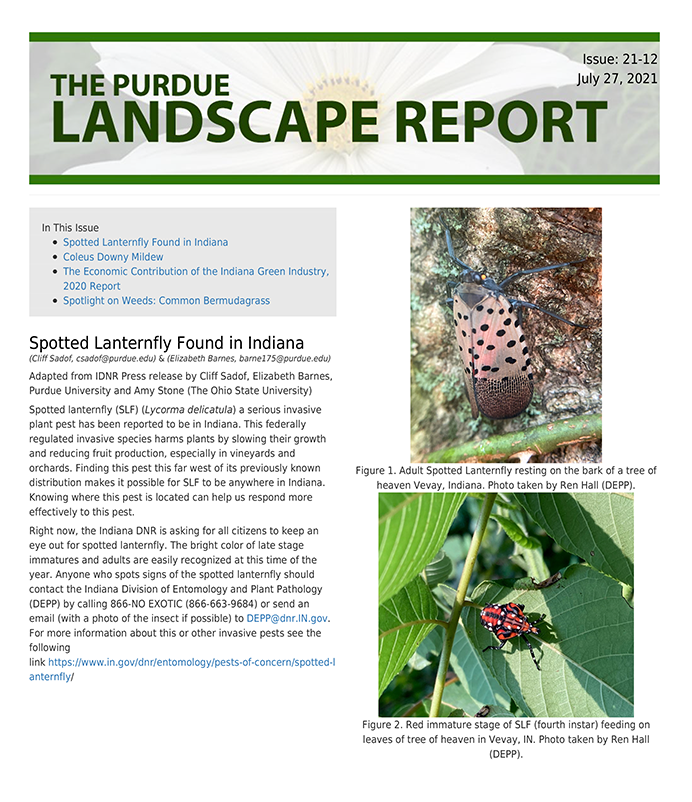 The interdisciplinary faculty and staff behind the Purdue Landscape Report, which provides science-based, timely information regarding Midwest landscapes to commercial growers, garden centers, landscapers, arborists and the general public, has been named as the recipient of the Purdue Agriculture TEAM Award, which was created in 1995 to recognize interdisciplinary team achievements of faculty and staff.
Led by Kyle Daniel, nursery and landscape outreach specialist in the Department of Horticulture and Landscape Architecture, the Purdue Landscape Report is a collaborative effort between Purdue Extension specialists and diagnosticians in the departments of Botany and Plant Pathology, Entomology, Forestry and Natural Resources, and Horticulture and Landscape Architecture. Articles cover everything from urban forestry and tree maintenance to pest and disease problems and management to plant selection and turf science. In addition to an email newsletter and online blog, PLR staff also provide live interactive webinars in order to highlight content and respond to questions from the audience.
In response to the pandemic, the Purdue Landscape Report staff also began a live, to addresses articles and hot topics. That series garnered more than 2,000 views.
In a January 2021 survey sent to PLR subscribers, 88% of respondents said they believed that the newsletter improved their ability to diagnose a problem, while 76% said that PLR has had a positive economic impact on their business.
A local professional shared that “Sometimes when I open up the PLR, it is like you have been reading my mind. The problem I have been seeing or thinking about is there in your headlines.”
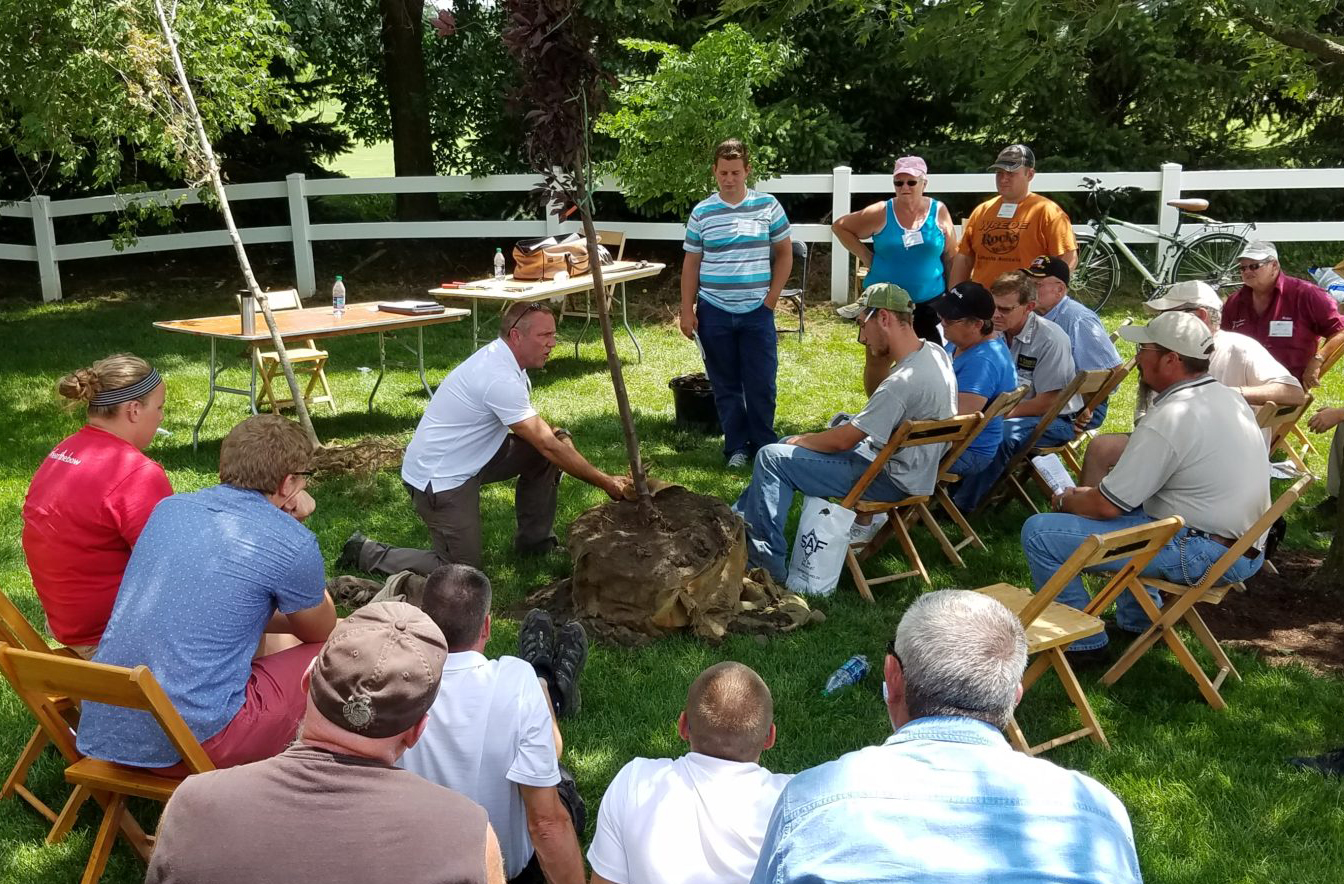 One PLR subscriber said “The Purdue Landscape Report is a great resource for myself and my team members. Within each issue is one or more topics that our team has encountered or discussed recently and the information provided by a very reputable source gives us the material needed to provide the best service to our clients and increase our knowledge base. The virtual sessions are another great resource provided that give an opportunity to have specific questions answered by experts.”
The impact extends from landowners to industry professionals and beyond.
“Often we take for granted the information produced in the PLR and we forget the countless dollars we have saved from information in the PLR,” said Rick Haggard, Indiana Nursery and Landscape Association Executive Director.
“The Purdue Landscape Report provides timely information to the Indiana Arborist Association members and associated parties in a format that is easily accessed and understood,” Associate Executive Director of IAA Ashley Mulis said. “The collaboration that goes into providing this product demonstrates the cohesive nature of several departments within Purdue University and the open sharing and comparison of information. The Purdue Landscape Report is an excellent addition to the many publications offered within Purdue Extension in helping resource professionals manage the ever-changing landscape of pests, diseases and best management practices.”
Resources:
Purdue University Department of Forestry and Natural Resources
Indiana Arborist Association

Recent Posts
- Woodland Flowers of Late Summer
Posted: September 19, 2025 in Forestry, Gardening, Wildlife - Celebrate Pollinator Week With Flowers of June Tour
Posted: June 10, 2025 in Forestry, Gardening, How To, Wildlife - Top 10 Spring Flowering Shrubs, Purdue Landscape Report
Posted: April 28, 2025 in Gardening, Plants, Urban Forestry - Leaving Leaves Benefits Wildlife – Wild Bulletin
Posted: November 11, 2024 in Forestry, Forests and Street Trees, Gardening, Urban Forestry, Wildlife - Purdue Extension’s Showcase, Impacting Indiana
Posted: November 8, 2024 in Community Development, Forestry, Forests and Street Trees, Gardening, Land Use, Natural Resource Planning, Timber Marketing, Urban Forestry, Wildlife, Wood Products/Manufacturing, Woodlands - When Roundup Isn’t Roundup – Purdue Landscape Report
Posted: October 17, 2024 in Forestry, Gardening, Plants, Urban Forestry - Ask An Expert: What’s Buzzing or Not Buzzing About Pollinators, Webinar
Posted: July 4, 2023 in Forestry, Gardening, How To, Plants, Wildlife - Magnificent Trees of Indiana Webinar
Posted: May 12, 2023 in Forestry, Forests and Street Trees, Gardening, Got Nature for Kids, Urban Forestry, Webinar, Woodlands - Be Tick Aware: Lyme Disease & Prevention Strategies Webinar
Posted: May 11, 2023 in Alert, Forestry, Forests and Street Trees, Gardening, How To, Urban Forestry, Webinar, Wildlife, Woodlands - Illinois Groundwork provides a rich supply of green infrastructure resources – IISG
Posted: in Gardening, Land Use, Plants, Wildlife
Archives
Categories
- Alert
- Aquaculture/Fish
- Aquatic/Aquaculture Resources
- Ask the Expert
- Christmas Trees
- Community Development
- Disease
- Drought
- Forestry
- Forests and Street Trees
- Gardening
- Got Nature for Kids
- Great Lakes
- How To
- Invasive Animal Species
- Invasive Insects
- Invasive Plant Species
- Land Use
- Natural Resource Planning
- Nature of Teaching
- Plants
- Podcasts
- Ponds
- Publication
- Safety
- Spiders
- Timber Marketing
- Uncategorized
- Urban Forestry
- Webinar
- Wildlife
- Wood Products/Manufacturing
- Woodland Management Moment
- Woodlands