 Purdue University - Extension - Forestry and Natural Resources
Got Nature? Blog
 “The Walnut Twig Beetle (WTB), Pityophthorus juglandis, the insect involved in Thousand Cankers Disease of Black Walnut (TCD), has been detected in Indiana for the first time at a Franklin County sawmill.
The beetle was detected in a trap placed at the sawmill for a 2014 statewide survey for WTB. Additional WTBs were found during an inspection of walnut logs and lumber at the sawmill. TCD is caused by the fungus Geosmithia morbida that is transmitted by WTB.
The beetles bore into walnut branches, feeding on the tree’s tissues and depositing the fungus that creates a canker, or dead area, under the bark. Multiple feedings cause the formation of thousands of cankers under the bark and destroy the tree’s ability to transport water and nutrients. Gradually the tree dies.
Tests for the fungus from the collected beetles and walnut samples in Franklin County are ongoing. So far, the fungus has not been detected. Surveys at the sawmill have not detected any infested walnut trees. Another survey is planned for this summer for the area surrounding the sawmill.
State Entomologist Phil Marshall has ordered the sawmill quarantined. The sawmill is working with the DNR and is destroying walnut material on the property to prevent movement of TCD from the property.”
Note that no live trees have been found with TCD in Indiana yet. It is not recommended that landowners cut their walnut trees due to the disease. Instead, it is recommended that residents do not move firewood or other bark on materials of any species due to the risk of transporting known and unknown insects and diseases.
View Thousand Cankers Disease, Indiana Department of Natural Resources, for more information.
Resources
Walnut Anthracnose, Walnut Notes, U.S. Department of Agriculture, Forest Service, North Central Forest Experiment Station
Indiana Walnut Council, Industry Representatives include 45 states and 3 foreign countries
Diseases in Hardwood Tree Plantings, The Education Store, Purdue Extension resource center
Study: Fungus Behind Deadly Disease in Walnut Trees Mutates Easily, Complicating Control, Purdue Agriculture News
Indiana Walnut Council
Diseases in Hardwood Tree Plantings, The Education Store, Purdue Extension resource center
Why are my walnut trees dropping their leaves?, Purdue Extension – Forestry & Natural Resources (FNR) Got Nature? Blog
Invasive Species Walnut Twig Beetle Detected in Indiana, Purdue Extension – FNR Got Nature? Blog
Intro to Trees of Indiana: Black Walnut, Purdue Extension – FNR Got Nature? Blog
Planting Hardwood Seedlings in the Central Hardwood Region, The Education Store
Regenerating Hardwoods in the Central Hardwood Region: Soils, The Education Store
Fertilizing, Pruning, and Thinning Hardwood Plantations, The Education Store
Resources and Assistance Available for Planting Hardwood Seedlings, The Education Store
 ‘Twas the day before Arbor Day, when all through the park,
Not a creature was stirring, no chirp, squeak or bark.
The birds were perched on the utility wires with care,
In hopes that many trees soon would be there.
All types of squirrels, gray, fox and red,
Had visions of oak trees dancing in their head;
And mama with her overalls, and I my work jeans,
Were prepared and ready to make the park green.When out in the park, there arose such a clatter,
I sprang to my window to see what was the matter.
Away out my door, I flew like a flash,
Running to the crowd that was gathered ‘round the ash.The dead looking tree with no leaves to show,
Gave a glimmer of midday through its branches to objects below.
When what to my wondering eyes came ‘round the corner with ease,
But a miniature truck and in the bed, eight tiny trees.With a little old driver, so lively and quick,
I knew in a moment it must be Mayor Nick.
The trees looking so healthy and flourishing as they came,
He whistled and shouted and called them by name:”White Oak! Red Cedar! Silver Maple and Black Cherry!
Cottonwood, Black Walnut, American Beech and Hackberry!
It is time to grab your gloves, shovels and spades!” He did call,
“Now plant away! Plant away! Plant away all!”With his blueprints out, he started to show,
Where in the park each tree would go.
So excited and anxious with all my gear, I flew
To the truck full of trees, and Mayor Nicholas too.
And then, in a moment, I heard on the road,
The roaring of more trucks with trees overflowed.
As I lifted my head and was turning around,
The city forester and many arborists came with a bound.
Mayor Nick had called in the professionals to help us out,
So we all would understand what this project was all about.
“Before we start planting, I want to explain
the benefits from these trees the city will gain!
Trees increase property value and improve living conditions.
They also relieve stress and help with (CO2) emissions.
Better air and water quality and sound barriers too,
And the best part is the beautiful new view!”
After Mayor Nick’s speech, the city forester stepped in.
“Whose ready to plant some trees?” he said with a grin.
The crowd cheered, and the project was now on its way,
Making the park beautiful and green in honor of Arbor Day.
First thing we had to do was remove the dead trees.
The park was originally filled with ash, which was a feast for EAB.
The arborists cut all the trees down one by one.
There was so much help, in no time the cleanup was done.
As we finally started planting, the professionals came around,
Making sure we were putting the trees properly into the ground.
I learned that you cut and remove only ⅓ – ½ of the B&B.
Then you check the roots, the most important part of the tree.
If the tree has spiraling roots, all four sides must be sawed,
So the tree’s way of nutrient uptake and anchorage is not flawed.
It is also important that the root flare is not below the soil line.
Many people tend to bury it, thinking their tree will be fine.
Before planting your tree, consider the tree’s full-grown size.
Improper planting can cause the tree to die otherwise.
I’m so glad I decided to volunteer today.
I learned so much about planting trees the right way!
After countless hours of hard work and sweat,
Mayor Nick’s goals for the park were finally met.
He thanked everyone, and as he drove out of sight,
He shouted “Happy Arbor Day to all, and to all a good night!”
Resources
FNR Majors & Minors, Purdue FNR
Prospective Students, Purdue FNR
We Know Nature! FNR: This is Your Classroom Project Video
Erin Hipskind, Forestry Student
Department of Forestry and Natural Resources, Purdue University
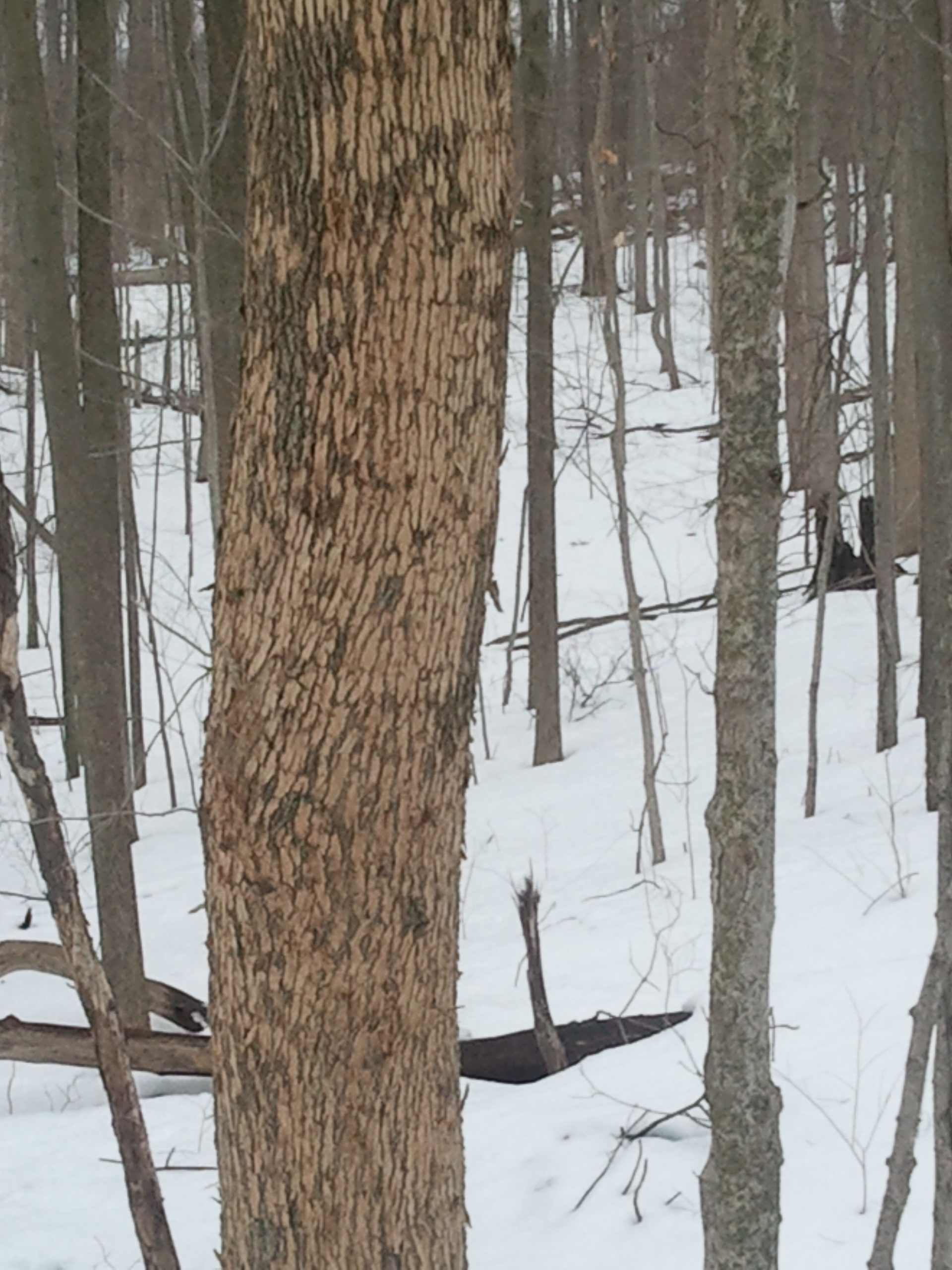
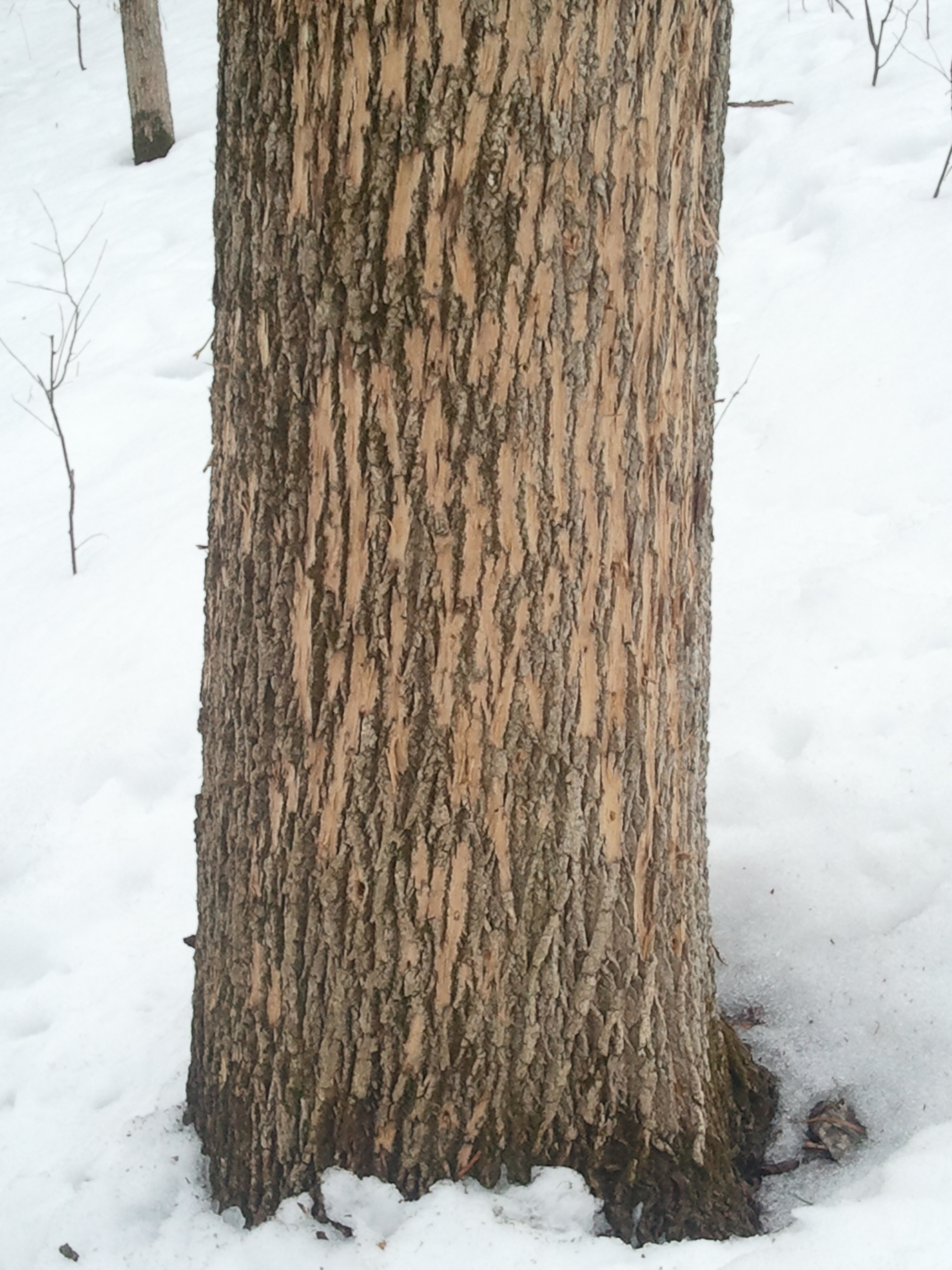
If you’re walking in the woods or maybe even traveling along a road this spring in Indiana, you may come across some trees that look like the one in the photos below. Clearly, something unusual is going on here. What made the bark change color so quickly, and why are there holes in the bark?
The answer to both of those questions for ash trees around the state is Emerald Ash Borer and woodpeckers. As Emerald Ash Borer spreads across Indiana, the population of Emerald Ash Borer larvae overwintering under the bark of ash trees can quickly increase. These grubs provide a tasty treat and important winter and early spring nutrition to hungry woodpeckers. Woodpeckers of several species are experts at detecting and extracting these grubs by pounding holes in tree bark. Ash bark is generally gray on the surface, but the inner bark is a light corky tan color. Once the woodpeckers find the EAB larvae, their excavation activities flake off the outer bark to expose the lighter colored inner bark. This is actually one of the best indicators of the presence of Emerald Ash Borer in a tree. The woodpecker activity often starts in the upper main stem and branches of ash trees, but as the population of EAB larvae in the trees increase, the woodpecker activity spreads down the trunk of the tree. Trees with this much inner bark exposed indicate an advanced infestation of EAB and signal ash tree mortality in the next year or two.
If you would like to learn more about ash trees and the Emerald Ash Borer, visit the Purdue Emerald Ash Borer website.
Trees offer many functional and aesthetic benefits, but one of the most common is shade. Because of this, one of the most important aspects of tree selection and planting is placement. Improper placement of trees can diminish the value of the tree on the site. The tree can actually become a liability if it conflicts with infrastructure or just does not providing any useful shade at all. For shade where it’s needed most that also allows passive solar gain in the winter months, you must use an energy efficient design.

Figure 1 (Diagram by Greg Pierceall)
In this hemisphere, the sun is in the south, and the source of cold weather is in the north. Whenever possible, place openings for sunlight and radiant heat primarily on the southern exposure, then on the west and east. For energy efficiency in winter, use the low arc of the sun to capture the maximum amount of warmth through east-, west- and south-facing windows. Windows with a northern exposure are a source of cool air from prevailing winds during the hot months, so give the north minimum exposure and maximum natural protection in the winter.
When selecting trees for energy efficiency, don’t plant evergreen trees near the house on southern exposures. Trees may provide some shade and screening but will also block out the warming effects of the sun during winter months. When choosing trees for shade and solar gain, choose larger, deciduous-canopy trees that provide an advantage year round. Select good quality trees that are suitable for your location from a reputable source. See the publication FNR-433-W on the Education Store website for more information on tree selection and planting.
Correct placement is critical for an energy-efficient design and low maintenance as the tree grows and matures. Be certain that the mature height and spread fit the location before placing the tree. This allows the tree freedom to spread into the design space naturally without excessive pruning to prevent conflicts with the house. However, the tree still must be close enough to the house for the canopy to provide shade. A good rule of thumb is to plant the tree at least 20 feet from the house. For larger shade trees, you may need to plant as far as 40 feet from the house to insure room for growth (see Figure 1).
Trees help make homes energy-efficient by creating a cooling effect during the hot summer months or by allowing the passive solar gain during cold winter months. However, proper selection and placement is critical to make this work.
Resources
Tree Installation: Process and Practices, The Education Store
Tree Planting Instructions, Indiana Department of Natural Resources
Planting & Transplanting Landscape Trees and Shrubs, Department of Horticulture, Purdue University
Lindsey Purcell, Urban Forestry Specialist
Department of Forestry and Natural Resources, Purdue University
 The Purdue Center for Global Soundscapes has been recognized by PBS. NOVA, a PBS documentary series focused on science, interviewed Bryan Pijanowski, Professor of Human-Environment Modeling and Analysis Laboratory, and Matt Harris, Graduate Research Assistant, to learn more on the subject and to share this story on the NOVA website in video format. Soundscape ecology is the study of how the environment changes by studying the sounds within that environment.
Anyone can be a citizen scientist and download their “sounds of earth” to the soundscape ecology database. There is no cost, and it is easy to do. Just visit the website, Record the Earth, for instructions.
Resources
Soundscape Ecology Research Projects, Forestry and Natural Resources
Purdue Boiler Bytes Highlights Discovery Park Global Soundscape Research Center Led by FNR’s Dr. Bryan Pijanowski, Got Nature?
Bryan Pijanowski, Professor of Human-Environment Modeling and Analysis Laboratory
Department of Forestry and Natural Resources
 Have you ever wondered what an unfettered rainforest sounds like? Or maybe been curious about the sounds of the shifting coastal tides of Alaska? Well Purdue Department of Forestry and Natural Resources Professor Bryan Pijanowski and his students have now made it possible to hear sounds from a wide number of locations around the world. Dr. Pijanowski, Professor of Human-Environment Modeling & Analysis Laboratory, has led teams to locations across the globe, including Costa Rica, Borneo and the Sonaran Desert, in an effort to record and archive the sounds produced by various ecosystems. Dr. Pijanowski and his team have developed a series of applications for mobile devices and other technologies for soundscape recordings and research.
You can help capture and preserve sounds of the Earth and highlight their bellwether role in alerting scientists to environmental habitat changes by using the free app available at The Education Store, Purdue Extension. On Earth Day, April 22, 2015, The Global Soundscapes Research Center will try to surpass the number of downloads these received in 2014 on Earth Day.
Resources
Center for Global Soundscapes
Conserving Biodiversity in Agricultural Landscapes, Purdue University Press
Managing Forest & Wildlife Resources: An Integrated Approach, The Education Store
Bryan Pijanowski, Professor of Human-Environment Modeling & Analysis Laboratory
Department of Forestry and Natural Resources, Purdue University
 “When it snows…
and temperatures drop,
That’s when you’ll hear
The Snap, Crackle and Pop.”
Few things can compare to the peacefulness of walking in a forest filled with snow covered trees until you hear a snap, crackle or an explosive “POP” echoing through the woods. What on earth was that? If the noise is followed by a “whoosh,” it may be a limb that just broke and crashed to the ground. If it sounded like a gunshot but nobody is there, you may be listening to the sound of a frost crack forming on a tree.
What are frost cracks?
Nobody knows for sure. You may hear one happen, typically on a cold late winter morning after a warm spell. They sound like muffled to loud rifle shots. Typically, these cracks occur on the south side of the trunk between two and five feet up the tree (when measuring from the ground). With leaves on, water is pulled upwards from tree roots through the xylem vessels by the differences in water potential from the air to the soil and escapes through the leaves (the soil-plant-air continuum).
Water in the plant is under a negative water potential, or in common terms, under tension. In the winter, when deciduous trees have no leaves, the water pressure in the sap becomes positive. A flow occurs where water moves up in the xylem and cycles down in the phloem (food conducting cells). The mechanism of this winter flow in temperate trees is not well understood physiologically. The sap increases in simple soluble sugars as the cold weather begins and increases until midwinter to work like antifreeze, depressing the freezing point of water. This is why maple syrup can be tapped in late winter.
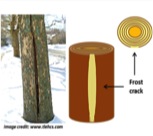 Scientists are challenged to study the phenomena of frost cracks. They involve thousands of xylem vessels in a very narrow vertical line bursting all at once – as if a line of sap is too low in sugar concentration – and then freezes hard explosively bursting the vessels. After several growing seasons, most trees will heal over the crack, but callus growth makes them appear wider. Valuable timber logs can still be profitably harvested with frost cracks as millers can cut through them to minimize the defect.
Species with darker colored bark and thinner bark can be affected by frost cracks. Some genotype effects have been found in black walnuts at Purdue. Field conditions and topography that effect cold air movement can affect frost cracks. Most form on the southwestern section of the trunk, the area most affected by warming from sunlight during winter afternoons. Somehow, this conditioning sets up the tree when temperatures plummet to single digits (in Fahrenheit) or lower, especially after a warmer period.
So if you wander through the woods this winter, stop but don’t “drop” when you listen to the sounds of the trees.
“When the snow twinkles
and the skies are bare…
Temperatures drop
and a chill fills the air.
If you listen real close
and adjust your cap,
You just might hear
a tree go ‘Snap!’”
Resources
Bark Splitting on Trees, Cornell University
Video: How Do Trees Survive Winter? MinuteEarth
Winterize Your Trees, The Education Store
Shaneka Lawson, Adjunct Assistant Professor
Department of Forestry and Natural Resources
James McKenna, Operational Tree Breeder
Department of Forestry and Natural Resources
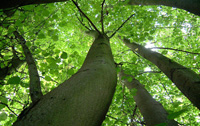 The 2015 Indiana Tree Farm Landowners Clinic is a program designed to provide landowners interested in managing their forests and wild lands an introduction to management practices and resources for advice and assistance. The program is open to anyone interested in trees and wildlife. Since 1941, the American Tree Farm System has educated and recognized the commitment of private family forestland owners demonstrated in sustainable forest stewardship. We will have tree measuring sticks available for sale. Join us to learn more about Tree Farm and how you can improve your property. This program is offered through the cooperation of the Indiana Tree Farm Committee, the Indiana Department of Natural Resources (INDNR) – Division of Forestry and the Hardwood Tree Improvement and Regeneration Center (HTIRC).
What: 2015 Indiana Tree Farm Landowners Clinic
When/Where: Friday, March 27, 2015, at The Reuter Tree Farm from 1-4 pm; Saturday, March 28, 2015, at McCormick’s Creek State Park, Spencer, IN from 9 am to 4 pm
Registration: $50 per person or $75 per couple. Must register by March 20, 2015.
See the brochure for more details and registration.
Resources
Purdue FNR Events
Forest Improvement Handbook, The Education Store
A Landowner’s Guide to Sustainable Forestry: Part 1: Sustainable Forestry – What Does It Mean For Indiana?, The Education Store
Lenny Farlee, Sustaining Hardwood Extension Specialist
Department of Forestry and Natural Resources & HTIRC
Bob Burke, Consulting Forester
Indiana Tree Farm Program
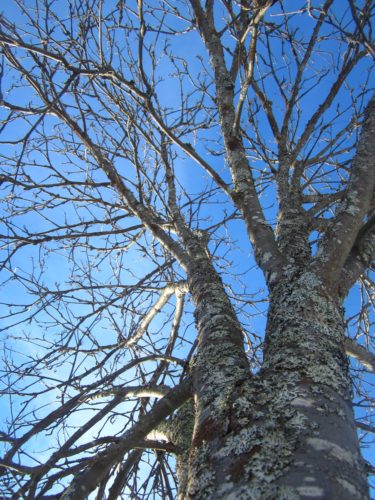 The Terre Haute area in Indiana is in a tree crisis. With Emerald Ash Borer and other deciding factors, 300+ trees a year will be removed. Over the next few years, this averages to approximately 24 percent of the total trees will be gone. Planning for the future with the knowledge of this loss is crucial. While the city will pay for removing the trees and tree-related projects, it is not in the city’s budget to replace the trees at this time. The city needs to apply for grants to fund replanting projects. The trees are removed due to diseases, age and when people run into them with cars. If you want to learn more about the tree crisis and the action that will be taken, you are welcome to attend the Emerald Ash Borer summit.
What: TREES Inc. Emerald Ash Borer Summit
Where: Vigo County Library, Meeting Rooms A, B and C
When: Thursday, February 12, 12-1:30 pm
Resources
Emerald Ash Borer in Indiana, Purdue Extension
Tree Installation: Process and Practices, The Education Store
Tree Risk Management – Got Nature? Blog, Purdue Extension – FNR
Got Nature?
Department of Forestry and Natural Resources
Purdue University
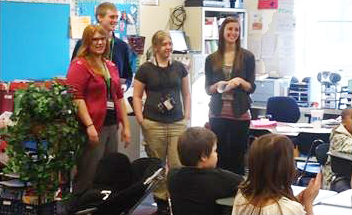 FNR is pleased to announce a new program that will provide undergraduate extension internship opportunities for qualified students this summer. This is an exciting program with the potential to build on an already strong set of FNR extension programs while providing valuable experience and training for undergraduates.
Purdue University’s Department of Forestry and Natural Resources seeks candidates for extension internship positions. The department extension program has a broad environmental scope including fisheries, forest management, invasive species, urban forestry, sustainability, wildlife and wood products. Student interns can enhance their career potential through practical, hands-on experience. Our extension internship program can help you:
- Develop leadership and decision-making skills in handling creative challenges
- Gain experience developing extension products including publications, online videos, presentations and/or more
- Participate in professional development opportunities
- Build professional references and contacts
- Clarify career goals
- Learn from a diverse and experienced group of natural resources professionals
Internships are open to non-Purdue students. Requirements for the position(s) include status as a junior or senior level college student in natural resources or related discipline, minimum 3.0 GPA, evidence of initiative, independence and commitment to conservation of natural resources. Internships are available for summer term (up to 40 hours/wk., up to 8 weeks) with pay at a rate of $12 per hour. Internship start dates and work hours are flexible depending on the applicant’s availability.
Resources
FNR Extension Internship Information, Purdue Forestry and Natural Resources (FNR)
Brian MacGowan, Extension Wildlife Specialist
Department of Forestry and Natural Resources, Purdue University

Recent Posts
- Popular Landscape Shrub is Invasive
Posted: October 15, 2026 in Alert, Forestry, Forests and Street Trees, Invasive Plant Species, Plants, Woodlands - Purdue Extension’s Regional Teams Are Here: Connecting Communities with Expertise and Opportunity
Posted: October 14, 2026 in Community Development, Forestry, Forests and Street Trees, Gardening, How To, Timber Marketing, Urban Forestry, Wildlife, Woodlands - Why Do Our Trees Go From Green Leaves to Different Colors?
Posted: in Forestry, Forests and Street Trees, Urban Forestry, Woodlands - Distinguishing Dogwoods
Posted: October 13, 2026 in Forestry, Urban Forestry, Wildlife, Woodlands - It’s Not Too Early To Start Planning For Spring Tree Planting
Posted: in Forestry, How To - Can I Plant Trees in the Fall?
Posted: October 12, 2026 in Forestry, How To, Land Use, Plants, Urban Forestry, Wildlife - Burning for Benefits: Why Fire Belongs in Indiana
Posted: in Forestry, Safety, Woodlands - Disease May Cause Wilting and Eventual Death of Certain Trees and Shrubs, Purdue Landscape Report
Posted: October 5, 2026 in Disease, Forestry, Plants - October Is Firewood Month: Protect Indiana’s Forests by Making Smart Choices
Posted: October 1, 2026 in Forestry, Forests and Street Trees, How To, Invasive Insects, Urban Forestry - Woodland Flowers of Late Summer
Posted: September 14, 2026 in Forestry, Gardening, Wildlife, Woodlands
Archives
Categories
- Alert
- Aquaculture/Fish
- Aquatic/Aquaculture Resources
- Ask the Expert
- Christmas Trees
- Community Development
- Disease
- Drought
- Forestry
- Forests and Street Trees
- Gardening
- Got Nature for Kids
- Great Lakes
- How To
- Invasive Animal Species
- Invasive Insects
- Invasive Plant Species
- Land Use
- Natural Resource Planning
- Nature of Teaching
- Plants
- Podcasts
- Ponds
- Publication
- Safety
- Spiders
- Timber Marketing
- Urban Forestry
- Webinar
- Wildlife
- Wood Products/Manufacturing
- Woodland Management Moment
- Woodlands