 Purdue University - Extension - Forestry and Natural Resources
Got Nature? Blog
Join Purdue Extension forester Lenny Farlee in this episode of “A Woodland Management Moment” as he discusses the benefits of using windbreak plantings around hardwood tree plantations. Using a black walnut planting as an example, this episode introduces how windbreaks can influence early growth, protection and overall tree from. The video also connects windbreaks to broader planting strategies and long-term management objectives. Watch to learn how thoughtful plantation design can support both tree performance and woodland management goals.
A good resource to learn more is the Walnut Council website. Founded in 1970, the Walnut Council is an international association representing nearly 700 woodland owners, foresters, forest scientists, and wood-producing industry representatives in 45 states and three foreign countries. The purpose is to assist in the technical transfer of forest research to field applications, help build and maintain better markets for wood products and nut crops, and to promote sustainable forest management, conservation, reforestation, and utilization of American black walnut (Juglans nigra) and other high quality fine hardwoods.
If you have any questions regarding trees, forests, wildlife, wood products, or other natural resource topics, feel free to contact us by using our Ask an Expert web page.
Resources:
A Woodland Management Moment, Playlist, Purdue Extension – Forestry and Natural Resources (FNR) YouTube Channel
Explore the Rich World of Oaks with Purdue FNR Extension & Partners, Purdue Extension – FNR Got Nature? Blog
Conservation Tree Planting: Steps to Success, Purdue Extension – FNR YouTube Channel
It’s Not Too Late to Order Trees for Spring Planting, Purdue Extension – FNR Got Nature? Blog
Shrubs and Woody Vines of Indiana and the Midwest, Purdue University Press
Native Trees of the Midwest, Purdue University Press
ID That Tree, Playlist, Purdue Extension – FNR YouTube Channel
Investing in Indiana Woodlands, The Education Store
Woodland Stewardship for Landowners Video Series, Playlist, Indiana Department of Natural Resources YouTube Channel
District Forester, Indiana DNR Division of Forestry, for over 10 acres of woodlands
Professional Forester, Indiana Forestry & Woodland Owners Association (IFWOA)
Forest Improvement Handbook, The Education Store
Purdue Arboretum Explorer
Lenny Farlee, Extension Forester
Hardwood Tree Improvement and Regeneration Center
Purdue Department of Forestry & Natural Resources
Attention teachers! If you’re interested in bringing real-world natural resources learning into their classrooms, you now have the opportunity to apply for the 2026 Indiana Natural Resources Teacher Institute (NRTI). Registration is officially open and applications are due March 31, 2026. The NRTI is a week-long, immersive professional development workshop designed to equip teachers with the knowledge, skills, and tools to effectively teach forest ecology, forest management, and natural resource science. Cohosted by the Indiana Department of Natural Resources Division of Forestry and Purdue University Forestry and Natural Resources Extension, the institute blends classroom-ready training with hands-on field experiences.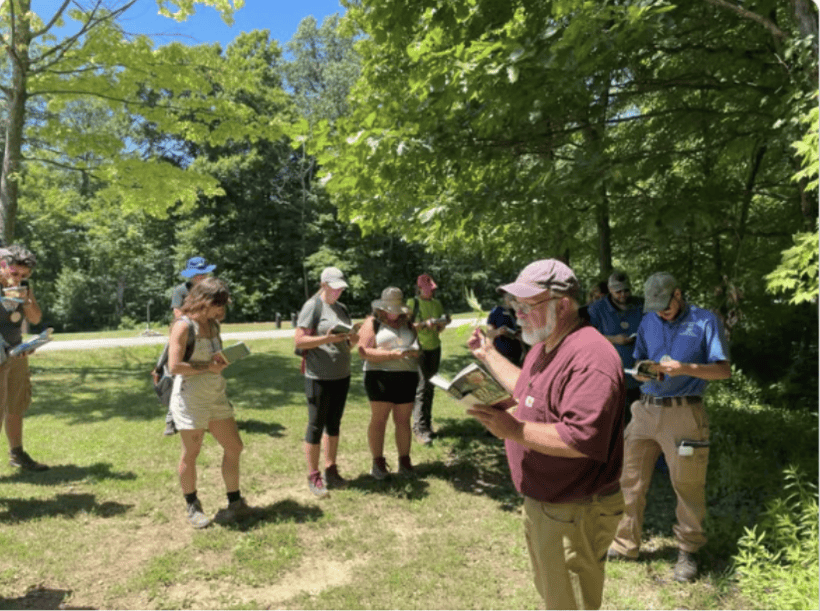
The 2026 institute will take place June 15–19, beginning at 1 p.m. on Monday and concluding at noon on Friday. Participants will stay at the Forestry Training Center at Morgan-Monroe State Forest near Martinsville, where meals and lodging are provided.
Throughout the week, educators will:
- Tour public and private forest lands, forest industry facilities, and forestry research sites
- Learn from natural resource professionals, researchers, and industry leaders
- Explore how sustainable forestry supports Indiana’s environment, economy, and quality of life
- Develop a curriculum project to implement with their students
There is no cost to attend. Accepted applicants (up to 18 educators) pay a refundable $50 deposit, returned at the end of the program.
To explore program details, visit the Indiana Natural Resources Teacher Institute webpage.
Resources:
Purdue Forestry and Natural Resources Facebook Page
Project Learning Tree
Indiana Department of Natural Resources Division of Forestry
The Nature of Teaching, Purdue Department of Forestry and Natural Resources
The Nature of Teaching: Trees of the Midwest, The Education Store
The Nature of Teaching: Adaptations for Aquatic Amphibians, The Education Store
Trees of the Midwest Webinar, Nature of Teaching YouTube channel
Indiana Forestry Educational Foundation, Indiana Forestry & Woodland Owners Association
Forest/Timber, Playlist, Purdue Extension – Forestry and Natural Resources YouTube Channel
Natural Resources Teacher Institute Takes Forestry to the Classroom, Purdue FNR News
Purdue Extension
Diana Evans, Extension & Web Communications Specialist
Purdue University Department of Forestry and Natural Resources
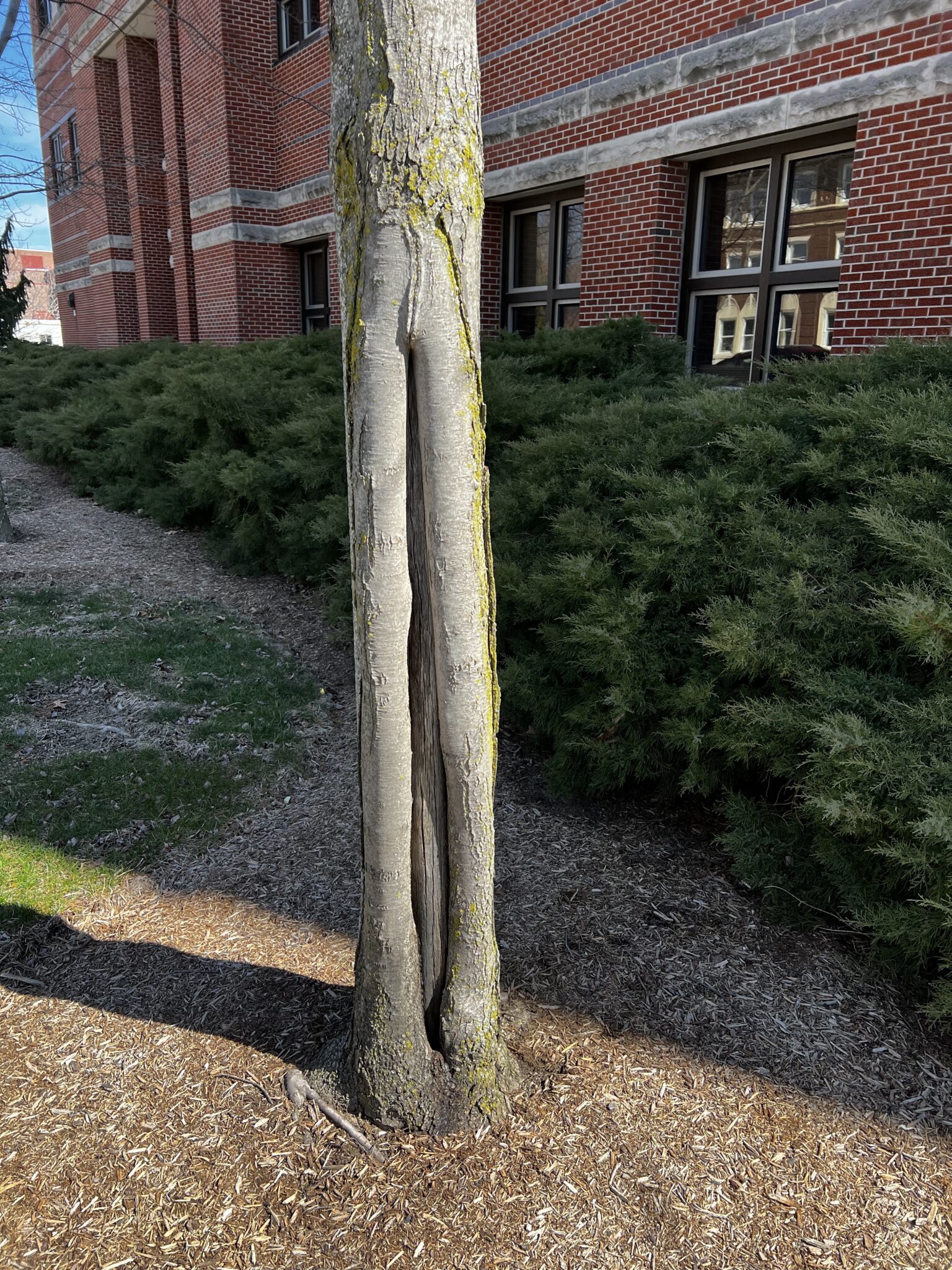
Figure 1 – Southwest damage from the base of the tree up the trunk.
We are now on the other side of the equinox, and while the days are getting longer again, we are beset with Midwest snows and icy temperatures that could persist to the beginning of Spring in March. During this time, there is a likely chance of a “tug-of-war” between our current cold weather and intermittent warm spells, and it’s a good time to check on your trees, especially newly transplanted trees and species with thinner bark.
As you head outdoors, what you might notice are signs of damage to your trees that include splits or cracks that could range in size from less than 1” to up to the entire length of the main stem and/or sunken areas on the trunk (Figs. 1 & 2). What you’re witnessing is winter stem damage known as sunscald or southwest damage (usually located on south to southwest-facing sides of the tree).
So, what is southwest damage and why has your tree been affected by it? It’s a wound that’s opened during winter due to sudden drops in temperature. These drops can come from different instances like the change from day to night or even from sudden cloud cover on a sunny day. The sun warms the trunk on the south to southwest faces of the tree, then the temperature change causes the bark to split. Repeated instances eventually cause dehydration of the damaged area which causes scalding.
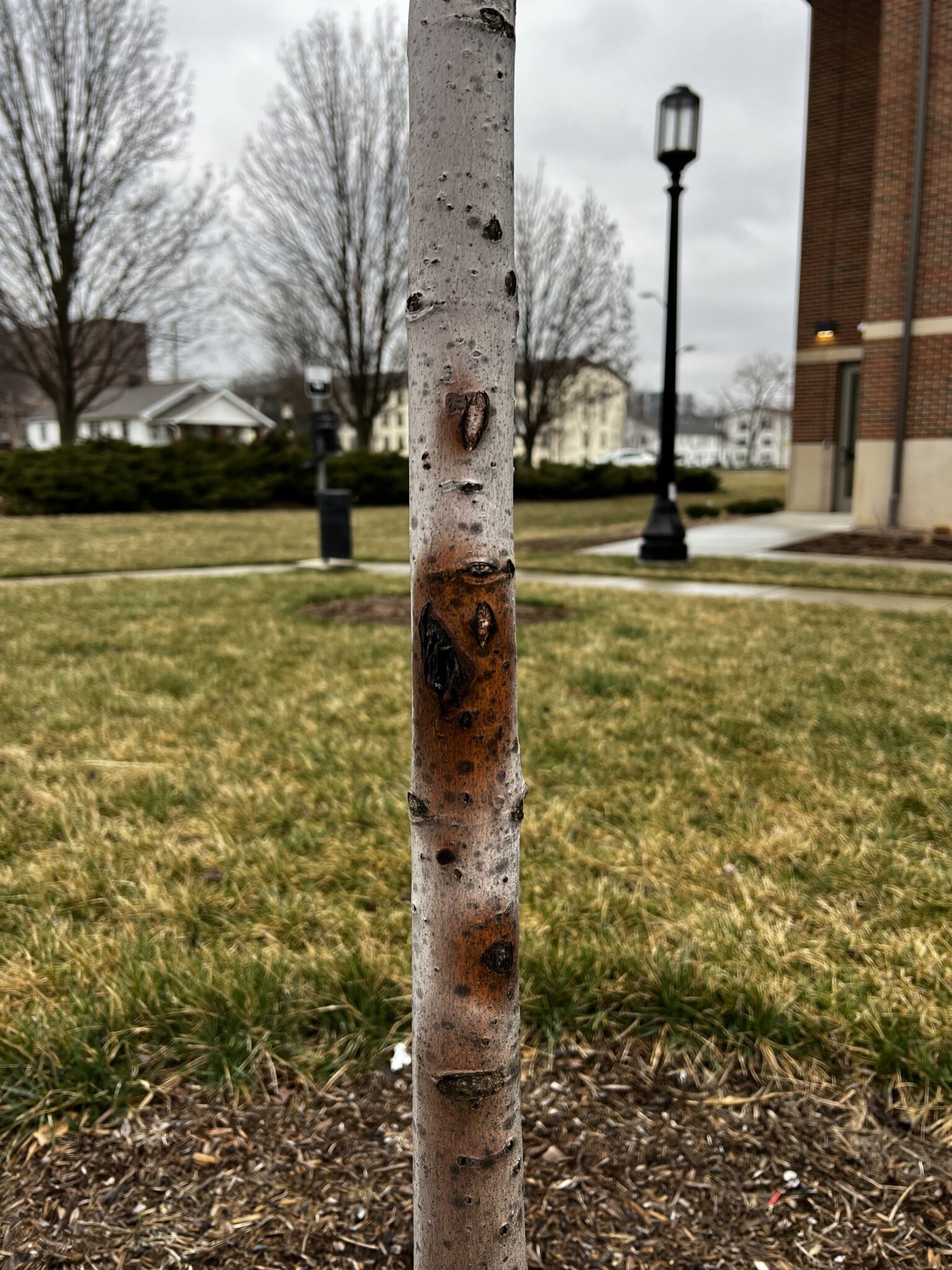
Figure 2 – Sunken wound from scalding damage.
Southwest damage comes from a previously sustained injury and will likely be found on younger trees or species with thin bark including Acer spp., Betula spp., Malus spp., Platanus spp., Prunus spp., and Ulmus spp. If these trees are also stressed, for example, from the dryer hotter summers we’ve been experiencing or other factors, they will be more vulnerable to damage moving into winter months.
As your trees grow and become more established, chances of damage decrease. Install white tree guards in Fall on trees less than 4” to help protect them during the winter. Those of you that are ahead of the game in your tree protection will have already done this last year to help prevent southwest damage (and damage from deer rub if you installed them in the fall before the rut). I commend you on your efforts, but make sure not to leave them on year-round. As things begin to heat up those covers can be a source of moisture retention which can lead to rot on the trunk of your tree. Plan on removing them as Spring sets in and save them for next Fall.
If cracking has already occurred, don’t panic. It’s not the end of your tree. Depending on the extent of the damage the tree may be able to seal off the damage with callus tissue called wound wood (Fig. 4). Healthier trees can produce this more quickly. Some things you can do to assist your tree include the following:
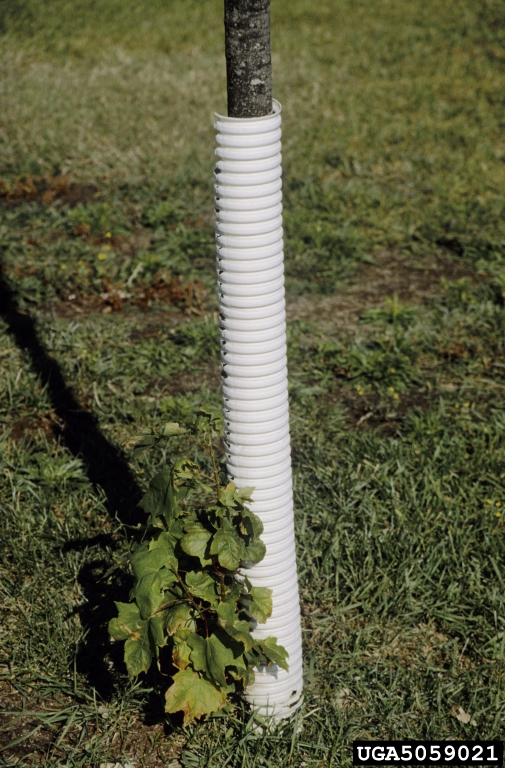
Figure 3 – Use of white tree guards can protect the trunk from temperature changes that cause damage.
- Putting your tree on a watering schedule (especially in the summer) to reduce water and heat stress.
- Mulching your tree (no mulch volcanoes) can help stop mechanical damage from mowing and other lawn maintenance and can also help with water retention in the soil.
- Herbicide use should be limited and done on days with little to no wind to help reduce drift onto the tree.
- Plan on installing white tree guards mid to late Fall. I like the white corrugated drainpipes you can find at local home and garden stores. Make sure to get a diameter larger than you tree to provide airflow to the trunk.
If you are still worried about the health of your tree, you can always find an ISA Certified Arborist nearby using the Trees Are Good website. They will be able to help assess any other issues and provide excellent professional help.
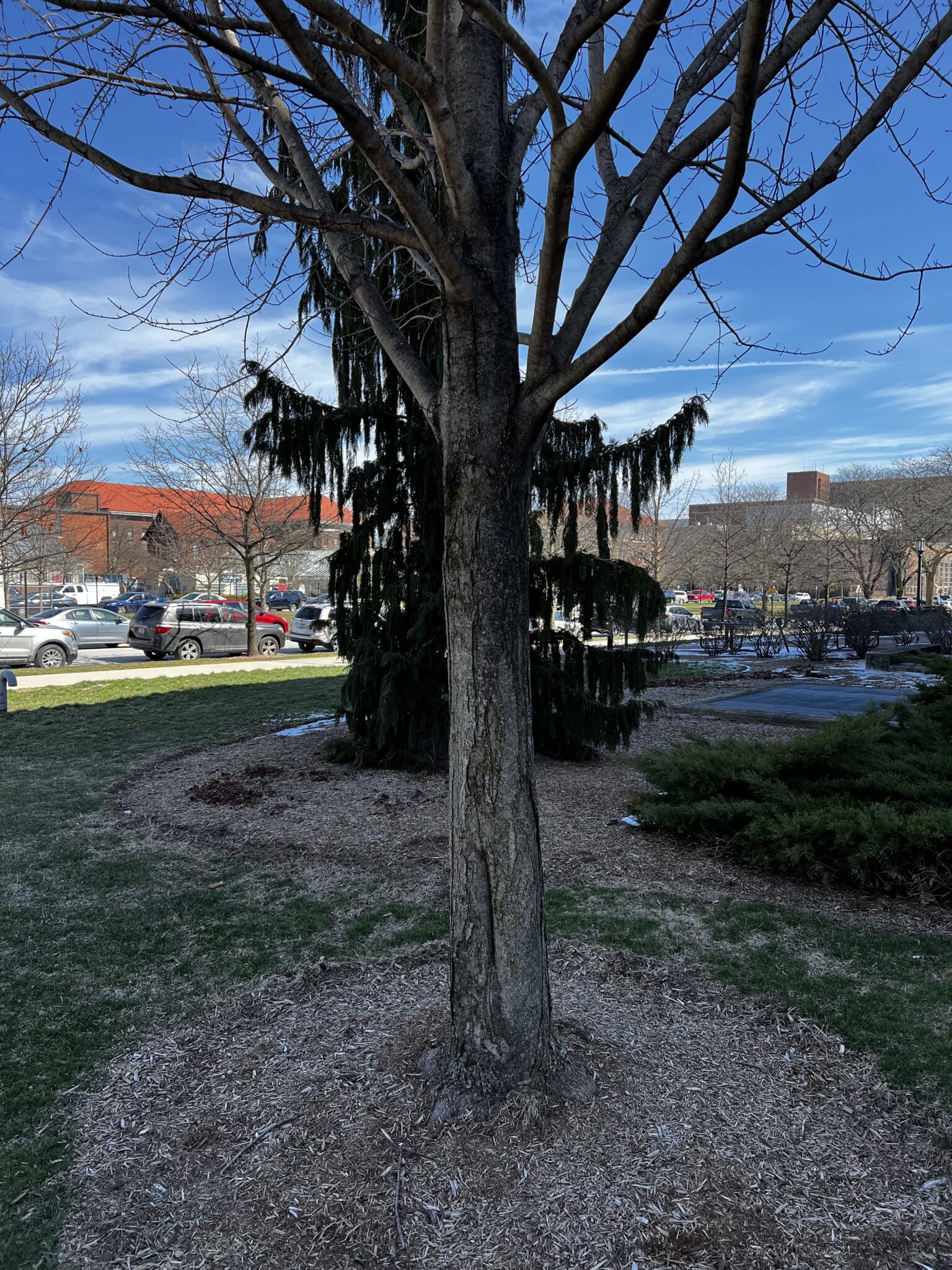
Figure 4 – Callus tissue growth closing over southwest damage.
Resources:
The Purdue Landscape Report
Find an Arborist video, Trees are Good, International Society of Arboriculture (ISA)
Equipment Damage to Trees, Got Nature? Blog
Tree wounds and healing, Got Nature? Blog
Tree Defect Identification, The Education Store, Purdue Extension resource center
Tree Pruning Essentials, Publication & Video, The Education Store
Shrubs and Woody Vines of Indiana and the Midwest, The Education Store
Tree Risk Management, The Education Store
Why Is My Tree Dying?, The Education Store
ID That Tree, Purdue Extension-Forestry & Natural Resources (FNR) YouTube playlist
Subscribe to Purdue Extension-FNR YouTube Channel
Ben McCallister, Urban Forestry Specialist
Purdue Forestry and Natural Resources
Are you a woodland owner who is just beginning to explore forest regeneration, restoration and reforestation activities?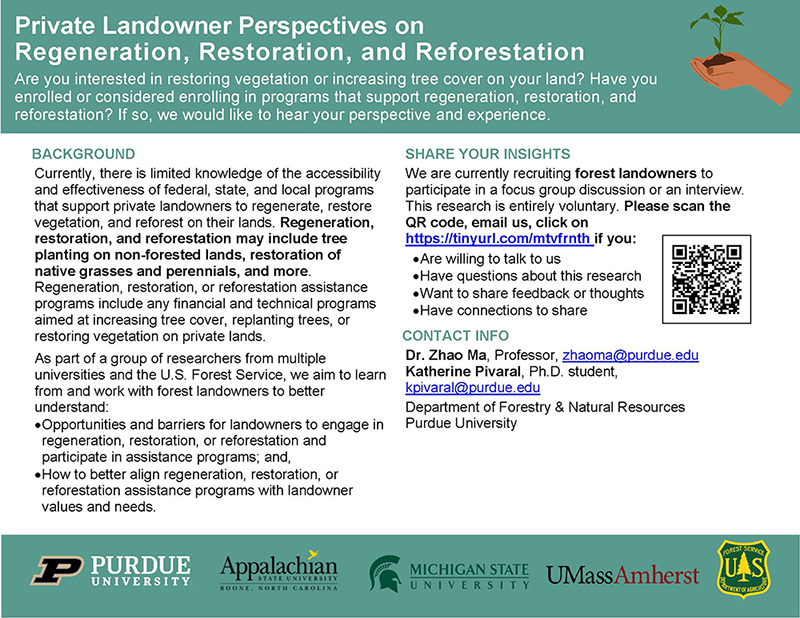
The Human Dimensions Lab at the Department of Forestry and Natural Resources with Purdue University is conducting research to understand private landowners’ perspectives on regeneration, restoration and reforestation. Private forest and woodland owners are key partners in forest and vegetation management efforts across the United States. These activities may involve tree planting, restoration of native vegetation or other practices aimed at enhancing forest and vegetation cover on private lands. Various federal, state and local programs offer financial and technical assistance to support these efforts and understanding landowner perspectives is important for informing future research and outreach.
About the Research
As part of a collaborative research effort involving multiple universities and the U.S. Forest Service, the Purdue University research team is working directly with private forest landowners to better understand real‑world experiences with regeneration, restoration and revegetation.
Specifically, the research aims to:
- Better understand the opportunities and barriers that landowners face when considering or engaging in regeneration, restoration or revegetation activities, including participation in assistance programs.
- Explore how assistance programs can better align with landowner values, needs and goals.
By learning directly from landowners, especially those who are in the early stages of exploring these activities, the researchers hope to generate insights that can improve the design and delivery of support programs in the future.
Who Can Participate?
The research team is currently recruiting forest and woodland owners who have recently begun exploring regeneration, restoration or reforestation topics and are willing to share their perspectives.
Participation may include an interview or focus group discussion, depending on participant preference and availability. All participation is entirely voluntary.
Why Participate?
By sharing your experiences, questions and thoughts, you can help researchers and land management agencies better understand what works, what doesn’t and what support landowners truly need. Your insights can contribute to more effective, landowner‑centered programs that support forest and woodland stewardship on private lands.
Learn More or Get Involved
If you are interested in participating, have questions about the research, would like to share feedback or know others who may be interested, please reach out before March 15 and visit the Landowners: Share Your Insight form provided by the Purdue Human Dimensions Lab.
Contact Information:
Primary: Katherine Pivaral, Ph.D. Student
Department of Forestry & Natural Resources, Purdue University
Email: kpivaral@purdue.edu
Dr. Zhao Ma, Professor
Department of Forestry & Natural Resources, Purdue University
Email: zhaoma@purdue.edu
FNR looks forward to learning from and collaborating with forest and woodland owners to better understand how regeneration, restoration and reforestation efforts can support both landowners and the landscapes they steward.
Katherine Pivaral, Ph.D. Student
Department of Forestry & Natural Resources, Purdue University
Resources:
Appalachian State University
Michigan State University
University of Massachusetts – Amherst
U.S. Forest Service
Hardwood Ecosystem Experiment (HEE)
Hardwood Tree Improvement & Regeneration Center (HTIRC)
Forest Improvement Handbook, The Education Store
Managing Your Woods for White-Tailed Deer, The Education Store
Deer Impact Toolbox, Purdue Extension
Virtual Tour Brings Forest Management for Birds to Life, Got Nature? Blog Post, Purdue Extension – Forestry and Natural Resources (FNR)
Silvics Succession Management Webinar, Purdue Extension-FNR YouTube Channel
Subscribe: Deer, Forest Management, ID That Tree, Woodland Management Moment, Invasive Species and many other topic video playlists Purdue Extension-FNR YouTube Channel
USDA – U.S. Forest Service: There’s a new resource for teachers and kids in this month’s National Research Digest from USDA Forest Service Research. Read how Woodsy Owl and agency scientists lend a hand and care for the land with a journal for learners of all ages.

Photo from USDA Forest Service
The Woodsy Owl edition examines research on a variety of topics including how climate change affects owls in the Southwest, research on visitors to natural and landscaped areas in urban parks, how scientists identify characteristics of fisher habitats, and how forest planting decisions affect wildlife habitat for certain species. This journal also features sections where Woodsy Owl will share some ways that you can “Lend a Hand” and “Care for the Land.” You and your students can be a part of conserving our natural resources, protecting our environment, and enjoying all that nature has to offer!
This is a valuable educational tool that’s an engaging way for educators to use in teaching, making environmental research accessible to all ages and learning practical ways to make a difference.
Keep up with more research and news by subscribing to the USDA Forest Service National Research Digest.
Resources:
Creating a Wildlife Habitat Management Plan for Landowners, The Education Store, Purdue Extension’s resource center
A Template for Your Wildlife Habitat Management Plan, The Education Store
What a Waste of Food!, lesson plans, The Education Store, Purdue Extension’s resource center
Common Indiana Mammals: Natural History and Identification Sneak Peak Video, Nature of Teaching
Food Waste Lesson Plans, Nature of Teaching
The Nature of Teaching, YouTube channel
Conservation Tree Planting: Steps to Success – webinar, Purdue Extension-Forestry & Natural Resources (FNR) YouTube Channel
Planting Forest Trees and Shrubs in Indiana (pdf), located on The Education Store, Purdue Extension’s resource center
Planting and Care of Fine Hardwood Seedlings (pdf), located on The Education Store, Purdue Extension’s resource center
Managing Woodlands for Birds Video, Purdue Extension-Forestry and Natural Resources (FNR) YouTube Channel
Developing a Wildlife Habitat Management Plan, The Education Store
Subscribe to Purdue Extension-Forestry & Natural Resources YouTube Channel, Wildlife Playlist
Diana Evans, Extension & Web Communications Specialist
Purdue University Department of Forestry and Natural Resources
U.S. Department of Agriculture – Forest Service Research & Development
 As the snow flies and the temperature drops, there are still some activities that we can do to remind us that spring is on the way. One of those is planning for tree planting. The Indiana DNR Division of Forestry operates a nursery system that provides tree and shrub seedlings to Indiana landowners. The seedlings are intended for conservation plantings for purposes like wildlife habitat, erosion control, windbreaks, and reforestation plantings. The state nursery also provides Select black walnut, red oak, white oak and black cherry seedlings for those interested in growing trees for timber. These seedlings are a result of tree breeding programs at the Division of Forestry and Purdue University. Seedlings are mostly bare-root one and two year old stock intended for spring planting. Seedlings are still available for purchase from the state nursery system. You can find ordering and contact information for the state nursery at Instructions for Ordering Tree Seedlings.
There are also several private nursery options for ordering tree seedlings in Indiana. The private nurseries may be able to offer species, sizes, and quantities of seedlings not available from the state, and can also sell trees for non-conservation purposes like landscaping and Christmas trees. The National Nursery and Seed Directory provided by the USDA Forest Service provides a directory of seed and plant sources across the region.
When planting trees and shrubs, be sure to check the suitability of your site for the species of plants you plan to use. Long-lived woody plants need to be on sites well-suited to their growth for good long-term results. You can consult the Web Soil Survey for maps and information covering the soil types on your property. You can also consult forestry and conservation professionals for advise and assistance. Purdue Extension offers several resources for planning your tree planting including publications and upcoming workshops. Check out upcoming events: Purdue Extension – Forestry and Natural Resources (FNR) Events.
So, take some time while the snow is falling to make plans for a warm spring day of tree planting.
Resources:
Instructions for Ordering Tree Seedlings, Indiana DNR Division of Forestry
National Nursery and Seed Directory, USDA Forest Service
Conservation Tree Planting: Steps to Success – webinar, Purdue Extension-Forestry & Natural Resources (FNR) YouTube Channel
Web Soil Survey, USDA Natural Resources Conservation Service
Deer Impact, Purdue Extension Pond & Wildlife
Planting Forest Trees and Shrubs in Indiana (pdf), located on The Education Store, Purdue Extension’s resource center
Planting and Care of Fine Hardwood Seedlings (pdf), located on The Education Store, Purdue Extension’s resource center
Importance of Hardwood Tree Planting , The Education Store
Designing Hardwood Tree Plantings for Wildlife, The Education Store
Resources and Assistance Available for Planting Hardwood Seedlings, The Education Store
Creating a Wildlife Habitat Management Plan for Landowners, The Education Store
Forest Improvement Handbook, The Education Store
How to Build a Plastic Mesh Deer Exclusion Fence, The Education Store
ID That Tree, Purdue Extension-Forestry & Natural Resources (FNR) YouTube playlist
Woodland Stewardship for Landowners, Purdue Extension – FNR Extension YouTube Playlist
Woodland Management Moment, Purdue Extension – FNR YouTube Playlist
Lenny Farlee, Extension Forester
Hardwood Tree Improvement & Regeneration Center (HTIRC)
Purdue University Department of Forestry and Natural Resources
MyDNR, Indiana’s Outdoor Newsletter: Each year, Indiana DNR invites the public to provide feedback on the management of white-tailed deer via the Deer Management Survey.
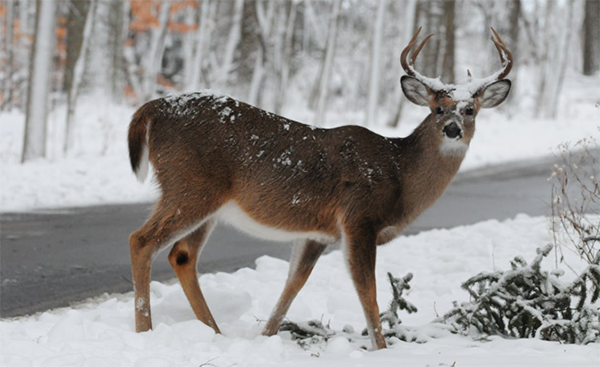
Picture from MyDNR Newsletter
This electronic survey gathers opinions on deer management at both the county and state levels, covering deer population management, trends in deer populations, and other relevant topics.
The survey will include questions about this past year’s epizootic hemorrhagic disease (EHD) event in southern Indiana, as well as questions regarding Indiana DNR’s approach to managing EHD outbreaks.
Anyone can sign up to receive the survey by visiting the Deer Management Survey webpage. If you have previously filled out the survey, you will automatically receive one in future years.
Resources:
Purdue Extension Pond and Wildlife Management
Introduction to White-tailed Deer Impacts on Indiana Woodlands
Understanding White-tailed Deer and Their Impact on Indiana Woodlands, The Education Store
Monitoring White-tailed Deer and Their Impact on Indiana Woodlands, The Education Store
Managing White-tailed Deer Impacts on Indiana Woodlands, The Education Store
Ask an Expert: Wildlife Food Plots, video, Purdue Extension – FNR YouTube Channel
How to Build a Plastic Mesh Deer Exclusion Fence, The Education Store
Managing Your Woods for White-Tailed Deer, The Education Store
Bovine Tuberculosis in Wild White-tailed Deer, The Education Store
Handling Harvested Game: Episode 1, Field Dressing, video, Purdue Extension – FNR YouTube Channel
Deer Harvest Data Collection, Got Nature? Blog, Purdue Extension – FNR
How to Score Your White-tailed Deer, video, The Education Store, Purdue Extension Resource Center
White-Tailed Deer Post Harvest Collection, video, The Education Store
Age Determination in White-tailed Deer, video, The Education Store
Handling Harvested Deer Ask an Expert? video, Purdue Extension – FNR YouTube Channel
Subscribe to Purdue Extension-Forestry & Natural Resources YouTube Channel, Wildlife Playlist
Division of Fish and Wildlife
Indiana Department of Natural Resources (IN DNR)
Do you want to learn more about trees, forests and how to better manage your woodlands for a variety of purposes?
Sign up for one of four upcoming editions of the award-winning Forest Management for the Private Woodland Owner course in Spring 2026. The course received the 2024 Family Forests Education Award from the National Woodland Owners Association (NWOA) and the National Association of University Forestry Resources Programs (NAUFRP).
Forest Management for the Private Woodland Owner introduces forest landowners to the biology and management of forests. Topics covered include tree identification, forest biology and history, forest management planning and practices, wildlife management, considerations for selling timber, forest economics and taxation, and resources and assistance available to forest landowners.
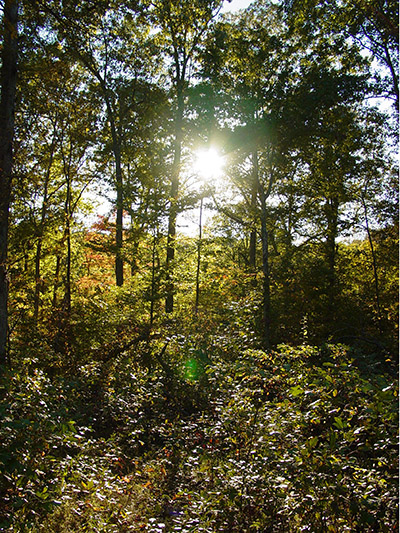 According to survey results from course participants in 2021, “94.4% stated that the information was useful to help them make future decisions and 92.5% stated that the information was useful to help act to manage their property objectives.”
Ron Rathfon is set to teach an eight-week version of the course at the Southern Indiana Purdue Agricultural Center (SIPAC) in Dubois, Indiana, from January 26 to March 16.
The course will meet on Monday evenings (6-9 p.m.) at 11371 East Purdue Farm Rd., and also will include one Saturday field session. Class size is limited to 40 registrants. Advanced registration is required by Jan. 16. Cost is $50 with couples/family registration available for $30 for each additional person.
Those interested should contact Amity Traylor, District Coordinator with the Pike County Soil & Water Conservation District at 812-354-6120 ext. 3 or pikecoswcd@gmail.com to receive a brochure and registration form as well as payment information.
Purdue Extension forester Lenny Farlee will teach two iterations of the course in Tippecanoe County, beginning on Feb. 18 and March 5 respectively.
- A virtual course is slated to begin on Wednesday Feb. 18. The course will feature three live online meetings during which participants may ask questions and receive updated information from the course instructor related to the recorded videos available to view at any time by the registrants. Live meetings are set for Feb. 18, March 11 and April 1. Full registration fee is $15. Registration for this virtual edition is available online through Feb. 13.
- Farlee also will teach an in-person edition of the course, meeting on Thursday evenings from March 5 to April 23 at the John S. Wright Center (1007 N 725 W, West Lafayette, IN 47906). In addition to the eight evening meetings (from 6-9 p.m. ET), the course will include two Saturday field days, which will provide in-person experience with forest biology and management demonstrations and instruction. Full registration fee ($50) includes handouts, flash drive with class reference resources and a tree measuring stick. Guest registration fee ($30) includes class handouts. Visit Forest Management for the Private Woodland Owner Event webpage to learn more and register by February 28th.
Veronica Bullock and Dave Osborne will be teaching a program in Franklin County from Feb. 10 to March 31.
The course will take place on Tuesdays from 5:30 – 8:30 p.m. ET at the Franklin County Public Library – 919 Main Street, Brookville, IN 47012. This course also will include a field tour at the Southeast Purdue Agriculture Center (4426 County Road 360 North, Butlerville, IN 47223) on March 21. Registration is available online. Contact Bullock with any questions at bullockv@purdue.edu.
To view this article along with other news and stories posted on the Purdue Forestry and Natural Resources website view: FNR Extension Set to Offer Four Editions of Forest Management for the Private Woodland Owner Course in Spring 2026.
Resources:
Woodland Stewardship for Landowners YouTube Playlist, Purdue Extension – FNR
Wildlife Habitat Hint YouTube Playlist, Purdue Extension – FNR
Woodland Management Moment YouTube Playlist, Purdue Extension – FNR
Invasive Species YouTube Playlist, Purdue Extension – FNR
Forest Management for the Private Woodland Owner Course – Got Nature? Blog, Purdue Extension – Forestry and Natural Resources
Report Invasive Species, Purdue Invasive Species
Finding help from a professional forester, Indiana Forestry & Woodland Owners Association
Forest Improvement Handbook, The Education Store, Purdue Extension resource center
Indiana Woodland Steward Institute
Hardwood Ecosystem Experiment (HEE)
Hardwood Tree Improvement & Regeneration Center (HTIRC)
Help the Hellbender
The Nature of Teaching
Pond and Wildlife Management, Website
Sustainable Communities and Community Planning, Purdue Extension
Subscribe Purdue Extension – Forestry and Natural Resources YouTube Channel
Wendy Mayer, FNR Communications Coordinator
Purdue University Department of Forestry and Natural Resources
Join Purdue Extension forester Lenny Farlee in this episode of “A Woodland Management Moment” as he discusses the presence of black walnut within a pine plantation. This episode explores how hardwood species like black walnut can become established in planted pine stands and what that means for woodland management decisions. Watch the video to learn about opportunities, challenges and considerations for managing mixed-species woodlands over time.
A good resource to learn more is the Walnut Council website. Founded in 1970, the Walnut Council is an international association representing nearly 700 woodland owners, foresters, forest scientists, and wood-producing industry representatives in 45 states and three foreign countries. The purpose is to assist in the technical transfer of forest research to field applications, help build and maintain better markets for wood products and nut crops, and to promote sustainable forest management, conservation, reforestation, and utilization of American black walnut (Juglans nigra) and other high quality fine hardwoods.
If you have any questions regarding trees, forests, wildlife, wood products, or other natural resource topics, feel free to contact us by using our Ask an Expert web page.
Resources:
A Woodland Management Moment, Playlist, Purdue Extension – Forestry and Natural Resources (FNR) YouTube Channel
The Nature of Oaks Webinar, Purdue Extension-FNR YouTube Channel, Shared from Indiana Forestry & Woodland Owners Association
Conservation Tree Planting: Steps to Success, Purdue Extension – FNR YouTube Channel
Shrubs and Woody Vines of Indiana and the Midwest, Purdue University Press
Native Trees of the Midwest, Purdue University Press
ID That Tree, Playlist, Purdue Extension – FNR YouTube Channel
Investing in Indiana Woodlands, The Education Store
Woodland Stewardship for Landowners Video Series, Playlist, Indiana Department of Natural Resources YouTube Channel
Ask an Expert: Tree Selection and Planting, Purdue Extension – FNR YouTube Channel
Forest Improvement Handbook, The Education Store
Find an Indiana Professional Forester, Indiana Forestry & Woodland Owners Association (IFWOA)
Purdue Arboretum Explorer
Lenny Farlee, Extension Forester
Hardwood Tree Improvement and Regeneration Center
Purdue Department of Forestry & Natural Resources
In this edition of ID That Tree, Purdue Extension Forester Lenny Farlee introduces us to sugarberry, a native relative of hackberry that can be found throughout Indiana. Often overlooked among other hardwoods, this species has its own distinctive features and ecological role. Learn about where it grows, how it fits into our woodland landscapes and what sets it apart from its close cousins. Whether you’re a student, landowner or simply interested in the rees you see along rivers and lowlands, this video provides a quick introduction to sugarberry in Indiana.
If you have any questions regarding wildlife, trees, forest management, wood products, natural resource planning or other natural resource topics, feel free to contact us by using our Ask an Expert web page.
Resources:
ID That Tree – Video Playlist, Purdue Extension – Forestry and Natural Resources (FNR) YouTube Channel
Purdue Arboretum Explorer
Conservation Tree Planting: Steps to Success, Purdue Extension – FNR YouTube Channel
A Woodland Management Moment, Playlist, Purdue Extension – FNR YouTube Channel
Woodland Stewardship for Landowners, Playlist, Purdue Extension – FNR YouTube Channel
Fifty Common Trees of Indiana, Purdue Extension – FNR
Indiana Invasive Species Council
Cooperative Invasive Species Management Area (CISMA)
Report Invasive, Purdue Extension
Habitat University, Episode 12 – Exploring the challenges of Invasive Species, Habitat University-Natural Resource University
Shrubs and Woody Vines of Indiana and the Midwest, Purdue University Press
Native Trees of the Midwest, Purdue University Press
Professional Forester, Indiana Forestry Woodland Owners Association
District Forester, Indiana Department of Natural Resources, 10+ acres
Find an Arborist, International Society of Arboriculture
Forest Improvement Handbook, The Education Store
Lenny Farlee, Extension Forester
Hardwood Tree Improvement and Regeneration Center
Purdue Department of Forestry & Natural Resources

Recent Posts
- A Woodland Management Moment: Windbreak Around Walnut Plantings
Posted: March 3, 2026 in Forestry, Urban Forestry, Woodland Management Moment - Register for Natural Resources Teacher Institute’s Class of 2026
Posted: February 19, 2026 in Forestry, Wildlife, Woodlands - Southwest Damage, Scalding or Frost Cracking
Posted: January 30, 2026 in Forestry, Urban Forestry - Forest Landowners: Share Your Experience with Regeneration and Restoration
Posted: January 27, 2026 in Forestry, How To, Timber Marketing, Woodlands - Woodsy Owl Edition for Educational Learning, USDA – U.S. Forest Service
Posted: January 21, 2026 in Forestry, Forests and Street Trees, Got Nature for Kids, Urban Forestry, Wildlife - It’s Not Too Late to Order Trees for Spring Planting
Posted: January 13, 2026 in Forestry, How To, Plants - Opt-in to the Deer Management Survey, MyDNR
Posted: January 12, 2026 in Forestry, Wildlife - FNR Extension Offering Forest Management for the Private Woodland Owner Course in Spring 2026
Posted: January 5, 2026 in Forestry, Urban Forestry, Wildlife, Woodlands - A Woodland Management Moment: Black Walnut in Pine Plantation
Posted: December 19, 2025 in Forestry, Forests and Street Trees, Urban Forestry, Woodlands - ID That Tree: Sugarberry
Posted: December 12, 2025 in Forestry, Wildlife, Woodlands
Archives
Categories
- Alert
- Aquaculture/Fish
- Aquatic/Aquaculture Resources
- Ask the Expert
- Christmas Trees
- Community Development
- Disease
- Drought
- Forestry
- Forests and Street Trees
- Gardening
- Got Nature for Kids
- Great Lakes
- How To
- Invasive Animal Species
- Invasive Insects
- Invasive Plant Species
- Land Use
- Natural Resource Planning
- Nature of Teaching
- Plants
- Podcasts
- Ponds
- Publication
- Safety
- Spiders
- Timber Marketing
- Uncategorized
- Urban Forestry
- Webinar
- Wildlife
- Wood Products/Manufacturing
- Woodland Management Moment
- Woodlands