 Purdue University - Extension - Forestry and Natural Resources
Got Nature? Blog
Deer are an important part of Indiana woodlands and represent a true conservation success story. Many Hoosiers spent time in the woods pursuing deer during hunting season or marveling at them during walks in their woodlands. But as recently as the 1930s deer were absent from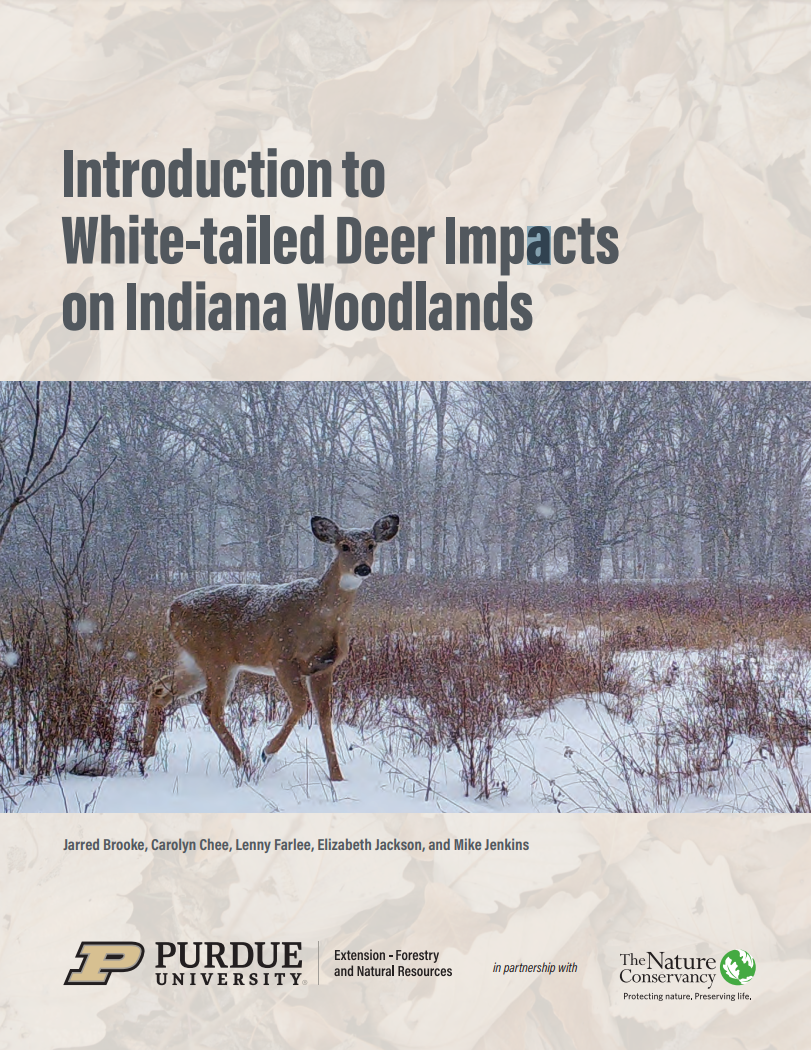 Indiana woodlands. Restocking efforts led by the Indiana Department of Natural Resources helped reestablish deer populations across the state. However, deer populations have rebounded beyond what the land can support in many areas, leading to issues like crop damage, deer-vehicle collisions, and damage to woodlands.
Deer overabundance can pose a threat to the future health of many Indiana woodlands. Deer are considered a “keystone” species, which means their feeding habits (browsing) can shape our woodlands’ look and their plant and wildlife communities. This publication will outline some of the impacts deer can have on Indiana woodlands and what signs and symptoms to look for in your woods.
Learn more about the amount of impact in this new publication:
Low Impact: When deer have little impact on your woodlands, you often see a high diversity of plants. An abundance of preferred species like trillium (picture) can also be a sign of low deer impact.
Moderate Impact: When sprouts of preferred species are “hedged” or kept short by deer browse and browse on less preferred species is noticeable, then deer impact may be moderate.
High Impact: If invasive species like Japanese stiltgrass and garlic mustard are common in your woodland, it may be a sign that deer are overbrowsing native plants.
High Impact: If invasive species like Japanese stiltgrass and garlic mustard are common in your woodland, it may be a sign that deer are overbrowsing native plants.
Very High Impact: Browse lines indicate a severe deer problem and appear when deer browse all plants within their reach (<6 feet).
You can read this full publication for free at Introduction to White-tailed Deer Impacts on Indiana Woodlands.
View the Deer Impact Toolbox for more resources and videos.
Resources:
Purdue Extension Pond and Wildlife Management
Introduction to White-tailed Deer Impacts on Indiana Woodlands
Understanding White-tailed Deer and Their Impact on Indiana Woodlands, The Education Store
Monitoring White-tailed Deer and Their Impact on Indiana Woodlands, The Education Store
Managing White-tailed Deer Impacts on Indiana Woodlands, The Education Store
Ask an Expert: Wildlife Food Plots, video, Purdue Extension – FNR YouTube Channel
How to Build a Plastic Mesh Deer Exclusion Fence, The Education Store
Managing Your Woods for White-Tailed Deer, The Education Store
Bovine Tuberculosis in Wild White-tailed Deer, The Education Store
Handling Harvested Game: Episode 1, Field Dressing, video, Purdue Extension – FNR YouTube Channel
Deer Harvest Data Collection, Got Nature? Blog, Purdue Extension – FNR
How to Score Your White-tailed Deer, video, The Education Store, Purdue Extension Resource Center
White-Tailed Deer Post Harvest Collection, video, The Education Store
Age Determination in White-tailed Deer, video, The Education Store
Handling Harvested Deer Ask an Expert? video, Purdue Extension – FNR YouTube Channel
Subscribe to Purdue Extension-Forestry & Natural Resources YouTube Channel, Wildlife Playlist
Jarred Brooke, Wildlife Extension Specialist
Purdue Department of Forestry and Natural Resources
Deer are an essential part of our ecosystems, but the phenomenon of too many deer should be of concern to forest landowners and the public in general. Deer are a “keystone” species, meaning their browsing can impact forest and wildlife communities. It is clear that when deer become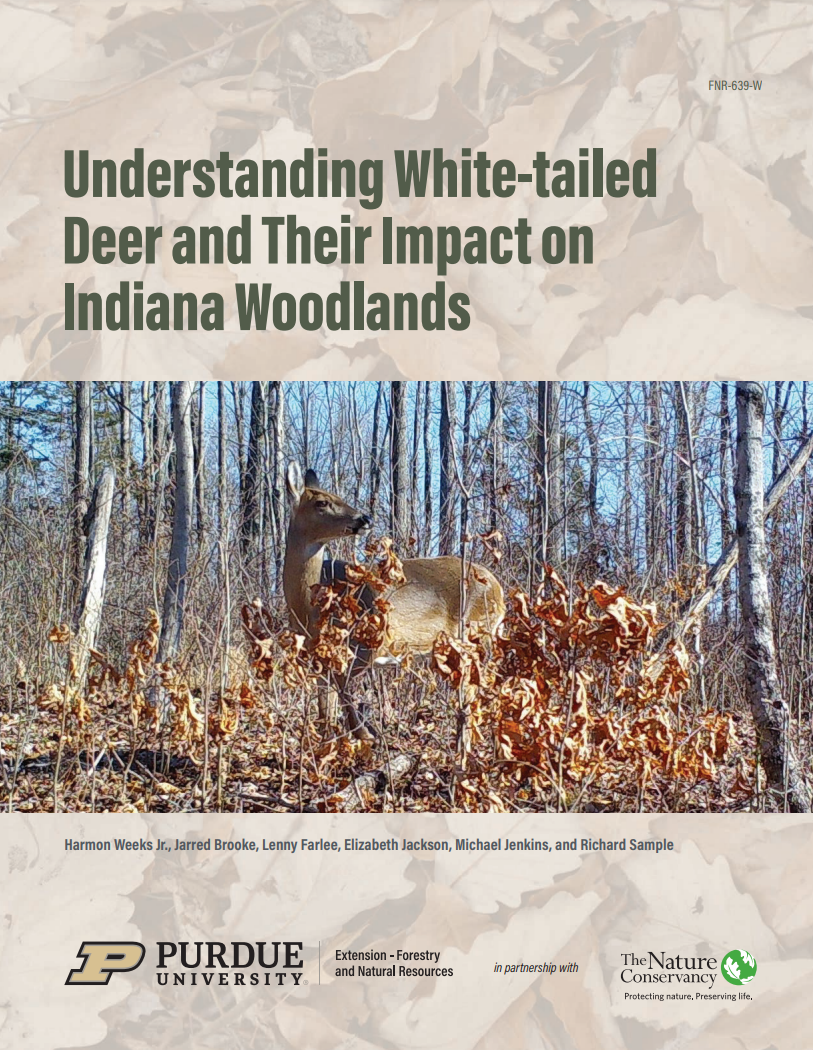 overabundant, their impact on the environment can be problematic. But by understanding the impacts deer have on our woodlands, their food preferences, and how to assess and evaluate impacts in your woodlands, we can begin to address the problems caused by overabundant deer.
Learn more about the research and how it can help you and your land:
- Carrying Capacity
- Too Many Deer or Not Enough Food: Managing the Foodscape
- Monitoring Deer and Forest Vegetation
- Food Preferences
- Deer Impact Assessment
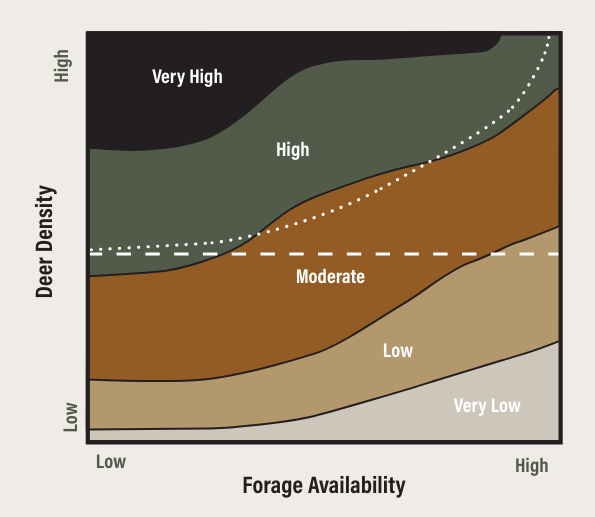
Too many deer or not enough food: managing the foodscape
- More Resources
To receive the free download and recipe visit the Purdue Extension’s resource center: The Education Store – Understanding White-tailed Deer and Their Impact on Indiana Woodlands.
View the Deer Impact Toolbox for more resources and videos.
Resources:
Purdue Extension Pond and Wildlife Management
Introduction to White-tailed Deer Impacts on Indiana Woodlands
Understanding White-tailed Deer and Their Impact on Indiana Woodlands, The Education Store
Monitoring White-tailed Deer and Their Impact on Indiana Woodlands, The Education Store
Managing White-tailed Deer Impacts on Indiana Woodlands, The Education Store
Ask an Expert: Wildlife Food Plots, video, Purdue Extension – FNR YouTube Channel
How to Build a Plastic Mesh Deer Exclusion Fence, The Education Store
Managing Your Woods for White-Tailed Deer, The Education Store
Bovine Tuberculosis in Wild White-tailed Deer, The Education Store
Handling Harvested Game: Episode 1, Field Dressing, video, Purdue Extension – FNR YouTube Channel
Deer Harvest Data Collection, Got Nature? Blog, Purdue Extension – FNR
How to Score Your White-tailed Deer, video, The Education Store, Purdue Extension Resource Center
White-Tailed Deer Post Harvest Collection, video, The Education Store
Age Determination in White-tailed Deer, video, The Education Store
Handling Harvested Deer Ask an Expert? video, Purdue Extension – FNR YouTube Channel
Subscribe to Purdue Extension-Forestry & Natural Resources YouTube Channel, Wildlife Playlist
Jarred Brooke, Wildlife Extension Specialist
Purdue Department of Forestry and Natural Resources
Wherever deer exist, they will be impacting the ecosystem through browsing. But at what level is that impact considered harmful? Many ecologists consider deer impact harmful when deer begin to reduce plant diversity in a woodland through browsing. knowing the exact number of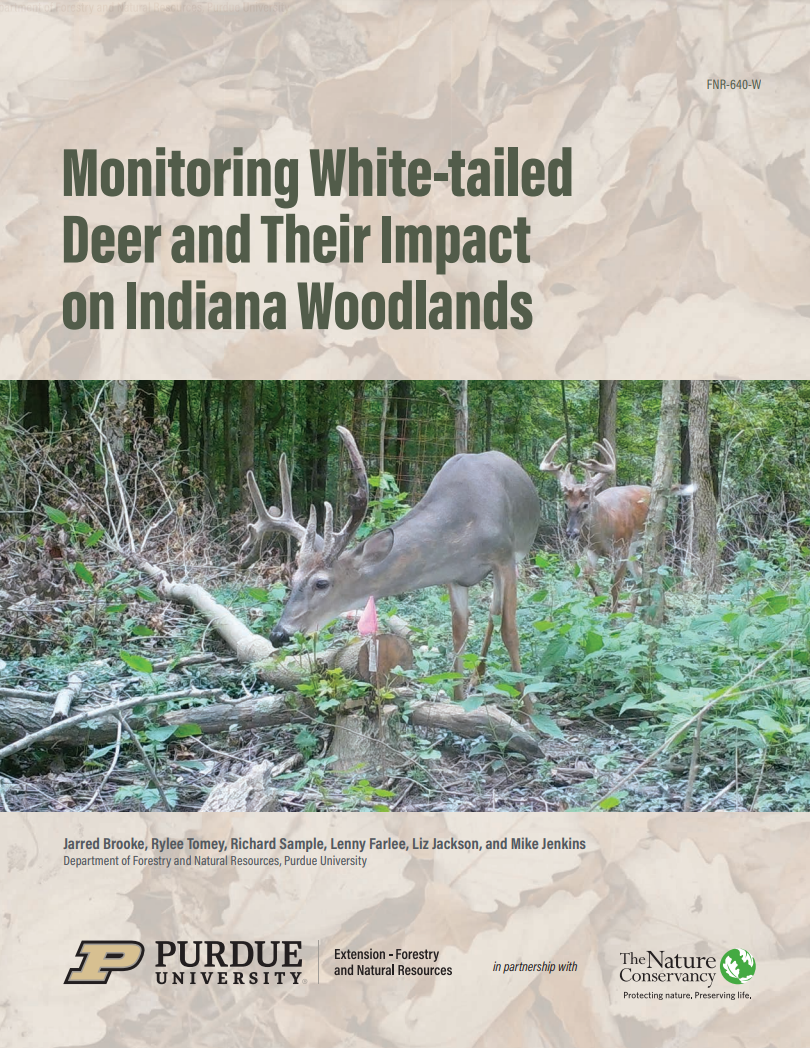 deer on a property is difficult to measure and unnecessary. There are relatively easy ways to estimate the number of deer on a property or track trends in population sizes over time. This publication is written to help woodland owners better understand how to monitor deer and their impact.
Monitoring deer impact is done by surveying what deer eat in a forest and how intensively they browse those species. Deer are browsers rather than grazers (like bison and cattle), preferring to eat forbs (broadleaf herbaceous plants), vines, shrubs, and trees rather than grasses. Deer also select specific parts of the plants (e.g., leaves, twigs, and young tender growth).
Monitoring Deer Impact Methods: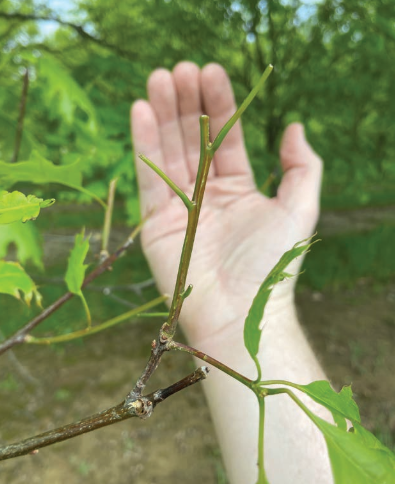
- Browse Surveys
- Indicator Plants
- Assessing Vegetation Impacts from Deer
- Ten-Tallest Method
- Twig-Aging
- Oak Sentinel
- Stump Sprouts
To receive the free download visit the Purdue Extension’s resource center: The Education Store – Monitoring White-tailed Deer and Their Impact on Indiana Woodlands.
Resources:
Purdue Extension Pond and Wildlife Management
Introduction to White-tailed Deer Impacts on Indiana Woodlands
Understanding White-tailed Deer and Their Impact on Indiana Woodlands, The Education Store
Monitoring White-tailed Deer and Their Impact on Indiana Woodlands, The Education Store
Managing White-tailed Deer Impacts on Indiana Woodlands, The Education Store
Ask an Expert: Wildlife Food Plots, video, Purdue Extension – FNR YouTube Channel
How to Build a Plastic Mesh Deer Exclusion Fence, The Education Store
Managing Your Woods for White-Tailed Deer, The Education Store
Bovine Tuberculosis in Wild White-tailed Deer, The Education Store
Handling Harvested Game: Episode 1, Field Dressing, video, Purdue Extension – FNR YouTube Channel
Deer Harvest Data Collection, Got Nature? Blog, Purdue Extension – FNR
How to Score Your White-tailed Deer, video, The Education Store, Purdue Extension Resource Center
White-Tailed Deer Post Harvest Collection, video, The Education Store
Age Determination in White-tailed Deer, video, The Education Store
Handling Harvested Deer Ask an Expert? video, Purdue Extension – FNR YouTube Channel
Subscribe to Purdue Extension-Forestry & Natural Resources YouTube Channel, Wildlife Playlist
Jarred Brooke, Wildlife Extension Specialist
Purdue Department of Forestry and Natural Resources
White-tailed deer are an integral piece of Indiana’s forest ecosystems. When in balance with the ecosystem, deer can enhance the health of the forest. This publication highlights the various tools available to woodland owners for mitigating the impacts of deer on their regenerating trees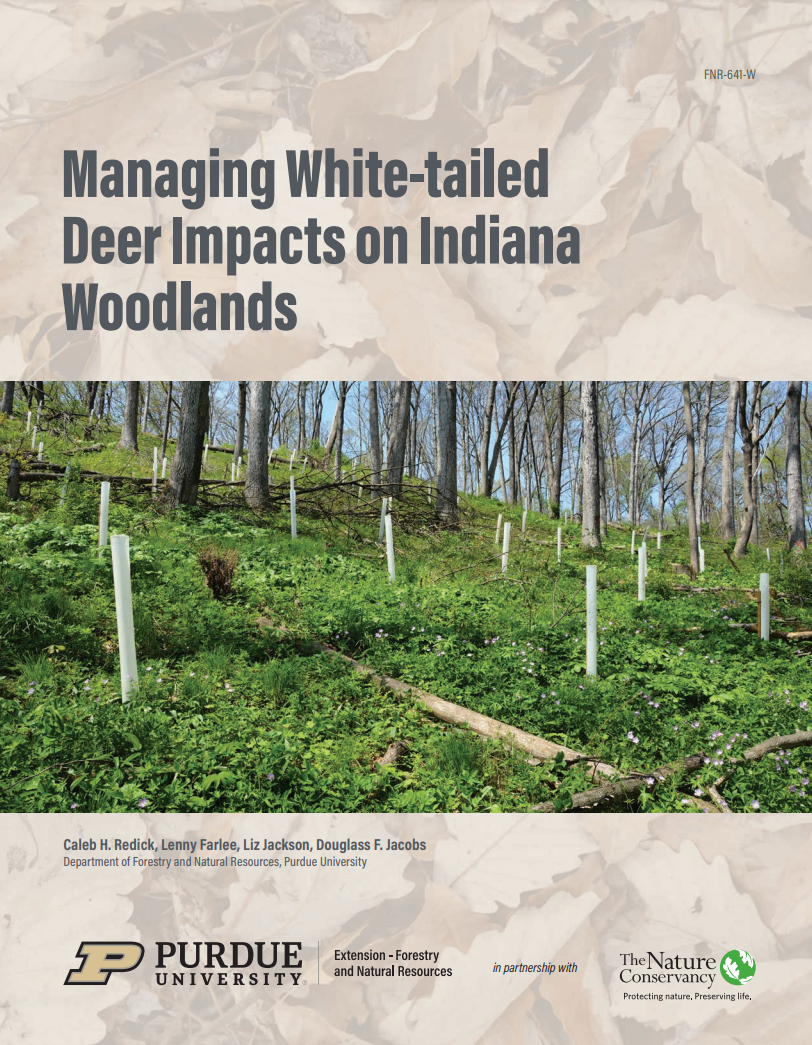 and is based on a compilation of research on the relative effectiveness of various deer browse control methods.
What control methods are available to help with forest regeneration? You will find the answer to this question and more, along with what deer population control means for forest landowners in this publication.
Check out the publications for the “Browse Control Methods for Forest Regeneration and Their Effectiveness” table which includes these control methods: Fencing; Population Control; Tree Shelters; Cages; Companion Plants; Repellents; Timber Harvests; Slash; and Fertilizer.
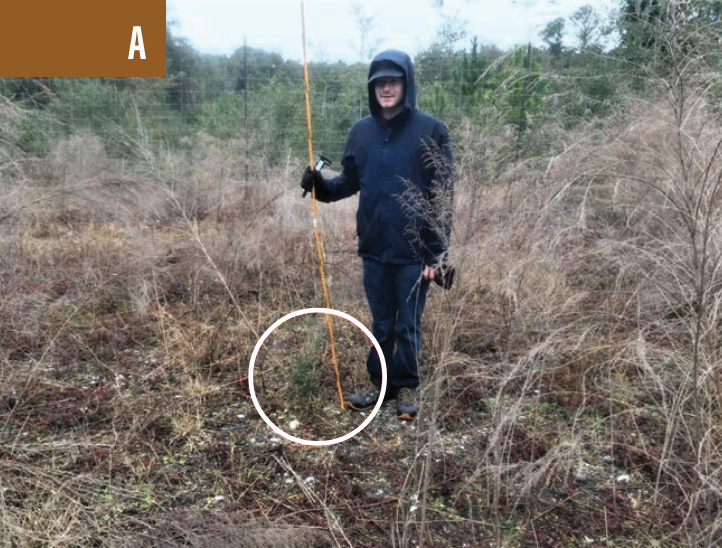

To receive the free download and recipe visit the Purdue Extension’s resource center: The Education Store – Managing White-tailed Deer Impacts on Indiana Woodlands.
Resources:
Purdue Extension Pond and Wildlife Management
Introduction to White-tailed Deer Impacts on Indiana Woodlands
Understanding White-tailed Deer and Their Impact on Indiana Woodlands, The Education Store
Monitoring White-tailed Deer and Their Impact on Indiana Woodlands, The Education Store
Managing White-tailed Deer Impacts on Indiana Woodlands, The Education Store
Ask an Expert: Wildlife Food Plots, video, Purdue Extension – FNR YouTube Channel
How to Build a Plastic Mesh Deer Exclusion Fence, The Education Store
Managing Your Woods for White-Tailed Deer, The Education Store
Bovine Tuberculosis in Wild White-tailed Deer, The Education Store
Handling Harvested Game: Episode 1, Field Dressing, video, Purdue Extension – FNR YouTube Channel
Deer Harvest Data Collection, Got Nature? Blog, Purdue Extension – FNR
How to Score Your White-tailed Deer, video, The Education Store, Purdue Extension Resource Center
White-Tailed Deer Post Harvest Collection, video, The Education Store
Age Determination in White-tailed Deer, video, The Education Store
Handling Harvested Deer Ask an Expert? video, Purdue Extension – FNR YouTube Channel
Subscribe to Purdue Extension-Forestry & Natural Resources YouTube Channel, Wildlife Playlist
Jarred Brooke, Wildlife Extension Specialist
Purdue Department of Forestry and Natural Resources
White-tailed deer are an important part of our Hoosier natural areas and a true conservation success story. Once extirpated from Indiana, deer now thrive in all 92 counties.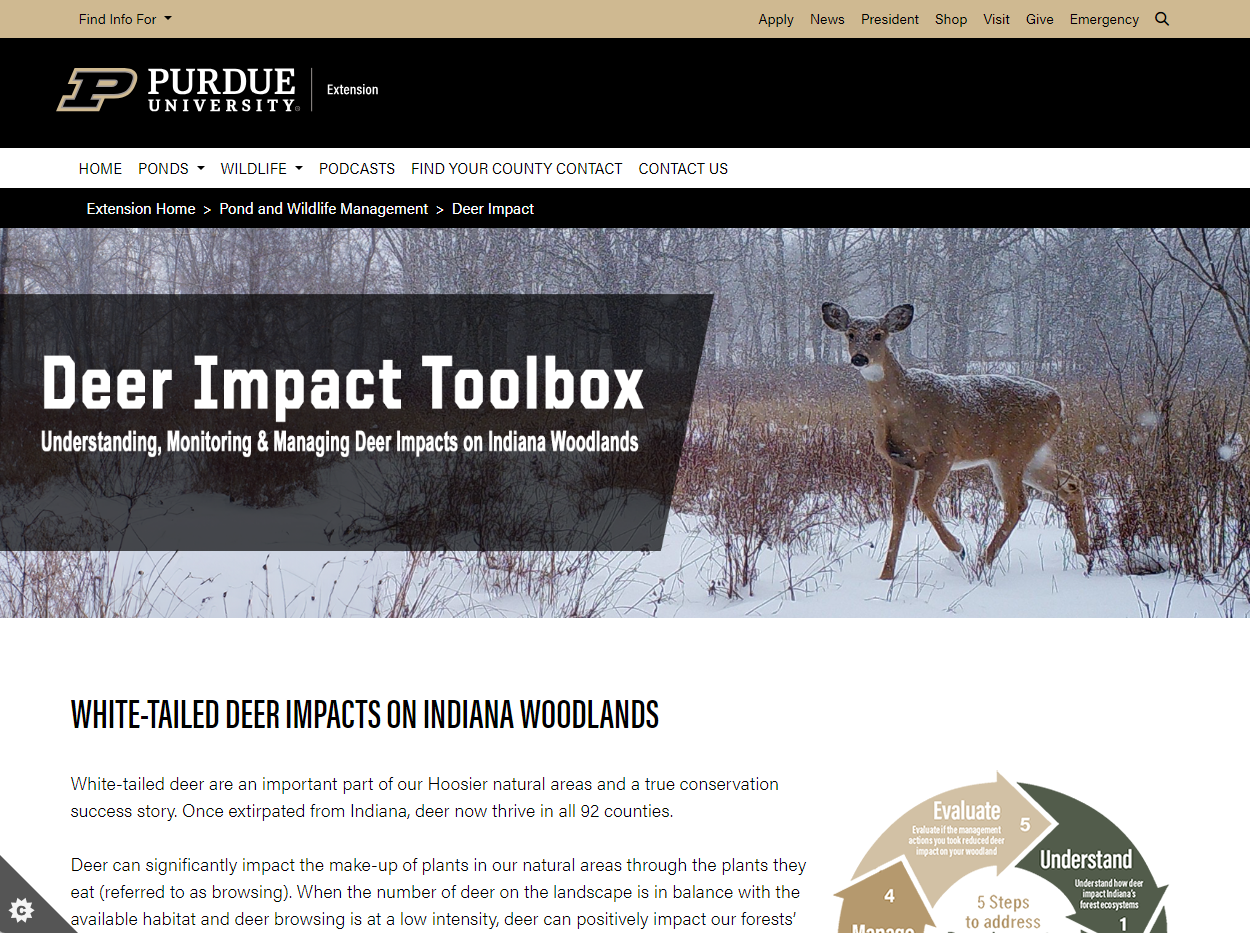
Deer can significantly impact the make-up of plants in our natural areas through the plants they eat (referred to as browsing). When the number of deer on the landscape is in balance with the available habitat and deer browsing is at a low intensity, deer can positively impact our forests’ plant diversity. When deer are overabundant, their browsing can impact forests in a variety of negative ways.
5 Steps to address deer impacts to Indiana Woodlands:
Understanding
Understand how deer impact Indiana’s forest ecosystems.
Identify
Identify signs and symptoms of deer impact in your woodland.
Monitor
Monitor how deer are impacting your woodland over time.
Manage
Decide how to manage deer and their impact on your woodland.
Evaluate
Evaluate if the management actions you took reduced deer impact on your woodland.
Check out the new Deer Impact Toolbox website for publications and more details to discover the steps landowners and land managers can take to understand, monitoring, and manage deer impacts to Indiana’s forests.
Don’t miss the videos: Monitoring Deer Impacts on Indiana Forests: Ten-Tallest Method and Monitoring Deer Impacts on Indiana Forests: Accessing Vegetation Impacts for Deer (AVID) Plots.
Check out the College of Agriculture news article to learn more: Deer Impact Toolbox provides guidance for Indiana forest landowners and managers.
Resources:
Purdue Extension Pond and Wildlife Management
Understanding White-tailed Deer and Their Impact on Indiana Woodlands, The Education Store
Monitoring White-tailed Deer and Their Impact on Indiana Woodlands, The Education Store
Managing White-tailed Deer Impacts on Indiana Woodlands, The Education Store
Ask an Expert: Wildlife Food Plots, video, Purdue Extension – FNR YouTube Channel
How to Build a Plastic Mesh Deer Exclusion Fence, The Education Store
Managing Your Woods for White-Tailed Deer, The Education Store
Bovine Tuberculosis in Wild White-tailed Deer, The Education Store
Handling Harvested Game: Episode 1, Field Dressing, video, Purdue Extension – FNR YouTube Channel
Deer Harvest Data Collection, Got Nature? Blog, Purdue Extension – FNR
How to Score Your White-tailed Deer, video, The Education Store, Purdue Extension Resource Center
White-Tailed Deer Post Harvest Collection, video, The Education Store
Age Determination in White-tailed Deer, video, The Education Store
Handling Harvested Deer Ask an Expert? video, Purdue Extension – FNR YouTube Channel
Subscribe to Purdue Extension-Forestry & Natural Resources YouTube Channel, Wildlife Playlist
Jarred Brooke, Wildlife Extension Specialist
Purdue Department of Forestry and Natural Resources

Recent Posts
- Spotted Lanternfly Feeds on Over 70 Plus Plant Species
Posted: May 20, 2026 in Alert, Forestry, Forests and Street Trees, Gardening, Invasive Insects, Urban Forestry, Wildlife - Painted Hickory Borer, Purdue Landscape Report
Posted: May 14, 2026 in Forestry, Invasive Insects, Wildlife - Saving Giants of the Blue River: Purdue Team Earns Statewide Recognition
Posted: in Aquaculture/Fish, Aquatic/Aquaculture Resources, Wildlife - Restoring Roots to Save the Salamanders, USDA – Natural Resources Conservation Service
Posted: May 6, 2026 in Aquaculture/Fish, Forestry, Wildlife - Spring Storms Are Coming: How to Reduce Tree Damage and Risk
Posted: May 1, 2026 in How To, Urban Forestry, Wildlife, Woodlands - Cryptocline Leaf Spot (Anthracnose) of Elm, Purdue Landscape Report
Posted: April 30, 2026 in Disease, Forestry, Woodlands - Mechanical Damage to Trees: Mowing and Maintenance Equipment
Posted: April 24, 2026 in Forestry, Forests and Street Trees, Urban Forestry - A Woodland Management Moment: Growing Quality Black Walnut in Openings
Posted: April 20, 2026 in Urban Forestry, Woodland Management Moment, Woodlands - Spring Into Bloom With ID That Tree
Posted: in Forests and Street Trees, Urban Forestry, Woodlands - Question: Have Whippoorwill Birds Declined in Numbers?
Posted: in Ask the Expert, Wildlife
Archives
Categories
- Alert
- Aquaculture/Fish
- Aquatic/Aquaculture Resources
- Ask the Expert
- Christmas Trees
- Community Development
- Disease
- Drought
- Forestry
- Forests and Street Trees
- Gardening
- Got Nature for Kids
- Great Lakes
- How To
- Invasive Animal Species
- Invasive Insects
- Invasive Plant Species
- Land Use
- Natural Resource Planning
- Nature of Teaching
- Plants
- Podcasts
- Ponds
- Publication
- Safety
- Spiders
- Timber Marketing
- Urban Forestry
- Webinar
- Wildlife
- Wood Products/Manufacturing
- Woodland Management Moment
- Woodlands