 Purdue University - Extension - Forestry and Natural Resources
Got Nature? Blog
 Explore the impact of tree and shrub encroachment on conservation plantings. This guide highlights how native woody species like blackberry and sumac can benefit wildlife, while invasives species and excessive woody encroachment can degrade habitat for species like Henslow’s sparrows. Learn how to manage woody invasives to preserve native grasses and wildflowers. Essential reading for conservationists and land managers interested in grassland ecosystems: Woody Encroachment and Woody Invasives.
This publication is part of a seven publication series The Managing Conservation Plantings Series which include details on how to control invasive species and other problematic plants in Conservation Reserve Program (CRP) plantings and native warm-season grass and wildflower conservation plantings.
Publications in this series include:
- Golden Rod Control
- Thinning Native Warm-Season Grasses
- Sericea Lespedeza Control
- Woody Encroachment and Woody Invasives
- Johnson Grass Control
- Reed Canarygrass Control
- Teasel Control (Common and Cut Leaved)
- Controlling Introduced Cool-season Grasses
- Crownvetch, Sweetclover and Birdsfoot Trefoil Control
Resources:
Deer Impact Toolbox & Grassland Management, Purdue Extension Pond and Wildlife Management
Pond and Wildlife Management, Purdue Extension
Forestry for the Birds Virtual Tour and Pocket Guide, Got Nature? Blog, Purdue Extension – FNR
Frost Seeding to Establish Wildlife Food Plots and Native Grass and Forb Plantings – Purdue Extension – FNR YouTube channel
Wildlife Habitat Hint: Tips for Evaluating a First Year Native Grass and Forb Plantings, Purdue Extension – FNR YouTube Channel
Drone Seeding Native Grasses and Forbs: Project Overview & Drone Setup, Purdue Extension – FNR YouTube channel
Ask an Expert: Wildlife Food Plots, video, Purdue Extension – FNR YouTube Channel
Handling Harvested Game: Episode 1, Field Dressing, video, Purdue Extension – FNR YouTube Channel
Managing Your Woods for White-Tailed Deer, The Education Store
Forest Improvement Handbook, The Education Store
Forest Management for Reptiles and Amphibians: A Technical Guide for the Midwest, The Education Store
A Template for Your Wildlife Habitat Management Plan, The Education Store
Woodland Stewardship for Landowners, Playlist, Purdue Extension – FNR YouTube channel
Nature of Teaching Unit 1: Animal Diversity and Tracking, The Education Store
Nature of Teaching, Purdue College of Agriculture
Invasive Species Playlist, Playlist, Purdue Extension – FNR YouTube Channel
Report Invasive, Purdue Extension
Subscribe Purdue Extension – Forestry and Natural Resources YouTube Channel
Jarred Brooke, Wildlife Extension Specialist
Purdue Department of Forestry and Natural Resources
The Hardwood Ecosystem Experiment (HEE) just updated their newsletter for the 2025 spring/summer season. The HEE is a long-term research initiative dedicated to understanding the ecological and social impacts of forest management in Indiana’s Central Hardwood Region. Launched in 2006, the HEE is one of the most ambitious forest ecology studies in the United States, designed to span 100 years across over 9,000 acres of state forest land. The HEE studies the effectiveness of different forest management methods in promoting successful oak and hickory regeneration and the effects of these management practices on plant and animal species. With nine partnering universities and agencies conducting research on the ecological and social impacts of long-term forest management, HEE has been an integral part of completed research for over 30 plus M.S. and Ph.D. level graduate students. The project has also employed more than 250 undergraduate and post-graduate students to conduct summer field work.
Highlights from the new Newsletter include:
- 2025 Field Season Round-Up
By Kat Shay
“The crew has been hard at work this field season—they finished all the Yellowwood State Forest plots and are in the last unit of Morgan Monroe State Forest now…”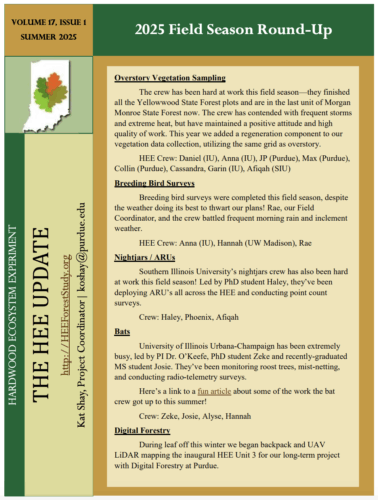
- Breeding Bird Surveys
By Rae Garrett
“Breeding bird surveys were completed this field season, despite the weather doing its best to thwart our plans!…” - Nightjars/ARUs
By Haley Holiman (SIU)
“Southern Illinois University’s nightjars crew deployed ARUs all across the HEE and conducted point count surveys…” - Bats
By Dr. Joy O’Keefe and Team
“The bat crew monitored roost trees, conducted mist-netting, and performed radio-telemetry surveys…” - Digital Forestry
By Purdue University Digital Forestry
“During leaf-off this winter we began backpack and UAV LiDAR mapping the inaugural HEE Unit 3 for our long-term project…” - Botany News
By Megan Crecelius
“Southern Illinois University’s nightjars crew deployed ARUs all across the HEE and conducted point count surveys…” - Out and About: HEE Outreach
By Kat Shay and Rae Garrett
“From radio interviews to presentations on fire ecology, the HEE team has been actively sharing research and connecting with partners across the state…” - HEE Proposal Request
By Mike Saunders
“Proposal requests for the 2026–2028 HEE budget will be sent out in the next few weeks… “
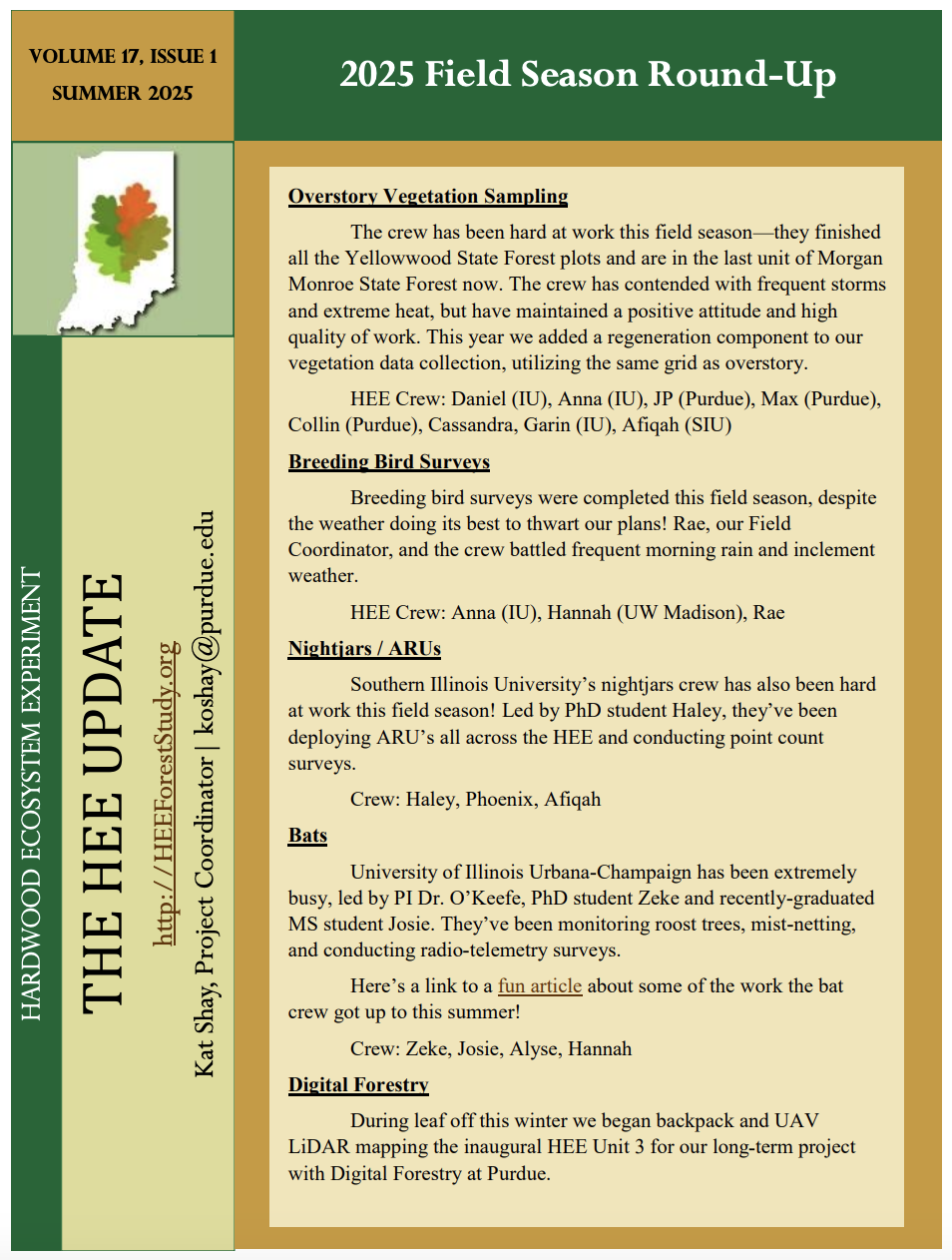
To view the full newsletter visit: HEE Newsletter.
Resources:
Hardwood Ecosystem Experiment – Wildlife Responses to Timber Harvesting, The Education Store, Purdue Extension’s resource center
The Hardwood Ecosystem Experiment: Indiana Forestry and Wildlife, The Education Store
Breeding Birds and Forest Management: the Hardwood Ecosystem Experiment and the Central Hardwoods Region, The Education Store
The Hardwood Ecosystem Experiment: 2006-2016, The Education Store
Shrubs and Woody Vines of Indiana and the Midwest, The Education Store
Hardwood Ecosystem Experiment Playlist, Subscribe to Purdue Extension – Forestry and Natural Resources (FNR) YouTube Channel
Hardwood Ecosystem Experiment – Prescribed Fire, Purdue Extension – FNR YouTube
A Woodland Management Moment, Playlist, Purdue Extension – FNR YouTube Channel
Investing in Indiana Woodlands, The Education Store
Forest Improvement Handbook, The Education Store
Finding help from a professional forester, Indiana Forestry & Woodland Owners Association
Kat Shay, Forest Project Coordinator
Hardwood Ecosystem Experiment (HEE)
Welcome to ID That Tree! In this episode, Purdue Extension Forester Lenny Farlee introduces us to a widespread and often overlooked native plant, the wild grape vine. Found across Indiana, this vine is especially noticeable in late summer and fall. Learn how to identify wild grape by its vine structure, bark, leaves and growth. Whether you’re a nature enthusiast, land manager or just curious about native plants, this video offers a quick and informative look at how to spot wild grape vine and appreciate its role in Indiana’s ecosystems.
If you have any questions regarding wildlife, trees, forest management, wood products, natural resource planning or other natural resource topics, feel free to contact us by using our Ask an Expert web page.
Resources:
ID That Tree – Video Playlist, Purdue Extension – Forestry and Natural Resources (FNR) YouTube Channel
Purdue Arboretum Explorer
Conservation Tree Planting: Steps to Success, Purdue Extension – FNR YouTube Channel
A Woodland Management Moment, Playlist, Purdue Extension – FNR YouTube Channel
Woodland Stewardship for Landowners, Playlist, Purdue Extension – FNR YouTube Channel
Indiana Department of Natural Resources: Invasive Species
Indiana Invasive Species Council
Cooperative Invasive Species Management Area (CISMA)
Report Invasive, Purdue Extension
Fifty Common Trees of Indiana, Purdue Extension – FNR
Habitat University, Episode 12 – Exploring the challenges of Invasive Species, Habitat University-Natural Resource University
Shrubs and Woody Vines of Indiana and the Midwest, Purdue University Press
Native Trees of the Midwest, Purdue University Press
Professional Forester, Indiana Forestry Woodland Owners Association
District Forester, Indiana Department of Natural Resources, 10+ acres
Find an Arborist, International Society of Arboriculture
Forest Improvement Handbook, The Education Store
Lenny Farlee, Extension Forester
Hardwood Tree Improvement and Regeneration Center
Purdue Department of Forestry & Natural Resources
Dr. Rado Gazo, professor of wood processing and industrial engineering who has been a part of the Purdue Forestry and Natural Resources faculty since 1997, has been named as the 2025 recipient of the Wood Engineering Achievement Award – Lifetime Achievement by the Forest Products Society.

“I joined the Forest Products Society as a graduate student in 1990 and have actively participated in various roles ever since,” Gazo said. “While I did not seek this award, now that I have received it, I am very humbled by the recognition of my colleagues and peers.”
The Forest Products Society is a premier international not-for-profit technical association founded in 1947. The award recognizes accomplishments and innovations in the discipline of wood engineering including structures, structural elements, building codes, consensus standards, design procedures and education.
According to the FPS announcement,
“Gazo has educated students, industry professionals and the public about the applications of industrial engineering and operation research techniques to problems in primary and secondary wood products manufacturing industries. His research and development activities have focused on evaluating tree, log, and lumber quality using CT, laser, and image scanning techniques. His efforts led to the first commercially available industrial-grade CT scanner and related optimization software, as well as the first successful automated hardwood lumber grading system. Dr. Gazo also created Hardwood University for the continued education of hardwood industry professionals and landowners in the Central Hardwood Region.”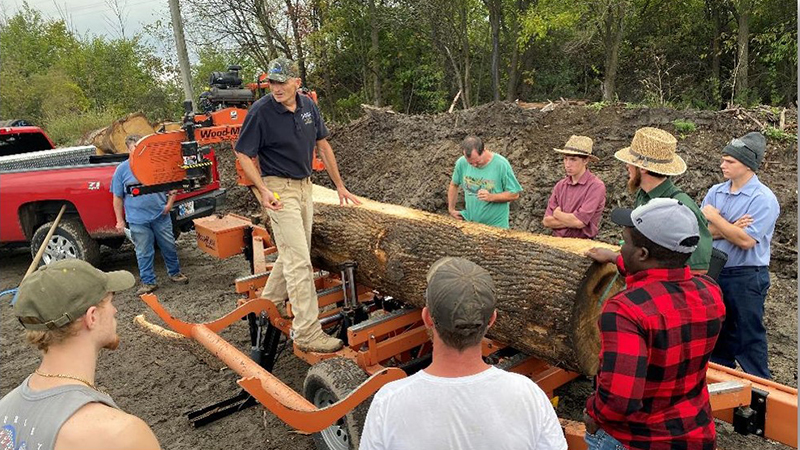
In 2020, Gazo created Hardwood University, a self-sustaining collaborative program with the Indiana Hardwood Lumbermen’s Association, which aims to provide hardwood industry professionals and landowners in the Central Hardwood region with cutting-edge information and training. Gazo is one of the primary instructors for the program, which trains around 200 professionals annually.
Hardwood University, which consists of 10 sessions annually, is intended for new employees in the hardwood industry as well as those preparing for advancement or cross-training. The program, which takes place monthly at various Indiana hardwood plants and Purdue agricultural centers, offers informational and technical sessions on topics ranging from forest taxation to tree and log scaling and grading; log bucking; marketing hardwood veneer, stave and sawlogs; grade-sawing lumber; air drying and kiln drying lumber; hardwood lumber grading; lean manufacturing and logistics; and sawmill efficiency and quality control.
In addition, Gazo has worked with more than 130 companies, providing technical assistance, troubleshooting and consulting services as well as implementation of manufacturing best practices.
Most recently, Gazo was named among Purdue researchers working on the Indiana Wood Utilization Team, which will aim to create and implement a strategic plan to increase awareness of the benefits of using forest resources in the state, after gathering input from an industry advisory board and a series of roundtable discussions across the state.
Gazo has authored or co-authored more than 320 publications and has given more than 450 presentations in his field.
In 2017, he received the Southern Regional Extension Forestry Award for Excellence for the online book chapter “Critical Factors Affecting Supply Chain Management: A Case Study in the US Pallet Industry,” coauthored with Dr. Henry Quesada and Scarlett Sanchez.
To view this article along with other news and stories posted on the Purdue Forestry and Natural Resources website view: Rado Gazo Receives Lifetime Achievement Award from Forest Products Society.
Resources:
Wood Products Manufacturing Technology Minor, FNR Minor
Hardwoods of the Central Midwest, The Purdue Arboretum
Wood Products, Purdue Extension – Forestry & Natural Resources (FNR)
Wood is Best Video, Forestry and Natural Resources YouTube Channel, Woodisbest.org
An Introduction to Trees of Indiana, The Education Store, Purdue Extension resource center
Native Trees of the Midwest, Purdue University Press
Shrubs and Woody Vines of Indiana and the Midwest, Purdue University Press
ID That Tree, Playlist, Subscribe to Purdue Extension – Forestry and Natural Resources YouTube Channel
A Woodland Management Moment, Playlist, Purdue Extension – FNR YouTube Channel
Investing in Indiana Woodlands, The Education Store
Forest Improvement Handbook, The Education Store
Finding help from a professional forester, Indiana Forestry & Woodland Owners Association
District Foresters for 10 plus acres, Indiana Department of Natural Resources
Hardwood Tree Improvement & Regeneration Center (HTIRC)
Wendy Mayer, FNR Communications Coordinator
Purdue University Department of Forestry and Natural Resources
Do you have invasive plants in your landscaping? Tippecanoe County Soil and Water Conservation District is hosting an Invasive Plant Swap on September 25th from 9 a.m. to 12 p.m. at the Tippecanoe County Fairgrounds Show Arena.
This free event offers an opportunity for community members to bring in invasive landscaping plants and exchange them for native species that support pollinators and local ecosystems. While the event flyer highlights five common invasive plants (burning bush, callery pear, Japanese barberry, wintercreeper and periwinkle) residents are welcome to bring any invasive plant used in landscaping. If you’re not sure whether your plant qualifies, feel free to reach out in advance or bring it with you for identification.
Native plants will be available while supplies last. Early arrival is recommended.
Replacing invasives with native plants is a great way to support local wildlife, improve soil and water quality, and help restore ecological balance. The deadline to apply is August 1, 2025.
For further information and the application, visit the event page on the Tippecanoe County SWCD website.
Resources:
Invasive Species, Playlist
Invasive Plant Species Identification, Video
Invasive plants: impact on environment and people, The Education Store, Purdue Extension resource center
Indiana Department of Natural Resources: Invasive Species
Indiana Invasive Species Council
Cooperative Invasive Species Management Area (CISMA)
Episode 11 – Exploring the challenges of Invasive Species, Habitat University-Natural Resource University
Emerald Ash Borer Information Network, Purdue University and Partners
What Nurseries Need to Know About the Invasive Species Regulation, The Education Store, Purdue Extension’s resource center
Invasive plants: impact on environment and people, The Education Store, Purdue Extension’s resource center
Tree Installation: Process and Practices, The Education Store
ID That Tree – Video Playlist, Purdue Extension – Forestry and Natural Resources (FNR) YouTube Channel
Tree Pruning Essentials Video, Purdue Extension YouTube Channel
Find an Arborist, International Society of Arboriculture
Welcome to ID That Tree! In this episode, Purdue Extension Forester Lenny Farlee introduces us to a striking native shrub known as Wild Hydrangea. Found in forest understories and along wooded slopes in southern Indiana, this plant is especially noticeable in summer thanks to its large, white flowers. Learn how to identify this species by it’s unique characteristics. Whether you’re a student, hiker, gardener or just curious about native plants, this video offers a quick and informative look at how to spot Wild Hydrangea and appreciate its role in Indiana’s woodland ecosystems.
If you have any questions regarding wildlife, trees, forest management, wood products, natural resource planning or other natural resource topics, feel free to contact us by using our Ask an Expert web page.
Resources:
ID That Tree – Video Playlist, Purdue Extension – Forestry and Natural Resources (FNR) YouTube Channel
Purdue Arboretum Explorer
Conservation Tree Planting: Steps to Success, Purdue Extension – FNR YouTube Channel
A Woodland Management Moment, Playlist, Purdue Extension – FNR YouTube Channel
Woodland Stewardship for Landowners, Playlist, Purdue Extension – FNR YouTube Channel
Indiana Department of Natural Resources: Invasive Species
Indiana Invasive Species Council
Cooperative Invasive Species Management Area (CISMA)
Report Invasive, Purdue Extension
Fifty Common Trees of Indiana, Purdue Extension – FNR
Habitat University, Episode 12 – Exploring the challenges of Invasive Species, Habitat University-Natural Resource University
Shrubs and Woody Vines of Indiana and the Midwest, Purdue University Press
Native Trees of the Midwest, Purdue University Press
Professional Forester, Indiana Forestry Woodland Owners Association
District Forester, Indiana Department of Natural Resources, 10+ acres
Find an Arborist, International Society of Arboriculture
Forest Improvement Handbook, The Education Store
Lenny Farlee, Extension Forester
Hardwood Tree Improvement and Regeneration Center
Purdue Department of Forestry & Natural Resources
 Discover the challenges posed by Sericea lespedeza, an invasive plant species prevalent in Indiana. This guide provides essential facts and control options, highlighting how Sericea outcompetes native plants and offers little value to wildlife. A must-read for conservationists and land managers dedicated to preserving native ecosystems.
Learn the most effective strategies for managing Sericea lespedeza across diverse landscapes including old fields, conservation plantings and native grasslands: Sericea Lespedeza Control
This publication is part of a seven publication series The Managing Conservation Plantings Series which include details on how to control invasive species and other problematic plants in Conservation Reserve Program (CRP) plantings and native warm-season grass and wildflower conservation plantings.
Publications in this series include:
- Golden Rod Control
- Thinning Native Warm-Season Grasses
- Sericea Lespedeza Control
- Woody Encroachment and Woody Invasives
- Johnson Grass Control
- Reed Canarygrass Control
- Teasel Control (Common and Cut Leaved)
- Controlling Introduced Cool-season Grasses
- Crownvetch, Sweetclover and Birdsfoot Trefoil Control
Resources:
Deer Impact Toolbox & Grassland Management, Purdue Extension Pond and Wildlife Management
Pond and Wildlife Management, Purdue Extension
Forestry for the Birds Virtual Tour and Pocket Guide, Got Nature? Blog, Purdue Extension – FNR
Frost Seeding to Establish Wildlife Food Plots and Native Grass and Forb Plantings – Purdue Extension – FNR YouTube channel
Wildlife Habitat Hint: Tips for Evaluating a First Year Native Grass and Forb Plantings, Purdue Extension – FNR YouTube Channel
Drone Seeding Native Grasses and Forbs: Project Overview & Drone Setup, Purdue Extension – FNR YouTube channel
Ask an Expert: Wildlife Food Plots, video, Purdue Extension – FNR YouTube Channel
Handling Harvested Game: Episode 1, Field Dressing, video, Purdue Extension – FNR YouTube Channel
Managing Your Woods for White-Tailed Deer, The Education Store
Forest Improvement Handbook, The Education Store
Forest Management for Reptiles and Amphibians: A Technical Guide for the Midwest, The Education Store
A Template for Your Wildlife Habitat Management Plan, The Education Store
Woodland Stewardship for Landowners, Playlist, Purdue Extension – FNR YouTube channel
Nature of Teaching Unit 1: Animal Diversity and Tracking, The Education Store
Nature of Teaching, Purdue College of Agriculture
Invasive Species Playlist, Playlist, Purdue Extension – FNR YouTube Channel
Report Invasive, Purdue Extension
Subscribe Purdue Extension – Forestry and Natural Resources YouTube Channel
Jarred Brooke, Wildlife Extension Specialist
Purdue Department of Forestry and Natural Resources
The Wisconsin Forestry Center at the University of Wisconsin–Stevens Point has just released a new episode of SilviCast, the go-to podcast for silviculture professionals. In this episode, titled “Black Gold,” forestry expert Lenny Farlee is interviewed about the science and management of black walnut, one of North America’s most valuable hardwoods.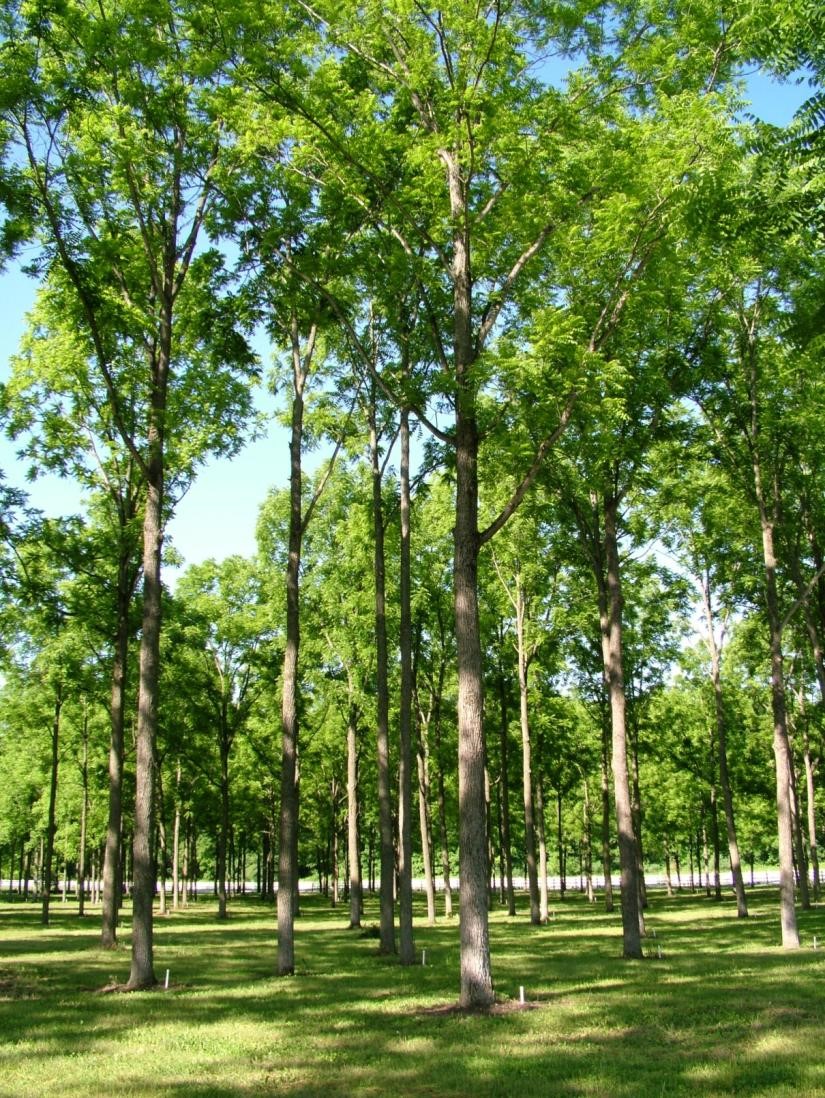
Eastern black walnut is often regarded as one of the most valuable timber species in central and eastern North America. A single high-quality tree can be worth thousands of dollars, sometimes even shaping the outcome of an entire timber sale. Given that level of interest, it may seem like we already know everything about this remarkable species. While researchers and foresters have gained a deep understanding of its silviculture and genetics, there is still more to discover.
Lenny Farlee is a Purdue University Extension Forester and a member of the Hardwood Tree Improvement & Regeneration Center (HTIRC). With decades of experience in hardwood silviculture, he brings practical insight and research-based knowledge to the conversation around managing black walnut for long-term forest health and productivity.
To listen, search SilviCast on your favorite podcast app or listen directly on the SilviCast: Black Gold episode page. You can also explore the full series at linktr.ee/SilviCast.
Other Resources:
ID That Tree: Black Walnut
Hardwoods of the Central Midwest: Black Walnut
Hardwood Lumber and Veneer Series: Black Walnut
Morton Arboretum: Black walnut
Facts About Black Walnut, The Education Store
Purdue Arboretum Explorer
Black Walnut, Native Trees of Indiana River Walk, Purdue Fort Wayne
The Woody Plant Seed Manual, U.S. Forest Service
Fifty Common Trees of Indiana
An Introduction to Trees of Indiana
Native Trees of the Midwest, Purdue University Press
Shrubs and Woody Vines of Indiana and the Midwest, Purdue University Press
Investing in Indiana Woodlands, The Education Store
Forest Improvement Handbook, The Education Store
ID That Tree, Purdue Extension-Forestry & Natural Resources (FNR) YouTube playlist
Woodland Management Moment , Purdue Extension-FNR YouTube playlist
University of Wisconsin-Stevens Point
Diana Evans, Extension & Web Communications Specialist
Purdue University Department of Forestry and Natural Resources
Purdue Landscape Report: It’s that time again! With the arrival of warm temperatures and increased rainfall, many of us are getting to work on our lawns, gardens, and landscaping. Unfortunately, this often comes with discovering what new (or old) invasive species are here to haunt us. So far this year, the invasive I’ve gotten the most questions on is the Asian jumping worm. This earthworm’s life cycle tends to experience ‘boom & bust’ years due to their feeding habits, and, anecdotally speaking, we appear to be experiencing an increase in their populations throughout the state this season. Now is a great time to brush up on our understanding of this organism, and the revisit how it impacts our environment.
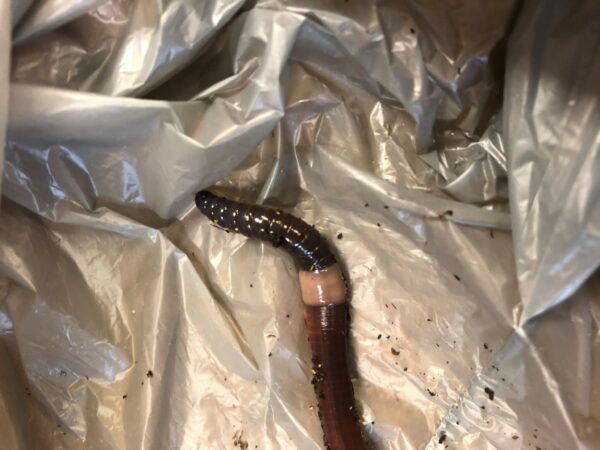
Figure 1. The clitellum, the set of pale, milky colored segments, is the reproductive organ of earthworms.
Identification
While Asian jumping worms share a lot of traits with other, less harmful earthworm species, they do have some features we can use to differentiate them from the rest. Jumping worms tend to be darker in color, since they live either on top of the soil or just under the first layer of plant detritus and get more exposure to sunlight. Asian jumping worms also have a significantly higher number of bristles, or setae, that they can use to move around. They can have as many as forty bristles per segment, in contrast to the eight found on other species, giving them the traction they need to wriggle and squirm as violently as they do. Perhaps the easiest feature we can use to identify them is the clitellum, the organ that contains they reproductive organs. On Asian jumping worms, the clitellum just looks like a very pale set of segments close to the anterior end of the worm, whereas on most other worms, it’s about midway down the body and saddle-shaped. Finally, we can detect their presence by changes in our soil. Asian jumping will not improve soil quality for growing like other earthworms can, but rather change the soil consistency into something like coffee grounds, rendering it unsuitable for growing most crops and ornamentals.
Environmental Impact
As I alluded to above, Asian jumping worms do significant damage to soil quality when left unmanaged. These earthworms, unlike their beneficial cousins, do not provide ecosystems services like soil aeration or castings that help add nutrients to the soil. Since they live at the surface, they do not burrow, and their castings lock in nutrients and often get swept away by hydrological events. Asian jumping worms also tend to gather in large groups whenever they infest an area, resulting in most of the decaying plant material and other organic material being stripped out of the soil. Often, the only plants capable of developing in those conditions are invasive themselves!
Reporting
We are still learning about the Asian jumping worms spread in Indiana, so we are asking everyone to please report sightings. You can report them either online by going to the EDDMapS website or you can call 1-866-NOEXOTIC. We ask that you take a picture and tell us where you were when you saw the worms. You can also check the Report Invasive webpage for up-to-date information on all kinds of invasive species, or reach out to Bob Bruner, Purdue University Exotic Forest Pest Educator, by emailing rfbruner@purdue.edu. With your help, we can map out this worm and create effective plans to limit its presence in our state.
View the original article on the Purdue Landscape Report website: Asian Jumping Worms: How to ID this soil pest.
Subscribe and receive the newsletter: Purdue Landscape Report Newsletter.
Resources:
Gardeners Asked to be Vigilant This Spring for Invasive Jumping Worm, Purdue Extension – FNR Got Nature? Blog
Fall webworms: Should you manage them?, Purdue Landscape Report
Mimosa Webworm, The Education Store, Purdue Extension resource center
Sod Webworms, Turf Science at Purdue University
Bagworm caterpillars are out feeding, be ready to spray your trees, Purdue Extension Forestry & Natural Resources (FNR) Got Nature? Blog
Landscape & Ornamentals: Bagworms, The Education Store
Purdue Plant Doctor App Suite, Purdue Extension-Entomology
Find an Arborist website, Trees are Good, International Society of Arboriculture (ISA)
ID That Tree – Video Playlist, Purdue Extension – Forestry and Natural Resources (FNR) YouTube Channel
Fifty Common Trees of Indiana, Purdue FNR web page list
Indiana Department of Natural Resources: Invasive Species
Indiana Invasive Species Council
Cooperative Invasive Species Management Area (CISMA)
Report Invasive, Purdue Extension
Native Trees of the Midwest, Purdue University Press
Bob Bruner, Exotic Forest Pest Educator
Purdue Entomology
With rainfall well below average, watering your trees is more important than ever. Indiana typically receives around 3.14 inches of rain in September, but as of 2025, only 1.31 inches have fallen—making this month even drier than last year. These conditions can lead to dry, wilted leaves and stress for trees across the state, especially during prolonged heat. To see how drought is affecting your area, visit the U.S. Drought Monitor for Indiana-specific maps.
In this video, Lindsey Purcell, Executive Director of the Indiana Arborist Association, explains why consistent watering is critical and shares practical tips to help your trees stay healthy through dry spells.
Extreme heat can have a major impact on tree health and survival. Water is the most limiting ecological resource for a tree, and without adequate moisture, decline and death are imminent. It reduces carbohydrate production, significantly lowering energy reserves and production of defense chemicals in the tree. Check out this publication titled Drought? Don’t Forget the Trees! to learn what to look for for any weakening issues including pests that like the dry conditions.
If you have any questions regarding wildlife, trees, forest management, wood products, natural resource planning or other natural resource topics, feel free to contact us by using our Ask an Expert web page.
More Extreme Heat Resources:
Climate and Drought Maps, Purdue Indiana State Climate Office
Summer Tree Care, Purdue Landscape Report
Drought? Don’t Forget the Trees!, The Education Store, Purdue Extension resource center
Extreme Heat Including Fact Sheets, Purdue Extension – IN-PREPared
Extreme Heat – Resources, Extension Disaster Education Network (EDEN)
Drought Information, Indiana Department of Natural Resources
Planting Your Tree Part 1: Choosing Your Tree, Purdue Extension YouTube Channel
Tree Selection for the “Un-natural” Environment, The Education Store
Tree Pruning Essentials Video, Purdue Extension YouTube Channel
Tree Defect Identification, The Education Store
Tree Wound and Healing, Got Nature? Blog, Purdue Extension – Forestry and Natural Resources
Surface Root Syndrome, The Education Store
Submit Sample, Purdue Plant & Pest Diagnostic Lab
Find an Arborist, Indiana Arborist Association
Ben McCallister, Urban Forestry Specialist
Purdue Forestry & Natural Resources

Recent Posts
- Beetle that attacks Tree-of-Heaven found in Indiana, Purdue Landscape Report
Posted: March 20, 2026 in Invasive Insects, Wildlife, Woodlands - ID That Tree: Dwarf Chinkapin Oak
Posted: in Forestry, Urban Forestry, Wildlife, Woodlands - IN-PREPared: Essential Resources for Indiana’s Severe Weather Season
Posted: March 11, 2026 in How To, Safety - DNR Hiring for Indiana Conservation Officer Positions, MyDNR
Posted: March 9, 2026 in Urban Forestry, Wildlife, Woodlands - ID That Tree: Shumard Oak
Posted: in Plants, Urban Forestry, Wildlife, Woodlands - A Woodland Management Moment: Windbreak Around Walnut Plantings
Posted: March 3, 2026 in Forestry, Urban Forestry, Woodland Management Moment - Getting Certified as an Indiana Certified Prescribed Burn Manager
Posted: March 2, 2026 in How To, Urban Forestry, Woodlands - Uniting Indiana Residents Against Invasive Species
Posted: February 27, 2026 in Community Development, Invasive Insects, Wildlife - Have You Seen a Soaring Eagle Lately? Morning Ag Clips
Posted: February 25, 2026 in Urban Forestry, Wildlife - Register for Natural Resources Teacher Institute’s Class of 2026
Posted: February 19, 2026 in Forestry, Wildlife, Woodlands
Archives
Categories
- Alert
- Aquaculture/Fish
- Aquatic/Aquaculture Resources
- Ask the Expert
- Christmas Trees
- Community Development
- Disease
- Drought
- Forestry
- Forests and Street Trees
- Gardening
- Got Nature for Kids
- Great Lakes
- How To
- Invasive Animal Species
- Invasive Insects
- Invasive Plant Species
- Land Use
- Natural Resource Planning
- Nature of Teaching
- Plants
- Podcasts
- Ponds
- Publication
- Safety
- Spiders
- Timber Marketing
- Uncategorized
- Urban Forestry
- Webinar
- Wildlife
- Wood Products/Manufacturing
- Woodland Management Moment
- Woodlands