 Purdue University - Extension - Forestry and Natural Resources
Got Nature? Blog
In this edition of ID That Tree, we’re going to introduce you to another member of the oak family found in Indiana, and that’s northern pin oak. You can find it in the northern part of Indiana on dry and sandy soils. It’s a member of the red and black oak group, so it has bristle tips on the ends of the lobes of the leaves. The twigs can be found anywhere from medium to dark grey, and the buds are very dark and sharply pointed.
If you have any questions regarding wildlife, trees, forest management, wood products, natural resource planning or other natural resource topics, feel free to contact us by using our Ask an Expert web page.
Resources:
ID That Tree, Playlist, Purdue Extension – Forestry and Natural Resources (FNR) YouTube Channel (Invasive White Mulberry, Siberian Elm, Tree of Heaven)
Invasive Species Playlist, Playlist, Purdue Extension – FNR YouTube Channel (Asian Bush Honeysuckle, Burning Bush, Callery Pear, Multiflora rose)
A Woodland Management Moment, Playlist, Purdue Extension – FNR YouTube Channel (Against Invasives, Garlic Mustard, Autumn Olive)
Woodland Stewardship for Landowners, Playlist, Purdue Extension – FNR YouTube Channel (Common Buckthorn, Japanese Barberry)
How long do seeds of the invasive tree, Ailanthus altissima remain viable? (Invasive Tree of Heaven), USDA Forest Service
Indiana Department of Natural Resources: Invasive Species
Indiana Invasive Species Council
Cooperative Invasive Species Management Area (CISMA)
Report Invasive, Purdue Extension
Aquatic Invasive Species, Illinois-Indiana Sea Grant (IISG)
Episode 11 – Exploring the challenges of Invasive Species, Habitat University-Natural Resource University
What are invasive species and why should I care?, Got Nature? Blog, Purdue Extension – FNR
Shrubs and Woody Vines of Indiana and the Midwest, The Education Store, Purdue Extension Resource Center
Native Trees of the Midwest, The Education Store
Investing in Indiana Woodlands, The Education Store
Professional Forester, Indiana Forestry Woodland Owners Association
District Forester 10+acres of woodlands, Indiana Department of Natural Resources
Forest Improvement Handbook, The Education Store
Lenny Farlee, Extension Forester
Hardwood Tree Improvement and Regeneration Center
Purdue Department of Forestry & Natural Resources
Wild Bulletin, Indiana Department of Natural Resources (DNR) Fish and Wildlife: Did you know that wild game shot with lead ammunition can sometimes contain lead fragments all the way to the dinner table? Adopting different shot placement and butchering techniques can help alleviate the problem.
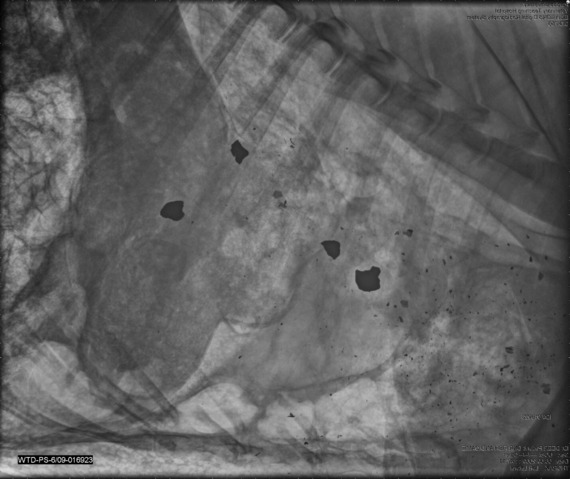
An X-ray of lead ingested by an animal.
When shooting: Avoid shooting animals in heavily boned areas, such as the front shoulders, as this is more likely to cause bullet fragmentation. Instead, shoot animals in softer tissue, such as around the heart and lungs, to decrease fragmentation.
When butchering: Carefully observe the wound channel in the animal and generously trim away any meat that shows bullet trauma. This will help keep fragments out of your finished meat product. Properly dispose of your trimmed meat by sending it to the local landfill or burying it on private property.
Looking for another way for you and your family to avoid ingesting lead fragments? Talk to your local retailer about finding a nontoxic ammunition that’s right for you.
To learn more please visit DNR: Effects of lead on wildlife.
Resources:
Hunting Guide for 2023-2024, Indiana Department of Natural Resources
How to Score Your White-tailed Deer, video, The Education Store, Purdue Extension Resource Center
White-Tailed Deer Post Harvest Collection, video, The Education Store
Age Determination in White-tailed Deer, video, The Education Store
How to Build a Plastic Mesh Deer Exclusion Fence, The Education Store
Managing Your Woods for White-Tailed Deer, The Education Store
Bovine Tuberculosis in Wild White-tailed Deer, The Education Store
Help With Wild Turkey Populations, Video, Purdue Extension – Forestry and Natural Resources YouTube Channel
Turkey Brood Reporting, Indiana Department of Natural Resources (IDNR)
Wild Turkey, Indiana Department of Natural Resources (IDNR)
Wild Turkey Hunting Biology and Management, Indian Department of Natural Resources (IDNR)
Subscribe to Purdue Extension-Forestry & Natural Resources YouTube Channel, Wildlife Playlist
Indiana Department of Natural Resources
In this edition of ID That Tree, we’re going to introduce you to a native Indiana species, and that’s sourwood. It’s much more common in the Appalachian mountain range, but can be found on Indiana’s southern boundary across the Ohio River. Sourwood gets its name from its sour/bitter flavor when you taste it. It has alternate leave arrangement, simple leaves, and very finely serrated margins. It can also put on a great fall color.
If you have any questions regarding wildlife, trees, forest management, wood products, natural resource planning or other natural resource topics, feel free to contact us by using our Ask an Expert web page.
Resources:
ID That Tree, Playlist, Purdue Extension – Forestry and Natural Resources (FNR) YouTube Channel (Invasive White Mulberry, Siberian Elm, Tree of Heaven)
Invasive Species Playlist, Playlist, Purdue Extension – FNR YouTube Channel (Asian Bush Honeysuckle, Burning Bush, Callery Pear, Multiflora rose)
A Woodland Management Moment, Playlist, Purdue Extension – FNR YouTube Channel (Against Invasives, Garlic Mustard, Autumn Olive)
Woodland Stewardship for Landowners, Playlist, Purdue Extension – FNR YouTube Channel (Common Buckthorn, Japanese Barberry)
How long do seeds of the invasive tree, Ailanthus altissima remain viable? (Invasive Tree of Heaven), USDA Forest Service
Indiana Department of Natural Resources: Invasive Species
Indiana Invasive Species Council
Cooperative Invasive Species Management Area (CISMA)
Report Invasive, Purdue Extension
Aquatic Invasive Species, Illinois-Indiana Sea Grant (IISG)
Episode 11 – Exploring the challenges of Invasive Species, Habitat University-Natural Resource University
What are invasive species and why should I care?, Got Nature? Blog, Purdue Extension – FNR
Shrubs and Woody Vines of Indiana and the Midwest, The Education Store, Purdue Extension Resource Center
Native Trees of the Midwest, The Education Store
Investing in Indiana Woodlands, The Education Store
Professional Forester, Indiana Forestry Woodland Owners Association
District Forester 10+acres of woodlands, Indiana Department of Natural Resources
Forest Improvement Handbook, The Education Store
Lenny Farlee, Extension Forester
Hardwood Tree Improvement and Regeneration Center
Purdue Department of Forestry & Natural Resources
Wild Bulletin, Indiana Department of Natural Resources (DNR) Fish and Wildlife: In 2023, we saw wildlife wins for many rare and endangered species. We found a very young hellbender salamander in the Blue River and increased public awareness and interest in bat conservation. We discovered the banded pygmy sunfish at Twin Swamps Nature Preserve and doubled the number of active barn owl nests from five years ago.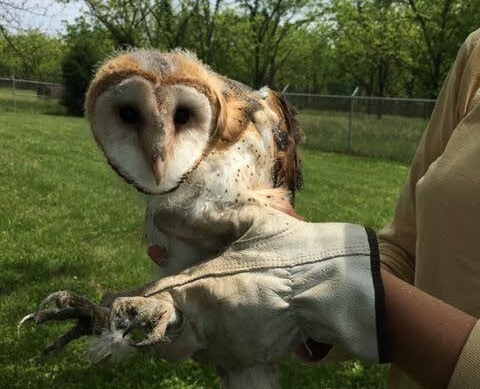
These wildlife wins would not have been possible without those who support the Nongame Wildlife Fund. To all of you who help care for Indiana’s rare and endangered wildlife, thank you!
If you’d like to make a positive impact on Indiana’s wildlife, consider getting involved today. Subscribe to the Indiana DNR Division of Fish & Wildlife Newsletter, IN Fish & Wildlife Instagram, and IN Fish & Wildlife Facebook to stay up to date with the IN DNR-Division of Fish & Wildlife’s latest wildlife wins. Make a volunteer profile and learn more about how to become a DNR volunteer, or make a donation to the Nongame Wildlife Fund. For every $50 given to the Nongame Wildlife Fund, an additional $43 is unlocked in federal funding, making every dollar you donate go even further for Indiana’s wildlife.
To learn more please visit DNR: Nongame and Endangered Wildlife.
Resources:
Researchers Discover Young Hellbender in Blue River, Purdue Forestry and Natural Resources News & Stories
Help the Hellbender, North America’s Giant Salamander, The Education Store
Help the Hellbender website
Help the Hellbender Facebook page
Barn Owl, Indiana Department of Natural Resources
Bats in Indiana, Indiana Department of Natural Resources (IN DNR)
Bat Houses, Bat Conservation International
Creating a Wildlife Habitat Management Plan for Landowners, The Education Store, Purdue Extension’s resource center
Ask an Expert: Turtles and Snakes, video
Ask an Expert: Managing Your Property for Fish and Wildlife, video
A Template for Your Wildlife Habitat Management Plan, publication
Frost Seeding to Establish Wildlife Food Plots and Native Grass and Forb Plantings, video
Connecting Youth to Wildlife Webinar
A Template for Your Wildlife Habitat Management Plan, The Education Store
Indiana Department of Natural Resources
In this edition of ID That Tree, we’re going to introduce you to two species found in Indiana. One of them is a native called blackhaw, and the other an invasive called burning bush. Blackhaw has opposite simple leaves, very finely toothed margins, and elongated buds that have a grey haze to them. It also has a striking fall color. Burning bush on the other hand is an invasive spread by seeding itself through birds and other wildlife. It also has opposite leaf arrangement but much smaller leaves that are a bit more elongated.
If you have any questions regarding wildlife, trees, forest management, wood products, natural resource planning or other natural resource topics, feel free to contact us by using our Ask an Expert web page.
Resources:
ID That Tree, Playlist, Purdue Extension – Forestry and Natural Resources (FNR) YouTube Channel (Invasive White Mulberry, Siberian Elm, Tree of Heaven)
Invasive Species Playlist, Playlist, Purdue Extension – FNR YouTube Channel (Asian Bush Honeysuckle, Burning Bush, Callery Pear, Multiflora rose)
A Woodland Management Moment, Playlist, Purdue Extension – FNR YouTube Channel (Against Invasives, Garlic Mustard, Autumn Olive)
Woodland Stewardship for Landowners, Playlist, Purdue Extension – FNR YouTube Channel (Common Buckthorn, Japanese Barberry)
Invasive Plant Series: Winged Burning Bush, Got Nature? Blog, Purdue Extension – FNR
Invasive Plant Series: Winged Burning Bush, The Education Store
How long do seeds of the invasive tree, Ailanthus altissima remain viable? (Invasive Tree of Heaven), USDA Forest Service
Indiana Department of Natural Resources: Invasive Species
Indiana Invasive Species Council
Cooperative Invasive Species Management Area (CISMA)
Report Invasive, Purdue Extension
Aquatic Invasive Species, Illinois-Indiana Sea Grant (IISG)
Episode 11 – Exploring the challenges of Invasive Species, Habitat University-Natural Resource University
What are invasive species and why should I care?, Got Nature? Blog, Purdue Extension – FNR
Shrubs and Woody Vines of Indiana and the Midwest, The Education Store, Purdue Extension Resource Center
Native Trees of the Midwest, The Education Store
Investing in Indiana Woodlands, The Education Store
Professional Forester, Indiana Forestry Woodland Owners Association
District Forester 10+acres of woodlands, Indiana Department of Natural Resources
Forest Improvement Handbook, The Education Store
Lenny Farlee, Extension Forester
Hardwood Tree Improvement and Regeneration Center
Purdue Department of Forestry & Natural Resources
Wild Bulletin, Indiana Department of Natural Resources (DNR) Fish and Wildlife: Indiana DNR has been working with neighboring states to address the invasive carp problem in our waters. The Kentucky Department of Fish and Wildlife Resources has been using contract fishers to harvest invasive carp from the middle Ohio River at the leading edge of invasive carp’s established population, and the Indiana Division of Fish & Wildlife provides support as needed. The contract fishing program will be operating through the winter and spring. Most fishing will occur from Leavenworth to Cannelton, Indiana, in small tributaries and backwaters off the Ohio River. Agency staff will ride along with contract fishers to collect data and ensure native fish populations are not negatively impacted.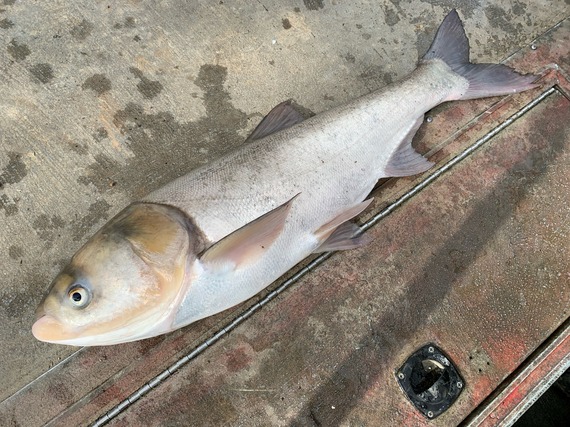
Throughout the year, biologists are involved in several other collaborative research and monitoring projects to slow the spread of invasive carp within the Ohio River basin. If you encounter an invasive carp and are wondering what to do with it, try eating it! Our website includes information on how to clean and prepare silver carp for a tasty meal, as well as descriptions of other DNR projects that address invasive carp.
To learn more please visit DNR: Invasive Carp.
Resources:
Asian carp solutions: Take them to market, Illinois-Indiana Sea Grant
Asian carp, Illinois-Indiana Sea Grant
Asian carp, Purdue College of Agriculture
Invasive Species, Playlist, Purdue Extension – FNR YouTube Channel
What are invasive species and why should I care?, Got Nature? Blog, Purdue Extension – Forestry and Natural Resources
Report Invasive Species, Purdue Invasive Species
Walleye Farmed Fish Fact Sheet, The Education Store, Purdue Extension’s resource center
Pacific White Shrimp Farmed Fact Sheet, The Education Store
Yellow Perch Farmed Fish Fact Sheet, The Education Store
Tilapia Farmed Fish Fact Sheet, The Education Store
Rainbow Trout Farmed Fish Fact Sheet, The Education Store
American Paddlefish, The Education Store
A Guide to Small-Scale Fish Processing Using Local Kitchen Facilities, The Education Store
Eat Midwest Fish, Illinois-Indiana Sea Grant online resource hub
Indiana Department of Natural Resources
MyDNR, Indiana’s Outdoor Newsletter: The latest Hunting Guide for 2023-2024 is available. The Division of Fish & Wildlife is excited to show off the many methods and precautions needed to be successful during hunting season. Here are some current in season game you can hunt.
Hunting seasons in December

Deer Muzzleloader: Dec. 9–24
Wild Turkey Fall Archery: Dec. 2, 2023–Jan. 7, 2024
Pheasant (Cock only): Closes Dec. 15
Dove: Dec. 16, 2023–Jan. 3, 2024
Crow: Dec. 13, 2023–March 1, 2024
Snipe: Closes Dec. 16
Quail (north of Interstate 74): Closes Dec. 15
Quail (south of Interstate 74): Closes Jan. 10, 2024
Ducks (North Zone): Closes Dec. 17, reopens Dec. 26, 2023–Jan. 3. 2024
Ducks (South Zone): Dec. 2, 2023–Jan. 28, 2024
For more information on hunting dates please our Indiana 2023-2024 Hunting & Trapping Seasons.
For questions on licenses and fees view Licenses & Permits, Indiana Department of Natural Resources
To subscribe to the newsletter visit MyDNR Email Newsletter.
Explore the outdoors with Indiana Department of Natural Resources in their 24 state parks, Indiana State Parks and Lakes.
Resources:
Hunting Guide for 2023-2024, Indiana Department of Natural Resources
How to Score Your White-tailed Deer, video, The Education Store, Purdue Extension Resource Center
White-Tailed Deer Post Harvest Collection, video, The Education Store
Age Determination in White-tailed Deer, video, The Education Store
How to Build a Plastic Mesh Deer Exclusion Fence, The Education Store
Managing Your Woods for White-Tailed Deer, The Education Store
Bovine Tuberculosis in Wild White-tailed Deer, The Education Store
Help With Wild Turkey Populations, Video, Purdue Extension – Forestry and Natural Resources YouTube Channel
Turkey Brood Reporting, Indiana Department of Natural Resources (IDNR)
Wild Turkey, Indiana Department of Natural Resources (IDNR)
Wild Turkey Hunting Biology and Management, Indian Department of Natural Resources (IDNR)
Subscribe to Purdue Extension-Forestry & Natural Resources YouTube Channel, Wildlife Playlist
Indiana Department of Natural Resources, Department of Fish & Wildlife
In this edition of ID That Tree, we’re going to introduce you to a native Indiana species, and that’s grey birch. It can be found in the northern part of Indiana near Lake Michigan. It can be defined by its long and pointed triangular shape, and it toothed margins on the edges of the leaf. It has very limber twigs and the leaves are arranged alternately. Also the fruiting flower structure can be identified as a catkin.
If you have any questions regarding wildlife, trees, forest management, wood products, natural resource planning or other natural resource topics, feel free to contact us by using our Ask an Expert web page.
Resources:
ID That Tree, Playlist, Purdue Extension – Forestry and Natural Resources (FNR) YouTube Channel (Invasive White Mulberry, Siberian Elm, Tree of Heaven)
Invasive Species Playlist, Playlist, Purdue Extension – FNR YouTube Channel (Asian Bush Honeysuckle, Burning Bush, Callery Pear, Multiflora rose)
A Woodland Management Moment, Playlist, Purdue Extension – FNR YouTube Channel (Against Invasives, Garlic Mustard, Autumn Olive)
Woodland Stewardship for Landowners, Playlist, Purdue Extension – FNR YouTube Channel (Common Buckthorn, Japanese Barberry)
How long do seeds of the invasive tree, Ailanthus altissima remain viable? (Invasive Tree of Heaven), USDA Forest Service
Indiana Department of Natural Resources: Invasive Species
Indiana Invasive Species Council
Cooperative Invasive Species Management Area (CISMA)
Report Invasive, Purdue Extension
Aquatic Invasive Species, Illinois-Indiana Sea Grant (IISG)
Episode 11 – Exploring the challenges of Invasive Species, Habitat University-Natural Resource University
What are invasive species and why should I care?, Got Nature? Blog, Purdue Extension – FNR
Shrubs and Woody Vines of Indiana and the Midwest, The Education Store, Purdue Extension Resource Center
Native Trees of the Midwest, The Education Store
Investing in Indiana Woodlands, The Education Store
Forest Improvement Handbook, The Education Store
Lenny Farlee, Extension Forester
Hardwood Tree Improvement and Regeneration Center
Purdue Department of Forestry & Natural Resources
In this edition of ID That Tree, we’re going to introduce you to a native Indiana oak species, and that’s blackjack oak. It can be found in high, dry, rocky ridges where soil moister is limited. It can be defined by it’s bear paw shaped leaves that tend to be very shiny and waxy on top, and have a leathery texture. While on the underside it tends to have a rusty color.
If you have any questions regarding wildlife, trees, forest management, wood products, natural resource planning or other natural resource topics, feel free to contact us by using our Ask an Expert web page.
Resources:
ID That Tree, Playlist, Purdue Extension – Forestry and Natural Resources (FNR) YouTube Channel (Invasive White Mulberry, Siberian Elm, Tree of Heaven)
Invasive Species Playlist, Playlist, Purdue Extension – FNR YouTube Channel (Asian Bush Honeysuckle, Burning Bush, Callery Pear, Multiflora rose)
A Woodland Management Moment, Playlist, Purdue Extension – FNR YouTube Channel (Against Invasives, Garlic Mustard, Autumn Olive)
Woodland Stewardship for Landowners, Playlist, Purdue Extension – FNR YouTube Channel (Common Buckthorn, Japanese Barberry)
How long do seeds of the invasive tree, Ailanthus altissima remain viable? (Invasive Tree of Heaven), USDA Forest Service
Indiana Department of Natural Resources: Invasive Species
Indiana Invasive Species Council
Cooperative Invasive Species Management Area (CISMA)
Report Invasive, Purdue Extension
Aquatic Invasive Species, Illinois-Indiana Sea Grant (IISG)
Episode 11 – Exploring the challenges of Invasive Species, Habitat University-Natural Resource University
What are invasive species and why should I care?, Got Nature? Blog, Purdue Extension – FNR
Shrubs and Woody Vines of Indiana and the Midwest, Purdue University Press
Native Trees of the Midwest, Purdue University Press
Investing in Indiana Woodlands, The Education Store
Forest Improvement Handbook, The Education Store
Lenny Farlee, Extension Forester
Hardwood Tree Improvement and Regeneration Center
Purdue Department of Forestry & Natural Resources
Wild Bulletin, Indiana Department of Natural Resources (DNR) Fish and Wildlife: Your contributions to the 2023 Turkey Brood Survey surpassed the goal of 3,000 observations. Between July 1-Aug. 31, you contributed a whopping 3,639 observations of wild turkey hens with or without poults. Thank you!
After DNR Division of Fish & Wildlife biologists removed duplicates and reports without exact locations, 2,203 brood observations are being factored into regional production estimates.
Because of your help, we can continue to track population trends and make important management decisions to foster healthy ecosystems in Indiana.
Why count turkeys?
Brood surveys provide useful estimates about annual production by wild turkey hens and the survival of poults (young turkeys) through the summer brood-rearing period. Summer brood survival is generally the primary factor influencing wild turkey population trends. Information on summer brood survival is essential for sound turkey management. Information gathered through the brood survey includes:
- Average brood sizes (hens + poults). For example, in the photo above there is one hen with seven poults, for a brood size of eight.
- Percentage of adult hens with poults.
- Production Index (PI) = total number of poults/total number of adult hens
What is a wild turkey brood?
A wild turkey brood is composed of at least one adult hen with young (poults). As the summer progresses, multiple broods may gather into what is termed a “gang” brood with several adult hens and multiple broods of poults of varied ages. During summer, adult gobblers (male turkeys) play no role in raising a brood and either form small male only “bachelor” flocks or are observed as a single gobbler.
To learn more please visit DNR: Turkey Brood Reporting.
Resources
Truths and Myths about Wild Turkey, The Education Store, Purdue Extension resource center
Wildlife, Playlist, Purdue Extension – Forestry and Natural Resources (FNR) YouTube Channel
Managing Your Property for Fish & Wildlife, Ask an Expert. FNR YouTube Channel
Forest Improvement Handbook, The Education Store
Help With Wild Turkey Populations, Video, Purdue Extension – Forestry and Natural Resources YouTube Channel
Turkey Brood Reporting, Indiana Department of Natural Resources (IN DNR)
Wild Turkey, Indiana Department of Natural Resources (IN DNR)
Wild Turkey Hunting Biology and Management, Indian Department of Natural Resources (IN DNR)
Subscribe to Purdue Extension-Forestry & Natural Resources YouTube Channel, Wildlife Playlist
Indiana Department of Natural Resources

Recent Posts
- Beetle that attacks Tree-of-Heaven found in Indiana, Purdue Landscape Report
Posted: March 20, 2026 in Invasive Insects, Wildlife, Woodlands - ID That Tree: Dwarf Chinkapin Oak
Posted: in Forestry, Urban Forestry, Wildlife, Woodlands - DNR Hiring for Indiana Conservation Officer Positions, MyDNR
Posted: March 9, 2026 in Urban Forestry, Wildlife, Woodlands - ID That Tree: Shumard Oak
Posted: in Plants, Urban Forestry, Wildlife, Woodlands - Uniting Indiana Residents Against Invasive Species
Posted: February 27, 2026 in Community Development, Invasive Insects, Wildlife - Have You Seen a Soaring Eagle Lately? Morning Ag Clips
Posted: February 25, 2026 in Urban Forestry, Wildlife - Register for Natural Resources Teacher Institute’s Class of 2026
Posted: February 19, 2026 in Forestry, Wildlife, Woodlands - ID That Tree: Fragrant Sumac
Posted: February 4, 2026 in Plants, Urban Forestry, Wildlife - Woodsy Owl Edition for Educational Learning, USDA – U.S. Forest Service
Posted: January 21, 2026 in Forestry, Forests and Street Trees, Got Nature for Kids, Urban Forestry, Wildlife - Opt-in to the Deer Management Survey, MyDNR
Posted: January 12, 2026 in Forestry, Wildlife
Archives
Categories
- Alert
- Aquaculture/Fish
- Aquatic/Aquaculture Resources
- Ask the Expert
- Christmas Trees
- Community Development
- Disease
- Drought
- Forestry
- Forests and Street Trees
- Gardening
- Got Nature for Kids
- Great Lakes
- How To
- Invasive Animal Species
- Invasive Insects
- Invasive Plant Species
- Land Use
- Natural Resource Planning
- Nature of Teaching
- Plants
- Podcasts
- Ponds
- Publication
- Safety
- Spiders
- Timber Marketing
- Uncategorized
- Urban Forestry
- Webinar
- Wildlife
- Wood Products/Manufacturing
- Woodland Management Moment
- Woodlands