 Purdue University - Extension - Forestry and Natural Resources
Got Nature? Blog
Brian MacGowan, Purdue extension wildlife specialist, has been honored with the Hoosier Wildlife Award by the Indiana chapter of The Wildlife Society.
The Hoosier Wildlife Award is given annually to recognize an individual who has made, or is making, a significant contribution to professional wildlife conservation in Indiana through research, management, law enforcement, education or administration.
“The Hoosier Wildlife Award recognizes Brian’s substantial work in the field of wildlife conservation and his dedication to the Indiana Chapter of The Wildlife Society,” said Zachary Voyles, South Region Private Lands Supervisor for the Division of Fish and Wildlife. “His contributions to wildlife research, management and higher education have helped numerous wildlife management professionals become better equipped to manage wildlife in Indiana on behalf of its citizens.”
 MacGowan came to Purdue in 1995 to begin work on his master’s degree in wildlife science under Dr. Harmon “Mickey” Weeks. His thesis was titled “Avian responses to woodland habitats differentially impacted by deer browsing.”
After completing his master’s in 1998, he joined the Purdue Extension staff as a wildlife specialist in 1999. He acted as extension co-coordinator for Purdue FNR from 2007 to 2015 and has served as the sole coordinator since 2015. MacGowan went on to complete his PhD on “Facilitating management and decision-making on private and public forests in Indiana” under Dr. Linda Prokopy in the spring of 2021.
In his time in FNR, he has been honored with the Outstanding Professional Staff Award twice (2005, 2010). He received the Purdue Cooperative Extension Specialists’ Association (PUCESA) Leadership Award in 2021 for his leadership and contribution to the development of FNR 506 course “Theory and Application of Natural Resources Extension Programming” and the creation of the Natural Resources Extension program.
During his career, MacGowan has conducted meaningful research, teaching, and extension programming that has advanced wildlife conservation in Indiana, the Midwest, and more broadly. His contributions include:
- Organizing over 180 workshops, seminars, and field tours related to wildlife conservation.
- Delivering over 400 Extension presentations and 60 research presentations and posters.
- Publishing 75 Extension publications, articles, videos, and book chapters.
- Publishing 14 peer-reviewed research publications.
MacGowan’s impressive portfolio spans a wide variety of topics from human-wildlife conflict, wildlife damage management, reptile response to forest management, youth natural resources education, and evaluating the impact of extension scholarship. He has been honored for his extension programs and deliverables throughout his career. He won the Agricultural Communications in Education Gold Award twice: for electronic publications “Snakes of the Midwest” in 2005 and for website “Everything Wildlife” in 2003. He also received the Association of Natural Resources Extension Professionals (ANREP) Gold Award for mixed materials “Wildlife CSI Unraveling the Mysteries of Wildlife Crop Damage” in 2007. He also earned the ANREP Silver Award for video/DVD/CD and for web-based courses for “Wildlife CSI Unraveling the Mysteries of Wildlife Crop Damage” in 2007.
MacGowan has been a member of the Indiana Woodland Steward Editorial Board since 2007, is the editor of the Indiana Woodland Steward newsletter and has served as the project investigator for the Renewable Resources Extension Act (RREA) in Indiana. He also organizes the yearly Ohio Valley Woodlands and Wildlife Workshop, conducts professional development workshops for the Natural Resources Conservation Service (NRCS) and other conservation partners and shares his knowledge at many extension events throughout the state.
MacGowan was instrumental in producing the Woodland Stewardship for Landowners video series. He also shared his knowledge on several editions of FNR Ask An Expert and provided instructional assistance regarding protecting plants and shrubs from wildlife, how to stop woodland animals from digging in your flowerpots, deer fencing, hummingbirds and more.
“I’m overwhelmed, especially knowing who has received this honor before me,” MacGowan said. “It’s one of the highlights of my professional career. Working at Purdue, and really in the wildlife profession, has put me in the position to work with some outstanding individuals. You hope that you have made a difference in people’s lives during your career. I got into the wildlife profession because I loved the outdoors. But, it’s the people you work with every day that makes it special. I’m extremely appreciative and humbled by this honor.”
Previous Purdue Forestry and Natural Resources affiliated winners of the Hoosier Wildlife Award include current or emeritus faculty members Dr. Rob Swihart (2016), Dr. Harmon “Mickey” Weeks (2006) and Dr. Russell E. Mumford (1996).
The Wildlife Society is a professional organization whose membership is comprised of professional wildlife biologists, managers, and scientists. The mission of The Wildlife Society is to inspire, empower, and enable wildlife professionals to sustain wildlife populations and habitats through science-based management and conservation. Members are committed to the conservation of natural resources in Indiana, including its soil, water, plants, and wildlife.
Article was shared from Purdue College of Agriculture News: Extension Specialist Brian MacGowan Receives Hoosier Wildlife Award.
Resources:
Agriculture Natural Resources (ANR) Newsletter Features Specialist Brian MacGowan, Purdue Extension – Forestry and Natural Resources (FNR) Got Nature? Blog
Wildlife, Playlist, Purdue Extension – FNR YouTube Channel
Ask the Expert: Birdwatching, Purdue Extension – FNR YouTube Channel
How to Stop Woodland Animals from Digging in Your Flower Pots, Got Nature? Blog with video, Purdue Extension FNR
Considerations for Trapping Nuisance Wildlife with Box Traps, The Education Store
Hardwood Ecosystem Experiment (HEE) – Wildlife Responses to Timber Harvesting, The Education Store
Snakes and Lizards of Indiana, The Education Store
Turtles of Indiana, The Education Store
Attracting Hummingbirds to Your Yard, The Education Store
Wendy Mayer, FNR Communications Coordinator
Purdue University Department of Forestry and Natural Resources
MyDNR, Indiana’s Outdoor Newsletter: Indiana DNR has confirmed the state’s first positive case of chronic wasting disease (CWD) in LaGrange County. CWD is a fatal infectious disease, caused by a misfolded prion, that affects the nervous system in white-tailed deer. It can spread from deer-to-deer contact, bodily fluids, or through contaminated environments.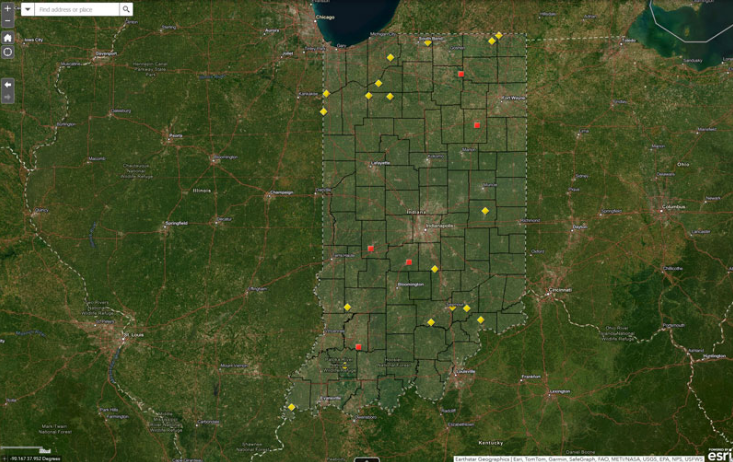
There have been no reported cases of CWD infection in people, but the Centers for Disease Control and Prevention (CDC) recommends that hunters strongly consider having deer tested before eating the meat. The CDC also recommends not eating meat from an animal that tests positive for CWD.
CWD has been detected in 33 states including the four bordering Indiana (Ohio, Michigan, Illinois, and Kentucky). Because CWD had been detected in Michigan near the Indiana border, a detection in LaGrange County was likely.
If you see any sick or dead wildlife, deer or otherwise, please report your observations on the DNR: Sick or Dead Wildlife Reporting page.
For more information visit DNR: Chronic Wasting Disease (CWD).
To subscribe to the newsletter visit MyDNR Email Newsletter.
Resources:
Chronic Wasting Disease, USDA Animal and Plant Health Inspection Service (APHIS)
Bovine Tuberculosis in Wild White-tailed Deer, The Education Store, Purdue Extension resource center
Hunting & Trapping, Indiana Department of Natural Resources (DNR)
Designing Hardwood Tree Plantings for Wildlife , The Education Store
Wildlife Habitat Hint: Trail Camera Tips and Tricks, Got Nature? Blog
How to Score Your White-tailed Deer, video, The Education Store
White-Tailed Deer Post Harvest Collection, video, The Education Store
Age Determination in White-tailed Deer, video, The Education Store
How to Build a Plastic Mesh Deer Exclusion Fence, The Education Store
Ask the Expert: Hardwood Ecosystem Experiment – Birds and Salamander Research, Purdue Extension – FNR
A Template for Your Wildlife Habitat Management Plan, The Education Store
Managing Your Woods for White-Tailed Deer, The Education Store
Deer Impact Toolbox, Got Nature? blog, Purdue Extension-Forestry and Natural Resources (FNR)
Indiana Department of Natural Resources
Deer are an important part of Indiana woodlands and represent a true conservation success story. Many Hoosiers spent time in the woods pursuing deer during hunting season or marveling at them during walks in their woodlands. But as recently as the 1930s deer were absent from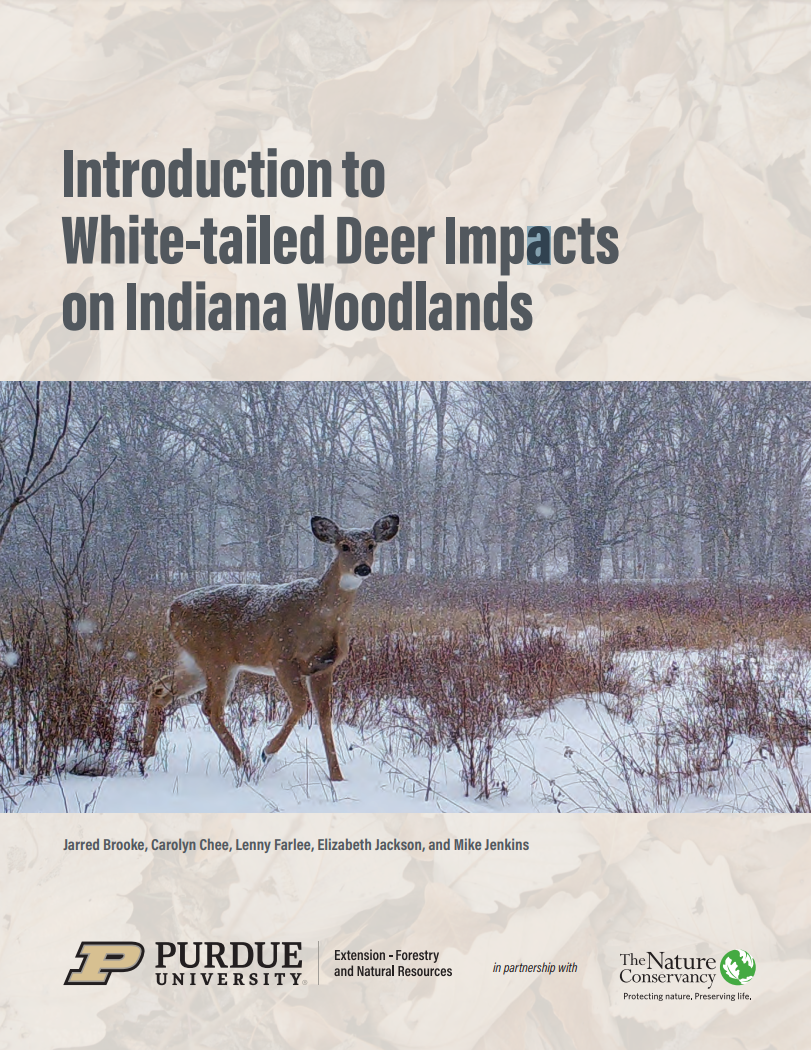 Indiana woodlands. Restocking efforts led by the Indiana Department of Natural Resources helped reestablish deer populations across the state. However, deer populations have rebounded beyond what the land can support in many areas, leading to issues like crop damage, deer-vehicle collisions, and damage to woodlands.
Deer overabundance can pose a threat to the future health of many Indiana woodlands. Deer are considered a “keystone” species, which means their feeding habits (browsing) can shape our woodlands’ look and their plant and wildlife communities. This publication will outline some of the impacts deer can have on Indiana woodlands and what signs and symptoms to look for in your woods.
Learn more about the amount of impact in this new publication:
Low Impact: When deer have little impact on your woodlands, you often see a high diversity of plants. An abundance of preferred species like trillium (picture) can also be a sign of low deer impact.
Moderate Impact: When sprouts of preferred species are “hedged” or kept short by deer browse and browse on less preferred species is noticeable, then deer impact may be moderate.
High Impact: If invasive species like Japanese stiltgrass and garlic mustard are common in your woodland, it may be a sign that deer are overbrowsing native plants.
High Impact: If invasive species like Japanese stiltgrass and garlic mustard are common in your woodland, it may be a sign that deer are overbrowsing native plants.
Very High Impact: Browse lines indicate a severe deer problem and appear when deer browse all plants within their reach (<6 feet).
You can read this full publication for free at Introduction to White-tailed Deer Impacts on Indiana Woodlands.
View the Deer Impact Toolbox for more resources and videos.
Resources:
Purdue Extension Pond and Wildlife Management
Introduction to White-tailed Deer Impacts on Indiana Woodlands
Understanding White-tailed Deer and Their Impact on Indiana Woodlands, The Education Store
Monitoring White-tailed Deer and Their Impact on Indiana Woodlands, The Education Store
Managing White-tailed Deer Impacts on Indiana Woodlands, The Education Store
Ask an Expert: Wildlife Food Plots, video, Purdue Extension – FNR YouTube Channel
How to Build a Plastic Mesh Deer Exclusion Fence, The Education Store
Managing Your Woods for White-Tailed Deer, The Education Store
Bovine Tuberculosis in Wild White-tailed Deer, The Education Store
Handling Harvested Game: Episode 1, Field Dressing, video, Purdue Extension – FNR YouTube Channel
Deer Harvest Data Collection, Got Nature? Blog, Purdue Extension – FNR
How to Score Your White-tailed Deer, video, The Education Store, Purdue Extension Resource Center
White-Tailed Deer Post Harvest Collection, video, The Education Store
Age Determination in White-tailed Deer, video, The Education Store
Handling Harvested Deer Ask an Expert? video, Purdue Extension – FNR YouTube Channel
Subscribe to Purdue Extension-Forestry & Natural Resources YouTube Channel, Wildlife Playlist
Jarred Brooke, Wildlife Extension Specialist
Purdue Department of Forestry and Natural Resources
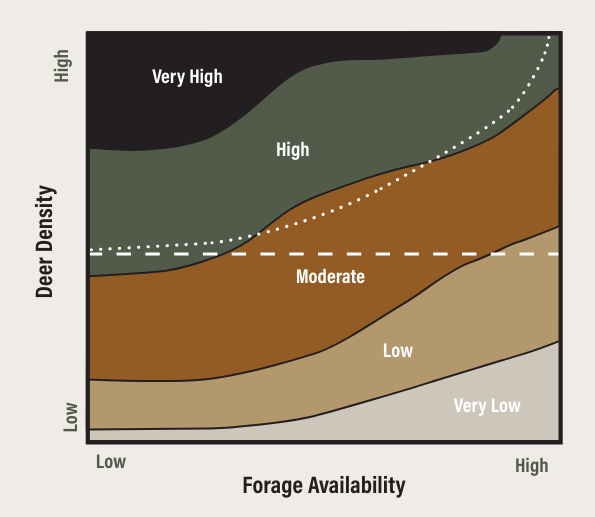
Deer are an essential part of our ecosystems, but the phenomenon of too many deer should be of concern to forest landowners and the public in general. Deer are a “keystone” species, meaning their browsing can impact forest and wildlife communities. It is clear that when deer become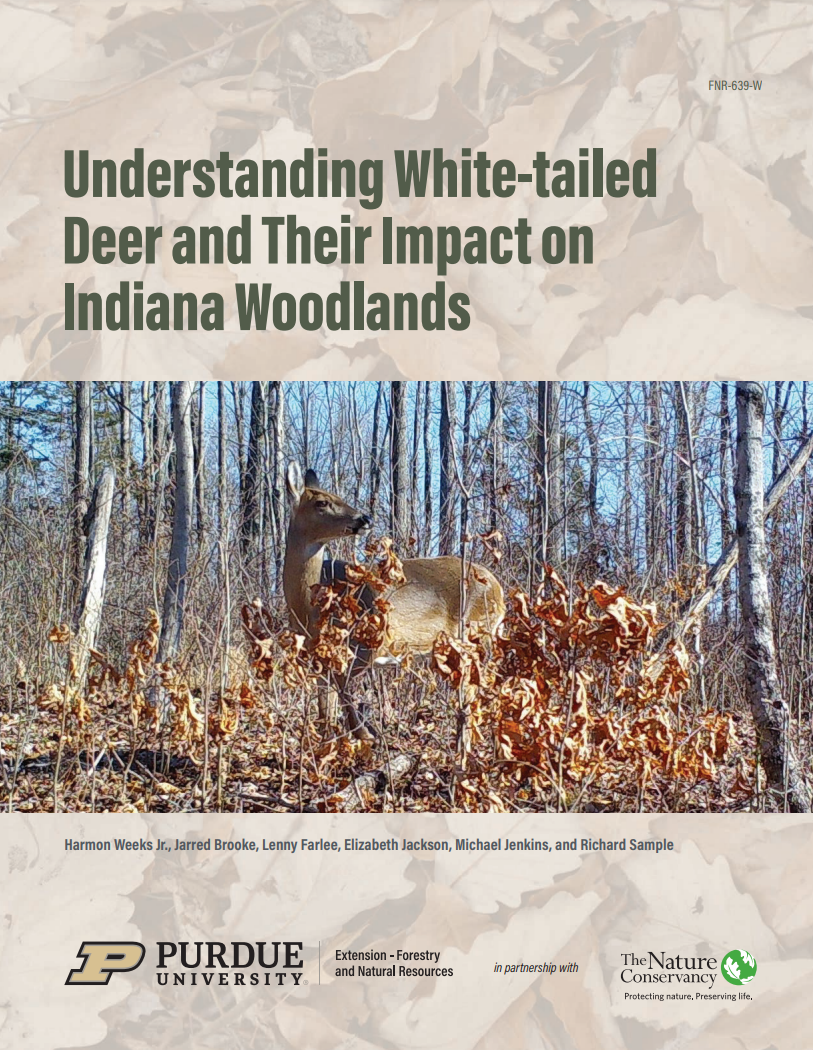 overabundant, their impact on the environment can be problematic. But by understanding the impacts deer have on our woodlands, their food preferences, and how to assess and evaluate impacts in your woodlands, we can begin to address the problems caused by overabundant deer.
Learn more about the research and how it can help you and your land:
- Carrying Capacity
- Too Many Deer or Not Enough Food: Managing the Foodscape
- Monitoring Deer and Forest Vegetation
- Food Preferences
- Deer Impact Assessment
Too many deer or not enough food: managing the foodscape
- More Resources
To receive the free download and recipe visit the Purdue Extension’s resource center: The Education Store – Understanding White-tailed Deer and Their Impact on Indiana Woodlands.
View the Deer Impact Toolbox for more resources and videos.
Resources:
Purdue Extension Pond and Wildlife Management
Introduction to White-tailed Deer Impacts on Indiana Woodlands
Understanding White-tailed Deer and Their Impact on Indiana Woodlands, The Education Store
Monitoring White-tailed Deer and Their Impact on Indiana Woodlands, The Education Store
Managing White-tailed Deer Impacts on Indiana Woodlands, The Education Store
Ask an Expert: Wildlife Food Plots, video, Purdue Extension – FNR YouTube Channel
How to Build a Plastic Mesh Deer Exclusion Fence, The Education Store
Managing Your Woods for White-Tailed Deer, The Education Store
Bovine Tuberculosis in Wild White-tailed Deer, The Education Store
Handling Harvested Game: Episode 1, Field Dressing, video, Purdue Extension – FNR YouTube Channel
Deer Harvest Data Collection, Got Nature? Blog, Purdue Extension – FNR
How to Score Your White-tailed Deer, video, The Education Store, Purdue Extension Resource Center
White-Tailed Deer Post Harvest Collection, video, The Education Store
Age Determination in White-tailed Deer, video, The Education Store
Handling Harvested Deer Ask an Expert? video, Purdue Extension – FNR YouTube Channel
Subscribe to Purdue Extension-Forestry & Natural Resources YouTube Channel, Wildlife Playlist
Jarred Brooke, Wildlife Extension Specialist
Purdue Department of Forestry and Natural Resources
Wherever deer exist, they will be impacting the ecosystem through browsing. But at what level is that impact considered harmful? Many ecologists consider deer impact harmful when deer begin to reduce plant diversity in a woodland through browsing. knowing the exact number of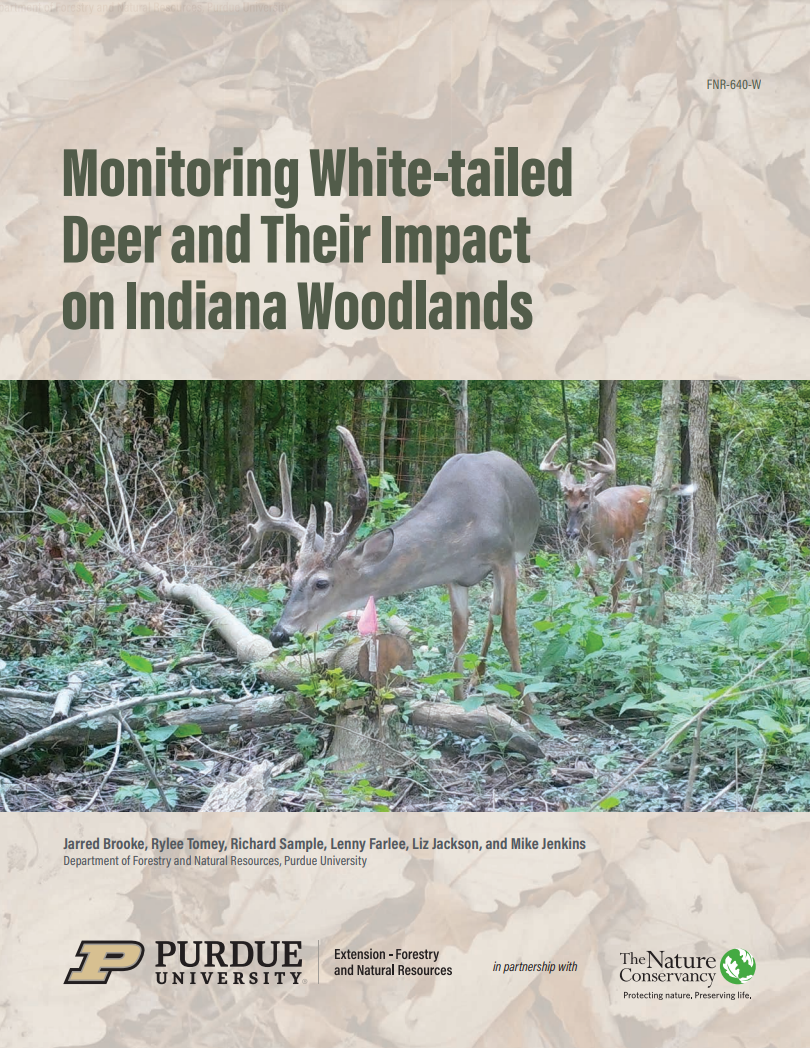 deer on a property is difficult to measure and unnecessary. There are relatively easy ways to estimate the number of deer on a property or track trends in population sizes over time. This publication is written to help woodland owners better understand how to monitor deer and their impact.
Monitoring deer impact is done by surveying what deer eat in a forest and how intensively they browse those species. Deer are browsers rather than grazers (like bison and cattle), preferring to eat forbs (broadleaf herbaceous plants), vines, shrubs, and trees rather than grasses. Deer also select specific parts of the plants (e.g., leaves, twigs, and young tender growth).
Monitoring Deer Impact Methods: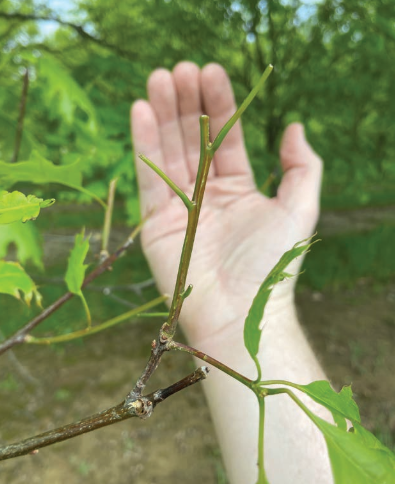
- Browse Surveys
- Indicator Plants
- Assessing Vegetation Impacts from Deer
- Ten-Tallest Method
- Twig-Aging
- Oak Sentinel
- Stump Sprouts
To receive the free download visit the Purdue Extension’s resource center: The Education Store – Monitoring White-tailed Deer and Their Impact on Indiana Woodlands.
Resources:
Purdue Extension Pond and Wildlife Management
Introduction to White-tailed Deer Impacts on Indiana Woodlands
Understanding White-tailed Deer and Their Impact on Indiana Woodlands, The Education Store
Monitoring White-tailed Deer and Their Impact on Indiana Woodlands, The Education Store
Managing White-tailed Deer Impacts on Indiana Woodlands, The Education Store
Ask an Expert: Wildlife Food Plots, video, Purdue Extension – FNR YouTube Channel
How to Build a Plastic Mesh Deer Exclusion Fence, The Education Store
Managing Your Woods for White-Tailed Deer, The Education Store
Bovine Tuberculosis in Wild White-tailed Deer, The Education Store
Handling Harvested Game: Episode 1, Field Dressing, video, Purdue Extension – FNR YouTube Channel
Deer Harvest Data Collection, Got Nature? Blog, Purdue Extension – FNR
How to Score Your White-tailed Deer, video, The Education Store, Purdue Extension Resource Center
White-Tailed Deer Post Harvest Collection, video, The Education Store
Age Determination in White-tailed Deer, video, The Education Store
Handling Harvested Deer Ask an Expert? video, Purdue Extension – FNR YouTube Channel
Subscribe to Purdue Extension-Forestry & Natural Resources YouTube Channel, Wildlife Playlist
Jarred Brooke, Wildlife Extension Specialist
Purdue Department of Forestry and Natural Resources
White-tailed deer are an integral piece of Indiana’s forest ecosystems. When in balance with the ecosystem, deer can enhance the health of the forest. This publication highlights the various tools available to woodland owners for mitigating the impacts of deer on their regenerating trees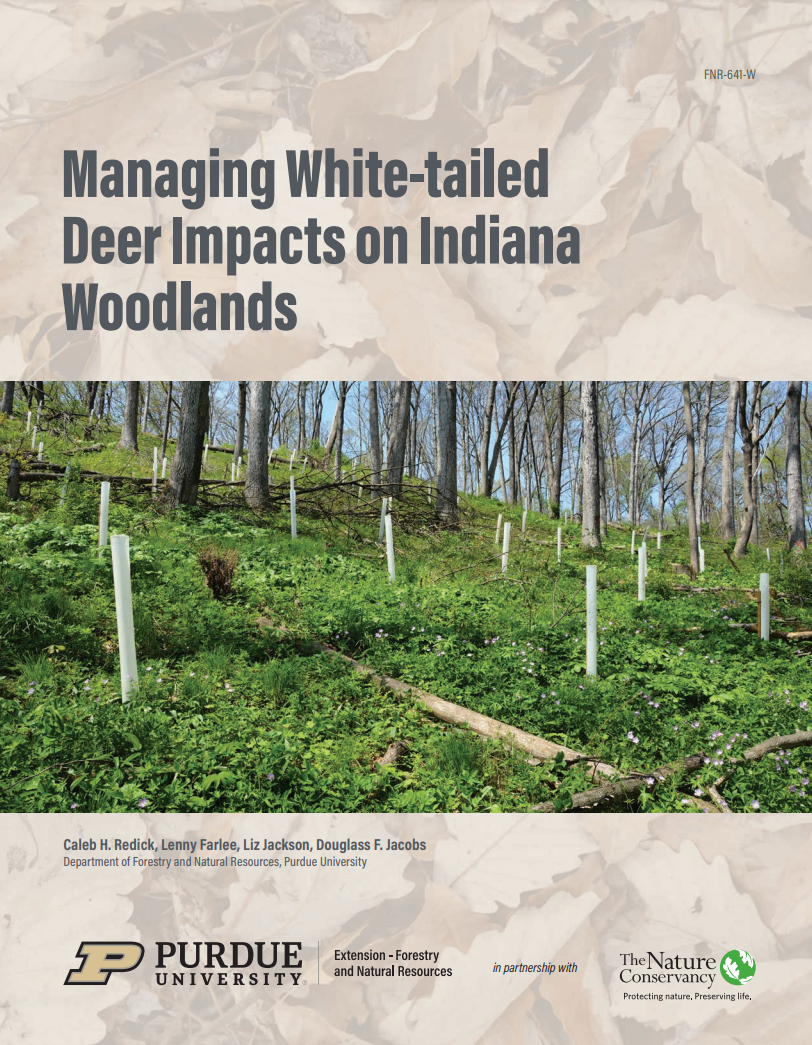 and is based on a compilation of research on the relative effectiveness of various deer browse control methods.
What control methods are available to help with forest regeneration? You will find the answer to this question and more, along with what deer population control means for forest landowners in this publication.
Check out the publications for the “Browse Control Methods for Forest Regeneration and Their Effectiveness” table which includes these control methods: Fencing; Population Control; Tree Shelters; Cages; Companion Plants; Repellents; Timber Harvests; Slash; and Fertilizer.
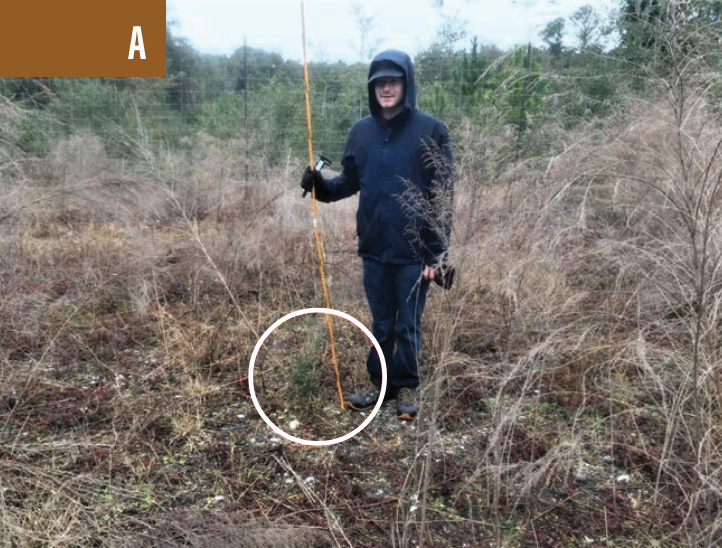

To receive the free download and recipe visit the Purdue Extension’s resource center: The Education Store – Managing White-tailed Deer Impacts on Indiana Woodlands.
Resources:
Purdue Extension Pond and Wildlife Management
Introduction to White-tailed Deer Impacts on Indiana Woodlands
Understanding White-tailed Deer and Their Impact on Indiana Woodlands, The Education Store
Monitoring White-tailed Deer and Their Impact on Indiana Woodlands, The Education Store
Managing White-tailed Deer Impacts on Indiana Woodlands, The Education Store
Ask an Expert: Wildlife Food Plots, video, Purdue Extension – FNR YouTube Channel
How to Build a Plastic Mesh Deer Exclusion Fence, The Education Store
Managing Your Woods for White-Tailed Deer, The Education Store
Bovine Tuberculosis in Wild White-tailed Deer, The Education Store
Handling Harvested Game: Episode 1, Field Dressing, video, Purdue Extension – FNR YouTube Channel
Deer Harvest Data Collection, Got Nature? Blog, Purdue Extension – FNR
How to Score Your White-tailed Deer, video, The Education Store, Purdue Extension Resource Center
White-Tailed Deer Post Harvest Collection, video, The Education Store
Age Determination in White-tailed Deer, video, The Education Store
Handling Harvested Deer Ask an Expert? video, Purdue Extension – FNR YouTube Channel
Subscribe to Purdue Extension-Forestry & Natural Resources YouTube Channel, Wildlife Playlist
Jarred Brooke, Wildlife Extension Specialist
Purdue Department of Forestry and Natural Resources
Purdue Landscape Report: It’s that time of year when we remind everyone to watch for spotted lanternfly (SLF) infestations. Spotted lanternfly is an invasive insect first detected in Pennsylvania in 2014, and has since spread throughout the eastern USA. Its preferred host is the invasive Tree-of-Heaven, but it also feeds on a wide range of important plant species, including grapes, walnuts, maples, and willows.
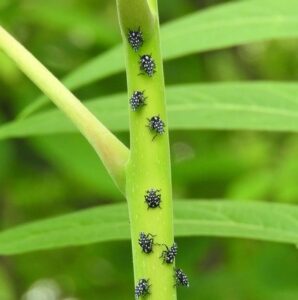
Early instar-Photo credit Richard Gardner, Bugwood.org
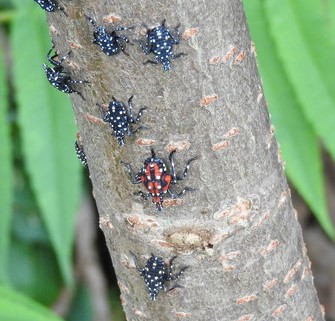
Late instar -Photo credit Richard Gardner, Bugwood.org
There are two known populations of SLF in Indiana. The first population was found in 2021 in Switzerland County, and the second population was found in Huntington County in 2022. The Indiana Department of Natural Resources (IDNR), Division of Entomology and Plant Pathology, has launched a delimiting survey throughout the two counties to delimit its range and monitor for activity.
Egg hatch was confirmed in Huntington County and Switzerland County in mid-May at the two known sites. A few adults have been caught about one mile south of the core infestation site in Huntington; however, there are not any new infestations reported as of July 2023. IDNR employees have completed several egg scraping events at the infestation sites, removing over 16,800 egg masses so far this year. That’s over 672,000 eggs!
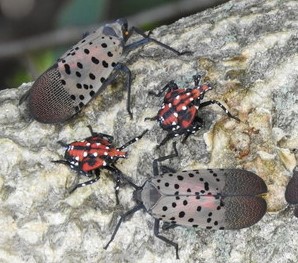
Adult-rest & late instar -Photo credit Richard Gardner, Bugwood.org

Adult Spotted lanternfly Photo credit-Rebekah D. Wallace, University of Georgia, Bugwood.org
Finding this invasive insect early is crucial to preventing its spread as long as possible. Currently, SLF nymphs are in their 1st-3rd instar, so watch for small, black, white-spotted bugs on Tree-of-Heaven. Later instars are black and red with white spots. The adults are about 1 inch long, with very brightly colored wings. The forewings are light brown with black spots, and the underwings are a striking red and black, with white band in between the red and black. When at rest, the adult SLFs appear light pinkish-grey.
Report any suspect findings at https://ag.purdue.edu/reportinvasive/
To view this full article and other Purdue Landscape Report articles, please visit Purdue Landscape Report.
Subscribe and receive the newsletter: Purdue Landscape Report Newsletter.
Resources:
The Purdue Landscape Report
Spotted Lanternfly, Indiana Department of Natural Resources Entomology
Spotted Lanternfly Found in Indiana, Purdue Landscape Report
Invasive plants: impact on environment and people, The Education Store, Purdue Extension’s resource center
Woodland Management Moment: Invasive Species Control Process, Video, Purdue Extension – Forestry and Natural Resources (FNR) YouTube Channel
Invasive Species, Playlist, Purdue Extension – FNR YouTube Channel
What are invasive species and why should I care?, Got Nature? Blog, Purdue Extension – FNR
Report Invasive, Purdue College of Agriculture – Entomology
Alicia Kelley, Cooperative Agricultural Pest Survey (CAPS) Coordinator
Purdue Extension – Entomology
Purdue Landscape Report: I think white pines are beautiful trees, especially at maturity, and they have the added advantage that they are one of the few conifers that don’t try to kill you with their needles. Besides working with the foliage, have you ever had to “rescue” a child who climbed too high in a spike-infested deathtrap of an evergreen? Did you develop the rashes to prove it? Not with a white pine!
My kids haven’t had the chance to climb a mature white pine. Many seem to decline at about 15-20ft. We have been describing this issue as white pine decline, but it isn’t entirely easy to explain. There are a number of factors that influence overall plant health and that can contribute to plant decline, but let’s focus on white pines here. White pine decline is typically attributed to root stress that can be caused by or exacerbated by high soil pH (chemically unavailable nutrients), heavy soil texture (clays), compaction, and excessive soil moisture.
Anything that affects the roots can affect the overall health of the tree, so if the roots are compromised and they cannot uptake water or nutrients, the tree will decline due to lack of nutrients or even lack of water. Needles on an affected tree will turn yellow and eventually brown and fall off prematurely (Figure 1). A symptom of white pine decline includes stems that have shriveled or desiccated bark because roots are not functioning properly and cannot pull in enough water (Figure 2).
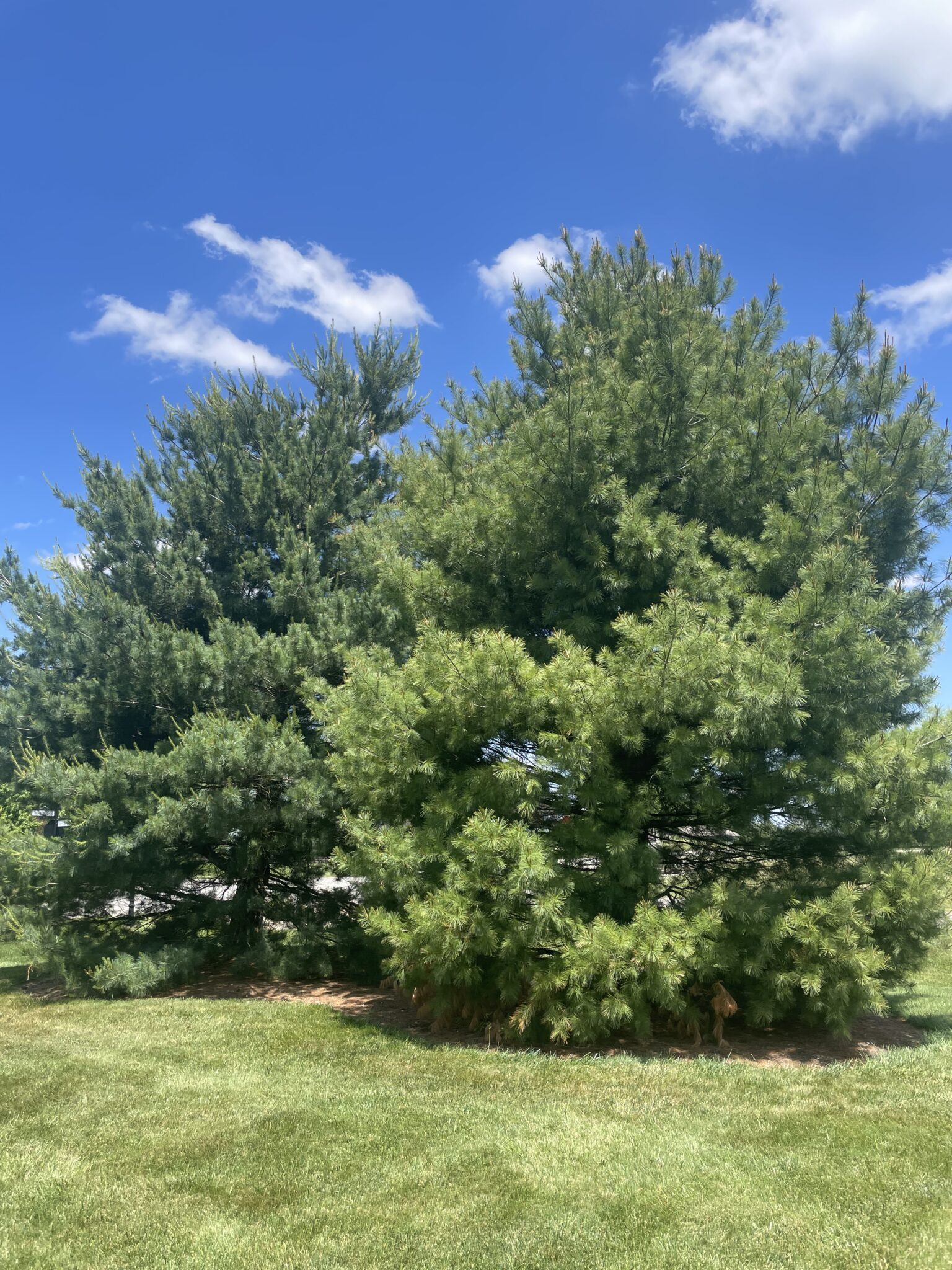
Two white pines planted in the landscape; one is developing a general chlorotic appearance.
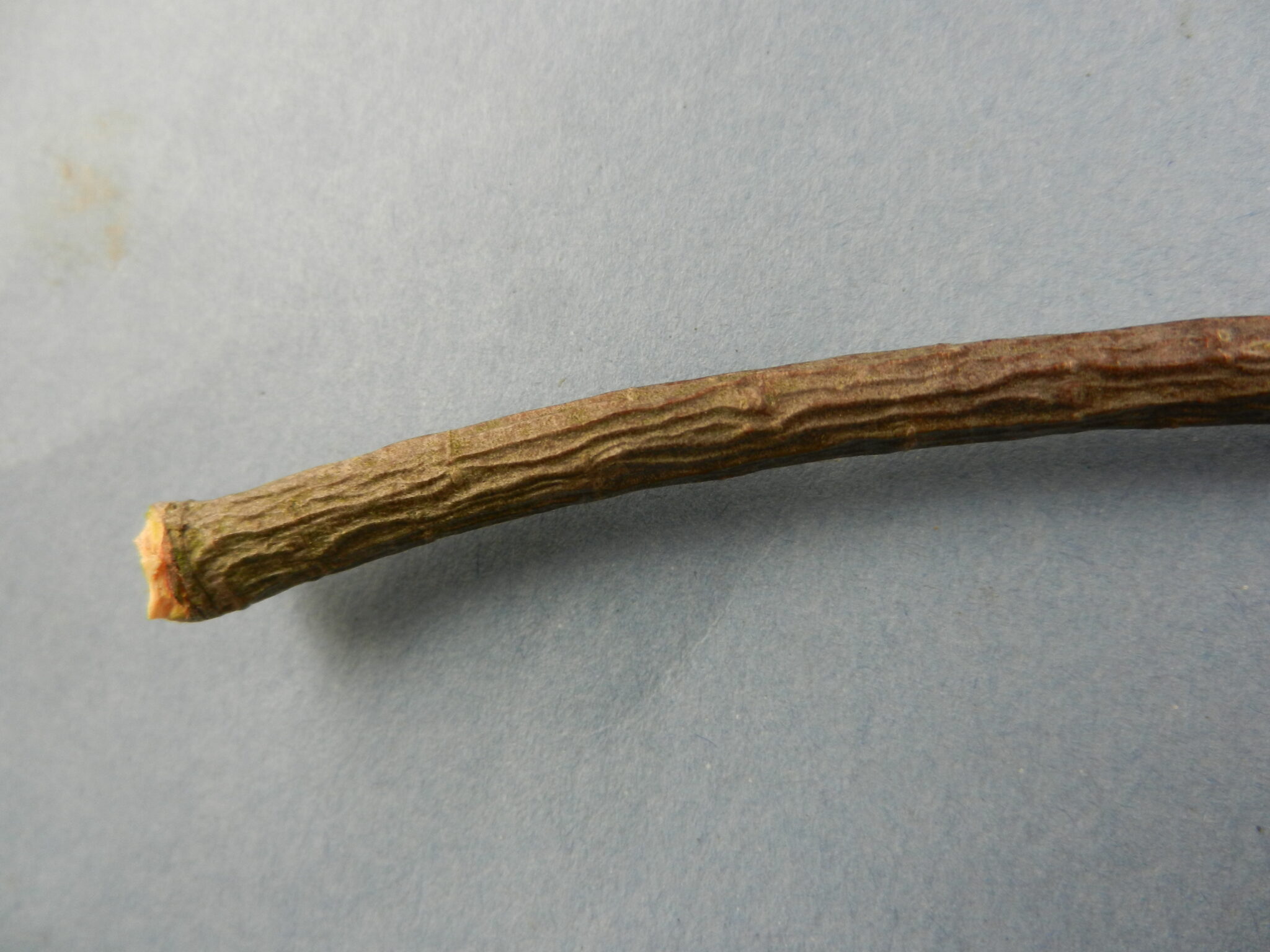
White pine showing symptoms of decline on branches where the bark is shriveled and sunken.
Depending on the severity of the root conditions, trees may take several years to decline and die, but with significant root stress, trees will decline faster. I have been seeing a lot of white pine yellowing around West Lafayette and in Indianapolis over the last year and a half and I think the odd environmental extremes have not been helping. Cycling between prolonged drought and torrential downpours lead to stress that can have lasting effects that could take years to recover from, or might be the final nail in the coffin.
There is nothing that can be done to recover from or stop decline once symptoms are observed in white pine. However, taking an approach to actively mitigate stress can help extend the life of white pine trees that are currently healthy. In many cases, one white pine will decline while other trees in the vicinity appear healthy (Fig 3, 4). Removal of symptomatic trees is important because stressed trees often attract bark beetles which can spread to the remaining healthy trees.
Another point: not every tree is going to respond the same way at the same location. Stress factors, such as a poor root system when planted, planting too deeply, or even Phytophthora root rot may have predisposed one tree to decline more than others. Just because one tree goes down doesn’t mean they all will, so keep an eye on the others and try to improve the site conditions where practical.

A singular white pine amidst a windbreak showing symptoms of white pine decline.
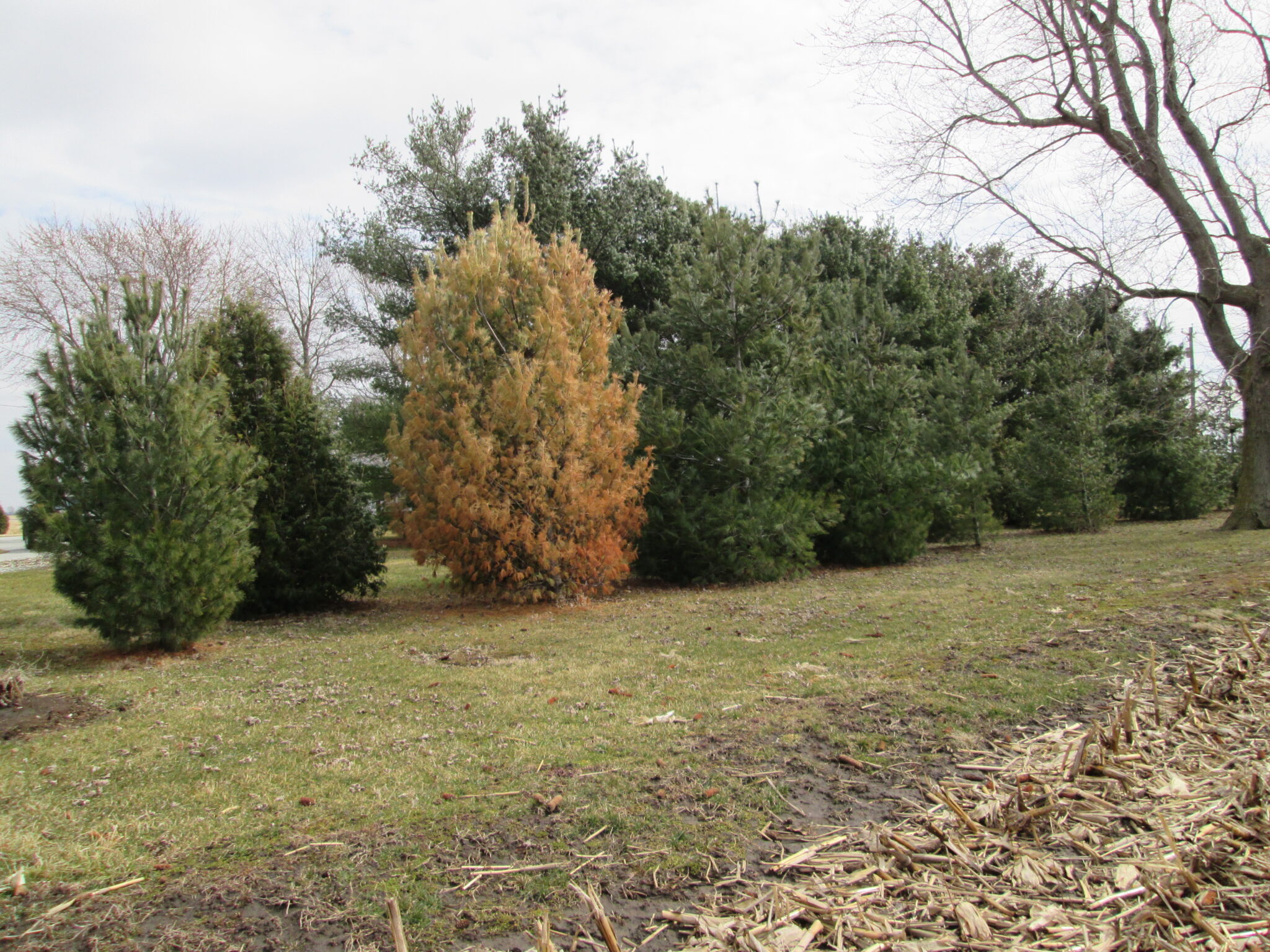
View same tree from the other side of the windbreak.
To view this full article and other Purdue Landscape Report articles, please visit Purdue Landscape Report.
Subscribe and receive the newsletter: Purdue Landscape Report Newsletter.
Resources:
Root Rot in Landscape Plants, The Education Store, Purdue Extension resource center
Dead Man’s Fingers, Purdue Landscape Report
ID That Tree Fall Color: Sugar Maple, Purdue Extension – Forestry and Natural Resources (FNR) YouTube Channel
ID That Tree Fall Color Edition: Black Gum, Purdue Extension – FNR YouTube Channel
An Introduction to Trees of Indiana, The Education Store
Autumn Highlights Tour – South Campus, Purdue Arboretum Explorer
Subscribe, Purdue Extension – FNR YouTube Channel
Tree Defect Identification, The Education Store
Tree Wound and Healing, Got Nature? Blog, Purdue Extension – FNR
Shrubs and Woody Vines of Indiana and the Midwest, The Education Store
Ask an Expert: Tree Selection and Planting, Purdue Extension – FNR YouTube playlist
ID That Tree, Purdue Extension – FNR YouTube playlist
Invasive Species, Playlist, Purdue Extension – FNR YouTube Channel
Report Invasive Species, Purdue Invasive Species
Find an Arborist, International Society of Arboriculture
John Bonkowski, Plant Disease Diagnostician
Departments of Botany & Plant Pathology
Wild Bulletin, Indiana Department of Natural Resources (DNR) Fish and Wildlife: March is the beginning of peak nesting season for Indiana’s state-endangered trumpeter swan. During the nesting season, it is possible to see trumpeter swans in the northern third of the state, especially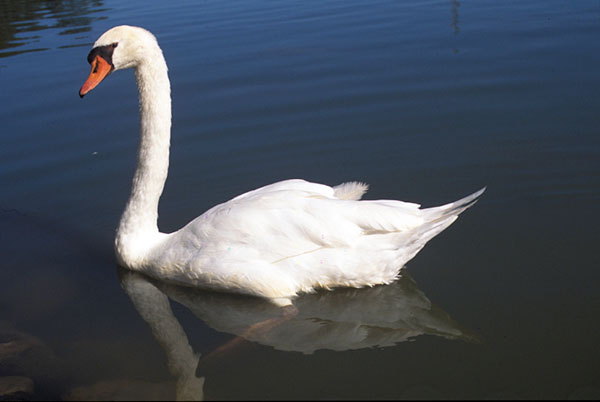 Lake, Laporte, Kosciusko, LaGrange, Noble, Steuben, and St. Joseph counties, where they have ample habitat. Hunted to near extinction in the 1900s, the species has made great strides in population numbers, largely due to the passage of the Migratory Bird Treaty Act. Large, open bodies of shallow water with abundant aquatic plants are the preferred habitat of trumpeter swans, and there is potential to see the number of trumpeters increase in northern Indiana; however, the species’ recovery in Indiana isn’t out of the water yet.
Loss of habitat is the No. 1 reason for species decline across the globe, with the presence of invasive species being the second largest reason. Invasive mute swans throughout Indiana pose a threat to trumpeter swans. Mute swans are an aggressive bird that can negatively impact trumpeter swans through direct killing of adults and their young, outcompeting them for available nesting spaces, and destroying the vegetation on our bodies of water. Managing mute swans has been shown to be an effective method for increasing trumpeter swans in other states.
Use these helpful tips to distinguish between the native trumpeter swan and the invasive mute swan:
- Trumpeter swans have black bills and legs. Mute swans have orange bills with black knobs.
- Trumpeter swans hold their necks straight when swimming in water and flying. Mute swans hold their necks in an “S” shape.
- Trumpeter swan numbers increase in winter in southwest Indiana and in the spring can be more common in the northern third of Indiana. Mute swans can occur statewide but are more common in the north.
Learn more about our endangered wildlife or find more information on mute swan management on our website.
To learn more about mute swans and their impact, please visit Indiana Department of Natural Resources: Mute Swans.
Resources:
Managing Woodlands for Birds Video, Purdue Extension-Forestry and Natural Resources (FNR) YouTube Channel
Breeding Birds and Forest Management: the Hardwood Ecosystem Experiment and the Central Hardwoods Region, The Education Store
The Birders’ Dozen, Profile: Baltimore Oriole, Indiana Woodland Steward
Ask An Expert, Playlist, Purdue Extension – FNR YouTube channel
It’s For the Birds, Indiana Yard and Garden-Purdue Consumer Horticulture
Birds and Residential Window Strikes: Tips for Prevention, The Education Store, Purdue Extension resource center
No Room at the Inn: Suburban Backyards and Migratory Birds, Education Store, Purdue Extension resource center
Hardwood Ecosystem Experiment – Wildlife Responses to Timber Harvesting, The Education Store
Subscribe, Purdue Extension – FNR YouTube Channel
Hunting and Trapping Guide, Indiana Department of Natural Resources
Indiana Department of Natural Resources

Figure 1. The cicada emergence will include the 13 and 17 year broods. Photo by John Obermeyer.
Purdue Landscape Report: Hoosiers are in for a special treat this spring. If you have lived in Indiana for more than a year, you have probably grown accustomed to the singing of cicadas in the later days of summer. However, in some years, cicadas will emerge in the spring. This occurred in 2021 when most of the state was inundated in periodical cicadas as Brood X emerged from their 17-year development. This year, two broods will emerge concurrently: Brood XIII and Brood XIX. Brood XIII is a 17-year cicada, while Brood XIX is a 13-year cicada. The emergence of these two broods isn’t unusual, but this year is special because they will emerge at the same time. Their schedules haven’t aligned for over two hundred years! The last time these two cicada songs were heard together, Thomas Jefferson was in the White House. While this may sound like Indiana is about to be covered in cicadas, there are a few facts that may change your expectations.
There are two types of cicadas in the Midwest: annual cicadas and periodical cicadas. Annual cicadas, as the name implies, are seen each year. They normally spend two to five years underground, but there are enough of them that we see them emerge each year. Annual cicadas emerge individually, not as a group, and we see them towards the end of the summer, thus their other common name, “dog day cicadas”. Periodical cicadas have a much different life cycle. They remain in the ground as nymphs for either thirteen or seventeen years, feeding on the roots of the trees they will eventually climb. Around April, the broods will emerge together using a combination of temperature and their own internal clock. Both types of cicadas feed on deciduous trees and tend to inhabit areas where eggs were laid during previous emergences, giving them a low likelihood of moving to new areas. Annual cicadas are green with black eyes, and periodical cicadas have dark-colored bodies with red eyes and orange legs, making it easy to differentiate them as we enter the early summer and both types are present.
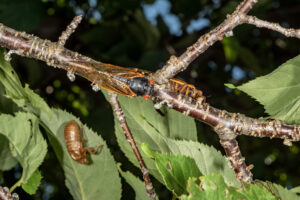
Figure 2. The cicada broods will have minimal overlap in most of Indiana. Photo by John Obermeyer.
The term “brood” cicada biology is referring to a group of cicadas that share the same developmental time and the same physical area. A brood will often contain several different species, though they will all belong to the genus Magicicada. Cicadas in a brood do not need to be genetically related to each other. Some broods are very small and cover a small area, whereas others can cover a significant portion of the Midwest. For example, Brood XII, a brood of 17-year cicadas, last appeared in 2023 and has only been detected in Allen and Orange counties. On the other hand, Brood X, also known as the Great Eastern Brood, covers the entirety of Indiana and several other states. Brood XIII and Brood XIX both cover several states, but they will have very little overlap in Indiana. Only eight western counties, between Posey and Jasper counties, will experience Brood XIX, and three northern counties (Lake, LaPorte, and Porter) will see Brood XIII. Nowhere in Indiana do the broods overlap. Essentially, while there will be a lot of cicadas emerging all at once, the lack of overlap will mean this emergence will be notable, but nothing compared to the Brood X emergence a few years ago.
To view this full article and other Purdue Landscape Report articles, please visit Purdue Landscape Report.
Subscribe and receive the newsletter: Purdue Landscape Report Newsletter.
Resources:
Periodical Cicadas, Indiana Department of Natural Resources, Division of Entomology
17 Ways to Make the Most of the 17-year Cicada Emergence, Purdue College of Agriculture
Ask an Expert: Cicada Emergence Video, Got Nature? Blog, Purdue Extension-FNR
Periodical Cicada in Indiana, The Education Store, Purdue Extension resource center
Cicada Killers, The Education Store
Purdue Cicada Tracker, Purdue Extension-Master Gardener Program
Cicada, Youth and Entomology, Purdue Extension
Indiana Department of Entomology and Plant Pathology
Alicia Kelley, Cooperative Agricultural Pest Survey (CAPS) Coordinator
Purdue Extension – Entomology
Bob Bruner, Exotic Forest Pest Specialist
Purdue Extension – Entomology

Recent Posts
- Beetle that attacks Tree-of-Heaven found in Indiana, Purdue Landscape Report
Posted: March 20, 2026 in Invasive Insects, Wildlife, Woodlands - ID That Tree: Dwarf Chinkapin Oak
Posted: in Forestry, Urban Forestry, Wildlife, Woodlands - DNR Hiring for Indiana Conservation Officer Positions, MyDNR
Posted: March 9, 2026 in Urban Forestry, Wildlife, Woodlands - ID That Tree: Shumard Oak
Posted: in Plants, Urban Forestry, Wildlife, Woodlands - Uniting Indiana Residents Against Invasive Species
Posted: February 27, 2026 in Community Development, Invasive Insects, Wildlife - Have You Seen a Soaring Eagle Lately? Morning Ag Clips
Posted: February 25, 2026 in Urban Forestry, Wildlife - Register for Natural Resources Teacher Institute’s Class of 2026
Posted: February 19, 2026 in Forestry, Wildlife, Woodlands - ID That Tree: Fragrant Sumac
Posted: February 4, 2026 in Plants, Urban Forestry, Wildlife - Woodsy Owl Edition for Educational Learning, USDA – U.S. Forest Service
Posted: January 21, 2026 in Forestry, Forests and Street Trees, Got Nature for Kids, Urban Forestry, Wildlife - Opt-in to the Deer Management Survey, MyDNR
Posted: January 12, 2026 in Forestry, Wildlife
Archives
Categories
- Alert
- Aquaculture/Fish
- Aquatic/Aquaculture Resources
- Ask the Expert
- Christmas Trees
- Community Development
- Disease
- Drought
- Forestry
- Forests and Street Trees
- Gardening
- Got Nature for Kids
- Great Lakes
- How To
- Invasive Animal Species
- Invasive Insects
- Invasive Plant Species
- Land Use
- Natural Resource Planning
- Nature of Teaching
- Plants
- Podcasts
- Ponds
- Publication
- Safety
- Spiders
- Timber Marketing
- Uncategorized
- Urban Forestry
- Webinar
- Wildlife
- Wood Products/Manufacturing
- Woodland Management Moment
- Woodlands