 Purdue University - Extension - Forestry and Natural Resources
Got Nature? Blog
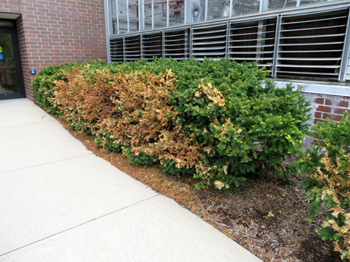 Extreme cold last winter, unrelenting winds and unusually large amounts of salt that were applied to roads, sidewalks and parking lots are taking their toll on landscape plants this spring, a group of Purdue University experts say.
They are seeing considerable damage and expect more this summer and beyond. While it is difficult to determine winter injury until bud break, they say it is now time for homeowners and others with ornamental plants to evaluate their plants for damage that needs to be corrected.
While the weather may tell you otherwise, spring is upon us. With the changing weather comes greening grass, breaking buds and sprouting plants. This plethora of fresh growth can help cure the winter blues, but it also provides wildlife with a desirable food source. Recently you may have noticed deer and other wildlife’s increased utilization of winter wheat fields and other green areas like lawns – early spring is the time you see deer in Indiana feed extensively on grass.
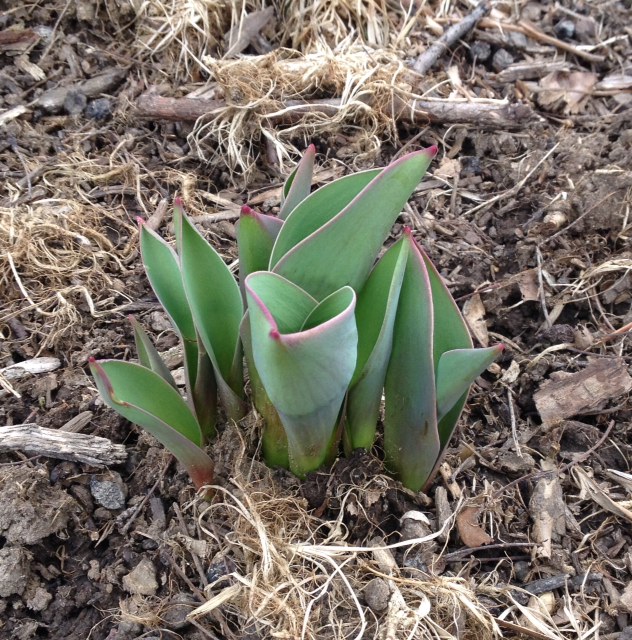 For homeowners, this is the time you need to scout around your home for emerging plants in your landscaping beds. Plants that are frequently browsed by deer such as tulips or hostas need special attention, but the limited amount of green plant material can leave any plant as a potential target. Most homeowners choose a type of taste repellent to protect plants. There are several tips on how to increase the efficacy of this approach.
- Timing: It helps to have some foresight into when damage is likely to occur and/or the plant developmental stage(s). Unfortunately, this is usually based on past experience. Ideally, you want to time applications during these periods. With tulips, for example, applying repellents early during sprouting, later during sprouting and during flower bud development will prevent damage during most years.
- Type of repellent: There are many types of taste repellents labeled for deer and other wildlife species. Most have a combination of capsaicin, putrefied egg solids and/or fatty acids of ammonium soaps. There are, of course, others with different ingredients. So which do you choose? There have been many studies that have investigated the efficacy of repellents. The bottom line – they work, but control is not 100%.
- Label: Failures can often result when not following the directions on the label. The label also provides safety information and what you can/can’t spray. Read and follow the label – it’s the law.
- Expectations: You aren’t going to solve all of your wildlife problems by spraying a few plants or even everything. If you use repellents, reapply according to label directions (every three to four weeks is usually a good rule of thumb). To increase success, you may use them as part of an integrated approach that includes exclusion, cultural practices and other approaches.
Resources
Diagnosing and Controlling Wildlife Damage
Preventing Wildlife Damage – Do You Need a Permit?
Corn and Soybean Crop Depredation by Wildlife
Wildlife Conflicts
Brian MacGowan, Extension Wildlife Specialist
Department of Forestry and Natural Resources

Recent Posts
- ID That Tree: Shumard Oak
Posted: March 9, 2026 in Plants, Urban Forestry, Wildlife, Woodlands - ID That Tree: Fragrant Sumac
Posted: February 4, 2026 in Plants, Urban Forestry, Wildlife - It’s Not Too Late to Order Trees for Spring Planting
Posted: January 13, 2026 in Forestry, How To, Plants - Red in Winter – What Are Those Red Fruits I See?
Posted: December 1, 2025 in Forestry, Plants, Urban Forestry, Wildlife, Woodlands - Untangling and Identifying Vines, Purdue Landscape Report
Posted: September 29, 2025 in Invasive Plant Species, Plants, Wildlife - Control Management of Poison Hemlock
Posted: May 7, 2025 in Invasive Plant Species, Plants, Wildlife, Woodlands - Top 10 Spring Flowering Shrubs, Purdue Landscape Report
Posted: April 28, 2025 in Gardening, Plants, Urban Forestry - PPDL’s 2024 Annual Report – Enhancing Plant Health
Posted: March 21, 2025 in Forestry, Invasive Insects, Invasive Plant Species, Plants, Wildlife - What Are Invasive Species and Why Should I Care?
Posted: February 24, 2025 in Forestry, How To, Invasive Plant Species, Plants, Woodlands - Ask An Expert: Holidays in the Wild
Posted: December 9, 2024 in Christmas Trees, Forestry, Forests and Street Trees, How To, Plants, Wildlife, Woodlands
Archives
Categories
- Alert
- Aquaculture/Fish
- Aquatic/Aquaculture Resources
- Ask the Expert
- Christmas Trees
- Community Development
- Disease
- Drought
- Forestry
- Forests and Street Trees
- Gardening
- Got Nature for Kids
- Great Lakes
- How To
- Invasive Animal Species
- Invasive Insects
- Invasive Plant Species
- Land Use
- Natural Resource Planning
- Nature of Teaching
- Plants
- Podcasts
- Ponds
- Publication
- Safety
- Spiders
- Timber Marketing
- Uncategorized
- Urban Forestry
- Webinar
- Wildlife
- Wood Products/Manufacturing
- Woodland Management Moment
- Woodlands