 Purdue University - Extension - Forestry and Natural Resources
Got Nature? Blog
Join Purdue Extension wildlife specialist Jarred Brooke as he talks about all things regarding planting wildlife food plots. This includes a step by step guide from planning to planting, explanation of types of food plots, types of seed, seed mixes and more.
If you have any questions regarding wildlife, trees, forest management, wood products, natural resource planning or other natural resource topics, feel free to contact us by using our Ask an Expert web page.
Resources
Calibrating a No-Till Drill for Conservation Plantings and Wildlife Food Plots, video, Purdue Extension
Frost Seeding to Establish Wildlife Food Plots and Native Grass and Forb Plantings, video, Purdue Extension
Now is the time to sow native grass and forbs seeds. Here’s why. Got Nature? Blog, Purdue Extension – Forestry and Natural Resources
Habitat Help LIVE Q&A – Native Grasses and Forbs for Wildlife, Video, Purdue Extension – Forestry and Natural Resources Youtube channel
Jarred Brooke, Wildlife Extension Specialist
Purdue Department of Forestry and Natural Resources
In this edition of ID That Tree, Purdue Extension forester Lenny Farlee introduces you to the large tooth or big tooth aspen. This tree needs full sunlight and often thrives in areas where the soil has been disturbed. The leaf stems are long and flat which allow them to flutter in the wind.
If you have any questions regarding trees, forests, wildlife, wood products or other natural resource topics, feel free to contact us by using our Ask an Expert web page.
Resources
ID That Tree, Playlist, Purdue Extension – Forestry and Natural Resources Youtube Channel
A Woodland Management Moment, Playlist, Purdue Extension – Forestry and Natural Resources Youtube Channel
Aspen, The Education Store, Purdue Extension resource center
Investing in Indiana Woodlands, The Education Store
Tree Appraisal and the Value of Trees, The Education Store
Forest Improvement Handbook, The Education Store
Lenny Farlee, Sustaining Hardwood Extension Specialist
Purdue University Department of Forestry and Natural Resources
Meet the Hackberry. Purdue Extension forester Lenny Farlee introduces you to this native tree with single toothed leaves, an uphill/downhill shaped base of the leaves and a gray, ashy bark with warty/bumpy areas with smooth spots in between.
If you have any questions regarding trees, forests, wildlife, wood products or other natural resource topics, feel free to contact us by using our Ask an Expert web page.
Resources
ID That Tree, Playlist, Purdue Extension – Forestry and Natural Resources Youtube Channel
A Woodland Management Moment, Playlist, Purdue Extension – Forestry and Natural Resources Youtube Channel
Hackberry/Sugarberry, The Education Store, Purdue Extension resource center
Investing in Indiana Woodlands, The Education Store
Tree Appraisal and the Value of Trees, The Education Store
Forest Improvement Handbook, The Education Store
Lenny Farlee, Sustaining Hardwood Extension Specialist
Purdue University Department of Forestry and Natural Resources
In a previous job, I helped landowners enroll in and implement private land conservation programs like the Conservation Reserve Program. Much of my job centered around talking with landowners about how to establish and manage native grass and forb (wildflower) plantings for wildlife. Even in my job today, I provide educational opportunities including seminars, field days, and workshops centered on this topic.
One of the most common emails, phone calls, and questions I get when talking about establishing these plantings revolves around evaluating the planting during the first year.
Typically, the inquires go like this “I planted native grasses and wildflowers for wildlife this spring, and now I just have a field of weeds! Did the planting fail?” or “Nothing I planted this spring is growing!”
Following these flustered phone calls and frantic emails, I usually do a site visit with the landowner to help them evaluate their planting. Below are the four things I look for when evaluating a new native grass and wildflower planting.
Before we get into the things I look for during an evaluation, it’s important to note that native grass and wildflower plantings for wildlife typically take 2-3 years to establish. So, what you see in year one, may not be what you get in year two, three, or four. But, there are a few signs you can use to monitor your planting’s progress.

This planting was full of “weeds” in year 1, but by year 2 planted wildflowers were abundant on the site.
1. Weed pressure
Inevitably when you plant these diverse mixes of native grasses and wildflowers you will get weeds. Even if you control weeds before planting (which you should), some weeds will still show up, especially annual weeds like foxtail, ragweed, and horseweed. In the past, we used herbicides like imazapic (Plateau) to help control weeds during the first growing season after planting – which is still an option in native grass only stands or with certain wildflowers. But, with more diverse plantings we do not have any herbicide options to control weeds without harming what we planted. Therefore, weeds may be more of an issue in diverse plantings like pollinator plantings.
Controlling these weeds may require mowing during the growing season before they produce seed, which can help planting success. But this mowing can come at a cost. Many of these weeds like common ragweed, provide cover and food for wildlife. Mowing the field may temporarily reduce its value to many wildlife species. When evaluating weed pressure, we need to decide if weeds are dense or thick enough to reduce the germination and growth of what we planted. Generally, if the weed pressure in the field is high and it is shading out the ground, you should think about mowing to control weeds. If weed pressure is not high and sunlight is still reaching the ground, you may want to consider skipping or delaying the mowing until later in the summer.
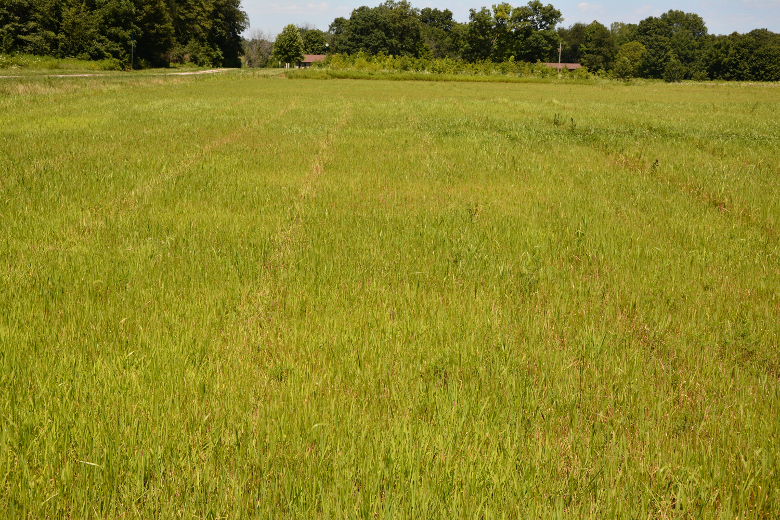
This field that was planting to native grasses and wildflowers is now dominated by foxtail. This would be a situation where mowing may improve the establishment of the what you planted.
2. Look for rows or drill marks
If you plant the field with a no-till drill, you may see rows of plants appear during the first growing season. This is a sure indication that what you planted has germinated and is growing. However, if you frost seeded the field by broadcasting the seed on top of the ground, you will not see rows. Sometimes the rows of plants will not be obvious at first, but will be very obvious later on.
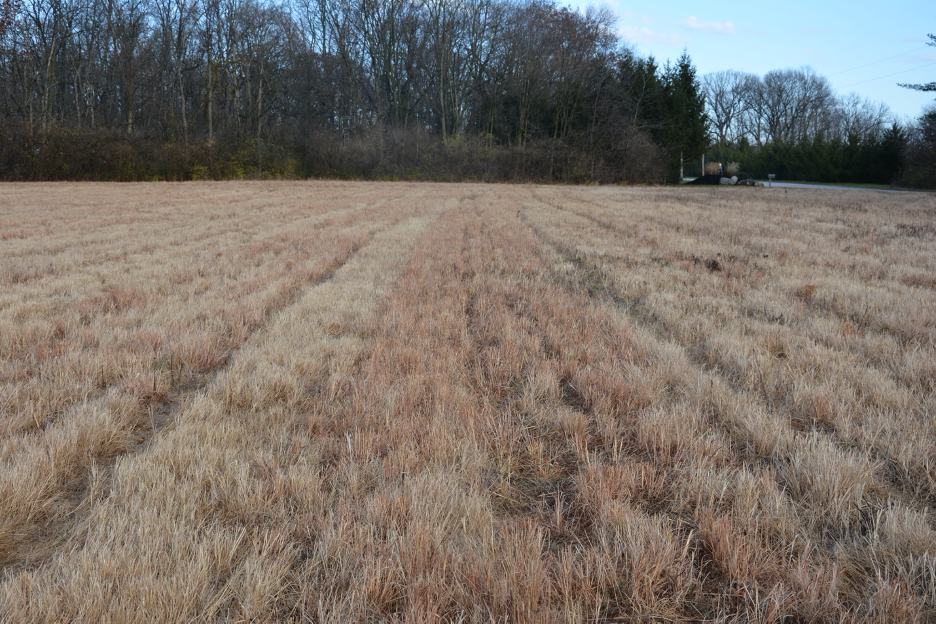
See the bronzish/orange grass in rows? That’s little bluestem. This landowner thought they had a failed planting, but it wasn’t until the following winter when the drilled rows of little bluestem were obvious.
3. Identify indicator plants
One the best ways I could calm the nerves of a landowner who thought they had a failed planting was by identifying species of wildflowers or grasses that they did indeed plant. Some of the annual or biennial wildflowers such as black-eyed susan or partridge pea will germinate quickly and may even flower during the first growing season. Learning how to identify some of the species you planted will help you determine if what you planted is indeed germinating and growing.
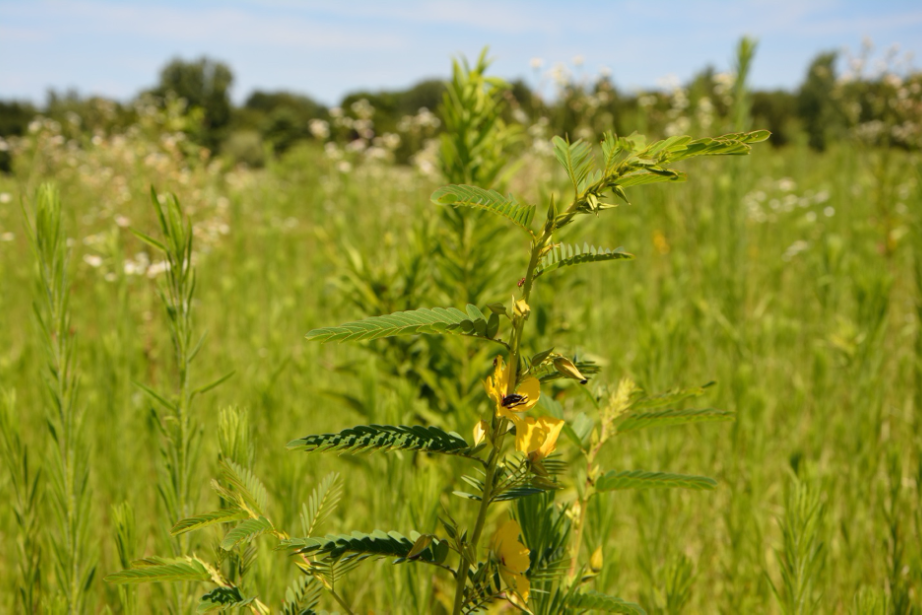
Partridge pea is a commonly planted species that grows and flowers during the first summer after planting. Their yellow flowers and compound leaves make them easy to identify.
4. Scout for invasives
Another topic of discussion on a site visit is invasive plants. It is important to catch invasive early in a planting so they do not cause problems later on. Some of the common invasive plants that show up early in the life of native grass and wildflower planting are Canada thistle, sericea lespedeza, and johnsongrass. Control of these species often requires herbicide. Catching them early when they can be spot-sprayed will save you time, money, and headaches.
Looking for these four signs when evaluating your newly established planting can help you determine if it’s on the right track and help you keep it there. But, many of the species you planted are perennials, and will not be very obvious the first growing season. They are putting most of their energy towards below ground (roots), not above ground (stems) growth. So, if you don’t see them during the first growing season, it doesn’t mean they are not there. Establishing a native grass and wildflower planting for wildlife takes a bit of patience and persistence.
Video: Tips for Evaluating a First Year Native Grass and Forb Planting expands even further regarding the tips on how to evaluate your first-year planting.
Resources
Purdue Extension Pond and Wildlife Management Website
Renovating Native Warm-Season Grass Stands for Wildlife: A Land Manager’s Guide, The Education Store, Purdue Extension resource center
Calibrating a No-Till Drill for Conservation Plantings and Wildlife Food Plots, Video
Habitat Help LIVE Q&A – Native Grasses and Forbs for Wildlife, Video, Purdue Extension – Forestry and Natural Resources Youtube channel
Jarred Brooke, Wildlife Extension Specialist
Purdue Department of Forestry and Natural Resources
In this webinar, Purdue Extension forester Lenny Farlee talks about methods of controlling invasive plant species, which include: preventing invasions, early detection and rapid response, control techniques, accessing resources and assistance.
Don’t forget to fill out the Invasive Plants Threaten our Woodlands Part 2, Identification survey after watching the video to share your suggestions or other forest topics you would like to see and to help us learn more about you.
Check out Invasive Plants Threaten our Woodlands: Part 1, Identification (video). This video is also available on Purdue Extension – Forestry and Natural Resources Youtube channel.
If you have any questions regarding wildlife, trees, forest management, wood products, natural resource planning or other natural resource topics, feel free to contact us by using our Ask an Expert web page.
Resources
A Woodland Management Moment, Playlist
Invasive Species, Playlist
Report Invasive Species, Purdue Invasive Species
The GLEDN Phone App – Great Lakes Early Detection Network
EDDMaps – Early Detection and Distribution Mapping System (Report Invasives)
Cooperative Invasive Species Management Area (CISMA)
Indiana Department of Natural Resources: Invasive Species
Indiana Invasive Species Council
Woodland Stewardship for Landowners, Playlist
Invasive plants: impact on environment and people, The Education Store, Purdue Extension resource center
Woodland Invaders, Got Nature? Blog
Hardwood Tree Improvement & Regeneration Center (HTIRC)
Lenny Farlee, Extension Forester
Purdue University, Department of Forestry and Natural Resources
In this edition of ID That Tree, Purdue Extension forester Lenny Farlee introduces you to the Eastern White Pine, Indiana’s only native five-needle pine. This species, which can grow to 150 feet tall, grows a ring of branches as it ages. Learn more inside.
If you have any questions regarding trees, forests, wildlife, wood products or other natural resource topics, feel free to contact us by using our Ask an Expert web page.
Resources
ID That Tree, Playlist, Purdue Extension – Forestry and Natural Resources Youtube Channel
A Woodland Management Moment, Playlist, Purdue Extension – Forestry and Natural Resources Youtube Channel
White Pine and Salt Tolerance, The Education Store, Purdue Extension resource center
Tree Diseases: White Pine Decline in Indiana, The Education Store
Investing in Indiana Woodlands, The Education Store
Tree Appraisal and the Value of Trees, The Education Store
Forest Improvement Handbook, The Education Store
Lenny Farlee, Sustaining Hardwood Extension Specialist
Purdue University Department of Forestry and Natural Resources
Purdue Extension forester Lenny Farlee introduces you to one of Indiana’s most common trees, the sugar maple. This species, which is often used to produce maple syrup, is easily identifiable by its five-lobed leaves, opposite leaf and branch arrangement, and ability to thrive in the understory.
If you have any questions regarding trees, forests, wildlife, wood products or other natural resource topics, feel free to contact us by using our Ask an Expert web page.
Resources
The Story Behind a Sugar Maple Scar, Purdue Extension
Sugar Maple, The Purdue Arboretum
Hard or Sugar Maple, The Education Store, Purdue Extension resource center
Investing in Indiana Woodlands, The Education Store
Tree Appraisal and the Value of Trees, The Education Store
Forest Improvement Handbook, The Education Store
ID That Tree, Playlist, Purdue Extension – Forestry and Natural Resources Youtube Channel
A Woodland Management Moment, Playlist, Purdue Extension – Forestry and Natural Resources Youtube Channel
Lenny Farlee, Sustaining Hardwood Extension Specialist
Purdue University Department of Forestry and Natural Resources
Purdue Extension forester Lenny Farlee tells you where to find and how to identify a species that clings to many of our trees, poison ivy. Protect yourself from the itch by recognizing this species before it is a problem.
If you have any questions regarding trees, forests, wildlife, wood products or other natural resource topics, feel free to contact us by using our Ask an Expert web page.
Resources
Poison Ivy, Purdue Landscape Report
Poison Ivy, Purdue Extension
Poison Ivy, The Education Store, Purdue Extension resource center
Investing in Indiana Woodlands, The Education Store
Tree Appraisal and the Value of Trees, The Education Store
Forest Improvement Handbook, The Education Store
ID That Tree, Playlist, Purdue Extension – Forestry and Natural Resources Youtube Channel
A Woodland Management Moment, Playlist, Purdue Extension – Forestry and Natural Resources Youtube Channel
Lenny Farlee, Sustaining Hardwood Extension Specialist
Purdue University Department of Forestry and Natural Resources
Join Purdue Extension forester Lenny Farlee as he introduces you to the Sassafras in this edition of ID That Tree. The Sassafras is well known for the tree made from its bark and also for having a variety of shaped leaves from zero to three lobes.
If you have any questions regarding trees, forests, wildlife, or other natural resource topics, feel free to contact us by using our Ask an Expert web page.
Resources
ID That Tree, Playlist, Purdue Extension – Forestry and Natural Resources Youtube Channel
A Woodland Management Moment, Playlist, Purdue Extension – Forestry and Natural Resources Youtube Channel
Sassafras albidum, Purdue Arboretum Explorer
Sassafras, The Education Store, Purdue Extension resource center
Investing in Indiana Woodlands, The Education Store
Tree Appraisal and the Value of Trees, The Education Store
Forest Improvement Handbook, The Education Store
Lenny Farlee, Sustaining Hardwood Extension Specialist
Purdue University Department of Forestry and Natural Resources
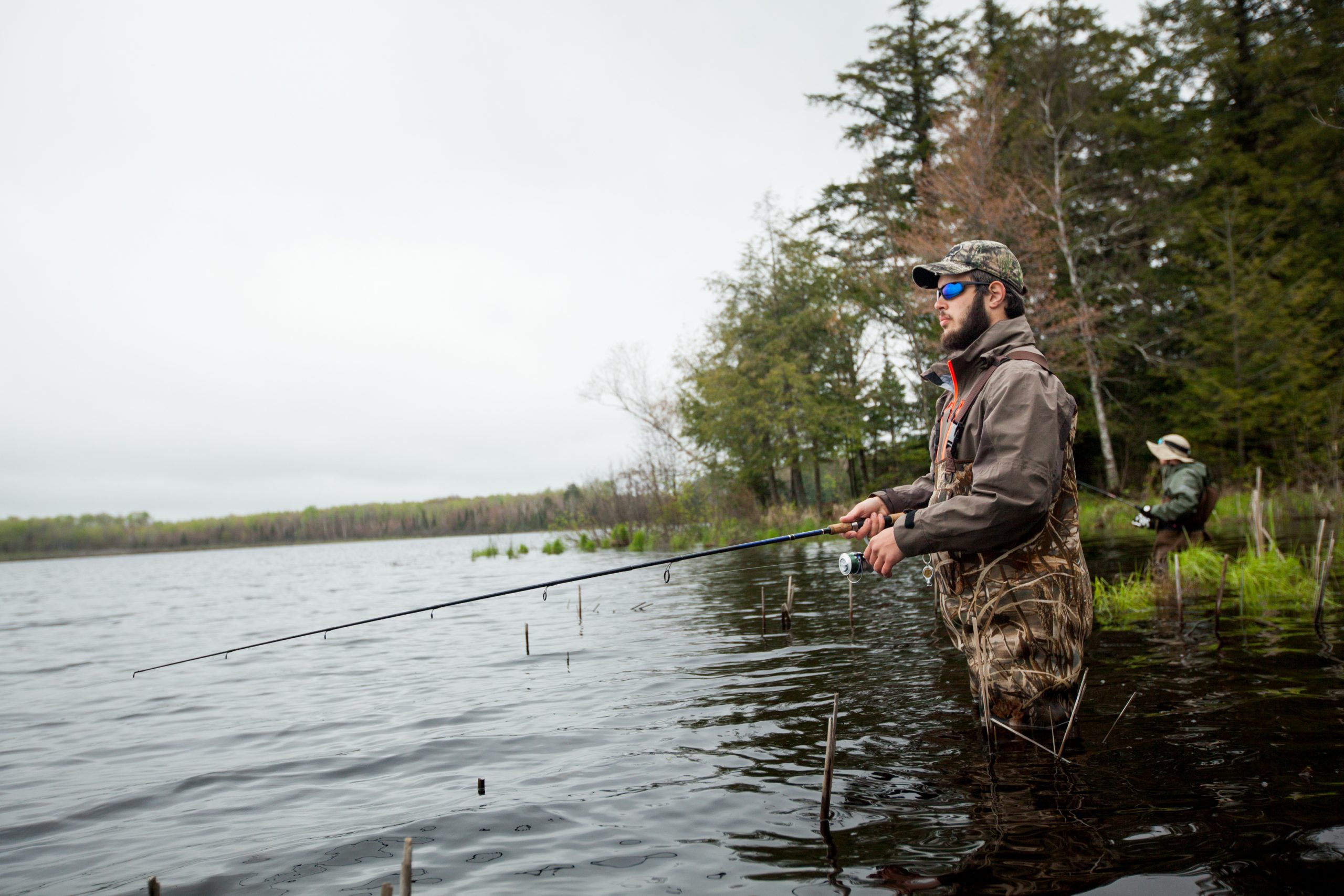 August IDNR Wildlife Bulletin Newsletter: Fascinated with the natural world? Tag along with an Indiana DNR biologist on one of their upcoming excursions to learn more about wildlife and their habitats. Hone your identification skills while enjoying the outdoors.
Aug. 8 – Bike with a Biologist, Amo
For those who are new to hunting and fishing, DNR also hosts workshops through the Learn to Fish and the Learn to Hunt, Shoot, & Trap programs. Find more upcoming educational events.
Aug. 7 – Learn to Hunt: Frogs, Martinsville
Sept. 12 – Learn to Stream Fish, Atterbury Fish & Wildlife Area
Sept. 26 – Family Learn to Fish, Cicero
Resources
Ask an Expert: Wildlife Mythbusters, Video, Purdue Extension – Forestry and Natural Resources Youtube channel
Best Practices Guide for Charter Fishing and COVID-19, The Education Store, Purdue Extension resource center
Resourceful Animal Relationships, The Education Store
Considerations for Trapping Nuisance Wildlife with Box Traps, The Education Store
Handling Harvested Game From Field to Table, Got Nature? Blog, Purdue Extension – Forestry and Natural Resources
Indiana Department of Natural Resources (IN DNR)

Recent Posts
- ID That Tree: Shumard Oak
Posted: March 9, 2026 in Plants, Urban Forestry, Wildlife, Woodlands - ID That Tree: Fragrant Sumac
Posted: February 4, 2026 in Plants, Urban Forestry, Wildlife - It’s Not Too Late to Order Trees for Spring Planting
Posted: January 13, 2026 in Forestry, How To, Plants - Red in Winter – What Are Those Red Fruits I See?
Posted: December 1, 2025 in Forestry, Plants, Urban Forestry, Wildlife, Woodlands - Untangling and Identifying Vines, Purdue Landscape Report
Posted: September 29, 2025 in Invasive Plant Species, Plants, Wildlife - Control Management of Poison Hemlock
Posted: May 7, 2025 in Invasive Plant Species, Plants, Wildlife, Woodlands - Top 10 Spring Flowering Shrubs, Purdue Landscape Report
Posted: April 28, 2025 in Gardening, Plants, Urban Forestry - PPDL’s 2024 Annual Report – Enhancing Plant Health
Posted: March 21, 2025 in Forestry, Invasive Insects, Invasive Plant Species, Plants, Wildlife - What Are Invasive Species and Why Should I Care?
Posted: February 24, 2025 in Forestry, How To, Invasive Plant Species, Plants, Woodlands - Ask An Expert: Holidays in the Wild
Posted: December 9, 2024 in Christmas Trees, Forestry, Forests and Street Trees, How To, Plants, Wildlife, Woodlands
Archives
Categories
- Alert
- Aquaculture/Fish
- Aquatic/Aquaculture Resources
- Ask the Expert
- Christmas Trees
- Community Development
- Disease
- Drought
- Forestry
- Forests and Street Trees
- Gardening
- Got Nature for Kids
- Great Lakes
- How To
- Invasive Animal Species
- Invasive Insects
- Invasive Plant Species
- Land Use
- Natural Resource Planning
- Nature of Teaching
- Plants
- Podcasts
- Ponds
- Publication
- Safety
- Spiders
- Timber Marketing
- Uncategorized
- Urban Forestry
- Webinar
- Wildlife
- Wood Products/Manufacturing
- Woodland Management Moment
- Woodlands