 Purdue University - Extension - Forestry and Natural Resources
Got Nature? Blog
In this webinar, Purdue Extension forester Lenny Farlee talks about methods of controlling invasive plant species, which include: preventing invasions, early detection and rapid response, control techniques, accessing resources and assistance.
Don’t forget to fill out the Invasive Plants Threaten our Woodlands Part 2, Identification survey after watching the video to share your suggestions or other forest topics you would like to see and to help us learn more about you.
Check out Invasive Plants Threaten our Woodlands: Part 1, Identification (video). This video is also available on Purdue Extension – Forestry and Natural Resources Youtube channel.
If you have any questions regarding wildlife, trees, forest management, wood products, natural resource planning or other natural resource topics, feel free to contact us by using our Ask an Expert web page.
Resources
A Woodland Management Moment, Playlist
Invasive Species, Playlist
Report Invasive Species, Purdue Invasive Species
The GLEDN Phone App – Great Lakes Early Detection Network
EDDMaps – Early Detection and Distribution Mapping System (Report Invasives)
Cooperative Invasive Species Management Area (CISMA)
Indiana Department of Natural Resources: Invasive Species
Indiana Invasive Species Council
Woodland Stewardship for Landowners, Playlist
Invasive plants: impact on environment and people, The Education Store, Purdue Extension resource center
Woodland Invaders, Got Nature? Blog
Hardwood Tree Improvement & Regeneration Center (HTIRC)
Lenny Farlee, Extension Forester
Purdue University, Department of Forestry and Natural Resources
 Purdue Landscape Report: The Purdue Landscape Report Team will begin a new, free online series that will start every two weeks on Wednesdays at noon Eastern time zone. The topics and speakers will vary each session, so check out the newsletter every two weeks to find out what follows the next day. You’ll have three ways to attend each session, which you can find below. During each session you’ll be able to ask questions to the speakers on Zoom and Facebook Live. Hope you will join us!
To join the chat on Zoom:
https://purdueextension.zoom.us/j/98937266342
To join the chat via telephone:
US: +1 312 626 6799
To join the chat on Facebook:
https://www.facebook.com/PurdueLandscapeReport
Resources
Purdue Landscape Report
A Woodland Management Moment, Playlist, Purdue Extension – Forestry and Natural Resources Youtube Channel
Invasive Species, Playlist
Woodland Stewardship for Landowners, Playlist
Ask The Expert, Playlist
Surface Root Syndrome, The Education Store, Purdue Extension resource center
Tree Pruning Essentials, The Education Store
Kyle M Daniel, Nursery & Landscape Outreach Specialist
Purdue Horticulture and Landscape Architecture
If you missed the LIVE Q&A about invasive plant species from June 4, 2020, no worries. Now you can view the archived video on our Purdue Extension-FNR YouTube Channel with Lenny Farlee, sustaining hardwood extension specialist, and Liz Jackson, extension specialist with Walnut Council and Indiana Forestry Woodland Owners’ Association (IFWOA), discussing invasive plant species, how to identify them, reporting and controlling techniques.
Here are the resources that were talked about in the video as it will help guide you as you identify invasives.
Resources
Help Stop Invasive Species with PlayCleanGo
Best management practices – Top 10 list (pdf)
Great Lakes Early Detection Network – Download the app at Apple App Store
Eddmaps website – A good place to see mapping and keep track of your reports and overall reports by species or location.
Call DEPP 1-866-NOEXOTIC or email depp@dnr.in.gov
Indiana Native Plant Society – Natives to replace invasives
Alternative Option for Invasive Landscape Plants (pdf)
A Guide to the Regulated Terrestrial Plant Species” (pdf)
Calendar of control- seasonality to treatment (pdf)
County CISMA groups, SICiM website
Work assistance- Contractor list, SICiM website
CISMA Virtual Conference in August – Learn about the impact of invasives, importance of native species, a bit about how to control, SICiM website
Midwest Invasive Plant Network Control Database provides an outline and efficacy rating for control techniques for many common invasive plant species.
Grow Indiana Natives Certification Program – Learn about substitutes for invasive species, Indiana Native Plants Society
Report Invasive
Indiana Invasive Species Council is an excellent doorway site to invasive species information for the state
Contact your local NRCS office for EQIP Brush Control practice, tree planting and habitat development practices, Natural Resources Conservation Service Indiana
Woodland Management Moment – Garlic Mustard, Video, Purdue Extension – Forestry and Natural Resources Youtube Channel
Woodland Management Moment: Asian Bush Honeysuckle, Video, Purdue Extension – Forestry and Natural Resources Facebook Page
Elizabeth Jackson, with Manager Walnut Council/IN Forestry Woodland Owners’ Association (IFWOA) & Engagement Specialist
Purdue University Department of Forestry and Natural Resources
Lenny Farlee, Sustaining Hardwood Extension Specialist
Purdue University Department of Forestry and Natural Resources
Purdue sustaining hardwood extension specialist Lenny Farlee talks about identifying invasive plant species in the webinar below.
Don’t forget to fill out the Invasive Plants Threaten our Woodlands Part 1, Identification survey after watching video to share your suggestions, other forest topics you would like to see and to help us learn more about you.
Resources
A Woodland Management Moment, Playlist, Purdue Extension – Forestry and Natural Resources Youtube Channel
Invasive Species, Playlist
Report Invasive Species, Purdue Invasive Species
The GLEDN Phone App – Great Lakes Early Detection Network
EDDMaps – Early Detection and Distribution Mapping System (Report Invasives)
Cooperative Invasive Species Management Area (CISMA)
Indiana Department of Natural Resources: Invasive Species
Indiana Invasive Species Council
Woodland Stewardship for Landowners, Playlist
Invasive plants: impact on environment and people, The Education Store, Purdue Extension resource center
Woodland Invaders, Got Nature? Blog
Indiana Invasive Species Council
Hardwood Tree Improvement & Regeneration Center (HTIRC)
Lenny Farlee, Sustaining Hardwood Extension Specialist
Purdue University Department of Forestry and Natural Resources
As you decide best management practices for your woodlands, this short video shares how native grape vine can be a positive addition or a detriment depending on your goals. Lenny Farlee, Purdue Extension forester, shows you what it looks like and how it grows even to the tops of the trees.
If you have any questions regarding trees, forests, wildlife, wood products or other natural resource topics, feel free to contact us by using our Ask an Expert web page.
Resources
A Woodland Management Moment, Playlist, Purdue Extension – Forestry and Natural Resources Youtube Channel
Invasive Species, Playlist
Woodland Stewardship for Landowners, Playlist
Investing in Indiana Woodlands, The Education Store, Purdue Extension resource center
Forest Improvement Handbook, The Education Store
Invasive plants: impact on environment and people, The Education Store
What are invasive species and why should I care?, Got Nature? Blog, Purdue Extension
Woodland Invaders, Got Nature? Blog
Lenny Farlee, Sustaining Hardwood Extension Specialist
Purdue University Department of Forestry and Natural Resources
Garlic mustard is an invasive herbaceous plant that is shade tolerant and can invade our forest understories. In its second growing season it produces a flower which releases many seeds. In the video below, Purdue Extension forester Lenny Farlee will share what options we have to help control it.
If you have any questions regarding trees, forests, wildlife, wood products or other natural resource topics, feel free to contact us by using our Ask an Expert web page.
Resources
A Woodland Management Moment, Playlist, Purdue Extension – Forestry and Natural Resources Youtube Channel
Invasive Species, Playlist
Woodland Stewardship for Landowners, Playlist
Investing in Indiana Woodlands, The Education Store, Purdue Extension resource center
Invasive plants: impact on environment and people, The Education Store
Woodland Invaders, Got Nature? Blog
Lenny Farlee, Sustaining Hardwood Extension Specialist
Purdue University Department of Forestry and Natural Resources
 Mark your calendar for four upcoming Facebook LIVE events from Purdue FNR Extension specialists.
On April 30, tune in at 3 p.m. to expand your knowledge about the Hellbender husbandry program as Dr. Rod Williams chats live with Dr. Stephen Spear from The Wilds, who is going to talk about captive rearing, different age groups of hellbenders and some of their research using EDNA to sample for hellbenders across the country. This Facebook LIVE event will take place on the Help the Hellbender page. https://www.facebook.com/HelpTheHellbender
Check back in a few hours later at 6 p.m. for a live Q&A with extension wildlife specialist Jarred Brooke. He will offering habitat help and offering tips and tricks about establishing native grasses and forbs for wildlife. Tune in on the Purdue FNR Facebook page. https://www.facebook.com/PurdueFNR/
On May 5, a host of Purdue extension specialists will be available to answer your questions on a variety of topics during a noon ET Ask the Expert session on the Purdue FNR Facebook page . Have a question about woodlands, wildlife, fish, or ponds you want to ask a Forestry and Natural Resource Specialist? We will be discussing wildlife habitat management, prescribed fire, forest management, invasive plants, wildlife conflict management, wildlife damage, amphibian and reptile identification, wildlife ecology, pond management and fish ecology. This Q&A session will put you in touch with:
- Jarred Brooke, Extension Wildlife Specialist, wildlife habitat management, prescribed fire
- Lenny Farlee, Extension Forestry Specialist, forest management, invasive plants
- Brian MacGowan, Extension Wildlife Specialist, wildlife conflict management, wildlife damage
- Rod Williams, Extension Wildlife Specialist, amphibian and reptile identification, wildlife ecology
- Mitch Zischke, Extension Fisheries Specialist, pond management and fish ecology
On May 7 at 3 p.m., in Episode 3 of our Help the Hellbenders Facebook LIVE series, Dr. Rod Williams will talk with the keepers at the Mesker Park Zoo and Botanical Gardens about their efforts to breed hellbenders in captivity. Viewers will also have a tour of the facility and see interactive exhibits.
All Facebook LIVE sessions will be archived on Facebook. Go back and watch Episode 1 of the Help the Hellbender series.
To access a Facebook live feed, go to the page at the established time. When the event is live, a LIVE icon will show up next to the word video on the left hand side of the page. Click the video link and a new page will open. The video that is live will be the first video in the list. Click that to begin watching.
Resources:
Report Invasive, Purdue Extension
Effective Firebreaks for Safe Use of Prescribed Fire, Got Nature? Blog, Purdue University Forestry and Natural Resources Extension
Renovating native warm-season grass stands for wildlife: A Land Manager’s Guide, The Education Store, Purdue Extension resource center
Invasive plants: impact on environment and people, The Education Store
Pond and Wildlife Management, Purdue Extension
Forest Improvement Handbook, The Education Store, Purdue Extension resource center
Wendy Mayer, FNR Communications Coordinator
Purdue University Department of Forestry and Natural Resources
While our FNR Purdue Extension specialists can’t be with you in person at workshops, meetings or in the field right now, they are still here to assist you. Don’t hesitate to reach out.
Purdue Extension – Forestry and Natural Resources, purdue.edu/fnr/extension
Ask An Expert
Wendy Mayer, Communications Coordinator
Purdue University Department of Forestry and Natural Resources
Diana Evans, Extension & Web Communications Specialist
Purdue University Department of Forestry and Natural Resources
Many of our favorite plants have multiple personalities. There is a good side and a bad side, shown especially when they escape the landscape and spread to our native areas, becoming invasive. When it comes to invasive plants in landscapes, there is good news and bad news. The bad news is that invasive plants are planted intentionally as ornamentals, and several species known to be invasive are readily available for sale from nurseries and garden centers. The good news is that there are many beautiful plants to choose from that are not invasive. Indeed, while many of the most picturesque garden plants are not native to the Midwest, the majority are not invasive. For example, hosta, smoke tree, boxwoods, Japanese tree lilacs, and dwarf shrub junipers are all non-native to the region but are not known to be invasive. However, brad ford pear, red barberry, burning bush and other “go-to” landscape plants are damaging our natural ecosystem by establishing themselves where they really aren’t welcome. These plants should be avoided and even considered for removal and replacement.
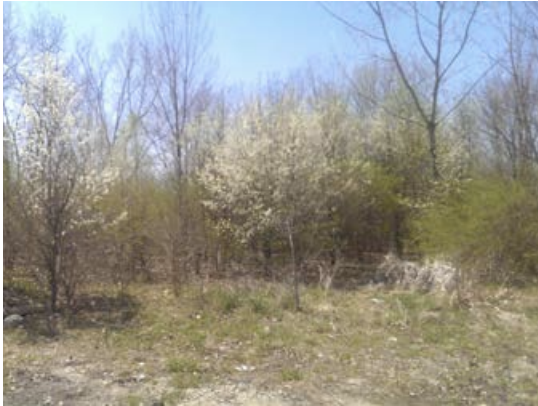
After their seeds are disseminated, callery pears can invade natural and disturbed areas.
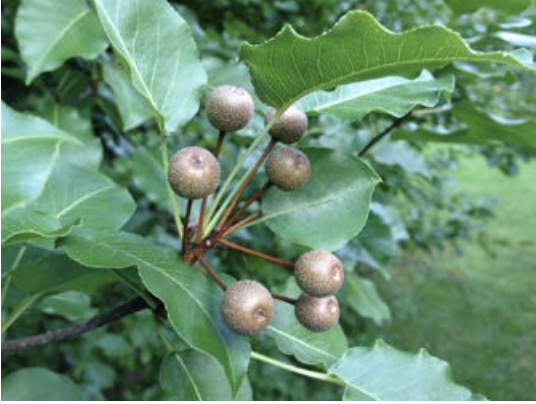
Many callery pears can produce abundant fruit
that are widely distributed by birds

Mile-a-minute vine grows more than 25 feet in height in one growing season while covering and smothering forest trees.
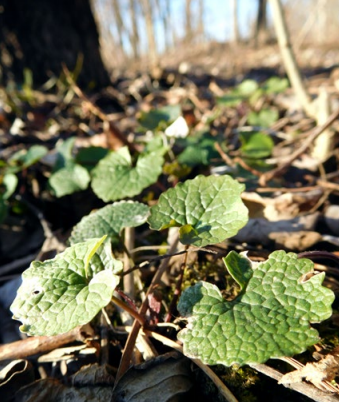
Garlic mustard produces chemicals that inhibit the growth of other plants.
Several professional landscape and nursery organizations have taken the charge in eliminating these harmful plants. They believe invasive species adversely affect the integrity of ecosystems and cause both environmental degradation and economic harm. Invasive species – whether they are plants, animals, fungi, or insects – may cause deterioration of native habitats and plant communities as well as damage to designed and managed ecosystems. Because invasives reduce biodiversity and disrupt the healthy structure and function of both native and human ecosystems, planners, contractors, arborists, landscape architects and other green industry professionals should not introduce or support the use of known invasive species. And, where they are already existing, steps should be taken to eradicate them.
Read the publication Commercial Greenhouse and Nursery Production: Alternative Options for Invasive Landscape Plants for more information. Also, here are several online resources for details on invasive pests:
Midwest Invasive Plant Network
Indiana Invasive Species Council
Invasive.org
Indiana Wildlife Federation
To view more Got Nature? posts on Invasive Species:
Woodland Invaders
What are invasive species and why should I care?
Resources
Indiana DNR Division of Forestry
Report Invasive, Purdue Extension
The GLEDN Phone App – Great Lakes Early Detection Network
EDDMaps – Early Detection and Distribution Mapping System (Report Invasives)
Cooperative Invasive Species Management Area (CISMA)
Indiana Department of Natural Resources: Invasive Species
Indiana Invasive Species Council
Commercial Greenhouse and Nursery Production: Alternative Options for Invasive Landscape Plants, The Education Store, Purdue Extension’s resource center
What Nurseries Need to Know About the Invasive Species Regulation, The Education Store, Purdue Extension’s resource center
Invasive plants: impact on environment and people, The Education Store, Purdue Extension’s resource center
Lindsey Purcell, Chapter Executive Director
Indiana Arborist Association
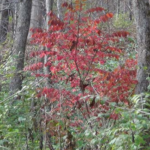 Winged burning bush, winged euonymus, or simply burning bush (Euonymus alatus) is a medium-sized deciduous shrub native to China, Japan and Korea but is widely planted in the United States. Winged burning bush has been planted in the US since the 1860s, primarily as an ornamental shrub due to its bright red fall foliage. Reports of this species escaping cultivation and establishing in natural areas, such as woodlands, prairies and other uncultivated areas, emerged in the 1970s in the Northeast and Midwest US. The species is now considered invasive in most of the eastern US, including Indiana.
Invasive Plant Series: Winged Burning Bush is an 8-page publication written by experts Brian Beheler, farm manager, Don Carlson, forester, Lenny Farlee, sustaining hardwood extension specialist and Ron Rathfon, regional extension forester SIPAC. In this publication, you can learn about the identification, distribution, impact, management and control of this deciduous shrub found in Indiana hardwood forests. For more information check out the Burning Bush Video.
Resources
Report Invasive Species, Purdue Agriculture & Indiana Invasive Species Council
The GLEDN Phone App – Great Lakes Early Detection Network
EDDMaps – Early Detection and Distribution Mapping System (Report Invasives)
Cooperative Invasive Species Management Area (CISMA)
Indiana Department of Natural Resources: Invasive Species
Indiana Invasive Species Council
Burning Bush Video, video, The Education Store, Purdue Extension resource center
What Nurseries Need to Know About the Invasive Species Regulation, The Education Store
Invasive plants: impact on environment and people, The Education Store
Invasive Plant Species: Oriental Bittersweet, The Education Store
Invasive Plant Species: Callery Pear, The Education Store
Invasive Plant Species: Wintercreeper, The Education Store
Lenny Farlee, Extension Forester
Purdue University Department of Forestry and Natural Resources

Recent Posts
- Connecting Research to Practice: Natural Resources & Land Use Spring Training
Posted: June 5, 2026 in Forestry, Forests and Street Trees, How To, Invasive Animal Species, Invasive Plant Species, Land Use, Natural Resource Planning, Urban Forestry, Wildlife, Woodlands - As the spring wildflowers emerge, so do the woodland invaders
Posted: April 16, 2026 in Forestry, Forests and Street Trees, Invasive Plant Species - Replace Invasives with Natives: 2026 Plant Swap Program
Posted: April 13, 2026 in Invasive Plant Species, Urban Forestry - Control Management of Poison Hemlock
Posted: February 24, 2026 in Ask the Expert, Forestry, How To, Invasive Plant Species - Purdue Extension: Empowering Indiana Through Innovation, Education and Community Impact
Posted: January 28, 2026 in Community Development, How To, Invasive Insects, Invasive Plant Species, Natural Resource Planning, Woodlands - Learn How to Control Reed Canarygrass
Posted: December 8, 2025 in Forestry, Invasive Plant Species, Wildlife - Controlling Introduced Cool-Season Grasses
Posted: December 1, 2025 in Forestry, Invasive Plant Species, Wildlife - Managing Common and Cut Leaved Teasel
Posted: November 24, 2025 in Forestry, Invasive Plant Species, Wildlife - Crownvetch, Sweetclover and Birdsfoot Trefoil Control
Posted: November 17, 2025 in Forestry, Invasive Plant Species, Wildlife - Now Is The Time To Control Non-Native Bush Honeysuckle
Posted: October 30, 2025 in Forestry, How To, Invasive Plant Species, Woodlands
Archives
Categories
- Alert
- Aquaculture/Fish
- Aquatic/Aquaculture Resources
- Ask the Expert
- Christmas Trees
- Community Development
- Disease
- Drought
- Forestry
- Forests and Street Trees
- Gardening
- Got Nature for Kids
- Great Lakes
- How To
- Invasive Animal Species
- Invasive Insects
- Invasive Plant Species
- Land Use
- Natural Resource Planning
- Nature of Teaching
- Plants
- Podcasts
- Ponds
- Publication
- Safety
- Spiders
- Timber Marketing
- Urban Forestry
- Webinar
- Wildlife
- Wood Products/Manufacturing
- Woodland Management Moment
- Woodlands