 Purdue University - Extension - Forestry and Natural Resources
Got Nature? Blog
Since the Polar Vortex subsided, there has been quite a bit of buzz about the Emerald Ash Borer (EAB), an exotic beetle that is killing ash trees across Indiana and the U.S., being killed by the multi-day sub-zero temperatures we experienced here in Indiana and elsewhere. Some recent research (the full paper can be accessed USDA Forest Service, Cold Hardiness of Emerald Ash Borer, Agrilus Planipennis: A New Perspective) predicts that when EAB larvae reach 0°F, 5% will die; at -10°F, 34% will die; at -20°F, 79% will die; and at -30°F, 98% will die. Based on some -15°F temperatures here at the Purdue West Lafayette campus, we might expect around 50% of the EAB will die, but some additional points need to be considered.

An adult emerald ash borer feeds off a leaf. (Purdue University Department of Entomology photo/John Obermeyer)
EAB larvae are located overwinter under the bark in infested ash trees, so the bark may offer some insulation. Snow is also an excellent insulator, so the lower trunk of ash trees in deep snow or drifts may not get as cold as ambient air temperatures. Some trees in town or near structures may remain warmer due to heat radiating or escaping from buildings. The message is, unfortunately, that the cold weather we experienced was probably not enough to solve our EAB problems.
It is good news that some of the population was probably killed by the cold weather, leaving fewer larvae to damage ash trees next spring. This will be a temporary setback for the borer, since one of the biological strengths of insects is their capacity to reproduce and grow populations quickly. Further north in places like Minnesota, the news for the ash trees may be better where temperatures below -30°F may have killed most of the larvae, providing some additional time to prepare for the EAB onslaught. Here in Indiana, we need to continue to monitor, prepare and act to limit the damage EAB will do.
Some basic steps include:
- Don’t move firewood – Firewood can harbor EAB and several other serious tree pests and spread them to new areas.
- Learn to identify ash trees, EAB and the symptoms of EAB damage.
- Learn about EAB control techniques.
- Learn how to decide if your ash tree should be treated with insecticide to protect it from EAB or removed and possibly replaced with another tree species.
- Work with your neighbors to monitor and manage the ash trees in your area.
Purdue Extension offers science-based recommendations to help you manage the EAB threat at Emerald Ash Borer in Indiana.
Resources:
New Hope for Fighting Ash Borer, Got Nature? Purdue Extension-FNR
Invasive Pest Species: Tools for Staging and Managing EAB in the Urban Forest, Got Nature?
Emerald Ash Borer Tools & Resources – Purdue Extension Entomology
Planting Your Tree Part 1: Choosing Your Tree, Purdue Extension YouTube Channel
Tree Planting Part 2: Planting a Tree, Purdue Extension – Forestry and Natural Resources YouTube Channel
Indiana Invasive Plant List, Indiana Invasive Species Council, Purdue Entomology
Landscape Report Shares Importance of Soil Testing, Purdue FNR Extension
Find an Arborist website, Trees are Good, International Society of Arboriculture (ISA)
Tree Risk Management – Got Nature? Blog, Purdue Extension – FNR
Lenny Farlee, Extension Forester
Hardwood Tree Improvement and Regeneration Center (HTIRC)
Forestry and Natural Resources, Purdue University
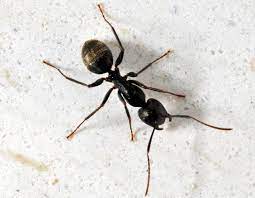 Carpenter ants are very common inside trees, especially on larger, mature trees that are hollow with cavities. They nest in rotted, decayed wood, although some nests may extend into sound heartwood in the center of the tree. Carpenter ant presence is an indication of rotting wood, and infested trees should be checked to determine whether the rot has weakened the tree enough that it has become a risk of failure.
Carpenter ants in trees are not directly harmful to the tree. Control is not necessary for the tree’s health; their presence indicates decay in the tree, and they only feed on dead wood fiber. Wood decay can set in if moisture is present; it is the wood decay that gives the carpenter ants the opportunity to colonize the tree. Carpenter ants use knots, cracks, holes and old insect tunnels to gain access to these areas.
Control of carpenter ants inside trees is difficult but can be done as a way to reduce invasion of the ants into adjacent structures and places where they are unwelcome. It is also possible for ant colonies located inside trees to form satellite colonies inside a nearby home wall. Available controls are not likely to permanently rid a tree of carpenter ants, so retreatment every year or so may be necessary. Dust insecticides (such as Sevin or Abamectin) labeled for use on trees in the landscape are suggested for control. Apply the dust directly into the nest cavity.
Sealing tree cavities or treating tree wounds with wound dressings is not advised. Such treatments are unnecessary and will not eliminate nor prevent decay or carpenter ant activity. Also cutting down otherwise viable trees that happen to be infested with carpenter ants is generally not necessary unless the tree poses a risk.
Resources:
Household & Structural, Department of Entomology, Purdue University
Who Let the Bugs Out?, 4-H Purdue Extension – Entomology
The Space Invaders of Summer, Purdue Agriculture News
Report Invasive Species, Purdue Invasive Species
The GLEDN Phone App – Great Lakes Early Detection Network
EDDMaps – Early Detection and Distribution Mapping System (Report Invasives)
Subscribe – Purdue Extension-FNR YouTube Channel, find videos for wildlife, forestry, urban forestry, community development and more.
Lindsey Purcell, Chapter Administrator & Master Arborist
Indiana Arborist Association

Recent Posts
- October Is Firewood Month: Protect Indiana’s Forests by Making Smart Choices
Posted: October 1, 2026 in Forestry, Forests and Street Trees, How To, Invasive Insects, Urban Forestry - Is It Too Early to Think About Christmas Tree Pests?
Posted: September 22, 2026 in Christmas Trees, Invasive Insects, Safety - Heavy August Rains Bring More Mosquitoes to Indiana
Posted: September 9, 2026 in How To, Invasive Insects, Safety, Wildlife - Flat-Faced Longhorn Beetle Found in Hardwood Logs – IDNR Division of Entomology
Posted: June 8, 2026 in Alert, Forestry, Forests and Street Trees, Invasive Insects, Urban Forestry, Wildlife, Woodlands - Box Tree Moth Range is Expanding
Posted: May 27, 2026 in Forestry, Invasive Animal Species, Invasive Insects, Wildlife - Spotted Lanternfly Feeds on Over 70 Plus Plant Species
Posted: May 20, 2026 in Alert, Forestry, Forests and Street Trees, Gardening, Invasive Insects, Urban Forestry, Wildlife - Painted Hickory Borer, Purdue Landscape Report
Posted: May 14, 2026 in Forestry, Invasive Insects, Wildlife - Beetle that attacks Tree-of-Heaven found in Indiana, Purdue Landscape Report
Posted: March 20, 2026 in Invasive Insects, Wildlife, Woodlands - Uniting Indiana Residents Against Invasive Species
Posted: February 27, 2026 in Community Development, Invasive Insects, Wildlife - Purdue Extension: Empowering Indiana Through Innovation, Education and Community Impact
Posted: January 28, 2026 in Community Development, How To, Invasive Insects, Invasive Plant Species, Natural Resource Planning, Woodlands
Archives
Categories
- Alert
- Aquaculture/Fish
- Aquatic/Aquaculture Resources
- Ask the Expert
- Christmas Trees
- Community Development
- Disease
- Drought
- Forestry
- Forests and Street Trees
- Gardening
- Got Nature for Kids
- Great Lakes
- How To
- Invasive Animal Species
- Invasive Insects
- Invasive Plant Species
- Land Use
- Natural Resource Planning
- Nature of Teaching
- Plants
- Podcasts
- Ponds
- Publication
- Safety
- Spiders
- Timber Marketing
- Urban Forestry
- Webinar
- Wildlife
- Wood Products/Manufacturing
- Woodland Management Moment
- Woodlands