 Purdue University - Extension - Forestry and Natural Resources
Got Nature? Blog
Marking your property line can ensure you are receiving the full benefit of the property you own. Lenny Farlee, Purdue Extension forester, shares in the video below a new inexpensive way to mark your property line and has the same force of the law as no trespassing signs have.
If you have any questions regarding trees, forests, wildlife, wood products or other natural resource topics, feel free to contact us by using our Ask an Expert web page.
Resources
Indiana Department of Natural Resources – Division of Forestry, District Foresters
A Woodland Management Moment, Playlist, Purdue Extension – Forestry and Natural Resources Youtube Channel
Woodland Stewardship for Landowners, Playlist
Investing in Indiana Woodlands, The Education Store, Purdue Extension resource center
Forest Improvement Handbook, The Education Store
Timber Harvesting and Logging Practices for Private Woodlands, The Education Store
Lenny Farlee, Sustaining Hardwood Extension Specialist
Purdue University Department of Forestry and Natural Resources
As you decide best management practices for your woodlands, this short video shares how native grape vine can be a positive addition or a detriment depending on your goals. Lenny Farlee, Purdue Extension forester, shows you what it looks like and how it grows even to the tops of the trees.
If you have any questions regarding trees, forests, wildlife, wood products or other natural resource topics, feel free to contact us by using our Ask an Expert web page.
Resources
A Woodland Management Moment, Playlist, Purdue Extension – Forestry and Natural Resources Youtube Channel
Invasive Species, Playlist
Woodland Stewardship for Landowners, Playlist
Investing in Indiana Woodlands, The Education Store, Purdue Extension resource center
Forest Improvement Handbook, The Education Store
Invasive plants: impact on environment and people, The Education Store
What are invasive species and why should I care?, Got Nature? Blog, Purdue Extension
Woodland Invaders, Got Nature? Blog
Lenny Farlee, Sustaining Hardwood Extension Specialist
Purdue University Department of Forestry and Natural Resources
Purdue Landscape Report: Trees provide many benefits for our homes and properties. If a tree is found to have a defect such as dead branches or broken limbs from a storm; it can become a risk issue. It is important to understand that tree owners have a duty to inspect and maintain their trees. All property owners should take reasonable steps to protect themselves by involving a qualified consultant or certified arborist when needed.
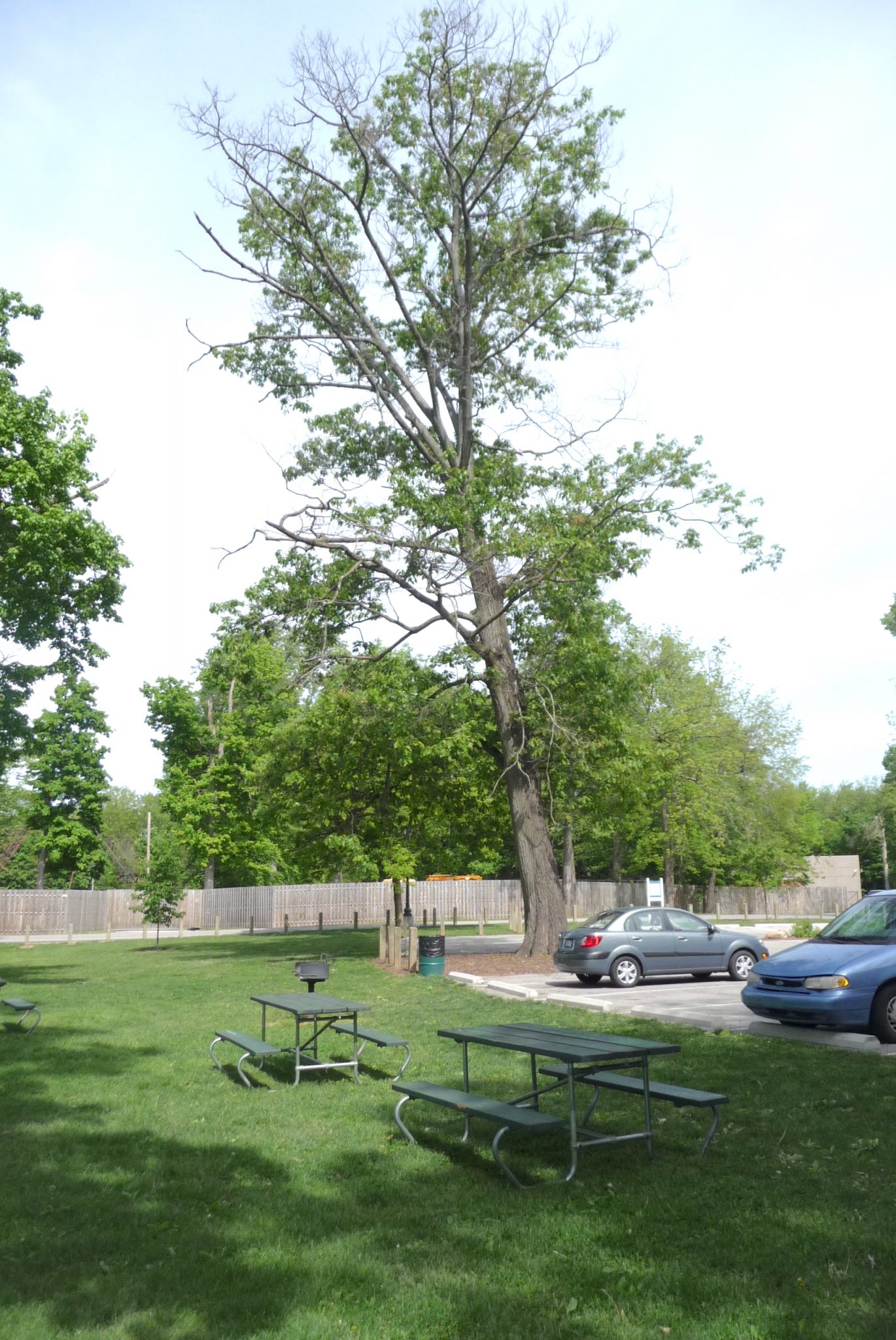
Figure 1. Trees should be inspected for defects which pose a threat or risk to targets.
All trees have some sort of risk involved with it. They are living organisms that are endangered by environmental impacts and pests. However, it is important to create a balance between the risk a tree may pose and the benefits provided by the tree. We don’t want to remove trees unnecessarily, but rather reduce the liability by Identifying, analyzing and evaluating the problem.
Inspect regularly: Trees should be assessed through inspections by a qualified arborist, preferably an International Society of Arboriculture Certified Arborist. It is especially important to inspect trees after major weather events. At a minimum, trees should be carefully checked out every 3-5 years.
Document and maintain records: Every inspection should be recorded and kept on file for future reference. Past evaluations can show how a tree has changed in its health and structure over the years. Also, these written evaluations could minimize liability if a failure occurs and a claim is filed against the tree owner.
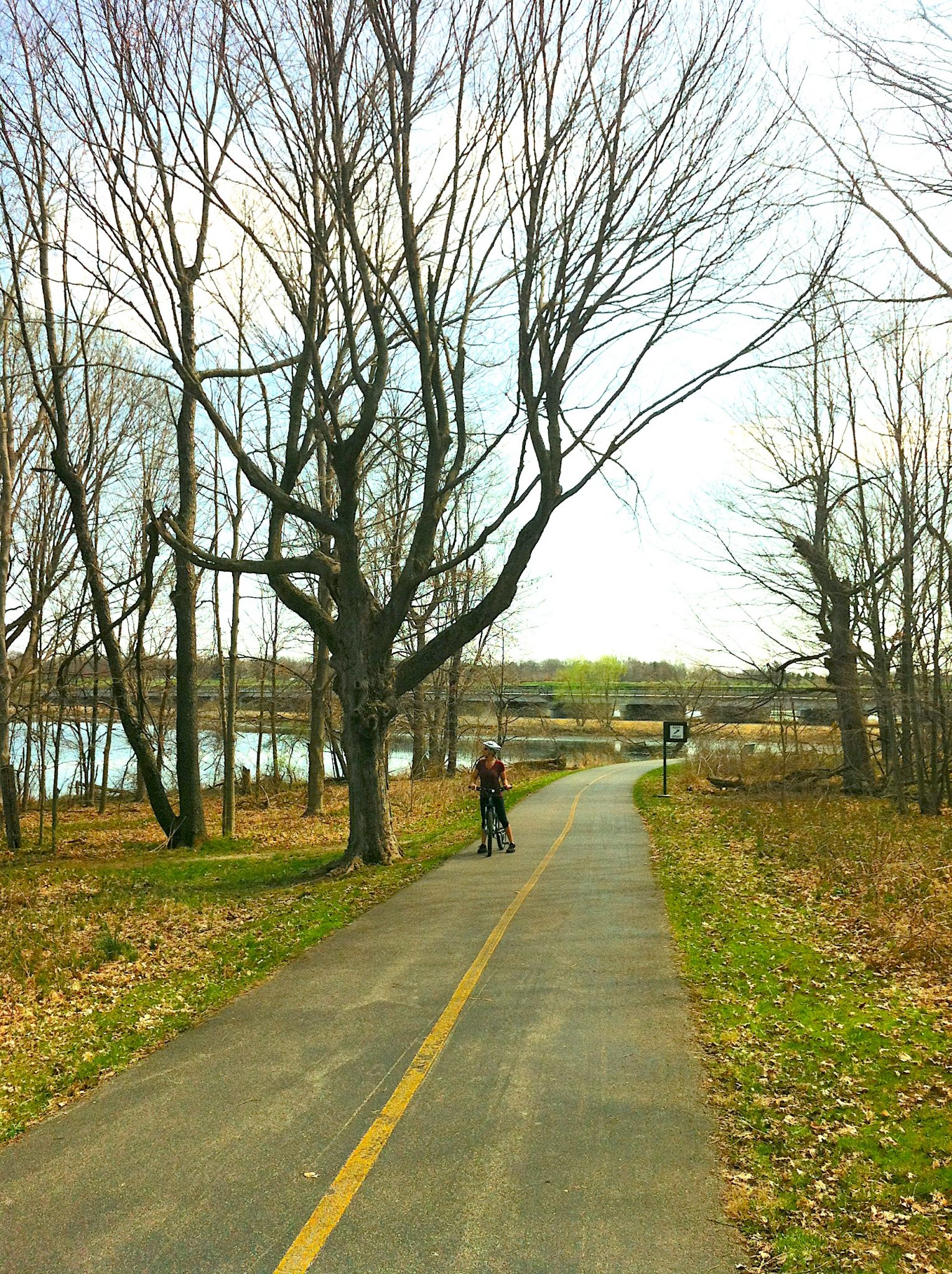
Figure 2. Targets are people, property or activities that could be disrupted by a tree failure.
Tree Inspections: For a tree to be considered a risk it must be defective and a target that is threatened.
A target is people, property or activities that could be injured, damaged or disrupted by a tree failure. Review everything in the target zone. This should include the area inside a circle around the tree, which is at least as wide as the total tree height.
Read the body language of the tree. Inspect each section of the tree including the crown, branches and root zone to check for signs of failure. These include:
- Dead, diseased, dying or broken branches.
- Thinning or poor canopy health.
- An unstable branching pattern overextended or weakly attached branches, or cracks in the stems.
- Cracks or decayed areas in the main trunk.
- Exposed or decayed roots, heaving of the soil, fungus growth or cracks in the soil around the root plate.
Among the characteristics to consider when conducting tree risk evaluations are:
- Decay, cankers, cracks and other positive indicators of weakness in the roots, stems and branches.
- Canopy size, shape and weight distribution. This is especially true in situations where a tree is exposed to windy conditions, is leaning or has a poor stem-to-canopy ratio.
- Crown architecture. Poor branching and similar characteristics can create high-risk situations in strong winds and other weather conditions.
- Plant health and vigor. This determines how a tree can overcome wounding or pest infestations.
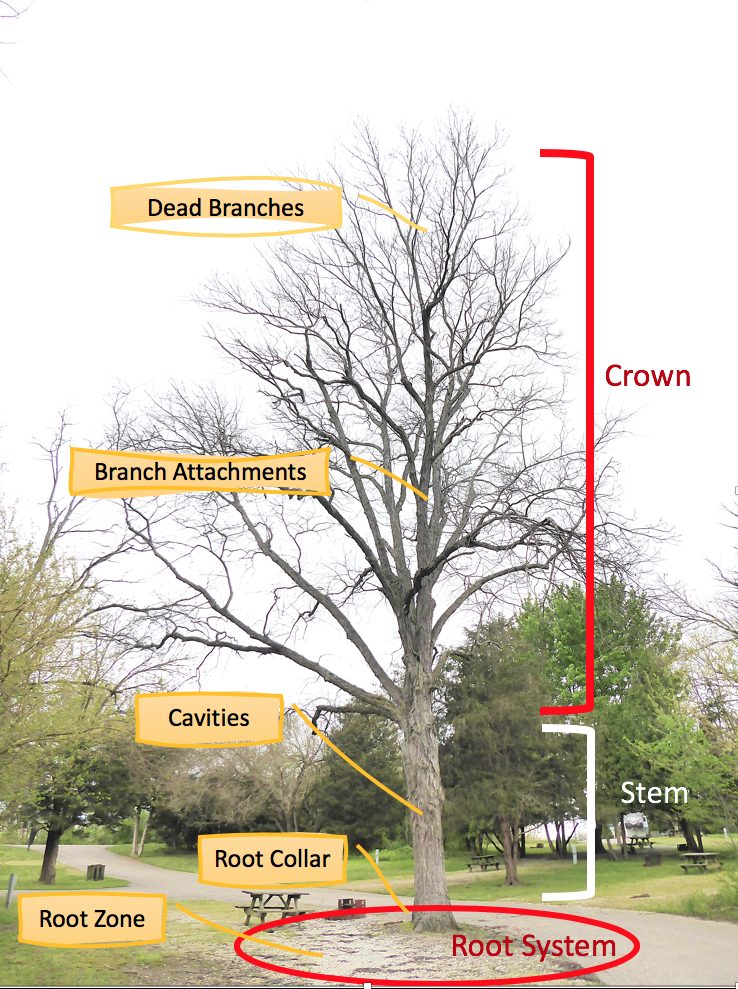
Figure 3. Regular tree inspections should occur reviewing all parts of the tree.
What do you do when a defect is found?
The goal is to reduce the likelihood of failure. Most of the time pruning can improve risk situations. Perhaps cabling and bracing may be an option. Also, plant health care improves the trees condition which can reduce risk… the last option should be removal and that should be an informed decision.
Recurrent inspections to determine tree health and condition are important for sustainable, long-lived tree plantings. The most important factor for any tree owner is know when to contact an ISA Certified Arborist who understands tree risk assessment. They can help with the decision making for the tree if there are concerns about its safety and health.
For more information refer to the publication Tree Risk Management and Trees and Storms at the Purdue Education Store.
Find a certified arborist in your area by going to Trees are Good.
Resources
Planting Problems: Trees Planted Too Deep, Video, Purdue Extension – Forestry and Natural Resources Youtube Channel
Planting Your Tree Part 1: Choosing Your Tree, Video, Purdue Extension Youtube Channel
Tree Planting Part 2: Planting a Tree, Video, Purdue Extension Youtube Channel
Tree Appraisal and the Value of Trees, The Educational Store, Purdue Extension resource center
Surface Root Syndrome, The Education Store
Iron Chlorosis of Trees and Shrubs, The Education Store
Tree Pruning Essentials, Publication & Video, The Education Store
Cold Injury to Trees, Got Nature? Post, Purdue FNR Extension
Lindsey Purcell, Urban Forest Specialist
Purdue University Department of Forestry and Natural Resources
One of the challenges of living, even in urban areas, is dealing with white-tailed deer and browsing damage that they can cause. In this video by Purdue extension wildlife specialist Brian MacGowan, he will show you how to protect you newly planted trees and shrubs from white-tailed deer and other wildlife that can cause damage.
Resources
How to Stop Woodland Animals from Digging in Your Flower Pots, Video, Purdue Extension Youtube Channel
How to Attract “The Fascinating Hummingbirds” to Your Backyard, Video
Woodland Management Moment – Deer Fencing, Video
Tree Appraisal and the Value of Trees, The Education Store, Purdue Extension resource center
Brian MacGowan, Wildlife Extension Specialist
Purdue Forestry and Natural Resources
Do you need to open up your woodlands in order to grow new species of trees/shrubs that need extra sunlight or to make for a better wildlife habitat? Forest openings allows us to regenerate species of trees and shrubs that demand full sunlight and also ensures good diversity of species on your property. In this Woodland Management Moment video, Purdue Extension forester Lenny Farlee talks about creating forest openings.
If you have any questions regarding trees, forests, wildlife, wood products or other natural resource topics, feel free to contact us by using our Ask an Expert web page.
Resources
Woodland Management Moment – Deer Fencing, Video, Purdue Extension – Forestry and Natural Resources Youtube Channel
Asian Bush Honeysuckle, Video, Purdue Extension Youtube Channel
Forest Improvement Handbook, The Education Store, Purdue Extension Resource Center
Woodland Stewardship for Landowners, invasive species along with timber resources, Purdue Extension-FNR YouTube Playlist
Managing Your Woods for White-Tailed Deer, The Education Store
Lenny Farlee, Sustaining Hardwood Extension Specialist
Purdue University Department of Forestry and Natural Resources
Purdue urban forester Lindsey Purcell talks about a common planting problem for trees or shrubs that can possibly kill your tree: planting too deep. In the video below he helps you identify the issue and how to remedy it. Follow Purdue Extension – Forestry and Natural Resources Youtube channel for more useful tree planting tips.
Resources
Tree Pruning Essentials, FNR-541-WV, Video, Purdue Extension Youtube Channel
Mechanical Damage to Trees: Mowing and Maintenance Equipment, The Education Store
Tree Installation Process and Practices, The Education Store
Tree Planting Part 1: Choosing a Tree, The Education Store
Tree Planting Part 2: Planting Your Tree, The Education Store
Surface Root Syndrome, The Education Store
Tree Appraisal and the Value of Trees, The Education Store
Question: What are these pretty green flower shaped growth spots? Will they damage the tree?, Got Nature? Post, Purdue FNR Extension
Lindsey Purcell, Urban Forestry Specialist
Purdue University, Department of Forestry and Natural Resources
“The best and the most meat on the fish lays right on top of the rib cage, right down the back”, Purdue Extension County Director Dave Osborne shares in this Fish Cleaning Seminar (Youtube video). Learn the basics of using a fillet knife and an electric fillet knife to clean the fish as he guides you through the process.
Resources
Pond and Wildlife Management, Purdue Extension website
Indiana Pond Fish, Species Identification Card Set, The Education Store, Purdue Extension Resource Center
Handling Harvested Game: Episode 1, Field Dressing, Video, Purdue Extension YouTube Channel
Handling Harvested Game: Episode 4, Cutting, Grinding & Packaging, Video, Purdue Extension YouTube Channel
Dave Osborne, County Extension Director
Purdue Extension
Are you noticing more birds in your backyard recently since sheltering at home? Do you wish you knew how to identify what you are seeing? Do you know what kind of food to put out to attract different species?
Dr. Barny Dunning, professor of wildlife ecology, and Purdue extension wildlife specialist Brian MacGowan offer advice on birdwatching for birders of all skill levels, including how to bring species to your yard, what apps you can use to identify them and other resources to help you learn more in this Facebook Ask the Expert.
Resources
Sibley Guide to Birds app
Merlin Bird App
Audubon Bird Guide App
Cornell University Ornithology Lab website
Migratory Bird Treaty Act
Project FeederWatch from The Cornell Lab
Nesting Box Information – National Wildlife Federation
Project Feeder Watch
Indiana Audubon Society
Sycamore Audubon Society
Attract Hummingbirds to Your Yard, Video, Purdue Extension YouTube Channel
Birds and residential window strikes: Tips for prevention, The Education Store, Purdue Extension Resource Center
No room at the inn: suburban backyards and migratory birds, The Education Store
Size Does Matter – Nest Boxes for Wildlife, The Education Store
John B Dunning, Professor of Wildlife Ecology
Purdue Forestry and Natural Resources
On May 5th, we held a Facebook LIVE: Ask an Expert with several FNR specialists and one of the questions that came in is a question I receive often.
One of the many benefits of interacting with farmers and land managers is I learn about the problems you face. A question came in around the 17:30 minute mark of how to deal with vole damage problems in their 3- to 5-acre pumpkin patch. I didn’t have an answer regarding registered pesticides (including taste repellents and toxicants) that are labeled for voles in pumpkins. Doing a broad search on the internet is helpful but it is hard to figure out what you can use in your state. Pesticides are often labeled for use in one state but not others. Luckily, anyone can search for registered pesticides online at on the National Pesticide Information Retrieval System. Most states, including Indiana, are included. You can search by EPA registration number, product name, company name, or active ingredient. A particular search can still yield many choices but this is a helpful way of finding out what is available. Each product has a link to the EPA website that includes product labels.
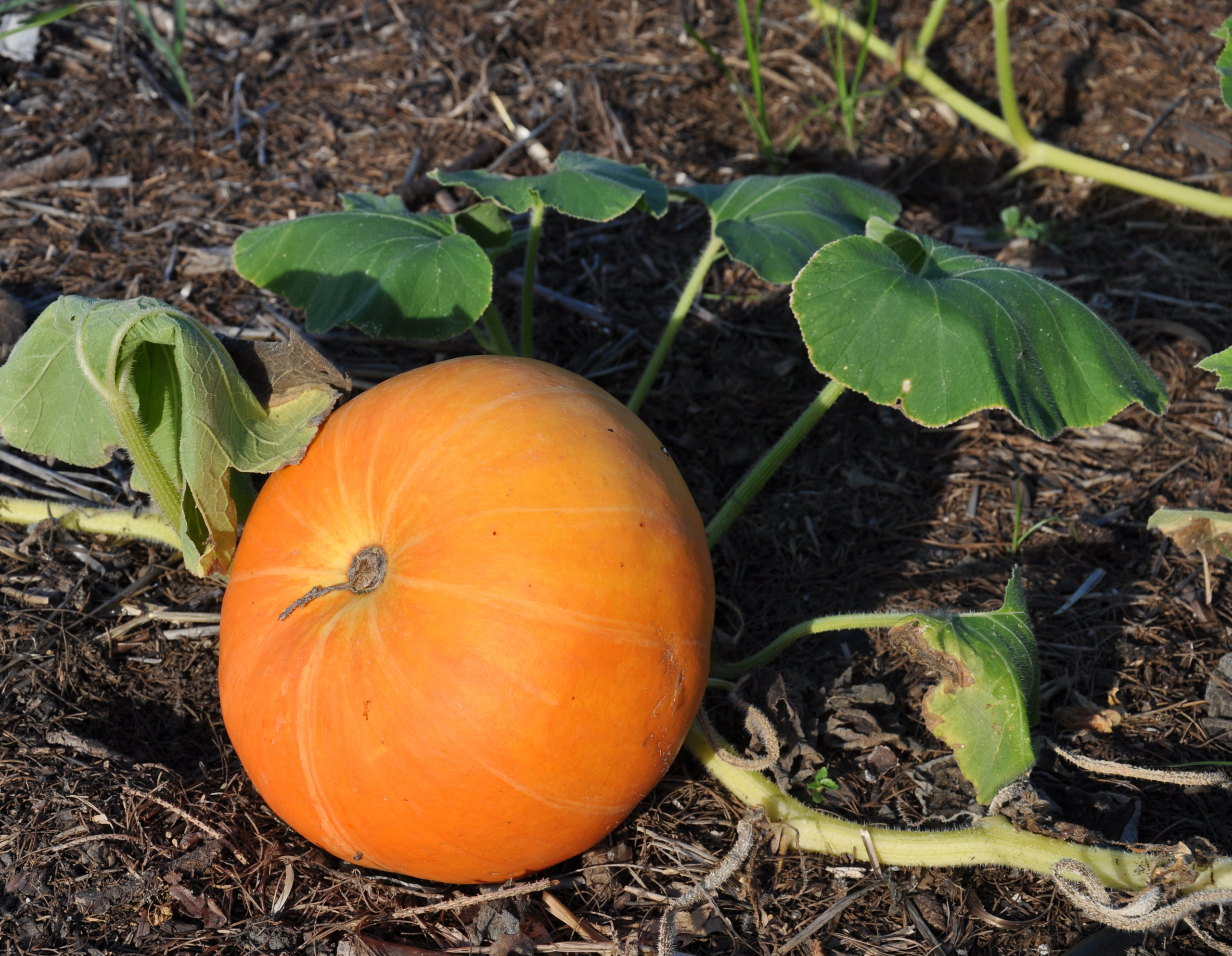
Since our program last week, I did some checking and found a product registered in Indiana labeled for voles in pumpkins as well as many other crops. Millers Hot Sauce is a taste repellent with an active ingredient of capsaicin (2.5% by weight), which is an irritant to animals, but one some people enjoy in hot peppers. Per label instructions adding an antitranspirant film former or a sticker may prolong the effectiveness of the product. Mix the product and additives with water according to label instructions. For heavy damage, start treatment after first true leaves appear and continue treatment every 7 days. If applying to transplants, start application one week after transplanting and continue every 7 days.
Always read the label completely before applying any pesticide. The efficacy of any repellent depends on a number of factors including animal population size and density, available food, and availability of cover. With voles, the year can be key because their populations tend to cycle. Combining other methods with repellents can often increase success. For example, soil cultivation within plant rows and in adjacent habitat can help reduce the habitat quality for voles. Cultivation can also directly kill some voles. There are of course tradeoffs and every situation is unique. Soil cultivation would not be an option in some cases (e.g., adjacent to water, steep slopes). I was unable to find a toxicant registered for voles in pumpkins. But depending on what the land cover is adjacent to the pumpkin patches, some of these may be appropriate in those areas.
With face-to-face Extension programs on hold for the foreseeable future, look for more live Q&A sessions and other programs on Facebook (PurdueFNR) or Twitter (@PurdueFNR).
Resources
National Pesticide Information Retrieval System
Midwest Fruit Pest Management Guide, The Education Store, Purdue Extension resource center
Hops Production in Indiana: Integrated Pest Management Guide for Hops in Indiana, The Education Store
Turfgrass Insects: Managing Black Cutworms in Turfgrass, The Education Store
Applied Research in Field Crop Pathology for Indiana – 2019, The Education Store
Managing Alfalfa Autotoxicity, The Education Store
Brian MacGowan, Wildlife Extensions Specialist
Purdue Forestry and Natural Resources
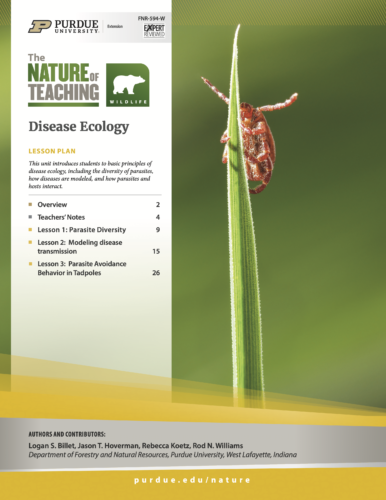 The Nature of Teaching: Disease Ecology is one unit in a series available from The Nature of Teaching – the place to go for teaching resources that focus on wildlife, food waste, health and wellness. In this series teachers can find free lesson plans, printables, posters, a photo library, information on upcoming workshops and more.
This unit introduces students to basic principles of disease ecology, including the diversity of parasites, how diseases are modeled, and how parasites and hosts interact. It includes three lessons with colorful animal cards to print along with worksheets and presentation.
Lesson 1: Parasite Diversity Activity
Lesson 2: Modeling Disease Transmission
Lesson 3: Parasite Avoidance Behavior in Tadpoles
This 33-page download PDF is written by Dr. Jason Hoverman; Logan Billet, Rebecca Koetz and Dr. Rod Williams.
For more resources, please check the Education Store.
Resources
Benefits of Connecting with Nature, The Education Store, Purdue Extension resource center
The Nature of Teaching: Ecotoxicology and Environmental Health, The Education Store
Resourceful Animal Relationships, The Education Store
The Nature of Teaching: Food Waste and the Environment, The Education Store
Rod Williams, Professor of Wildlife Science
Purdue University Department of Forestry and Natural Resources

Recent Posts
- Purdue Extension: Empowering Indiana Through Innovation, Education and Community Impact
Posted: January 28, 2026 in Community Development, How To, Invasive Insects, Invasive Plant Species, Natural Resource Planning, Woodlands - Forest Landowners: Share Your Experience with Regeneration and Restoration
Posted: January 27, 2026 in Forestry, How To, Timber Marketing, Woodlands - It’s Not Too Late to Order Trees for Spring Planting
Posted: January 13, 2026 in Forestry, How To, Plants - Now Is The Time To Control Non-Native Bush Honeysuckle
Posted: October 30, 2025 in Forestry, How To, Invasive Plant Species, Woodlands - October Is Firewood Month: Protect Indiana’s Forests by Making Smart Choices
Posted: October 13, 2025 in Forestry, Forests and Street Trees, How To, Invasive Insects, Urban Forestry - ID That Tree: Smooth Sumac
Posted: October 2, 2025 in Forestry, How To, Wildlife - ID That Tree: Wild Grape Vine
Posted: August 12, 2025 in Forestry, How To, Urban Forestry, Wildlife - Publication – Sericea Lespedeza Control
Posted: July 7, 2025 in Forestry, How To, Invasive Plant Species, Wildlife - How to ID Asian Jumping Worms, Purdue Landscape Report
Posted: July 2, 2025 in How To, Invasive Insects, Wildlife - Alert – Water Your Trees, Watch Video
Posted: June 20, 2025 in Alert, Drought, Forests and Street Trees, How To, Urban Forestry, Wildlife, Woodlands
Archives
Categories
- Alert
- Aquaculture/Fish
- Aquatic/Aquaculture Resources
- Ask the Expert
- Christmas Trees
- Community Development
- Disease
- Drought
- Forestry
- Forests and Street Trees
- Gardening
- Got Nature for Kids
- Great Lakes
- How To
- Invasive Animal Species
- Invasive Insects
- Invasive Plant Species
- Land Use
- Natural Resource Planning
- Nature of Teaching
- Plants
- Podcasts
- Ponds
- Publication
- Safety
- Spiders
- Timber Marketing
- Uncategorized
- Urban Forestry
- Webinar
- Wildlife
- Wood Products/Manufacturing
- Woodland Management Moment
- Woodlands