 Purdue University - Extension - Forestry and Natural Resources
Got Nature? Blog
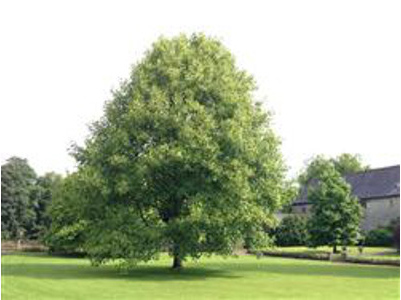
Question: We live in Tippecanoe county and need to transplant a tulip tree that is 2-3’ tall. Could you please tell me when the optimal time would be to transplant? I have read to transplant in the spring, but would like more specific information, so that it will have a good chance of surviving.
Answer: Early spring (before leaves emerge) and fall (after leaf drop) are the best times to transplant deciduous trees. Evergreens are most successfully transplanted in early spring and late summer (late August to mid-September).
Dig and move trees with the soil root mass adhering to portions of their root systems to minimize damage and improve chances of survival. The soil should be moist when the plant is dug. If the soil is dry, thoroughly water the area 3 to 4 days before digging. When digging trees, the radius of the root ball should be approximately 8 to 12 inches for each inch of trunk diameter at chest height. For example, a tree with a 1-inch-diameter trunk should have a soil ball that is 16 to 24 inches in diameter. Using a spade, dig a trench around the tree to a depth of 1½ to 2 feet. Then cut beneath the roots, rounding the bottom of the soil ball. Tip the soil ball to one side, place a piece of burlap or a small tarp in the trench on the opposite side, then carefully tip or roll the soil ball over onto the burlap. IMPORTANT! Manipulate the ball by the root/soil mass and NOT the tree trunk. Tightly secure the burlap or tarp around the soil ball to move it to its next home. Lift and carry the root ball rather than grasping the trunk. If transporting in a vehicle at speeds, be sure to cover the tender buds with a tarp to protect them from drying out.
If possible, replant the tree immediately. Dig a hole that is 2 times the width of the tree’s rootball. The depth of the hole should be 2 or 3 inches less than the height of the soil ball. Be sure the root flare is visible to get the exact depth. Carefully lower the tree into the hole, position it correctly, and begin to place soil back into the hole. Firm the soil around the tree’s rootball with your hands. Then complete the backfilling of the hole and water thoroughly.
Do not allow the soil ball to break during the digging, moving, and replanting process. Home gardeners should limit themselves to transplanting small trees. Trees with a trunk diameter greater than 2 inches should be left to nursery professionals.
Post-planting should include supplemental watering and no fertilization for the first year. Staking or guying may be necessary in vulnerable areas such as exposed or windy sites. Finish with mulch and monitor for pests and dry conditions.
Resources
Certified Arborist to come to your property: Find an Arborist, International Society of Arboriculture
Send in a sample/photos to help diagnose: Purdue Plant & Pest Diagnostic Lab, Botany & Plant Pathology
Contact Purdue Extension County Educator
Tree Installation: Process and Practices
Planting Forest Trees and Shrubs in Indiana
Instructional/training videos (planting tree tips, identifying trees, landscaping with trees and much more):
Purdue Extension – Forestry and Natural Resources YouTube Channel
Join Us LIVE and Ask an Expert: Virtual Live Workshops with Q&A
Invasive Pests:
Invasive Forest Pests in IN, Purdue Extension-Entomology
Indiana Invasive Species Council
Midwest Landscapes: Purdue Landscape Report, Purdue University
Workshops available for land and woodland owners: Purdue Extension-Forestry and Natural Resources Calendar
Lindsey Purcell, Urban Forestry Specialist
Purdue University, Department of Forestry and Natural Resources
If you’ve ever had to work on a tree leaf collection, no doubt you included a leaf from Indiana’s state tree. Also known as tulip poplar and yellow poplar, the tuliptree is actually not a poplar at all. It is a member of the magnolia family known botanically as Liriodendron tulipifera.
A tuliptree, the state tree of Indiana.
The tuliptree is native to most of the eastern half of the United States and prefers rich, moist, well-drained, loamy soil. It is found throughout Indiana, but it is more prevalent in the southern two-thirds
of the state.
Its unusual flowers inspired the common name. The flowers are shaped much like a tulip with greenish-yellow petals blushed with orange on the inside. Because they generally are found high in the leaf canopy, the flowers often go unnoticed until they drop off after pollination. The leaves of this tree are also quite distinct — each one has a large, V-shaped notch at the tip.
Because tuliptrees transplant easily and grow fast, they are a popular choice for in home yards. But don’t be fooled by its small size in the nursery. Give a tuliptree plenty of room in your landscape plan. A tuliptree can reach as tall as 190 feet where it’s allowed to thrive, but it is more likely to reach 70 feet tall as a mature landscape specimen. Tuliptree is not without its share of pests and diseases. Among the most common are leaf spots, cankers, scale insects, and aphids….
For full article view “State tree a popular landscape choice,” Morning AgClips.
Related Resources:
Pruning Ornamental Trees and Shrubs, The Education Store-Purdue Extension resource center
Tulip Poplar: Is Indiana’s State Tree a Protector for the Rare American Ginseng Plant?, GotNature?, Purdue Extension – Forestry and Natural Resources
Rosie Lerner, Extension Consumer Horticulturist
Purdue University, Horticulture & Landscape Architecture

Recent Posts
- Opportunities for Prescribed and Wildland Fire Training
Posted: November 4, 2026 in Forestry, How To, Wildlife, Woodlands - Wildlife Issues and Solutions: A New Online Series
Posted: in Forestry, How To, Wildlife, Woodlands - Burning for Benefits: Where Fire Belongs in Indiana
Posted: in Forestry, Safety, Wildlife, Woodlands - Residents, Alumni Invited to Share Indiana Natural Resource, Spaces, Species Memories
Posted: in Forestry, Forests and Street Trees, Gardening, Urban Forestry, Wildlife - Now Is The Time To Control Non-Native Bush Honeysuckle
Posted: October 30, 2026 in Forestry, How To, Invasive Plant Species, Woodlands - Help Strengthen the Future of Indiana Maple Syrup
Posted: October 29, 2026 in Forestry, How To, Woodlands - Popular Landscape Shrub is Invasive
Posted: October 15, 2026 in Alert, Forestry, Forests and Street Trees, Invasive Plant Species, Plants, Woodlands - Purdue Extension’s Regional Teams Are Here: Connecting Communities with Expertise and Opportunity
Posted: October 14, 2026 in Community Development, Forestry, Forests and Street Trees, Gardening, How To, Timber Marketing, Urban Forestry, Wildlife, Woodlands - Why Do Our Trees Go From Green Leaves to Different Colors?
Posted: in Forestry, Forests and Street Trees, Urban Forestry, Woodlands - Deer and Turkey Archery Seasons Opening Soon, MyDNR
Posted: October 13, 2026 in Alert, Safety, Wildlife
Archives
Categories
- Alert
- Aquaculture/Fish
- Aquatic/Aquaculture Resources
- Ask the Expert
- Christmas Trees
- Community Development
- Disease
- Drought
- Forestry
- Forests and Street Trees
- Gardening
- Got Nature for Kids
- Great Lakes
- How To
- Invasive Animal Species
- Invasive Insects
- Invasive Plant Species
- Land Use
- Natural Resource Planning
- Nature of Teaching
- Plants
- Podcasts
- Ponds
- Publication
- Safety
- Spiders
- Timber Marketing
- Urban Forestry
- Webinar
- Wildlife
- Wood Products/Manufacturing
- Woodland Management Moment
- Woodlands