 Purdue University - Extension - Forestry and Natural Resources
Got Nature? Blog
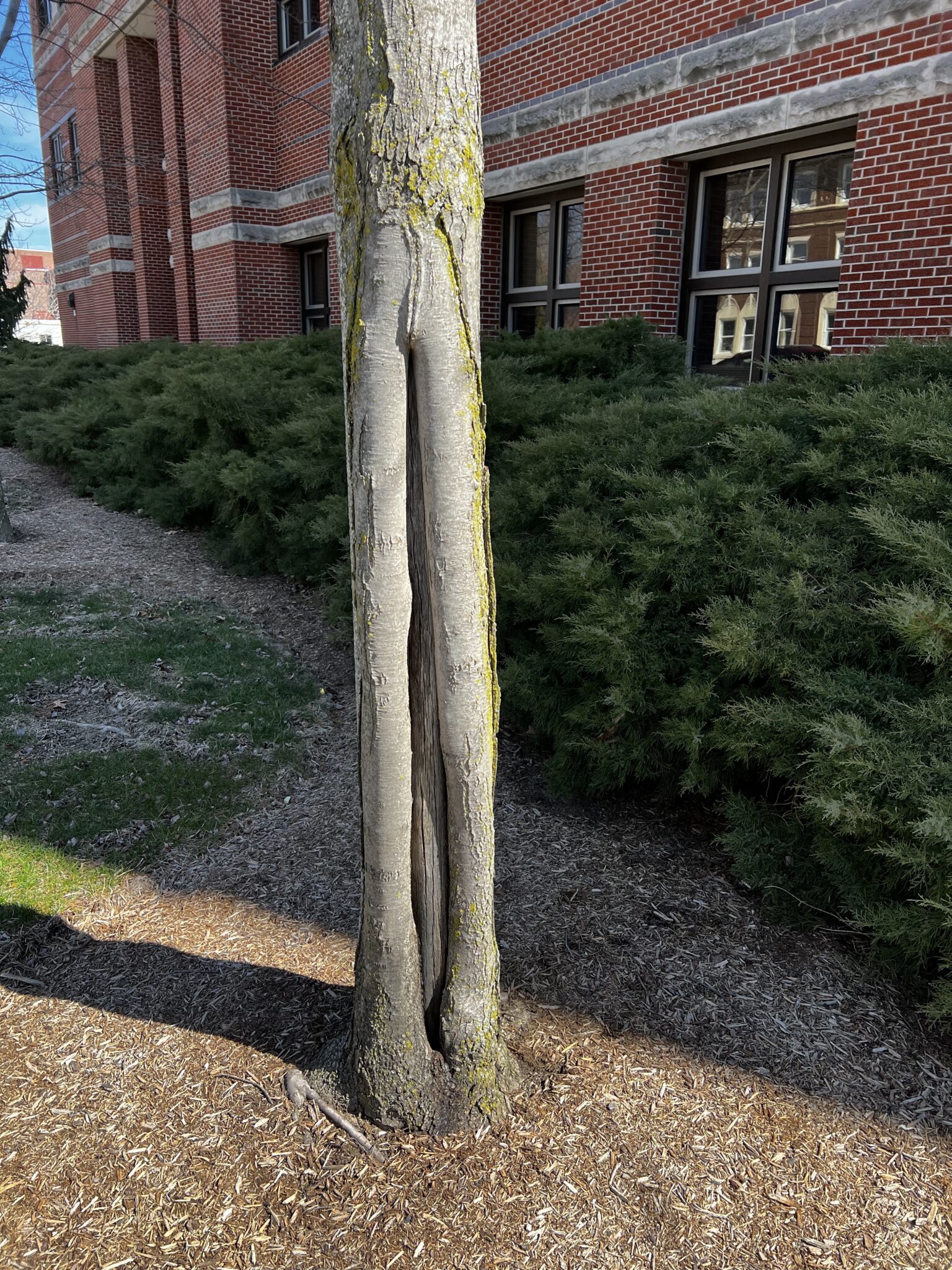
Figure 1 – Southwest damage from the base of the tree up the trunk.
We are now on the other side of the equinox, and while the days are getting longer again, we are beset with Midwest snows and icy temperatures that could persist to the beginning of Spring in March. During this time, there is a likely chance of a “tug-of-war” between our current cold weather and intermittent warm spells, and it’s a good time to check on your trees, especially newly transplanted trees and species with thinner bark.
As you head outdoors, what you might notice are signs of damage to your trees that include splits or cracks that could range in size from less than 1” to up to the entire length of the main stem and/or sunken areas on the trunk (Figs. 1 & 2). What you’re witnessing is winter stem damage known as sunscald or southwest damage (usually located on south to southwest-facing sides of the tree).
So, what is southwest damage and why has your tree been affected by it? It’s a wound that’s opened during winter due to sudden drops in temperature. These drops can come from different instances like the change from day to night or even from sudden cloud cover on a sunny day. The sun warms the trunk on the south to southwest faces of the tree, then the temperature change causes the bark to split. Repeated instances eventually cause dehydration of the damaged area which causes scalding.
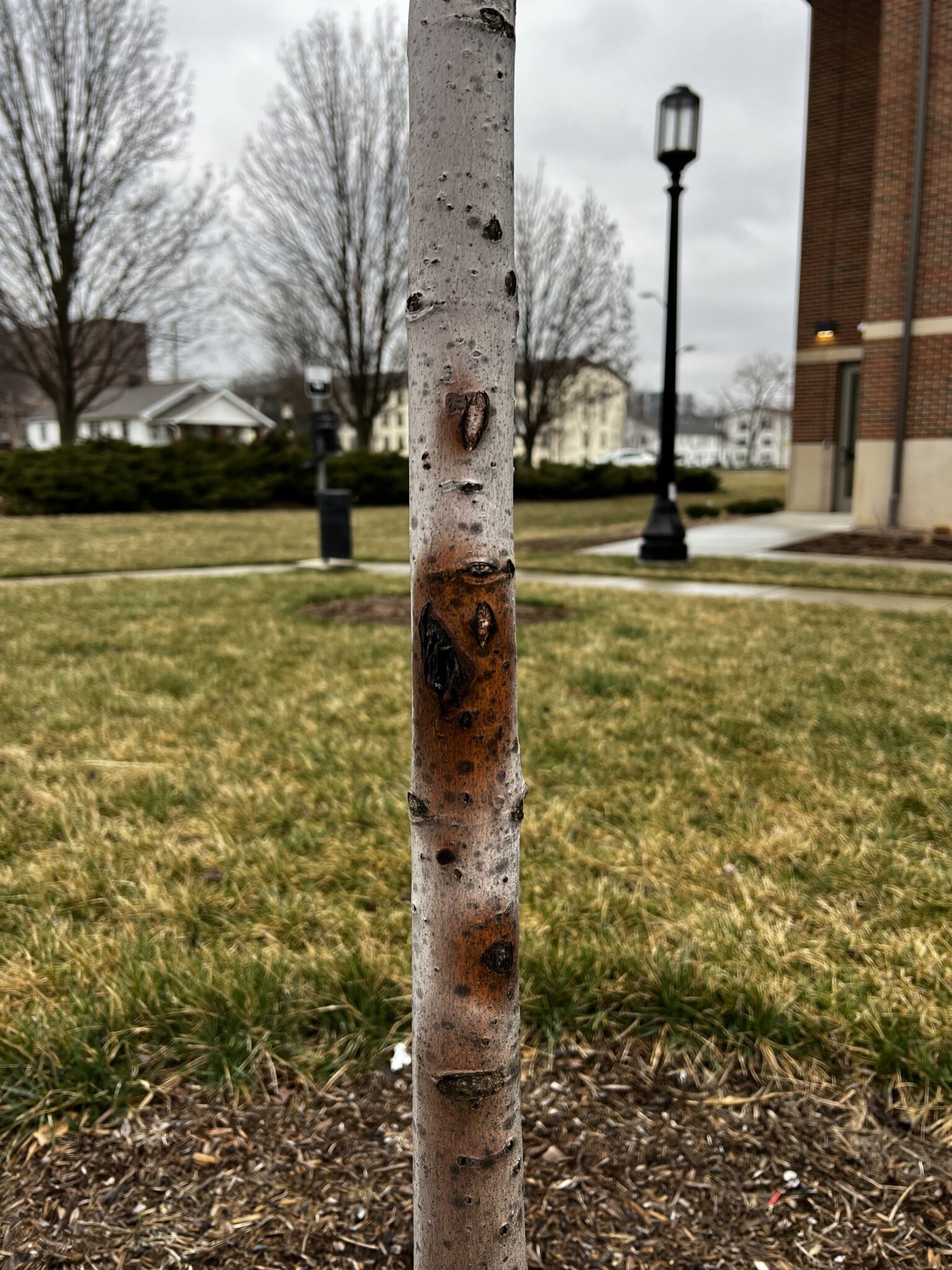
Figure 2 – Sunken wound from scalding damage.
Southwest damage comes from a previously sustained injury and will likely be found on younger trees or species with thin bark including Acer spp., Betula spp., Malus spp., Platanus spp., Prunus spp., and Ulmus spp. If these trees are also stressed, for example, from the dryer hotter summers we’ve been experiencing or other factors, they will be more vulnerable to damage moving into winter months.
As your trees grow and become more established, chances of damage decrease. Install white tree guards in Fall on trees less than 4” to help protect them during the winter. Those of you that are ahead of the game in your tree protection will have already done this last year to help prevent southwest damage (and damage from deer rub if you installed them in the fall before the rut). I commend you on your efforts, but make sure not to leave them on year-round. As things begin to heat up those covers can be a source of moisture retention which can lead to rot on the trunk of your tree. Plan on removing them as Spring sets in and save them for next Fall.
If cracking has already occurred, don’t panic. It’s not the end of your tree. Depending on the extent of the damage the tree may be able to seal off the damage with callus tissue called wound wood (Fig. 4). Healthier trees can produce this more quickly. Some things you can do to assist your tree include the following:
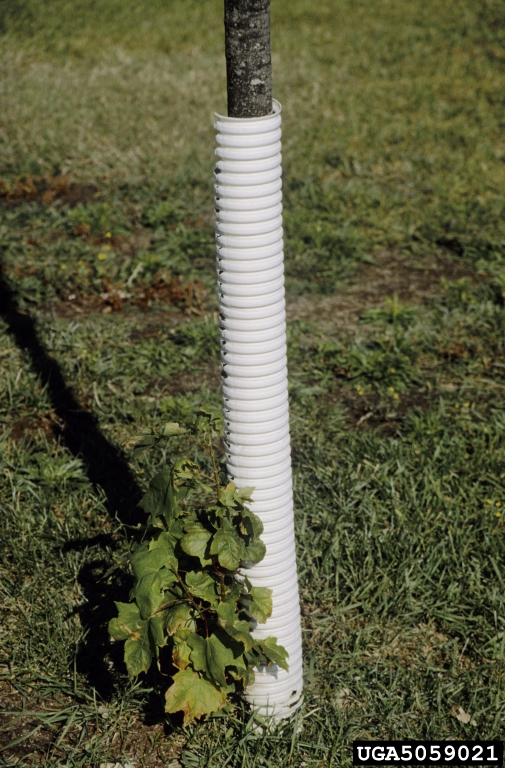
Figure 3 – Use of white tree guards can protect the trunk from temperature changes that cause damage.
- Putting your tree on a watering schedule (especially in the summer) to reduce water and heat stress.
- Mulching your tree (no mulch volcanoes) can help stop mechanical damage from mowing and other lawn maintenance and can also help with water retention in the soil.
- Herbicide use should be limited and done on days with little to no wind to help reduce drift onto the tree.
- Plan on installing white tree guards mid to late Fall. I like the white corrugated drainpipes you can find at local home and garden stores. Make sure to get a diameter larger than you tree to provide airflow to the trunk.
If you are still worried about the health of your tree, you can always find an ISA Certified Arborist nearby using the Trees Are Good website. They will be able to help assess any other issues and provide excellent professional help.
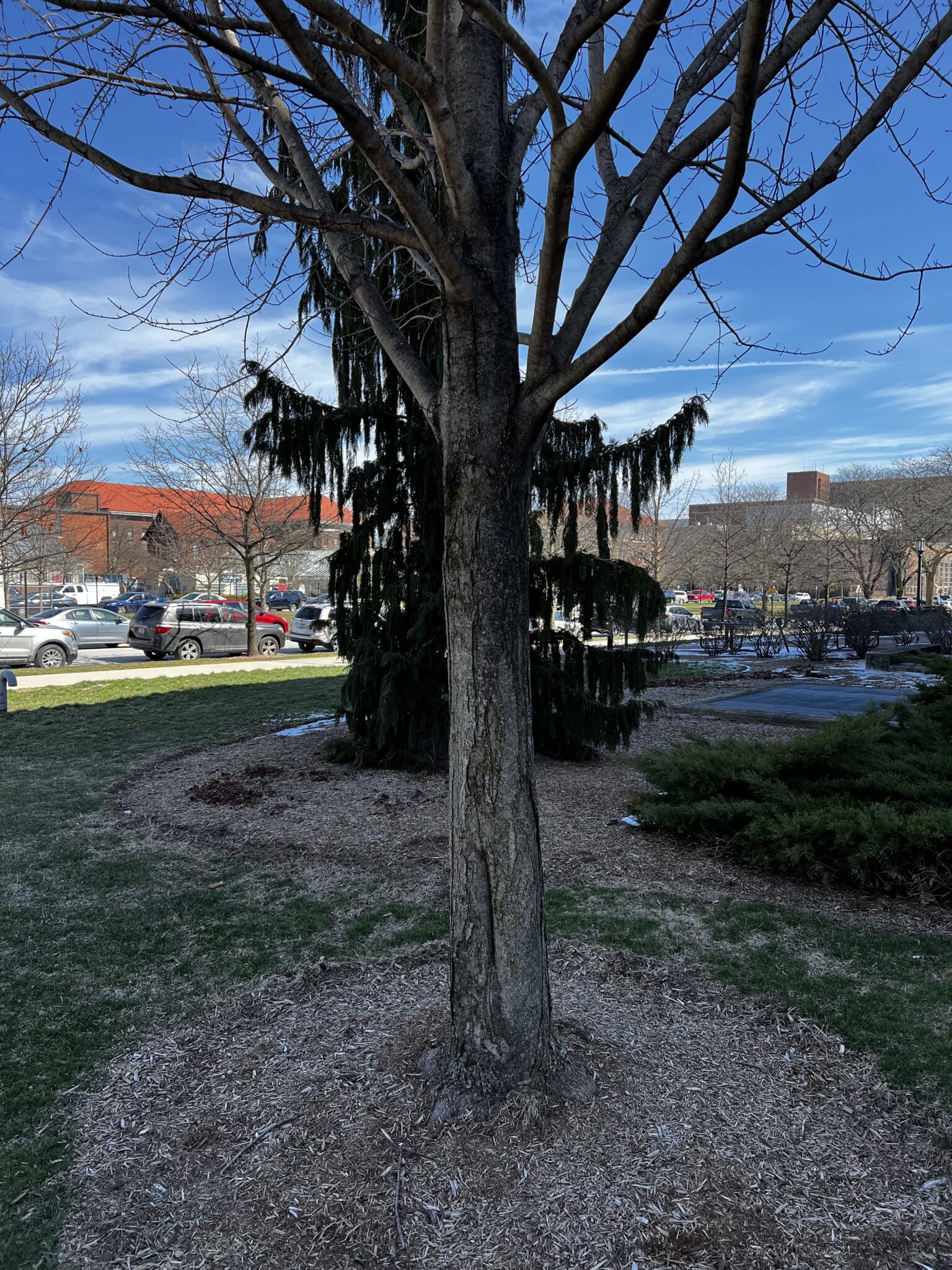
Figure 4 – Callus tissue growth closing over southwest damage.
Resources:
The Purdue Landscape Report
Find an Arborist video, Trees are Good, International Society of Arboriculture (ISA)
Equipment Damage to Trees, Got Nature? Blog
Tree wounds and healing, Got Nature? Blog
Tree Defect Identification, The Education Store, Purdue Extension resource center
Tree Pruning Essentials, Publication & Video, The Education Store
Shrubs and Woody Vines of Indiana and the Midwest, The Education Store
Tree Risk Management, The Education Store
Why Is My Tree Dying?, The Education Store
ID That Tree, Purdue Extension-Forestry & Natural Resources (FNR) YouTube playlist
Subscribe to Purdue Extension-FNR YouTube Channel
Ben McCallister, Urban Forestry Specialist
Purdue Forestry and Natural Resources

Recent Posts
- IN-PREPared: Essential Resources for Indiana’s Severe Weather Season
Posted: March 11, 2026 in How To, Safety - DNR Hiring for Indiana Conservation Officer Positions, MyDNR
Posted: March 9, 2026 in Urban Forestry, Wildlife, Woodlands - ID That Tree: Shumard Oak
Posted: in Plants, Urban Forestry, Wildlife, Woodlands - A Woodland Management Moment: Windbreak Around Walnut Plantings
Posted: March 3, 2026 in Forestry, Urban Forestry, Woodland Management Moment - Getting Certified as an Indiana Certified Prescribed Burn Manager
Posted: March 2, 2026 in How To, Urban Forestry, Woodlands - Uniting Indiana Residents Against Invasive Species
Posted: February 27, 2026 in Community Development, Invasive Insects, Wildlife - Have You Seen a Soaring Eagle Lately? Morning Ag Clips
Posted: February 25, 2026 in Urban Forestry, Wildlife - Register for Natural Resources Teacher Institute’s Class of 2026
Posted: February 19, 2026 in Forestry, Wildlife, Woodlands - ID That Tree: Fragrant Sumac
Posted: February 4, 2026 in Plants, Urban Forestry, Wildlife - Tree Silvics and Succession Webinar: A Biological Basis for Management
Posted: January 30, 2026 in Forests and Street Trees, Urban Forestry, Woodlands
Archives
Categories
- Alert
- Aquaculture/Fish
- Aquatic/Aquaculture Resources
- Ask the Expert
- Christmas Trees
- Community Development
- Disease
- Drought
- Forestry
- Forests and Street Trees
- Gardening
- Got Nature for Kids
- Great Lakes
- How To
- Invasive Animal Species
- Invasive Insects
- Invasive Plant Species
- Land Use
- Natural Resource Planning
- Nature of Teaching
- Plants
- Podcasts
- Ponds
- Publication
- Safety
- Spiders
- Timber Marketing
- Uncategorized
- Urban Forestry
- Webinar
- Wildlife
- Wood Products/Manufacturing
- Woodland Management Moment
- Woodlands