 Purdue University - Extension - Forestry and Natural Resources
Got Nature? Blog
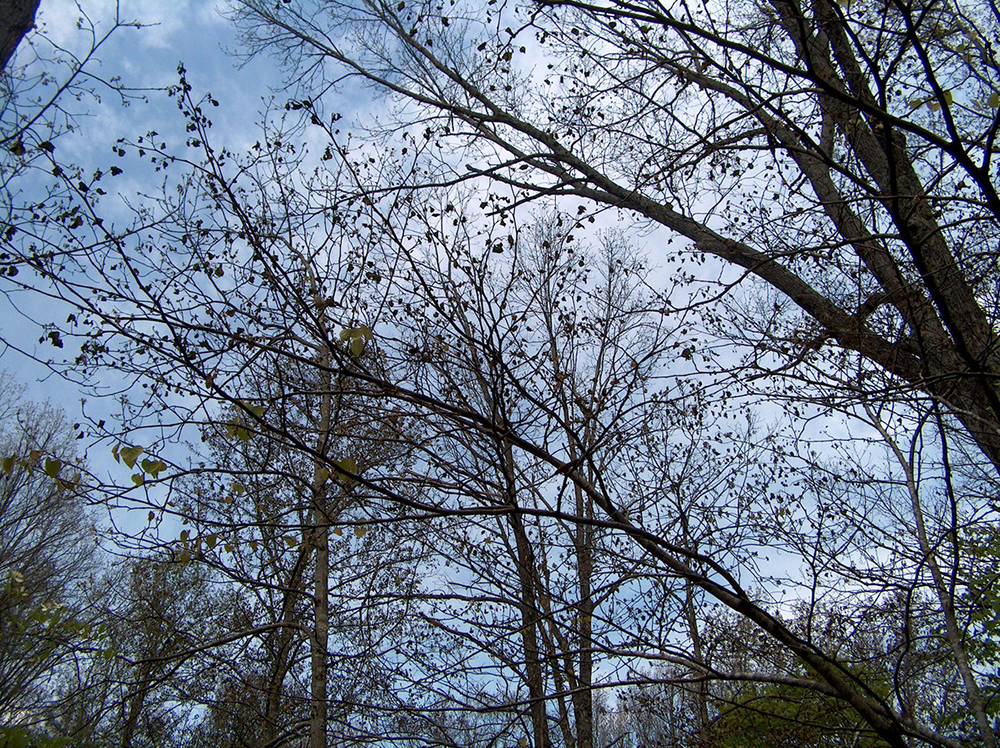 In particular, newly fall-planted trees, shrubs, and perennials should be monitored and watered late into the season, since they haven’t had time to develop extensive root systems.
Pay attention to evergreens plants. Evergreens do not go dormant in the winter and are still actively respiring and lose water through their needles. Deciduous trees respire at lower rates in winter.
Since soil insulates and cools down later in the year than the air temperature, roots stay warmer longer and respire at higher rates than the above-ground parts, the trunk, and branches, of deciduous trees after their leaves drop.
Only water when the temperature is above 40°F. In some places, that could be as late as the end of December. That last good watering is an important one.
Stop supplemental watering after the ground freezes because at this point the trees cannot absorb water through the frozen soil.
Other Helpful Resources:
Winterize Your Trees, The Education Store, Purdue Extension’s resource center
Why are the Gingko Leaves Not Falling, Purdue Extension-Forestry and Natural Resources Got Nature? Blog
ID That Tree Winter Edition: Alternate Leaf Arrangement – Black Walnut/Eastern Cottonwood, FNR Got Nature? Blog
ID That Tree Winter Edition: Opposite Leaf Arrangement – Ohio Buckeye/Red Maple, Purdue Extension-FNR YouTube Channel
ID That Tree Winter Edition: Alternate Leaf Arrangement – Honey Locust/Burr Oak, Purdue Extension-FNR YouTube Channel
How do Trees Use Water?, Purdue Landscape Report
Planting Your Tree Part 1: Choosing Your Tree, Purdue extension-FNR YouTube Channel
Tree Installation: Process and Practices, The Education Store
Lindsey Purcell, Chapter Executive Director
Indiana Arborist Association
On this edition of ID That Tree, meet a species of native Indiana oak from the broad red/black oak family, which is found in bottomlands and areas with imperfectly drained soil, the Pin Oak. This species is recognizable by round acorns with flat scales, bristle-tipped leaves with deep 90-degree angled lobes, and lower branches that angle downward.
If you have any questions regarding wildlife, trees, forest management, wood products, natural resource planning or other natural resource topics, feel free to contact us by using our Ask an Expert web page.
Resources:
ID That Tree, Playlist, Purdue Extension – Forestry and Natural Resources YouTube Channel
A Woodland Management Moment, Playlist, Purdue Extension – FNR YouTube Channel
Shrubs and Woody Vines of Indiana and the Midwest, The Education Store, Purdue Extension Resource Center
Native Trees of the Midwest, The Education Store
Investing in Indiana Woodlands, The Education Store
Forest Improvement Handbook, The Education Store
Pin Oak, Native Trees of Indiana River Walk, Purdue Fort Wayne
Lenny Farlee, Sustaining Hardwood Extension Specialist
Purdue University Department of Forestry and Natural Resources
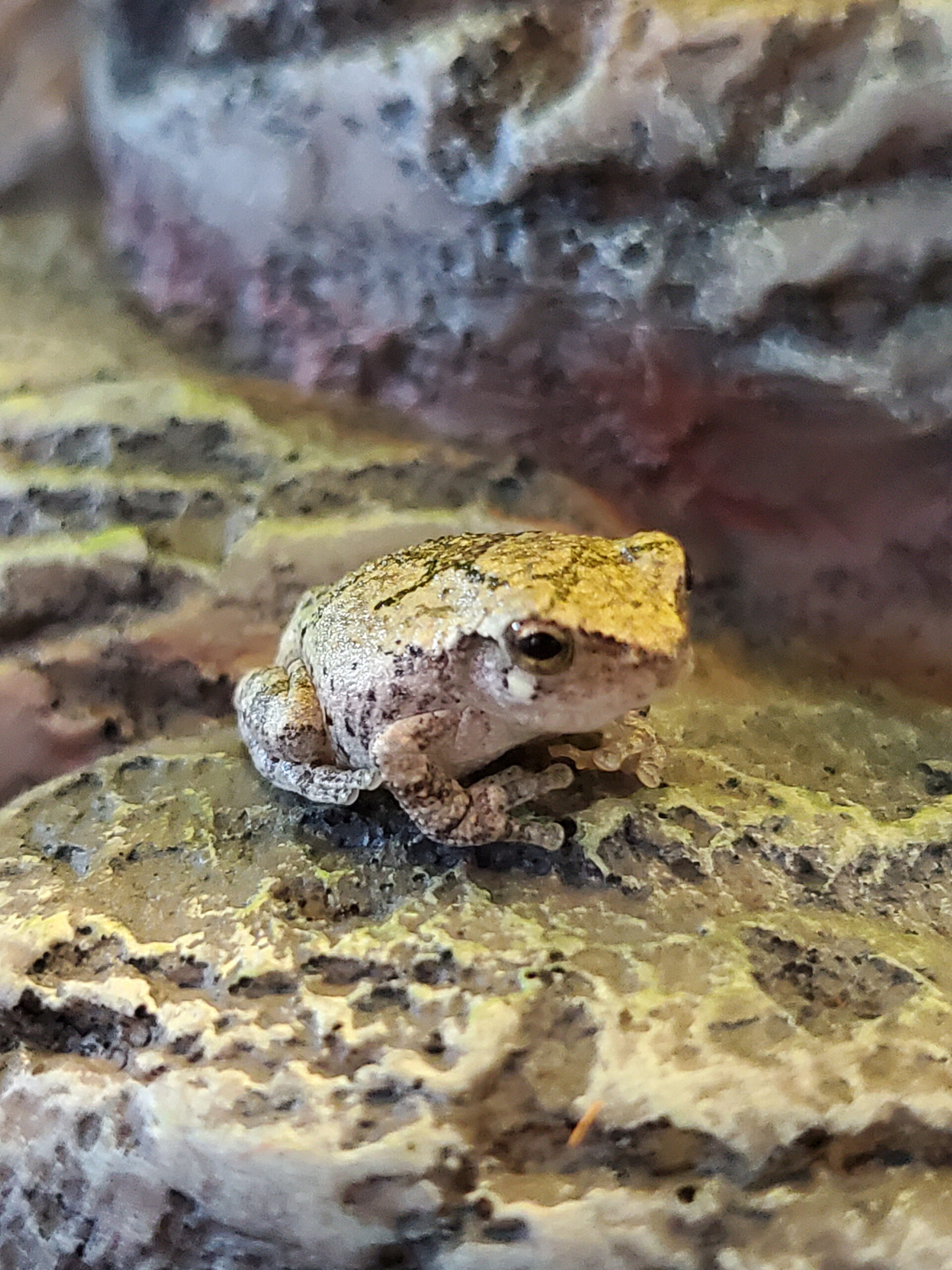
Juvenile gray tree frog on rock. Photo by Harve Crabtree.
Question: About two months ago I found a tree frog in my parents backyard and was curious about the species of the frog. From what I can tell it appears to be a Gray Tree Frog however it is quite small. I’m not sure if it just happens to be a juvenile frog or if it is by chance a different species that I am mislabeling. Can you help with the identification of this small frog? It is about 3/4 in in length roughly the size of a dime. Coloration of the frog is Green/Gray depending on lighting and seemingly what the frog happens to be sitting on.
Answer: It is a juvenile Gray Treefrog. They can be as small as a fingernail or so.
Indiana is home to two species of Gray Treefrog–Cope’s Gray Treefrog (Hyla chrysoscelis) and Gray Treefrog, also referred to as Eastern Gray Treefrog in some references (Hyla versicolor). They are morphologically indistinguishable. The advertisement call of these Treefrogs is the only reliable characteristic for distinguishing the two species in the field. Both species have short, flute-like trills. The Cope’s Gray Treefrog’s call is louder, shriller, and faster and lasts approximately 2–3 seconds. The Gray Treefrog has a slower, more melodious trill lasting up to 4 seconds.
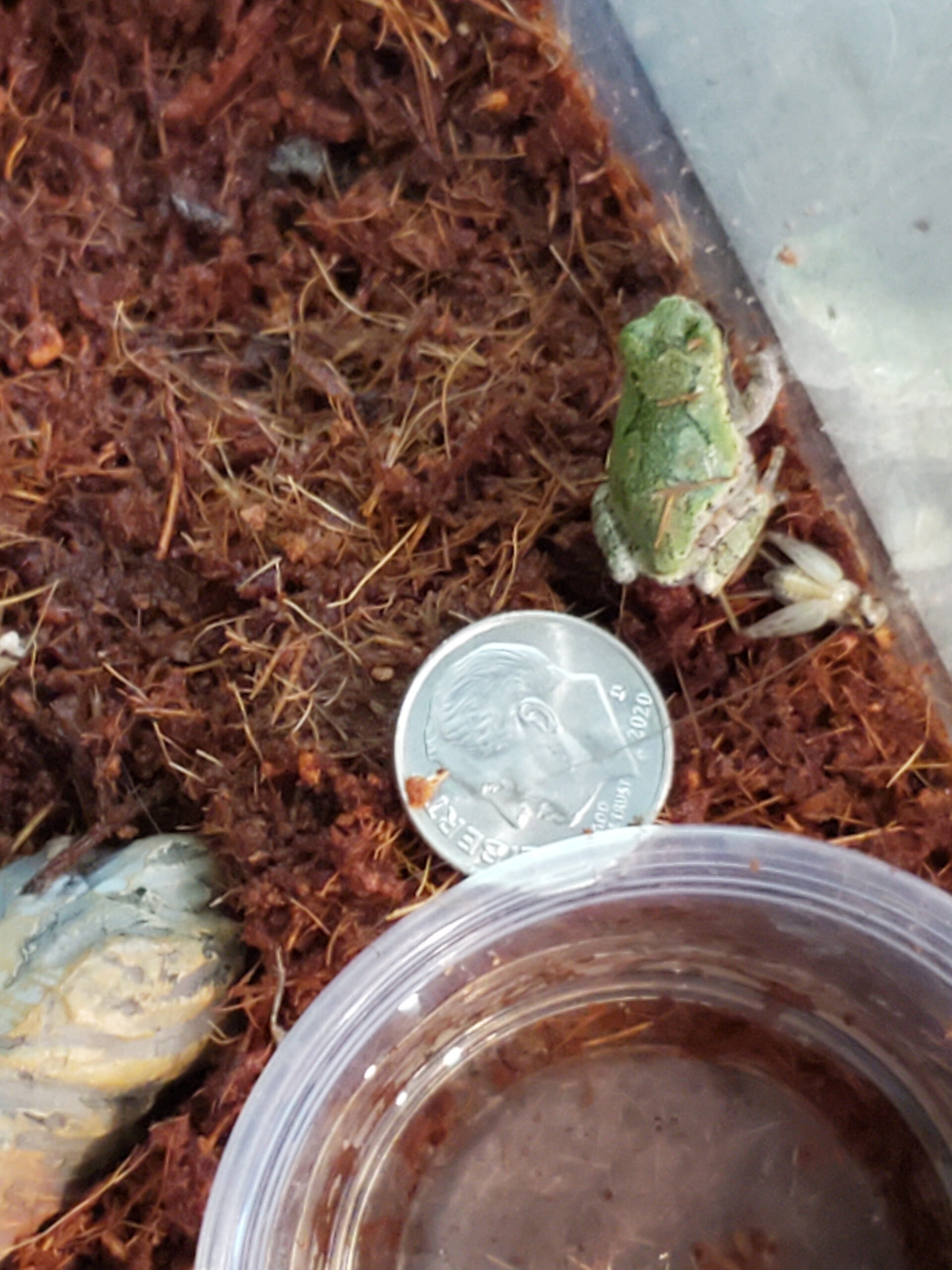
Juvenile gray tree frog by dime showing its size. Photo by: Harve Crabtree.
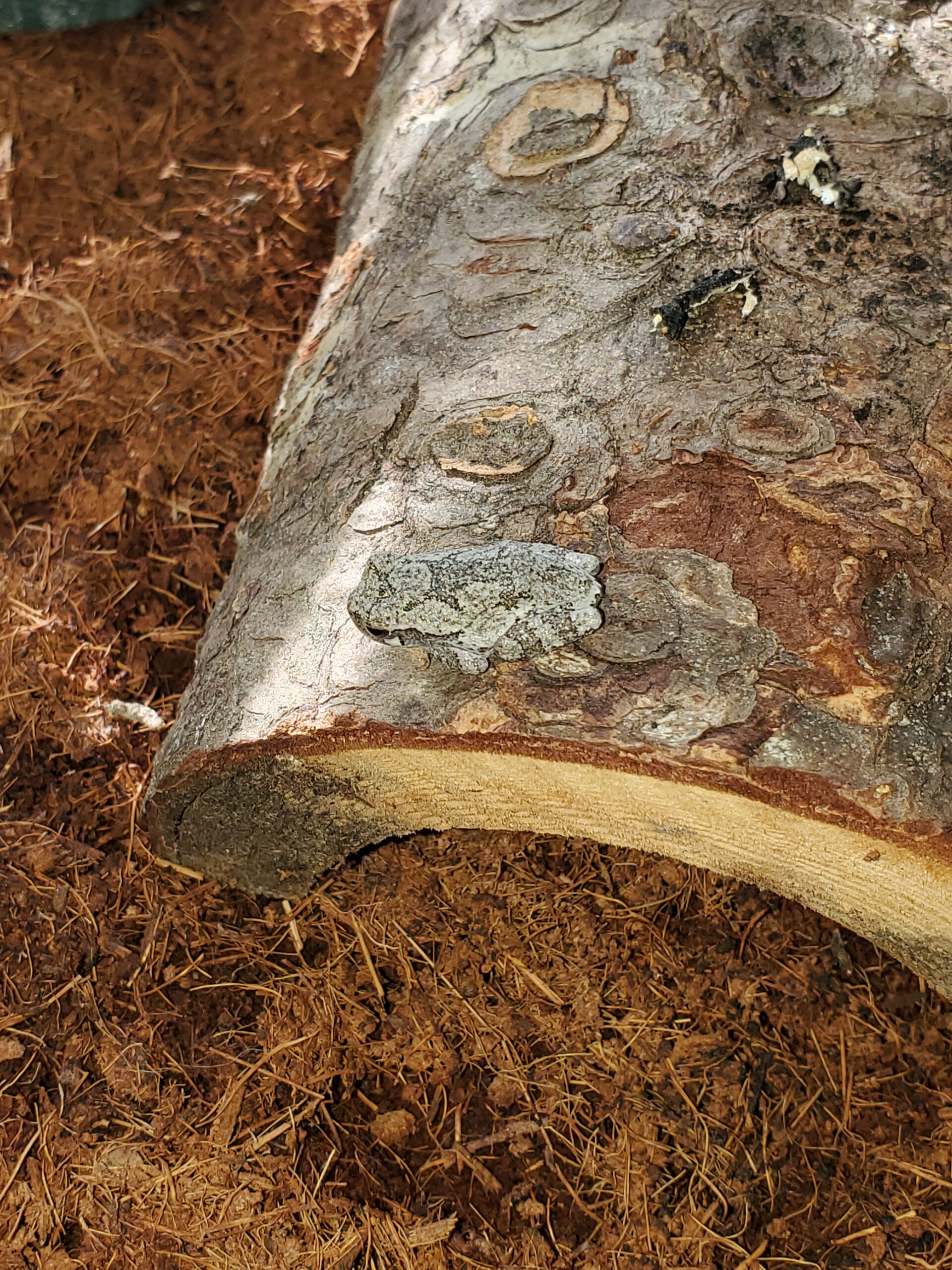
Juvenile gray tree frog on log. Photo by Harve Crabtree.
Gray treefrogs can change their color in response to temperature or to blend into their surroundings. Gray Treefrogs are common inhabitants of both upland and lowland deciduous hardwood forests as well as more developed areas. Gray Treefrogs are closely bound to their breeding ponds and do not typically travel far. They hibernate in or under logs, leaf litter, tree cavities, and rotting stumps.
Resources:
Sounds & Photos of Frogs and Toads in Indiana (shows Eastern Gray frog and Cope’s Gray frog), Purdue Extension-Forestry and Natural Resources web page
Frogs and Toads of Indiana, Purdue Extension-Forestry and Natural Resources publication
Orphaned & Injured Animals – Indiana Department of Natural Resources
Creating a Wildlife Habitat management Plan for Landowners, The Education Store, Purdue Extension resource center
Mythbusters, Got Nature? Blog, Purdue Extension – Forestry and Natural Resources
Appreciating Reptiles and Amphibians in Nature, The Education Store
Forestry Management for Reptiles and Amphibians: A Technical Guide for the Midwest, The Education Store
The Nature of Teaching, Unit 3: Reptiles, Amphibians, and the Scientific Method, The Education Store
Frogs and Toads of Indiana, The Education Store
Snakes and Lizards of Indiana, The Education Store
Ask the Expert: Turtles and Snakes video, Got Nature? post
Subscribe: Purdue Extension – Forestry and Natural Resources YouTube Channel, with over 195 videos regarding wildlife, forestry and natural resources
Brian MacGowan, Wildlife Extension Specialist
Purdue University, Department of Forestry and Natural Resources
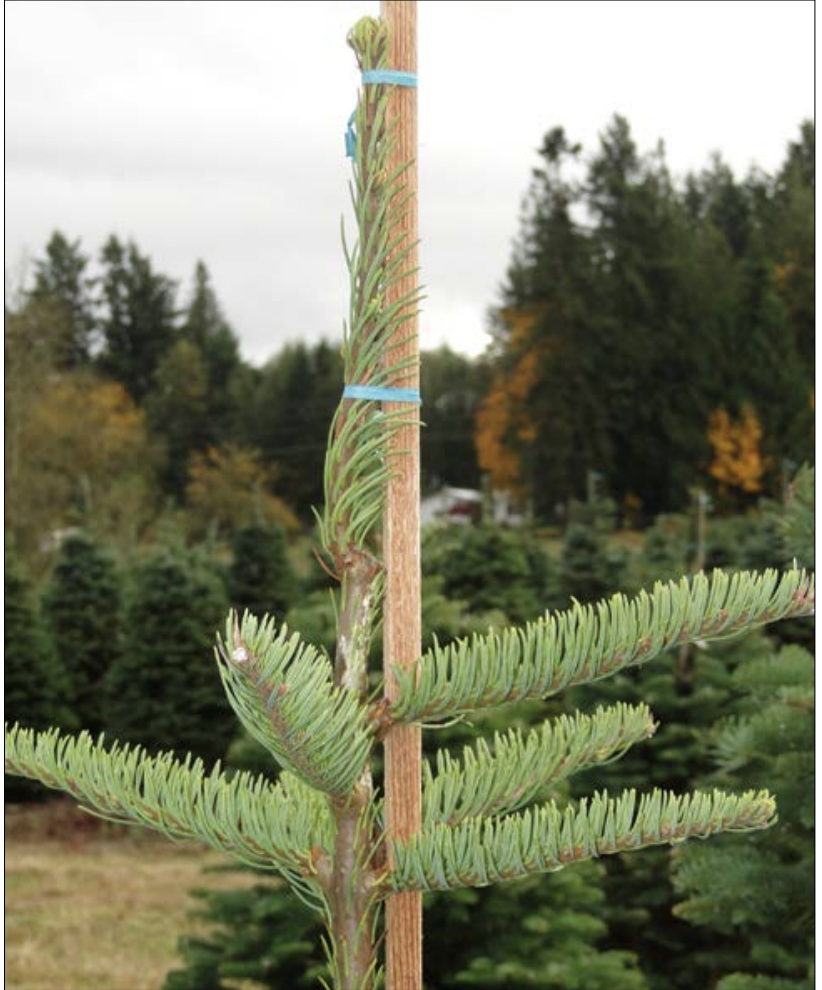 Question: The tip of my jack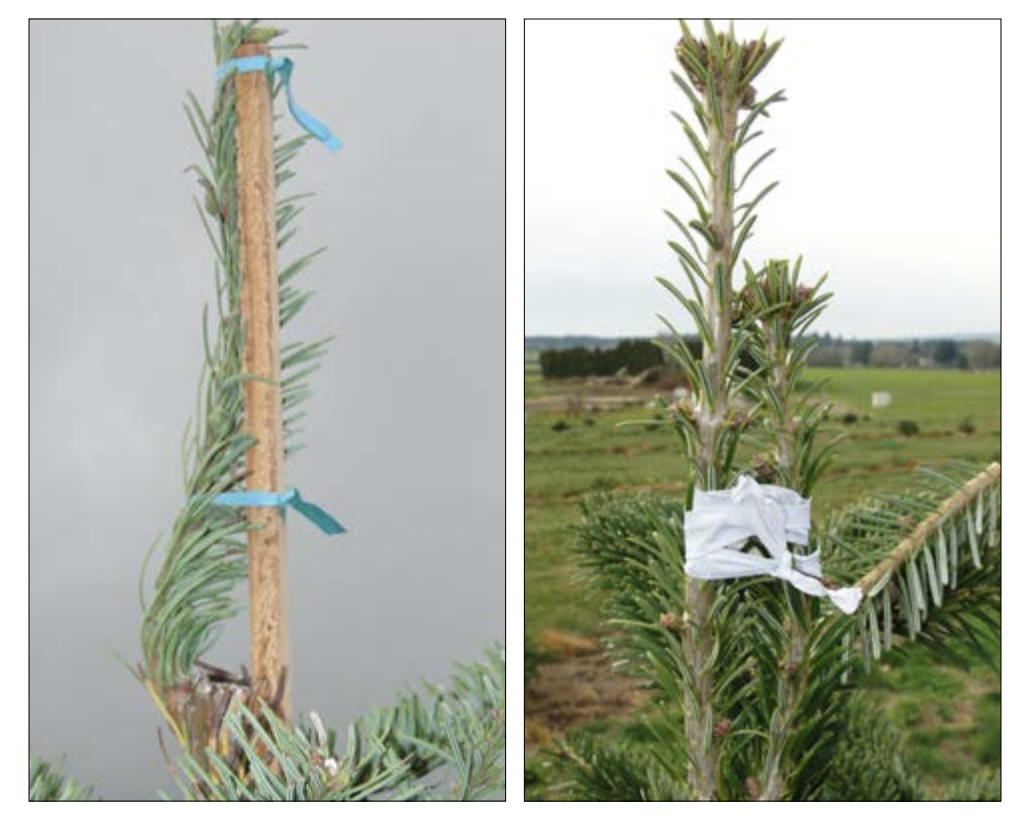
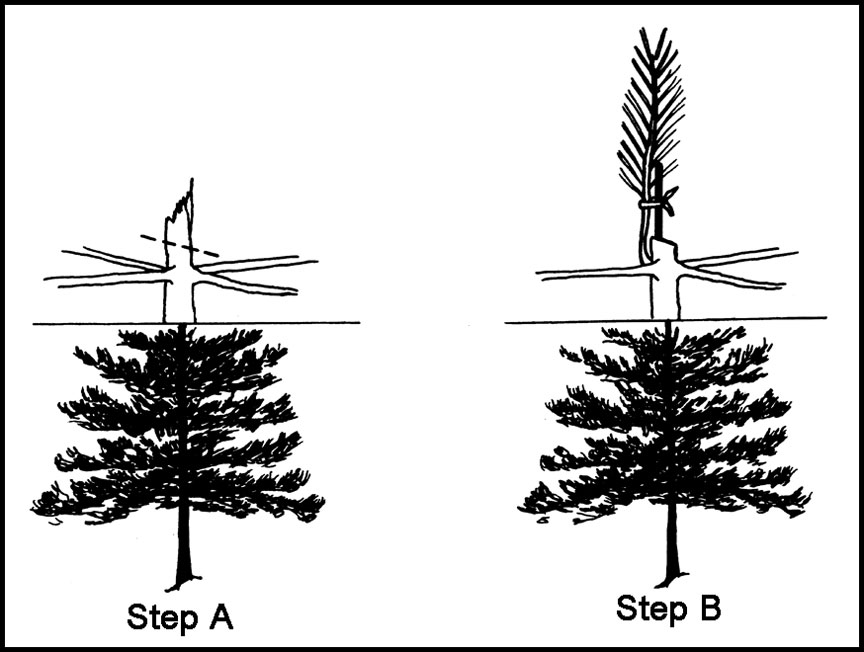 pine, probably 5 years old, had been broken but not severed from the tree. It was hanging, still half attached. Is there some way to repair the tree tip so it can perhaps heal?
Answer: Coniferous trees such as pines and spruce are well known for their pyramidal shape. The reason for this unique growing form is the specialized growing point called the terminal bud. This is in the very top growth of the tree. Unfortunately, they often lose their central tips due to animal damage or storms. If a new central leader isn’t established a new shape takes form. Usually this is more shrub-like on younger trees or larger trees become shorter and more rounded in shape.
Should damage occur careful selection and remediation can provide a new leader and help restore the excurrent growth pattern. Details can be found in the pruning publication for mitigation options, Pruning Ornamental Trees and Shrubs, HO-4-W.
Other Helpful Resources:
Borers of Pines and Other Needle Bearing Evergreens in Landscapes, Purdue Extension – Entomology
Yellowing Pines and Needle Drop, Purdue Plant and Pest Diagnostic Laboratory
Phomopsis Dieback of Spruce, Purdue Landscape Report
Tree Installation: Process and Practices, The Education Store, Purdue Extension resource center
Planting Forest Trees and Shrubs in Indiana, The Education Store, Purdue Extension resource center
Subscribe: Purdue Extension – Forestry and Natural Resources YouTube Channel, with over 195 videos regarding wildlife, forestry and natural resources
Lindsey Purcell, Urban Forestry Specialist
Purdue University Department of Forestry and Natural Resources
In this episode of ID That Tree, Purdue Extension forester Lenny Farlee introduces a native Indiana species found in dry sites in Northern and Southern Indiana, the scarlet oak. Identify this member of the red oak family by its terminal buds with hairs and a red coloration, leaves with deep C-shaped sinuses, dark smooth bark and acorns with caps that cover half the acorn.
If you have any questions regarding wildlife, trees, forest management, wood products, natural resource planning or other natural resource topics, feel free to contact us by using our Ask an Expert web page.
Resources:
ID That Tree, Playlist, Purdue Extension – Forestry and Natural Resources YouTube Channel
A Woodland Management Moment, Playlist, Purdue Extension – FNR YouTube Channel
Shrubs and Woody Vines of Indiana and the Midwest, The Education Store, Purdue Extension Resource Center
Native Trees of the Midwest, The Education Store
Scarlet Oak, Native Trees of Indiana Riverwalk Purdue Fort Wayne
Investing in Indiana Woodlands, The Education Store
Forest Improvement Handbook, The Education Store
Lenny Farlee, Sustaining Hardwood Extension Specialist
Purdue University Department of Forestry and Natural Resources
Question: Often ginkgo trees will drop all of their leaves on a single day after a cold night. I thought that was going to be Monday at Purdue (left: leaves falling). But no, we’re at Wednesday now (right) and this one changed its mind. Anyone know how common that is?
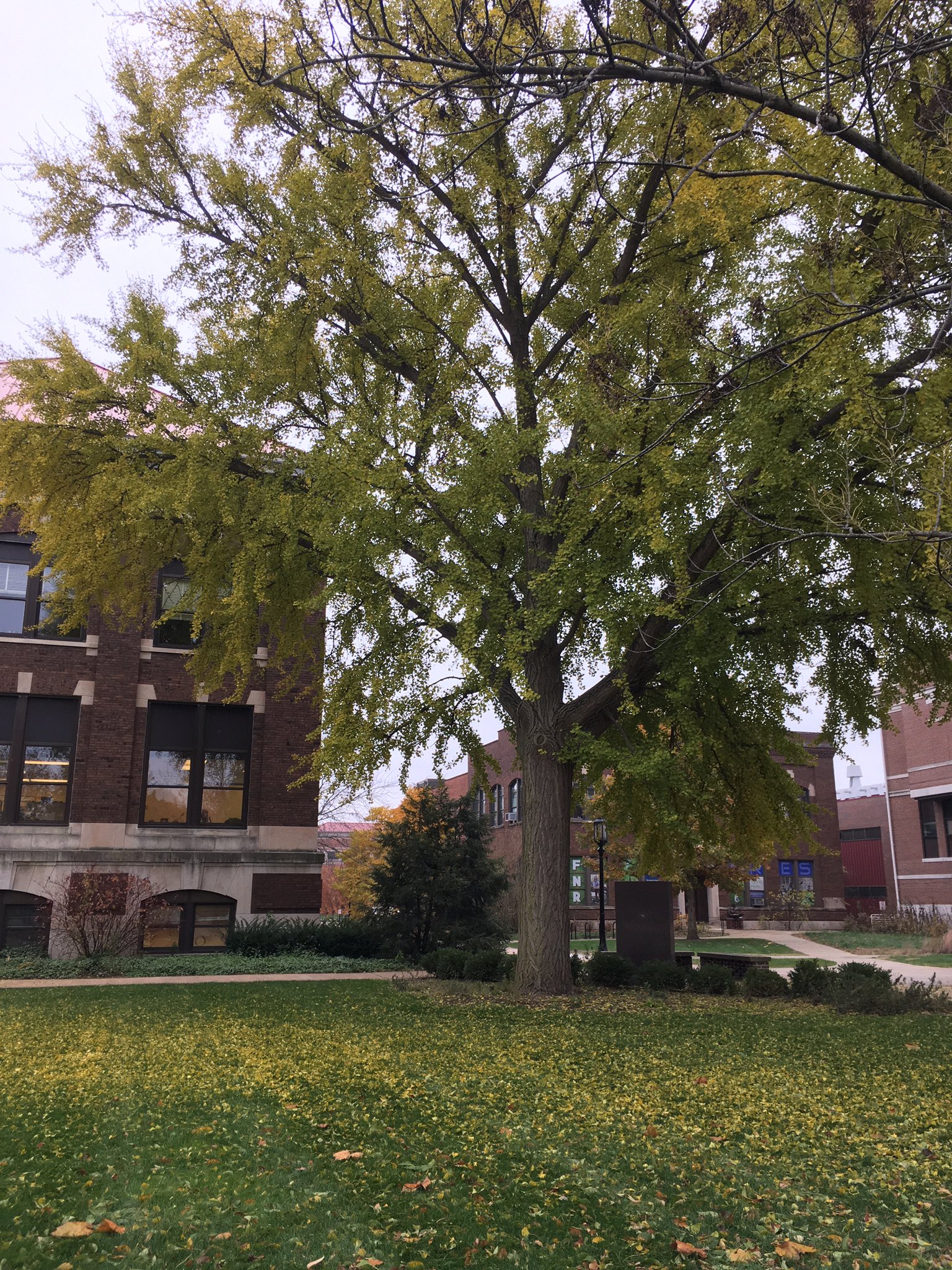
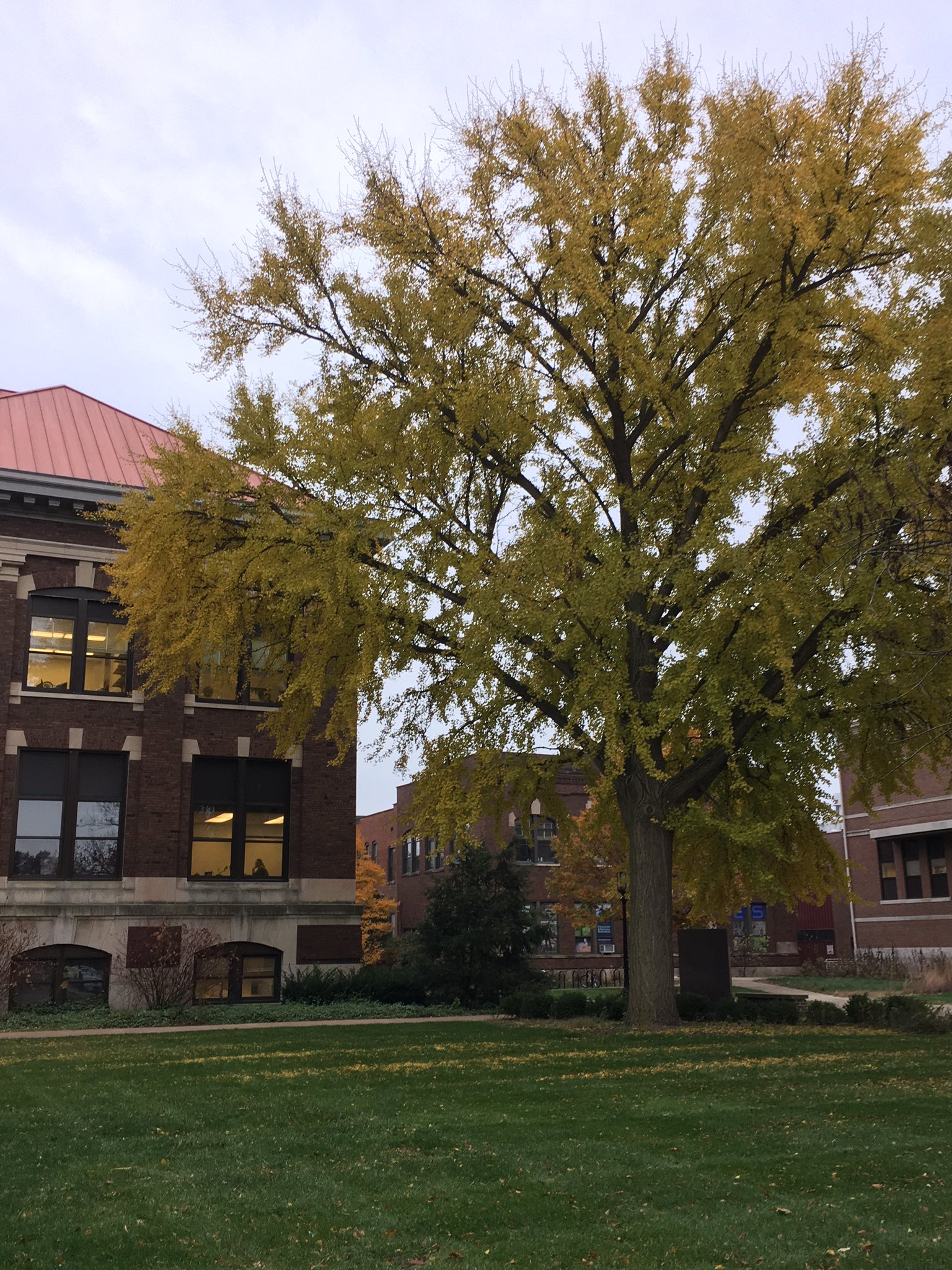
Answer: It was a very peculiar fall. The overall leaf drop was one to two weeks later than normal at least. An October with weather more like September has likely had some impact on this. Individual trees will vary some on their leaf drop timing, probably due to their geographic origin (for planted trees) and individual genetic variation. The severity and timing of frost/freeze also influences strongly. As you can see, lots of variables!
Leaf drop is not solely dependent on temperatures. There is a process of dormancy the tree follows to properly acclimate in preparation for winter. One of these is leaf drop, but it must go through the process of developing an abscission layer between the petiole base and branch. Most likely, the tree didn’t drop leaves yet because this separation layer of chemicals hasn’t fully responded yet. We often see frozen leaves on a tree and later they fall, but this is the result of sudden extreme cold ahead of proper dormancy routines.
Resources:
Fall Color Pigments, Purdue Extension YouTube Channel
Why Leaves Change Color – The Physiological Basis,
Oak Wilt in Indiana, Purdue Landscape Report
Dog Days of Summer Barking Early This Year, Purdue Landscape Report
Tulip Poplar Summer Leaf Drop, Purdue Landscape Report
Be on the Lookout for Defoliated Viburnums and Viburnum Leaf Beetle, Purdue Landscape Report
Will my Trees Recover After Losing Their Leaves?, Purdue Landscape Report
What Do Trees Do in the Winter?, Purdue Landscape Report
Why Fall Color is Sometimes a Dud, Purdue Landscape Report
Alternatives to Burning Bush For Fall Color, Purdue Landscape Report
Start Preparing Trees for Winter and Next Year, Purdue Landscape Report
ID That Tree Winter Edition: Opposite Leaf Arrangement – Ohio buckeye, Red Maple, Purdue Extension YouTube Channel
ID That Tree Winter Edition: Alternate Leaf Arrangement – Black Walnut, Eastern Cottonwood, Purdue Extension YouTube Channel
ID That Tree Winter Edition: Alternate Leaf Arrangement – Honey Locust, Burr Oak, Purdue Extension YouTube Channel
Lenny Farlee, Sustaining Hardwood Extension Specialist
Purdue University Department of Forestry and Natural Resources
Lindsey Purcell, Urban Forestry Specialist
Purdue University Department of Forestry and Natural Resources
Meet overcup oak, a species found on swampy ground and soils in southwestern Indiana. It is identifiable by its deeply sinused alternately arranged leaves as well as its acorns, which have a cap which encases nearly the entire acorn and typically don’t let go easily.
If you have any questions regarding wildlife, trees, forest management, wood products, natural resource planning or other natural resource topics, feel free to contact us by using our Ask an Expert web page.
Resources:
ID That Tree, Playlist, Purdue Extension – Forestry and Natural Resources YouTube Channel
A Woodland Management Moment, Playlist, Purdue Extension – FNR YouTube Channel
Shrubs and Woody Vines of Indiana and the Midwest, The Education Store, Purdue Extension Resource Center
Native Trees of the Midwest, The Education Store
Overcup Oak, Native Trees of Indiana Riverwalk Purdue Fort Wayne
Investing in Indiana Woodlands, The Education Store
Forest Improvement Handbook, The Education Store
Lenny Farlee, Sustaining Hardwood Extension Specialist
Purdue University Department of Forestry and Natural Resources
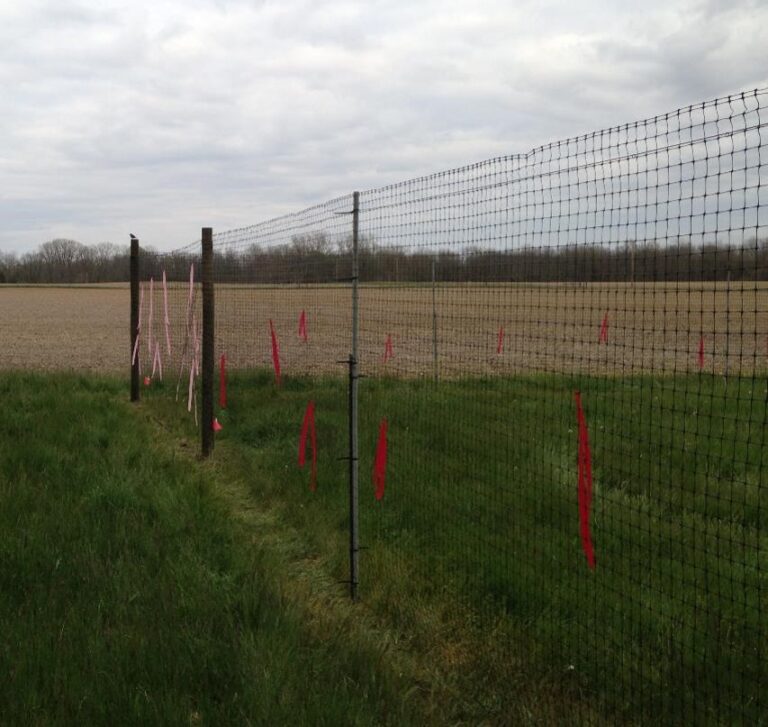 Hardwood Tree Improvement & Regeneration Center (HTIRC) Newsletter: USDA conservation programs provide technical and financial incentives for landowners to install and maintain conservation practices, including tree plantations. They are an important tool to help encourage landowners to make an investment in long-term activities like planting hardwood trees. Research across the eastern US, including work done by the HTIRC, demonstrates that deer browse can be one of the most significant barriers to establishment of a successful tree plantings. Deer may increase mortality, but more often they are preventing planted or naturally regenerating trees from growing in height due to repeated browsing. This damage can also deform trees, resulting in poor stem form and lower potential log quality. Plantations where deer selectively browse desirable species may lose important species like oaks due to overtopping by less favored, and therefore less browsed, species that become free to grow. Reducing the damage done by deer browse is an important, and in many locations the most critical step in successful tree planting establishment in many areas across the eastern US.
One of the primary purposes for these conservation tree plantings is developing forest wildlife habitat, but to successfully establish that habitat may require excluding deer for a few years, until the trees are tall enough to continue growing past the deer browse damage. Fortunately, many state Natural Resource Conservation Service offices are recognizing the impact that deer browse is having on establishing successful conservation tree plantings. To address this barrier to successfully establishing tree plantings and natural regeneration, new scenarios are being added to the Tree and Shrub Establishment practice:
-
- The “Planted Area with Protection” scenario provides cost assistance for tree and shrub planting and placement of a temporary perimeter fence to exclude deer until trees have grown above the height of deer browsing.
- The “Regeneration Area with Protection” scenario provides cost assistance for placement of a temporary fence to protect natural regeneration of tree and shrub species.
- Increased cost assistance payments may be available to help offset some of the additional cost a deer exclusion fence adds to a planting project. States may have differing cost assistance rates and practice requirements. These and other additions to the NRCS tree planting practices provide landowners and natural resource managers effective tools to establish tree plantings that can produce high quality hardwood trees in the future. Check with your local foresters and NRCS offices to see if this practice is available in your area and details on payment rates and requirements. If the practice is not available, work with your local resource management contacts to request addition of this practice for your area in the future.
The HTIRC has supported this fencing practice through research and demonstration plantings that have showcased the benefits deer exclusion fencing can provide for timely establishment and timber quality development in hardwood plantings.
Resources:
Woodland Stewardship For Landowners, Playlist, Purdue Extension – Forestry and Natural Resources YouTube Channel
Woodland Management Moment, Purdue Extension – FNR Playlist
A Woodland Management Moment – Deer Fencing, Purdue Extension – FNR Video
Wildlife Habitat Hint: Exclusion Cage, Purdue Extension – FNR Video
How to Build a Plastic Mesh Deer Exclusion Fence, The Education Store, Purdue Extension resource center
Ask An Expert: Handling Harvested Deer, Purdue Extension – FNR YouTube Channel
Forest Improvement Handbook, The Education Store
Finding help from a professional forester, Indiana Forestry & Woodland Owners Association
Lenny Farlee, Sustaining Hardwood Extension Specialist
Hardwood Tree Improvement & Regeneration Center (HTIRC)
Purdue University Department of Forestry and Natural Resources
In this edition of ID That Tree, Purdue Extension forester Lenny Farlee introduces you to a native Indiana tree that provided a substitute for coffee in its past. Meet the Kentucky coffee tree, which is known by its large pods, doubly-compound leaves and beautifully textured bark. Learn more inside.
If you have any questions regarding wildlife, trees, forest management, wood products, natural resource planning or other natural resource topics, feel free to contact us by using our Ask an Expert web page.
Resources:
ID That Tree, Playlist, Purdue Extension – Forestry and Natural Resources YouTube Channel
A Woodland Management Moment, Playlist, Purdue Extension – FNR YouTube Channel
Shrubs and Woody Vines of Indiana and the Midwest, The Education Store, Purdue Extension Resource Center
Native Trees of the Midwest, The Education Store
Investing in Indiana Woodlands, The Education Store
Forest Improvement Handbook, The Education Store
River Birch-Native Trees of Indiana River Walk, Purdue University Fort Wayne
Lenny Farlee, Sustaining Hardwood Extension Specialist
Purdue University Department of Forestry and Natural Resources
In this edition of ID That Tree, meet River Birch. As its name implies, it is often found near waterways and in moist soil areas across the state of Indiana. It can be multi-stemmed, often in landscaping, or single stemmed, often in woodlands and bottomlands. Simple triangular-shaped leaves with doubly-serrated margins and flaking/peeling bark are key identifiers. In younger trees, the bark peels more and can range from chalky white to reddish brown. Bark on older trees is darker gray/brown and peeling is less prominent.
If you have any questions regarding wildlife, trees, forest management, wood products, natural resource planning or other natural resource topics, feel free to contact us by using our Ask an Expert web page.
Resources:
ID That Tree, Playlist, Purdue Extension – Forestry and Natural Resources YouTube Channel
A Woodland Management Moment, Playlist, Purdue Extension – FNR YouTube Channel
Shrubs and Woody Vines of Indiana and the Midwest, The Education Store, Purdue Extension Resource Center
Native Trees of the Midwest, The Education Store
Investing in Indiana Woodlands, The Education Store
Forest Improvement Handbook, The Education Store
River Birch-Native Trees of Indiana River Walk, Purdue University Fort Wayne
Lenny Farlee, Sustaining Hardwood Extension Specialist
Purdue University Department of Forestry and Natural Resources

Recent Posts
- Beetle that attacks Tree-of-Heaven found in Indiana, Purdue Landscape Report
Posted: March 20, 2026 in Invasive Insects, Wildlife, Woodlands - ID That Tree: Dwarf Chinkapin Oak
Posted: in Forestry, Urban Forestry, Wildlife, Woodlands - IN-PREPared: Essential Resources for Indiana’s Severe Weather Season
Posted: March 11, 2026 in How To, Safety - DNR Hiring for Indiana Conservation Officer Positions, MyDNR
Posted: March 9, 2026 in Urban Forestry, Wildlife, Woodlands - ID That Tree: Shumard Oak
Posted: in Plants, Urban Forestry, Wildlife, Woodlands - A Woodland Management Moment: Windbreak Around Walnut Plantings
Posted: March 3, 2026 in Forestry, Urban Forestry, Woodland Management Moment - Getting Certified as an Indiana Certified Prescribed Burn Manager
Posted: March 2, 2026 in How To, Urban Forestry, Woodlands - Uniting Indiana Residents Against Invasive Species
Posted: February 27, 2026 in Community Development, Invasive Insects, Wildlife - Have You Seen a Soaring Eagle Lately? Morning Ag Clips
Posted: February 25, 2026 in Urban Forestry, Wildlife - Register for Natural Resources Teacher Institute’s Class of 2026
Posted: February 19, 2026 in Forestry, Wildlife, Woodlands
Archives
Categories
- Alert
- Aquaculture/Fish
- Aquatic/Aquaculture Resources
- Ask the Expert
- Christmas Trees
- Community Development
- Disease
- Drought
- Forestry
- Forests and Street Trees
- Gardening
- Got Nature for Kids
- Great Lakes
- How To
- Invasive Animal Species
- Invasive Insects
- Invasive Plant Species
- Land Use
- Natural Resource Planning
- Nature of Teaching
- Plants
- Podcasts
- Ponds
- Publication
- Safety
- Spiders
- Timber Marketing
- Uncategorized
- Urban Forestry
- Webinar
- Wildlife
- Wood Products/Manufacturing
- Woodland Management Moment
- Woodlands