 Purdue University - Extension - Forestry and Natural Resources
Got Nature? Blog
On May 5th, we held a Facebook LIVE: Ask an Expert with several FNR specialists and one of the questions that came in is a question I receive often.
One of the many benefits of interacting with farmers and land managers is I learn about the problems you face. A question came in around the 17:30 minute mark of how to deal with vole damage problems in their 3- to 5-acre pumpkin patch. I didn’t have an answer regarding registered pesticides (including taste repellents and toxicants) that are labeled for voles in pumpkins. Doing a broad search on the internet is helpful but it is hard to figure out what you can use in your state. Pesticides are often labeled for use in one state but not others. Luckily, anyone can search for registered pesticides online at on the National Pesticide Information Retrieval System. Most states, including Indiana, are included. You can search by EPA registration number, product name, company name, or active ingredient. A particular search can still yield many choices but this is a helpful way of finding out what is available. Each product has a link to the EPA website that includes product labels.
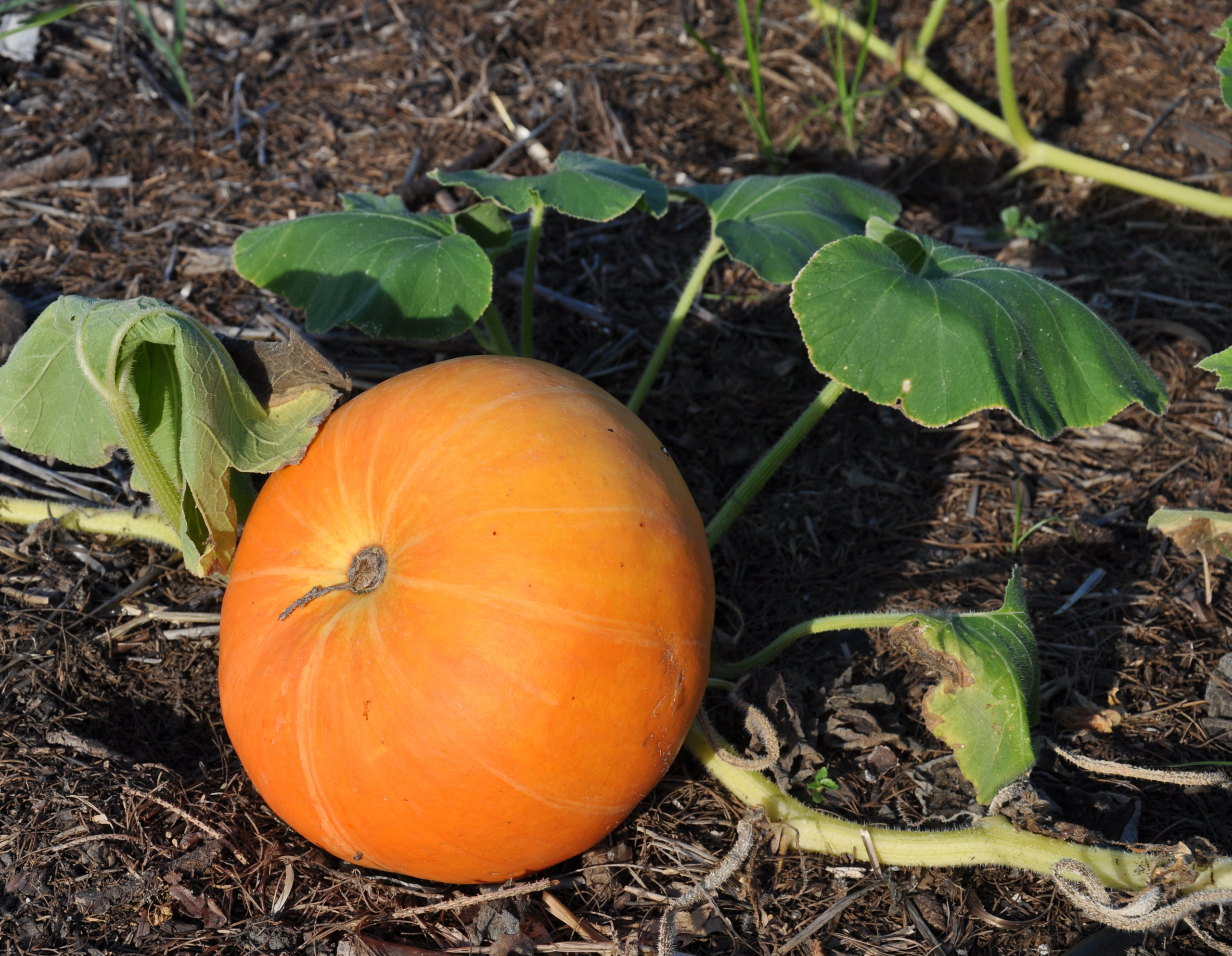
Since our program last week, I did some checking and found a product registered in Indiana labeled for voles in pumpkins as well as many other crops. Millers Hot Sauce is a taste repellent with an active ingredient of capsaicin (2.5% by weight), which is an irritant to animals, but one some people enjoy in hot peppers. Per label instructions adding an antitranspirant film former or a sticker may prolong the effectiveness of the product. Mix the product and additives with water according to label instructions. For heavy damage, start treatment after first true leaves appear and continue treatment every 7 days. If applying to transplants, start application one week after transplanting and continue every 7 days.
Always read the label completely before applying any pesticide. The efficacy of any repellent depends on a number of factors including animal population size and density, available food, and availability of cover. With voles, the year can be key because their populations tend to cycle. Combining other methods with repellents can often increase success. For example, soil cultivation within plant rows and in adjacent habitat can help reduce the habitat quality for voles. Cultivation can also directly kill some voles. There are of course tradeoffs and every situation is unique. Soil cultivation would not be an option in some cases (e.g., adjacent to water, steep slopes). I was unable to find a toxicant registered for voles in pumpkins. But depending on what the land cover is adjacent to the pumpkin patches, some of these may be appropriate in those areas.
With face-to-face Extension programs on hold for the foreseeable future, look for more live Q&A sessions and other programs on Facebook (PurdueFNR) or Twitter (@PurdueFNR).
Resources
National Pesticide Information Retrieval System
Midwest Fruit Pest Management Guide, The Education Store, Purdue Extension resource center
Hops Production in Indiana: Integrated Pest Management Guide for Hops in Indiana, The Education Store
Turfgrass Insects: Managing Black Cutworms in Turfgrass, The Education Store
Applied Research in Field Crop Pathology for Indiana – 2019, The Education Store
Managing Alfalfa Autotoxicity, The Education Store
Brian MacGowan, Wildlife Extensions Specialist
Purdue Forestry and Natural Resources
With large amounts of white-tailed deer populating the area around forest land, getting your hardwood seedlings established can be difficult.
Purdue Extension forester Lenny Farlee, sustainable hardwood extension specialist, offers some tips on how to protect newly planted seedlings from browsing deer using plastic mesh fencing to exclude the animals from the area. He also mentions tree tubes and electrified fencing as potential options. Learn more in the video below.
If you have any questions regarding trees, forests, wildlife, wood products or other natural resource topics, feel free to contact us by using our Ask an Expert web page.
Resources
USDA Cost Assistance Programs for Conservation Practices
How to Build a Plastic Mesh Deer Exclusion Fence, The Education Store, Purdue Extension Resource Center
Electric Fences for Preventing Deer Browse Damage by White-Tailed Deer, The Education Store
Managing Your Woods for White-Tailed Deer, The Education Store
How to Score Your White-Tailed Deer, Video, Purdue Extension Youtube Channel
Lenny Farlee, Sustaining Hardwood Extension Specialist
Purdue University Department of Forestry and Natural Resources
 Mark your calendar for four upcoming Facebook LIVE events from Purdue FNR Extension specialists.
On April 30, tune in at 3 p.m. to expand your knowledge about the Hellbender husbandry program as Dr. Rod Williams chats live with Dr. Stephen Spear from The Wilds, who is going to talk about captive rearing, different age groups of hellbenders and some of their research using EDNA to sample for hellbenders across the country. This Facebook LIVE event will take place on the Help the Hellbender page. https://www.facebook.com/HelpTheHellbender
Check back in a few hours later at 6 p.m. for a live Q&A with extension wildlife specialist Jarred Brooke. He will offering habitat help and offering tips and tricks about establishing native grasses and forbs for wildlife. Tune in on the Purdue FNR Facebook page. https://www.facebook.com/PurdueFNR/
On May 5, a host of Purdue extension specialists will be available to answer your questions on a variety of topics during a noon ET Ask the Expert session on the Purdue FNR Facebook page . Have a question about woodlands, wildlife, fish, or ponds you want to ask a Forestry and Natural Resource Specialist? We will be discussing wildlife habitat management, prescribed fire, forest management, invasive plants, wildlife conflict management, wildlife damage, amphibian and reptile identification, wildlife ecology, pond management and fish ecology. This Q&A session will put you in touch with:
- Jarred Brooke, Extension Wildlife Specialist, wildlife habitat management, prescribed fire
- Lenny Farlee, Extension Forestry Specialist, forest management, invasive plants
- Brian MacGowan, Extension Wildlife Specialist, wildlife conflict management, wildlife damage
- Rod Williams, Extension Wildlife Specialist, amphibian and reptile identification, wildlife ecology
- Mitch Zischke, Extension Fisheries Specialist, pond management and fish ecology
On May 7 at 3 p.m., in Episode 3 of our Help the Hellbenders Facebook LIVE series, Dr. Rod Williams will talk with the keepers at the Mesker Park Zoo and Botanical Gardens about their efforts to breed hellbenders in captivity. Viewers will also have a tour of the facility and see interactive exhibits.
All Facebook LIVE sessions will be archived on Facebook. Go back and watch Episode 1 of the Help the Hellbender series.
To access a Facebook live feed, go to the page at the established time. When the event is live, a LIVE icon will show up next to the word video on the left hand side of the page. Click the video link and a new page will open. The video that is live will be the first video in the list. Click that to begin watching.
Resources:
Report Invasive, Purdue Extension
Effective Firebreaks for Safe Use of Prescribed Fire, Got Nature? Blog, Purdue University Forestry and Natural Resources Extension
Renovating native warm-season grass stands for wildlife: A Land Manager’s Guide, The Education Store, Purdue Extension resource center
Invasive plants: impact on environment and people, The Education Store
Pond and Wildlife Management, Purdue Extension
Forest Improvement Handbook, The Education Store, Purdue Extension resource center
Wendy Mayer, FNR Communications Coordinator
Purdue University Department of Forestry and Natural Resources
While our FNR Purdue Extension specialists can’t be with you in person at workshops, meetings or in the field right now, they are still here to assist you. Don’t hesitate to reach out.
Purdue Extension – Forestry and Natural Resources, purdue.edu/fnr/extension
Ask An Expert
Wendy Mayer, Communications Coordinator
Purdue University Department of Forestry and Natural Resources
Diana Evans, Extension & Web Communications Specialist
Purdue University Department of Forestry and Natural Resources
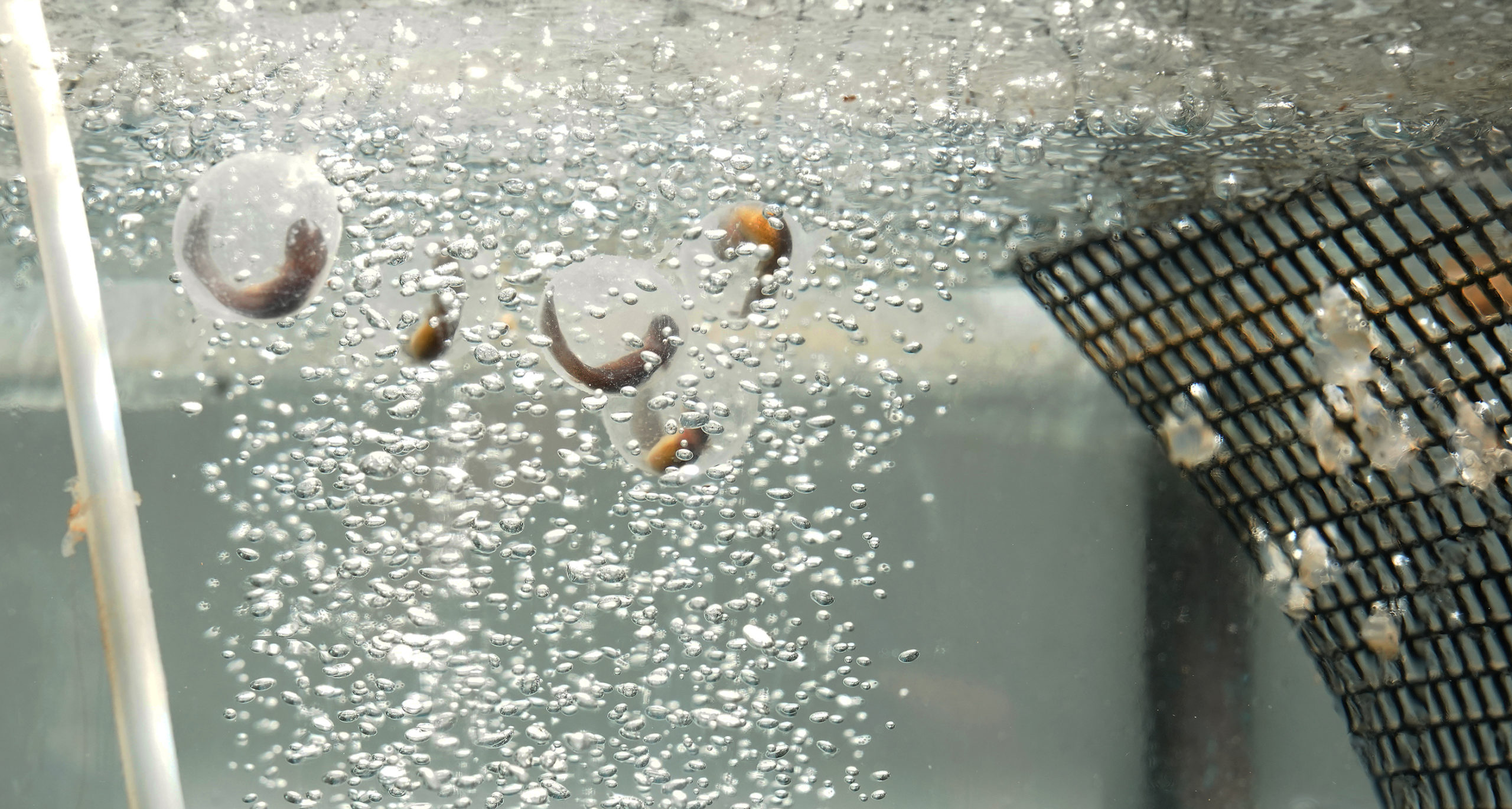 Have you heard of a Hellbender? No? Have you been living under a rock?
Eastern hellbenders are the largest salamander in North America, a rare species that has been getting a lot of conservation attention over the past two decades. If you would like to learn about Hellbenders, how you can help protect aquatic wildlife, and have the opportunity to ask Purdue biologists questions about Hellbender conservation, then please join us on our Help the Hellbender-Facebook Live question and answer time, www.facebook.com/HelpTheHellbender/.
Thursday, April 23rd
3:00 pm ET
We hope to see you there and please bring your questions!
Resources:
Help the Hellbender website, Purdue Extension-Forestry and Natural Resources
Hellbender Decline, The Education Store, Purdue Extension resource center
Zoos Work with Purdue University for Hellbender Conservation Efforts, Got Nature? Blog, FNR
The Nature of Teaching: Adaptations for Aquatic Amphibians, The Education Store
Nick Burgmeier, Project Coordinator, Research Biologist & Wildlife Extension Specialist
Purdue Department of Forestry and Natural Resources
Shelby Royal, Husbandry Lab Coordinator
Purdue Department of Forestry and Natural Resources
Rod N Williams, Professor of Wildlife Science
Purdue University Department of Forestry and Natural Resources
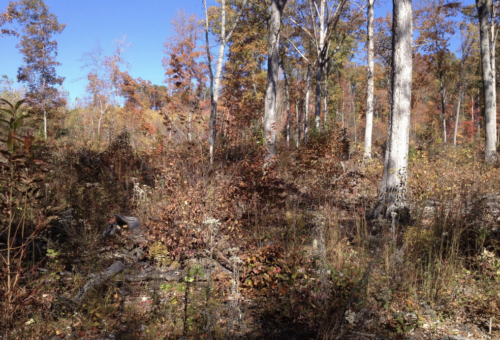
Many woodland landowners are interested in improving their properties for one of Indiana’s most abundant game animals, white-tailed deer. This publication titled Managing Your Woods for White-Tailed Deer outlines different options landowners have to enhance white-tailed deer habitat in their woodlands. Learn the pros and cons of mature forests vs. young forest stands along with finding answers to these and other questions you may have:
- Can mature forests cause less forage?
- What does lacking oak trees mean for managing deer?
- Which plants do deer eat?
This 16-page publication filled with plants and forest photos is a free download from the Purdue Extension resource center, The Education Store. View other deer publications and video resources as you place keywords in the search field located on The Education Store website.
Resources
Renovating native warm-season grass stands for wildlife: A Land Manager’s Guide, The Education Store, Purdue University
Bovine Tuberculosis in Wild White-tailed Deer, The Education Store
How to Score Your White-tailed Deer, Video, The Education Store
How to Build a Plastic Mesh Deer Exclusion Fence, The Education Store
Frost Seeding to Establish Wildlife Food Plots and Native Grass and Forb Plantings, Video
Jarred Brooke, Extension Wildlife Specialist
Purdue Department of Forestry and Natural Resources
Six pieces of data to collect from deer you harvest this year
Deer season is upon us in Indiana! If you are a serious hunter and deer manager, here are some things you should consider collecting from deer you harvest. This data provides valuable insights to the deer herd condition, and when combined with hunter observation data and habitat data, like browse transects, you can get a clear picture of the deer herd and habitat quality on your property. However, one year of harvest data is unlikely to be much of value, but collecting data over multiple years can help you track trends in the herd and habitat quality.
What to collect
When you harvest a deer on your property you should consider collecting the following pieces of biological information:
- Sex
- Age
- Weight
- Lactation status
- Antler measurements
- Rumen contents
*Each deer you harvest should be assigned a unique ID number to be sure all the following data is assigned to the right deer.
Sex and Age
Collecting deer sex and age (based on tooth replacement and wear) can help you divide the rest of the data you collect into sex and age classes. Find out how to determine age by viewing Age Determination in White-Tailed Deer video. You do not 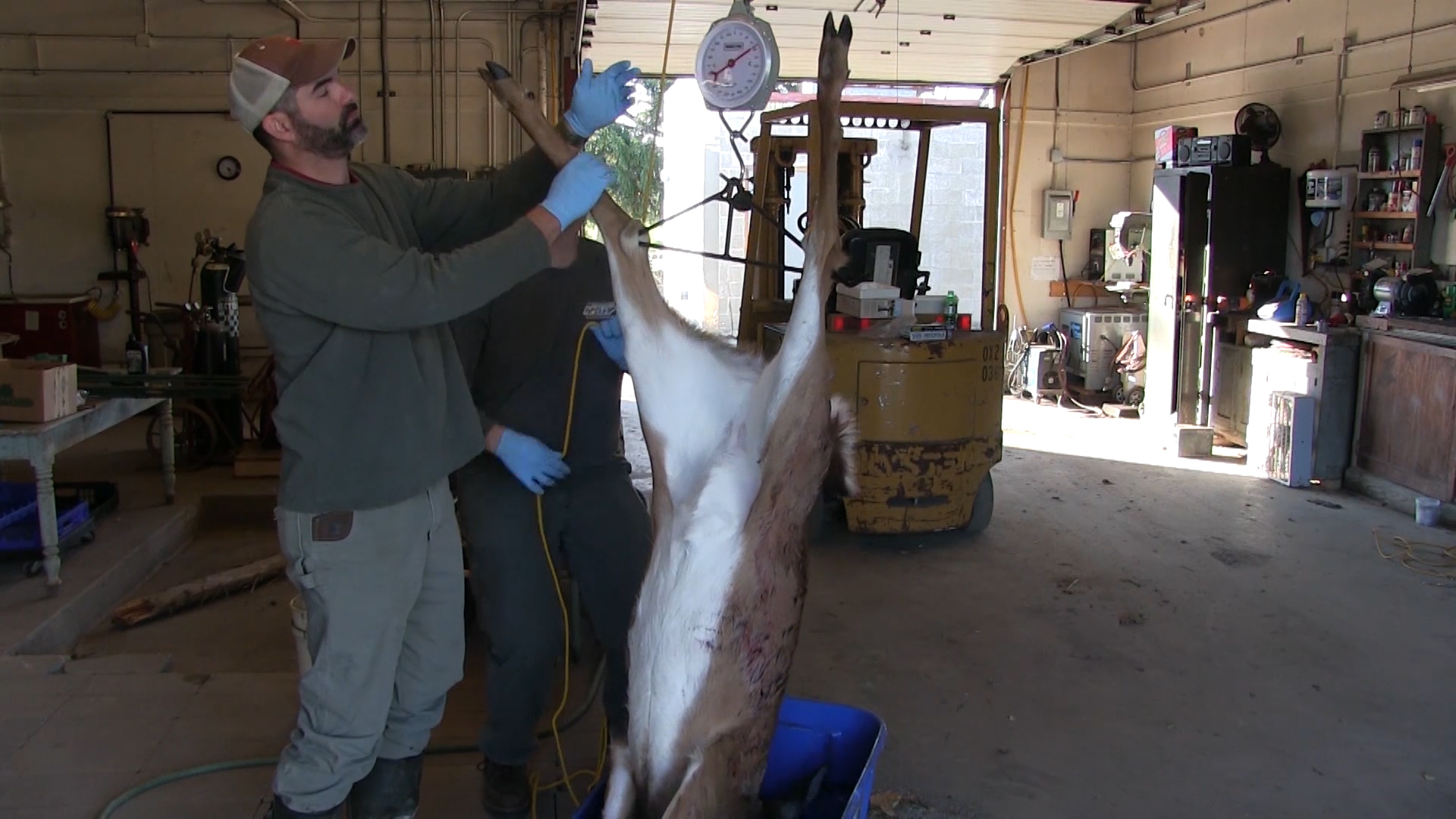 necessarily have to age a deer to the exact year, but you should separate ages into at least 3 age classes; fawns, yearlings, and >= 2.5 years old. This can be important for tracking changes to the average weight per age class or average antler measurements per age class over time.
Weight
You can collect either live weights or dressed weights, but you should pick one or the other and collect all weights consistently. Be sure to test your scales for accuracy before weighing deer. Tracking changes to the average weight per age class can provide 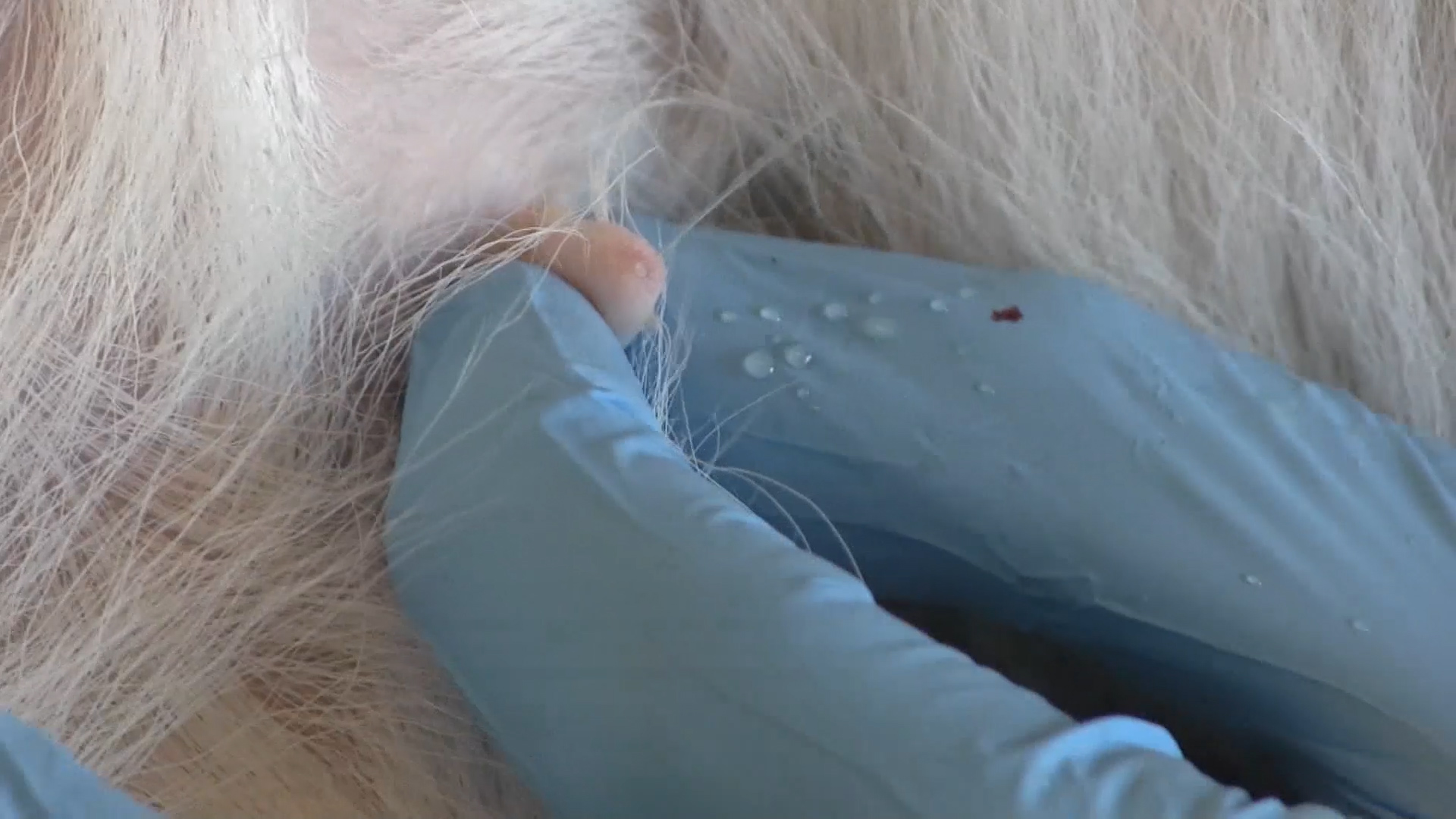 information about the nutritional status of the herd.
Lactation Status
Lactation status of does is often used as an index of fawn recruitment and can help determine if a doe had a fawn the summer preceding the hunting season. Lactation status for does harvested early in the season can be checked by squeezing the teats to produce milk you may need to cut into the mammary gland on does harvested later in the season to check lactation status.
Antler measurements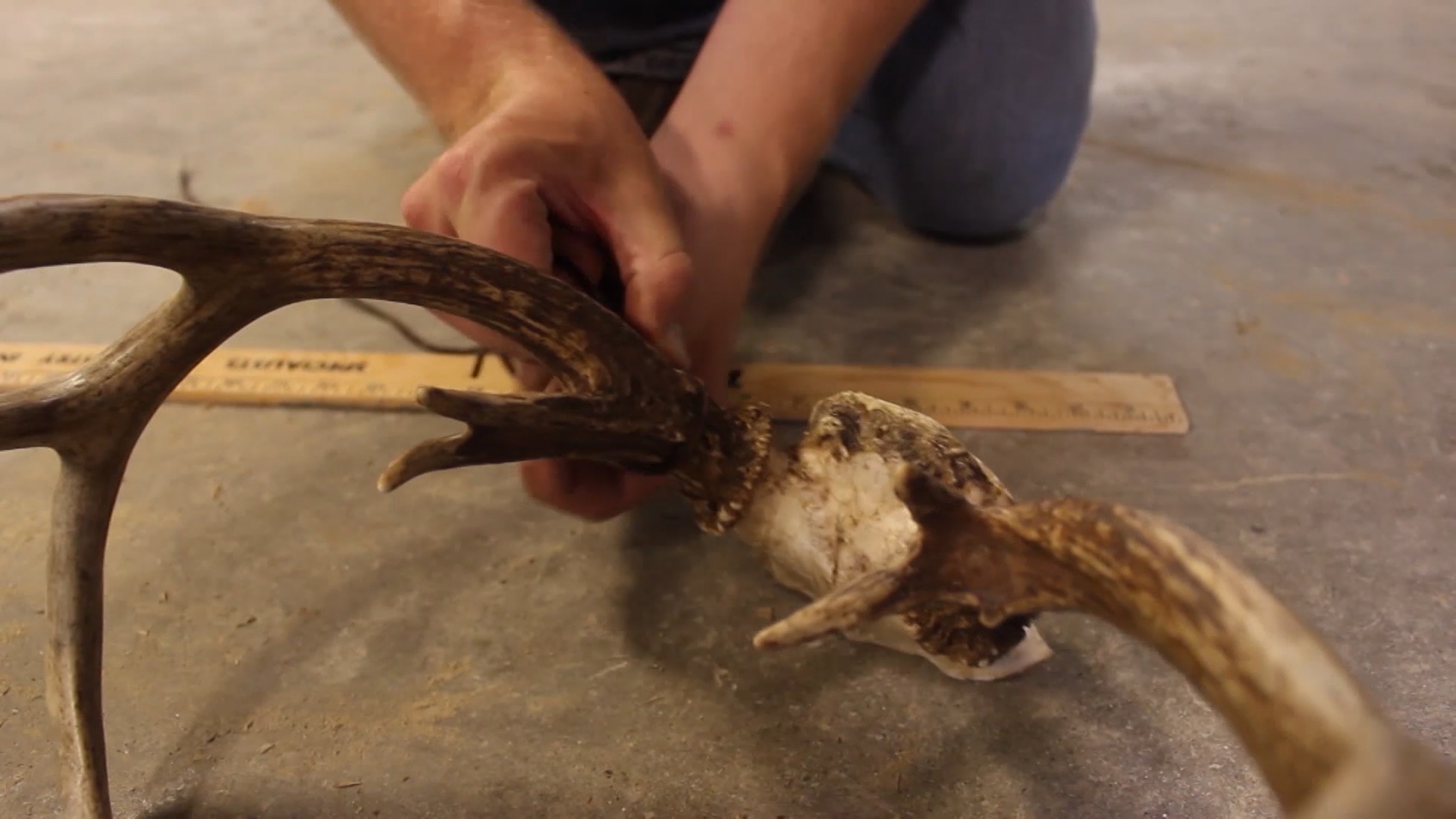
Antler measurements should be collected from bucks harvested on your property, including yearlings. Find out how to measure the antlers by viewing How to Score Your White-Tailed Deer video. At a minimum, you should collect the number of points on each antler and the basal circumference of the main beams. You may also consider collecting the inside spread of the antlers and the main beam lengths. Additionally, you can collect the gross Boone & Crockett Score.
Rumen contents
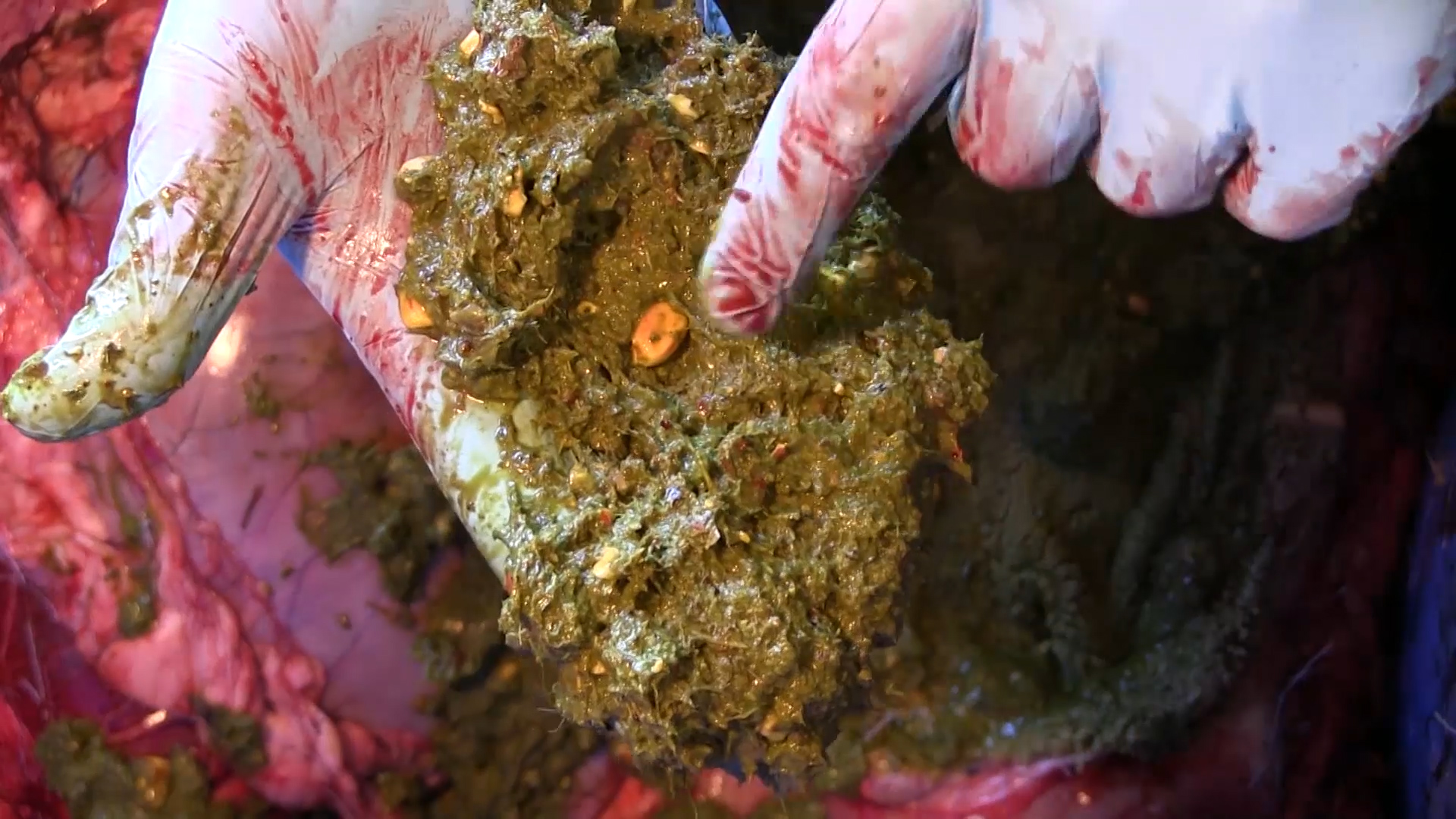 This piece of data can be helpful from a scouting and hunting aspect. Looking into the rumen of a deer can help you determine what deer may be eating during the portion of the year the deer was harvested. You may find green material (which can be hard to identify), corn, acorns, or whatever else deer may be consuming.
Things you need to collect harvest data
Here is a list of items you might need to collect data from harvested deer.
- Jawbone extractor
- Knife
- Loppers
- Scale
- Jawbone tag or permanent marker
- Flexible measuring tape
- White-tailed deer harvest datasheet (if you need any further information please contact fnrextension@purdue.edu)
Putting all of this data together can give you a picture into the condition of the deer herd on your property. Collecting this data only takes a small amount of time and effort and the information you gather is well worth it! For more information of how to collect biological data from harvested deer, check out this video from Purdue Extension.
Help the Indiana Department of Natural Resources (IDNR) collect biological data from harvested deer
Most of the data we discussed in this blog post and that is covered in the White-Tailed Deer Post Harvest Collection video, are data the Indiana DNR is collecting through an online post-harvest survey. This is a great opportunity for hunters to help the DNR collect data that will be used to manage the deer herd throughout the state. More information about the after the hunt survey can be found by visiting the Indiana DNR Deer After Hunt Survey page. If you are successful in harvesting a deer in Indiana this year, be sure to check your email for a link to the survey.
Additional Resources:
Age Determination in White-Tailed Deer video, Purdue Extension – FNR YouTube Playlist
How to Score Your White-Tailed Deer video, Purdue Extension – FNR YouTube Playlist
White-Tailed Deer Post Harvest Collection video, Purdue Extension – FNR YouTube Playlist
White-Tailed Deer Harvest Log (pdf), Purdue Extension-FNR
Indiana Deer Hunting, Biology and Management, Indiana Department of Natural Resources (IDNR)
Indiana Hunting and Trapping Guide, Indiana Department of Natural Resources (IDNR)
Managing White-Tailed Deer: Collecting Data from Harvested Deer, Alabama Cooperative Extension System
Jarred Brooke, Wildlife Extension Specialist
Department of Forestry & Natural Resource, Purdue University
Purdue Landscape Report: Just as sure as you try to predict the weather, it is likely to change. But going out on a limb, I predict that we will have a bit of a dud for fall color display this year. Not a very risky prediction, considering that many plants already are starting to turn color and/or drop leaves in some areas of the state.
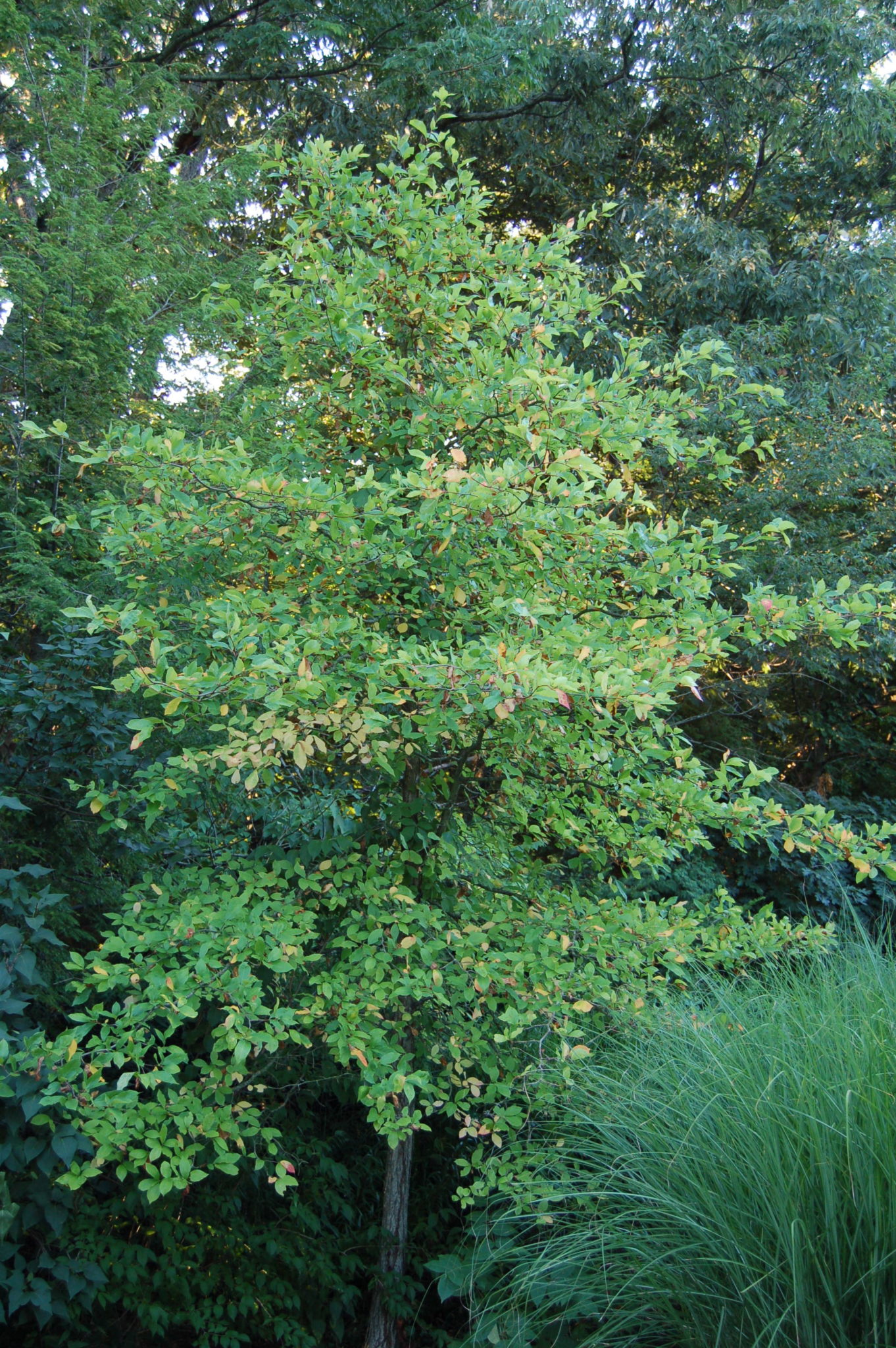
Nyssa sylvatica (black gum) showing early fall color due to drought stress. Source
So why would the colors be early and/or a bit duller than usual? Certainly, some of the reason why plants display fall colors has to do with the genetic makeup of the plant. That doesn’t change from year to year. But the timing and intensity of fall colors do vary, depending on factors such as availability of soil moisture and plant nutrients, as well as environmental signals such as temperature, sunlight, length of day, and cool nighttime temperatures.
The droughty conditions experienced during much of the second half of summer are likely to have decreased the amount of fall color pigment. Southern Indiana has been particularly parched. Despite recent rains in some areas, much of the state remains designated as abnormally dry to moderate drought. You can check your area’s conditions at the US Drought Monitor for Indiana. Additional maps and data is available at the Midwest Regional Climate Center.
Growing conditions throughout the season affect fall color as does current weather. Colors such as orange and yellow, which we see in the fall, are actually present in the leaf all summer. However, those colors are masked by the presence of chlorophyll, the substance responsible for green color in plants during the summer. Chlorophyll allows the plant to use sunlight and carbon dioxide from the air to produce carbohydrates (sugars and starch). Trees continually replenish their supply of chlorophyll during the growing season.
As the days grow shorter and (usually) temperatures cooler, the trees use chlorophyll faster than they can replace it. The green color fades as the level of chlorophyll decreases, allowing the other colored pigments to show through. Plants that are under stress–from conditions like prolonged dry spells–often will display early fall color because they are unable to produce as much chlorophyll.
Yellow, brown and orange colors, common to such trees as birch, some maples, hickory and aspen, come from pigments called carotenoids, the same pigments that are responsible for the color of carrots, corn and bananas.
Red and purple colors common to sweet gum, dogwoods and some maples and oaks are produced by another type of pigment called anthocyanin, the pigment responsible for the color of cherries, grapes, apples and blueberries. Unlike chlorophyll and carotenoids, anthocyanins are not always present in the leaf but are produced in late summer when environmental signals occur. Anthocyanins also combine with carotenoids to produce the fiery red, orange, and bronze colors found in sumac, oaks, and dogwoods.
Red colors tend to be most intense when days are warm and sunny, but nights are cool–below 45º F. The color intensifies because more sugars are produced during warm, sunny days; cool night temperatures cause the sugars to remain in the leaves. Pigments are formed from these sugars, so the more sugar in the leaf, the more pigment, and, thus, more intense colors. Warm, rainy fall weather decreases the amount of sugar and pigment production. Warm nights cause what sugars that are made to move out of the leaves, so that leaf colors are muted.
Leaf color also can vary from tree to tree and even from one side of a tree to another. Leaves that are more exposed to the sun tend to show more red coloration while those in the shade turn yellow. Stress such as drought, poor fertility, disease or insects may cause fall color to come on earlier, but usually results in less intense coloration, too. And stress or an abrupt hard freeze can cause leaves to drop before they have a chance to change color.
So far, weather conditions lead me to think this will be one of those not so showy fall color years. I hope I am proven wrong!
Resources
Fifty Common Trees of Indiana
An Introduction to Trees of Indiana
Native Trees of the Midwest, Purdue University Press
Why Leaves Change Color, USDA Forest Service, Northeastern Area
B. Rosie Lerner, Retired Extension Consumer Horticulturist
Purdue Horticulture and Landscape Architecture
ArcGIS.com
Unmanned Aerial Systems and Burn Management Strategies
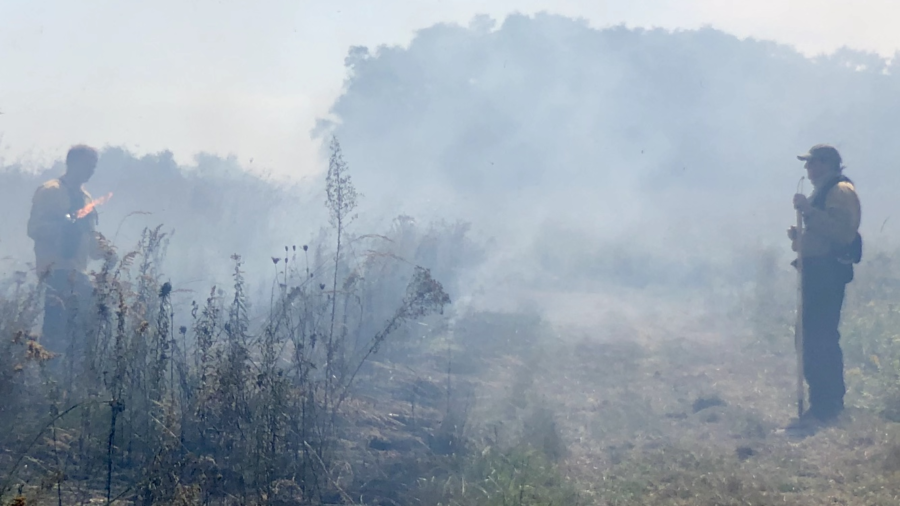
On September 19, 2019 a controlled burn was conducted on the Doak grassland and forest property, owned and managed by the Department of Forestry and Natural Resources at Purdue University. Burn events such as this one present a unique opportunity to demonstrate how UAS can be utilized as an effective tool to both monitor the burn events in real time, but also to effectively gather data before and after the burn to map and better manage vegetation. This collection of maps, videos, and images provide a narrative on how UAS can be used as an effective tool in controlled burn management practices. Beyond controlled burns, the story should demonstrate how UAS can be used to better monitor and inventory other disturbance events, whether they are planned or unexpected.
A Collaborative Effort
The data collected for this event represents a collaborative effort between multiple colleges at Purdue University and private industry. Employees with Purdue Forestry and Natural Resources (College of Agriculture) performed and managed the burn while data collection for the pre and post-burn mapping was conducted by student researchers and pilots from the Purdue School of Aviation and Transportation Technology (SATT; Polytechnic Institute). Peter Menet and Chris Johnson from MenetAero provided aerial monitoring support throughout the controlled burn. A total of three different aircraft were used during this event. The SATT student pilots deployed a C-Astral Bramor PPX equipped with a MicaSense Altum 6 band multispectral sensor at 121 meters before and after the event for mapping purposes. MenetAero deployed a C-Astral C4Eye to monitor the burn in real time using EO/Thermal IR video with real time geographic coordinates at 121 meters while SATT students monitored the burn with a DJI M600 equipped with a Zenmuse XT2 sensor at lower altitudes.
Monitoring the Burn:
The nimble nature of UAS makes them ideally suited to deploy rapidly, and into tight situations otherwise too dangerous for ground crews and manned aircraft. Add to this the aerial perspective offered by UAS via real-time video feed, and you have the perfect platform to assist in hazard events such as fire. The real-time video feed allows the UAS pilot and crew to communicate with ground-based fire crews, providing information on potential hazards and overall fire behavior patterns. For this aerial perspective to be effective, however, the video needs to have geospatial context so what the UAS operator is seeing is effectively communicated to ground-based fire crews. Full-Motion-Video, or video that has metadata with geospatial coordinate information, is a game changer in this regard. The video below shows how software such as Remote Geosystems Line Vision Ultimate can place video in a geospatial context. The video below is being played after the flight, but Pete Menet from MenetAero had the video live streaming to his Ground Station during the flight and was able to effectively serve as an ‘eye in the sky’ to provide real time information to ground based crews. This was all done in a controlled burn, but this same technology and method is used by MenetAero during Wild Fire Events where MenetAero provides UAS services as a contractor with the U.S. Department of Interior. Peter Menet and the MenetAero crew were kind enough to donate their services and time to the controlled burn event this day as part of a collaborative research effort between industry and Purdue.
A Before and After Comparison
Prior to recent advances in UAS technology, gathering imagery at sub-centimeter accuracy and resolution immediately before and after a planned burn event would prove difficult at best. The PPK technology on the C-Astral PPX allowed us to conduct the flights without the need to layout and survey ground control markers, but still achieve centimeter level accuracy by post-processing our data with a Continuously Operating Reference Stations in close proximity. Without UAS, getting satellite data within this time frame would have been pretty much impossible, and getting a manned aircraft to do this prohibitively expensive.
Making Sense of it all through Classification Analysis
Pre-Burn Land Cover Classification
When we think of disturbance events, we often think of the unplanned ones – fire, ice storms, wind storms, floods, etc. But what about planed disturbances such as a controlled burn, or a timber harvest operation? In the case of a planned disturbance, we have the ability to inventory land cover immediately before an event, and then with classification methods, quantify that land cover. Land Use/Cover classification methods are nothing new, and go back to the very beginnings of GIS/Remote Sensing, but new here is the ability to deploy a UAS to get this data in a way that is accurate and precise enough to classify down to resolutions of several square centimeters. Add to that the imagery was gathered less than an hour before the burn and you have some amazing potential for forestland management.
*Thank you to ArcGIS.com for sharing the great work of our FNR specialists as they continue to “strengthen lives and livelihoods” here in Indiana and around the world.
Resources
Unmanned Aerial Systems and Burn Management Strategies, Unmanned Aerial Systems and Burn Management Strategies webpage
Effective Firebreaks for Safe Use of Prescribed Fire, Got Nature? Blog, Purdue University Forestry and Natural Resources Extension
Prescribed fire: 6 things to consider before you ignite, Got Nature? Blog
Renovating native warm-season grass stands for wildlife: A Land Manager’s Guide, The Education Store, Purdue Extension resource center
Calibrating a No-Till Drill for Conservation Plantings and Wildlife Food Plots, The Education Store
Jarred Brooke, Extension Wildlife Specialist
Purdue Department of Forestry and Natural Resources
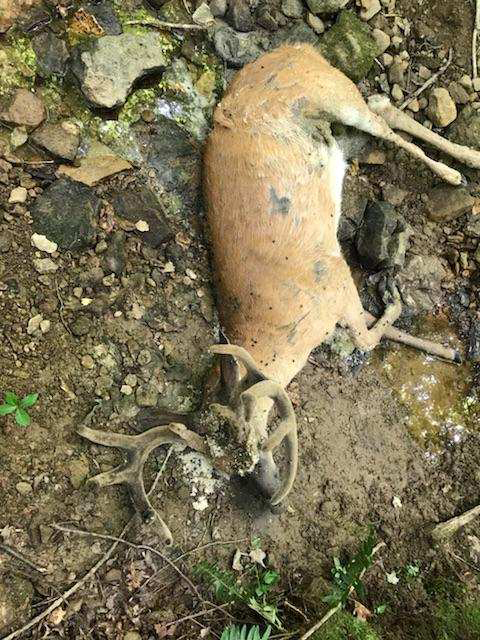
Deer that die from EHD are often found around water. This deer was found in August 2019 in Crawford County and was likely killed by EHD. Photo courtesy of Brody Wade.
Be on the watch for deer with EHD in Indiana
Recently, a white-tailed deer in Clarke County Indiana tested positive for Epizootic Hemorrhagic Disease (EHD), and potential EHD cases have been reported in 26 other Indiana counties. Here are a few things you should know about how EHD, how to spot it, and how to report it.
What is EHD and BTV?
Epizootic hemorrhagic disease (EHD) and bluetongue virus (BTV) are viral diseases, collectively called hemorrhagic diseases (HD), and are common in white-tailed deer. Both diseases are transmitted by biting midges often called “no-see-ums” or gnats. Neither disease is a human health issue, but they can cause significant mortality in white-tailed deer. Outbreaks of HD tend to impact deer populations locally, meaning an outbreak may occur in one part of a county but not in other parts.
When do EHD outbreaks occur?
EHD and BTV outbreaks often occur in late summer and early fall (August-September), especially in years with drought-like conditions. Drought causes water sources to shrink, which creates warm, shallow, and stagnant pockets of water creating ideal breeding habitat for the midges that transmit EHD. Deer also congregate in these areas to find water, which helps the midges pass the disease between infected and healthy deer. EHD outbreaks can last until a frost that kills the midges.
What are the signs of a deer with EHD?
Deer with EHD often appear weak, lethargic, and disoriented. Other signs of EHD in deer are ulcers in the mouth or on the tongue, swollen face, neck, or eyelids, and a bluish color to the tongue. Deer with EHD often search for water to combat the fever caused by the disease. EHD can be confirmed by testing blood and tissue (i.e., spleen) samples, but samples must be collected shortly after death.
Where am I likely to find a deer with EHD?
Because deer with EHD often seek out water to combat the resulting fever, deer killed by EHD are commonly found around water. If you have a stream, creek, river, or other source of water on your property, looking in the vicinity of those areas can help you locate deer that have succumb to EHD.
What do I do if I find a deer I think has EHD?
If you come across a sick or dead deer that you think has EHD you can report it through an online reporting system run by the Indiana DNR. Here is a link to the reporting system: Report a Dead or Sick Deer.
Can deer survive an EHD outbreak?
Yes, some deer will survive EHD. While up to 90% of deer that contract EHD may die from the disease, the deer that survive build up antibodies to EHD, which may make them immune to future outbreaks. Additionally, does may pass the antibodies and immunity to their offspring.
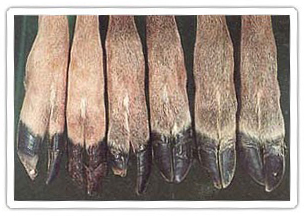
Sloughing or splitting hooves on two or more feet of a deer taken during the fall hunting season are typical of chronic HD. Photo courtesy of the Southeastern Cooperative Wildlife Disease Study.
How can I tell if a deer I killed during hunting season has survived EHD?
If you kill a deer during the hunting season this year, pay attention to the hooves. Deer that survive an EHD outbreak often have indentions or cracks on their hooves (see picture).
Sloughing or splitting hooves on two or more feet of a deer taken during the fall hunting season are typical of chronic HD. Photo used courtesy of the Southeastern Cooperative Wildlife Disease Study.
Are deer that have survived EHD safe to eat?
Yes, deer that have survived EHD are safe to eat.
For updated information on EHD in Indiana check out the Indiana DNR – Epizootic Hemorrhagic Disease web page.
Resources:
Report a Sick or Dead Deer, Indiana Department of Natural Resources (IN-DNR)
EHD Virus in Deer: How to Detect and Report video, Quality Deer Management Association
Epizootic Hemorrhagic Disease, Cornell University
How to Score Your White-Tailed Deer video, Purdue Extension – FNR YouTube Playlist
Deer Harvest Data Collection, Purdue FNR Got Nature? blog
Jarred Brooke, Wildlife Extension Specialist
Purdue Forestry and Natural Resources

Recent Posts
- New Indiana Woodland Steward Newsletter
Posted: August 12, 2026 in Forestry, Urban Forestry, Wildlife, Woodlands - ID That Tree: Nannyberry Viburnum
Posted: July 22, 2026 in Forestry, Plants, Wildlife, Woodlands - ID That Tree: Eastern Swamp Privet
Posted: in Forestry, Plants, Wildlife, Woodlands - ID That Tree: Carolina Buckthorn
Posted: July 15, 2026 in Forestry, Wildlife, Woodlands - Identifying Evergreens
Posted: June 24, 2026 in Forestry, Wildlife, Woodlands - Pruning Highlight-Pollarding Trees: A Traditional Pruning Practice with Modern Uses
Posted: June 11, 2026 in Forestry, Forests and Street Trees, Urban Forestry, Wildlife, Woodlands - Danielle Howard Hired as FNR Extension Prescribed Fire Specialist
Posted: June 10, 2026 in Forestry, Wildlife, Woodlands - Flat-Faced Longhorn Beetle Found in Hardwood Logs – IDNR Division of Entomology
Posted: June 8, 2026 in Alert, Forestry, Forests and Street Trees, Invasive Insects, Urban Forestry, Wildlife, Woodlands - Connecting Research to Practice: Natural Resources & Land Use Spring Training
Posted: June 5, 2026 in Forestry, Forests and Street Trees, How To, Invasive Animal Species, Invasive Plant Species, Land Use, Natural Resource Planning, Urban Forestry, Wildlife, Woodlands - Spring Storms Are Coming: How to Reduce Tree Damage and Risk
Posted: May 1, 2026 in How To, Urban Forestry, Wildlife, Woodlands
Archives
Categories
- Alert
- Aquaculture/Fish
- Aquatic/Aquaculture Resources
- Ask the Expert
- Christmas Trees
- Community Development
- Disease
- Drought
- Forestry
- Forests and Street Trees
- Gardening
- Got Nature for Kids
- Great Lakes
- How To
- Invasive Animal Species
- Invasive Insects
- Invasive Plant Species
- Land Use
- Natural Resource Planning
- Nature of Teaching
- Plants
- Podcasts
- Ponds
- Publication
- Safety
- Spiders
- Timber Marketing
- Urban Forestry
- Webinar
- Wildlife
- Wood Products/Manufacturing
- Woodland Management Moment
- Woodlands