 Purdue University - Extension - Forestry and Natural Resources
Got Nature? Blog
Indiana has experienced extreme weather over the last couple of years. Extreme heat, draught, cold, winds, you name it, we’ve dealt with it. Most recently, through June and July, Indiana has experienced record-breaking rainfall and flooding. These weather conditions can make it difficult for our surroundings, but it can also cause a lot of stress on our trees.
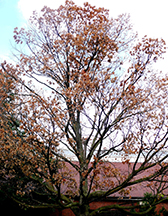
Photo credit: Keith Robinson
Urban trees are more susceptible to weather-related injury because of their oftentimes compromised root systems. In forested areas, trees spread their roots out two to three times the length of the tree. This is important because roots are the tree’s way to receive oxygen from the soil. This provides for a healthy defense system, giving the tree advantages like the ability to draw in moisture during dry spells and secrete fungi- and insect-repelling chemicals. In urban areas, roads and construction oftentimes sever roots or restrict where they can go, leaving the trees in a vulnerable state.
Our vulnerable urban trees are especially likely to be harmed by weather-induced stress. Symptoms like browning of leaves, dying branches and early coloration in the fall are all signs that a tree’s health is declining.
Keep an eye on your trees, and if you are concerned, use the Purdue Tree Doctor app or submit a sample to the Purdue Plant and Pest Diagnostic Lab as you seek best practices to care and protect your trees.
Resources
Purdue Experts: Tree Deaths Across Indiana May be Related to Weather Stress, Purdue Agriculture News
Drought? Don’t forget the trees! The Education Store, Purdue Resource Center
Plan Today For Tomorrow’s Flood, The Education Store
Community & Urban Forestry, Indiana Department of Natural Resources
The Root of the Problem, Northern Woodlands
Purdue University Agriculture News
Lindsey Purcell, Urban Forestry Specialist
Department of Natural Resources, Purdue University
B. Rosie Lerner, Extension Consumer Horticulture Architecture
Department of Horticulture and Landscape Architecture, Purdue University

Although fresh chips from tree pruning and removals look great for mulch and compost, there are some hidden issues. First, fresh wood chips can be very acidic (sometimes down around a pH of 4) which can be detrimental to plant growth. Also fresh chips have a high C:N (carbon to nitrogen ratio), and it must borrow nitrogen from the soil to help the decomposing process. So mixing the chips with the soil can actually reduce fertility for a while. Both of those can be problems for plants trying to grow in a bed mulched or mixed with fresh chips. Ideally, the newly ground chips should compost properly for a full year. If nitrogen fertilizer is added to the soil/mulch mix, it can speed up the process.
The effects of wood chips as mulch involve mainly the surface of the soil, which means it’s mainly shallow-rooted plants like perennial and annual flowers that would run into fresh wood chip trouble. This includes serious chlorosis and other health issues involving establishment and development. Deeper-rooted trees and shrubs are less likely to be affected as much; however, they are subject to the effects of the poor C:N ratio. I would suggest removing as much of the chips as possible, piling them for composting and replacing with proper soil for perennial growth unless you can wait for a full year to allow the decomposition cycle to be completed. This may help eliminate issues with new plants going into that location.
Resources
Mulching Conserves Soil Moisture, Department of Horticulture and Landscape Architecture
Growing Perennial Flowers, The Education Store (Search keywords to find the resources you need)
Collecting Soil Samples for Testing, The Education Store
Soil and Water Conservation Districts, Indiana State Department of Agriculture
Certified Soil Testing Laboratories, Purdue Department of Agronomy/Extension
Lindsey Purcell, Urban Forestry Specialist
Department of Forestry and Natural Resources

Recent Posts
- A False Sense of Autumn, Purdue Landscape Report
Posted: September 23, 2025 in Drought, Wildlife - Alert – Water Your Trees, Watch Video
Posted: June 20, 2025 in Alert, Drought, Forests and Street Trees, How To, Urban Forestry, Wildlife, Woodlands - Drought Spreading Throughout Much of the Midwest-Purdue Landscape Report
Posted: September 29, 2023 in Alert, Drought, How To, Plants, Wildlife - Early Fall Color – A Symptom of Stress, Purdue Landscape Report
Posted: September 20, 2023 in Alert, Disease, Drought, Forestry, Forests and Street Trees, Plants, Urban Forestry, Wildlife - What is happening to the Weeping Willows?
Posted: July 19, 2022 in Drought, Forests and Street Trees, How To, Urban Forestry - Nature of Teaching Program Receives Environmental Education Award
Posted: October 30, 2020 in Aquaculture/Fish, Aquatic/Aquaculture Resources, Disease, Drought, Forestry, Forests and Street Trees, Gardening, Got Nature for Kids, How To, Invasive Animal Species, Invasive Insects, Land Use, Natural Resource Planning, Nature of Teaching, Plants, Ponds, Safety, Wildlife - Trees Stressed Due to Drought? Know the Signs and What to Do
Posted: September 21, 2020 in Disease, Drought, Forestry, Forests and Street Trees, Urban Forestry - Dog Days of Summer Barking Early This Year
Posted: July 13, 2020 in Disease, Drought, Forestry, Forests and Street Trees, Gardening, Plants, Urban Forestry - Facebook LIVE: Ask the Expert
Posted: May 14, 2020 in Aquaculture/Fish, Aquatic/Aquaculture Resources, Disease, Drought, Forestry, Forests and Street Trees, Gardening, How To, Invasive Animal Species, Invasive Insects, Land Use, Natural Resource Planning, Plants, Ponds, Publication, Timber Marketing, Urban Forestry - Be Sure to Check Out the Extension Pub “Drought? Don’t Forget the Trees!”
Posted: September 4, 2015 in Drought, Forestry
Archives
Categories
- Alert
- Aquaculture/Fish
- Aquatic/Aquaculture Resources
- Ask the Expert
- Christmas Trees
- Community Development
- Disease
- Drought
- Forestry
- Forests and Street Trees
- Gardening
- Got Nature for Kids
- Great Lakes
- How To
- Invasive Animal Species
- Invasive Insects
- Invasive Plant Species
- Land Use
- Natural Resource Planning
- Nature of Teaching
- Plants
- Podcasts
- Ponds
- Publication
- Safety
- Spiders
- Timber Marketing
- Uncategorized
- Urban Forestry
- Webinar
- Wildlife
- Wood Products/Manufacturing
- Woodland Management Moment
- Woodlands