 Purdue University - Extension - Forestry and Natural Resources
Got Nature? Blog
If you have ever noticed acorns so numerous that you could not take a step without crushing several, you may be asking the question, “why are there so many acorns?” Some answers to this question can be found in the physiology and ecology of trees and their relationship to wildlife. Oaks and several other tree species occasionally produce enormous crops of seed. This is called “masting” or “mast events”. These events are periodic. In the case of many oak species, a large mast event may happen every two to five years, depending on the species of oak and several other factors. Masting events may be preceded and followed by small or moderate acorn crops, or complete crop failures in some cases. Why does this irregular seed production happen? These events may be tied to several aspects of the life of oaks.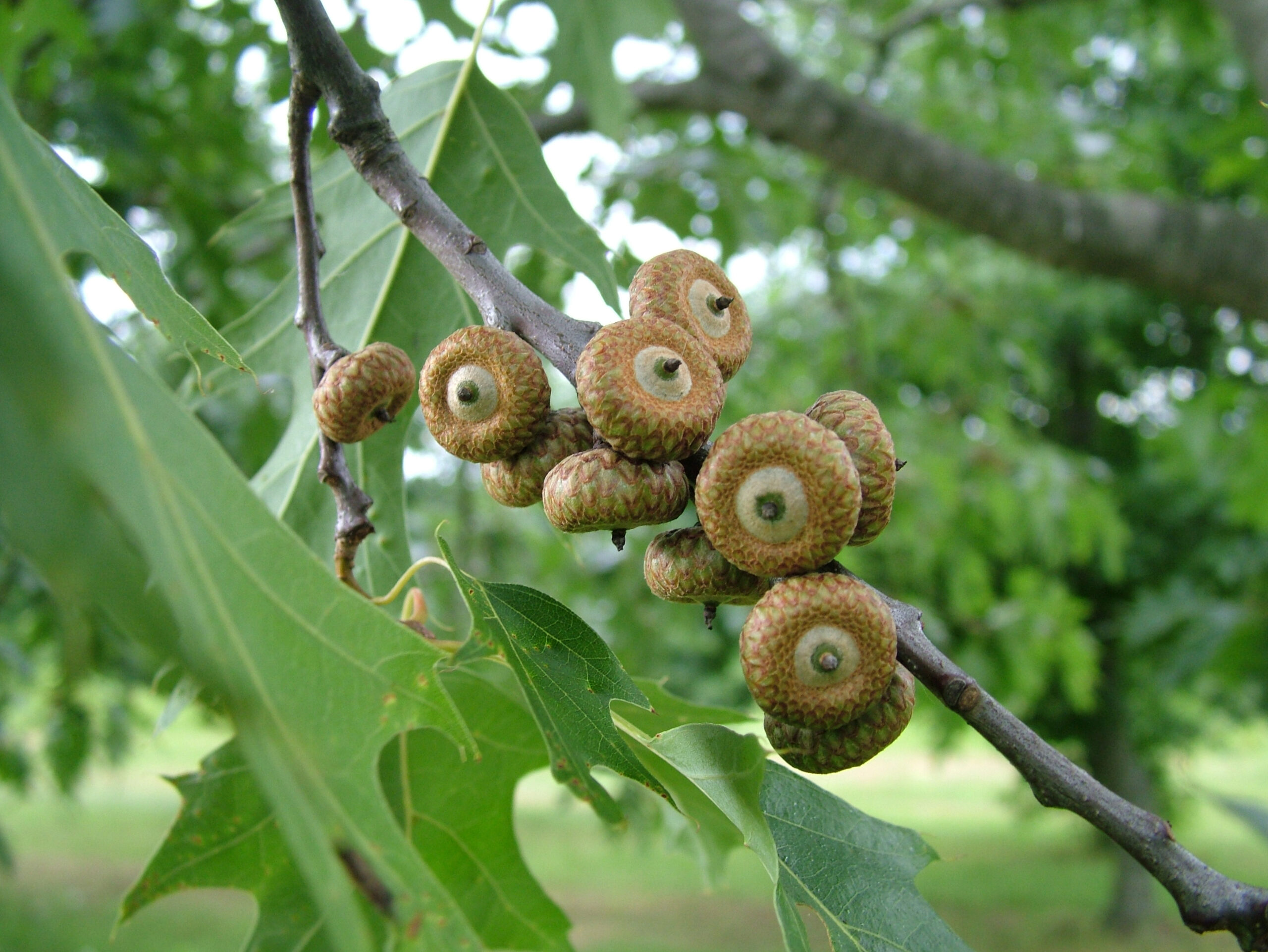
First, the production of a huge volume of a large seed like an acorn requires a lot of resources from the tree. This level of production may not be possible for the tree every year. Trees allocate energy to several different functions, so committing large amounts of energy to one area could mean deficits in others. This may mean there are advantages for the tree to produce occasional, rather than annual, mastings.
Second, weather does not always cooperate to provide the conditions for a bumper acorn crop. Unfavorable weather during pollination and seed development periods can result in reduced production of acorns. Late spring freezes, extremely high temperatures, summer droughts and other weather stresses can reduce acorn pollination and production.
Third, predation by seed-eaters like squirrels, deer, turkey and even weevil larvae can greatly reduce the number of viable acorns. It may take a very large acorn crop to have many acorns escape from the numerous species that depend on acorns for food.
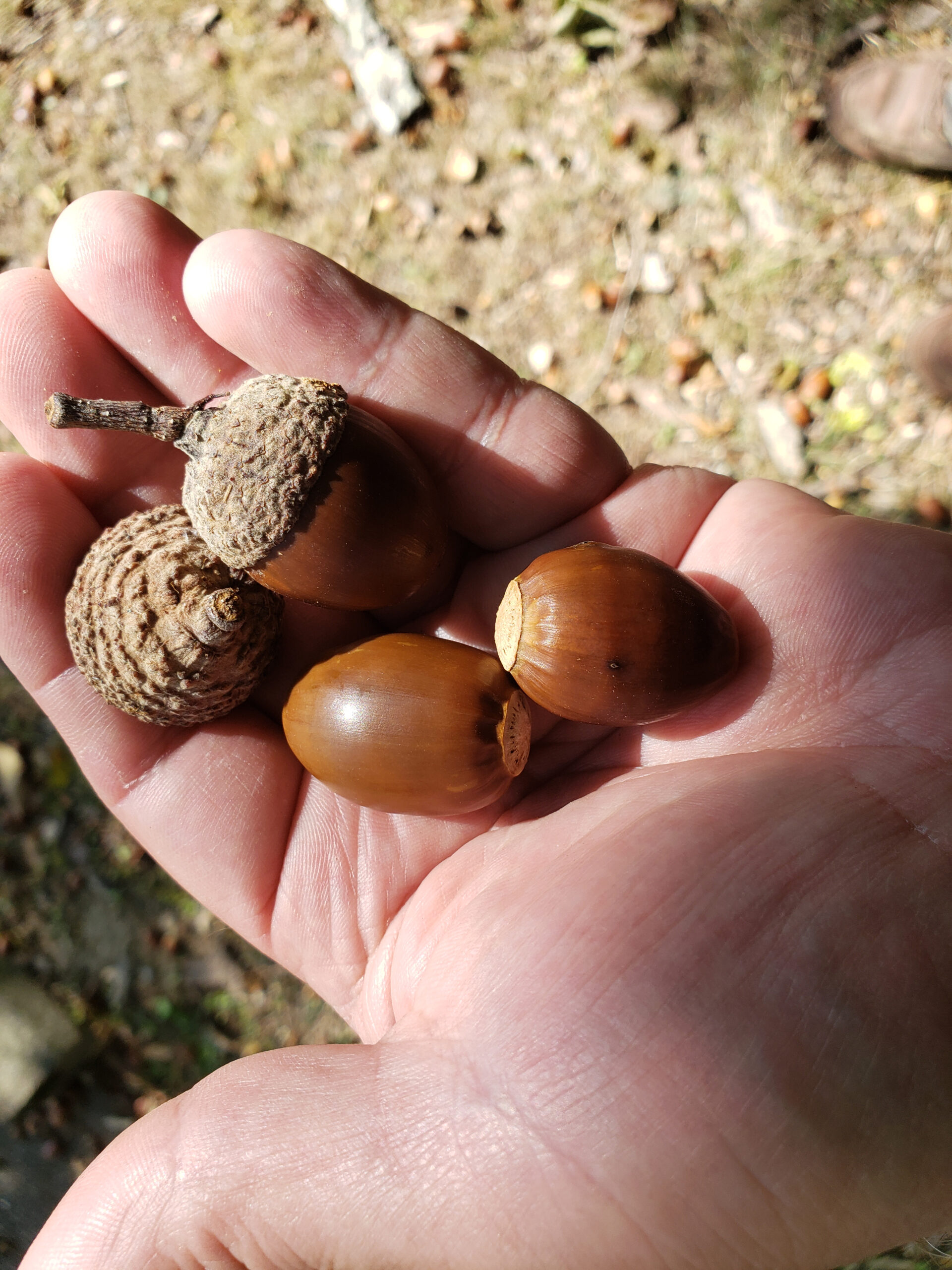
This irregular cycle of large crops can be beneficial for the oaks by overwhelming the seed eaters. Populations of wildlife that depend on acorns may eat most of the seed during normal seed crops, but may not be able to utilize all the seed produced during a masting. This surplus seed is available produce the next generation of oak seedlings.
However, some species will produce copious amounts of the mast if the developmental age of the tree is favorable, regardless of conditions.
Acorn production can vary by species and individual trees across the oak family, but masting is a way this important group of trees can continue to be a part or our Midwestern landscape.
Resources:
Woodland Management Moment: Direct Seeding, Purdue Extension – Forestry and Natural Resources (FNR) YouTube Channel
Ask an Expert: Tree Selection and Planting, Purdue Extension – Forestry and Natural Resources (FNR) YouTube Channel
Forest Improvement Handbook, The Education Store, Purdue Extension resource center
Native Trees of the Midwest, The Education Store
Investing in Indiana Woodlands, The Education Store
Tree Pruning Essentials, The Education Store
Lenny Farlee, Sustaining Hardwood Extension Specialist
Purdue University Department of Forestry and Natural Resources
Lindsey Purcell, Chapter Executive Director and Certificate Liaison
Indiana Arborist Association
On this edition of ID That Tree, Purdue Extension forester Lenny Farlee introduces you to one of our common bottomland trees, the Eastern Cottonwood. This tree stands out for its triangular or delta shaped leaves, often with prominent teeth along the edges, which extend from long flattened leaf stems. This native tree is named for its early season fruit, which is a little tuft of white hairs that holds a small seed that is produced in large quantities and often blown far from the parent tree.
If you have any questions regarding wildlife, trees, forest management, wood products, natural resource planning or other natural resource topics, feel free to contact us by using our Ask an Expert web page.
Resources:
ID That Tree, Playlist, Purdue Extension – Forestry and Natural Resources Youtube Channel
A Woodland Management Moment, Playlist, Purdue Extension – FNR Youtube Channel
Shrubs and Woody Vines of Indiana and the Midwest, The Education Store, Purdue Extension Resource Center
Native Trees of the Midwest, The Education Store
Investing in Indiana Woodlands, The Education Store
Forest Improvement Handbook, The Education Store
Lenny Farlee, Sustaining Hardwood Extension Specialist
Purdue University Department of Forestry and Natural Resources
In this episode of A Woodland Management Moment, Purdue Extension forester Lenny Farlee talks about crop tree release, the process of selecting timber crop trees that help meet your management objectives and managing the area around them in order to allow your selected trees to thrive in the stand.
If you have any questions regarding trees, forests, wildlife, wood products or other natural resource topics, feel free to contact us by using our Ask an Expert web page.
Resources:
A Woodland Management Moment, Playlist, Purdue Extension – Forestry and Natural Resources (FNR) YouTube Channel
Shrubs and Woody Vines of Indiana and the Midwest, Purdue University Press
Native Trees of the Midwest, Purdue University Press
ID That Tree, Playlist, Purdue Extension – FNR YouTube Channel
Investing in Indiana Woodlands, The Education Store
Woodland Stewardship for Landowners Video Series, Playlist, Indiana Department of Natural Resources YouTube Channel
Ask an Expert: Tree Selection and Planting, Purdue Extension – Forestry and Natural Resources (FNR) YouTube Channel
Lenny Farlee, Sustaining Hardwood Extension Specialist
Purdue University Department of Forestry and Natural Resources
Like the rest of the red/black oak group, the Northern Red Oak has multi-lobed leaves with bristle tips. This native tree, however, has a group of buds at the terminal end of the stem that are smooth, shiny and reddish brown to brown in color. A strong identifier for this species is the bark, which looks like ski tracks or long running ridges that run up and down the sides of the tree. The acorns feature tight shallow caps with tight scales that resemble a beret.
For more on the red oak group, watch this video.
If you have any questions regarding wildlife, trees, forest management, wood products, natural resource planning, or other natural resource topics, feel free to contact us by using our Ask an Expert web page.
Resources:
ID That Tree, Playlist, Purdue Extension – Forestry and Natural Resources Youtube Channel
A Woodland Management Moment, Playlist, Purdue Extension – FNR Youtube Channel
Shrubs and Woody Vines of Indiana and the Midwest, Purdue University Press
Native Trees of the Midwest, Purdue University Press
Investing in Indiana Woodlands, The Education Store
Forest Improvement Handbook, The Education Store
Lenny Farlee, Sustaining Hardwood Extension Specialist
Purdue University Department of Forestry and Natural Resources
On this episode of ID That Tree, Purdue Extension forester Lenny Farlee introduces you to a non-native invasive tree that is widespread across the state, white mulberry. Key identifying characteristics to separate it from its native cousin red mulberry are shiny variable leaves and where the species grows, near fencerows, hedgerows and other waste areas. The red mulberry has larger leaves that are duller in color with a sandpapery texture, and the species is often found in the forest understory.
If you have any questions regarding wildlife, trees, forest management, wood products, natural resource planning, or other natural resource topics, feel free to contact us by using our Ask an Expert web page.
Resources:
ID That Tree, Playlist, Purdue Extension – Forestry and Natural Resources Youtube Channel
Report Invasive Species, Purdue Invasive Species
The GLEDN Phone App – Great Lakes Early Detection Network
EDDMaps – Early Detection and Distribution Mapping System
Indiana Department of Natural Resources: Invasive Species
Indiana Invasive Species Council
Cooperative Invasive Species Management Area (CISMA)
A Woodland Management Moment, Playlist, Purdue Extension – FNR Youtube Channel
Shrubs and Woody Vines of Indiana and the Midwest, Purdue University Press
Native Trees of the Midwest, Purdue University Press
Investing in Indiana Woodlands, The Education Store
Forest Improvement Handbook, The Education Store
Lenny Farlee, Sustaining Hardwood Extension Specialist
Purdue University Department of Forestry and Natural Resources
In this episode of A Woodland Management Moment, Purdue Extension forester Lenny Farlee talks about how you can use nuts and seeds left dropped by existing trees, from walnuts to oaks and hickories, to establish new seedlings in other areas of your landscape through a process called direct seeding.
If you have any questions regarding trees, forests, wildlife, wood products or other natural resource topics, feel free to contact us by using our Ask an Expert web page.
Resources:
A Woodland Management Moment, Playlist, Purdue Extension – Forestry and Natural Resources (FNR) YouTube Channel
Shrubs and Woody Vines of Indiana and the Midwest, Purdue University Press
Native Trees of the Midwest, Purdue University Press
Investing in Indiana Woodlands, The Education Store
Forest Improvement Handbook, The Education Store
ID That Tree, Playlist, Purdue Extension – FNR YouTube Channel
Resources and Assistance Available for Planting Hardwood Seedlings, The Education Store
Woodland Stewardship for Landowners Video Series, Playlist, Indiana Department of Natural Resources YouTube Channel
Ask an Expert: Tree Selection and Planting, Purdue Extension – Forestry and Natural Resources (FNR) YouTube Channel
Lenny Farlee, Sustaining Hardwood Extension Specialist
Purdue University Department of Forestry and Natural Resources
South Bend Tribune: Look up the next time you pass a pine tree in Michiana — chances are it’s loaded with cones.
Conditions this season are ripe for an abundance of these woody reproductive organs of pine trees, and they’ll soon fall to the ground in both urban and forested areas.
Why so many? Lindsey A. Purcell, urban forestry specialist with Purdue University’s Forestry and Natural Resources Department, said some of the abundance could be the natural two-year, cone-producing cycle of conifers.
One year there’s few, if any, cones, while the following year the trees go into a seed-producing frenzy.
But more pine cones can also mean the trees are producing more reproductive seeds as a way to deal with the stress of a dry or changing climate.
It’s a matter of survival: The tougher, drier the season, the stronger the urge for the trees to reproduce through seeds so the species can survive.
“Drought conditions creates stress, and a lack of water seems to be an important stressor,” Purcell said.
Central Indiana has drought conditions this season, but northern Indiana areas near South Bend have fared better.
Trees have male and female cones. The males produce the pollen, while the female cones are often seen in the upper portions of conifers and hold the seeds that propagate the species.
Once pollinated, the tree’s female cones develop as the seeds mature, and they are usually conical or round-shaped. The individual plates on the cones, known as scales, keep the seeds safe from weather extremes and hungry animals until it’s warm and dry enough to release them to grow into new trees.
The cones are the protective coatings for the seeds, shielding them from water, wind and harsh conditions.
Most pine cone seeds are edible and not poisonous, but experts say Norfolk Island pine and yew trees are not true pine trees and both are toxic and should be avoided.
Resources:
Find an Arborist, Trees are Good
Tree Wounds and Healing, Got Nature? Blog
Ask an Expert: Tree Selection and Planting, Purdue Extension – Forestry and Natural Resources (FNR) YouTube Channel
Planting Your Tree Part 1: Choosing Your Tree, Purdue extension-FNR YouTube Channel
Tree Installation: Process and Practices, The Education Store
Tree Pruning Essentials, Youtube
Lindsey Purcell, Chapter Executive Director
Indiana Arborist Association (IAA)
South Bend Tribune
On this episode of ID That Tree, Purdue Extension forester Lenny Farlee introduces you to an often overlooked native Indiana species, the red mulberry. This tree, often found in the shade or in river bottom areas, features variable leaves in an alternate arrangement, gray to brown flaky bark and black/dark purple berries, loved by animals and humans alike.
If you have any questions regarding wildlife, trees, forest management, wood products, natural resource planning, or other natural resource topics, feel free to contact us by using our Ask an Expert web page.
Resources:
ID That Tree, Playlist, Purdue Extension – Forestry and Natural Resources Youtube Channel
A Woodland Management Moment, Playlist, Purdue Extension – FNR Youtube Channel
Shrubs and Woody Vines of Indiana and the Midwest, Purdue University Press
Native Trees of the Midwest, Purdue University Press
Investing in Indiana Woodlands, The Education Store
Forest Improvement Handbook, The Education Store
Lenny Farlee, Sustaining Hardwood Extension Specialist
Purdue University Department of Forestry and Natural Resources
On this episode of ID That Tree, meet the Northern Catalpa, native to southern Indiana along the Ohio River bottoms. This species, which provides rot resistant wood great for outdoor usage, features beautiful flower clusters in early summer, huge heart shaped leaves in whirled formation, and long bean-like fruit pods.
If you have any questions regarding wildlife, trees, forest management, wood products, natural resource planning or other natural resource topics, feel free to contact us by using our Ask an Expert web page.
Resources:
ID That Tree, Playlist, Purdue Extension – Forestry and Natural Resources Youtube Channel
A Woodland Management Moment, Playlist, Purdue Extension – FNR Youtube Channel
Shrubs and Woody Vines of Indiana and the Midwest, Purdue University Press
Native Trees of the Midwest, Purdue University Press
Investing in Indiana Woodlands, The Education Store
Forest Improvement Handbook, The Education Store
Northern Catalpa, The Purdue Arboretum Explorer
Lenny Farlee, Sustaining Hardwood Extension Specialist
Purdue University Department of Forestry and Natural Resources
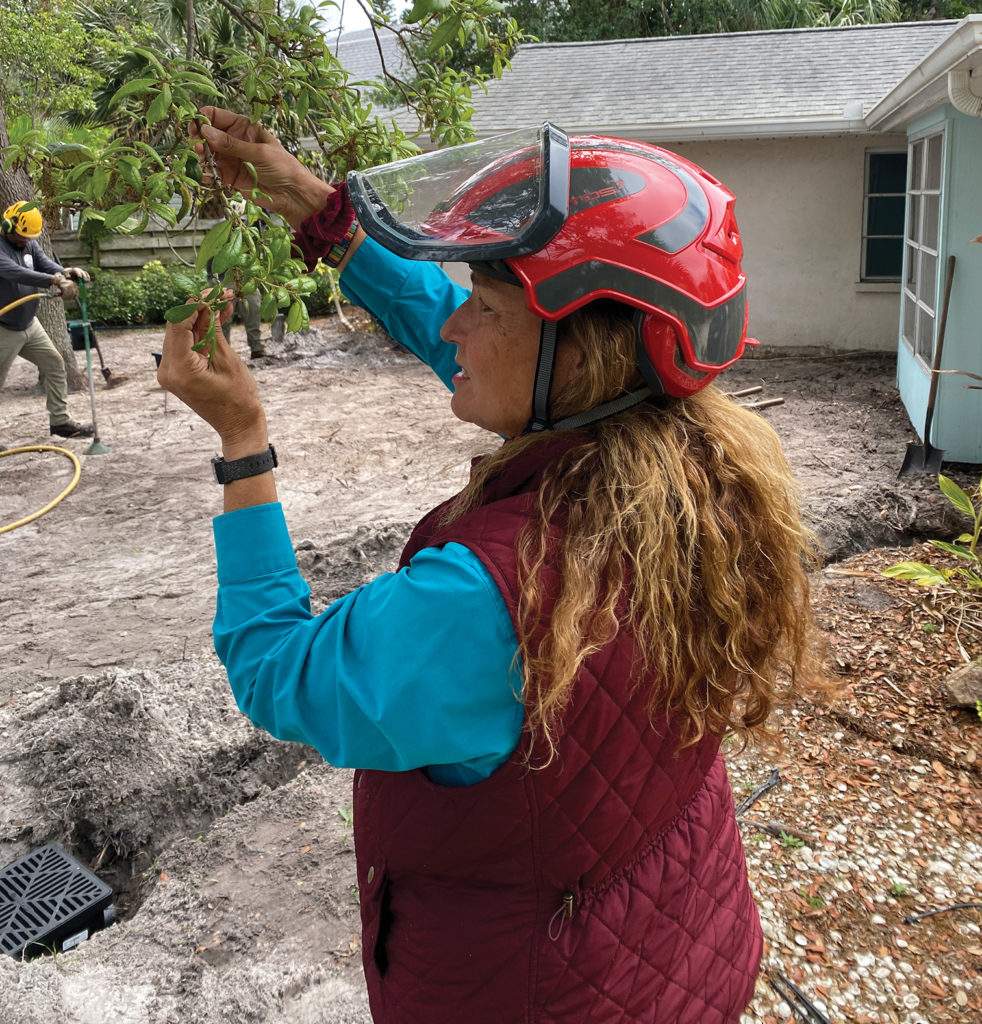
Scouting is the essential first step of an IPM program. Shown here is Tammy Kovar, owner of Biological Tree Services, a nine-year TCIA member company based in Sarasota, Florida. All photos and graphics courtesy of the author.
Tree Care Industry (TCI) Magazine: Plant health care (PHC) is the science and practice of understanding and overcoming the succession of biotic and abiotic factors limiting plants from achieving their full genetic potential in our landscapes and urban forests. Plant health care has been practiced as long as modern arboriculture itself and, as a science-based concept, is an important component in overall integrated pest management (IPM).
Pest management in our urban forests is a moving target and sometimes is overwhelming, especially for those early-career professionals. I remember from my early days in the field the overwhelming thought of needing to know every pest for every tree! I literally had a truckload (back seat of a king cab) of university publications, bulletins and articles ripped out of magazines for reference in the event I couldn’t figure it out quickly and on site. Just that fear of not knowing was often very stressful. Well, that has changed significantly.
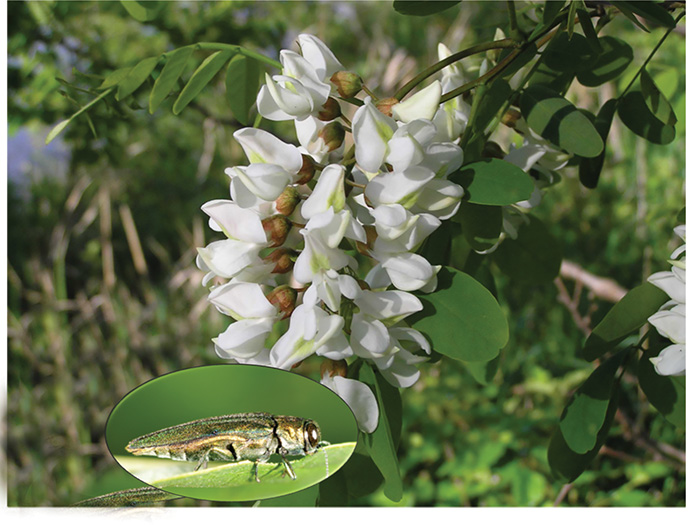
Adult emerald ash borers typically take flight about the same time that black locust trees bloom, indicating a good time for treatment.
The point is that first, you don’t have to know everything, and second, resources now are easily and readily available. Today, the smartphone and computing opportunities available on mobile platforms, apps such as the Purdue Tree Doctor and other web-based apps have improved diagnostics significantly, making it simpler for the technician to get a better idea of their pest issue and easier to find a control strategy.
One of the basic and most important keys when starting a PHC program is just learning to recognize the concerns for common trees already in your care. Tree identification is critically important to determine whether the tree is even a host for any given disease or insect. As a technician, you don’t need to know every tree in North America; just focus on those that are commonly found and that you are called upon to investigate for pest issues with your clients and customers. Few things are as awkward as misidentification of a tree and the corresponding application. Recommendations for treating emerald ash borer on a European mountain ash (Sorbus aucuparia), which is not susceptible to EAB infestation, could be fairly damaging to your credibility and your company!
Each state has a land-grant college with resources to assist PHC technicians.
Get some help
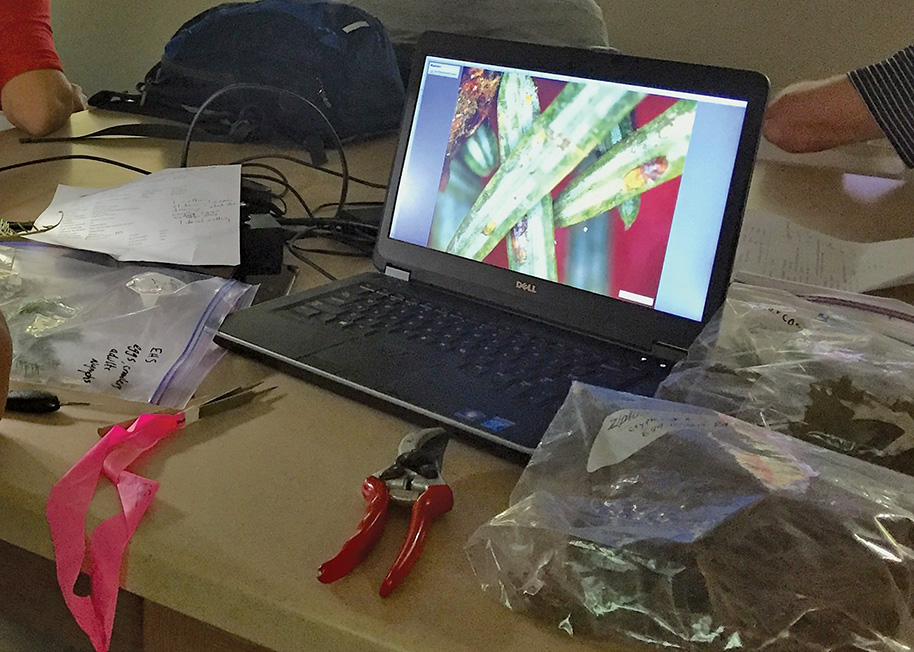
All there is to know and what you need to know can be mind-boggling; however, it is more manageable when we are able to discover the resources available. Often overlooked, local extension services from state land-grant colleges provide a tremendous collection of experts trained and educated in pest management. They often have plant and pest diagnostic laboratories assisting with identification of those challenging diseases or insects, usually at a very economical cost, along with the appropriate management strategy to apply for control.
Resources:
Planting Your Tree Part 1: Choosing Your Tree, Purdue Extension YouTube Channel
Tree Installation: Process and Practices, The Extension Store, Purdue Extension resource center
Ask an Expert: Tree Selection and Planting, Purdue FNR Extension YouTube Channel
Webinar: How to Identify Trees in Indiana, Got Nature? Post, Purdue Extension – Forestry and Natural Resources
Shrubs and Woody Vines of Indiana and the Midwest, Purdue University Press
Native Trees of the Midwest, Purdue University Press
ID That Tree, Purdue Extension – Forestry and Natural Resources YouTube Playlist
Purdue Plant and Pest Diagnostic Lab
Emerald Ash Borer Information from Purdue
Lindsey Purcell, Urban Forestry Specialist
Purdue Department of Forestry and Natural Resources

Recent Posts
- Opportunities for Prescribed and Wildland Fire Training
Posted: November 4, 2026 in Forestry, How To, Wildlife, Woodlands - Wildlife Issues and Solutions: A New Online Series
Posted: in Forestry, How To, Wildlife, Woodlands - Burning for Benefits: Where Fire Belongs in Indiana
Posted: in Forestry, Safety, Wildlife, Woodlands - Residents, Alumni Invited to Share Indiana Natural Resource, Spaces, Species Memories
Posted: in Forestry, Forests and Street Trees, Gardening, Urban Forestry, Wildlife - Now Is The Time To Control Non-Native Bush Honeysuckle
Posted: October 30, 2026 in Forestry, How To, Invasive Plant Species, Woodlands - Help Strengthen the Future of Indiana Maple Syrup
Posted: October 29, 2026 in Forestry, How To, Woodlands - Popular Landscape Shrub is Invasive
Posted: October 15, 2026 in Alert, Forestry, Forests and Street Trees, Invasive Plant Species, Plants, Woodlands - Purdue Extension’s Regional Teams Are Here: Connecting Communities with Expertise and Opportunity
Posted: October 14, 2026 in Community Development, Forestry, Forests and Street Trees, Gardening, How To, Timber Marketing, Urban Forestry, Wildlife, Woodlands - Why Do Our Trees Go From Green Leaves to Different Colors?
Posted: in Forestry, Forests and Street Trees, Urban Forestry, Woodlands - Deer and Turkey Archery Seasons Opening Soon, MyDNR
Posted: October 13, 2026 in Alert, Safety, Wildlife
Archives
Categories
- Alert
- Aquaculture/Fish
- Aquatic/Aquaculture Resources
- Ask the Expert
- Christmas Trees
- Community Development
- Disease
- Drought
- Forestry
- Forests and Street Trees
- Gardening
- Got Nature for Kids
- Great Lakes
- How To
- Invasive Animal Species
- Invasive Insects
- Invasive Plant Species
- Land Use
- Natural Resource Planning
- Nature of Teaching
- Plants
- Podcasts
- Ponds
- Publication
- Safety
- Spiders
- Timber Marketing
- Urban Forestry
- Webinar
- Wildlife
- Wood Products/Manufacturing
- Woodland Management Moment
- Woodlands