 Purdue University - Extension - Forestry and Natural Resources
Got Nature? Blog
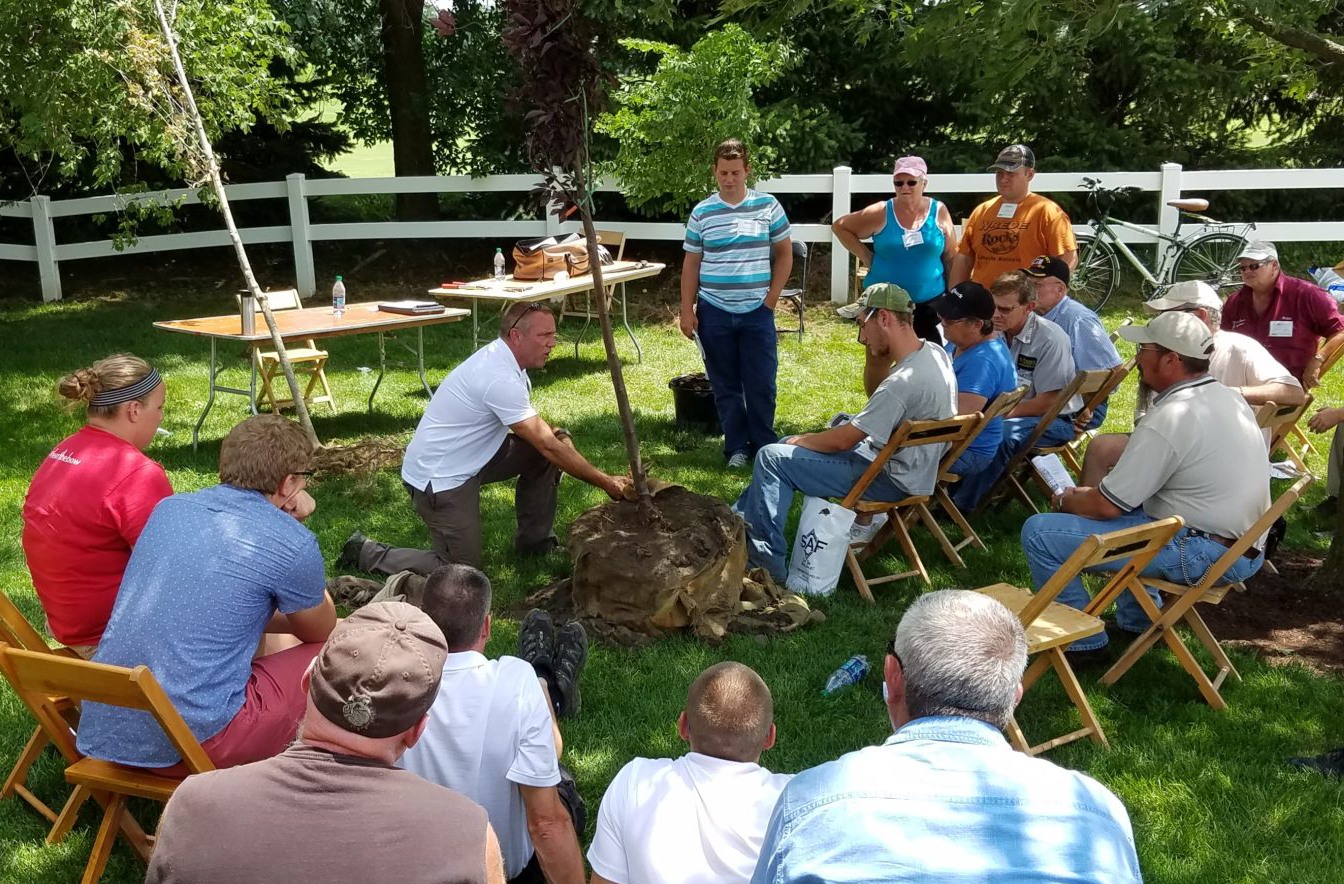 Spring is almost here and we get to wave goodbye to winter. Temperatures are rising, the winds are blowing, and trees are waking up—one of the hot topics every spring is planting. If you missed the chance to get a tree or two (or many more) in the ground this past autumn, then now is the time to start thinking about it again. Look at your planting spaces to see what kind of tree would do well. Think about the tree going in the ground now vs 10 years from now, 30 years, or even 50 years. Will a full-size oak fit in your space or will a smaller redbud work better? Do you have poorly drained soil where a willow or bald cypress will enjoy the excess water or well-drained soil that an American beech or black gum might fare better? Think about what you might want growing in your portion of the ecosystem. Are you looking for spring flowers, shade in the summer, color in the fall, or even different bark types and branch architecture for the winter? Also, once you’ve made your decision and got your new tree make sure you plant it properly to ensure a long happy life and lots of enjoyment.
Don’t forget about the trees you already have in the ground, too. One simple act that you can do to help them out is to re-mulch your current trees. Mulching helps to regulate soil moisture and temperature for the roots of your trees. Grab a rake and work last year’s mulch into the ground a little, then apply enough new mulch to have about a 2–3-inch layer around your tree. Depending on the size of your tree you might need to have a larger mulch ring, but aim for at least a 3-foot diameter, and DO NOT mulch up to the trunk. This is volcano mulching and creates an area of decay in the trunk that can lead to failure. Leave a 2-3-inch ring between the trunk and the mulch.
For more spring tree tips check out the Purdue Extension – Forestry and Natural Resources (FNR) “YouTube Shorts” video, Ben McCallister Offers Spring Tree Tips
If you have any questions about these topics, please check out the links provided on tree selection, planting, and mulching.
Resources:
The Purdue Landscape Report
Tree Installation, The Education Store
Choosing a Tree video, Purdue Extension-FNR YouTube Channel
Planting Your Tree Part 1: Choosing Your Tree, Purdue Extension-FNR YouTube Channel
Mechanical Damage to Trees, The Education Store
Re-Mulch Your Trees, Purdue Landscape Report
Summer Tree Care, Purdue Landscape Report
Tree Defect Identification, The Education Store
Tree Wound and Healing, Got Nature? Blog, Purdue Extension – Forestry and Natural Resources
Surface Root Syndrome, The Education Store
Shrubs and Woody Vines of Indiana and the Midwest, Purdue University Press
Ask an Expert: Tree Selection and Planting, Purdue Extension-Forestry & Natural Resources (FNR) YouTube playlist
ID That Tree, Purdue Extension-FNR YouTube playlist
Subscribe – Purdue Extension-FNR YouTube Channel
Ben McCallister, Urban Forestry Specialist
Purdue Forestry & Natural Resources
Observing the colors and patterns of blooming plants is an enjoyable spring activity that reinforces the plant world is becoming active after the long pause of winter. Most mature flowering plants produce some sort of flower structure, but some are more noticeable than others. Some of the earliest among native Indiana trees are red and silver maple, the elms, serviceberry and Ohio buckeye. Some of the showiest blooms are found on redbud, flowering dogwood, tuliptree and magnolias. Keeping a journal of when first blooms are sighted or taking date-stamped photos is a good way to track this sign of spring from year to year and give you a hint of when future blooms may happen.
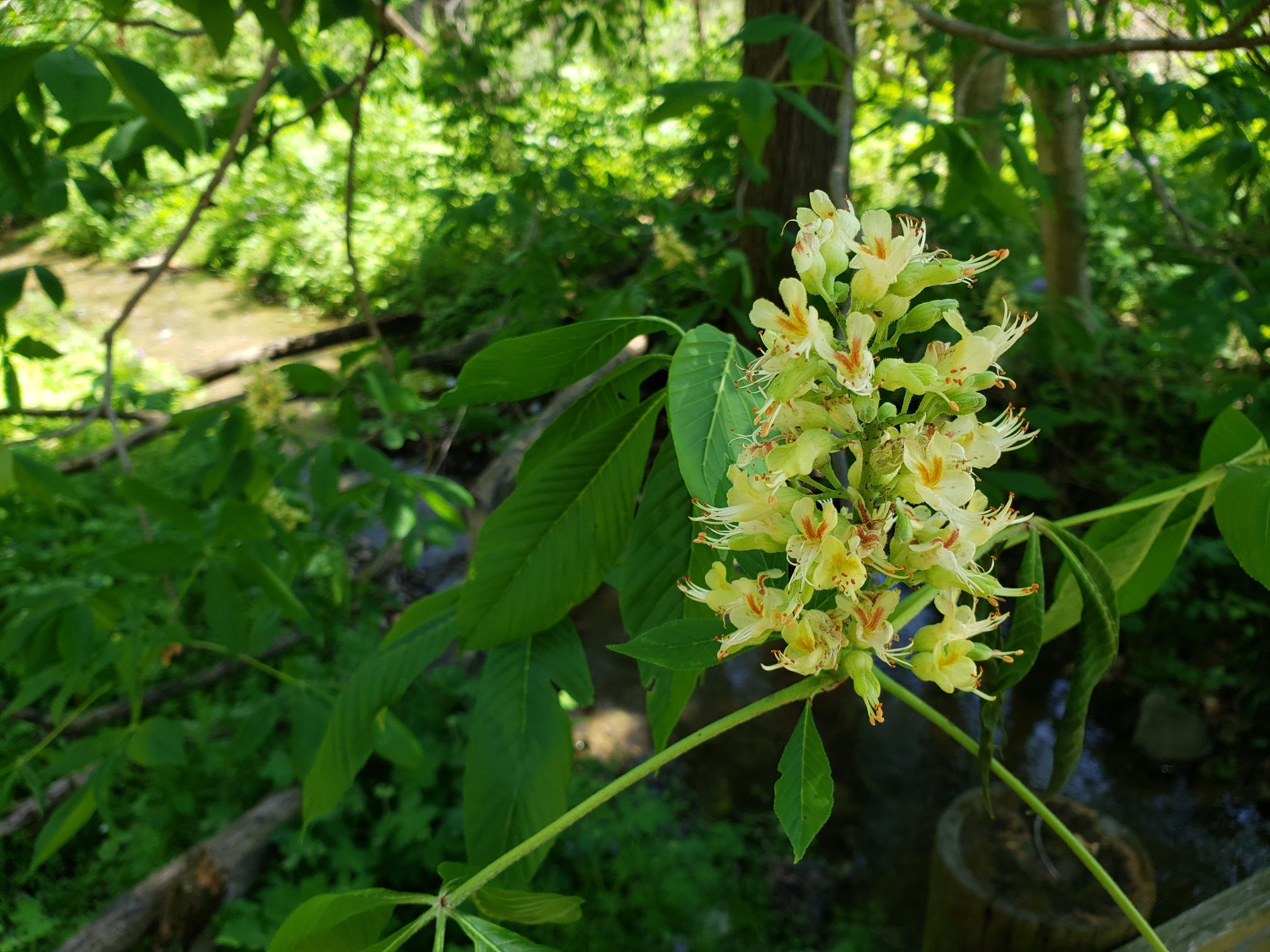

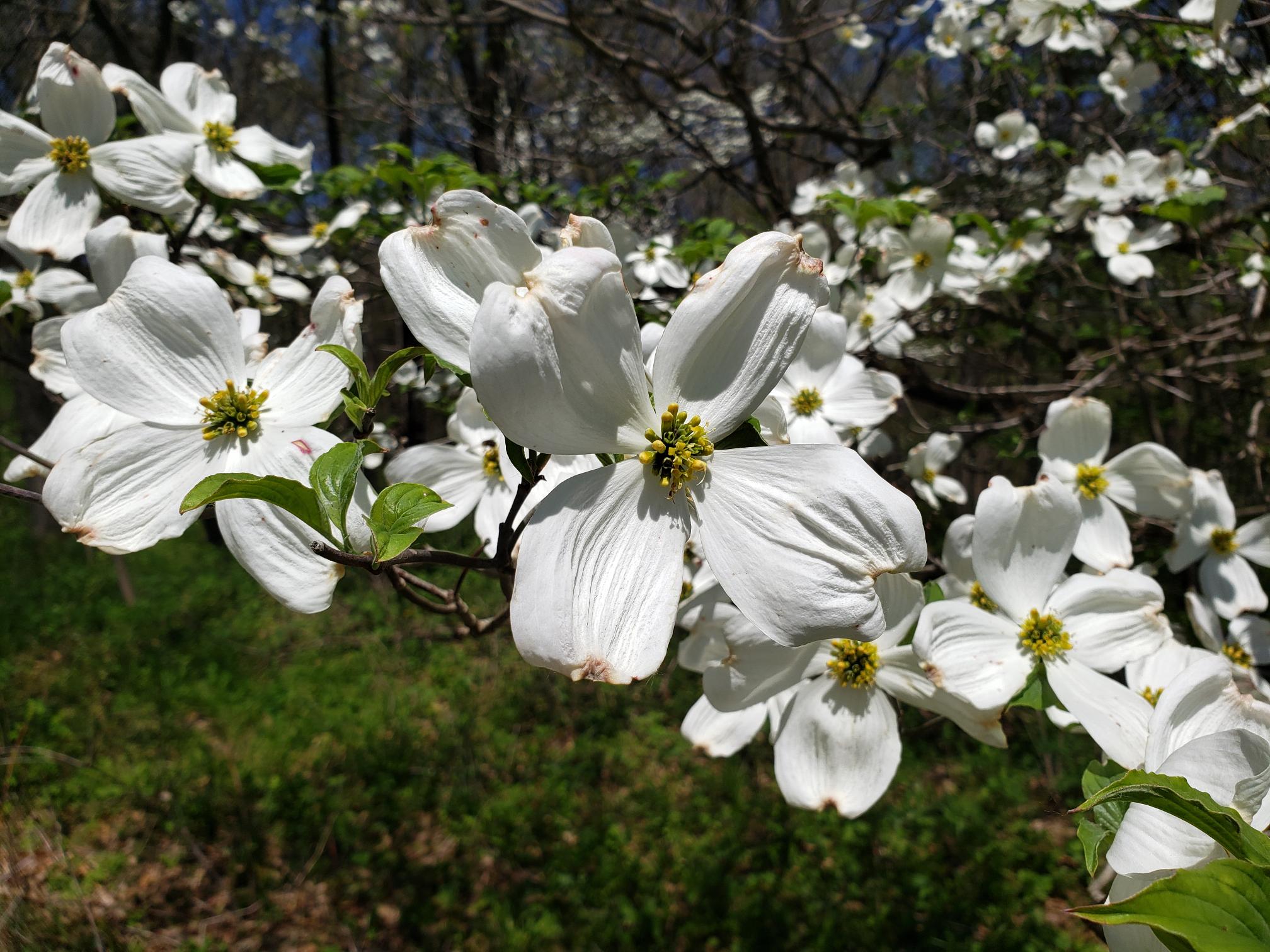
There is also a substantial show on the forest floor. Early-blooming wildflowers emerge and bloom before trees and shrubs expand leaves, allowing them access to sunlight in early spring. Some plants to look for include spring beauty, trilliums, Dutchman’s’ breeches, and bloodroot. Tree, shrub and plant field guides as well as plant ID apps can help you learn the ID features and life histories of these native plants.
Check out our Purdue Extension YouTube Channel to learn from Lenny Farlee, Extension Forester. In this Purdue Extension-FNR “YouTube Shorts” video below you will learn about early blooming trees in the spring time.
Resources:
ID That Tree, Playlist, Purdue Extension – Forestry and Natural Resources (FNR) YouTube Channel
Invasive Species Playlist, Playlist, Purdue Extension – FNR YouTube Channel (Asian Bush Honeysuckle, Burning Bush, Callery Pear, Multiflora rose)
A Woodland Management Moment, Playlist, Purdue Extension – FNR YouTube Channel (Against Invasives, Garlic Mustard, Autumn Olive)
Woodland Stewardship for Landowners, Playlist, Purdue Extension – FNR YouTube Channel (Common Buckthorn, Japanese Barberry)
Indiana Department of Natural Resources: Invasive Species
Indiana Invasive Species Council
Cooperative Invasive Species Management Area (CISMA)
Report Invasive, Purdue Extension
Aquatic Invasive Species, Illinois-Indiana Sea Grant (IISG)
Episode 11 – Exploring the challenges of Invasive Species, Habitat University-Natural Resource University
What are invasive species and why should I care?, Got Nature? Blog, Purdue Extension – FNR
Shrubs and Woody Vines of Indiana and the Midwest, The Education Store, Purdue Extension Resource Center
Native Trees of the Midwest, The Education Store
Lenny Farlee, Extension Forester
Hardwood Tree Improvement and Regeneration Center
Purdue Department of Forestry & Natural Resources
In this edition of ID That Tree, we’re going to introduce you to yet another native Indiana elm found in the far southwest corner of Indiana, and that is winged elm. It’s named for its prominent corky ridges that we see extending off the main stems and twigs. It has alternate leaf arrangement, simple leaves, and doubly serrated margins.
If you have any questions regarding wildlife, trees, forest management, wood products, natural resource planning or other natural resource topics, feel free to contact us by using our Ask an Expert web page.
Resources:
Winged Elm, Native Trees of Indiana River Walk, Purdue Fort Wayne
ID That Tree, Playlist, Purdue Extension – Forestry and Natural Resources (FNR) YouTube Channel (Invasive White Mulberry, Siberian Elm, Tree of Heaven)
Invasive Species Playlist, Playlist, Purdue Extension – FNR YouTube Channel (Asian Bush Honeysuckle, Burning Bush, Callery Pear, Multiflora rose)
A Woodland Management Moment, Playlist, Purdue Extension – FNR YouTube Channel (Against Invasives, Garlic Mustard, Autumn Olive)
Woodland Stewardship for Landowners, Playlist, Purdue Extension – FNR YouTube Channel (Common Buckthorn, Japanese Barberry)
How long do seeds of the invasive tree, Ailanthus altissima remain viable? (Invasive Tree of Heaven), USDA Forest Service
Indiana Department of Natural Resources: Invasive Species
Indiana Invasive Species Council
Cooperative Invasive Species Management Area (CISMA)
Report Invasive, Purdue Extension
Aquatic Invasive Species, Illinois-Indiana Sea Grant (IISG)
Episode 11 – Exploring the challenges of Invasive Species, Habitat University-Natural Resource University
What are invasive species and why should I care?, Got Nature? Blog, Purdue Extension – FNR
Shrubs and Woody Vines of Indiana and the Midwest, The Education Store, Purdue Extension Resource Center
Native Trees of the Midwest, The Education Store
Investing in Indiana Woodlands, The Education Store
Professional Forester, Indiana Forestry Woodland Owners Association
District Forester 10+acres of woodlands, Indiana Department of Natural Resources
Forest Improvement Handbook, The Education Store
Lenny Farlee, Extension Forester
Hardwood Tree Improvement and Regeneration Center
Purdue Department of Forestry & Natural Resources
In this edition of ID That Tree, we’re going to introduce you to yet another southern Indiana oak species. This one is a member of the broad white oak group and it’s called post oak. It’s called that because it’s a very rot resistant and hard wood that used to be used for fence posts. It has rounded lobes, no bristle tips, and typified by a cruciform shape of leaf.
If you have any questions regarding wildlife, trees, forest management, wood products, natural resource planning or other natural resource topics, feel free to contact us by using our Ask an Expert web page.
Resources:
Post Oak, Native Trees of Indiana River Walk, Purdue Fort Wayne
ID That Tree, Playlist, Purdue Extension – Forestry and Natural Resources (FNR) YouTube Channel (Invasive White Mulberry, Siberian Elm, Tree of Heaven)
Invasive Species Playlist, Playlist, Purdue Extension – FNR YouTube Channel (Asian Bush Honeysuckle, Burning Bush, Callery Pear, Multiflora rose)
A Woodland Management Moment, Playlist, Purdue Extension – FNR YouTube Channel (Against Invasives, Garlic Mustard, Autumn Olive)
Woodland Stewardship for Landowners, Playlist, Purdue Extension – FNR YouTube Channel (Common Buckthorn, Japanese Barberry)
How long do seeds of the invasive tree, Ailanthus altissima remain viable? (Invasive Tree of Heaven), USDA Forest Service
Indiana Department of Natural Resources: Invasive Species
Indiana Invasive Species Council
Cooperative Invasive Species Management Area (CISMA)
Report Invasive, Purdue Extension
Aquatic Invasive Species, Illinois-Indiana Sea Grant (IISG)
Episode 11 – Exploring the challenges of Invasive Species, Habitat University-Natural Resource University
What are invasive species and why should I care?, Got Nature? Blog, Purdue Extension – FNR
Shrubs and Woody Vines of Indiana and the Midwest, The Education Store, Purdue Extension Resource Center
Native Trees of the Midwest, The Education Store
Investing in Indiana Woodlands, The Education Store
Professional Forester, Indiana Forestry Woodland Owners Association
District Forester 10+acres of woodlands, Indiana Department of Natural Resources
Forest Improvement Handbook, The Education Store
Lenny Farlee, Extension Forester
Hardwood Tree Improvement and Regeneration Center
Purdue Department of Forestry & Natural Resources
In this edition of ID That Tree, we’re going to introduce you to a southern oak found in Indiana, cherrybark oak. This species can typically be found in bottomland areas in extreme southern Indiana. It’s a member of the broad red oak group. It has hairlike bristle tips, relatively large leaves, a waxy coating on the top, and lobes that have one or tow hair-like spines on the end.
If you have any questions regarding wildlife, trees, forest management, wood products, natural resource planning or other natural resource topics, feel free to contact us by using our Ask an Expert web page.
Resources:
Cherrybark Oak, Native Trees of Indiana River Walk, Purdue Fort Wayne
ID That Tree, Playlist, Purdue Extension – Forestry and Natural Resources (FNR) YouTube Channel (Invasive White Mulberry, Siberian Elm, Tree of Heaven)
Invasive Species Playlist, Playlist, Purdue Extension – FNR YouTube Channel (Asian Bush Honeysuckle, Burning Bush, Callery Pear, Multiflora rose)
A Woodland Management Moment, Playlist, Purdue Extension – FNR YouTube Channel (Against Invasives, Garlic Mustard, Autumn Olive)
Woodland Stewardship for Landowners, Playlist, Purdue Extension – FNR YouTube Channel (Common Buckthorn, Japanese Barberry)
How long do seeds of the invasive tree, Ailanthus altissima remain viable? (Invasive Tree of Heaven), USDA Forest Service
Indiana Department of Natural Resources: Invasive Species
Indiana Invasive Species Council
Cooperative Invasive Species Management Area (CISMA)
Report Invasive, Purdue Extension
Aquatic Invasive Species, Illinois-Indiana Sea Grant (IISG)
Episode 11 – Exploring the challenges of Invasive Species, Habitat University-Natural Resource University
What are invasive species and why should I care?, Got Nature? Blog, Purdue Extension – FNR
Shrubs and Woody Vines of Indiana and the Midwest, The Education Store, Purdue Extension Resource Center
Native Trees of the Midwest, The Education Store
Investing in Indiana Woodlands, The Education Store
Professional Forester, Indiana Forestry Woodland Owners Association
District Forester 10+acres of woodlands, Indiana Department of Natural Resources
Forest Improvement Handbook, The Education Store
Lenny Farlee, Extension Forester
Hardwood Tree Improvement and Regeneration Center
Purdue Department of Forestry & Natural Resources
Indiana Arborist Association
P.O. Box 946
Cicero, IN 46034
Press Release February 14, 2024
The Indiana Arborist Association (IAA) has received funding from Indiana Department of Natural Resource’s Community and Urban Forestry program to launch the first ever workforce development program dedicated to training certified arborists from underserved and disadvantaged communities in Northwest Indiana (NWI). This grant is funded through the U.S. Department of Agriculture (USDA) Forest Service Urban & Community Forestry program.
The IAA strives to enhance the quality of life for Indiana residents by encouraging the planting, maintenance and preservation of trees and promoting the advantages of working with qualified professional arborists who use current industry standards. Ashley Mulis, who will serve as program manager for the initiative is excited for this opportunity. “The need for qualified arborists in NWI has consistently surpassed the number of available practitioners. The IAA is thrilled to be able to launch such an important program in an area of the state that has historically suffered from both lack of tree canopy and certified arborists.” The State of Indiana along with many states across the U.S. struggle to fill jobs in the green industry with skilled labor. To effectively manage the urban forest, communities need skilled practitioners in arboriculture who understand the biology, management needs, and critical ecosystem services trees provide.
The Arborist Apprenticeship program will be a collaborative effort with several partners in NWI including Purdue University Northwest (PNW), Purdue Extension, and the Center for Workforce Innovation who will assist in the education and training of arborists who will go on to care for trees in disadvantaged communities of NWI. PNW Chancellor Kenneth Holford had this to say of the program partnership with IAA: “Purdue University Northwest is pleased to be a partner in this innovative workforce development program aimed at filling a growing and increasingly important gap in local talent to enhance the urban forests and ecosystems throughout Northwest Indiana. This program is consistent with PNW’s goal of building a strong, skilled, and sustained workforce for the region.”
Northwest Indiana has been the focus of a large multi-year tree planting effort led by CommuniTree. CommuniTree is NWI’s flagship urban and community forestry program that brings non-profits, communities, government agencies, universities, and businesses together to deliver a shared goal of creating a more diverse, healthy, and equitable urban forest across the region. As of 2024, CommuniTree partners including the Northwestern Indiana Regional Planning Commission (NIRPC), the Student Conservation Association (SCA), the US Forest Service (USFS), the NWI Urban Waters Federal Partnership (NWI UWFP) and others, have planted over 10,000 trees across the region. These trees require professional management provided by trained certified arborists. “CommuniTree, an outgrowth of the NWI UWFP, has created an unparalleled opportunity for workforce development initiatives to continue to grow, sustain and diversify urban forests in the region by drawing on the strengths that regional partnerships bring to the table. The NWI UWFP fully supports the IAA in their endeavor to provide professionally trained and certified Arborists for NWI.” Victoria Wittig, Ph.D., the Northwest Indiana Urban Waters Federal Partnership Ambassador. “The Center of Workforce Innovations applauds IAA on their work to bring this transformational program to NWI. Disadvantaged communities often bear the brunt of climate change impacts and environmental degradation. Training individuals from these communities in climate adaptation and mitigation strategies can lead to healthier local environments. The CommuniTree program, in conjunction with this Arborist Apprenticeship program specifically aims to not only reverse these environmental impacts but also equip residents of those same communities with the skills and knowledge necessary to thrive in the emerging green economy through a proven work-and-learn model.” Shaun Sahlhoff, Director of Planning and Fundraising at the Center of Workforce Innovations.
To learn more about the Indiana Arborist Association visit www.indiana-arborist.org or email info@indiana-arborist.org.
Media Contact:
Ashley Mulis, Business Manager
Indiana Arborist Association
Email: ashley@indiana-arborist.org
Phone: (219) 295-0048
Lindsey Purcell, Executive Director
Indiana Arborist Association
Email: lindsey@indiana-arborist.org
Phone: (219) 295-0048
Other Resources:
Urban Forestry, Playlist, Purdue Extension – Forestry and Natural Resources (FNR) YouTube Channel
How to Find an Arborist Near You!, Purdue Extension – FNR Got Nature? Blog
International Society of Arboriculture (ISA)
What is Urban Forestry? Do You Know?, Purdue Extension – FNR Got Nature? Blog
Urban Forestry Minor, Purdue Forestry & Natural Resources (FNR)
Storms Can Cause Damage and Tree Cleanup, What You Need to Know, Purdue Extension – FNR Got Nature? Blog
Purdue Landscape Report, Purdue Science-Based Midwest Landscaping
Forest Improvement Handbook, The Education Store, Purdue Extension’s resource center
Investing in Indiana Woodlands, The Education Store
Woodland Wildlife Management, The Education Store
ID That Tree, Playlist, Purdue Extension – Forestry & Natural Resources (FNR) YouTube Channel
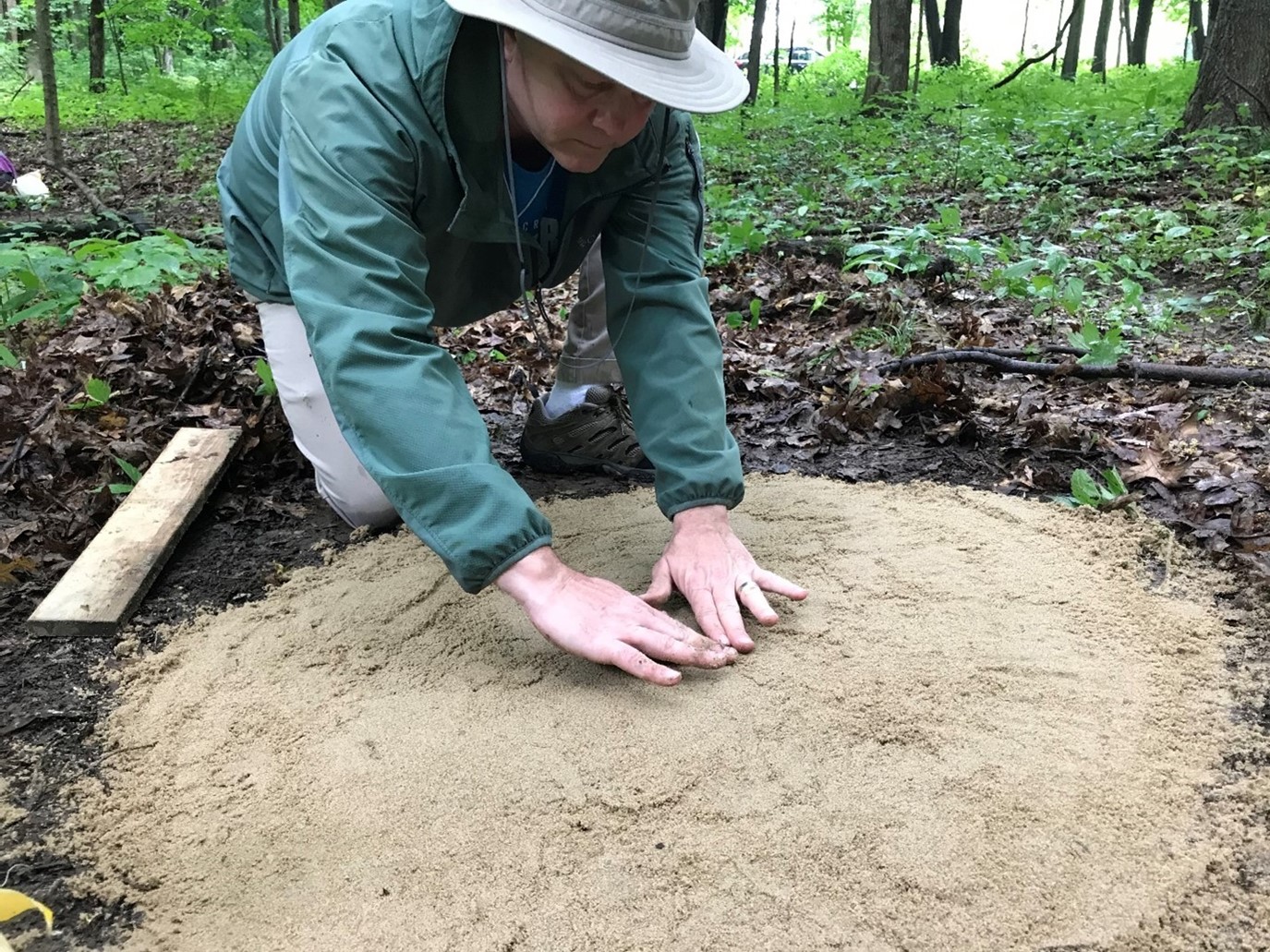
During K-12 Educator workshops, participants learn how to implement TNT curriculum such as building scent stations (pictured above). Photo by Jarred Brooke.
Agricultural & Natural Resources: Richard Louv’s words, “Time in nature is not leisure time, it’s an essential investment in our children’s health (and also, by the way, in our own),” underscores the critical role of nature in children’s well-being. Inspired by Louv’s concept of “nature deficit disorder,” The Nature of Teaching (TNT) was established in 2009 to connect youth to nature. The Nature of Teaching became an ANR signature program in 2019.
The primary focus of TNT is to engage K-12 youth with nature to foster environmental awareness and reap the positive health benefits of outdoor experiences. The program achieves this by integrating nature-based education into the school environment through standards-based curriculum. Through this, TNT not only connects students with nature but also provides lessons that align with Common Core and Next Generation Science standards.
The curriculum of The Nature of Teaching is divided into three key areas: Wildlife, Health and Wellness, and Food Waste. The Wildlife curriculum enhances students’ understanding of the natural world, while the Health and Wellness curriculum emphasizes the health benefits of connecting with nature. The Food Waste curriculum explores the environmental impact of food waste. Educators have access to more than 60 free standards-based lesson plans suitable for K-12 classrooms. In addition, TNT includes five informal curriculum units that are not standards-based and are more activity-focused. These informal lessons are great for field days and after-school type programs.

Veronica Bullock teaching a TNT lesson, Adaptations for Aquatic Amphibians, in a Union County classroom. Photo by Jennifer Logue.
Extension educators around the state have delivered TNT lessons to K-12 students since TNT became a signature program in 2019. In 2022 alone, 2,424 K-12 students benefited from TNT instruction, highlighting an impressive average knowledge increase of 16-31% in natural resources topics. The Nature of Teaching further supports K-12 educators through teacher workshops, with 17 teachers attending a workshop at Big Oaks National Wildlife Refuge in 2022. Attendees reported a significant boost in knowledge and confidence in connecting youth with nature.
As part of the signature program, Extension educators deliver three educational sessions using TNT formal curriculum to at least 15 students. Educators are also asked to provide students with pre- and post-tests to better understand student learning outcomes. Most educators deliver TNT in their local school system over several weeks. However, others deliver TNT through school clubs, after-school programs, or other avenues. The signature program requirements for Nature of Teaching are on the ANR Intranet. Educators are encouraged to work across program areas to deliver TNT.
Starting this year, The Nature of Teaching will be co-led by Jarred Brooke, Extension wildlife specialist, and Veronica Bullock, ANR educator, Franklin County. Jarred and Veronica have a long history with the TNT program and are excited to lead TNT into the future.
For educators who are interested in TNT, we will host a webinar on April 2 at 10 a.m. EDT to discuss future changes to the Nature of Teaching Signature program.
To see this article and others, please visit ANR Newsletter-February 2024.
Visit Nature of Teaching to learn more and explore the different lessons.
Resources:
Virtual Workshops, Nature of Teaching
Nature of Teaching, Website, Purdue College of Agriculture
The Nature of Teaching, YouTube channel
Transporting Food Waste, The Education Store, Purdue Extension resource center
Benefits of Connecting with Nature, The Education Store
Nature of Teaching: Common Mammals of Indiana, The Education Store
The Nature of Teaching: Food Waste Solutions, The Education Store
The Nature of Teaching: Food Waste and the Environment, The Education Store
The Nature of Teaching: Trees of the Midwest, The Education Store
The Nature of Teaching: Adaptations for Aquatic Amphibians, The Education Store
Trees of the Midwest Webinar, Nature of Teaching YouTube channel
Adaptations For Aquatic Amphibians Webinar, Nature of Teaching YouTube channel
Agriculture & Natural Resources (ANR)
Jarred Brooke, Wildlife Extension Specialist
Purdue Department of Forestry and Natural Resources
Veronica Bullock, ANR Extension Educator
Purdue Extension Franklin County
Videos on the Purdue Forestry and Natural Resources Extension YouTube channel received more than 213,000 views in 2023. The Top 50 videos included 47 editions of ID That Tree, an informational series by Purdue Extension forester Lenny Farlee, as well as a webinar by Farlee on How to Identify Trees in Indiana. The remaining two videos in the Top 50 were an instructional video about a common urban tree planting problem by former Purdue Extension urban forester Lindsey Purcell, and a video about the use of prescribed fire on the Hardwood Ecosystem Experiment.
Below we will count down the 10 most viewed Purdue FNR Extension videos of 2023 with a few bonus videos sure to shoot up the list in future years.
Our most viewed video in 2023 was ID That Tree: Black Walnut with a whopping 18,156 views. This video has been seen more than 28,000 times since its debut in September of 2020.
1 – ID That Tree: Black Walnut — Learn the identifying characteristics of the black walnut tree, also known as the American black walnut or eastern black walnut, including pairs of leaflets running down each stem, long running ridges on the bark, and round nuts that have a very strong exterior. This sun-loving tree also needs high quality soil.
Our second most viewed video is ID That Tree: American Elm. This video, which debuted in June 2020, was watched 16,779 times in 2023, and has been viewed 33,456 times overall.
2 – ID That Tree: American Elm — In this tree identification series you will see how American elm leaves have jagged edges with a large tooth and then smaller teeth like edges on top of it. Find out why these trees are not as easy to find as they used to be.
Number three on our most viewed list is ID That Tree: Black Oak. This video, which debuted in March 2021, was seen 5,773 times in 2023.
3 – ID That Tree: Black Oak — In this episode of ID That Tree, we continue to get to know the oak groups, this time focusing on the black oak species. Deep sinuses on the leaves and shinier coat, a dark blocky bark and acorns with loose shingle-like plates on the cap are some key identifiers to separate it from the red oak and others.
Number four on the most viewed videos list was ID That Tree: Invasive White Mulberry. This video, which debuted in September 2021, was seen 5,197 times in 2023.
4 – ID That Tree: Invasive White Mulberry — On this episode of ID That Tree, Purdue Extension forester Lenny Farlee introduces you to a non-native invasive tree that is widespread across the state, white mulberry. Key identifying characteristics to separate it from its native cousin red mulberry are shiny variable leaves and where the species grows, near fence rows, hedgerows and other waste areas. The red mulberry has larger leaves that are duller in color with a sandpapery texture, and the species is often found in the forest understory.
Fifth on our countdown of top videos of 2023 is ID That Tree: Pignut Hickory. This video, which debuted in March 2022, was seen 4,569 times in 2023.
5 – ID That Tree: Pignut Hickory — In this edition of ID That Tree, meet another member of the hickory family that can found in upland areas, the pignut hickory. This species is identifiable by its five-leaflet compound leaves, its smooth round nut and partially open husk.
Number six on our list of top videos for the year is ID That Tree: Northern Catalpa. This video, which debuted in August 2021, was watched 4,489 times in 2023.
6 – ID That Tree: Northern Catalpa – On this episode of ID That Tree, meet the Northern Catalpa, native to southern Indiana along the Ohio River bottoms. This species, which provides rot resistant wood great for outdoor usage, features beautiful flower clusters in early summer, huge heart shaped leaves in whirled formation, and long bean-like fruit pods.
Number seven on our Purdue FNR Extension most viewed list is ID That Tree: Sassafras. This video, which debuted in July 2020, was seen 4,481 times in 2023. Graduate student Olivia Bingham is researching sassafras wilt in Indiana and needs your help with possible sightings across the state.
7 – ID That Tree: Sassafras — Join Purdue Extension forester Lenny Farlee as he introduces you to the Sassafras in this edition of ID That Tree. The Sassafras is well known for the tea made from its bark and also for having a variety of shaped leaves from zero to three lobes.
Eighth on our 2023 most watched videos list is ID That Tree: Red Pine. This video, which debuted in February 2022, was seen 4,470 times in 2023.
8 – ID That Tree: Red Pine — This week on ID That Tree, Purdue Extension forester Lenny Farlee introduces you to a non-native conifer that can be found throughout the state, the Red Pine. This species, which enjoys sandy soil, is identifiable by its small, egg-shaped cones, as well as tufts of needle pairs, which can be quite brittle, and orange/reddish bark.
Number nine on our most watched list is ID That Tree: Pin Oak. This video, which debuted in December 2021, was viewed 4,100 times in 2023.
9 – ID That Tree: Pin Oak — On this edition of ID That Tree, meet a species of native Indiana oak from the broad red/black oak family, which is found in bottomlands and areas with imperfectly drained soil, the Pin Oak. This species is recognizable by round acorns with flat scales, bristle-tipped leaves with deep 90-degree angled lobes, and lower branches that angle downward.
Number 10 on our most watched list is ID That Tree: Honey Locust. This video, which debuted in October 2021, was seen 3,510 times in 2023.
10 – ID That Tree: Honey Locust — This native tree comes with its own defense system in very large thorns on the stems and trunk. Meet the honey locust. Purdue Extension forester Lenny Farlee explains that large, long yellow seed pods that resemble bean pods, the option of single or doubly compound leaves on the same tree and smooth gray bark also help identify this species.
To see the full article, please visit FNR News & Stories.
Resources:
ID That Tree, Playlist, Purdue Extension – Forestry and Natural Resources (FNR) YouTube Channel (Invasive White Mulberry, Siberian Elm, Tree of Heaven)
Invasive Species Playlist, Playlist, Purdue Extension – FNR YouTube Channel (Asian Bush Honeysuckle, Burning Bush, Callery Pear, Multiflora rose)
A Woodland Management Moment, Playlist, Purdue Extension – FNR YouTube Channel (Against Invasives, Garlic Mustard, Autumn Olive)
Woodland Stewardship for Landowners, Playlist, Purdue Extension – FNR YouTube Channel (Common Buckthorn, Japanese Barberry)
Indiana Department of Natural Resources: Invasive Species
Indiana Invasive Species Council
Cooperative Invasive Species Management Area (CISMA)
Report Invasive, Purdue Extension
Aquatic Invasive Species, Illinois-Indiana Sea Grant (IISG)
Episode 11 – Exploring the challenges of Invasive Species, Habitat University-Natural Resource University
What are invasive species and why should I care?, Got Nature? Blog, Purdue Extension – FNR
Shrubs and Woody Vines of Indiana and the Midwest, The Education Store, Purdue Extension Resource Center
Native Trees of the Midwest, The Education Store
Investing in Indiana Woodlands, The Education Store
Forest Improvement Handbook, The Education Store
Wendy Mayer, FNR Communications Coordinator
Purdue University Department of Forestry and Natural Resources
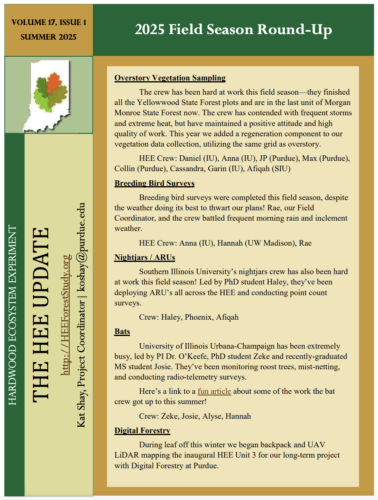 The Hardwood Ecosystem Experiment (HEE) just updated their newsletter for the fall/winter season. The Hardwood Ecosystem Experiment (HEE) was developed to study the effectiveness of different forest management methods in promoting successful oak and hickory regeneration and the effects of these management practices on plant and animal species. With nine partnering universities and agencies conducting research on the ecological and social impacts of long-term forest management, HEE has been an integral part of completed research for over 30 plus M.S. and Ph.D. level graduate students. The project has also employed more than 250 undergraduate and post-graduate students to conduct summer field work.
Newsletter topics include:
Squirrel & Small Mammal Crew
- Sarah Baker (PhD Candidate, Purdue) and three Wildlife Technicians conducted squirrel point count surveys. Camera trapping for squirrels and small mammals was also conducted.
Cerulean Warbler Crew
- Julian Grudens (MS Candidate, BSU) and Brit Nahorney (MS Candidate, BSU) worked with two Technicians to conduct aural surveys, nest searching, and mist netting.
They also collected caterpillar droppings to investigate the dietary preferences of Ceruleans.
Bat Crew
- Josie Hoppenworth (MS Candidate, UIUC) and Reed Crawford (PhD Candidate, UIUC) worked with two Technicians to conduct mist netting and find and catalogue roost trees.
Additional Work
- Longhorn beetle trapping was conducted (Purdue).
- Moth samples were collected (Drake University).
Introducing New HEE Staff
Rae Garrett – Field Coordinator
Rae began as the Field Coordinator in May 2023. Recently she graduated from Purdue University with a BS in Wildlife Biology with a minor in Insect Biology. Since then, she has worked in various temporary positions gaining experience in field work and outreach. She looks forward to assisting HEE Researchers with continuing data collection and working with Kat to reach new goals in outreach.
Kat Shay – Project Coordinator
Kat began as the Project Coordinator in September 2023. She has an MS in Environmental Science and an MPA from Indiana University, where she worked in Dr. Kim Novick’s lab on various phenology, carbon flux, oak leaf-miner, and cicada projects in Morgan Monroe and Yellowwood. She holds a BS in Environmental Science from the University of Alabama, where she worked in the Spatial Ecology Lab. She previously worked for NOAA at the Beaufort Lab in NC, conducting research on carbon flux and storage in salt marshes. Most recently she worked in the San Bernardino National Forest in southern California, managing conservation, recreation, and restoration projects. She has lived in Scotland, Germany, and all over the US and loves reading, traveling, and sports (especially soccer and rugby). She’s excited Hardwood Ecosystem Experiment Fall/Winter 2023 to join the HEE team and continue working in the forests she loves.
To view the full newsletter visit: HEE Newsletter.
If you would like to receive the HEE e-newsletter send your name, email, address and your interests to Kat Shay, forest project coordinator, at koshay@purdue.edu.
Resources:
Hardwood Ecosystem Experiment – Wildlife Responses to Timber Harvesting, The Education Store, Purdue Extension’s resource center
The Hardwood Ecosystem Experiment: Indiana Forestry and Wildlife, The Education Store
Breeding Birds and Forest Management: the Hardwood Ecosystem Experiment and the Central Hardwoods Region, The Education Store
The Hardwood Ecosystem Experiment: 2006-2016, The Education Store
Shrubs and Woody Vines of Indiana and the Midwest, The Education Store
Hardwood Ecosystem Experiment Playlist, Subscribe to Purdue Extension – Forestry and Natural Resources (FNR) YouTube Channel
Hardwood Ecosystem Experiment – Prescribed Fire, Purdue Extension – FNR YouTube
A Woodland Management Moment, Playlist, Purdue Extension – FNR YouTube Channel
Investing in Indiana Woodlands, The Education Store
Forest Improvement Handbook, The Education Store
Finding help from a professional forester, Indiana Forestry & Woodland Owners Association
Kat Shay, Forest Project Coordinator
Hardwood Ecosystem Experiment (HEE)
Purdue Forestry & Natural Resources
In this edition of ID That Tree, we’re going to introduce you to another member of the oak family found in Indiana, and that’s northern pin oak. You can find it in the northern part of Indiana on dry and sandy soils. It’s a member of the red and black oak group, so it has bristle tips on the ends of the lobes of the leaves. The twigs can be found anywhere from medium to dark grey, and the buds are very dark and sharply pointed.
If you have any questions regarding wildlife, trees, forest management, wood products, natural resource planning or other natural resource topics, feel free to contact us by using our Ask an Expert web page.
Resources:
ID That Tree, Playlist, Purdue Extension – Forestry and Natural Resources (FNR) YouTube Channel (Invasive White Mulberry, Siberian Elm, Tree of Heaven)
Invasive Species Playlist, Playlist, Purdue Extension – FNR YouTube Channel (Asian Bush Honeysuckle, Burning Bush, Callery Pear, Multiflora rose)
A Woodland Management Moment, Playlist, Purdue Extension – FNR YouTube Channel (Against Invasives, Garlic Mustard, Autumn Olive)
Woodland Stewardship for Landowners, Playlist, Purdue Extension – FNR YouTube Channel (Common Buckthorn, Japanese Barberry)
How long do seeds of the invasive tree, Ailanthus altissima remain viable? (Invasive Tree of Heaven), USDA Forest Service
Indiana Department of Natural Resources: Invasive Species
Indiana Invasive Species Council
Cooperative Invasive Species Management Area (CISMA)
Report Invasive, Purdue Extension
Aquatic Invasive Species, Illinois-Indiana Sea Grant (IISG)
Episode 11 – Exploring the challenges of Invasive Species, Habitat University-Natural Resource University
What are invasive species and why should I care?, Got Nature? Blog, Purdue Extension – FNR
Shrubs and Woody Vines of Indiana and the Midwest, The Education Store, Purdue Extension Resource Center
Native Trees of the Midwest, The Education Store
Investing in Indiana Woodlands, The Education Store
Professional Forester, Indiana Forestry Woodland Owners Association
District Forester 10+acres of woodlands, Indiana Department of Natural Resources
Forest Improvement Handbook, The Education Store
Lenny Farlee, Extension Forester
Hardwood Tree Improvement and Regeneration Center
Purdue Department of Forestry & Natural Resources

Recent Posts
- Opportunities for Prescribed and Wildland Fire Training
Posted: November 4, 2026 in Forestry, How To, Wildlife, Woodlands - Wildlife Issues and Solutions: A New Online Series
Posted: in Forestry, How To, Wildlife, Woodlands - Burning for Benefits: Where Fire Belongs in Indiana
Posted: in Forestry, Safety, Wildlife, Woodlands - Residents, Alumni Invited to Share Indiana Natural Resource, Spaces, Species Memories
Posted: in Forestry, Forests and Street Trees, Gardening, Urban Forestry, Wildlife - Now Is The Time To Control Non-Native Bush Honeysuckle
Posted: October 30, 2026 in Forestry, How To, Invasive Plant Species, Woodlands - Help Strengthen the Future of Indiana Maple Syrup
Posted: October 29, 2026 in Forestry, How To, Woodlands - Popular Landscape Shrub is Invasive
Posted: October 15, 2026 in Alert, Forestry, Forests and Street Trees, Invasive Plant Species, Plants, Woodlands - Purdue Extension’s Regional Teams Are Here: Connecting Communities with Expertise and Opportunity
Posted: October 14, 2026 in Community Development, Forestry, Forests and Street Trees, Gardening, How To, Timber Marketing, Urban Forestry, Wildlife, Woodlands - Why Do Our Trees Go From Green Leaves to Different Colors?
Posted: in Forestry, Forests and Street Trees, Urban Forestry, Woodlands - Deer and Turkey Archery Seasons Opening Soon, MyDNR
Posted: October 13, 2026 in Alert, Safety, Wildlife
Archives
Categories
- Alert
- Aquaculture/Fish
- Aquatic/Aquaculture Resources
- Ask the Expert
- Christmas Trees
- Community Development
- Disease
- Drought
- Forestry
- Forests and Street Trees
- Gardening
- Got Nature for Kids
- Great Lakes
- How To
- Invasive Animal Species
- Invasive Insects
- Invasive Plant Species
- Land Use
- Natural Resource Planning
- Nature of Teaching
- Plants
- Podcasts
- Ponds
- Publication
- Safety
- Spiders
- Timber Marketing
- Urban Forestry
- Webinar
- Wildlife
- Wood Products/Manufacturing
- Woodland Management Moment
- Woodlands