 Purdue University - Extension - Forestry and Natural Resources
Got Nature? Blog
In this prescribed fire ignition technique videos Purdue Extension wildlife specialist Jarred Brooke describes a ring fire. The igniters will light fires to encircle the unit. Ring fire technique usually creates more intense fire behavior than strip head fires.
If you have any questions regarding wildlife, trees, forest management, wood products, natural resource planning or other natural resource topics, feel free to contact us by using our Ask an Expert web page.
Resources
Wildlife Habitat Hint, Playlist, Purdue Extension – Forestry and Natural Resources YouTube channel
Wildlife Habitat Hint: Late Growing Season Prescribed Fire, Video
Renovating Native Warm-Season Grass Stands for Wildlife: A Land Manager’s Guide, The Education Store, Purdue Extension resource center
Prescribed fire: 6 things to consider before you ignite, Got Nature? Blog, Purdue Extension – 4Forestry and Natural Resources
Jarred Brooke, Wildlife Extension Specialist
Purdue Department of Forestry and Natural Resource
In this episode of Wildlife Habitat Hint, Purdue Wildlife Extension specialist Jarred Brooke talks about exclusion cages. Exclusion cages are cheap and easy ways to gain information about deer and food plots on your property.
If you have any questions regarding wildlife, trees, forest management, wood products, natural resource planning or other natural resource topics, feel free to contact us by using our Ask an Expert web page.
Resources
Wildlife Habitat Hint, Playlist, Purdue Extension – Forestry and Natural Resources YouTube channel
Ask an Expert: Wildlife Food Plots, Video
A Woodland Management Moment – Deer Fencing, Video
Deer Exclosures, Video, Purdue Forestry and Natural Resources YouTube channel
Frost Seeding to Establish Wildlife Food Plots and Native Grass and Forb Plantings, Purdue Extension resource center
Woodland Stewardship for Landowners: Managing Deer Damage to Young Trees, Video
Jarred Brooke, Wildlife Extension Specialist
Purdue Department of Forestry and Natural Resources
Get ready to receive your weekly dose of natural resources information via a new podcast network called Natural Resources University. Purdue Forestry and Natural Resources’ Jarred Brooke hosts the new podcasts Habitat University.
 Brooke, a Purdue Extension wildlife specialist, is the co-host of Habitat University along with Adam Janke, an extension wildlife specialist at Iowa State University. The pair will discuss the science behind wildlife habitat management and how landowners and managers can use different habitat management practices to improve their land for wildlife. Brooke and Janke will be joined on the podcast by other wildlife specialists, wildlife biologists, researchers and landowners. The first episode of Habitat University is here: Habitat University. You can also follow Habitat University on twitter at www.twitter.com/Habitat_U.
In total, Natural Resources University will include four science-based podcasts, covering different aspects of natural resource management. You can subscribe to the entire network, which will bring you a different podcast each week, or you can subscribe to an individual podcast, which will release one episode a month. Subscribe here: Natural Resources University
A full introduction to the Natural Resources University network team and to each podcast are available in this overarching episode: Episode 01 – Introduction to NRU.
The podcasts are categorized in four topics:
Deer University: Topics discussed include deer biology, ecology, and management to help landowners and hunters apply science to practical management objectives. Subscribe to Deer University: Deer University
Pond University: Conversations with aquatic scientists, landowners, and pond professionals will cover topics like pond habitat, fish stocking, vegetation control and pond construction. Listen to Pond University: Pond University
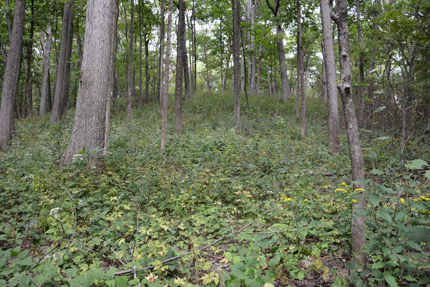 Fire University: Science-based podcast covering the latest research in fire ecology and how it relates to management of wildlife and plant communities. Subscribe to Fire University: Fire University
Habitat University: Discusses the science behind wildlife habitat management and how landowners and managers can use different habitat management practices to improve their land for wildlife. Subscribe to Habitat University: Habitat University.
The Natural Resources University podcast network, which is funded by the Renewable Resources Extension Act, is a partnership between the extension services at several land-grant universities, including Mississippi State University Extension Service, University of Florida Extension, Iowa State University Extension and Outreach and Purdue Extension.
Resources
Pond and Wildlife Management Website
Managing Your Woods for White-Tailed Deer, The Education Store, Purdue Extension resource center
A Pond Management Plan Template, The Education Store
Renovating native warm-season grass stands for wildlife: A Land Manager’s Guide, The Education Store
Megan Gunn, Recruitment and Outreach Specialist
Purdue Department of Forestry and Natural Resources
Jarred Brooke, Wildlife Extension Specialist
Purdue Department of Forestry and Natural Resources
Purdue Extension forester Lenny Farlee brings you another edition of ID That Tree. Sweet orange fruit, simple leaves and alligator-like bark are just a few recognizable characteristics of this native Indiana tree, the persimmon. Enjoy video and learn more.
If you have any questions regarding wildlife, trees, forest management, wood products, natural resource planning or other natural resource topics, feel free to contact us by using our Ask an Expert web page.
Resources
Persimmons, The Education Store, Purdue Extension resource center
The Fruit Of The Gods From An Indiana Tree?, Got Nature? Blog, Purdue Extension – Forestry and Natural Resources
Persimmon, Native Trees of Indiana River Walk, Purdue Fort Wayne
ID That Tree, Playlist
A Woodland Management Moment, Playlist
Investing in Indiana Woodlands, The Education Store
Forest Improvement Handbook, The Education Store
Lenny Farlee, Sustaining Hardwood Extension Specialist
Purdue University Department of Forestry and Natural Resource
 Well-maintained trees provide many benefits including increased property values, improved air quality and curb appeal. Trees are living organisms making them vulnerable to pests and environmental extremes resulting in health issues which result in defects. This publication will help guide you on where and how to identify tree defects and a better understanding of when to contact an arborist for assistance.
Resources
Tree wounds and healing, Got Nature? Blog, Purdue Extension – Forestry and Natural Resources
How to Identify Tree Defects and What to Do About It?, Got Nature? Blog
Iron Chlorosis of Trees and Shrubs, The Education Store, Purdue Extension resource center
Surface Root Syndrome, The Education store
Tree Appraisal and the Value of Trees, The Education Store
Lindsey Purcell, Urban Forestry Specialist
Purdue University, Department of Forestry and Natural Resources
In this second of five prescribed fire ignition technique videos, Purdue Extension wildlife specialist Jarred Brooke describes a flanking fire.
If you have any questions regarding wildlife, trees, forest management, wood products, natural resource planning or other natural resource topics, feel free to contact us by using our Ask an Expert web page.
Resources
Wildlife Habitat Hint, Playlist, Purdue Extension – Forestry and Natural Resouces YouTube channel
Wildlife Habitat Hint: Late Growing Season Prescribed Fire, Video
Renovating Native Warm-Season Grass Stands for Wildlife: A Land Manager’s Guide, The Education Store, Purdue Extension resource center
Prescribed fire: 6 things to consider before you ignite, Got Nature? Blog, Purdue Extension – 4Forestry and Natural Resources
Jarred Brooke, Wildlife Extension Specialist
Purdue Department of Forestry and Natural Resources
In this video, we explain the second treatment technique utilized on the Hardwood Ecosystem Experiment, even-aged management. This technique aims to create areas where all of the trees are the same age. Watch to learn how this is accomplished.
The 100 year study, Hardwood Ecosystem Experiment (HEE), brings pertinent forest management data to many in Indiana. HEE Extension publications continue to share topics including: Wildlife Responses to Timber Harvesting, Sustaining our Oak-Hickory Forests, Forest Birds and more.
To learn more about this 100 year forest management plan and see its impacts, check out the Hardwood Ecosystem Experiment (HEE) website.
Resources
Hardwood Ecosystem Experiment (HEE), Playlist, Purdue Extension – Forestry and Natural Resources
Hardwood Ecosystem Experiment: Uneven-aged Management, Video
A Woodland Management Moment, Playlist
Woodland Stewardship for Landowners, Playlist
The Hardwood Ecosystem Experiment: Indiana Forestry and Wildlife, The Education Store, Purdue Extension resource center
Resources and Assistance Available for Planting Hardwood Seedlings, The Education Store
Charlotte Owings, Hardwood Ecosystem Experiment Project Coordinator
Purdue University, Department of Forestry and Natural Resources
In this third of five prescribed fire ignition technique videos, Purdue Extension wildlife specialist Jarred Brooke describes a strip head fire and how this technique differs from other options.
If you have any questions regarding trees, forests, wildlife, wood products or other natural resource topics, feel free to contact us by using our Ask an Expert web page.
Resources
Wildlife Habitat Hint, Playlist, Purdue Extension – Forestry and Natural Resouces YouTube channel
Wildlife Habitat Hint: Late Growing Season Prescribed Fire, Video
Renovating Native Warm-Season Grass Stands for Wildlife: A Land Manager’s Guide, The Education Store, Purdue Extension resource center
Prescribed fire: 6 things to consider before you ignite, Got Nature? Blog, Purdue Extension – 4Forestry and Natural Resources
Jarred Brooke, Wildlife Extension Specialist
Purdue Department of Forestry and Natural Resources
Hickories aren’t often thought of for their fall foliage, with some exceptions. Meet the shagbark hickory and its stunning golden leaves. Learn more in this edition of ID That Tree with Purdue Extension forester Lenny Farlee.
If you have any questions regarding wildlife, trees, forest management, wood products, natural resource planning or other natural resource topics, feel free to contact us by using our Ask an Expert web page.
Resources
ID That Tree, Playlist, Purdue Extension – Forestry and Natural Resources Youtube Channel
Hickory and Pecan Species, The Education Store, Purdue Extension resource center
Shagbark Hickory, Native Trees of Indiana River Walk, Purdue Fort Wayne
Shagbark Hickory, The Purdue Arboretum Explorer
Fall Color Pigments, Video, Purdue Extension – Forestry and Natural Resources Youtube Channel
Investing in Indiana Woodlands, The Education Store
Tree Appraisal and the Value of Trees, The Education Store
Forest Improvement Handbook, The Education Store
Lenny Farlee, Sustaining Hardwood Extension Specialist
Purdue University Department of Forestry and Natural Resources
Purdue Landscape Report: Tubakia leaf spot, caused by the fungus Tubakia, is the disease we find more commonly on oak than any other. Throughout the world, there are 11 species of Tubakia known to infect oak, with Tubakia dryina (previously known as Actinopelte dryina) being the most commonly encountered species in our landscapes. Apple, ash, black gum, chestnut, elm, maple, and redbud are all reported as hosts of Tubakia species, but oaks are the most frequently and severely affected. Among the oaks, the red oak group, specifically red, pin, and black oaks, are reported to be more susceptible to infection compared to those in the white oak group.

Figure 2: Oak leaf with circular shaped Tubakia leaf spots along with extensive veinal necrosis.
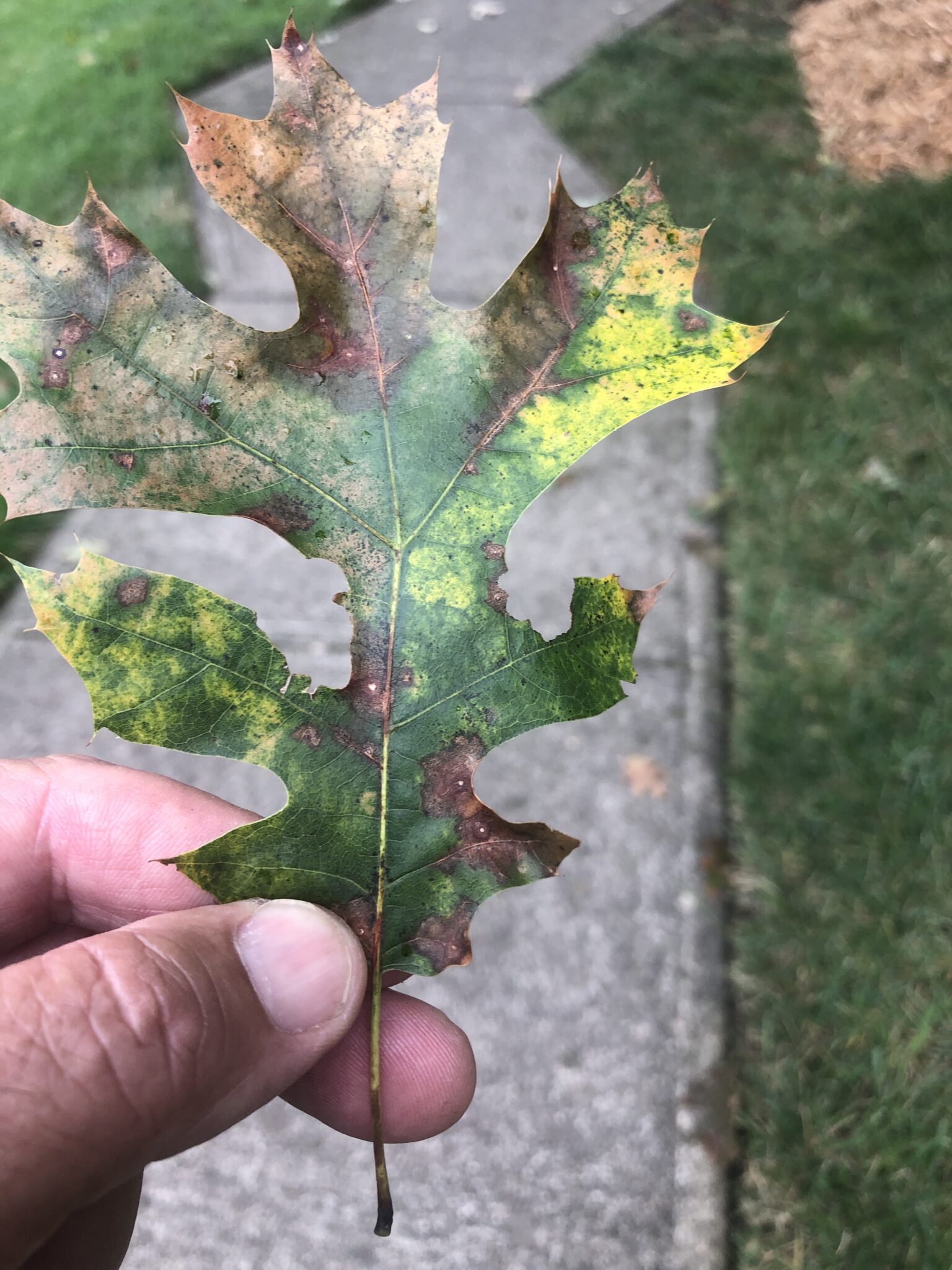
Figure 1: Oak leaf with irregularly shaped Tubakia leaf spots and veinal necrosis.
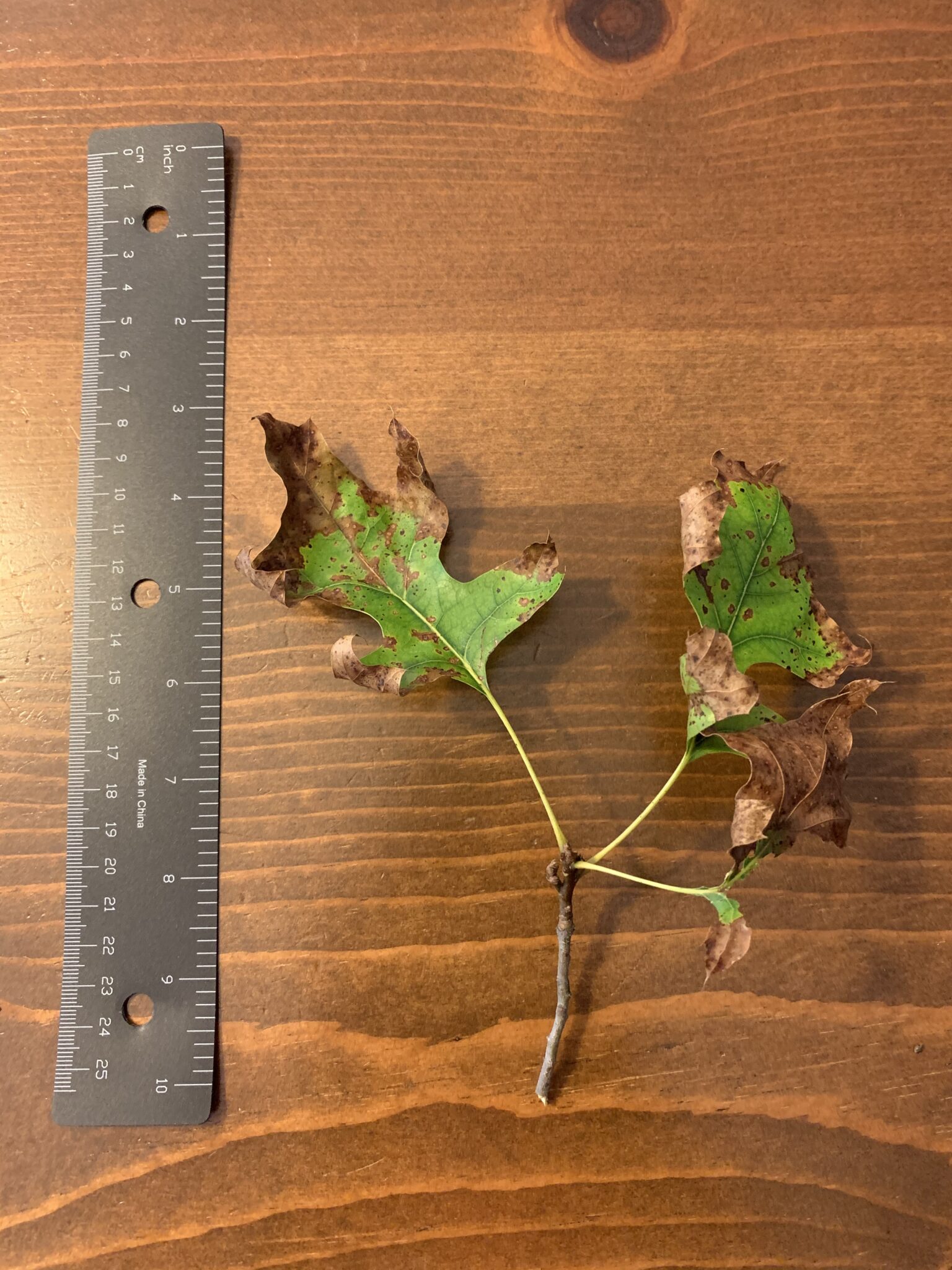
Figure 3: Marginal blighting due to coalescing spots and veinal necrosis.

Figure 5: Blighting of large leaf area caused by veinal infection by Tubakia.

Figure 4: Typical Tubakia leaf spot symptoms illustrating how the fungus spreads along leaf veins.
The pathogen produces conidia within shield shaped structures called pycniothyria (Figure 6) which can be found on both the top or bottom surface of the leaf and along veins (Figure 7). These structures are very small and can only be seen with a 40x or stronger hand lens. The fungus overwinters on fallen leaves and on dead stems which act as the source of inoculum for the next year. During early spring, spores are spread by wind and water splash dispersal (rain) to healthy new foliage. However, it takes time for symptoms to develop throughout the season, depending on tree stress and environmental conditions (warm wet weather favors spread).
For full article view: Purdue Landscape Report, Purdue Landscape Report.
Diseases of Landscape Plants: Leaf Diseases, The Education Store, Purdue Extension resource center
Consumer Horticulture: Fertilizing Woody Plants, The Education Store
Tree Disease; Oak Wilt in Indiana, The Education Store
Diseases of Soybean: Frogeye Leaf Spot, The Education Store
Bur Oak, Purdue Arboretum Explorer
Bur Oak, Native Trees of Indiana River Walk, Purdue Fort Wayne
Find an Arborist, TreesAreGood.org
John Bonkowski, Plant Disease Diagnostician
Purdue Department of Botany and Plant Pathology
Tom C Creswell, Clinical Engagement Professor – PPDL
Purdue Department of Botany and Plant Pathology

Recent Posts
- ID That Tree: Nannyberry Viburnum
Posted: July 22, 2026 in Forestry, Plants, Wildlife, Woodlands - ID That Tree: Eastern Swamp Privet
Posted: in Forestry, Plants, Wildlife, Woodlands - Indiana Monarch and Pollinator Conservation
Posted: June 1, 2026 in Forestry, Forests and Street Trees, Gardening, How To, Natural Resource Planning, Plants, Urban Forestry, Wildlife - ID That Tree: Shumard Oak
Posted: March 9, 2026 in Plants, Urban Forestry, Wildlife, Woodlands - ID That Tree: Fragrant Sumac
Posted: February 4, 2026 in Plants, Urban Forestry, Wildlife - It’s Not Too Late to Order Trees for Spring Planting
Posted: January 13, 2026 in Forestry, How To, Plants - Red in Winter – What Are Those Red Fruits I See?
Posted: December 1, 2025 in Forestry, Plants, Urban Forestry, Wildlife, Woodlands - Fall Tree Care Tips
Posted: September 20, 2025 in Forestry, Forests and Street Trees, Gardening, How To, Land Use, Plants, Safety, Timber Marketing, Urban Forestry, Wood Products/Manufacturing, Woodlands - Top 10 Spring Flowering Shrubs, Purdue Landscape Report
Posted: April 28, 2025 in Gardening, Plants, Urban Forestry - Protecting Spring Plants From Wildlife Damage Using Repellents
Posted: April 14, 2025 in How To, Plants, Wildlife
Archives
Categories
- Alert
- Aquaculture/Fish
- Aquatic/Aquaculture Resources
- Ask the Expert
- Christmas Trees
- Community Development
- Disease
- Drought
- Forestry
- Forests and Street Trees
- Gardening
- Got Nature for Kids
- Great Lakes
- How To
- Invasive Animal Species
- Invasive Insects
- Invasive Plant Species
- Land Use
- Natural Resource Planning
- Nature of Teaching
- Plants
- Podcasts
- Ponds
- Publication
- Safety
- Spiders
- Timber Marketing
- Urban Forestry
- Webinar
- Wildlife
- Wood Products/Manufacturing
- Woodland Management Moment
- Woodlands