 Purdue University - Extension - Forestry and Natural Resources
Got Nature? Blog
This webinar titled “Tree Selection for the Landscape” by FNR Urban Forestry Specialist Lindsey Purcell talks about the tree selection process including the benefits of trees, urban tree planting, purpose for planting, environmental considerations, proper placement and utility considerations, along with many shared resources.
Please visit the Tree Selection for the Landscape Survey after you watch the video so we can learn more about you and feel free to share your suggestions for future topics.
Resources
Tree Appraisal and the Value of Trees, The Education Store, Purdue Extension resource center
Tree Selection for the “Un-natural” Environment, The Education Store
Tree Pruning Essentials, Video & Document
Tree Pruning: What Do Trees Think?, The Education Store
Mechanical Damage to Trees: Mowing and Maintenance Equipment, The Education Store
Tree Installation Process and Practices, The Education Store
Tree Planting Part 1: Choosing a Tree, The Education Store
Tree Planting Part 2: Planting Your Tree, The Education Store
Planting Problems: Planting Too Deep, Video, Purdue Extension – Forestry and Natural Resources Youtube Channel
Lindsey Purcell, Urban Forestry Specialist
Purdue University, Department of Forestry and Natural Resources
Purdue urban forester Lindsey Purcell shares tips for tree pruning for the landscape, including knowing why you are pruning, how to prune and how to help the tree heal properly.
Please visit the Tree Pruning for the Landscape Survey after you watch the video so we can learn more about you and feel free to share your suggestions for future topics.
Resources
Tree Pruning Essentials, Video & Document
Tree Appraisal and the Value of Trees, The Education Store, Purdue Extension resource center
Tree Pruning: What Do Trees Think?, The Education Store
Mechanical Damage to Trees: Mowing and Maintenance Equipment, The Education Store
Tree Installation Process and Practices, The Education Store
Tree Planting Part 1: Choosing a Tree, The Education Store
Tree Planting Part 2: Planting Your Tree, The Education Store
Planting Problems: Planting Too Deep, Video, Purdue Extension – Forestry and Natural Resources Youtube Channel
Lindsey Purcell, Urban Forestry Specialist
Purdue University, Department of Forestry and Natural Resources
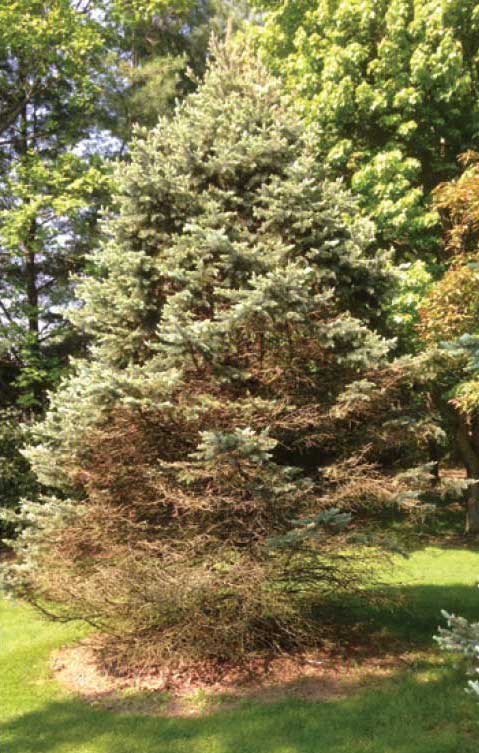 Question: I have a blue spruce that is 40-years old and very tall. It is dying up the middle. I have read about the Needle Cast problem. Also read about Spectro 90 copper based fungus control. I can only spray so high. Is there a chemical that can be placed on the ground to be absorbed by the tree?
Answer: Thank you for contacting us regarding your tree issues. Rhizosphaera needle cast (Rhizosphaera kalkhoffii) is a foliar disease of spruce trees. It is most common in trees growing outside of their native range. It starts on the inner and lower growth and progresses upward through the tree. It can take up to 15 months for the needles to show visible symptoms after the initial infection. Young trees may be killed by this disease, but usually branches die off after 3-4 consecutive years of defoliation, causing trees to look disfigured.
Early identification of Rhizosphaera can prevent major damage to individual trees and prevent the spread to nearby trees. Protecting new growth as it emerges is very important. For best effectiveness, fungicides should be applied when the emerging needles are half elongated (1/2 to 2 inches in length). Needle cast diseases can be effectively controlled with fungicides containing chlorothalonil. For Rhizosphaera needle cast, two properly-timed applications per year for at least two consecutive years, and sometimes three years, is required for control. Heavily infected trees may require several years of fungicide applications but should be sprayed, soil drenches are not effective. Also, clean-up of any infected needles and branches will help reduce the spread of the disease.
Resources
Needle cast in Colorado Blue Spruce, Purdue Landscape Report
Blue Spruce Update, Purdue Landscape Report
Why Spruce Trees Lose Their Needles, Purdue Extension
Blue Spruce Decline, Purdue Extension
Diseases Common in Blue Spruce, Purdue Extension
Tree Installation: Process and Practices, The Education Store, Purdue Extension resource center
Tree Planting and Urban Forestry Videos, Subscribe to our Purdue Extension-FNR YouTube Channel
Find an Arborist, International Society of Arboriculture
Lindsey Purcell, Urban Forestry Specialist
Purdue University, Department of Forestry and Natural Resources
Purdue sustaining hardwood extension specialist Lenny Farlee talks about identifying invasive plant species in the webinar below.
Don’t forget to fill out the Invasive Plants Threaten our Woodlands Part 1, Identification survey after watching video to share your suggestions, other forest topics you would like to see and to help us learn more about you.
Resources
A Woodland Management Moment, Playlist, Purdue Extension – Forestry and Natural Resources Youtube Channel
Invasive Species, Playlist
Report Invasive Species, Purdue Invasive Species
The GLEDN Phone App – Great Lakes Early Detection Network
EDDMaps – Early Detection and Distribution Mapping System (Report Invasives)
Cooperative Invasive Species Management Area (CISMA)
Indiana Department of Natural Resources: Invasive Species
Indiana Invasive Species Council
Woodland Stewardship for Landowners, Playlist
Invasive plants: impact on environment and people, The Education Store, Purdue Extension resource center
Woodland Invaders, Got Nature? Blog
Indiana Invasive Species Council
Hardwood Tree Improvement & Regeneration Center (HTIRC)
Lenny Farlee, Sustaining Hardwood Extension Specialist
Purdue University Department of Forestry and Natural Resources
In this Tree Installation for The Landscape Webinar, urban forestry specialist Lindsey Purcell shares information regarding research finds and current best management practices for tree installation.
Please visit the Tree Installation for the Landscape Survey after you watch the video so we can learn more about you and feel free to share your suggestions for future topics.
Resources
Tree Installation Process and Practices, The Education Store, Purdue Extension resource center
Tree Support Systems, The Education Store
Tree Pruning Essentials, Video & Document
Tree Appraisal and the Value of Trees, The Education Store
Tree Pruning: What Do Trees Think?, The Education Store
Mechanical Damage to Trees: Mowing and Maintenance Equipment, The Education Store
Tree Planting Part 1: Choosing a Tree, The Education Store
Tree Planting Part 2: Planting Your Tree, The Education Store
Planting Problems: Planting Too Deep, Video, Purdue Extension – Forestry and Natural Resources Youtube Channel
Lindsey Purcell, Urban Forestry Specialist
Purdue University, Department of Forestry and Natural Resources
Do you know what’s “bugging” your trees? There are several exotic insects which may be attacking our trees that you should be on the lookout for. Some have already arrived in Indiana, and others are still beyond our borders but have a risk of showing up here in the future.
Dr. Elizabeth Barnes, exotic forest pest educator with Purdue Department of Entomology, and Liz Jackson Purdue extension forestry specialist, describe these exotic insects, symptoms to watch for in your trees, and discuss what some of the biggest future pest concerns are in this Facebook Live session from June 18, 2020.
Resources
Purdue Report Invasive website
Indiana Department of Natural Resources Division of Entomology & Plant Pathology
Don’t Move Firewood
Purdue Plant and Pest Diagnostic Lab
Indiana District Foresters
Indiana Consulting Foresters
Purdue Landscape Report
Insect specific sites:
Asian Longhorned Beetle Information (from APHIS)
Spotted Lanternfly (Penn State Extension)
Emerald Ash Borer Information from Purdue
EAB University: Invasive insects and pathogens webinar series
Elizabeth Barnes, Exotic Forest Pest Educator
Purdue University Entomology
Marking your property line can ensure you are receiving the full benefit of the property you own. Lenny Farlee, Purdue Extension forester, shares in the video below a new inexpensive way to mark your property line and has the same force of the law as no trespassing signs have.
If you have any questions regarding trees, forests, wildlife, wood products or other natural resource topics, feel free to contact us by using our Ask an Expert web page.
Resources
Indiana Department of Natural Resources – Division of Forestry, District Foresters
A Woodland Management Moment, Playlist, Purdue Extension – Forestry and Natural Resources Youtube Channel
Woodland Stewardship for Landowners, Playlist
Investing in Indiana Woodlands, The Education Store, Purdue Extension resource center
Forest Improvement Handbook, The Education Store
Timber Harvesting and Logging Practices for Private Woodlands, The Education Store
Lenny Farlee, Sustaining Hardwood Extension Specialist
Purdue University Department of Forestry and Natural Resources
As you decide best management practices for your woodlands, this short video shares how native grape vine can be a positive addition or a detriment depending on your goals. Lenny Farlee, Purdue Extension forester, shows you what it looks like and how it grows even to the tops of the trees.
If you have any questions regarding trees, forests, wildlife, wood products or other natural resource topics, feel free to contact us by using our Ask an Expert web page.
Resources
A Woodland Management Moment, Playlist, Purdue Extension – Forestry and Natural Resources Youtube Channel
Invasive Species, Playlist
Woodland Stewardship for Landowners, Playlist
Investing in Indiana Woodlands, The Education Store, Purdue Extension resource center
Forest Improvement Handbook, The Education Store
Invasive plants: impact on environment and people, The Education Store
What are invasive species and why should I care?, Got Nature? Blog, Purdue Extension
Woodland Invaders, Got Nature? Blog
Lenny Farlee, Sustaining Hardwood Extension Specialist
Purdue University Department of Forestry and Natural Resources
Purdue Landscape Report: Trees provide many benefits for our homes and properties. If a tree is found to have a defect such as dead branches or broken limbs from a storm; it can become a risk issue. It is important to understand that tree owners have a duty to inspect and maintain their trees. All property owners should take reasonable steps to protect themselves by involving a qualified consultant or certified arborist when needed.
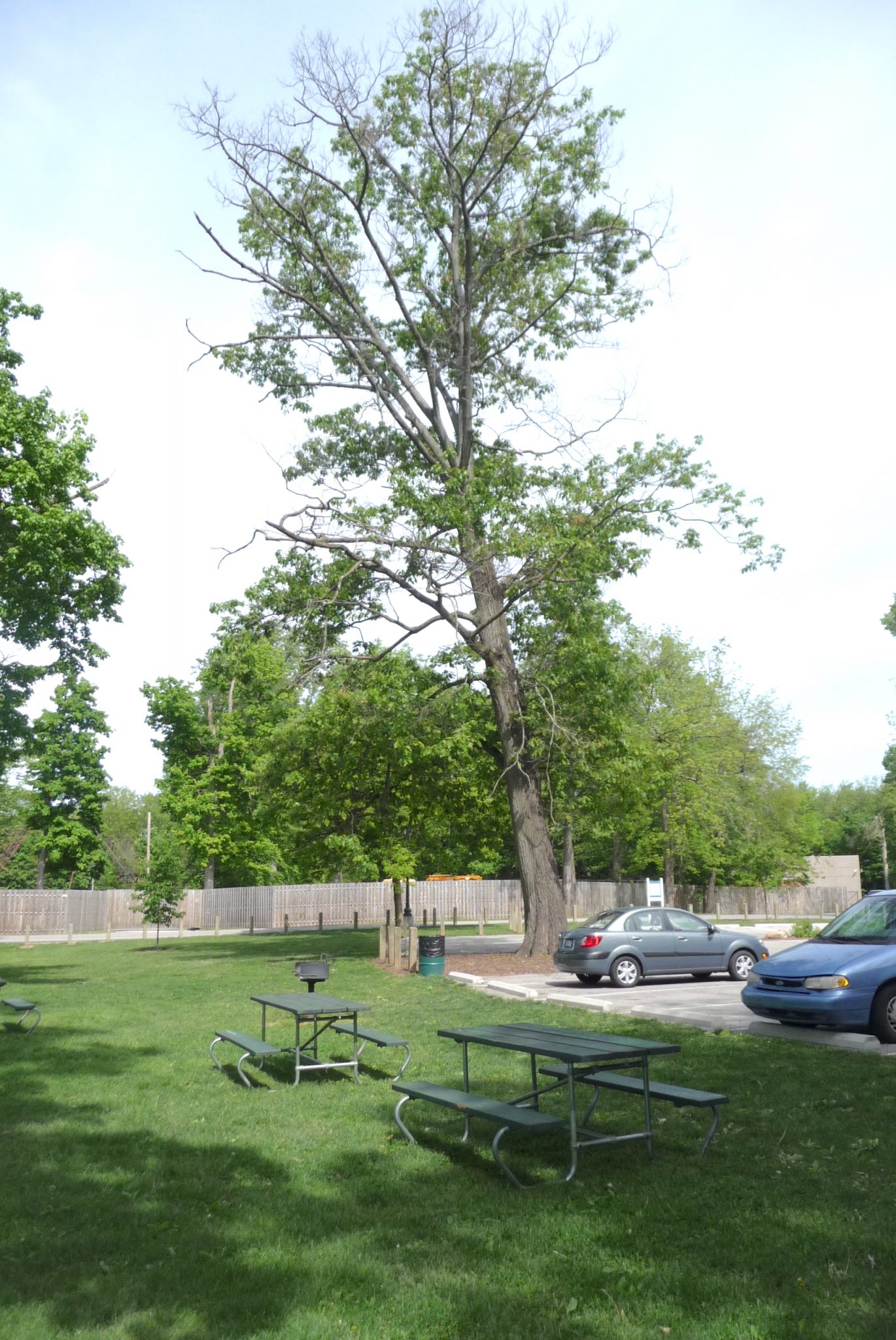
Figure 1. Trees should be inspected for defects which pose a threat or risk to targets.
All trees have some sort of risk involved with it. They are living organisms that are endangered by environmental impacts and pests. However, it is important to create a balance between the risk a tree may pose and the benefits provided by the tree. We don’t want to remove trees unnecessarily, but rather reduce the liability by Identifying, analyzing and evaluating the problem.
Inspect regularly: Trees should be assessed through inspections by a qualified arborist, preferably an International Society of Arboriculture Certified Arborist. It is especially important to inspect trees after major weather events. At a minimum, trees should be carefully checked out every 3-5 years.
Document and maintain records: Every inspection should be recorded and kept on file for future reference. Past evaluations can show how a tree has changed in its health and structure over the years. Also, these written evaluations could minimize liability if a failure occurs and a claim is filed against the tree owner.
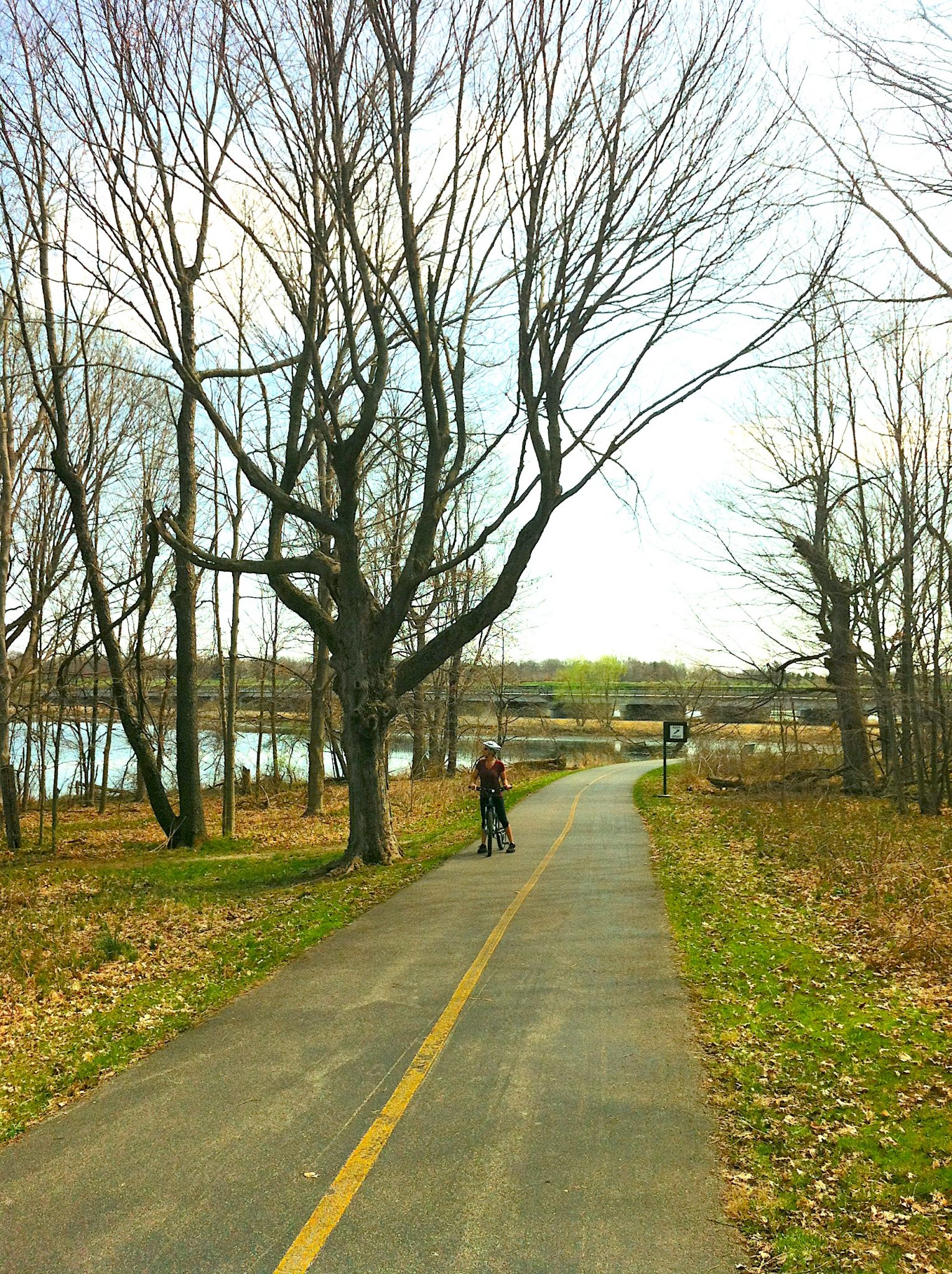
Figure 2. Targets are people, property or activities that could be disrupted by a tree failure.
Tree Inspections: For a tree to be considered a risk it must be defective and a target that is threatened.
A target is people, property or activities that could be injured, damaged or disrupted by a tree failure. Review everything in the target zone. This should include the area inside a circle around the tree, which is at least as wide as the total tree height.
Read the body language of the tree. Inspect each section of the tree including the crown, branches and root zone to check for signs of failure. These include:
- Dead, diseased, dying or broken branches.
- Thinning or poor canopy health.
- An unstable branching pattern overextended or weakly attached branches, or cracks in the stems.
- Cracks or decayed areas in the main trunk.
- Exposed or decayed roots, heaving of the soil, fungus growth or cracks in the soil around the root plate.
Among the characteristics to consider when conducting tree risk evaluations are:
- Decay, cankers, cracks and other positive indicators of weakness in the roots, stems and branches.
- Canopy size, shape and weight distribution. This is especially true in situations where a tree is exposed to windy conditions, is leaning or has a poor stem-to-canopy ratio.
- Crown architecture. Poor branching and similar characteristics can create high-risk situations in strong winds and other weather conditions.
- Plant health and vigor. This determines how a tree can overcome wounding or pest infestations.
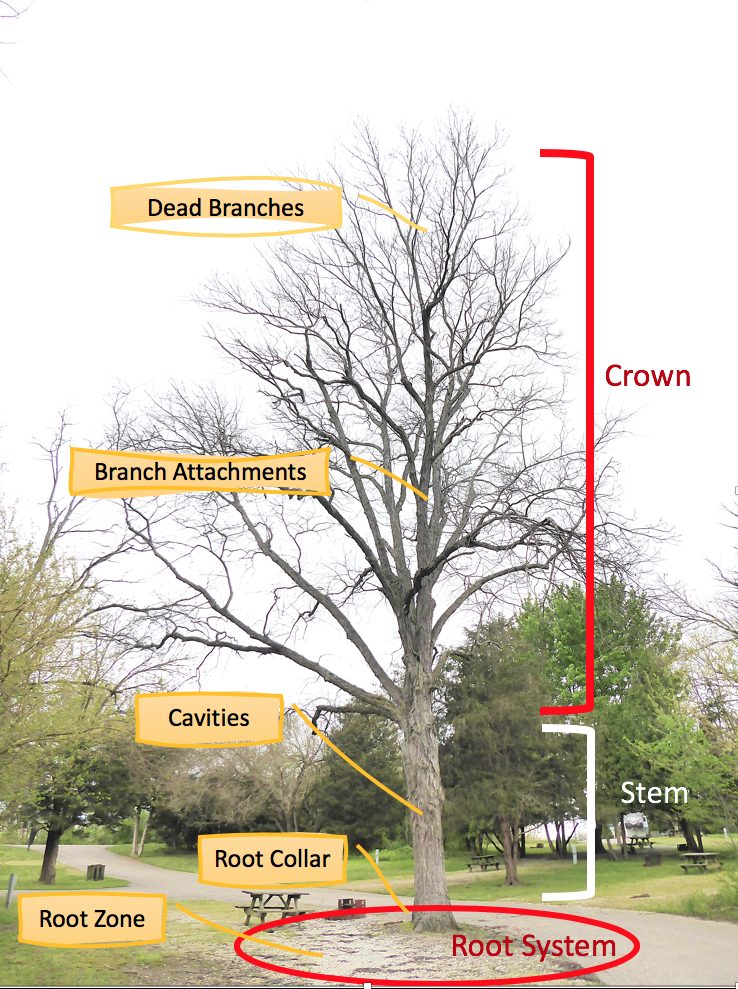
Figure 3. Regular tree inspections should occur reviewing all parts of the tree.
What do you do when a defect is found?
The goal is to reduce the likelihood of failure. Most of the time pruning can improve risk situations. Perhaps cabling and bracing may be an option. Also, plant health care improves the trees condition which can reduce risk… the last option should be removal and that should be an informed decision.
Recurrent inspections to determine tree health and condition are important for sustainable, long-lived tree plantings. The most important factor for any tree owner is know when to contact an ISA Certified Arborist who understands tree risk assessment. They can help with the decision making for the tree if there are concerns about its safety and health.
For more information refer to Trees and Storms: Understanding Damage, Risk and Recovery from theGot Nature? Blog by Purdue Extension, Department of Forestry and Natural Resources (FNR).
Find a certified arborist in your area by going to Trees are Good.
Resources
Planting Problems: Trees Planted Too Deep, Video, Purdue Extension – Forestry and Natural Resources Youtube Channel
Planting Your Tree Part 1: Choosing Your Tree, Video, Purdue Extension Youtube Channel
Tree Planting Part 2: Planting a Tree, Video, Purdue Extension Youtube Channel
Tree Appraisal and the Value of Trees, The Educational Store, Purdue Extension resource center
Surface Root Syndrome, The Education Store
Iron Chlorosis of Trees and Shrubs, The Education Store
Tree Pruning Essentials, Publication & Video, The Education Store
Cold Injury to Trees, Got Nature? Post, Purdue FNR Extension
Lindsey Purcell, Urban Forest Specialist
Purdue University Department of Forestry and Natural Resources
Recently during an online program (video) I received a question about the risk of using toxicants for controlling moles in lawns. Specifically, the question was if animals (pets or wild animals) ate the moles that consumed the bromethalin “worms” or “grubs” would that harm them. I decided to do some digging (no pun intended) for more information so people can make informed decisions regarding their use.
What is bromethalin?
From the Purdue University Animal Disease and Diagnostic Laboratory:
“Bromethalin was developed and released in 1985 to combat a world-wide problem of rodent resistance to warfarin-like anticoagulant rodenticides. Bromethalin is not an anticoagulant but is a highly potent rodenticide that provides a lethal dose to rodents in a single feeding. Death occurs within 24 to 36 hours after ingestion. It is a pale, odorless, crystalline solid compound in the diphenylamine family. Its mechanism of action is to uncouple oxidative phosphorylation in the mitochondria of the central nervous system. This leads to a decreased production of ATP. Low levels of ATP inhibit the activity of the Na/K ATPase and lead to a subsequent buildup of cerebral spinal fluid and vacuolization of myelin. The increased CSF results in high intracranial pressure, causing damage to nerve axons, inhibiting neural transmission and leading to paralysis, convulsions and death. Signs of a sub-lethal dose include hind limb ataxia, depression, extensor rigidity, opisthotonus, lateral recumbency and vomiting. High doses may bring about severe muscle fasciculations, hind limb hyperreflexia, seizures, hyperthermia, depression and death.”
From the Merk Veterinary Manual:
“Bromethalin, a nonanticoagulant, single-dose rodenticide, is a neurotoxin available as bars (blocks), pellets, seed, and worm. Mole baits are sold as worm containing 0.025% bromethalin, whereas rat and mouse baits contain 0.01% bromethalin. Bromethalin and its main metabolite desmobromethalin are strong uncouplers of oxidative phosphorylation. This results in intra-myelin fluid accumulation, leading to long nerve demyelination and intra-myelin cerebral edema. The net result is cerebral and spinal edema and increased CSF pressure, leading to neurologic dysfunction. In toxicity trials, the oral toxic dose of bromethalin when used as part of bait appears to be much lower than the dose administered as a technical grade agent. For example, in dogs, an average lethal dose of technical grade bromethalin is reported to be 4.7 mg/kg but 2.38 mg/kg in bait. Young dogs (<1 yr old) appear more sensitive; death has been reported at dosages of ~1 mg/kg in bait. Dogs are more commonly involved. Cats are 2–3 times more sensitive than dogs.”
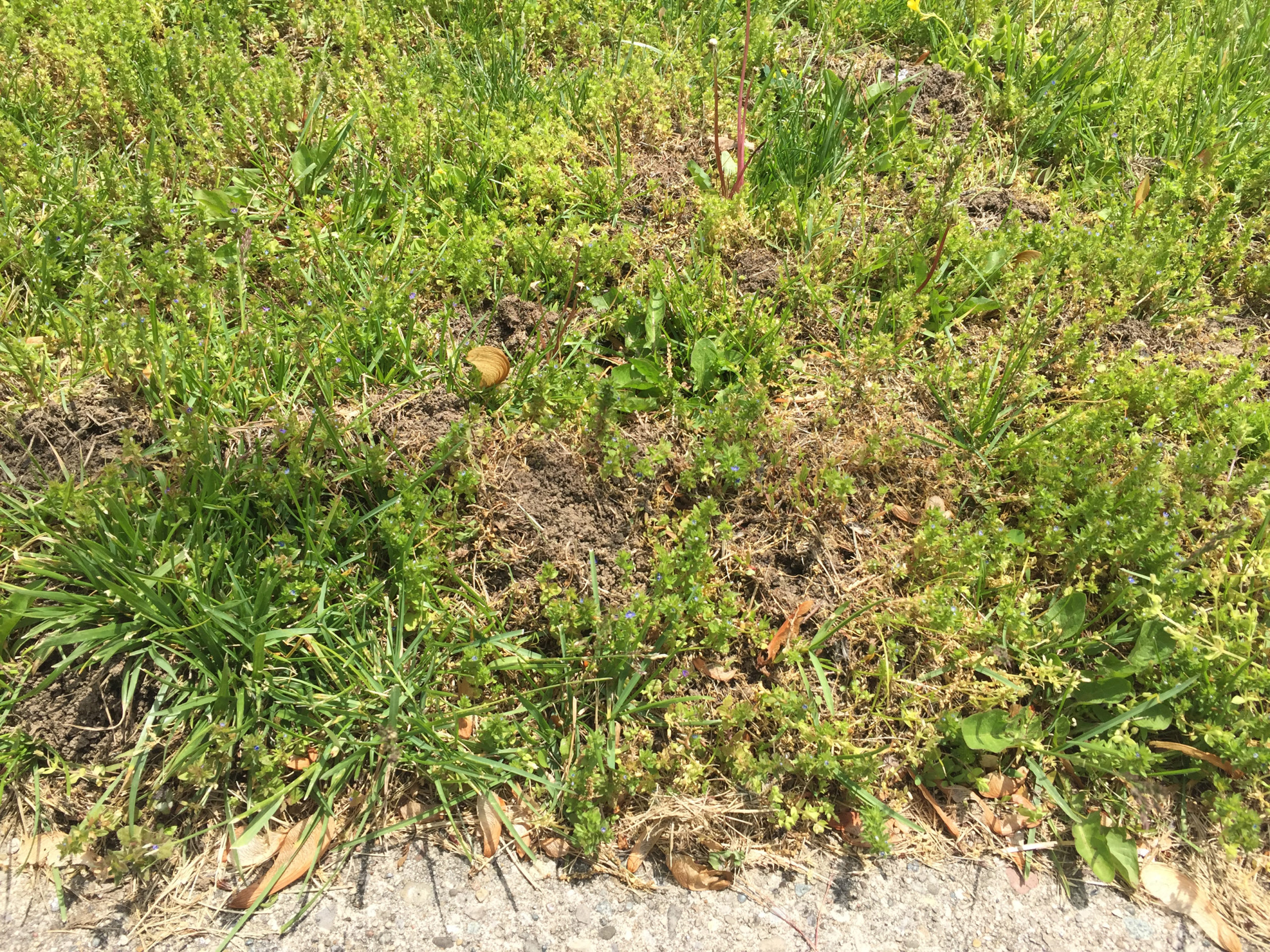

What is the risk with mole baits?
The level of risk of any pesticide depends on a combination of toxicity and exposure. Anytime you are considering using a toxicant or other pesticide, first read the label in its entirety. Labels will contain information on how to apply a product safely, under what circumstances, and any precautions you should take. However, labels also contain other information that can users determine if they should use a product. This information is key in preventing pesticide exposure to people and the environment. In fact the label is a legal document. The pesticide user is bound by law to follow all label directions. Label directions for mole baits instruct users to keep pets out of treated areas and not to use the product above ground. Bait must be applied directly into moles’ tunnel systems. Following these directions will greatly reduce, or even eliminate, the exposure risk to pets. What might be the consequences if your dog or a neighbor’s dog mistakenly entered your yard and went digging around in a treated area?
To determine this we can calculate how much bait a dog would have to consume to reach the average lethal dose. The more technical term is the LD50 dose which is the individual dose that kills 50 percent of a population of test animals. A single worm mole bait weighs approximately 5g since a package of 20 worms has a weight of 100g. With 0.025% active ingredient, each worm would contain 1.25 mg of bromethalin. Thus, an 11lb (5kg) dog would need to consume 18 to 19 worms to reach the average lethal dose using the 4.7 mg/kg level for technical grade bromethalin, or 9 to 10 worms for the 2.38 mg/kg level in bait. Recall, these rates were listed in the Merk Veterinary Manual. The amount of bait consumption would be more for larger dogs. The average lethal dose is just that – an average. Some dogs would die with lower dosages and some with higher dosages within a specified timeframe.
It would be extremely unlikely that a dog could find, dig up, and consume the number of worms to reach or even approach the average lethal dose. Consider the following:
- How many worm baits will you use? According to label directions, worm baits are placed underground every 5 to 10 feet in active subsurface runways. Worms may be placed in the deeper underground runways. Limiting their use to only active runways reduces the amount of product applied. The label directions outline the procedure for identifying active runways.
- Applying the product according to label instructions (in underground active mole tunnels) helps minimize the risk of accidental ingestion. However there are additional strategies to prevent accidental ingestion of the bait, including: applying the product in areas inaccessible to pets or installing barriers, covering the application sites with pavers, and supervising the pet’s use of the yard (especially important for dogs that like to dig). Allow at least two weeks (or longer under dry conditions) for breakdown of any uneaten worms.
- Toxic baits placed in runways breakdown over time. That is, a treated area is not treated forever. This is a direct quote from one manufacturer, “Uneaten worms typically remain intact up to 14 days in mole runs. The amount of time it takes for the Mole Killer worm to degrade depends on soil type and the weather. Frequent and heavy rain or high temperatures may accelerate worm degradation. The active ingredient takes longer to degrade.”
- Toxic baits may be combined with other methods. For example, you may choose to limit use of toxic baits only in areas where the soil type or tunnel structure make trapping difficult.
In the end, it is up to the individual user on whether or not they choose to use toxic baits to get rid of moles in their yard. If you do choose to use them, read the label in its entirety. In the case of mole toxicants, the label clearly states that pets should not be allowed in treated areas. If you are not confident this is possible, then alternative control options are likely a better option for you.
Resources
Pesticides and personal safety (pdf), Purdue Pesticide Program
Pesticides and wildlife (pdf), Purdue Pesticide Program
Moles, The Education Store, Purdue Extension resource center
Adjuvants and the Power of the Spray Droplet: Improving the Performance of Pesticide Applications, The Education Store
Purdue Extension – FNR: Ask An Expert, Video, Purdue Extension – Forestry and Natural Resources YouTube channel
Brian MacGowan, Wildlife Extension Specialist
Purdue University, Department of Forestry and Natural Resources

Recent Posts
- Popular Landscape Shrub is Invasive
Posted: October 15, 2026 in Alert, Forestry, Forests and Street Trees, Invasive Plant Species, Plants, Woodlands - Purdue Extension’s Regional Teams Are Here: Connecting Communities with Expertise and Opportunity
Posted: October 14, 2026 in Community Development, Forestry, Forests and Street Trees, Gardening, How To, Timber Marketing, Urban Forestry, Wildlife, Woodlands - Why Do Our Trees Go From Green Leaves to Different Colors?
Posted: in Forestry, Forests and Street Trees, Urban Forestry, Woodlands - Distinguishing Dogwoods
Posted: October 13, 2026 in Forestry, Urban Forestry, Wildlife, Woodlands - It’s Not Too Early To Start Planning For Spring Tree Planting
Posted: in Forestry, How To - Can I Plant Trees in the Fall?
Posted: October 12, 2026 in Forestry, How To, Land Use, Plants, Urban Forestry, Wildlife - Burning for Benefits: Why Fire Belongs in Indiana
Posted: in Forestry, Safety, Woodlands - Disease May Cause Wilting and Eventual Death of Certain Trees and Shrubs, Purdue Landscape Report
Posted: October 5, 2026 in Disease, Forestry, Plants - October Is Firewood Month: Protect Indiana’s Forests by Making Smart Choices
Posted: October 1, 2026 in Forestry, Forests and Street Trees, How To, Invasive Insects, Urban Forestry - Woodland Flowers of Late Summer
Posted: September 14, 2026 in Forestry, Gardening, Wildlife, Woodlands
Archives
Categories
- Alert
- Aquaculture/Fish
- Aquatic/Aquaculture Resources
- Ask the Expert
- Christmas Trees
- Community Development
- Disease
- Drought
- Forestry
- Forests and Street Trees
- Gardening
- Got Nature for Kids
- Great Lakes
- How To
- Invasive Animal Species
- Invasive Insects
- Invasive Plant Species
- Land Use
- Natural Resource Planning
- Nature of Teaching
- Plants
- Podcasts
- Ponds
- Publication
- Safety
- Spiders
- Timber Marketing
- Urban Forestry
- Webinar
- Wildlife
- Wood Products/Manufacturing
- Woodland Management Moment
- Woodlands