Meet the 2026-27 OUR Ambassadors
Majors: Physics
Research Project Experience:
I currently conduct research in Professor Pyrak-Nolte's geophysics lab, which I joined as a freshman; I completed a SURF project my first summer at Purdue on the topic of surface mineralogy of amphibolite, and plan to continue! For my current project, I prepare rock samples, which I analyze with an X-ray Microscope and a Scanning Electron Microscope, analyze the data with various software, and make inferences on the surface chemistry of the rock before and after different chemical reactions.
Advice for Getting Started in Research:
When starting out, don't stress too much on joining the "perfect" lab or picking the "perfect" research topic. I believe there's really no such thing, because you will always learn something important about yourself and about how the world works as long as you put yourself out there. Research is very different from regular classwork, and you will struggle a bit, but that is just a part of the process. Don't give up when things get hard; that's what builds confidence!
Reuben Bowie '27
Majors: Law and Society & Psychological Sciences
Minors: Forensic Science & Human Rights Studies
Research Project Experience:
I worked with one of my previous professors on his research project for a semester and presented our work at the Spring Undergraduate Research Conference. I additionally helped write up our research for a journal article, which should be published soon. Currently, I am conducting an independent project.
Advice for Getting Started in Research:
Do not hesitate to reach out to professors for potential opportunities. Even if they say they don't need help, they may refer you to other faculty.
Janelle Chen '28
Major: Nursing (pre-med concentration)
Research Project Experience:
Starting in high school, I conducted IRB-approved behavioral science research on empathy and effective communication in adults, leading to the publication of a research paper on my findings. At Purdue, I work in Dr. Rosie Shrout's lab, The Relationships and Health Lab, where I presented at a national conference about the Impact of Disclosure Strategies and Efficacy on Concealable Chronic Health Condition Outcomes. Most recently, I have joined the PACER lab, under Dr. Daniel Foti, studying the neurophysiology of psychiatric illnesses through the use of electroencephalography to prospectively predict downstream emergence of manifest symptoms, diagnoses, and functional impairment.
Advice for Getting Started in Research:
My advice would be to just say yes! Sometimes the opportunity isn't exactly what you're looking for, but it could be the launch point to get you to the research project or lab that you really want. If anything, it expands your research skills and tells you more about what you enjoy and dislike about certain aspects of research.
Rachel D'Sourza '28
Major: Electrical Engineering
Minor: Global Engineering Studies
Research Project Experience:
I have research experience as a member of the Tao Research Group, where I build software to preprocess, analyze, and visualize proteomics data for biomarker discovery, supporting the identification of Alzheimer’s disease using machine learning and statistical models. In this role, I analyze mass spectrometry data in R, testing for normality and homogeneity of variances and applying single-reference and median normalization. I am also a member of the Umulis Quantitative and Systems Biology Research Group, where I model Bone Morphogenetic Protein (BMP) signaling networks in Drosophila and investigate mechanisms of robustness, cell fate decisions, and tissue patterning. My work includes designing CompuCell3D simulations in Python, performing live imaging experiments on zebrafish embryos to quantify membrane diffusion rates, and integrating data with computational models to advance understanding of signal transduction and morphogen gradient formation.
Advice for Getting Started in Research:
Start by figuring out what topics interest you most and check out what professors or labs at your school are working on. Pick up some skills that fit the area you’re interested in, whether that’s through classes, side projects, or volunteering. Don’t be shy about reaching out to professors or grad students with a short email introducing yourself, saying why you like their work, and mentioning anything you’ve done that relates. Be open to starting with small tasks like helping collect data or doing background research, because those can teach you a lot and help you prove yourself. Most of all, stay curious, ask questions, and don’t stress about making mistakes. That’s all part of the learning process!
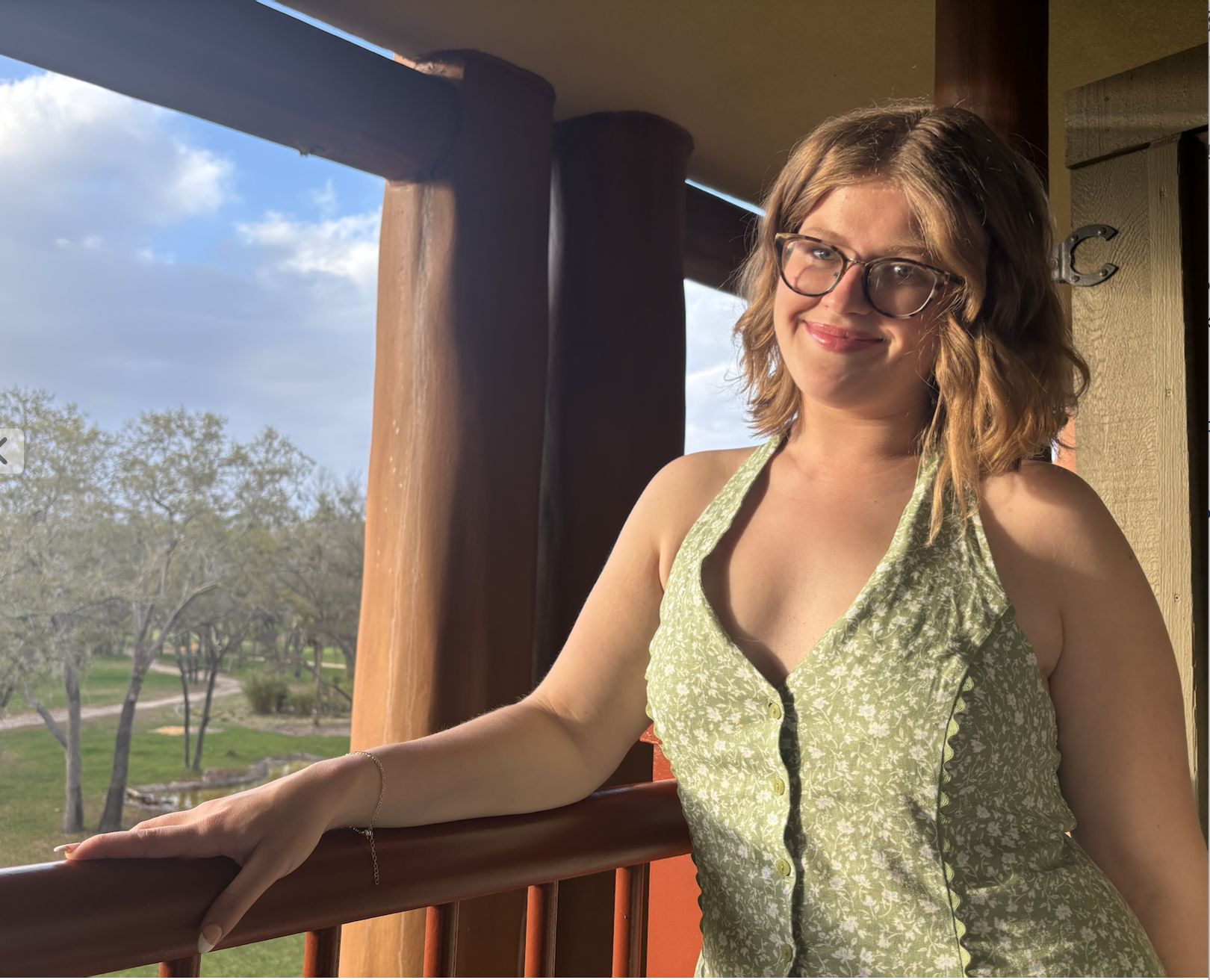
Beatrice Dyas '28
Major: Chemical Biology & Biochemistry
Minor: German
Research Project Experience:
For the past year, I have been working in Dr. Srinivasarao's Lab in Drug Discovery. I am currently assisting a research project based on directing cancer and immune cell engagement using specific ligand-targeting peptides that recognize overexpressed proteins on epithelial cells, with an enhanced focus on EpCAM and Claudin-4. My main responsibilities include researching primary literature for promising targets and ligands, generating and analyzing novel peptides to determine their composition and integrity before dosing, and conducting cell and in vivo assays to understand the effects of these peptides against our targets.
Advice for Getting Started in Research:
You are so much more capable than you think. Don't be afraid to reach out to professors and mentors, because you never know where a simple conversation might lead. Research can feel intimidating, but everyone in these labs was a student once; they want to give opportunities where they can. Research will make you a better scientist and a more well-rounded thinker, so don't hesitate to start.
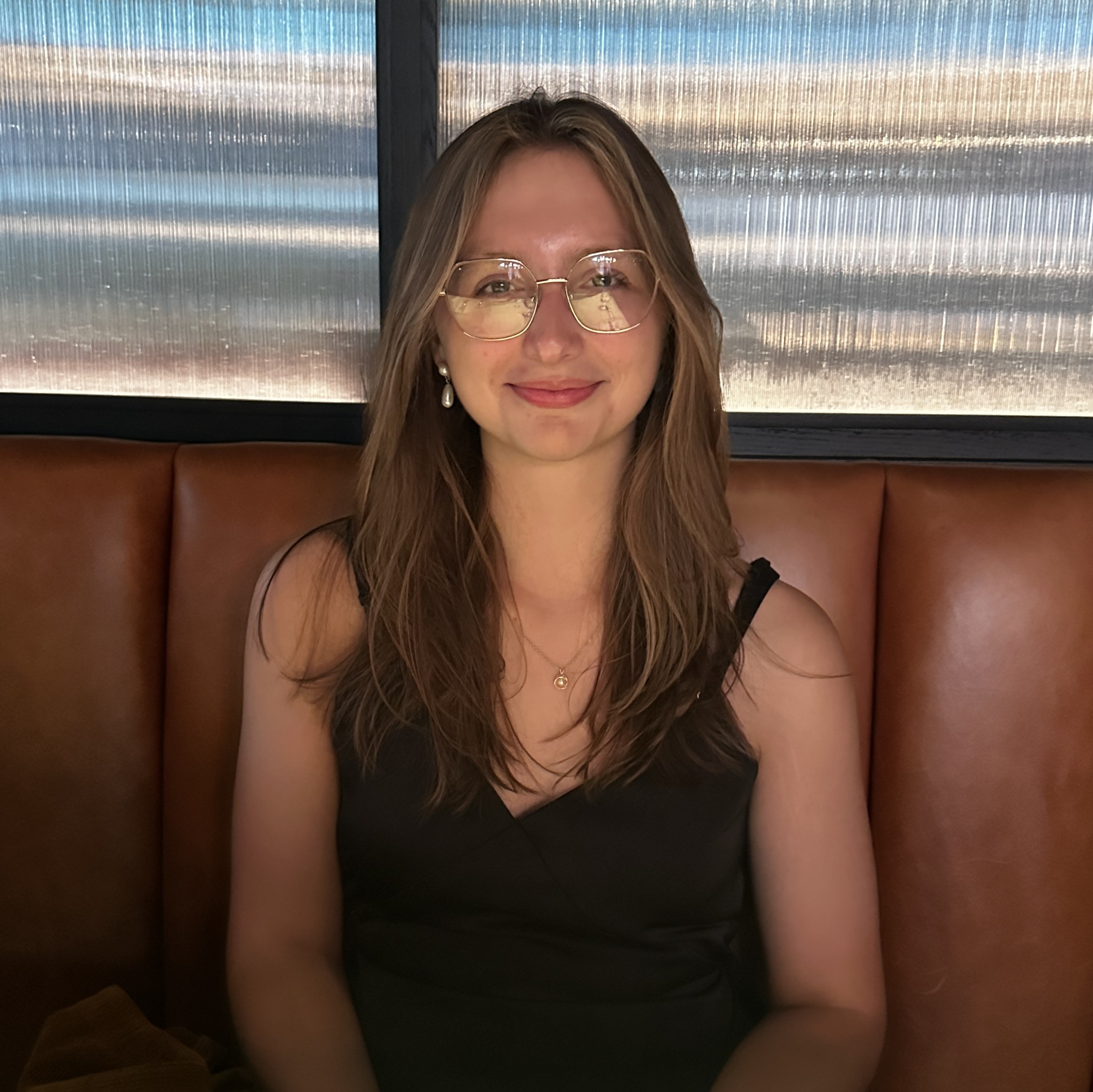
Haley Imus '28
Majors: Biochemistry (pre-med concentration) and Spanish
Research Project Experience:
I currently work in the Cross lab in the Nutrition Department at Purdue, which focuses on the interplay between the gut microbiome, diet, and sex hormones, and how these interactions impact health. My personal project for this semester is to examine how the gut microbiome impacts hypothalamic signaling related to reproductive function, and I am very excited to start! In addition to this, during my freshman year I worked in a lab that was performing a systematic review of humanities pedagogies and how they can be applied in STEM classrooms. While this lab wasn’t science-related, it taught me how to read research articles and understand them. I also had the opportunity to present at the Undergraduate Research Conference through this lab, which was an amazing experience!
Advice for Getting Started in Research:
Go for any research lab that interests you! The best part about being involved in research is getting to dive deeper into topics you are passionate about, as every day you learn something new. If you just join the lab for the credits, you’ll find it hard to motivate yourself to work. Even if the research lab doesn’t necessarily align with your major, I would reach out anyway just to get experience in something you love.
Havisha Jaitley '29
Major: Computer Science and Artificial Intelligence
Minor: Statistics
Research Project Experience:
I'm currently part of Purdue's Data Mine Corporate Partners program on a team sponsored by Johnson & Johnson's Clinical Pharmacology and Pharmacometrics group, where I contribute to GenAI pipelines that parse scientific literature and run automated gap analysis, working with faculty mentors and corporate stakeholders to turn academic research into production-grade software. I've also done research through Purdue's Honors College studying statistical methods for large-scale educational assessment data with missing survey and test responses using R to clean, recode, and compute descriptive statistics and composite variables, and supporting development of maximum likelihood estimation approaches to estimate student outcomes and missing data.
Advice for Getting Started in Research:
My biggest piece of advice is not to be afraid to cold email. Professors get busy, and it's easy to assume they won't respond, but you'd be surprised how many are willing to take on a motivated student even without prior experience. Beyond that, just talk to people like classmates, upperclassmen, TAs, anyone already doing research. A lot of the opportunities I found out about weren't posted anywhere; I just heard about them from someone who mentioned them around or in passing. So put yourself out there, ask around, and don't wait for the perfect opening to reach out.
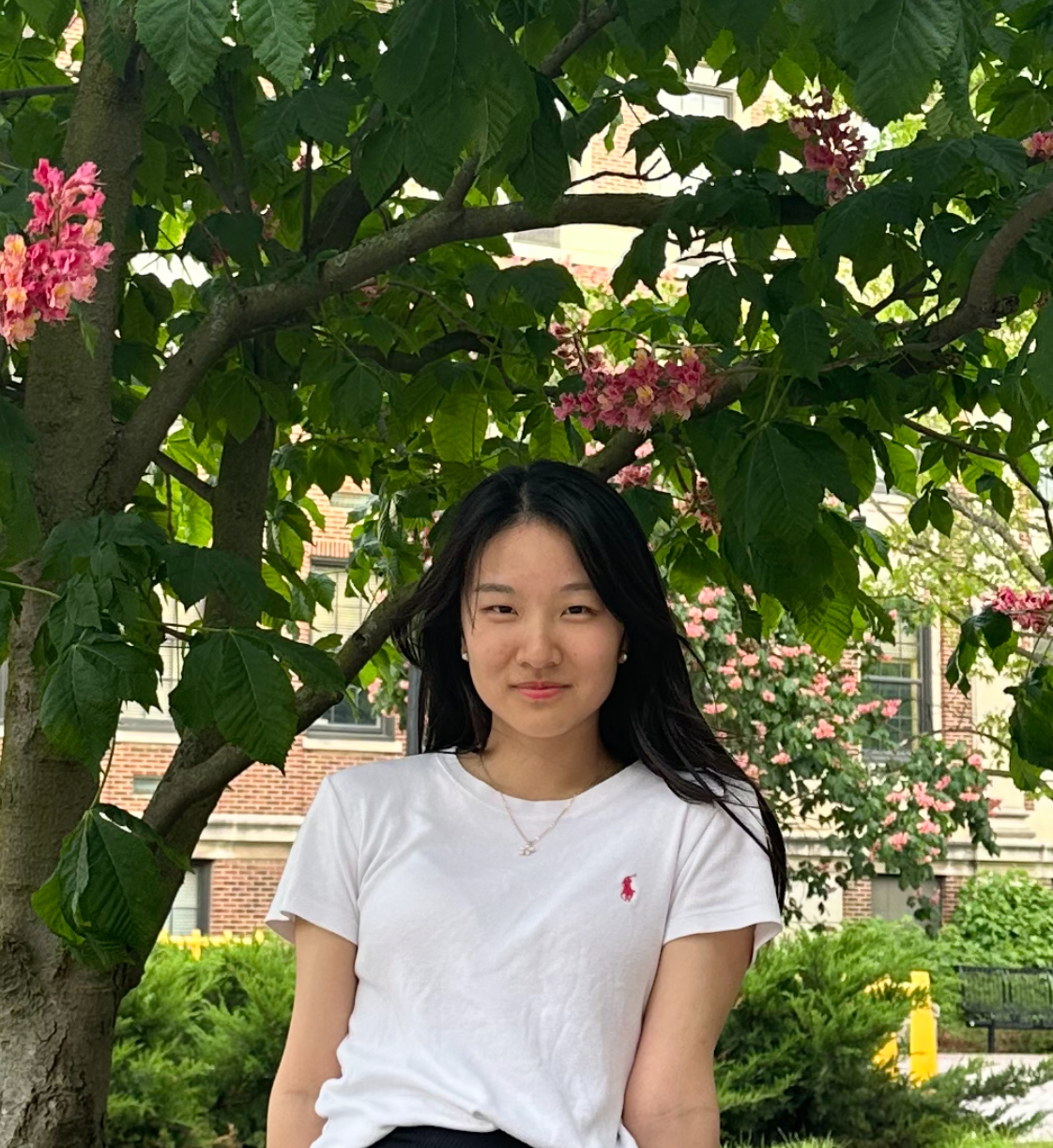
Alice Kim '28
Major: Animal Sciences (pre-vet concentration)
Research Project Experience:
I have been a part of Dr. Fraley’s Poultry Behavioral Neuroendocrinology lab since my first semester as a freshman here at Purdue University. I assist with numerous research projects of graduate students and fellow undergraduates in the lab by collecting/analyzing field and lab data on poultry species. Furthermore, I have had the opportunity to lead and present about two projects: one about the LED light preference of Pekin Ducks, and another that reevaluated genetic lines of Japanese quails bred for their stress response.
Advice for Getting Started in Research:
Be open-minded and brave. Opportunities will not always arrive at your doorstep, so stay receptive to the options that may arise, but don’t be afraid to put yourself out there and be the sore thumb sticking out. It may just be what gets you the job!
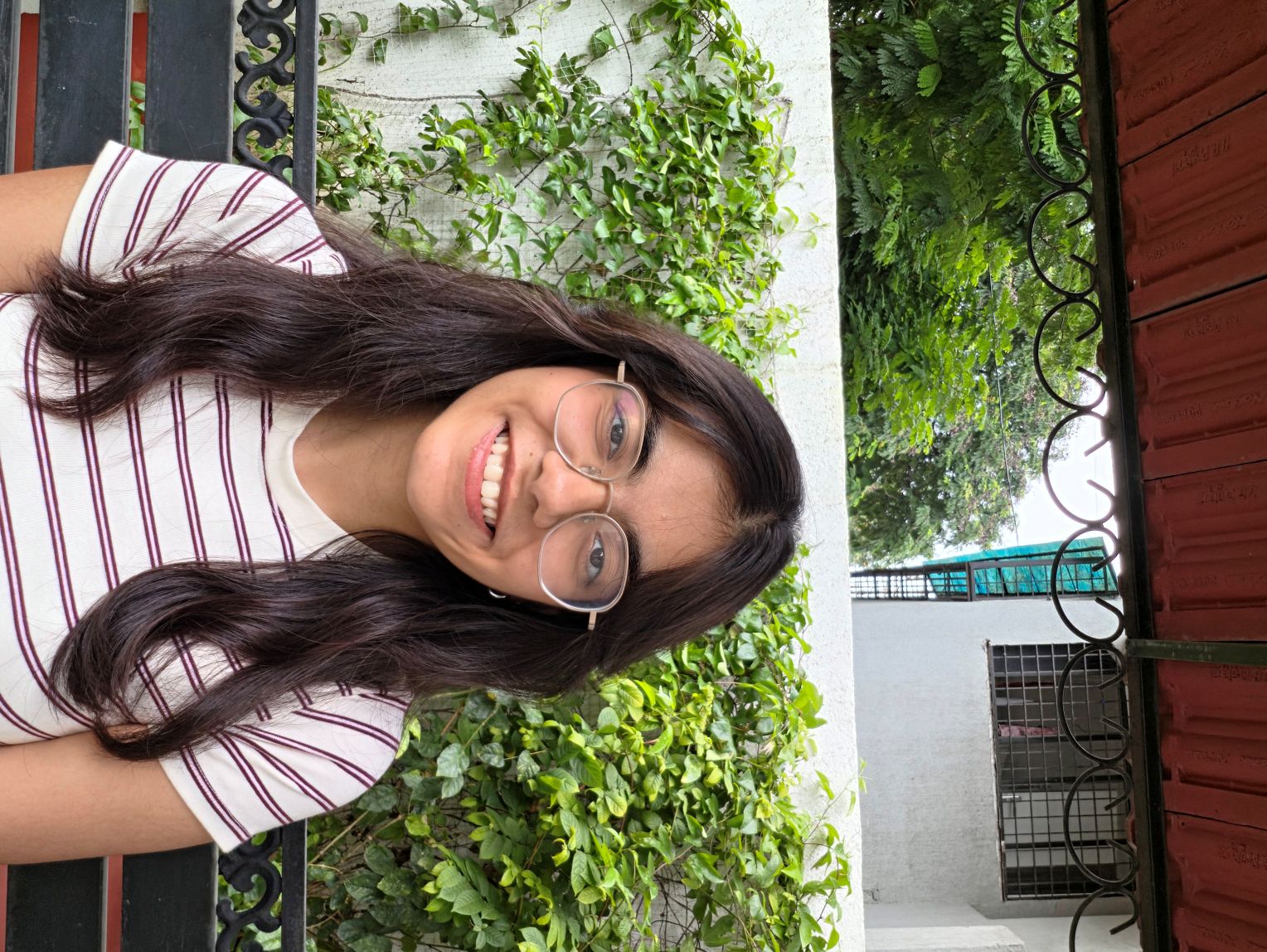
Rivaa Lalani '28
Major: Biomedical Health Sciences (pre-med concentration)
Research Project Experience:
My research experience began in my freshman year in the SKILL lab, a Speech, Language, and Hearing Sciences lab, where I worked with EEG data and machine learning to investigate whether brain signals could predict upcoming stuttering moments in adults who stutter. I am currently conducting research in Dr. Hebron’s lab, working with RMS (rhabdomyosarcoma) cells to study sarcoma cancer biology and how these cells respond to different conditions and treatments.
Advice for Getting Started in Research:
My biggest advice would be to just send that email! Don’t be afraid to reach out just because you have no prior experience. Find a lab that genuinely interests you, even if it doesn’t directly fall under your major, and reach out to the professor. Don’t overthink it; just send that email, ask to meet for a chat, and see where it goes!
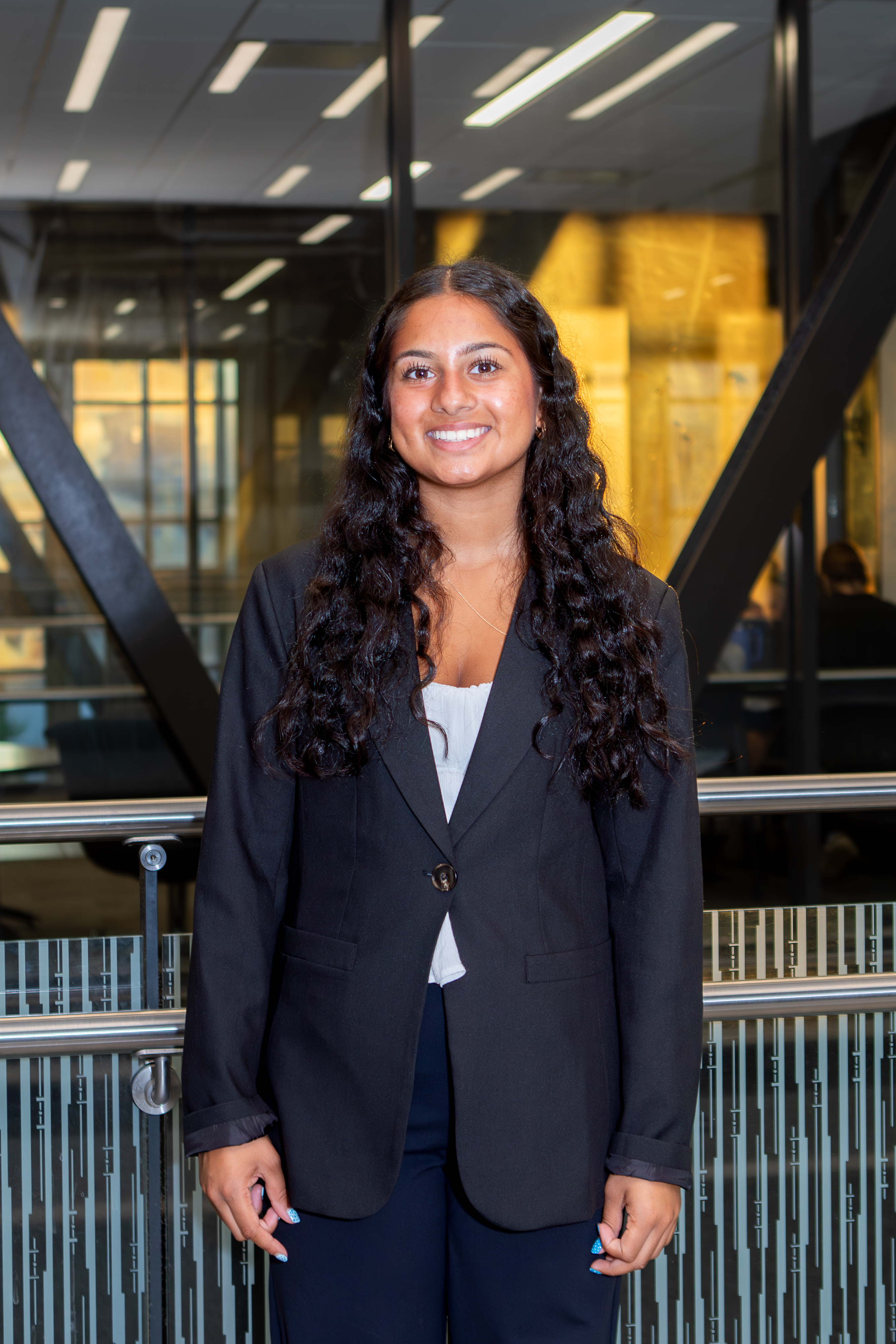
Priya Mishra '28
Major: Physics and Math
Certificate: Semiconductors and Microelectronics
Research Project Experience:
At Purdue, I have been researching in the Zhu Lab since my freshman year, where I fabricate and characterize two-dimensional quantum materials and heterostructures to study exotic quantum phenomena at the atomic level. I also have research experience as a member of the Sood Lab at Princeton University, where I fabricated ferroelectric capacitors and used electrical and optical measurements to observe polarization switching for future low-power memory devices.
Advice for Getting Started in Research:
My advice for getting started in research is to put yourself out there and expose yourself to all the opportunities that you have access to. Don't be afraid to reach out to friends, professors, mentors, and more to learn more about potential research projects and opportunities. Research has been such a rewarding experience for me, and I have found that it introduces you to such amazing people who can become a support system for you.
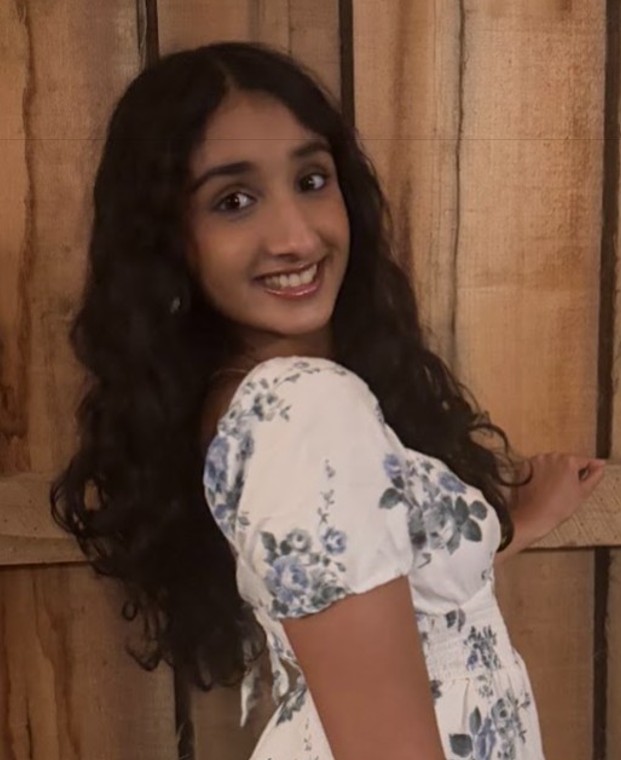
Ramya Prasanna '28
Major: Computer Science (machine learning and systems software concentrations)
Minors: Statistics and Psychology
Research Project Experience:
I have worked in Dr. Nan Kong's Intelligent Improvement for Health and Human Performance lab in Purdue's Biomedical Engineering Department since the start of my sophomore year. This past year, I led an independent research project using machine learning and statistical models to select a compact signature of 8 to 10 immune-related genes that predicts a patient's risk of breast cancer relapse. I was also an undergraduate data science researcher in The Data Mine's Corporate Partners program, where my team joined the Frederick National Laboratory for Cancer Research's ongoing work on a data analytics toolkit for analyzing spatial single-cell data.
Advice for Getting Started in Research:
Don't wait for an official position to start doing research. Reading papers, picking up new skills, and building small projects all count, and they make a much stronger case when you do approach a lab. There is no perfect time to reach out, so cold email and apply as you are. Most professors appreciate the interest and are willing to help you get up to speed on new skills and technologies. Research is also worth more than experience in one field. Mine has introduced me to some really talented mentors, pulled me into projects that deepened my interest in the field, and given me skills that carry over into my coursework and my industry work.
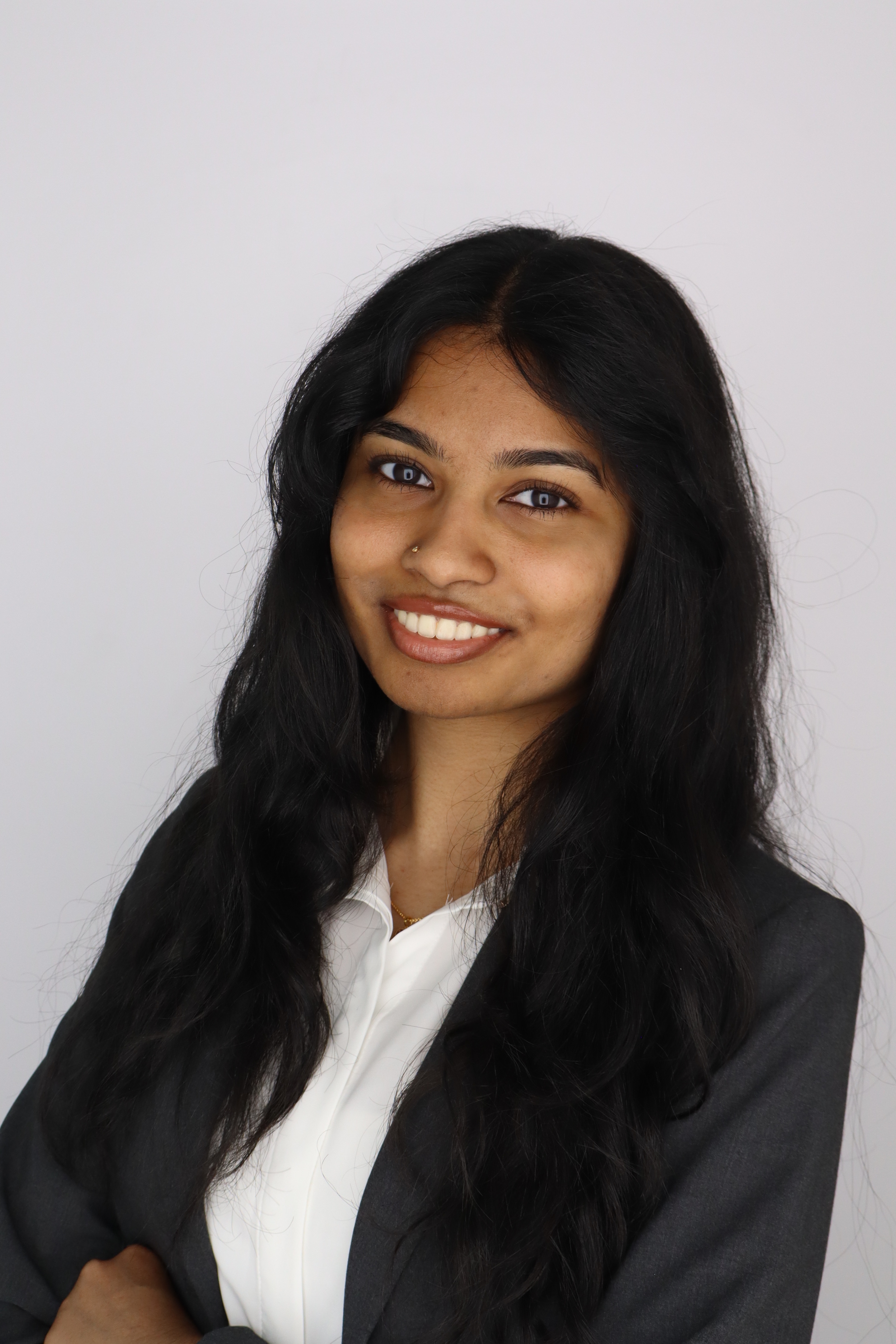
Major: Aeronautical and Astronautical Engineering (structures and materials specialization)
Minor: Materials Science Engineering
Research Project Experience:
I began my research journey at the Composites Manufacturing & Simulation Center at the Indiana Manufacturing Institute, led by Dr. Kim, through the First-Time Researcher Fellowship. My project focused on monitoring real-time machining conditions of carbon fiber-reinforced ABS composites using thermal imaging, accelerometers, and acoustic sensors to analyze temperature, vibration, and sound data.
I continued research through the SURF fellowship at Purdue's Energetics Research Center with the McClain Group, where I investigated how different processing and storage conditions affect HTPB and UV-curable molding powders. During my study abroad semester in Spring 2026, I also had the opportunity to work with Mr. Fichou's team at a sustainable aviation startup in Toulouse, France, validating the aerodynamics and stability of an electric propulsion glider.
Advice for Getting Started in Research:
Don’t be afraid to look at labs outside your school or department! Research topics can pop up in lots of different labs, kind of like in industry. Know what you're interested in, keep an open mind when reaching out, and remember it’s never too early or too late to get started!
Mackenzie Roche '28
Major: Neurobiology & Physiology (pre-physical therapy concentration)
Certificate: Medical Humanities
Research Project Experience:
I joined an Animal Science research lab under Dr. Timothy Johnson in the second semester of my freshman year. I studied antibiotic resistance in Bovine Respiratory Disease bacteria and utilized microbiology techniques such as cell culture, isolation, and qPCR. The goal of the research was to improve detection techniques for antibiotic resistance in cattle to prevent further development of resistance, high mortality rates, and unnecessary use of antibiotics. I recently joined Dr. Bruno Roseguini's lab through HONR 46400: Heat, Health, and Performance. The study I will be conducting involves heat therapy as a modality to treat muscle damage and promote recovery in sedentary adults.
Advice for Getting Started in Research:
In my experience, the best way to find a research project that you will both enjoy and succeed in is to determine your area of interest and find the related department website. The professors who are actively conducting research projects will have descriptions of their research and their email addresses. Cold emailing is a great way to put yourself out there. Additionally, talking to fellow classmates, teaching assistants, graduate students, and your professors can lead to an opportunity you didn't expect!
Lore Sebata '28
Major: Biochemistry
Research Project Experience:
I started my undergraduate research in summer 2025 in the Dr. Fields lab, where we focused on plant resilience and protein content. This work included fieldwork where we bred and harvested legumes, as well as conducted Near Infrared Spectroscopy to determine protein content. I currently work in the Dr. Mesecar lab, where we are focused on a vital protein that targets an essential pathway in the human body as a potential target for fungal drug development. My roles include expressing and studying mutants of the protein as well as conducting studies to understand the protein.
Advice for Getting Started in Research:
There are opportunities everywhere! You just need to put yourself in the right spaces and environments to find them. This can include going to club callouts and meeting grad students, going to office hours to chat with professors, or sending those introductory emails! Reaching out can feel scary the first time, trust me, but there's a space for everyone at OUR.
Kayla Slade '29
Majors: Health & Disease and Microbiology
Certificate: Medical Humanities
Research Project Experience:
I joined Dr. Richard Kuhn’s virology lab during my freshman year at Purdue University and am directly involved in a research project studying bunyaviruses, particularly La Crosse Virus (LACV). Currently, I am working closely with graduate students to measure the specific infectivity of LACV as well as attempting to insert a molecular tag into the virus genome in order to understand the early stages of virus replication within infected cells.
Advice for Getting Started in Research:
Sometimes you will have to create research opportunities yourself, so don’t be afraid to talk to your professors or email research labs. I would recommend narrowing down what you’re interested in and why, so that you can present a compelling case when you do apply for a research position!
Shruthika Sundar '26
Major: Biomedical Engineering (computational biomedicine and bioimaging concentrations)
Research Project Experience:
At Purdue, I work in Dr. Estelle Park’s biomedical engineering lab, studying stem cell-based organoid models. Additionally, I am involved in research at the University of Wyoming under Dr. Diksha Shukla in the Department of Electrical Engineering and Computer Science. This project explores using EEG brainwave signals as a secure alternative to typed passwords for authenticating users in virtual reality. I was an NSF Research Experiences for Undergraduates (REU) student at the University of Wyoming over the summer continue to work remotely with Dr. Shukla and her lab during the school year at Purdue.
Advice for Getting Started in Research:
Start by consolidating your interests and looking up professors whose work excites you. Do not be afraid to reach out over email and speak with them; you may be missing out on valuable opportunities if you do not take that first step. Take advantage of the OUR's resources to learn about different research opportunities on campus, and if you are debating whether to dive into research, come talk to an OUR ambassador!
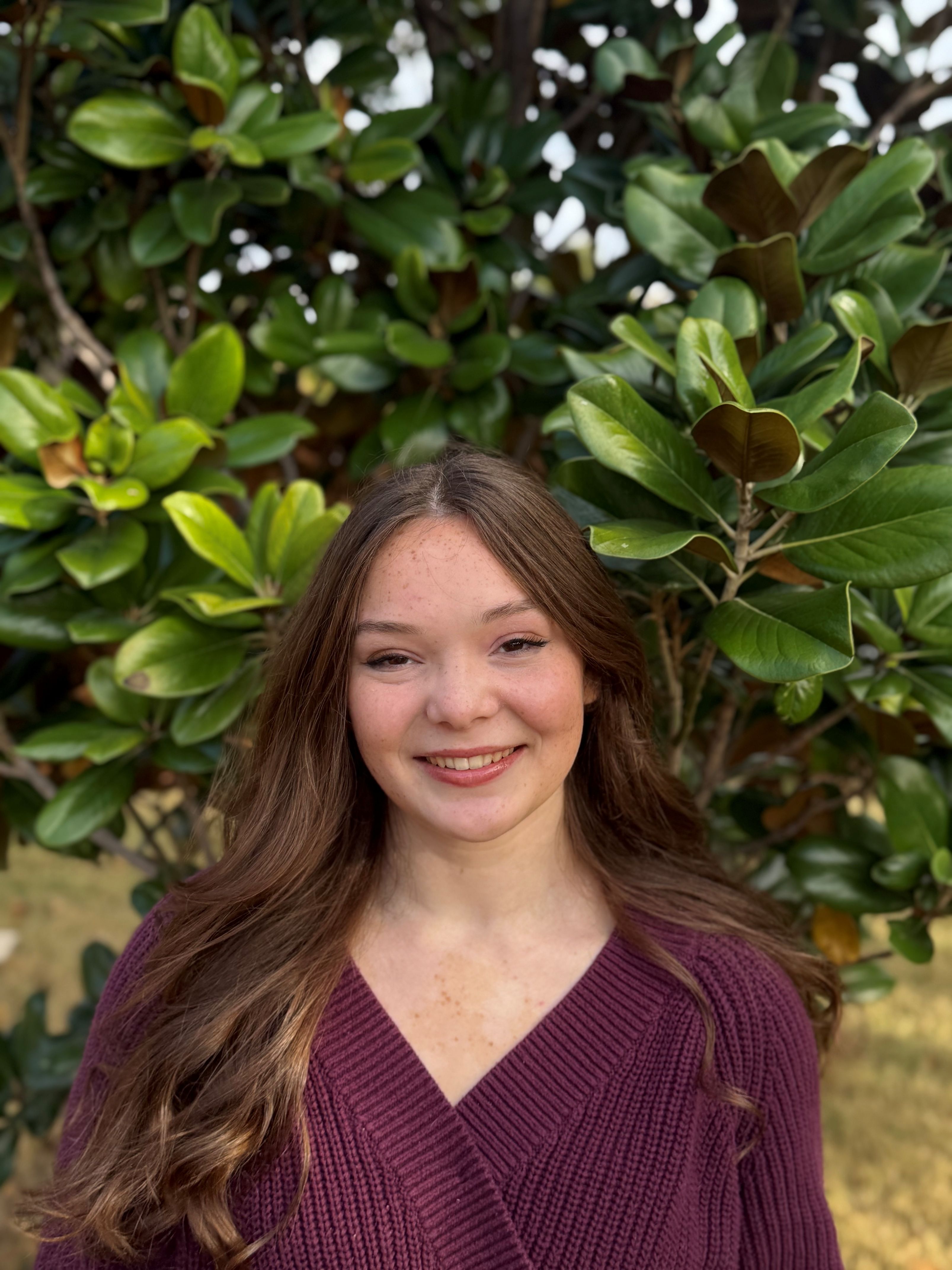
Olivia Williams '27
Major: Chemical Biology & Biochemistry
Minor: Biotechnology
Research Project Experience:
My freshman year, I worked in Dr. Garrison's lab in the Health and Human Sciences Department to develop a continuous melatonin monitoring device. Sophomore year, I moved to Dr. Drown's lab, studying cysteine reactivity in the Department of Chemistry, where I still work today. In this work, I study our ability to detect native, reactive cysteines and use that information to develop targeted therapeutics. Most recently, I have begun working with our lab's mass spectrometer to determine the optimal wash buffer between top-down proteomic experiments to reduce carryover. I have also worked on neuropharmacological research at Texas Tech University's Health Sciences Campus.
Advice for Getting Started in Research:
Don't be afraid to look for research with mentors outside of your major! I have worked in both Health and Human Sciences and Chemistry, neither of which is my home department. Despite this, I have loved all of the projects I have been on, and I think it has pushed me to be a better scientist by learning from experts in adjacent fields. If you are struggling to get a response from your own department, expand your search! You never know what you might find.