Past ESE Symposiums
ESE Symposium
The annual ESE Symposium is an entirely student-run event that provides a forum for discussion of interdisciplinary environmental issues. The symposium offers graduate and undergraduate students an opportunity to critically examine emerging environmental issues and interact with experts in various fields.
Ripple: Act Locally, Inspire Globally
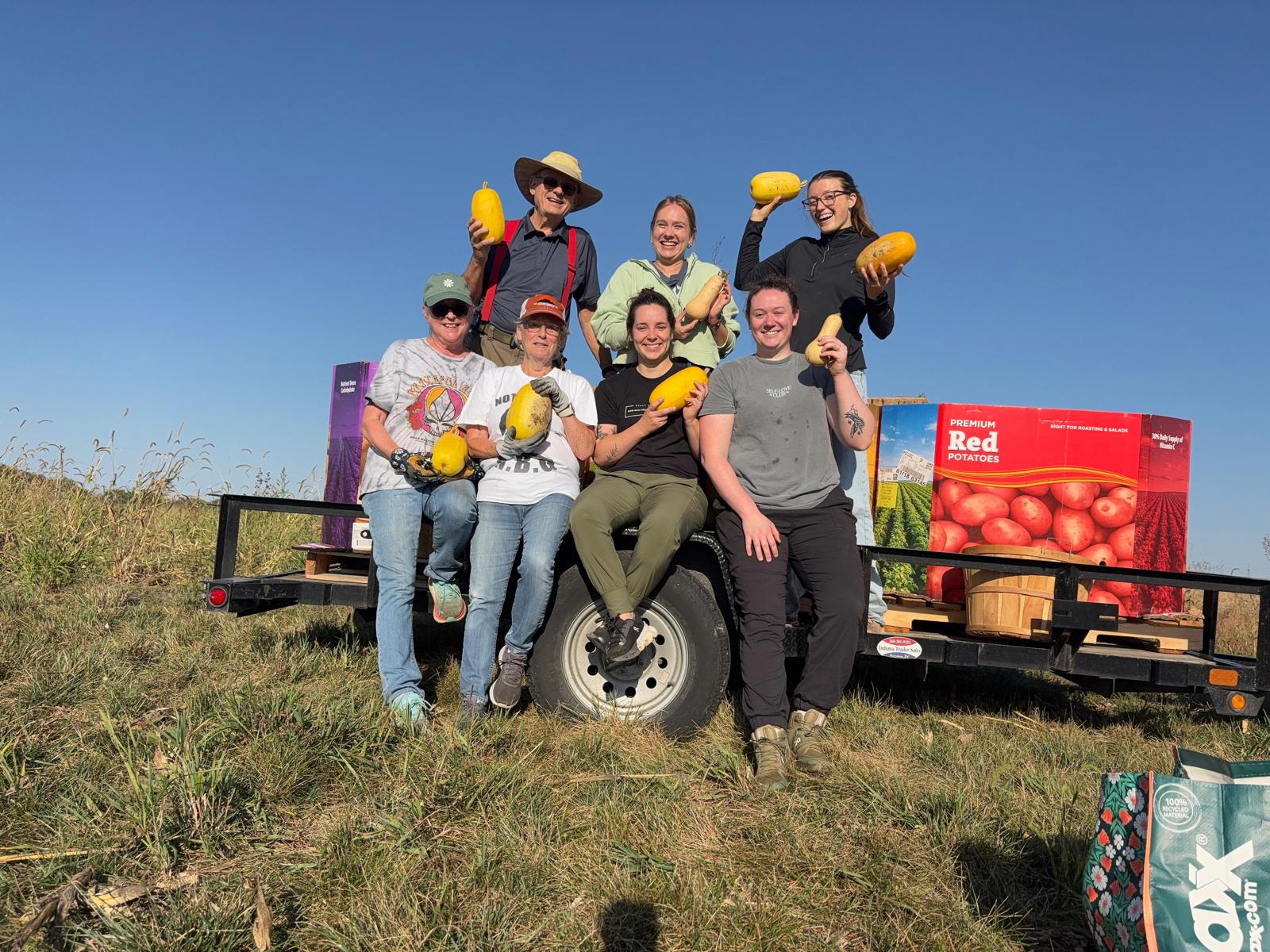
Our two-day event will focus on tangible skills building and local action, sparking a ripple of climate optimism within and beyond the Purdue community. Our schedule below features a graphical abstract workshop with a lunch and learn, a creative works exhibit, trivia night, and local volunteer event.
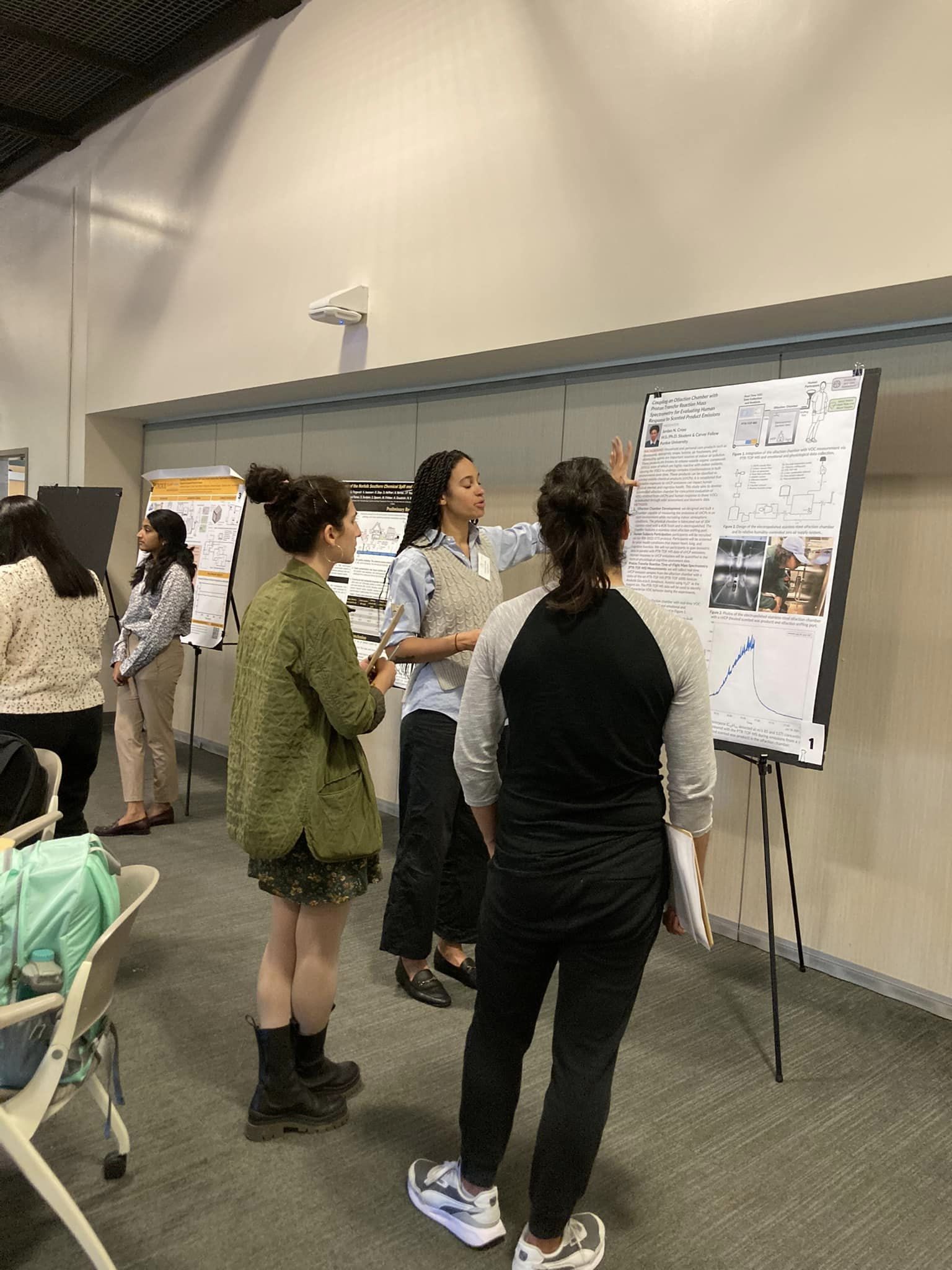
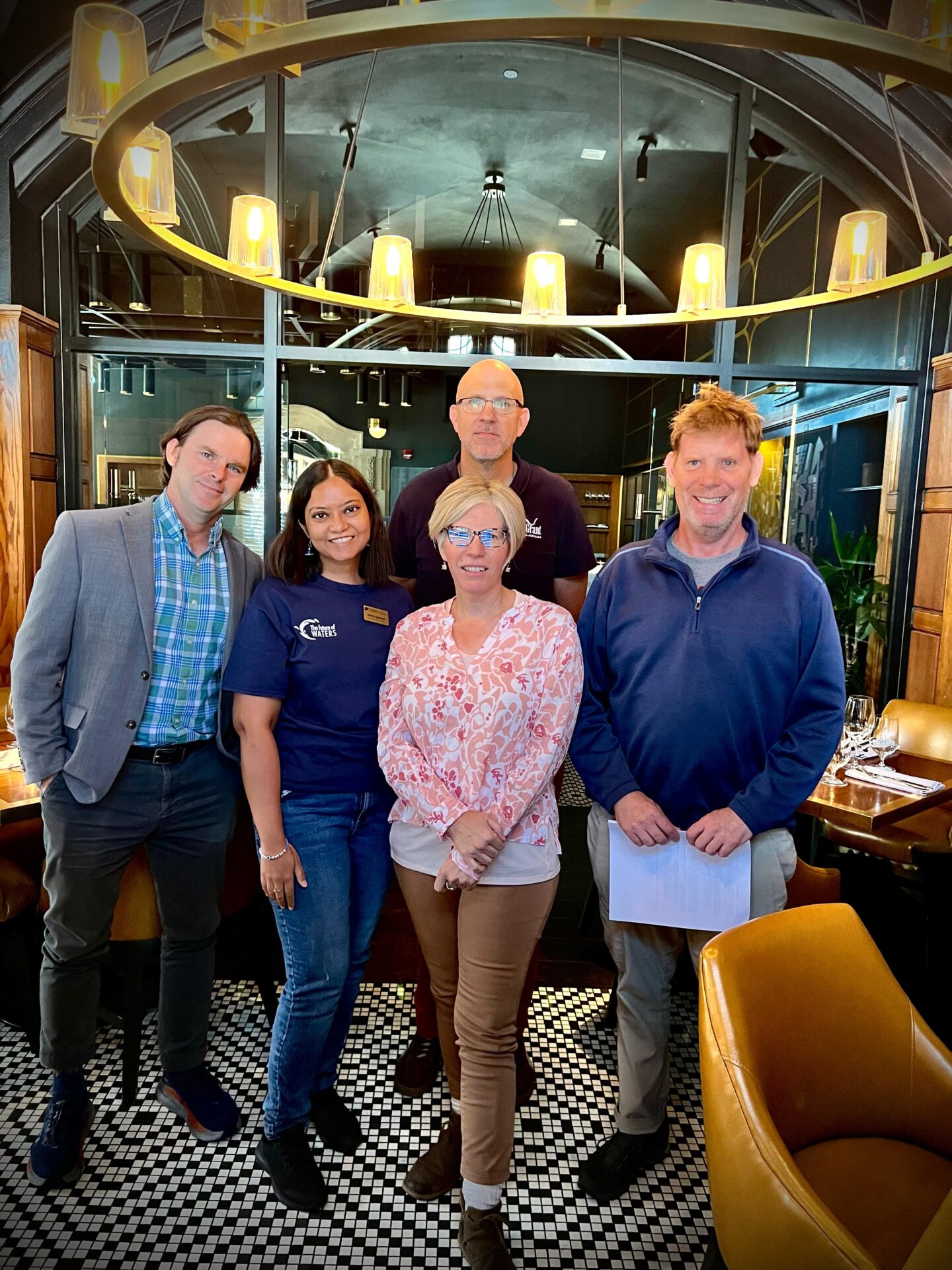
The 2024 symposium, created by the 2023 ESE Cohort, which explored six critical themes around water: Wellbeing, Access, Technology, Ecological Impacts, Resilience, and Sustainability, addressing issues such as water quality, security, policy, and access. It featured a transdisciplinary panel discussion, a keynote dialogue and book signing with New York bookseller Dan Egan, and a poster competition, this two-day event aimed to foster open dialogue on the multifaceted challenges facing the water sector and generate innovative solutions and strategies for a sustainable water future.
Wednesday, October 2, 2024
Fowler Hall, Stewart Center
Refreshments, 6:00-7:00 PM EST
Dialogue with Dan Egan, 7:00-8:00 PM EST
Book Signing to Follow, 8:00-9:00 PM EST
Both The Devil’s Element: Phosphorus and a World Out of Balance and The Death and Life of the Great Lakes will be available for purchase at the event by a local bookstore.
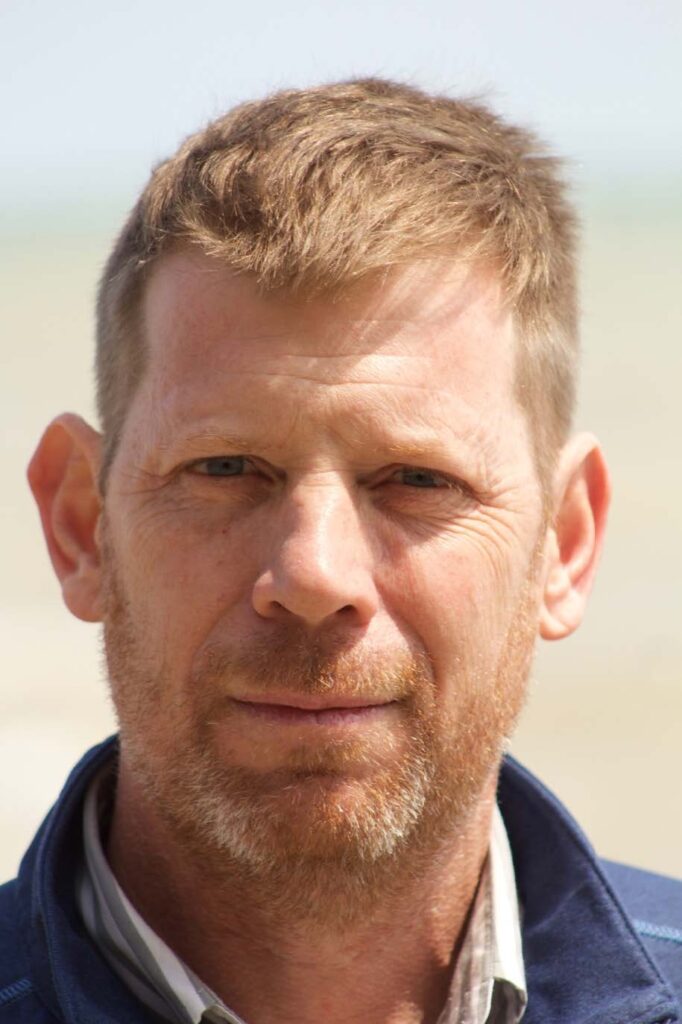
Dan Egan for many years covered the Great Lakes for the Milwaukee Journal Sentinel. Now he writes occasional long-form pieces about climate change for national media outlets, including the New York Times, and is a senior water policy fellow at the University of Wisconsin-Milwaukee’s School of Freshwater Sciences. He is the author of THE DEVIL’S ELEMENT: PHOSPHORUS AND A WORLD OUT OF BALANCE and the New York Times best seller THE DEATH AND LIFE OF THE GREAT LAKES. Twice a finalist for the Pulitzer Prize, he has won the Alfred I. duPont–Columbia University Award, John B. Oakes Award, AAAS Kavli Science Journalism Award, and J. Anthony Lukas Work-in-Progress Award. A graduate of the Columbia Journalism School, he lives in Milwaukee with his wife and children.
This panel will focus on increasing awareness about solutions, strategies, and best practices to decrease water stress and increase water quality/conservation, both domestically and globally. The panel will touch on each area of our theme regarding water: Wellbeing, Access, Technology, Ecological Impacts, Resilience, and Sustainability. All are welcome to attend. Refreshments will be provided.
Thursday, October 3, 12:30-2:30 PM EST
Pfendler Hall 241 – Deans Auditorium
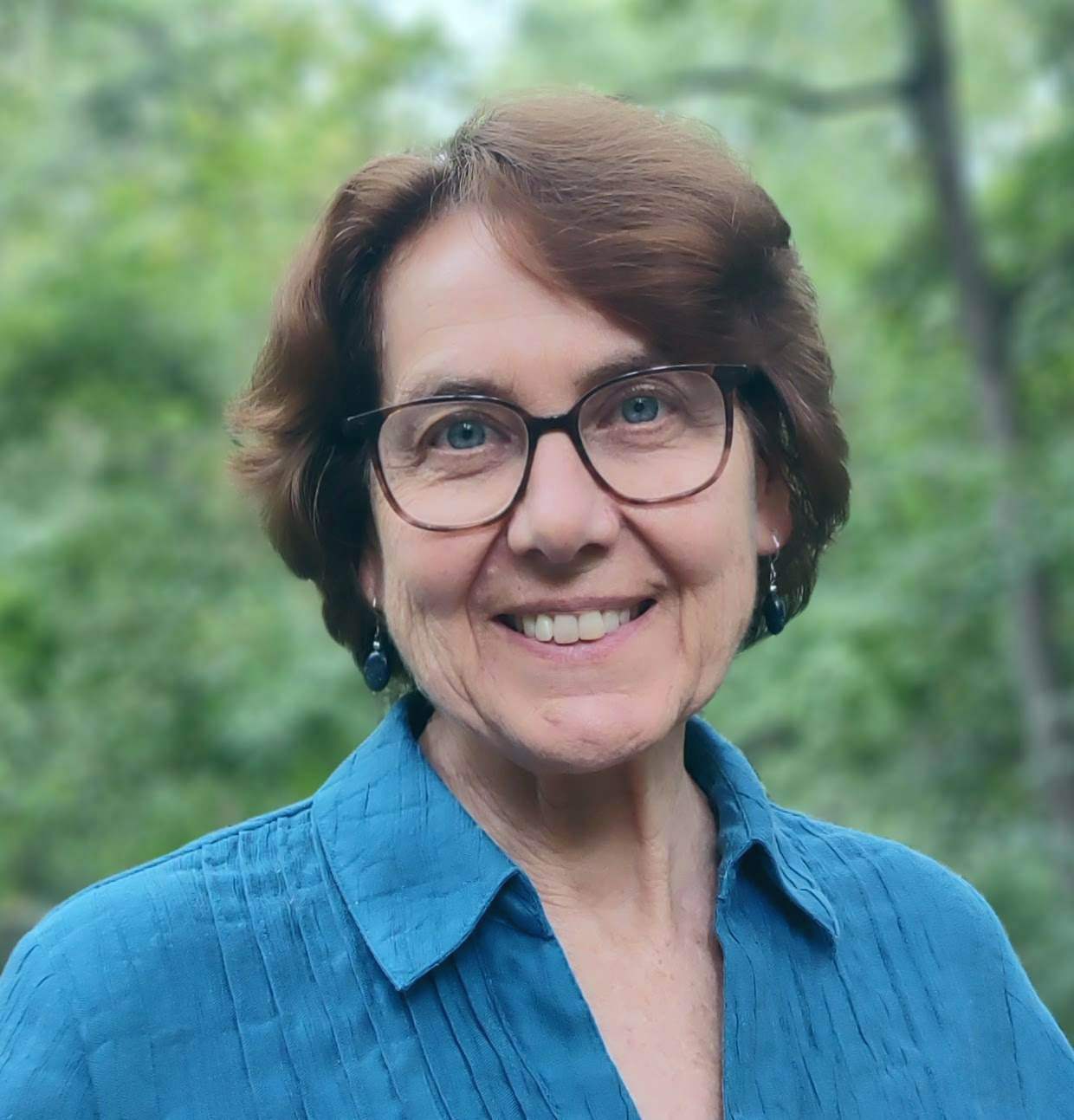
Frankenberger is a professor of agricultural and biological engineering at Purdue University and Extension specialist focusing on water quality and watershed management. She works to advance innovative agricultural water management that improves water quality while maintaining production in drained agricultural land. She delivers water-related tools and strategies to stakeholders who can use them to inform decisions, including through the Indiana Watershed Leadership Academy which she founded and leads. She has also been a visiting scientist at USDA and USEPA in Washington DC. Before coming to Purdue, she spent eight years in Africa, first teaching Math and Physics (in French) and then working on small-scale irrigation with women’s cooperatives. She has degrees from St. Olaf College, the University of Minnesota, and Cornell University. For additional details, please visit the webpage linked below.
Website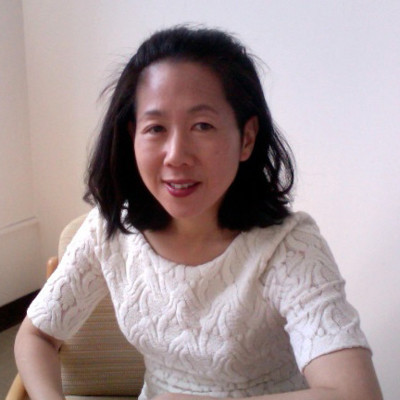
Dr. Inez Hua is a Professor of Civil Engineering and Environmental and Ecological Engineering at Purdue University. Dr. Hua has expertise in aquatic chemistry, environmental sustainability, water pollution control, and the environmental fate of organic contaminants. She has recently completed projects related to the photochemistry of emerging contaminants and water consumption in supply chains. Additional research areas include sustainable electronics and environmental sustainability in engineering education. Dr. Hua obtained both her Doctoral and Master's degrees from the California Institute of Technology in Environmental Science and Engineering.

Dr. Katie O'Reilly joined Illinois-Indiana Sea Grant and the Illinois Natural History Survey in 2022 after completing her Ph.D. in aquatic ecology at the University of Notre Dame. As the Aquatic Invasive Species Specialist, Katie provides community groups with the knowledge and tools they need to prevent the introduction and spread of harmful non-native aquatic plants, animals, and pathogens in the Great Lakes region. Some AIS programs and initiatives she works on include the Great Lakes Invasive Crayfish Collaborative, Aquatic Invaders in the Marketplace, and Illinois's "Be a Hero – Transport Zero" invasive species prevention campaign. Katie also works with scientists to improve their science communication skills and help them become more effective communicators.
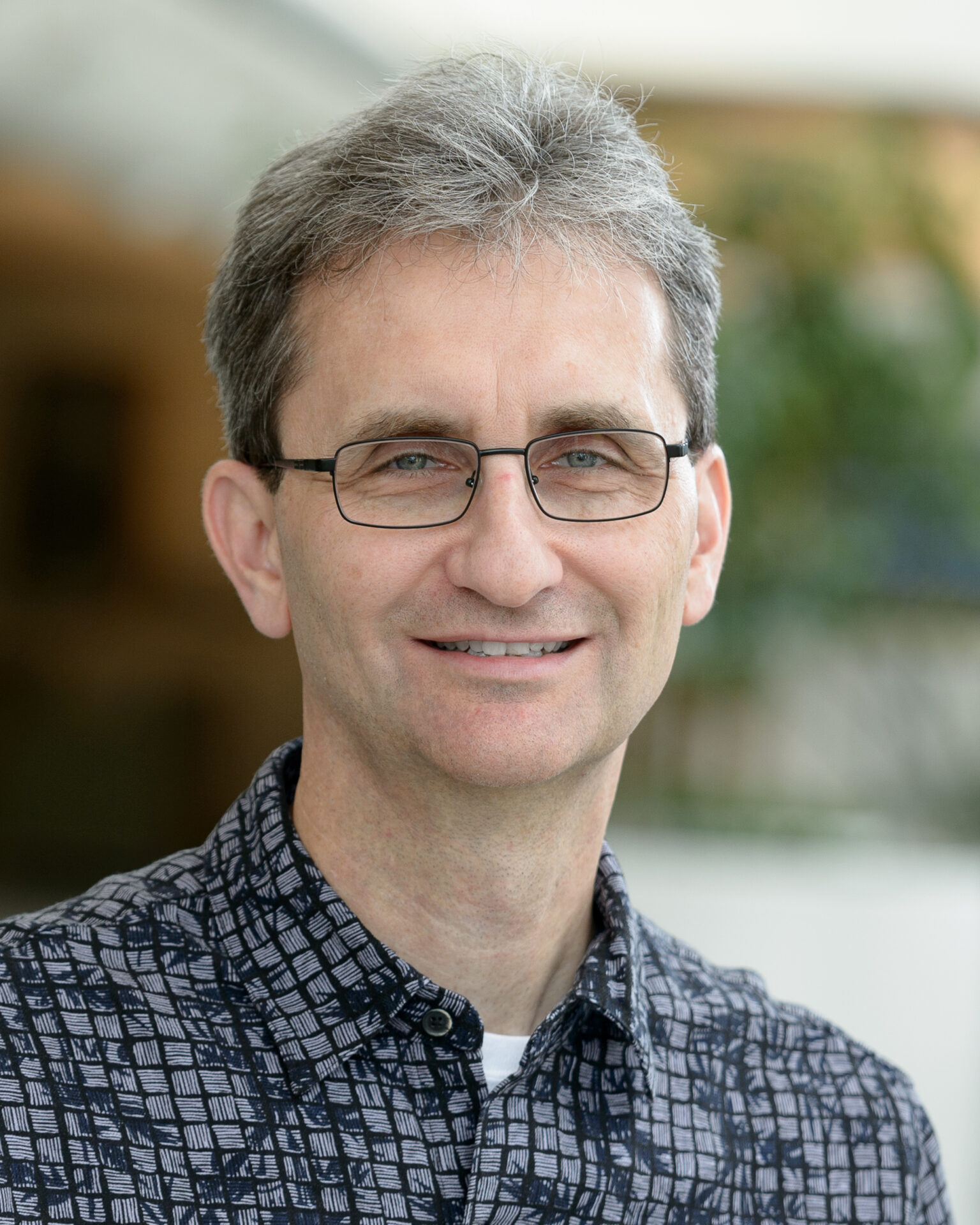
Dr. John J. Quinn is currently the Principal Hydrogeologist with the Environmental Science Division at the Argonne National Laboratory in Lemont, Illinois. Dr. Quinn’s work is in three main areas: perennial bioenergy crops and associated ecosystem services, phytoremediation approaches to industrial and agricultural contaminants, and water resources studies including numerical groundwater modeling. He is the Principal Investigator of several current projects at Argonne and hosted the 2023 International Phytotechnology Conference. Dr. Quinn previously served as a visiting instructor at the Harris School of Public Policy. He was also a Geological Engineer with Black and Veatch in Chicago. Dr. Quinn received both his Doctoral and Master's degrees in Hydrogeology from the University of Minnesota. He is also a Purdue University alumni, where he received both a BS in Geoscience and a BSE in Geo-Engineering.
Thursday, October 3, 2024
Leopold’s Landing, Pfendler Hall
2:30 – 4:30 PM
Refreshments Provided
Following the Panel Discussion we will be hosting a Poster Session open to all areas of research.
Graduate and Undergraduate students are welcome. Your poster does not have to be ready in order to submit this application, however, your poster will need to be printed before the day of the event (Thursday, October 3, 2024). The top 30 applicants will be selected to present if needed. Submit an abstract application by September 26th for a higher chance of being selected to present. Applicants will be notified on the outcome of their application via email no later than September 30th.
We greatly appreciate our generous sponsors! More will be added as donations and logos are received!
Boilermaker Gold Level Sponsors
Hammer Down Black Level Sponsors
Railway Gray Level Sponsors
This year’s theme, “Silent Disasters and Silenced Communities: An Exploration of Quiet Cataclysms,” seeks to provide a space for open conversation about concealed environmental disasters that impact silenced communities. Our symposium will focus on climate change, environmental pollution, and the biodiversity loss crises and will examine how these complex disasters affect the most marginalized members of our society. This February, we invite all members of the Purdue community to join us as we explore the complexities of environmental disasters with field experts. Our Symposium will include panel talks, a movie showing, a keynote speech, and a poster session to discuss the world’s quiet cataclysms. This year’s ESE symposium will be in-person for the first time since 2019.
RSVPs for these events are now closed. If you would like to still participate, please feel free to attend.
Tuesday, February 21, 2023
5:00-6:30 PM EST
Pfendler 241 – Deans Auditorium
Dr. Jonathan Day – Purdue University
Dr. Michael Méndez – University of California, Irvine
Dr. David Savage – Department of Energy, Purdue University and ESE Alumni
Wednesday, February 22, 2023
5:00-8:00 PM EST
Wetherill Hall – 104
Dark Waters
Dr. Linda Lee
Dr. Jason Cannon
Dr. Maria Sepúlveda
Dr. Sa Liu
Thursday, February 23, 2023
5:00-6:30 PM EST
Pfendler 241 – Deans Auditorium
Dr. Bradley Cardinale, Penn State University
Thursday, February 23, 2023
6:30-8:00 PM EST
Pfendler Leopold’s Landing, second floor
This panel will focus on topics centered on the scaling and disproportionate impacts of climate change on silenced and/or marginalized communities, various disciplinary perspectives on climate and energy justice and possible interventions and paths forward. All are welcome. Snacks will be provided. Tuesday, February 21, 5:00-6:30 PM EST
Pfendler Hall 241 – Deans Auditorium
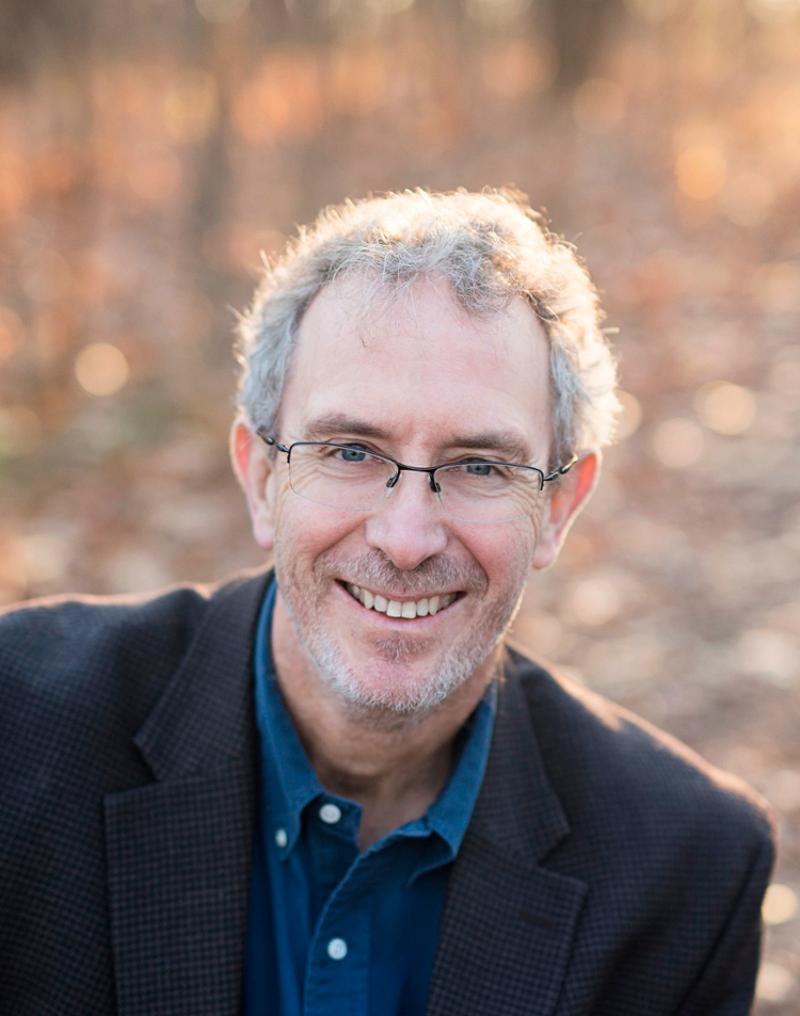
Dr. Jonathon Day, an internationally recognized sustainable tourism expert and an Associate Professor in Purdue’s White Lodging – J.W. Marriott, Jr School of Hospitality and Tourism Management, has over 30 years of experience in tourism management. Jonathon is the coauthor of The Tourism System 8th edition, and author of “Introduction to Sustainable Tourism and Responsible Travel”, as well as over 35 peer-reviewed. He was recognized by the International Hospitality Institute as one of the Global 25 most influential educators in hospitality and the Global Top 30 Champions of Environmental Sustainability in Hospitality and Tourism for 2021. He currently chairs the Travel Care Code Initiative (travelcarecode.org), a network of academic and marketing organizations promoting responsible travel.
Dr. Days’ research and engagement activities include projects in Nepal, Colombia, Uzbekistan, as well as the United States, and Australia. Jonathon’s work is focused on sustainable tourism and responsible travel. His work focuses on how tourism can be used to not only enrich travelers but improve the quality of life in destination communities.
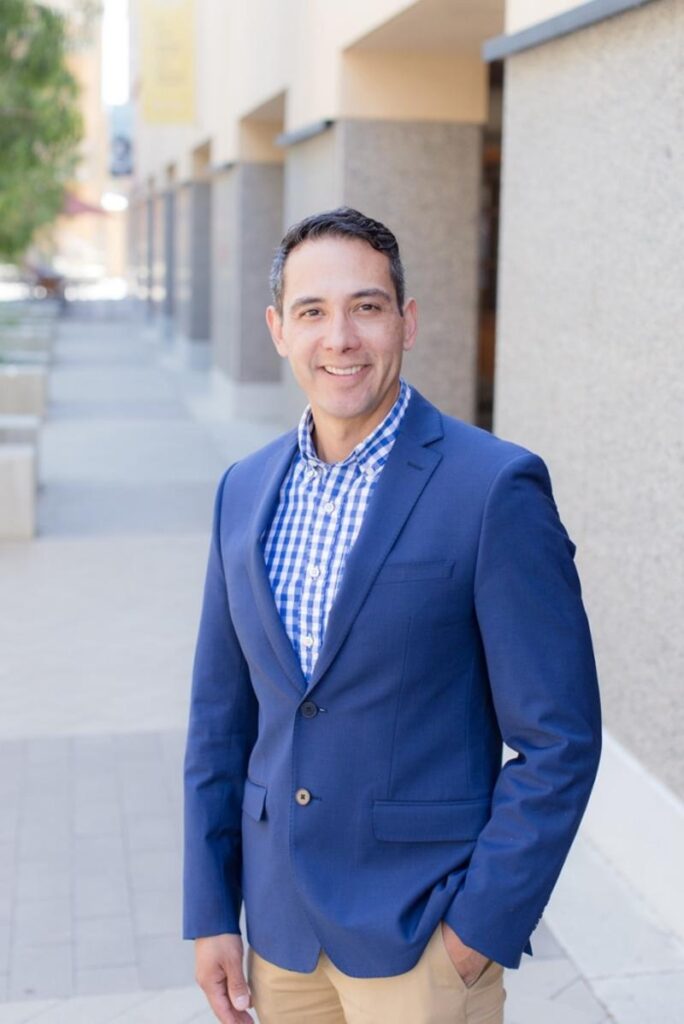
Dr. Michael Méndez is an assistant professor of environmental policy and planning at the University of California, Irvine, an Andrew Carnegie Fellow, and Visiting Scientist at the National Center for Atmospheric Research (NCAR). He previously was the inaugural James and Mary Pinchot Faculty Fellow in Sustainability Studies and Associate Research Scientist at the Yale School of the Environment. Michael has more than a decade of senior-level experience in the public and private sectors, where he consulted and actively engaged in the policymaking process. This included working for the California State Legislature as a senior consultant, lobbyist, a member of the California State Mining & Geology Board, and as vice-chair of the Sacramento City Planning Commission. In 2021, California Governor Gavin Newsom appointed Dr. Méndez to the Los Angeles Regional Water Quality Control Board. The board regulates water quality in a region of 11 million people.
During his time as a scholar, he has contributed to state and national research policy initiatives, including serving as an advisor to a California Air Resources Board member, and as a co-author of the U.S. Global Change Research Program’s study on “Climate Vulnerability and Social Science Perspectives.” Michael is a member of the National Academies of Sciences, Engineering, and Medicine’s Board on Environmental Change and Society (BECS), a co-author of the forthcoming National Academies of Sciences’ consensus study, “Accelerating Decarbonization in the United States: Technology, Policy, and Societal Dimensions,” and a co-author of the upcoming National Climate Assessment (NCA5), the U.S. Government’s premier report on climate change impacts, risks, and adaptation across the Nation (a Congressionally mandated, interagency effort).
Dr. Méndez holds three degrees in environmental planning and policy, including a PhD from UC Berkeley’s Department of City and Regional Planning, and a graduate degree from MIT. His research on the intersection of climate change and communities of color has been featured in national publications including National Geographic, Los Angeles Times, Politico, NPR, Bloomberg News, USA Today; and Fox Latino News. His new award-winning book “Climate Change from the Streets,” published through Yale University Press (2020), is an urgent and timely story of the contentious politics of incorporating environmental justice into global climate change policy. The book was the winner of the Harold and Margaret Sprout Award, sponsored by the International Studies Association (ISA) and the Betty and Alfred McClung Lee Award by the Association for Humanist Sociology; and a finalist for the Association of Collegiate Schools of Planning’s John Friedmann Book Award.
Dr. Méndez’s new research focuses on climate-induced disasters and social vulnerability. This research has been supported by a National Science Foundation (NSF) Early Career Faculty Award. In conjunction with the National Center for Atmospheric Research (NCAR), this project explores the disparate impacts of extreme wildfire, heatwave, and drought events on undocumented Latino/a and Indigenous migrants.
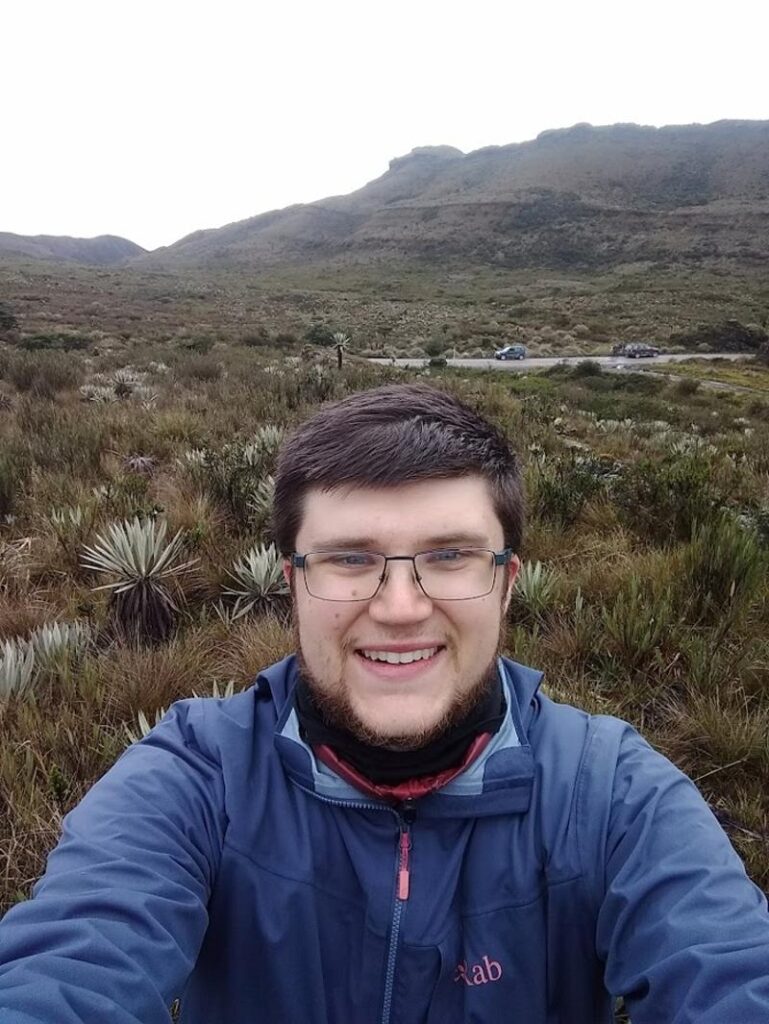
Dr. David Savage is a researcher focused on the application of data to solve environmental problems. His graduate research focused on the development of novel frameworks for biodiversity monitoring using acoustics and the integration of this data into economic decision making. He now serves as a US Department of Energy Clean Energy Innovator Fellow, working with the Indiana Utility Regulatory Commission focusing on transmission planning. Dr. Savage is an ESE and Purdue University Alumni.
After a viewing of the film Dark Waters, our panel of experts will discuss environmental health and particularly the impact of environmental contaminants on humans. There will be time at the end for questions from the audience. Snacks will be provided.Wednesday, February 22, 5:00-8:00 PM EST
Wetherill Hall – 104
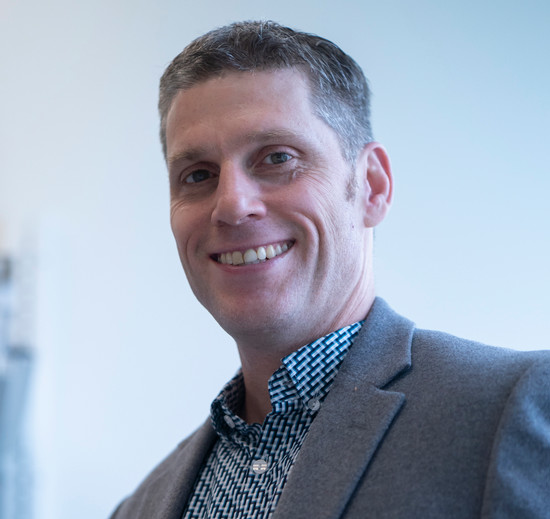
Dr. Jason Cannon is trained in toxicology and neuroscience. He received his B.S. in physiology, from Michigan State University, Ph.D. in toxicology from the University of Michigan, and postdoctoral training in neurodegeneration in the Pittsburgh Institute for Neurodegenerative Diseases. Dr. Cannon is an expert on how toxic exposures adversely affect the nervous system. He teaches the following subjects: general toxicology, analytical toxicology, biochemical toxicology, toxicologic pathology, neurotoxicology, and neurodegeneration. Dr. Cannon conducts research on how toxic exposures may influence the onset and progression of neurological diseases. A major focus of Dr. Cannon’s current research is how per-and polyfluoroalkyl substances (PFAS) adversely affect neurotransmission and neurological function.
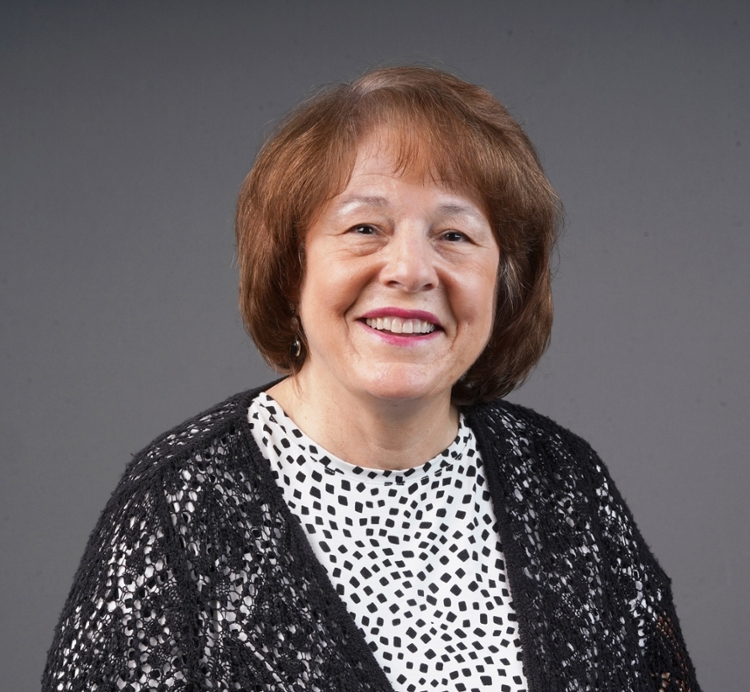
Dr. Linda S. Lee is a professor in the Purdue University Department of Agronomy; Program Head for the Ecological Sciences & Engineering Interdisciplinary Graduate Program; and a Faculty Affiliate in the Division of Environmental Ecological Engineering. She joined the faculty at Purdue in 1993 after completing a BS (Chemistry), MS (Environmental Engineering) and PhD (Soil chemistry & Contaminant hydrology, Soil & Water Sciences Dept.) at the University of Florida. She has garnered over 10 million dollars in funding from federal and state agencies as well as industry, published over 100 publications with most being in top tier environmental journals, and served as primary mentor of almost 30 graduate students to date. She has an energetic, innovative, stimulating program of research and teaching in environmental soil chemistry grounded in fundamental concepts of chemistry with direct application to known environmental problems. Her research focuses on understanding the processes that govern environmental fate and remediation of contaminants in various media for use in mitigating contamination, decision tools and management guidelines in both industrial and agricultural settings. She has served on multiple national and international advisory groups addressing water quality issues, fair land-applied biosolid policies, and chemical risk prediction and management. Her research over the past 15 years has focused primarily on poly- and perfluoroalkyl substances and other organic endocrine disrupting chemicals of emerging concern. She developed and teaches Environmental Soil Chemistry lab/lecture (AGRY/NRES385, every fall) and Environmental Organic Chemistry (AGRY544, Spring, even year). In addition she co-developed and co-instructs/facilitates the ESE fall and spring Colloquium course series and co-teaches Introduction to Environmental Sciences (AGRY/EAPS/FNR/NRES125). She has two sons and enjoys animals, music, the outdoors and scuba diving.
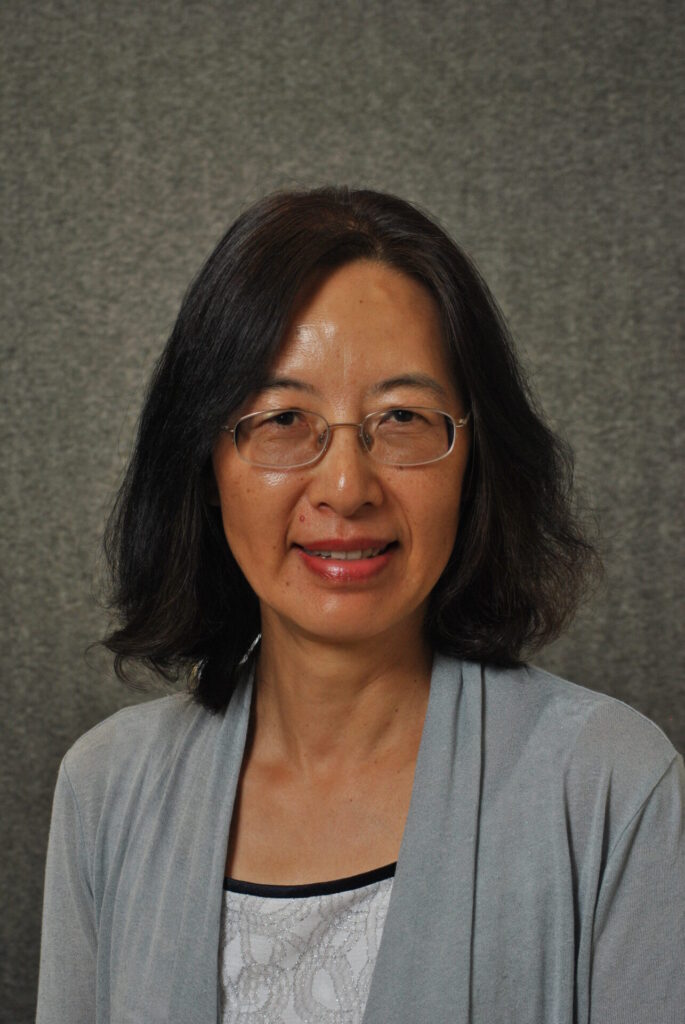
Dr. Sa Liu is an exposure scientist specializing in occupational and environmental exposure assessment. Her research focuses on the development and the implementation of comprehensive assessment methods to understand human exposures to chemical contaminants and their association with adverse health effects among workers and the general population. The overarching question of her research is how scientific data relevant to human exposure are developed, assembled, and evaluated, on which health risks and unacceptable risks are determined, with the ultimate goal of reducing exposure and mitigating health risks.
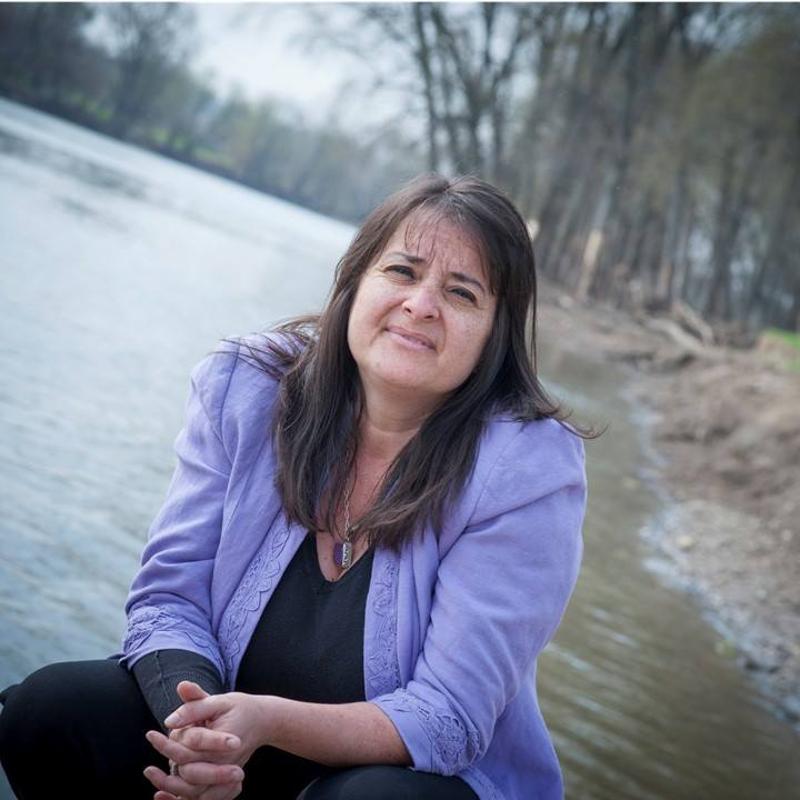
Dr. Maria Sepúlveda’s main area of research is ecotoxicology. Over the last two decades, she has conducted extensive research evaluating the sublethal effects of a wide-range of environmental contaminants on the physiology of numerous terrestrial and aquatic species. She earned a Doctorate in Veterinary Medicine degree from Universidad de Chile, Santiago, Chile; her MS from University of Florida, Gainesville, Florida (Wildlife Ecology); and her PhD from the same University (Veterinary Sciences/Toxicology). Dr. Sepúlveda’s research focuses on understanding the sublethal effects of legacy and emerging pollutants to fish and wildlife. Her laboratory uses a diverse number of animal models and techniques to advance the field of aquatic toxicology.
Thursday, February 23, 5:00 PM – 6:30 PM EST
Pfendler 241 Deans Auditorium
Dr Cardinale will give his keynote on the global biodiversity loss crisis and the implications of its impact on humans and the planet.
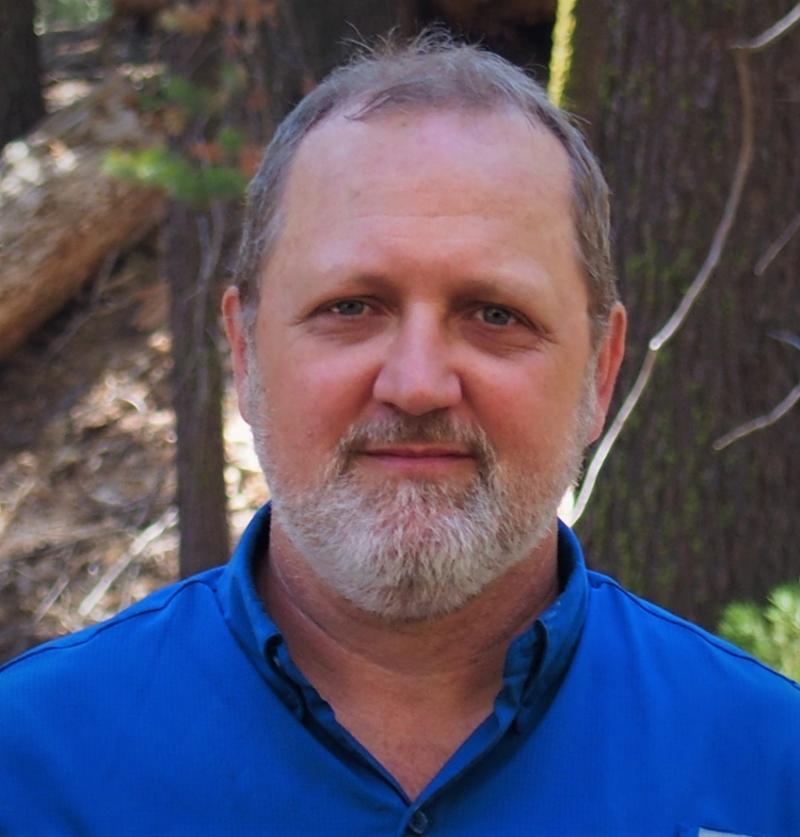
Dr. Cardinale is an American ecologist, conservation biologist, academic and researcher. He is Head of the Department of Ecosystem Science and Management at Penn State University. Dr. Cardinale’s work has focused on the conservation and restoration of biodiversity in natural systems, as well as the ecological design of human engineered systems that benefit from biodiversity. He uses mathematical models, lab- and field-based experiments, observational studies of natural ecosystems, and meta-analyses of existing data to examine how human activities impact Earth’s biological diversity, and to protect and manage species, their ecosystems, and the services they provide to society. He has written over 120 scientific papers, as well as a textbook on conservation biology. Dr. Cardinale is an elected fellow of the American Association for the Advancement of Science, and the Ecological Society of America. In 2014, Dr. Cardinale was named by Thomson Reuters as one of The World’s Most Influential Scientific Minds.
The Poster Session will involve both undergraduate and graduate students whose work centers on topics relevant to ESE. The best undergraduate and graduate posters will receive $300 each. The judging panel will be composed of ESE alum and Purdue postdocs in relevant fields. Attendees will be able to vote for their favorite undergraduate and graduate poster for the People’s Choice Award, the winners of which will recieve $150. Posters must be physical.
The ESE Symposium Poster Session is limited to 30 posters. Deadline for poster submissions is Friday, February 17th. Applicants will be notified on the outcome of their application via email no later than Monday, February 20th to confirm.
Thursday, February 23, 6:30-8:00 PM EST Pfendler Hall, Leopold’s Landing, second floor
Boilermaker Gold Level Sponsors
Hammer Down Black Level Sponsors
Railway Gray Level Sponsors
The theme was “Feeding the Future: Food for All.” We invited all members of the Purdue community to join us as we explore the complexities of food security with field experts. Our Symposium included a panel talk, keynote speech, workshop, and a poster session. Thank you to all of our sponsors and participants!
Wednesday, October 11, 2023
11:00-12:30 PM
John Purdue Room, Marriott Hall
This event is at capacity.
Co-Sponsored by

Wednesday, October 11, 2023
1:00-2:30 PM
Krannert Building (KRAN) 140
Brooke Alford – Purdue University Extension
Dr. Yaohua ‘Betty’ Feng – Purdue University
Dr. Thomas Hertel – Purdue University
Kier Crites Muller – Food Finders CEO
Suzanne Tryan – SNAP and TANF Policy Manager
Euler Bropleh
Founder and Managing Director of VestedWorld
Wednesday, October 11, 2023
3:00-4:00 PM
Krannert Building (KRAN) 140
Thursday, October 12, 2023
12:30-2:30 PM
Hall for Discovery and Learning Research (DLR) 131
Abstract submissions are now closed.
Thursday, October 12, 2023
3:00-5:00 PM
Hall for Discovery and Learning Research (DLR) 131
Saturday, October 14, 2023
9:00-11:00 AM
Purdue Student Farms
Lunch will be available at 11:00 AM.
Food Fight! Panelists specializing in different aspects of food security will come together to discuss the topic of ‘Feeding the Future’ and related topics. Panelists with various backgrounds from science to policy will provide their expertise on the subject and will try their very best to not fight over food. All are welcome to attend.Wednesday, October 11, 1:00-2:30 PM EST
Krannert Building (KRAN) 140
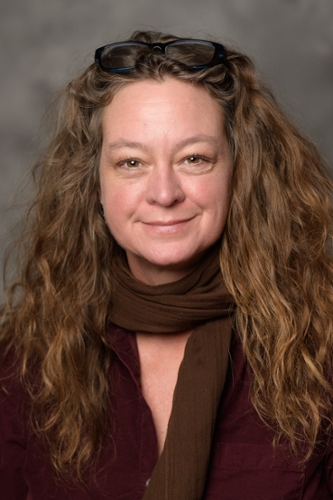
Brooke is an Urban Agriculture and Natural Resources Educator in Purdue Extension-Marion County. She works with market and community growers to increase the sustainability of urban ag in Marion County. She delivers programming around urban agriculture, natural resources and green infrastructure.
Brooke recently returned to the Midwest from the Pacific Northwest where she studied at the University of Washington. There she earned a BA in Urban Forestry–a program rooted in urban horticulture–and a Master’s of Landscape Architecture with a Certificate in Ecological Restoration. She practiced urban ecological design and restoration in the Seattle area before returning to the Indianapolis region and joining the Purdue Extension team.
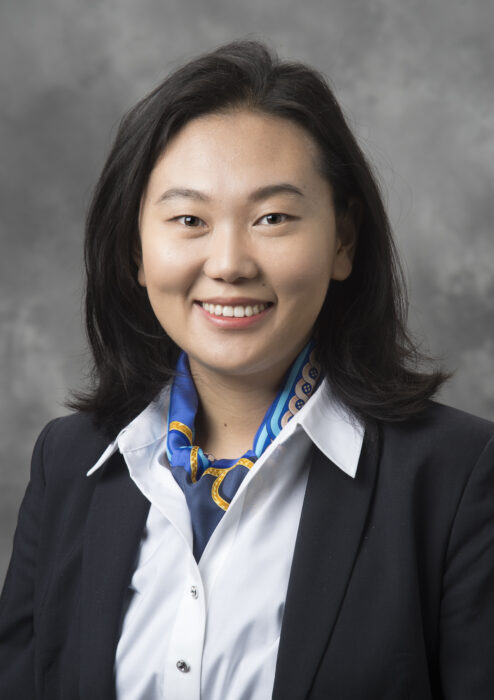
Betty Feng, is an Associate Professor and Extension Specialist at Purdue University. She is striving to reduce foodborne illness cases and enhance food safety by effective risk assessment, messaging and communication. Feng’s research program explores cultural, social, and environmental factors that affect food safety behaviors using a socioecological approach. The goal of the research program is to identify barriers to understanding food safety issues and evaluate strategies that empower stakeholders to make science-based decisions. By using both qualitative and quantitative research methods and working with farmers, food workers, and consumers, Dr. Feng’s work can increase the knowledge of different sectors of the food supply chain, from consumers, food processors, retailers to the policymakers.
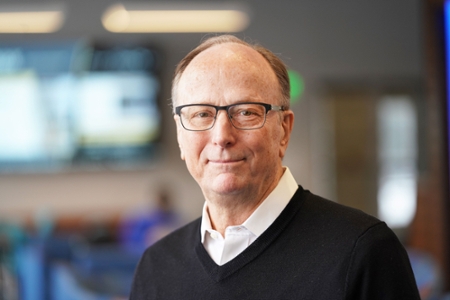
Dr. Thomas Hertel is Distinguished Professor of Agricultural Economics at Purdue University. Prof. Hertel’s research and teaching focuses on international trade, food and environmental security. He is a 2022 recipient of the Alexander von Humboldt Research Prize and is a Fellow, and a Past-President, of the Agricultural and Applied Economics Association (AAEA), Fellow of the American Academy for the Advancement of Science (AAAS) as well as the Australasian Agricultural and Resource Economics Society, and Honorary Life Member of the International Association of Agricultural Economists. He is also the founder and Executive Director of the Global Trade Analysis Project (GTAP) which now encompasses more than 28,000 researchers in 179 countries.
Thursday, October 12, 2023
3:00-5:00 PM
Hall for Discovery and Learning Research (DLR) 131
Wednesday, October 12, 3:00 PM – 4:00 PM EST
Krannert Building (KRAN) 140
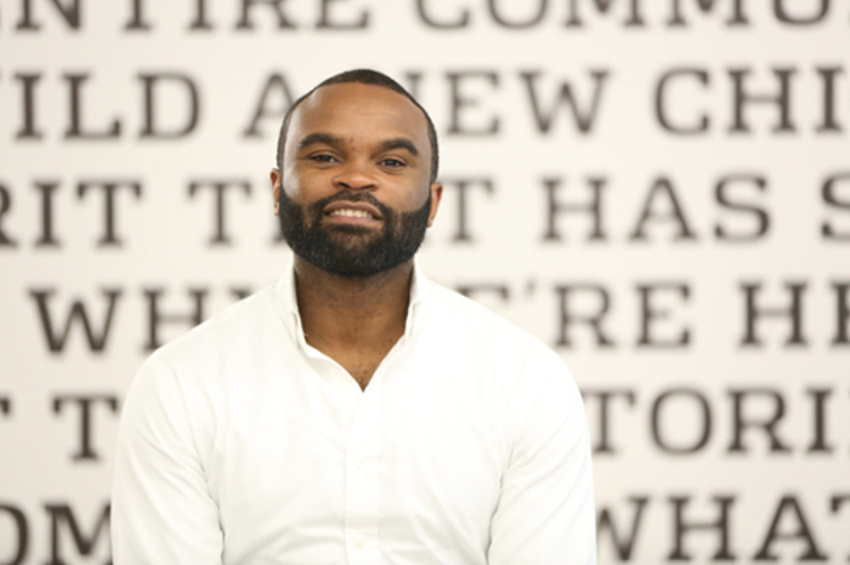
Euler Bropleh is the Founder and Managing Partner of VestedWorld, an early-stage fund manager that aims to catalyze growth and development in some of the most underserved markets around the world. VestedWorld leverages its deep knowledge and networks to identify businesses that can play a role in transforming industries and communities where they invest. VestedWorld is committed to being a leading early-stage investment fund manager for emerging markets. They have supported more than 30 African startups addressing critical social and market needs in Ghana, Nigeria, Kenya, Rwanda, and Uganda.
Through his work at VestedWorld, Euler serves as a Board Member at Viamo and Vanu, as well as a Board Observer for Jetstream Africa and Victory Farms. These are just some of the aforementioned businesses that VestedWorld has funded and worked with. This business is a huge passion point for Euler as a Liberian native who left the country during the Liberian Civil War. He understands firsthand how conflict, instability, and lack of economic growth can impact the lives of people in developing countries.
Before starting his journey as an entrepreneur, having founded VestedWorld in 2014, Euler had experience working at leading law firms. He spent 6 years in law working as an Associate at Latham & Watkins as well as Vedder Price P.C., where he represented Fortune 100 companies, venture capital and private equity firms, and emerging businesses worldwide. This laid the foundation for his work as an angel investor.
Euler attended Emory University where he earned his Bachelor of Arts in International Studies. He then attended the University of St. Andrews where he earned his MSc in International Strategy and Economics and was a Bobby Jones Scholar. Following his time at the University of St. Andrews, Euler attended the University of Chicago Law School. Here he earned his JD, was a Donald E. Egan Scholar, and received the Ann Watson Barber Service Award.
Euler splits his time between Accra, Ghana, and Chicago, IL. He serves on the Board of the African Leadership Foundation (which supports the African Leadership Academy and the African Leadership University), mothers2mothers, AgriCorps, Ingenuity, and The Field Museum.
The Fall 2023 ESE Symposium, “Food 4 All”, will be held October 11-12, 2023, in-person at Purdue University. Both undergraduate and graduate students from all colleges and departments are invited to showcase their work and learn from each other. This symposium provides an opportunity to explore and discuss the many aspects of food security and nutrition, together.
Abstract submissions are now closed. Monetary prizes will be awarded to the top two undergraduate presenters and the top two graduate presenters.
While the topic of food security is broad, the abstract should fall under one of the following themes:
Thursday, October 12, 2023
12:30-2:30 PM
Hall for Discovery and Learning Research (DLR) 131
Sponsors of the Fall 2023 ESE Symposium
Boilermaker Gold Level Sponsors
Hammer Down Black Level Sponsors
Railway Gray Level Sponsors
Social media has transformed the way environmental movements form, develop, and spread. Platforms such as Instagram, Twitter, and TikTok have given visibility to issues that have been traditionally overlooked and disseminate information related to topics such as climate change, ethical consumption, and food security. While social media has given a platform for people to share information and voice their opinions, it has also facilitated the spread of misinformation. How can we enhance the good and suppress the bad? RSVP for keynote speaker and panels are located on the agenda.
RSVP links are provided below for each event. Once you register you will receive the information needed to join the Zoom meeting via email.
Dr. Peter Neff
William Finnegan
Iris O’Donnell
Emily Plunkett
Juan Carlos Riveros
Andrés Scherman
Dr. Jennifer Earl
Dr. Linda Pfeiffer
Dr. Deana Rohlinger
Dr. Fernando Tormos-Aponte
RSVP’s are available on the agenda page.
Wednesday, April 6th 12:00 PM – 1:15 PM EST
RSVP for this event on the Agenda page.
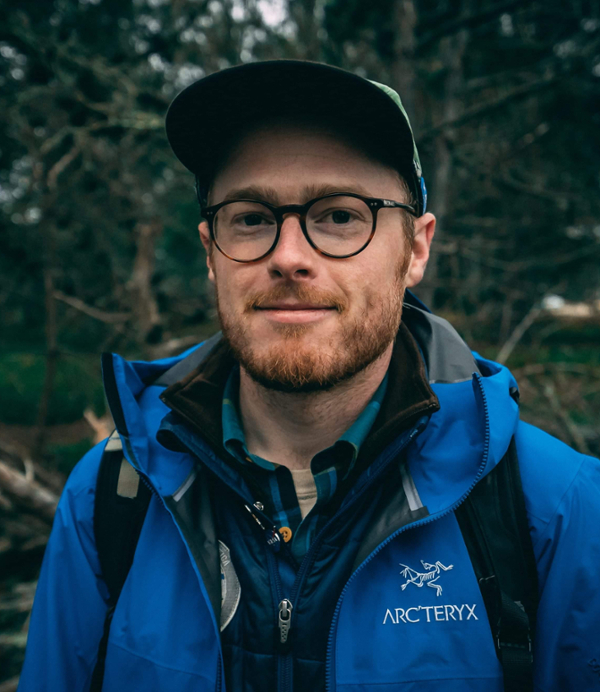
Peter is a glaciologist and climate scientist working primarily to develop glacier ice core records of past climate, environmental conditions, and atmospheric chemistry. Peter’s current research focuses on better understanding recent climate of changing coastal regions in West Antarctica, areas which play a large role in uncertainty for future projections of sea level rise. Peter is also working to capture the last 200-500 years of hydroclimate variability in southwestern British Columbia, Canada, through recovering and developing the southernmost annually-resolved ice core record in North America, from Mount Waddington in the Coast Mountains. Peter is also the Director of Field Research and Data for the Center for Oldest Ice Exploration (COLDEX), a National Science Foundation Science and Technology Center that seeks to find the oldest possible ice core records of past climate preserved in Antarctica. Peter shares widely about ice core climate science via Twitter, TikTok, and Instagram.
Join us while our speakers from environmental organizations illustrate how they use social media to educate the public regarding enviromental movements. RSVP for the event on our Agenda page.
April 7th, 1:00-3:00 PM EST
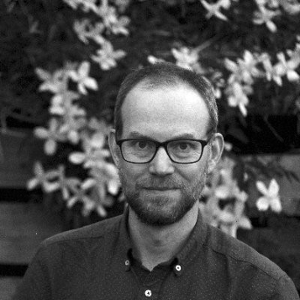
Bill Finnegan is the co-founder of Tamarack Media Cooperative, a web design and video production company that helps environmental and social justice organizations harness digital media to communicate, educate and advocate. As a documentary filmmaker, Bill’s work has appeared on US public television, BBC radio and online, and film festivals around the world. Bill is currently a doctoral student at the University of Oxford, where he is researching climate education and school sustainability, and working with young climate activists on a digital storytelling project.

Iris graduated from Purdue University in 2020 with a degree in Natural Resources and Environmental Science with a concentration in Environmental Policy and Economic Analysis. As a civically engaged Hoosier and a scholar in environmental science, Iris’s pursuit of sharing the effects of climate change with her peers and the community is becoming a reality. Iris passed a climate resolution for the City of West Lafayette in October 2019, Climate Emergency Declaration in 2021, helped establish a youth advisor on the Go Greener Commission in 2021 and has helped spearhead the collaboration between Tippecanoe County, West Lafayette and the city of Lafayette on combined climate efforts. Iris currently works as the Director of Care with a lifestyle medicine clinic, Coze Health Medical LLC in West Lafayette. She also currently serves as Outreach Chair on the Go Greener Commission, and is a Digital Fellow with the Southern Indiana Development Commission.
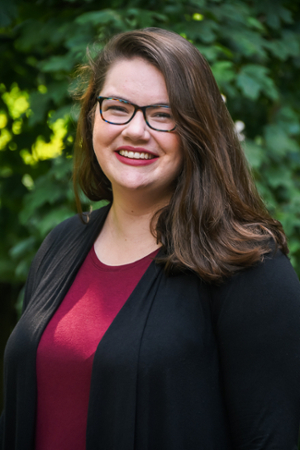
Emily works as the Manager of Outreach with the Hoosier Environmental Council, Indiana’s largest environmental education and advocacy organization. As Manager of Outreach, she expands the depth and breadth of HEC’s statewide network of relationships through helping to organize workshops and their annual conference – Greening the Statehouse, connecting with grassroots and grasstops supporters, and engaging volunteers.
Before joining the HEC team, Emily served two terms of service as an AmeriCorps Member in Indianapolis – as a VISTA and as a Public Ally, where she worked on social media and storytelling, and community outreach efforts. A native to the Hoosier state, Emily has a longstanding commitment to service and environmental sustainability. She has bachelor’s degrees from Indiana University Bloomington in international studies (concentrations in Indigenous communities, and global health and environment) and environmental & sustainability studies (concentration in biodiversity, and minor in geography).
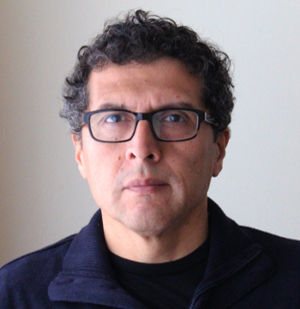
JC is a Peruvian biologist with extensive experience in marine biodiversity and landscape ecology. He has worked extensively with local and international conservation organizations to develop freshwater, marine, and forest conservation spatial tools. His primary interest is the development of science-based tools to support policy decision-making in fisheries sustainability and the identification of innovative ways to increase climate change public understanding. JC graduated and received a professional degree in Biology from the Universidad Nacional Agraria La Molina, and he completed the program for a master’s degree in Forest Resources Conservation.
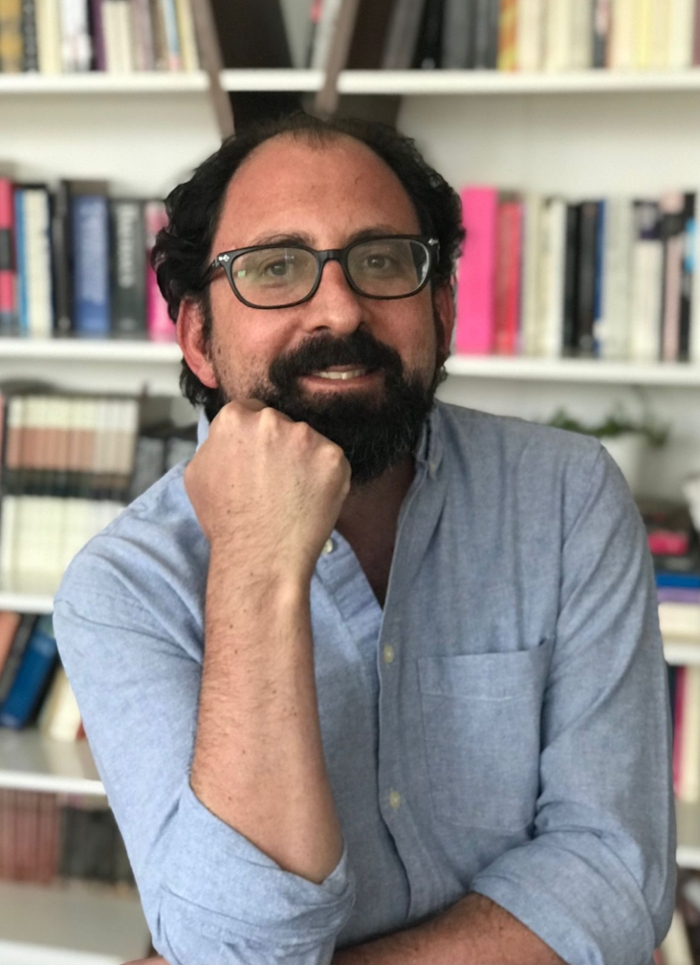
Andrés Scherman (Journalist and MA in Sociology at Pontificia Universidad Católica de Chile) is a PhD candidate in Communication at Pompeu Fabra University and professor at Universidad Adolfo Ibáñez in Chile. His research interests include political participation, social media, immigration, environmentalism and youth participation.
His research has been published in prestigious journals such as Political Communication, Journal of Communication, Social Media + Society, and Journalism. Currently, Scherman is the principal investigator of the Fondecyt Regular N° 1210923 that studies the situation of immigrants in Chile and the co-investigator of a Fondecyt Regular that focuses journalistic roles and Principal Investigator of the Millennium Nucleus Center for the Study of Politics, Public Opinion and Media in Chile. Between 2012 and 2021, Scherman was Director of the Master in Communication and from 2012-2019 was Coordinator of Scientific Research for the Faculty of Communication at Diego Portales University in Chile. In 2009, he created the Young People, Participation, and Media Consumption Survey.
Join us as our panelists break down how to approach and counteract misinformation and disinformation. RSVP for this event on the Agenda page.
Friday, April 8th 10:00 AM – 12:00 PM EST
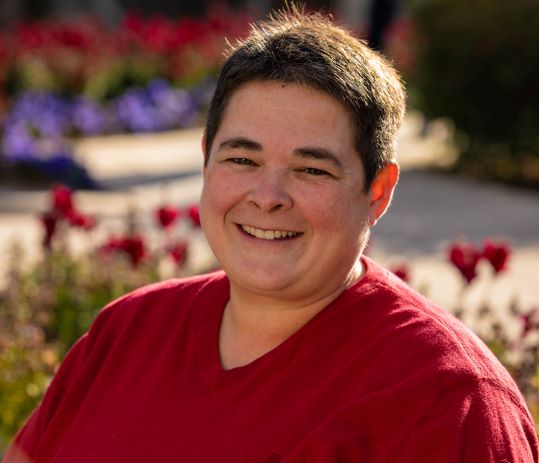
Jennifer Earl is a Professor of Sociology and (by courtesy) Government and Public Policy at the University of Arizona. She is Director Emeritus of the Center for Information Technology and Society and Director Emeritus of the Technology and Society PhD Emphasis, both at University of California, Santa Barbara. Her research focuses on social movements, information technologies, and the sociology of law, with research emphases on Internet activism, social movement repression, youth activism, and legal change. She is the recipient of a National Science Foundation CAREER Award for research from 2006-2011 on Web activism. She was also a member of the MacArthur Research Network on Youth and Participatory Politics. She has published widely, including an MIT Press book, co-authored with Katrina Kimport, entitled Digitally Enabled Social Change, which examines how the use of Internet affordances are reshaping the basic dynamics of protest online and was awarded an Honorable Mention for the Communication and Information Technologies Section of the American Sociological Association’s Book Award in 2013. She was inducted in 2016 to the Sociological Research Association, an honorary association for sociological researchers. She is also the winner of a career achievement award from the Communication, Information Technologies, and Media Sociology Section of the American Sociological Association, the recipient of a university-award for excellence in undergraduate research mentoring in 2010-2011, and the recipient of a university-wide award for the most outstanding assistant professor on her campus in 2005-2006. She has received over 1.25 million in grant funding post-PhD.
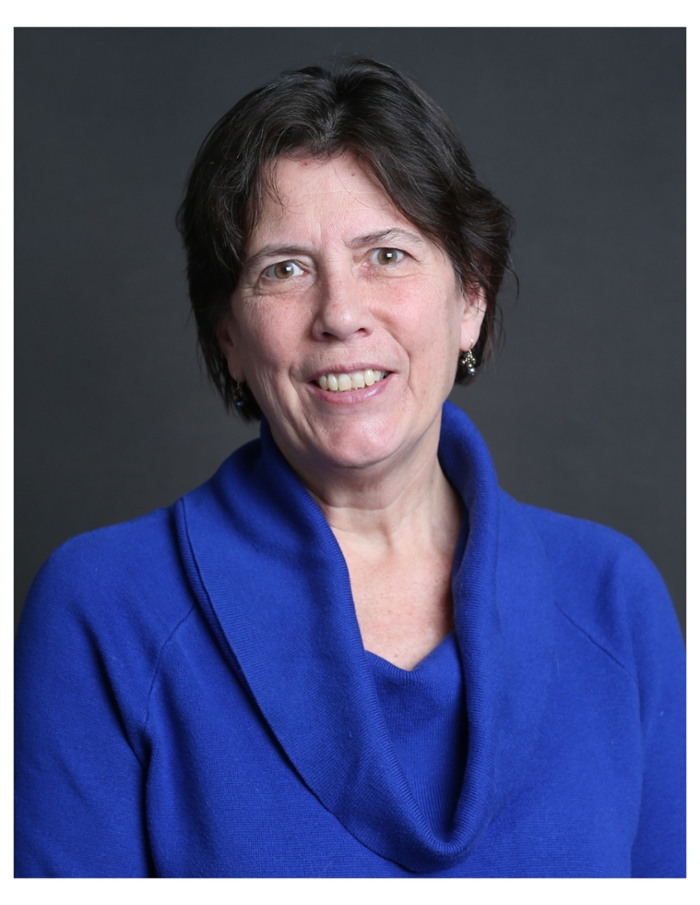
Dr. Pfeiffer is an Assistant Professor of Science Communication with the Department of Agricultural Science Education and Communication at Purdue University. Dr. Pfeiffer’s specialty area is in Science Communication, the communication of science to non-technical audiences. Research in the Pfeiffer lab focuses on factors influencing public conceptualization of science, systematic factors that influence the democratization of science, and the influence of political polarization on understanding of science issues.

Deana A. Rohlinger is a Professor of Sociology and Director of Research for the Institute of Politics at Florida State University. She is the author of Abortion Politics, Mass Media, and Social Movements in America (Cambridge University Press, 2015), New Media and Society (New York University Press, 2019) and more than 50 research articles and book chapters on digital media, political participation, and American politics. Deana is the former chair of the American Sociological Association’s section on Communication, Information Technologies and Media Sociology, chair-elect of the American Sociological Association’s section on Collective Behavior and Social Movements, and a member of the National Institute for Civil Discourse Research Network. Deana’s current research explores incivility, polarization, and extremism in individual claims making around political controversies, including Supreme Court hearings and school shootings.
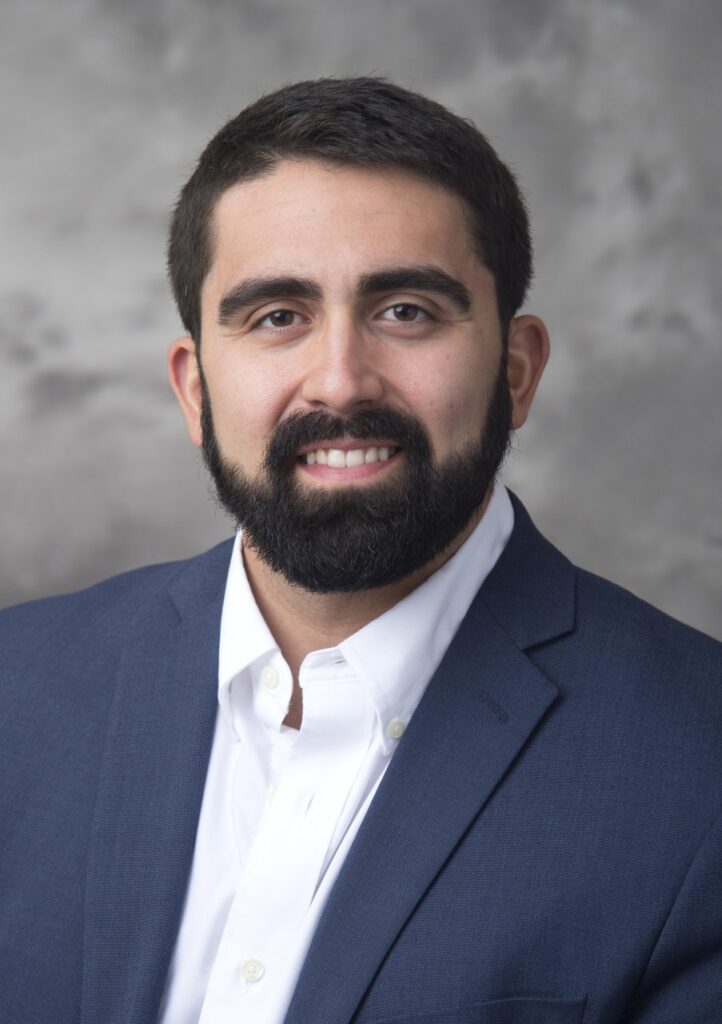
Fernando Tormos-Aponte is an Assistant Professor of Public Policy and Political Science at the University of Maryland Baltimore County, a Kendall Fellow at the Union of Concerned Scientists, and a Visiting Scholar at Johns Hopkins University. He earned his MA and PhD in Political Science from Purdue University, West Lafayette, and a BA from the Universidad de Puerto Rico—Río Piedras. Dr. Tormos-Aponte specializes in social movements, identity politics, social policy, and transnational politics. His research focuses on how social movements cope with internal divisions and gain political influence. Tormos- Aponte’s work has appeared in Politics, Groups, and Identities, Environmental Policy and Governance, Public Administration Review, Social Politics, Alternautas, PS: Political Science and Politics. His public writing has appeared in The New York Times, The Washington Post, Nueva Sociedad, Jacobin, In These Times, Undisciplined Environments, and Latino Rebels.
The ESE Symposium is an entirely student-run event and provides a forum for discussion of interdisciplinary environmental issues. The symposium offers graduate and undergraduate students an opportunity to critically examine emerging environmental issues and interact with experts in various fields.
This year’s theme, “Hindsight 202One,” seeks to understand how we move forward in governing the complexities or adapting as a society to mounting issues worldwide.
Tuesday, March 30th – Keynote Speaker
3:30-5:00 PM
Zoom
6:00-7:30 PM
Zoom
6:00-7:00 PM
Zoom
Hindsight 202One Speakers
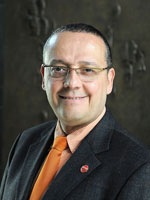
Dr. Marcos A. Espinal is currently the Director of the Department of Communicable Diseases and Environmental Determinants of Health at the Pan American Health Organization (PAHO). Dr Espinal, a national of the Dominican Republic, holds a medical degree from the Universidad Autónoma de Santo Domingo, Dominican Republic (1985); he is a pediatrician, with three years of residency at the Robert Reid Children’s Hospital of Santo Domingo, Dominican Republic. He obtained a master’s degree in public health (MPH, 1990) and a doctorate in public health (Dr.PH, 1995) from the University of California at Berkeley School of Public Health.
Dr. Espinal’s work experience includes positions in the Ministry of Health of the Dominican Republic and the National Center for Research on Maternal and Child Health; the New York City Public Health Department; and the World Health Organization Headquarters in Geneva where he worked for 13 years. Before joining PAHO in 2010, Dr Espinal served as Executive Secretary of the WHO Stop TB Partnership, a global movement aiming at the elimination of TB as a public health problem. His work has transcended beyond the field of medicine and public health worldwide when he was cited by the renowned author John Le Carré in his book The Constant Gardener. In 2006 together with Bill Gates, Gordon Brown, Chancellor of England, and Olusegun Obasanjo, President of Nigeria, Dr Espinal launched the Global Plan to Eliminate Tuberculosis at the World Economic Forum in Davos, Switzerland.
Dr. Espinal has published more than 100 peer-reviewed publications in the field of communicable diseases. He is a recipient of the Scientific Prize of the International Union against Tuberculosis and Lung Diseases, the Walter and Elise A. Hass International Award by the University of California at Berkeley for a distinguished record of service in international health; the Princess Chichibu Memorial Tuberculosis Global Award by the Japan Anti-Tuberculosis Association; and the American Chamber of Commerce of the Dominican Republic for his work and outstanding career in the field of research, public health, and pediatrics. In 2018, Dr. Espinal was honored by the UC Berkeley School of Public Health as one of the 75 most influential public health alumni over the entire 75 year history of the School of Public Health. He is also a member of the Forum on Microbial Threats of the United States National Academies of Sciences, Engineering, and Medicine.
Hindsight 202One in West Lafayette – Sustainability Edition
Join us to learn about the history of sustainability efforts in West Lafayette, West Lafayette’s efforts to adapt to the many events of 2020 – including the coronavirus pandemic, social injustices, environmental crises – and to think collectively about steps to be more sustainable in 2021 and beyond.
6:00-7:00 PM Local Panelist Discussion
7:00-7:30 PM Interactive Q&A Breakout Rooms with local panelists, moderated by other sustainability leaders

As a civically engaged Hoosier and a scholar in environmental science, Iris O’Donnell Bellisario’s pursuit of sharing the effects of climate change with her peers and the community is becoming a reality. As an intern with the Purdue Climate Change Research Center, O’Donnell Bellisario worked with scientists and environmental impact groups throughout Indiana. Her philosophy is to breathe the message of climate change preparedness and response into everything she does. She is a vegan, advocates for animals and animal rights, and strives for daily behavioral changes that can help the planet. O’Donnell Bellisario has also worked on several climate resolution’s for the City of West Lafayette. She successfully advocated for the City to conduct a greenhouse gas inventory, and she is advocating for the development of a plan for the community to achieve carbon neutrality by the date decided upon in the resolution, 2038. O’Donnell Bellisario works directly with the mayor of West Lafayette and city council to help West Lafayette become resilient. Recently, she was recognized as a Hoosier Resilience Hero.

Frannie is in her third year as an undergraduate student in the Lyles School of Civil Engineering. She has been involved with the Purdue Student Sustainability Council (PSSC) since her freshman year at Purdue. She began in the outreach committee, mostly working on social events and raising awareness about sustainability issues, and is now the sitting president of the council.
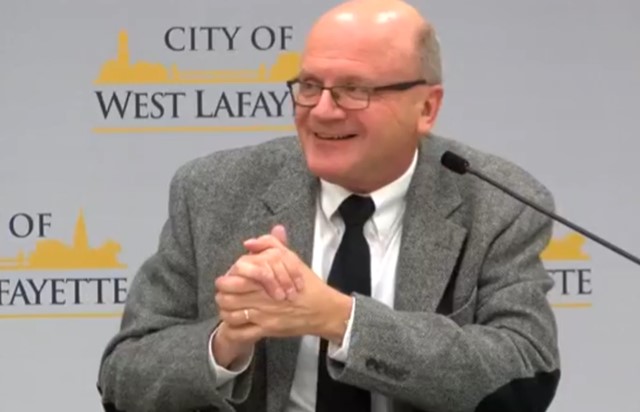
A thirty-five-year resident of West Lafayette, Peter Bunder represents West Lafayette’s near campus second district on the West Lafayette City Council. He has served on the West Lafayette City Council since 2008 and has served as President of the council since 2016. In 2008 Peter proposed legislation to create an environmental commission (Go Greener) for the City of West Lafayette. Go Greener was instrumental in crafting the 2018 Climate Action Plan for the city. In 2020 Councilman Bunder sponsored a resolution (#14-20) to create a climate change resilient city of West Lafayette. In 2021 he offered Resolution #2-21 which saw West Lafayette declare a climate emergency. A retired Episcopal priest, Peter is married to Katy O’Malley-Bunder, the Executive Director of Food Finders Food Bank. They are the proud parents of two grown daughters.
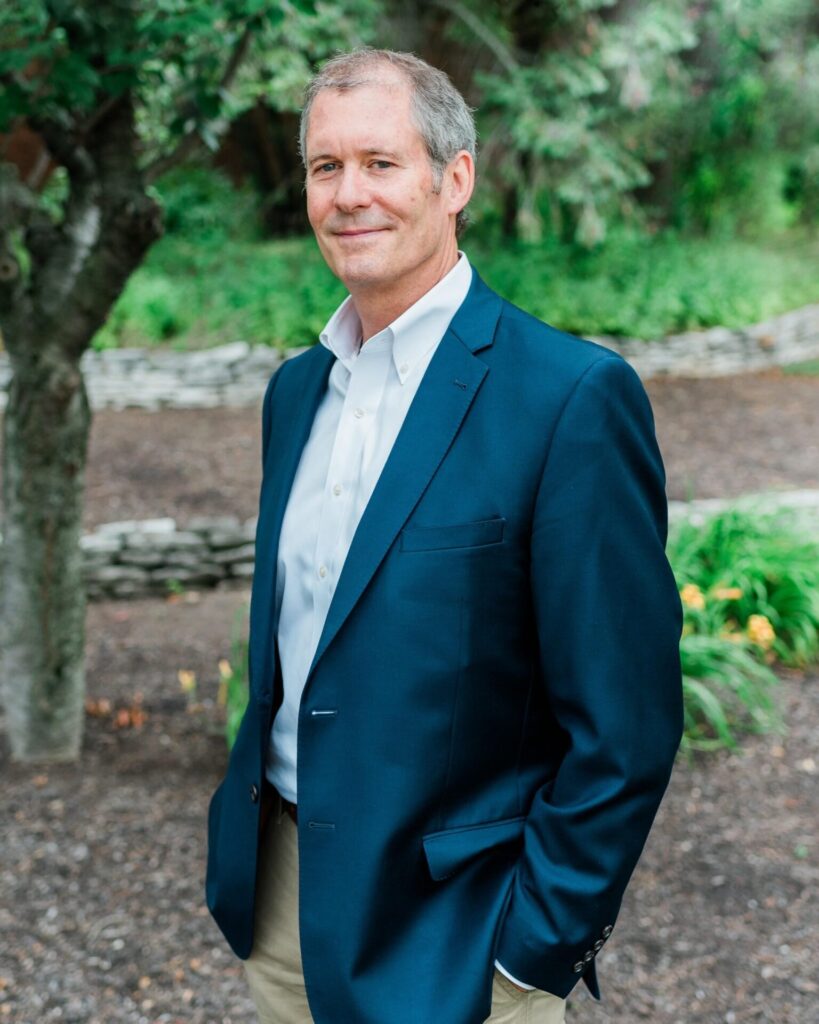
Mayor Dennis was born in Japan and moved to West Lafayette with his family as a young child, where he was raised and educated. He graduated from Indiana State University and worked for a period of time in California, where he met his wife Mary. The couple then relocated to Ireland, where they resided for two years, and their daughter Michelle was born. Mayor Dennis, upon his return to West Lafayette, joined the Lafayette Police Department, staying with LPD for 23 years, retiring as Deputy Chief of Police.
Michael J. Gulich, AIA, LEED AP, LFA is the Director of Campus Planning and Sustainability at Purdue University and is responsible for directing the campus master planning process for Purdue’s 19 million square-foot campus and for providing the vision, organizational strategy, and focus for advancing sustainability efforts campus-wide.

Lindsey is the Chair of the West Lafayette Go Greener Commission, the Director of Service-Learning at Purdue University, and teaches a service-learning course in Environmental and Ecological Engineering. Her research sits at the intersection of sustainability, teaching and learning, and engagement focusing on transdisciplinary decision-making in community-based design. She is the recipient of multiple teaching awards, and is the former Chair of the Teaching Academy. She has a B.A in Biological Sciences from DePauw University and M.S. and Ph.D. degrees in Ecological Sciences and Engineering from Purdue University. She has also worked professionally in the non-profit and secondary education sectors, and currently serves on multiple community-based environmental boards, including the Greater Lafayette Climate Action Plan Leadership Committee.
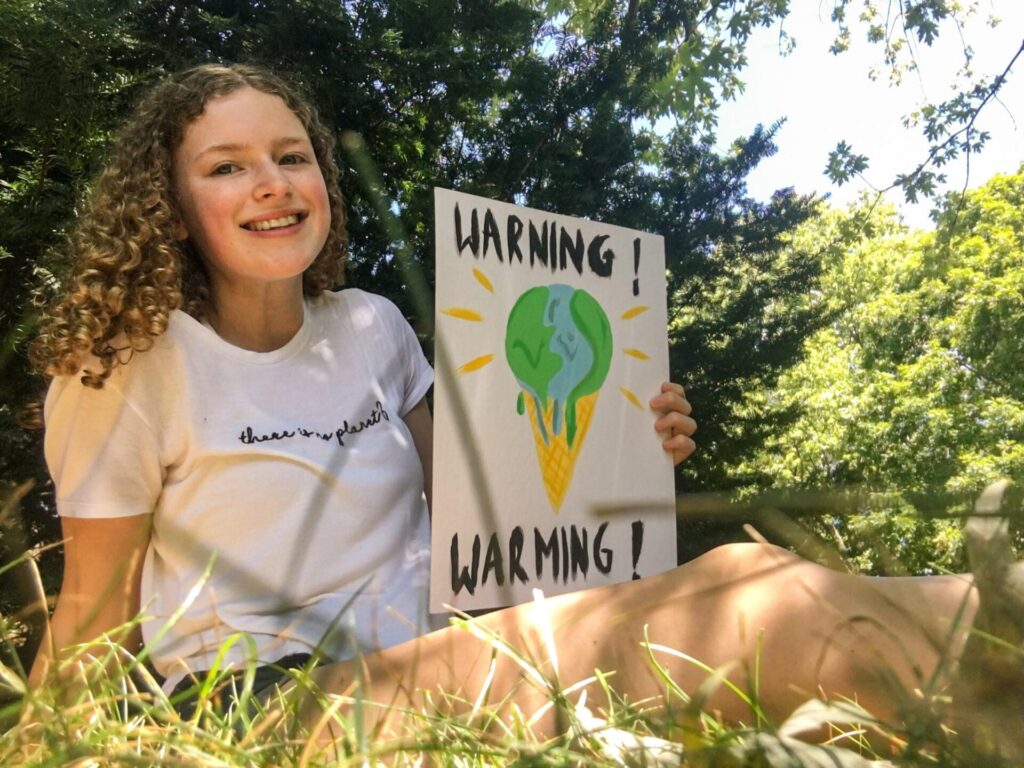
Annabel Prokopy is a junior in high school. She has been a climate activist for two years now and has worked with West Lafayette Climate Strikes and the Confront the Climate Crisis campaign to achieve tangible local and statewide climate action achievements!
Join this panel discussion to learn about international efforts to address the intertwined issues of health, climate change, and social equity.
Wednesday, March 31st 6:00 PM
Born, raised and living in Quito, Ecuador Santiago Borja is a pilot for a major airline in the region. He’s been flying long haul between the Americas and Europe for years now, and for many of those years, and developed a true passion for photography and the nature surrounding our planet.
Marcelo Korc, PhD, MPH has been with the Pan American Health Organization/World Health Organization (PAHO/WHO) since 1998. Currently, he is Unit Chief, Climate Change and Environmental Determinants of Health. Previously, he was a regional advisor with the responsibility of developing the Organization’s cooperation program on air quality and health for the Region of the Americas and provided policy and technical advice to senior government officials on air quality, human security, and healthy environments in the US-Mexico border region, Colombia, Peru, and Venezuela. He received a B.Sc. in Chemical Engineering (Cum Laude) from the Technion-Israel Institute of Technology in 1987, a Ph.D. in Chemical Engineering from the University of Rochester in New York in 1992, and a Master’s in Public Health from the University of Texas in 2011. He was named a Fellow of the American Association for the Advancement of Science in 1994, where he received the R. C. Barnard Environmental Science and Engineering Award and received the Sandy Tyler Endowed Fellowship in Health Sciences at the University of Texas at El Paso in 2011.
Dr. Rebecca Nixon is postdoctoral researcher with the Illinois-Indiana Sea Grant and the Forestry and Natural Resources Department at Purdue University. She received her Ph.D. in Natural Resource Social Science from Purdue University in 2020 and a dual master’s degree in Sustainable Agriculture and Community and Regional Planning from Iowa State University in 2017. Her work focuses on natural resource decision-making and adaptation to social-ecological change through research projects in Kyrgyzstan, Pakistan, and the Midwestern United States.
Wally Mazon is very passionate about people & how to empower them. Wally is interested in being apart of an organization that has a mission to do that. With a main focus is on community & movement organizing, leadership development, and political strategy. He’s done political campaigns as well. Skilled in training and volunteer mobilization.
Dr. Esteban Ramirez attended medical school at Michigan State University. He earned his MBA from Purdue University. He is board certified in Internal Medicine and a Fellow of the American College of Physicians. He has been in practice for 13 years. He is also a Clinical Assistant Professor of Medicine with Indiana School of Medicine.
He has served in various leadership positions in healthcare including Chair of the Internal Medicine Department at Indiana University Health Arnett (IUHA), Chair of the Quality and Patient Safety Committee, Director of a Preoperative Assessment Clinic and now serves as the Chief Medical Officer for the Protect Purdue Health Center.
The Art Exhibition is now live!
Please review the exhibition and at the bottom of the page vote for your favorite! Voting will close at 5 PM EST on Wednesday, March 31st. Winners will be announced during the Global Panel.
The events of 2020 brought many intertwined issues to the forefront of society’s attention, including global health crises, social injustices, environmental crises, and political insurrection. Many people have turned to the arts to express complicated feelings that cannot otherwise be communicated. The arts are also a critical but underappreciated tool for understanding complex systems. Looking to the future, this year’s ESE symposium entitled “Hindsight 202One” encourages members of the Purdue community to use visual art, performance art, or creative writing to express how they see the world coming together again to address the social-ecological challenges we face in 2021. We hope that through creating and observing artistic pieces, participants can gain new insight into today’s most pressing issues.
ESE values creativity in problem solving. Submissions are open to all forms of art that can be digitally uploaded. This includes visual arts, performance art (video format), poetry (performed or written), and other creative writing.
Submissions should creatively capture the following question: How do you see society moving forward after 2020, to address intertwined issues including social/racial injustice, pandemic recovery, political turmoil, and climate crises?
Submission period will close on March 28th, 11:59 pm EST.
Artistic submissions will be displayed March 30-31 on an “Exhibition” website open to the Purdue community and our symposium speakers. Each piece will be accompanied by a title, short description, and the name of the artist. This information will be collected via the submission survey.
The following prizes will be awarded during our panel event on March 31st:
The Art Exhibition is now live!
Check back soon for more details about the e-recycling drive
This year’s theme, “In Data We Trust: Perceptions of Science in a Post-Truth World”, seeks to:

The 12th Annual ESE Symposium is partnering with the 150th Ideas Festival: Giant Leaps Toward a Sustainable Economy and Planet.

October 17-18, 2019
Join ESE for an engaging discussion of the trade-offs and synergies between the Sustainable Development Goals.
These events are free and open to Purdue students, staff, and faculty.
View the Agenda for details and RSVP links
Environmental Research Expo and Community Mixer
PMU East and West Faculty lounges
The Center for the Environment invites all affiliates and their students to share their research, meet new people, and connect with old friends at our sixth annual Environmental Research Expo and Community Mixer. Posters should be 36” x 48”. We will have boards and pins available. All are welcome and research groups, students, and student organizations are encouraged to present a poster on their environmental research or set up informational displays.
Registration and RSVPs are now closed.
Video Competition Viewing
Purdue Graduate Student Center (PGSC) 105 AB
Disaster Simulation
Wilmeth Active Learning Center (WALC) B074
Panel Discussion
Sustainable Development Goals: Tradeoffs & Synergies
Wilmeth Active Learning Center (WALC) B074
Keynote Address
Sustainable Development Goals: Are We Chasing Unicorns? Yes, But It’s Worth A Try
Deidra Fair James, Ghana Country Director, Millennium Challenge Corporation
Neil Armstrong Hall of Engineering (ARMS) 1010
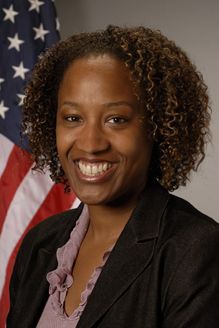
Deidra Fair James is the Millennium Challenge Corporation’s (MCC) Resident Country Director for the Ghana II Compact, a five-year, $500 million grant program that is focused on improving the country’s power sector. As Resident Country Director, Mrs. Fair James is responsible for providing oversight, guidance, technical feedback and support to the Millennium Development Authority during Compact implementation. She also led the MCC team that supported the development of the Compact program. Previously, she served as Country Team Lead for the US$350 million power focused Malawi Compact and the US$362 million water and healthcare focused Lesotho Compact.
Prior to joining MCC, Mrs. Fair James worked as an Investment Officer at the International Finance Corporation in the Infrastructure Department and as a structural engineer for Owens Corning in the US and Twum Boafo and Partners in Accra, Ghana. She has a Civil Engineering degree from Purdue University and a MBA from Columbia Business School.
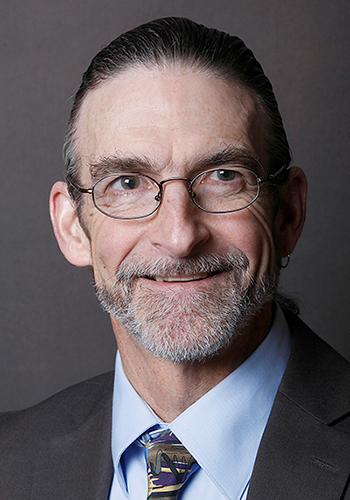
Managing Director of the Center for Global Food Security, Discovery Park, Purdue University

Assistant Professor, Engineering Education, Purdue University
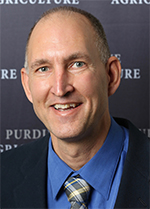
Professor of Agricultural & Biological Engineering, Purdue University
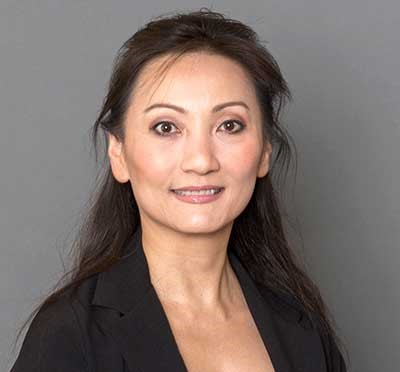
Academic Director of the LASER PULSE Consortium
Associate Director of Regenstrief Center for Healthcare Engineering
Director of the Smart Systems and Operations Laboratory
Professor of Industrial Engineering, Purdue University
“Protecting our planet & reducing inequalities”
Submit a short video (3 minutes or less) regarding the United Nations Sustainable Development Goals (SDGs) aimed at protecting our planet while reducing inequalities. Videos should focus on the implementation of a specific SDG, overall successes and challenges in achieving SDGs, and/or highlight the complex interconnectedness of the goals. No more than three people per video submission, videos longer than 3 minutes will not be accepted.
3 minutes covering:
Challenges, successes, and/or interconnectedness of achieving SDGs
Examples:
https://sustainabledevelopment.un.org/hlpf/2019/filmfestival
For more background on the UN’s Sustainable Development goals visit: https://sustainabledevelopment.un.org/
What videos will be judged on:
Is the video of good quality, with smooth transitions and balanced sound?
| Content | Message | Creativity | Production | |
| 0 | Video topic is unclear or inaccurate | Message is confusing or unclear | Video was not engaging or original | Video is of very poor production quality |
| 1 | Video does not make connections between SDGs | Message is stated but video is unfocused | Video is slightly engaging or original | Video is of poor production quality |
| 2 | Video addresses SDGs but the connection between them is not clear | Message stated and addressed, but | Video provides some original content | Video is of fair production quality |
| 3 | Video addresses SDGs and the connection between them is weak | Message is stated but not always clear | Video provides original content | Video is of good production quality |
| 4 | Video address a few SDGs and it shows a strong connection between them. | Message is mostly clear and engaging | Video provides some outside of the parts | Video is of very good production quality |
| 5 | Video addresses some SDGs and it shows a strong connection between the SGDs. | Message is clear, engaging, and persuasive throughout | Very creative video. Outside the box creativeness | Video is of excellent production quality |
| SCORE |
Decisions for Decades is a fun simulation game that teaches players about tradeoffs that decision-makers need to consider when making investment decisions under uncertainty. Groups of players represent countries and together make decisions about allocating their limited resources towards competing for SDG goals. The goal of the game is to avoid climate and disease-related crises while keeping your country prosperous. The winning team members will be awarded $20 Starbucks gift cards.
Lunch will be provided!
RSVPs are now closed.
Check back soon for information about our 2019 ESE Symposium Sponsors.
Contact ese@purdue.edu for more information about supporting the 2019 ESE Symposium.
Since the Industrial Revolution, the profound, accelerating nature of science and technology has become increasingly apparent. Over the past century, the spectrum of advancements ranged from the successful eradication of diseases to the rise of social platforms that made the planet feel like a much a smaller place. We live in a special moment. Tracing this trajectory, we can see the potential for human sufferings to be so few and far between they almost become a distant memory. All the while, the scientific method remains shrouded in controversy and polarization. Today, as climate change threatens all life on Earth, bridging the gap between academia and the public has never been a more dire hurdle. If global sustainability is to be achieved, we must actively work towards the creation of a holistic and ethical framework by which to do so.
At this symposium, we seek to facilitate a forum on the trajectory of, not only science, but the human species. We plan to do so in the following contexts:
This event is FREE and OPEN to the public thanks to our sponsors. The event dates are September 25, 2017 to September 27, 2017. The event is organized by Purdue University’s Ecological Sciences and Engineering Interdisciplinary Graduate Program. To get involved, please contact ese@purdue.edu. We look forward to seeing you there!
Undergraduate, Master’s, and Ph.D. research students are invited to take part in the 3MT competition on Tuesday, September 26, 2017. The subject of your presentation does NOT have to be directly related to the ESE Symposium theme.
The presentation rules will be based on the Three Minute Thesis (3MT®) competition developed by the University of Queensland.
– Presentations are limited to 3 minutes, starting with the presenter’s initiation of movement or speech.
– A single, static PowerPoint™ slide is permitted (no animations).
– Before submitting your work for this competition, please consult your academic advisor.
– No additional media (e.g. sound or video files) or props (e.g. costumes, laboratory equipment) are allowed.
Additional recommendations to boost your chances of winning are included here
To complete registration, you must submit one PowerPoint slide to ese3mt@gmail.com and complete the 3MT Registration within the Symposium Registration. The slide that you send does not have to be the final version that you will present during the ESE Symposium if you are selected as one of the finalists.
3MT Registration Deadline: September 18, 2017
3MT Registration is available HERE.
Faculty, visiting professionals, and staff will serve as judges. Each of the following criteria has equal weight:
– Communication style: was the thesis topic and its significance communicated in language appropriate to an intelligent but non-specialist audience?
– Comprehension: did the presentation help the audience understand the research?
– Engagement: did the oration make the audience want to know more?
Awards are provided by the Office of Interdisciplinary Programs. The People’s Choice Award will go to the person receiving the most votes who is not selected as Winner or Runner-up.
– Winner: $500
– Runner-up: $250
– People’s Choice Award: $250
By submitting a poster/presentation, the applicant authorizes the Ecological Sciences and Engineering Interdisciplinary Graduate Program to share all information related to the poster/presentation (or subsequent award), including a photo, on the internet, in press releases, and in relevant program literature.
Questions? Contact the ESE 3MT Committee – ese3mt@gmail.com.
ESE 2017 Symposium Agenda
| TIME | Activity | Location | |
| Tuesday, September 19th , 2017 | |||
| 6:00pm | Preliminary Debate Competition | KRAN G005, G007, G018, G021 | |
| Monday, September 25th , 2017 | |||
| 6:00pm | ESE Symposium KeynoteHoward Bloom, Author and Activist | WALC 1055 / Hiler Theater | |
| Tuesday, September 26th, 2017 In Collaboration with Dawn or Doom | |||
| 9:00am-10:30am | Three Minute Thesis (3MT) Competition | Fowler Hall, STEW | |
| 12:00pm-1:00pm | Improvisational Comedy Lunch | STEW 214 ABCD | |
| 1:30pm-3:30pm | Debate Competition | STEW 214 ABCD | |
| Wednesday, September 27th, 2017 In Collaboration with Dawn or Doom | |||
| 10:30am-11:30am | Interactive Fake News Panel | Fowler Hall, STEW | |
The ESE Symposium will feature a debate competition with topics related to climate change. In partnership with Purdue’s Petticrew Debate Forum, teams of two will defend and rebuke key topics on climate change related to economics, conflicts, alternative energy, and climate adaptation. The first 16 teams to respond will get to compete in the preliminary rounds held on Tuesday, September 19th in Krannert Hall from 6-9 pm. The final four teams will compete the following Tuesday, September 26th from 1:30-3:30 in Stewart Center 214 ABCD.
Follow the link below to register your team. Each team only needs to have one registration. Once signed up, an email giving instructions and the topics covered will be sent out a few days before for preparation. Below are documents explaining how the debate rounds will be ran and the rules for this particular debate.
Rules for the ESE Symposium Debates
This contest is open only to Graduate and Undergraduate Students officially enrolled at Purdue University.
Winning Team – $300
Friday, September 15, 2017 – Registration Deadline
Saturday, September 16, 2017 – Preliminary Details will be sent by email
Tuesday, September 19, 2017 at 6:00 PM – Preliminary Debate – KRAN G005, G007, G018, G021
Tuesday, September 26, 2017 at 1:30 PM – Debate Competition – STEW 214ABCD
By submitting a poster/presentation, the applicant authorizes the Ecological Sciences and Engineering Interdisciplinary Graduate Program to share all information related to the poster/presentation (or subsequent award), including a photo, on the internet, in press releases, and in relevant program literature.
Questions? Contact the Debate Committee at ese@purdue.edu
With the advent of the internet, we have entered a newfound Age of Information. Yet, Oxford Dictionaries chose “post-truth” as Word of the Year for 2016, and our political discourse is inundated with accusations of “fake news”.
What is fake news?
How has it been brought to the forefront of our societal consciousness?
What drives it? And are those drivers a new phenomenon?
How should one navigate the open marketplace of ideas?
These are just some of the questions that will be tackled by an interdisciplinary panel of experts discussing the topic of “fake news” for the 2017 ESE Symposium.
The ESE Symposium will host a one-of-a-kind luncheon with a performance by Purdue’s improv group, Ad-Liberation. They will have you laughing your socks off through a series of games and skits. Audience interaction is encouraged!
Grab some lunch and stay for the show!
Tips:
Follow this YouTube link to watch Ad-Liberation doing what they do best:
Location:
Tuesday, September 26, 2017 at 12:00 PM – Luncheon and Performance
STEW 214 ABCD
This year, the ESE Symposium is holding a photography contest in which the top two entries will be awarded cash prizes, with the winner’s photograph being showcased at the Symposium itself. The entries will be judged on how well the photographs represent and convey the Symposium theme as described on our website as well as aesthetic quality.
By submitting a poster/presentation, the applicant authorizes the Ecological Sciences and Engineering Interdisciplinary Graduate Program to share all information related to the poster/presentation (or subsequent award), including a photo, on the internet, in press releases, and in relevant program literature.
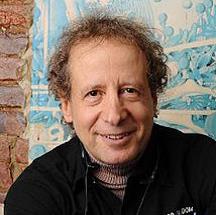
As a young talented writer and publicist, Howard Bloom was known for his success in building a momentum of music and culture in the 1960’s. Bloom has authored several books, such as “The Lucifer Principle” and “The God Problem.” At times controversial, Bloom’s intriguing theories and publications in the areas of psychology, philosophy, physics, and evolutionary biology have stirred talk of a new Scientific Paradigm. From “starting the sixties” to preparing his Grand Unified Theory, the 2017 ESE Symposium is proud to host Howard Bloom as the opening keynote speaker on the trajectories of scientific thought and innovation.
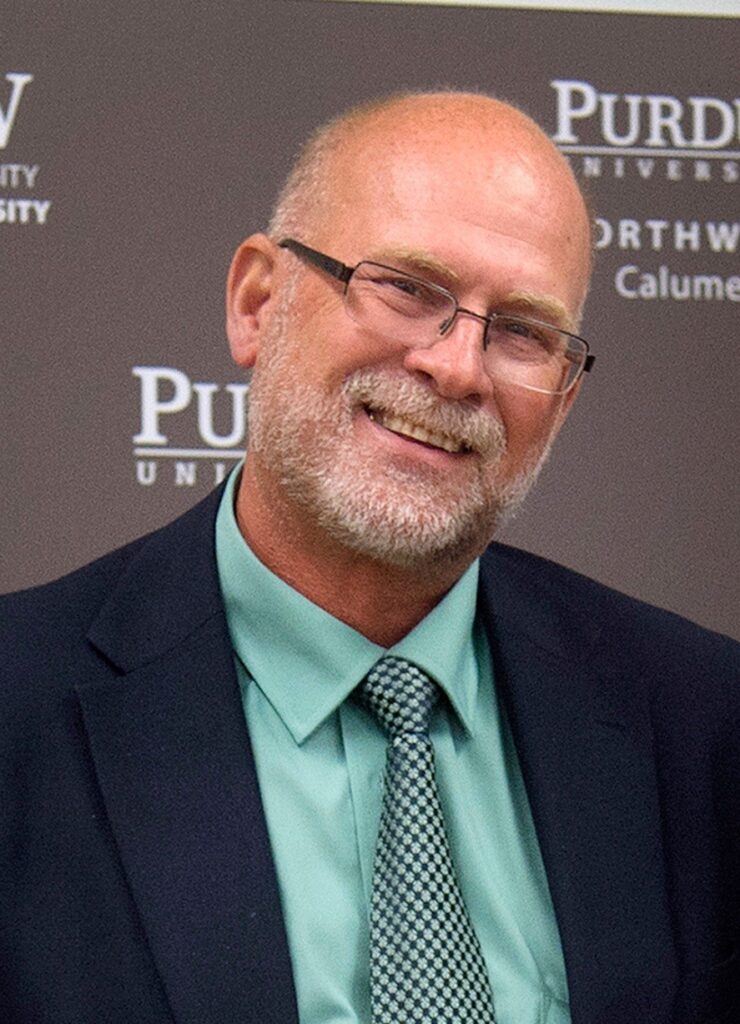
Williams earned his PhD in social psychology from The Ohio State University in 1981. His primary research focus is on ostracism—the effects of being ignored and excluded – but more generally, his research career has dealt with many aspects of social influence, including persuasion and dissuasion, compliance, and intragroup influence. He is the editor of the journal, Social Influence, and co-editor of the Oxford Handbook of Social Influence (2017).
Brad Pushkar is an undergraduate in the College of Liberal Arts studying mass communications. He spent the last year working both in print media and TV, as a reporter for and now editor-in-chief of The Purdue Exponent, and a stringer for WLFI. He worked on an investigative piece about the purchase of Kaplan by Purdue University over the summer, where he utilized public records from Purdue University. He and the Exponent will also be hosting a public forum on public information on Oct. 5.
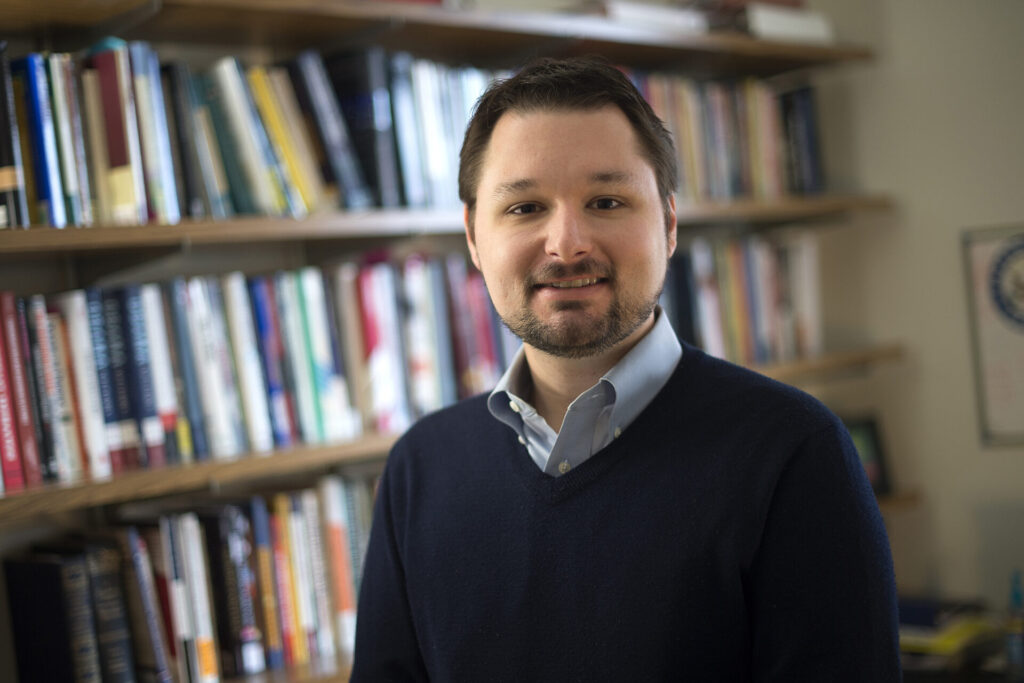
Joshua M. Scacco (PhD, The University of Texas at Austin, 2014) is an Assistant Professor of Media Theory & Politics in the Brian Lamb School of Communication and courtesy faculty in the Department of Political Science. He also serves as a Faculty Research Associate with the award-winning Engaging News Project. Josh teaches courses on political communication, media, and research method-related topics. Josh’s research is focused on how emerging communication technologies influence established agents in American political life, including news organizations and the presidency. Before coming to Purdue, Josh worked for a lobbying and public relations firm located in Harrisburg, Pennsylvania. He also served as a member of legislative leadership in the Pennsylvania House of Representatives and a U.S. Senator.
Head Editor at Google

ESE is grateful to the following departments and offices for their financial and resource contributions to Symposium 2017. Contact ese@purdue.edu for more information about supporting the Symposium.
We live in an era in which ideologies often seem diametrically opposed and common ground is frequently elusive. Whether such apparent polarization is real or imagined is certainly open to debate, but our impression of polarization undoubtedly influences our mindsets and social discourse on scales ranging from the individual to the global. Environmental, social, and technological problems are especially liable to be viewed through a black-and-white lens, and the American political scene and social media are just two potential facilitators of such perspectives.
We have identified four subthemes as core focal areas:
The Positives and Negatives of Polarization
Polarization can arguably be considered as a positive or negative characteristic. While it may prevent compromise and exclude moderate voices, it also fosters innovative thought that might not emerge in a more moderate environment. What conditions make polarization constructive or deleterious? Can it be simultaneously helpful and harmful?
Our impressions of polarization are not always accurate, and they may be simplifications of more complex realities. When are our characterizations of polarized entities true or false? What are the positive and negative consequences of applying polarized schemata to more complex scenarios?
The Emergence and Dissolution of Radical Movements
In environmental, social, and technological terms, entities often shift toward or retreat from polar extremes. An understanding of the drivers of such shifts is crucial to understanding the nature of polarization. What factors drive individuals, populations, communities, ecosystems, physical environments, and technologies toward or away from the poles?
Polarization within Academia
While claiming to promote independent thought, the influence of academic consensus often stifles extreme viewpoints. On the other hand, research is often driven forward by competing polar ideas. Does polarization or normalization dominate? What are the implications of each trend?
Academia’s professed objectivity discourages the expression of researchers’ biases and personal opinions that may not be fully substantiated. While this limitation promotes the integrity of the research process, it also distances academics from society in a way that may actually limit their societal contributions. What is the role of academics in society? How should biases be addressed in order to promote research integrity and societal benefit?
An Open Showcase for Extreme and/or Radical Ideas
One of the chief benefits of polarization is likely the fact that it creates a climate that is conducive to extreme and radical ideas. These ideas, whether in original or tempered form, often create, inspire, or lay groundwork for drastic environmental, social, and technological change. We hope to create a space where you can respectfully share your extreme and/or radical ideas to an open-minded, thoughtfully critical audience. This symposium intends to convey these messages both visually and orally to strengthen communication in a world where ideas are easily lost in a sea of information. How can we effectively and impactfully convey extreme and/or radical ideas? What are the impacts of revealing such ideas?
Through this symposium, we hope to promote discussion surrounding the relevance and implications of polarization regarding the interconnected domains of environment, society, and technology.
This event is FREE and OPEN to the public thanks to our sponsors. This event is September 28th – 29th and organized by Purdue University’s Ecological Sciences and Engineering Interdisciplinary Graduate Program. To get involved, please contact ese@purdue.edu. We look forward to seeing you there!
Undergraduate, Master’s, and Ph.D. research students are invited to take part in the 3MT competition on Thursday, September 29, 2016. The subject of your presentation does NOT have to be directly related to the ESE Symposium theme.
The presentation rules will be based on the Three Minute Thesis (3MT®) competition developed by the University of Queensland.
– Presentations are limited to 3 minutes, starting with the presenter’s initiation of movement or speech.
– A single, static PowerPoint™ slide is permitted (no animations).
– Before submitting your work for this competition, please consult your academic advisor.
– No additional media (e.g. sound or video files) or props (e.g. costumes, laboratory equipment) are allowed.
Additional recommendations to boost your chances of winning are included here
To complete registration, you must submit one PowerPoint slide to ese3mt@gmail.com and complete the 3MT Registration within the Symposium Registration. The slide that you send does not have to be the final version that you will present during the ESE Symposium if you are selected as one of the finalists.
3MT Registration Deadline: September 25, 2016
Symposium and 3MT Registration is available HERE.
Faculty, visiting professionals, and staff will serve as judges. Each of the following criteria has equal weight:
– Communication style: was the thesis topic and its significance communicated in language appropriate to an intelligent but non-specialist audience?
– Comprehension: did the presentation help the audience understand the research?
– Engagement: did the oration make the audience want to know more?
Awards are provided by the Office of Interdisciplinary Programs. The People’s Choice Award will go to the person receiving the most votes who is not selected as Winner or Runner-up. (Inviting friends is encouraged!)
– Winner: $500
– Runner-up: $250
– People’s Choice Award: $250
– Sunday, September 25th, 11:59 PM – Registration for 3 Minute Thesis closes.
– Monday, September 26th – Top 10 applicants determined through pre-judging, which may include live presentations.
– Tuesday, September 27th, 11:59 PM – Competitors must send their finalized slide (.pptx format) to ese3mt@gmail.com.
– Thursday, September 29th, 2:00 PM – Presentations of the Finalists in Burton D. Morgan (MRGN 121)
By submitting a poster/presentation, the applicant authorizes the Ecological Sciences and Engineering Interdisciplinary Graduate Program to share all information related to the poster/presentation (or subsequent award), including a photo, on the internet, in press releases, and in relevant program literature.
Questions? Contact the ESE 3MT Committee – ese3mt@gmail.com.
| September 28, 2016 | |||
| Time | Activity | Location | |
| 7:00 pm | Refreshments | MRGN 121 | |
| 7:30 pm | Keynote AddressDr. Riley Dunlap, Oklahoma State University | MRGN 121 | |
| September 29, 2016 | |||
| 9:30 am – 10:30 am | Breakfast Discussion: Revisiting the Keynote | MRGN Cafe | |
| 10:30am – 12:00 pm | Poster and Art Gallery Session | MANN Atrium | |
| 12:00 pm – 1:00 pm | “Global Café” Style Lunch Discussion | MRGN Cafe | |
| 1:00 pm – 2:00 pm | Lecture and Discussion Series | MANN 203/ MRGN 129 | |
| 2:00 pm – 3:30 pm | 3MT Competition | MRGN 121 | |
| 3:30 pm – 4:45 pm | Panel Discussion: Polarized Campus | MRGN 121 | |
| 4:45 pm | Award Ceremony | MRGN 121 | |
Ecological Science and Engineering Interdisciplinary Graduate Program seeks artists to participate in an exciting symposium on polarization. We are now accepting artwork from a variety of media that reflect on the symposium’s theme of polarization. Up to 15 pieces of art will be selected from the submitted artwork and exhibited at this year’s ESE Symposium on September 29, 2016.
We live in an era in which ideologies often seem diametrically opposed and common ground is frequently elusive. The origins of polarization and the evolution of extreme thought and action in the environment, technology, and our society will be explored and shared at this interdisciplinary event. We will provide a space where you can share your artwork on extreme and/or radical ideas, promoting the discussion surrounding the relevance and implications of polarization to an open-minded, thoughtfully critical audience. This symposium intends to convey these messages both visually and orally to strengthen communication in a world where ideas are easily lost in a sea of information.
This is a call to all artists (regardless of age or affiliation with Purdue University) to submit applications for entry by September 25, 2016, at 11:59 pm with a paragraph describing their intended work, its relation to the theme, and logistical requirements for its display (see submission form). Original works conceived in response to the theme of the symposium will be preferred. Artists may submit up to three applications, but please be aware that we seek to include a diversity of artists. Artists will be informed about the acceptance of their work by September 20, 2016. Application submission reflects a commitment on the part of the artist to display their work at the 2016 ESE Symposium if selected. Artists will be responsible for the installation and removal of their works in the morning and evening, respectively, of the symposium day. We will consider digital samples of past works (picture, audio, or video files), but please do NOT submit any physical artwork with your application. The symposium will take place on Thursday, September 29, 2016, and the selected artwork will be displayed during the entire day in the atrium of Mann Hall, Purdue University, as part of the symposium. An award for the top submission based on attendee’s ballots will be presented at the conclusion of the symposium.
Students of all levels and backgroundsare invited to present their work (research or projects) at the Ecological Science and Engineering Symposium on Thursday, September 29, 2016. Posters do NOT have to be directly related to the symposium theme of polarization, but students should be able to communicate their research succinctly.
Abstracts will be accepted through September 25, 2016.
– Posters must be no larger than 3 feet 11 inches tall (top to bottom) and 5 feet 10 inches wide (left to right).
– Posters Will be mounted to dual-sided, free-standing displays using push pins which will be provided.
– Students are welcome to bring handouts to distribute at their poster.
To complete registration you must complete a form with descriptive details, providing a title and abstract of your presentation. Students will be contacted if further information is needed.
Poster Registration Deadline will now be September 25, 2016
Symposium and Poster Session Registration is available HERE.
Faculty, visiting professionals, and staff will serve as judges. Please have at least one author of the poster present during the judging period (10:30 – 12:00) to answer any questions the judges might have.
Posters will be judged on clarity, completeness, visual design, presentation, and application of research. Undergraduates and Graduates will be judged separately.
Attendees will also be encouraged to vote for their favorite poster during the general display time (10:30 – 12:00).
There will be two winners and two runner-ups selected by judges for each the undergraduate and graduate competition. One People’s Choice Award will go to the competitor receiving the most votes cast by attendees. This can be awarded to an undergraduate or a graduate. Winners and runner-ups are excluded from the People’s Choice Awards.
All entrants will be given a certificate of participation, with all the winners, runner-ups, and the People’s Choice Award being given certificates in addition to a cash prize.
– Sunday, September 25th – Abstract submission (Poster Registration) closes.
– Monday, September 26th – All Applicants will be notified of their acceptance.
– Thursday, September 29th, 10:30 – 12:00 PM – Poster presentation in Mann Hall Atrium.
By submitting a poster/presentation, the applicant authorizes the Ecological Sciences and Engineering Interdisciplinary Graduate Program to share all information related to the poster/presentation (or subsequent award), including a photo, on the internet, in press releases, and in relevant program literature.
Questions? Contact the Poster Committee at eseposter@gmail.com.
Dr. Riley Dunlap of Oklahoma State University is a professor of Environmental Sociology. His work involves trending public environmental concern, the American environmentalism movement, and climate change. He is currently serving as a member of the National Advisory Committee for the U.S. Sustained National Climate Assessment conducted by NOAA and the U.S. Global Change Research Program.
Al is the Director of Energy and Utilities at Purdue. He is interested in energy management and consumption both at the university-level and beyond. His work with Energy and Utilities at Purdue will provide insight into real-world of energy consumption in a polarized social, economic, and political environment.
Mel is the Assistant Dean of Civic Engagement and Leadership Development at Purdue. She develops and coordinates programs for students to address issues in the community and has done extensive work with networking and community outreach.
Dr. Zoe Nyssa: Dr. Nyssa is an assistant professor in the Department of Anthropology at Purdue. Previously, she held fellowships at the John F. Kennedy School of Government at Harvard University, the Harvard University Center for the Environment, and the Max Planck Institute for History of Science in Berlin. She serves as a consultant to a number of environmental organizations, including the Smithsonian Institution and the Society for Conservation Biology. Her research focuses on environmental decision making and impacts of conservation practices on human and ecological systems.
Dr. Osborne is a C-SPAN Chair Professional in Residence and Professor of Communications at Purdue. She has provided communications services to many leaders of national governments, large companies, universities, and non-profits. Her research focuses on how communications impact decision making.
Dr. Pijanowski is a Professor of Landscape Ecology in the Department of Forestry and Natural Resources at Purdue. He is also the Director of Purdue’s Center for Global Soundscapes. His interdisciplinary research focuses on integrating the arts into ecological systems through the use of soundscape ecology.
Dr. Rao is a Lee A. Rieth Distinguished Professor in Environmental Engineering and Professor of Civil Engineering and Agronomy at Purdue. He has taught the weekly ESE colloquium class for many years. His research and teaching are largely interdisciplinary, focusing on diverse topics such as hydrological modeling, resilience of complex systems, and sustainability.
Contact ese@purdue.edu for more information about supporting the Symposium.

Inequality exists in many different forms and systems, including access to resources, social equity, and even ecology. The inequality gap in many of these systems has appeared to widen in recent years, such as in the distribution of wealth. Why does inequality exist, and how should we even define these disparities across different areas of study? Is such inequality inherent in these systems? Will these systems run properly without some level of inequality, and what level do societies deem acceptable? These are just some of the questions we will attempt to answer at the 2015 Ecological Sciences and Engineering Symposium, “Inequality in Complex Systems: Characterizing Global Disparities”.
The symposium will bring together respected scientists, professionals, and leaders to discuss inequality from a complex systems approach. Such an approach analyzes the many components of a system and how they interact and give rise to the collective behaviors and properties of the system, as well as how the system itself interacts and forms relationships with the environment and other systems. Complex systems are inherently interdisciplinary, bringing together many fields of study to understand and research the diverse components of these systems.
By the end of the symposium, participants will have an expanded understanding of defining inequality, how it exists in both human and natural systems, and how to use this knowledge to look for solutions in the future. The discussions aim to inspire participants to use a complex systems approach in their own research and to better understand the world around them.
This event is FREE and OPEN to the public thanks to our sponsors. Registration is required. This event is organized by Purdue University’s Ecological Sciences and Engineering Interdisciplinary Graduate Program. To get involved, please contact ese@purdue.edu. We look forward to seeing you there!
Letter from Co-Chairs
The main purpose of the Ecological Sciences and Engineering Interdisciplinary Graduate Program (ESE-IGP) is to prepare students to find solutions to important contemporary and future ecological problems through education and research experiences. Students in this program come from diverse educational and cultural backgrounds, which allows for interdisciplinary collaboration to generate innovative solutions to important global issues. Through our symposium, the ESE-IGP wishes to reach out to the rest of Purdue University and the surrounding communities to join us in discussing and finding solutions to a specific issue of interest.
Inequality is pervasive in many different systems, from wealth and supply chains to the flow of energy in a food web. Analyzing a variety of systems can help build a better understanding of how inequality comes to exist and how it affects the functioning of system components, the overall system behavior, the relationships between multiple systems, and the interactions between a system and its environment. Understanding and defining inequality, its drivers, and effects holds important implications for how we approach many important social, economic, environmental and ecological problems of our day. The focus of this symposium is to characterize these disparities in our changing world by utilizing an interdisciplinary, complex systems approach. The discussions and outcomes of this symposium are intended to be applicable to a wide spectrum of research areas and fields of study in order to improve research quality and general understanding of our world.
This coming September, we will facilitate an important discussion for understanding and managing inequality in complex systems through the lens of many different fields by bringing together respected scientists, professionals, and leaders. Please join us in the conversation as we listen to and interact with experts in tackling a very important issue of our time. Present research associated with the environment and network with other students, faculty, and community members to encourage collaboration and innovative interdisciplinary discussion. We look forward to seeing you this fall!
Charlotte Lee and Zachary Reaver, ESE Symposium 2015 Co-Chairs
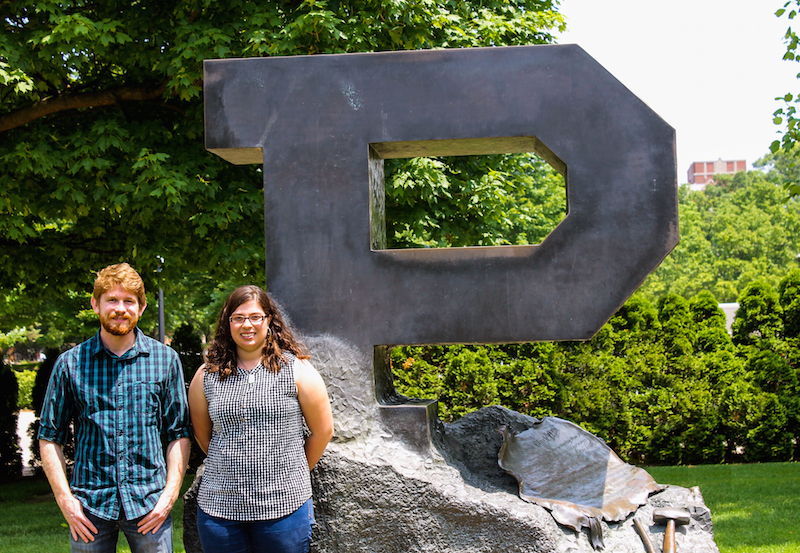
ESE 2015 Symposium Agenda
| Time | Activity | Location |
| 9:30am – 10:00am | Registration & Poster Setup | PMU South Ballroom |
| 10:00am – 11:20am | Panel 1: Defining Inequality and its Role in Complex Systems | PMU North Ballroom |
| 10:00am- 12:20pm | Poster Session | PMU South Ballroom |
| 11:30am – 12:20pm | Poster Session Judging | PMU South Ballroom |
| 12:30pm – 2:00pm | Panel 2 Luncheon: Practical Strategies to Address Inequality in a Changing World | PMU North Ballroom |
| 2:15pm – 3:30pm | Case Study Workshop: Creating Holistic Solutions to Wicked Problems | PMU West Faculty Lounge |
| 3:45pm – 5:00pm | 3MT Competition | PMU North Ballroom |
| 5:00pm – 6:00pm | Networking & Awards Reception | PMU South Ballroom |
| 6:15pm – 7:30pm | Keynote: Ms. Mia Henry Love with Power: Simple Transformative Practices for Social Justice Leadership | PMU North Ballroom |
Ms. Henry is the Executive Director of the Arcus Center for Social Justice Leadership. Mia joined the team with over 15 years of experience in nonprofit management, training facilitation, intergenerational community organizing, and civic and history education.
Mia was the founding director of the Chicago Freedom School (CFS), a nonprofit organization that supports youth-led social change and youth-adult partnerships in community organizing. Since her work with CFS, Mia has been a consultant nationally with Safe Places for the Advancement of Community and Equity (SPACEs), and in Chicago with the Chicago History Museum, Chicago Public Schools, the University of Chicago Hospital, and the University of Chicago Oriental Institute.
Mia is the owner and operator of Freedom Lifted, a small business dedicated to providing civil rights tours. She is also the founder of Reclaiming South Shore for All, a diverse, grassroots group of residents committed to mobilizing the South Shore (Chicago) community and institutionalizing systems that promote peace, youth leadership, and political accountability. She has been a visiting lecturer at the University of Illinois at Chicago and Harold Washington College, as well as a high school history teacher and International Baccalaureate (IB) program coordinator for Chicago Public Schools.
Mia is deeply passionate about social movement history, positive youth development, and civic engagement through an anti-oppression lens. She serves on the Boards of Directors for the Community Justice for Youth Institute and the Worker’s Center for Racial Justice. Mia earned her B.S. from Rutgers University and her M.S.Ed. from the University of Pennsylvania.
This discussion will focus on identifying how different disciplines define and perceive inequality, the roles inequality plays in both human and natural systems, and whether some degree of inequality is needed for these systems to run properly. Panelists will also discuss the likely sources of these inequalities in various systems and whether they come about as a result of normal system function, actually serve to drive the system, or both.
Marlo D. David received her PhD in English from the University of Florida in 2009. Her research has focused on contemporary African-American cultural studies as well as feminist gender and sexuality studies. Marlo’s interdisciplinary research traces the ways black writers, artists, and performers respond to inter- and intra-racial representations of blackness and contemporary American politics in the post-Civil Rights era. Her work offers ways of interpreting African-American literature, performance, and popular culture that emphasize the multiplicities of black identities and challenge stereotypes that stigmatize black people, particularly black women and girls.
Professor Doering has teaching, research and outreach extension responsibilities in the Department of Agricultural Economics. He is a public policy specialist on economic issues affecting agriculture, natural resources, the environment, and energy. He has served the U.S. Department of Agriculture (USDA) working on the 1977 and 1990 Farm Bills. In 1997 he was the Principal Advisor to USDA’s Natural Resources Conservation Service (NRCS) for implementing the 1996 Farm Bill and served NRCS again in 2005. From 1985 to 1990 he was director of Indiana’s State Utility Forecasting Group. In 1999 he was the economic assessment team leader for the White House National Hypoxia Assessment of the dead zone in the Gulf of Mexico. Doering has served on five National Research Council Committees working on Mississippi River water quality as well as on other water and regulatory issues. He has been a member of the National Academies’ Water Science and Technology Board, also served on the U.S Environmental Protection Agency’s Science Advisory Board, and chaired the Science Advisory Board’s Integrated Nitrogen Committee. He is a member of the Department of Interior’s Invasive Species Advisory Committee. From 2009 to 2014 he directed Purdue’s Climate Change Research Center.
Jeff Dukes and his research group seek to address environmental challenges through ecological research and outreach. Their research currently focuses on three themes: understanding how ecosystems respond to climate and atmospheric change, understanding and minimizing the impacts of invasive species on ecosystems, and exploring the ecological consequences of switching our energy supply from fossil fuels to biofuels. Dukes has a particular interest in understanding how changes in climate and the atmosphere will affect the success and impact of invasive species.
Dr. Kimberly R. Marion Suiseeya joins Purdue as an Assistant Professor of Political Science and is part of Purdue’s Building Sustainable Communities initiative. Dr. Marion Suiseeya received her PhD in Environment in 2014 from Duke University. Prior to her doctoral studies, Dr. Marion Suiseeya was a conservation and development practitioner for nearly a decade with stints in the US, Guyana, Thailand, and Laos. She also holds a B.A. in International Relations and German Studies from Scripps College and a M.A. in International Environmental Policy from the Monterey Institute of International Studies.
Dr. Marion Suiseeya’s two main areas of research are Global Environmental Politics and Political Ecology. Her current project focuses on the institutional dynamics, cross scale linkages, and justice implications of global forest governance and its subsequent impacts on forest-dependent communities primarily in developing countries.
More generally, her research interests include global environmental justice, rights and equity in conservation, environment and development in Southeast Asia, and institutions for global environmental governance. She is especially interested in exploring multidisciplinary and collaborative research approaches to address today’s complex environmental challenges.
Dr. Ukkusuri is recognized nationally and internationally in the area of transportation network modeling and disaster management. He leads the Interdisciplinary Transportation Modeling and Analytics Lab at Purdue. His current areas of interest include: complex network modeling, coupled systems modeling, network resilience, big data analytics for transportation systems, dynamic traffic modeling, innovative signal control algorithms, connected vehicle environment, behavioral issues in natural hazards such as hurricanes, evacuation modeling, modeling transportation sustainability policies such as cap and trade, emissions pricing etc, sustainable freight logistics and safety modeling.
His research emphasizes the importance of interdisciplinary notions that exist in multiple disciplines to produce solutions to the complex and multifaceted problems in infrastructure networks. His research derives knowledge from social sciences and computational sciences to create meaningful solutions for problems in transportation modeling, disaster management and freight logistics. He blends the development of new science based approaches with practical applications and implementation. He has published more than 180 peer reviewed journal and conference papers in the above topics. Dr. Ukkusuri’s work has been funded by various grants from the National Science Foundation, the U.S. Department of Transportation, New York Metropolitan Transportation Council (NYMTC), State Departments of Transportation including INDOT, NYSDOT, NJDOT and NYCDOT, Global Policy Research Institute and Purdue Research Foundation.
This discussion will focus on possible solutions to various global disparities and discuss the possibility of shifts in the “stable state” of current systems, such as trade, wealth distribution, ecosystem functioning, etc. Panelists will discuss potential future scenarios and how we can get to the most desirable outcomes.
Dr. Ma is an Assistant Professor of Sustainable Natural Resource Social Science in the Department of Forestry and Natural Resources at Purdue University. She holds a Ph.D. in Natural Resources Science and Management from the University of Minnesota, and a M.A. in Sustainable International Development from Brandeis University. Her research program examines how individuals and organizations make environmental and natural resource decisions within the context of social-ecological change. Her previous and ongoing research projects have focused on issues related to forest management, sustainable farming, climate change perception and adaptation, soil and water conservation, and wildlife-human interactions. She works both in the U.S. and internationally. Dr. Ma is part of Purdue’s Building Sustainable Communities initiative. She is also an elected council member for the International Association for Society and Natural Resources (IASNR).
Dominique Y van der Mensbrugghe is Research Professor and Director of the Center for Global Trade Analysis (GTAP) at Purdue University. Prior to joining Purdue, he worked at a trio of international agencies—Senior Economist and Team Leader of the Global Perspectives Studies Team at the Food and Agriculture Organization of the United Nations (FAO), Lead Economist in the Development Prospects Group at the World Bank and Senior Economist at the Organization for Economic Co-operation and Development (OECD). The focus of his work during his career has been on long-term structural change of the global economy and the analysis of global economic policy issues—including agricultural policies, regional and multilateral trade agreements, demographics and international migration, the Millennium Development Goals, and climate change. His work has appeared frequently in various economic journals and the agencies’ flagship reports and he is one of the world’s experts on global computable general equilibrium modeling. He holds both Belgian and U.S. citizenship, received his undergraduate degree in mathematics at the Université Catholique de Louvain in Belgium and a PhD in economics from the University of California, Berkeley.
Professor Park’s research centers on design and control of high-speed multimedia networks including deployable IP QoS, scalable network security, and robust distributed systems.
He has published in major networking venues including ACM SIGCOMM, ACM SIGMETRICS, IEEE ICNP, and IEEE INFOCOM, and has edited two books “Self-Similar Network Traffic and Performance Evaluation” (Wiley-Interscience 2000) and “The Internet as a Large-Scale Complex System” (Oxford University Press 2005) with Walter Willinger at AT&T Research. His doctoral thesis, “Ergodicity and mixing rate of one-dimensional cellular automata” (advisor: Peter Gacs), concerned a problem in probability theory going back to John von Neumann, with applications to fault-tolerance in large-scale distributed systems.
Professor Park was a recipient of the NSF CAREER Award, a Fellow-at-Large of the Santa Fe Institute, a Presidential University Fellow at Boston University, and served on several international program committees and government panels. He was chair of the NSF/SFI Workshop “The Internet as a Large-Scale Complex System,” held at the Santa Fe Institute in March 2001. He served on the editorial boards of Computer Networks and IEEE Communications Letters. His research has been supported by grants from government and industry including ARO, DARPA, ETRI, Intel, NSF, NSRI, SFI, Sprint, and Xerox.
Professor Rao’s inter-disciplinary research and graduate education programs in environmental/ecological sciences and engineering have covered diverse research interests that have spanned from lab-scale, process-level studies.
Current research and educational interests are focused on: (1) multi-scale modeling and analysis of landscape hydrologic and biogeochemical process linkages across human-impact gradients, including intensively managed croplands, urban catchments, and wetlandscapes, with pristine catchments serving as the reference; (2) resilience-based analysis of coupled natural and engineered complex systems, including food-bioenergy-water sustainability issues.
Past projects have involved development and use of models for research purposes and for decision making, with applications in catchment-scale water-quality analyses, and aquifer-scale studies on industrial land uses. assessments, groundwater vulnerability, contaminated site remediation, and watershed management.
Students of all levels and backgroundsare invited to present their work (research or projects) at the Ecological Science and Engineering Symposium on Monday, September 21, 2015. Posters do NOT have to be directly related to the symposium themes of Inequality and Injustice, but students should be able to communicate their research succinctly.
Abstracts will be accepted through September 17, 2015.
-Must be no larger than 3 feet 11 inches tall (top to bottom) and 5 feet 10 inches wide (left to right).
-Will be mounted to dual-sided, free-standing displays using push pins which will be provided.
-Students are welcome to bring handouts to distribute at your poster.
To complete registration you must complete a form with descriptive details, providing a title and abstract of your presentation. Students will be contacted if further information is needed.
Poster registration is separate from registering for the symposium or the 3MT. Poster applicants are required to register for both the symposium and the poster competition. Poster applicants are invited to apply to the 3MT competition, but not required.
Poster Registration Deadline will now be September 17, 2015
Symposium registration is available HERE.
Poster registration is available
Faculty, visiting professionals, and staff will serve as judges. Please have at least one author of the poster present during the judging period (11:30-12:20) to answer any questions the judges might have.
Posters will be judged on clarity, completeness, visual design, presentation, and application of research. Undergraduates and Graduates will be judged separately.
Attendees will also be encouraged to vote for their favorite poster during the general display time (10:00-12:20).
There will be two winners and two runner ups selected by judges for each the undergraduate and graduate competition. One People’s Choice Award will go to the competitor receiving the most votes cast by attendees. This can be awarded to an undergraduate or a graduate. Winners and runner-ups excluded from the People’s Choice Awards.
All entrants will be given a certificate of participation, with all the winners, runner ups, and the People’s Choice Award being given certificates in addition to a cash prize.
–Thursday, September 17 – Abstract submission (Poster Registration) closes.
–Thursday, September 17 – All Applicants will be notified of their acceptance.
–Monday, September 21, 10:00-12:20 PM – Presentation of the posters-PMU South Ballroom
By submitting a poster/presentation, the applicant authorizes the Ecological Sciences and Engineering Interdisciplinary Graduate Program to share all information related to the poster/presentation (or subsequent award), including a photo, on the internet, in press releases, and in relevant program literature.
Questions? Contact the Poster Committee at eseposter@gmail.com.
Poster Registration Form
Ways to Sponsor
Contact ese@purdue.edu for more information about supporting the Symposium.
Undergraduate, master’s and PhD research students are invited to take part in the 3MT competition on Monday, September 21, 2015. The subject of your presentation does NOT have to be directly related to the ESE Symposium theme.
The presentation rules will be based on the Three Minute Thesis (3MT®) competition developed by the University of Queensland.- Presentations are limited to 3 minutes, starting with the presenter’s initiation of movement or speech
– A single, static PowerPoint™ slide is permitted (no animations)
– Before submitting your work for this competition, please consult your academic advisor.
– No additional media (e.g. sound or video files) or props (e.g. costumes, laboratory equipment) are allowed
Additional recommendations to boost your chances of winning are included here
To complete registration you must submit one PowerPoint slide to ese3mt@gmail.com , complete the 3MT Registration and the Symposium Registration. The slide that you send does not have to be the final version that you are going to present during the ESE Symposium if you are one of the finalist.
Note that this is separate than registering for the symposium or poster session.
3MT Registration Deadline: September 14, 2015
Symposium registration is available HERE.
3MT registration is available HERE.
Faculty, visiting professionals, and staff will serve as judges. Each of the following criteria has equal weight:- Communication style: was the thesis topic and its significance communicated in language appropriate to an intelligent but non-specialist audience?
– Comprehension: did the presentation help the audience understand the research?
– Engagement: did the oration make the audience want to know more?
Awards are provided by the Office of Interdisciplinary Programs. The People’s Choice Award will go to the person receiving the most votes which is not selected as Winner or Runner-up. (Inviting friends is encouraged!)– Winner: $500
– Runner-up: $250
– People’s Choice Award: $250
– Mon, September 14th, 11:59 PM – Registration for 3 Minute Thesis closes.
– Wed, September 16th – Top 10 applicants determined through pre-judging, which may include live presentations.
– Fri, September 18th – Competitors must send their finalized slide (.pptx format) to ese3mt@gmail.com.
– Mon, September 21st, 3:45 PM – Presentations of the Finalists in PMU North Ballroom.
By submitting a poster/presentation, the applicant authorizes the Ecological Sciences and Engineering Interdisciplinary Graduate Program to share all information related to the poster/presentation (or subsequent award), including a photo, on the internet, in press releases, and in relevant program literature.
Questions? Contact the ESE 3MT Committee – ese3mt@gmail.com.