Purdue Memorial Union
The PMU Story
The Purdue Memorial Union (PMU), a campus landmark since 1924, brings student life, dining, events and hospitality together in a historic setting — standing as a permanent memorial to the Purdue men and women who served in defense of their country. Guided by its mission, PMU enriches the campus and community experience and supports the university’s educational and public service goals.
Mission
Provide spaces, opportunities and services that foster an inclusive environment, enrich the student and community experience and support the educational mission of Purdue University.

Awards and Memorials
Throughout the first floor of the PMU, plaques and displays honor Purdue’s sons and daughters who gave the ultimate sacrifice in service to their country. The building also features named awards recognizing influential leaders, staff, students and alumni whose contributions have shaped Purdue University.
Memorials
Awards and Recognition
History
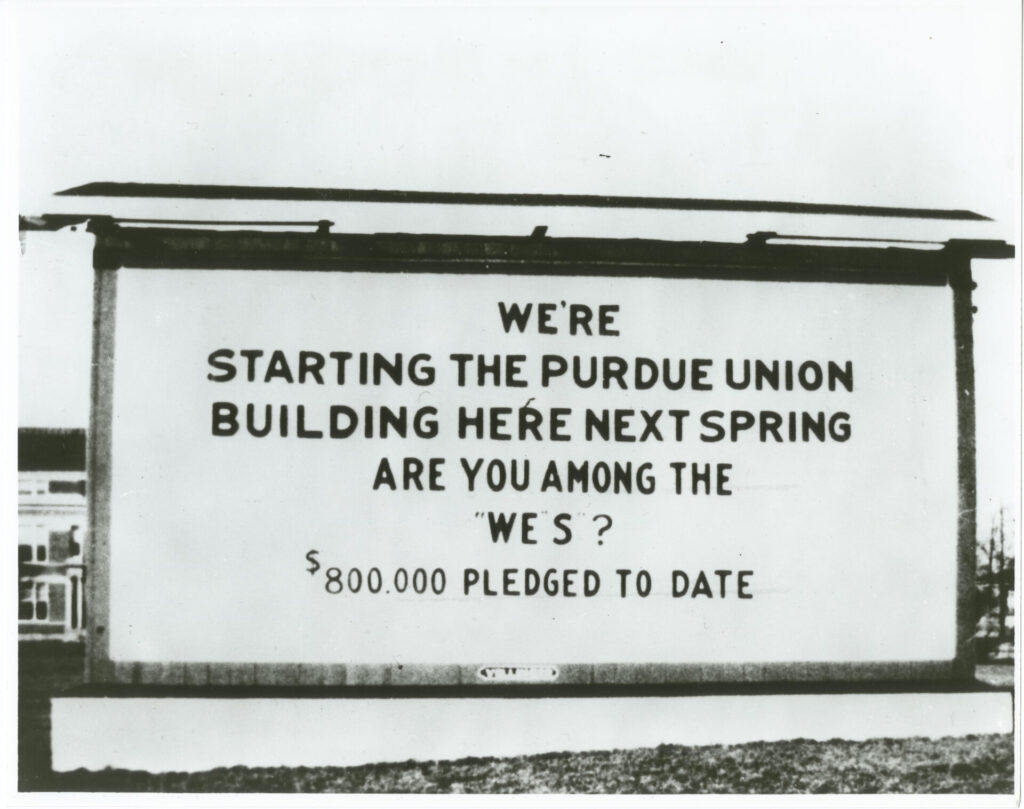
In the early 20th century, Purdue students recognized the need for a place where campus life could gather and receive alumni and campus visitors. At the time, students met in a room above Southworth’s Bookstore in the Village, while peer institutions had already built or were in the process of building student unions.
In 1912, student leader George O. Hayes (Class of 1912) proposed a Purdue student union. The student council endorsed the concept, and the Class of 1912 launched a fundraising effort in place of a traditional class gift. A constitution was approved on Apr. 17, 1912, and a campaign committee — composed of students, faculty, alumni, the university president and a trustee — was formed to guide the effort.
Two years later, in 1914, the Association of College Unions International (ACUI) was founded, reflecting a growing national movement toward student unions as centers of campus life; one Purdue helped establish as a founding member. The Purdue student union fund continued to grow until momentum was stalled by the onset of World War I.
Following World War I, the purpose of the building took on deeper meaning. The union was re‑envisioned as a permanent memorial to the 4,013 Purdue men and women who served and the 67 who gave their lives in defense of their country. From that point forward, the building became known as the Purdue Memorial Union (PMU).
In 1920, a subscription plan was launched. On Armistice Day that year — the anniversary of the end of World War I — student leaders called a mass meeting in Fowler Hall to secure pledges. It is rumored that, to ensure full participation, the doors were locked and no one was allowed to leave until a pledge had been assigned. These drives were separate from university programs and were sponsored solely by students, interested faculty, alumni and friends of Purdue.
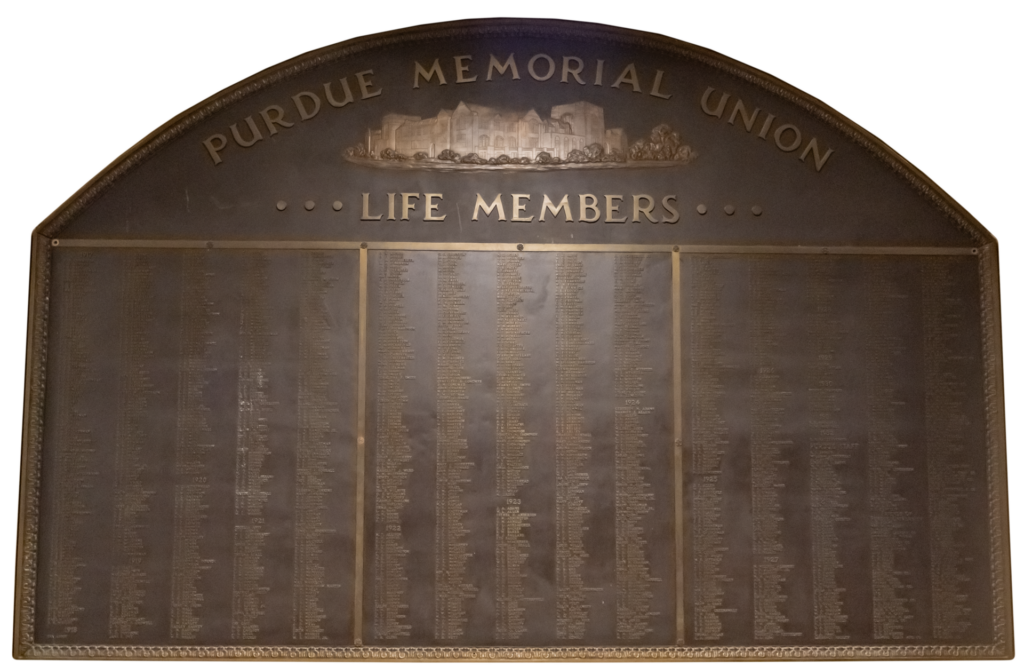
Contributions of $100 or more earned life membership in the PMU. The names of those who fulfilled their pledges prior to 1947 are permanently inscribed in bronze on the main floor of the PMU.
A new constitution was drafted on Sep. 22, 1921, and Jack Walters, serving as Student President, was appointed Chairman of the Board of Directors.
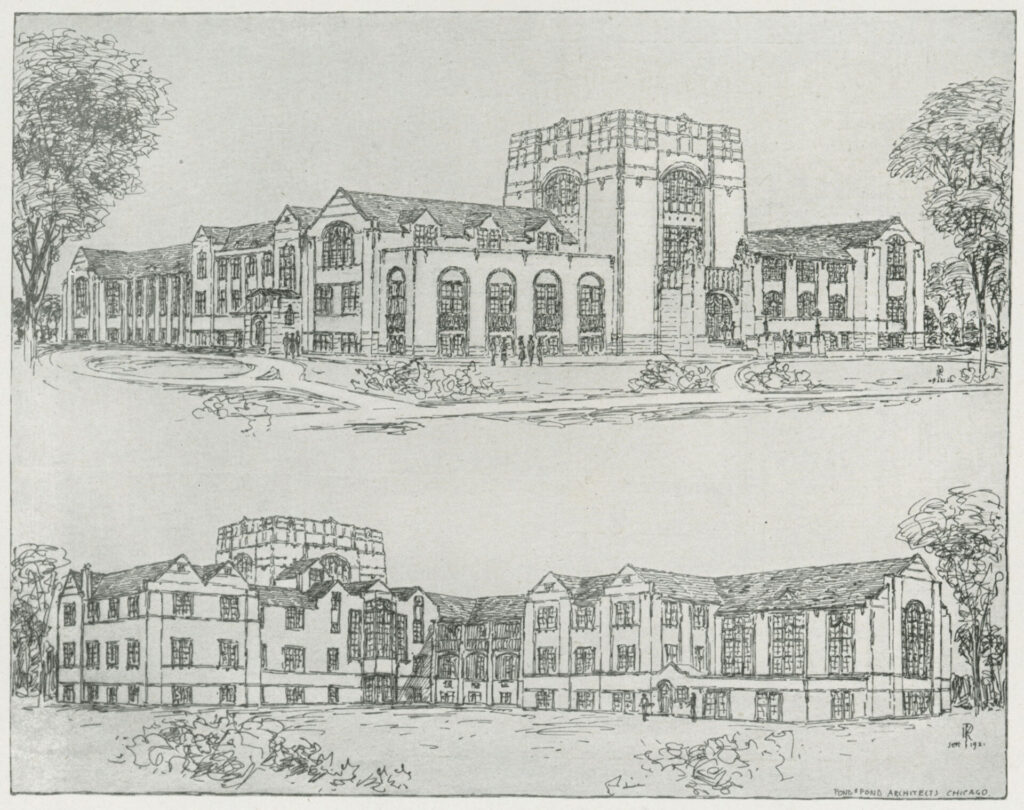
In the winter of 1921–22, Pond & Pond Architects of Chicago were selected to design the PMU. Brothers Irving and Allen Pond had already established a substantial Midwestern portfolio, including private residences, hotels, churches and public buildings, and were emerging leaders in student‑union design. By that time, they had designed and completed student unions at the University of Michigan, Michigan State University and the University of Kansas. The Michigan Union influenced PMU’s building committee during its architect search. As the Ponds neared the completion of their five‑year project in Ann Arbor, Purdue was shaping its own vision for an ideal student union — one that would blend hospitality, daily campus life and a living memorial purpose.
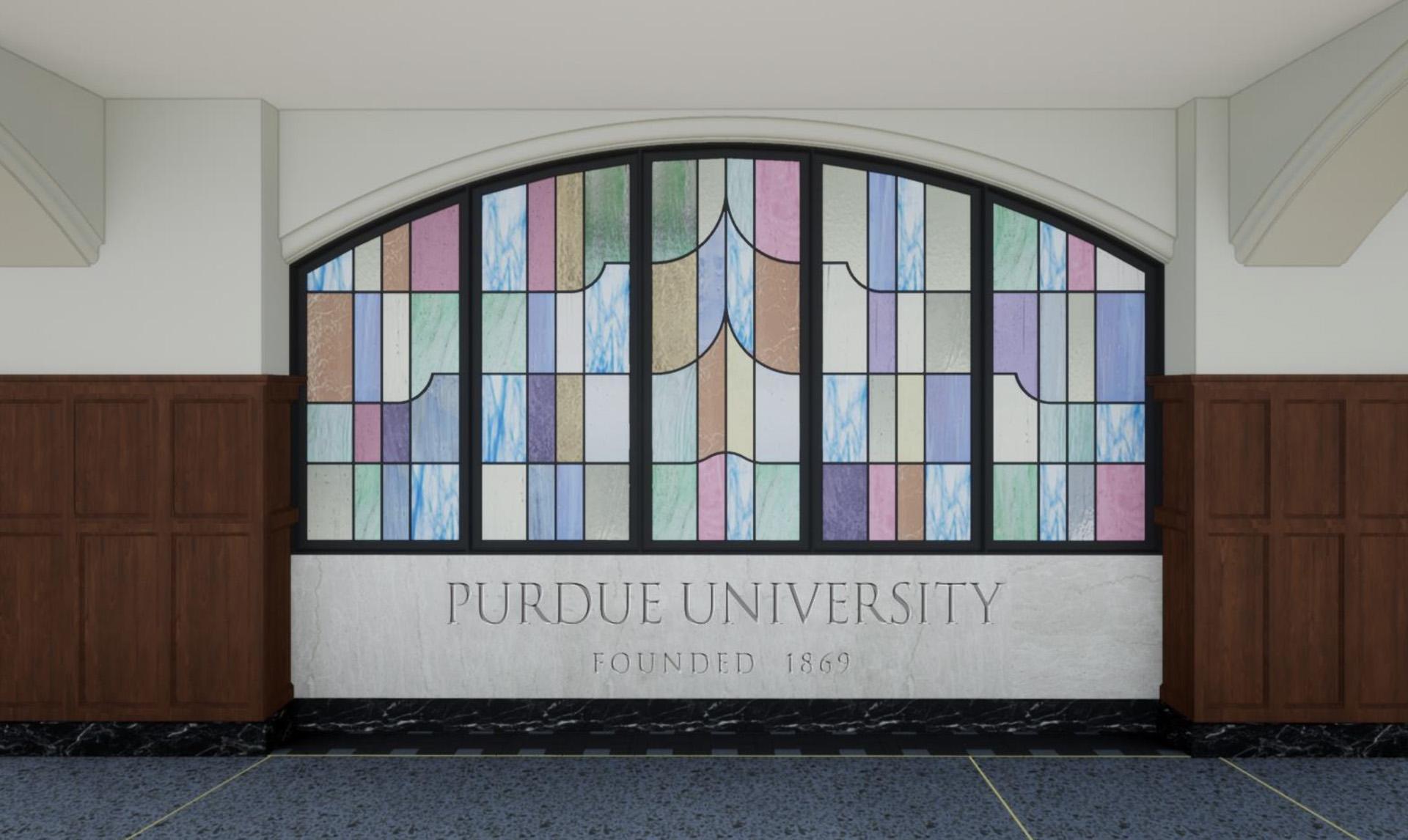
At the dedication, Irving Pond described the building as an expression of “poise and physical and spiritual strength and firmness shot through and modified by spiritual aspiration.” He believed its purpose was twofold: that the broad, simple and harmonious masses would proclaim the freedom and unity of life within, and that the architectural details and ornamentation, inside and out, would serve that unified life by symbolizing the harmonious interplay of structural forces — and, by extension, an ordered society. Throughout the PMU, this philosophy is made tangible in its design: stained glass windows symbolize the mixing of students of all races and creeds; interior stone arches reflect strength and individuality; and upswept window arches capture the energy and spirit of youth. For Pond, the PMU was ultimately a symbol of social solidarity, of life itself.
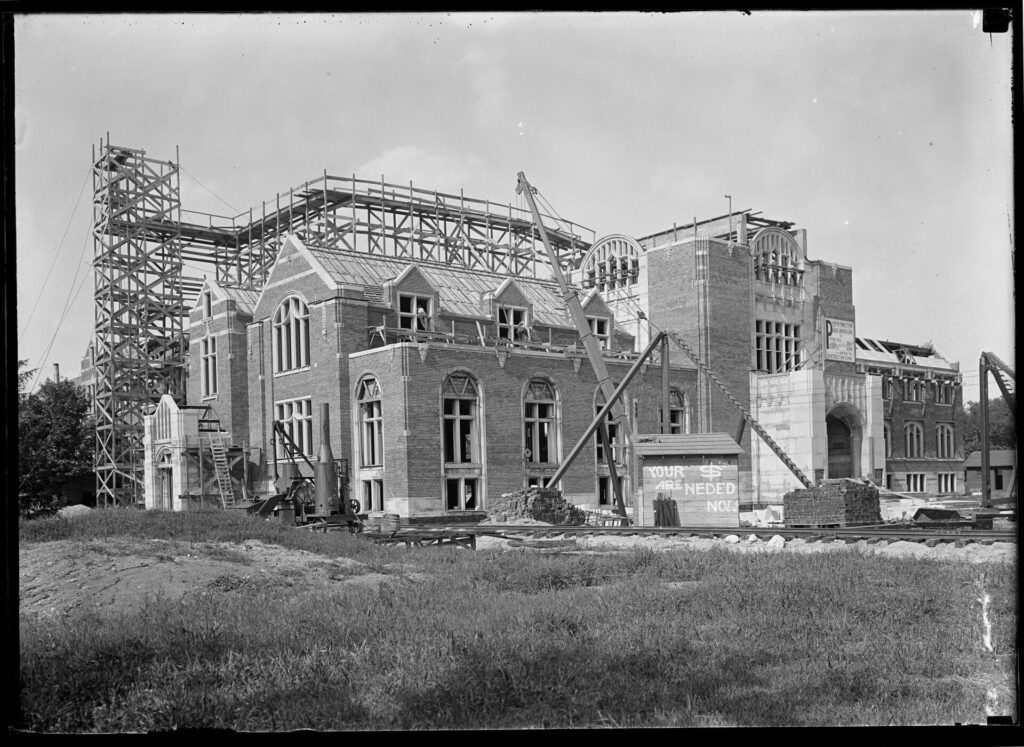
Groundbreaking took place June 13, 1922, with Virginia C. Meredith chairing the event. David E. Ross, chair of the Building Committee, turned the first spade of earth, and general contractor A.E. Kemmer of Lafayette plowed the first furrow. The cornerstone was laid at Homecoming on Nov. 25, 1922. In August 1923, crowds gathered to watch cranes place 25‑ton sections of milled limestone that formed the arches over the main entrance. Construction continued through the latter part of 1923, when funds were exhausted. The following year, the Purdue Union Association was formed as a separate financing corporation and secured a $200,000 loan. To support repayment, students paid a $4 per‑semester fee.
The partially completed building opened Sept. 9, 1924. At the time, the main floor had temporary pine floors, and walls and ceilings had not yet been plastered; the second floor was not usable, as it had not been sufficiently finished. Purdue then consisted of 323 faculty and staff and 3,234 students, and an additional $400,000 was still needed to complete the building. In 1929, the union was deeded to the trustees of Purdue University, who issued bonds to secure the remaining funds. The student fee, initiated in 1924, continued to provide financial stability as construction moved forward. The original building was completed later that year.
From the beginning, the PMU supported dozens of student organizations, dining operations and social spaces. Reports written in the fall of 1924 by Jack Walters, the PMU’s first general manager, noted that the PMU could accommodate 28 different activities at the same time without interfering with one another. In its first year, the cafeteria, soda fountain and catering operations generated approximately $54,000 in gross income and, despite a 50% food cost, reported a 3.5% net profit, demonstrating early financial sustainability.
The ground floor of the original building housed the cafeteria and featured two serving counters designed to serve 1,000 people per meal. At the east end of the cafeteria was a soda fountain, the predecessor to the Sweet Shop. Also located on the ground floor was a billiard room, later replaced by the Sweet Shop (1927) and a barbershop. A beauty shop for women was added in 1929.
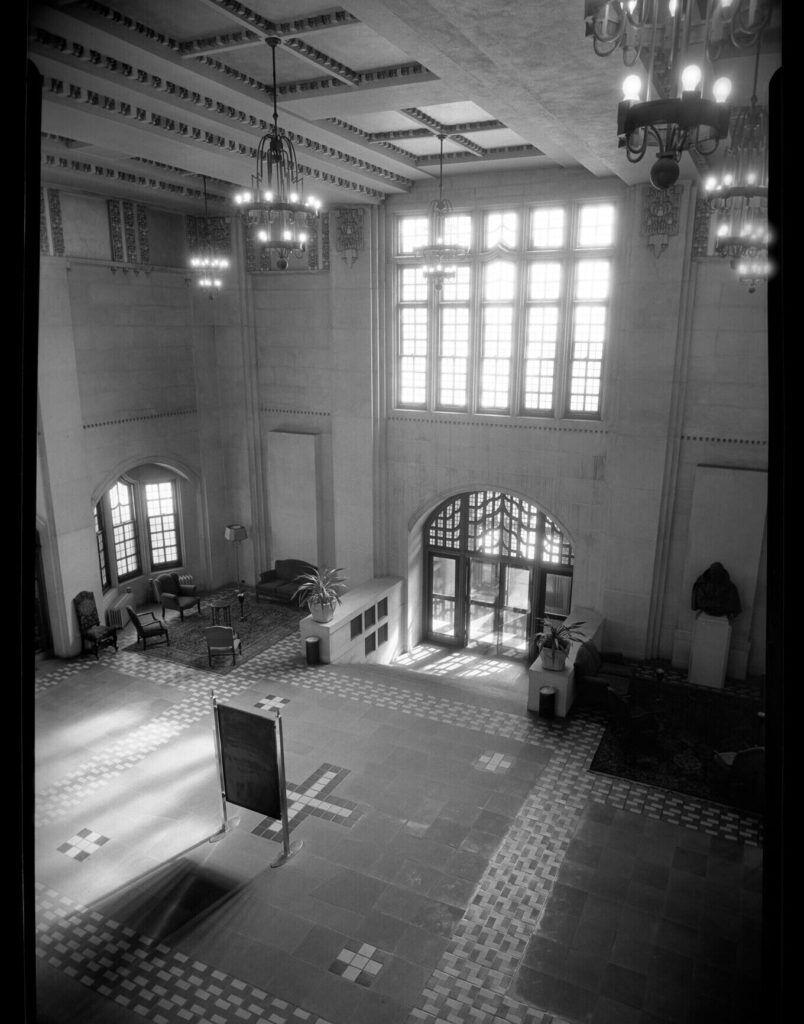
At the center of the main floor was the Great Hall, designed as an informal gathering place for the student body and serving as the official memorial space honoring the Purdue men and women who had served and given their lives for their country. Lounge spaces adjacent to the Great Hall accommodated overflow and included a Men’s Lounge intended for reading, writing and quiet conversation, along with three reception rooms — one for men, women and one general. The South Ballroom, originally known as the Assembly Room, was designed to host special dinners, dances and large gatherings.
When the second floor was completed in 1929, it added an Alumni‑Faculty Lounge and a Women’s Lounge, which included a kitchenette where off-campus females could prepare their own lunches. The floor also provided much‑needed offices and meeting rooms for student organizations, many of which had previously relied on limited space in the library.
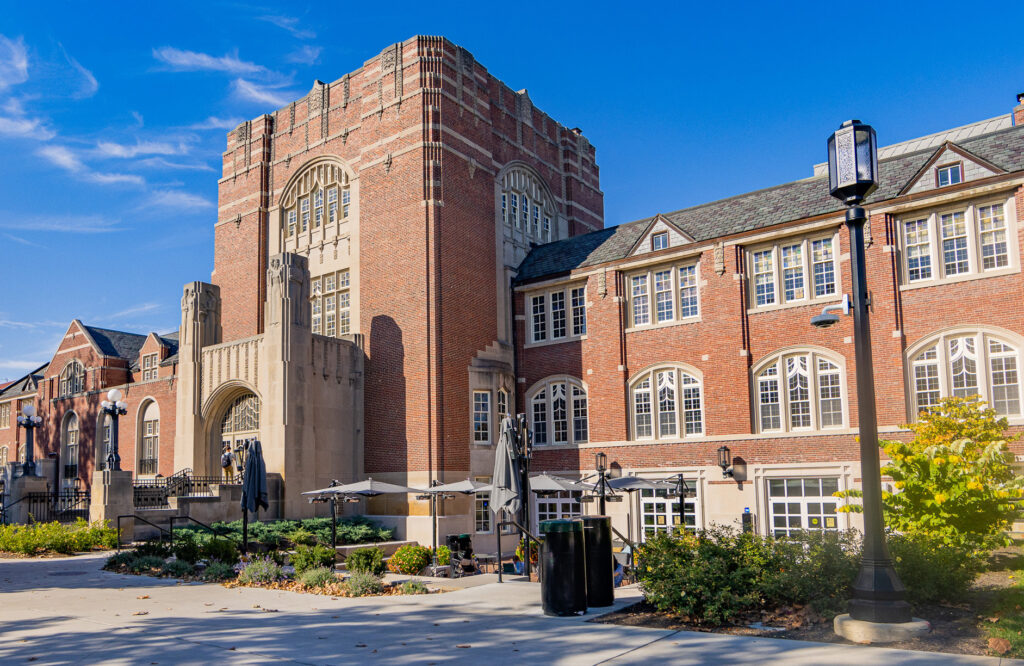
Additions to the PMU began soon after the building opened, reflecting the union’s expanding role on campus. In 1929, the first wing of the Union Club Hotel was added, providing 60 guest rooms and extending PMU’s hospitality mission to alumni and campus visitors. Continued growth followed in 1936 with construction of the East Wing, which introduced the Browsing Library, bowling lanes and the Anniversary Drawing Room, further broadening opportunities for recreation, study and social connection. That same year, the South Ballroom was enlarged to better accommodate campus needs.
Today, the PMU and Union Club Hotel employ more than 400 students annually in roles spanning hospitality, events, facilities and customer service. The facilities also support hands‑on learning through partnerships with Purdue’s Hospitality and Tourism Management program, including the HTM 181: Lodging Management lab.

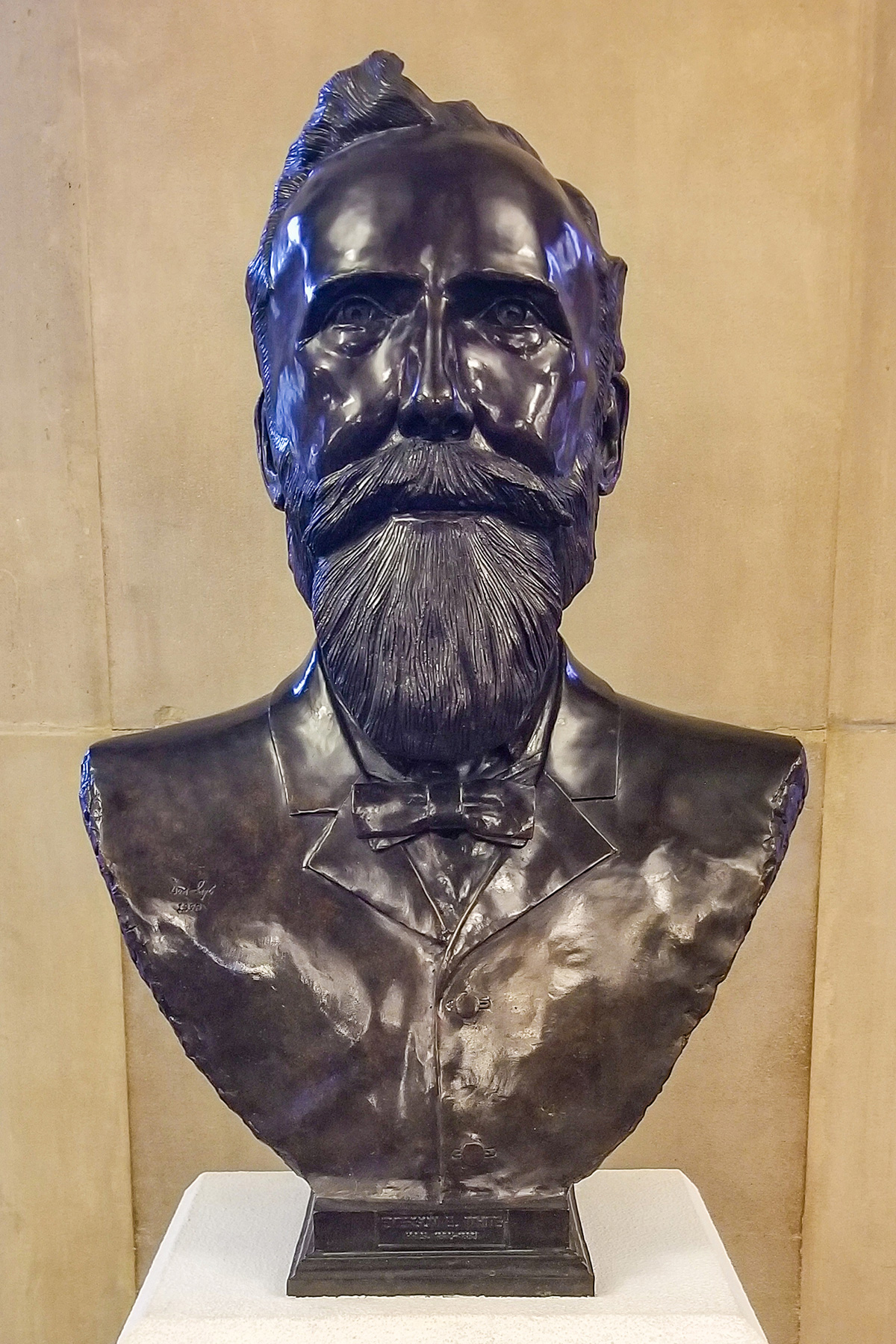
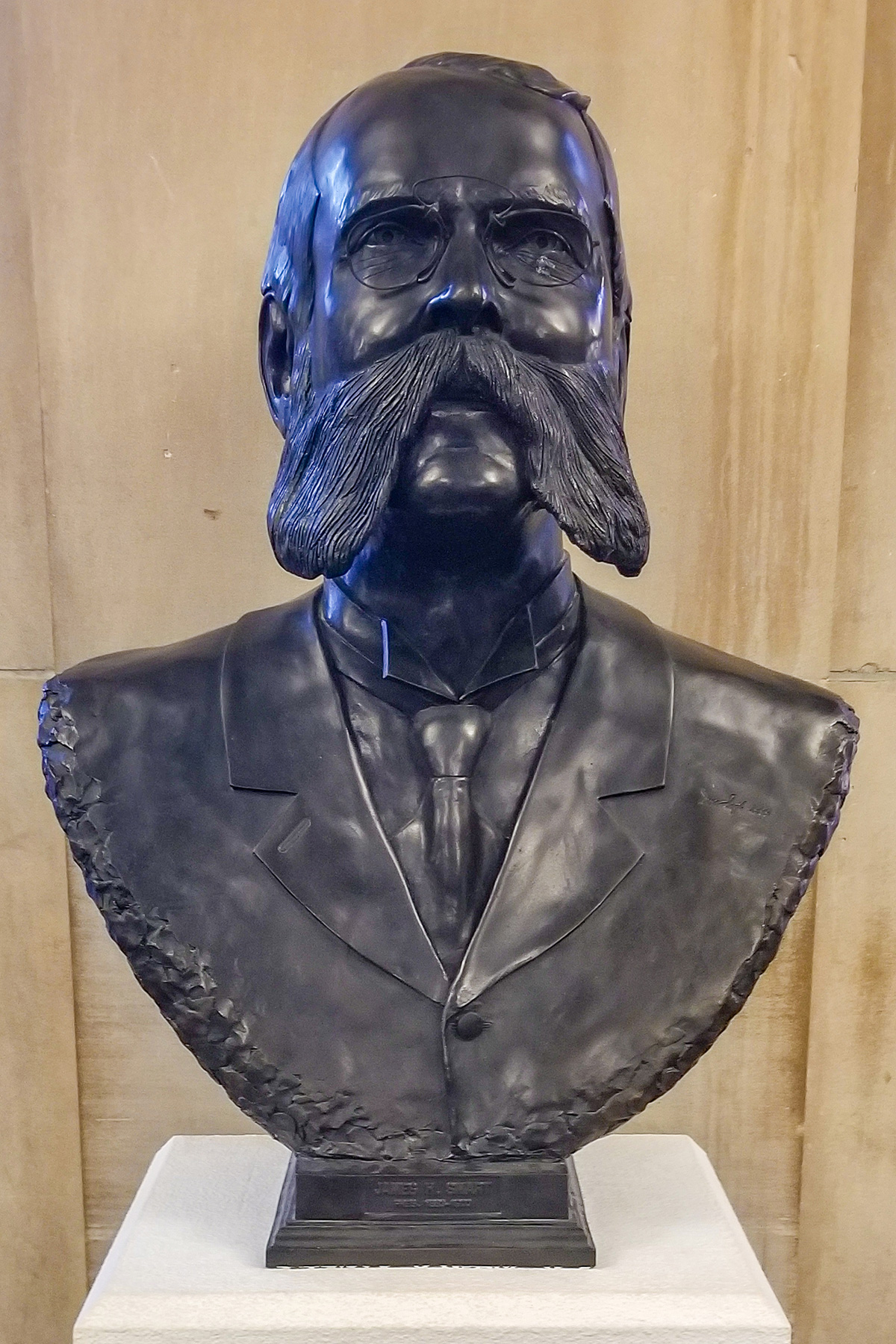
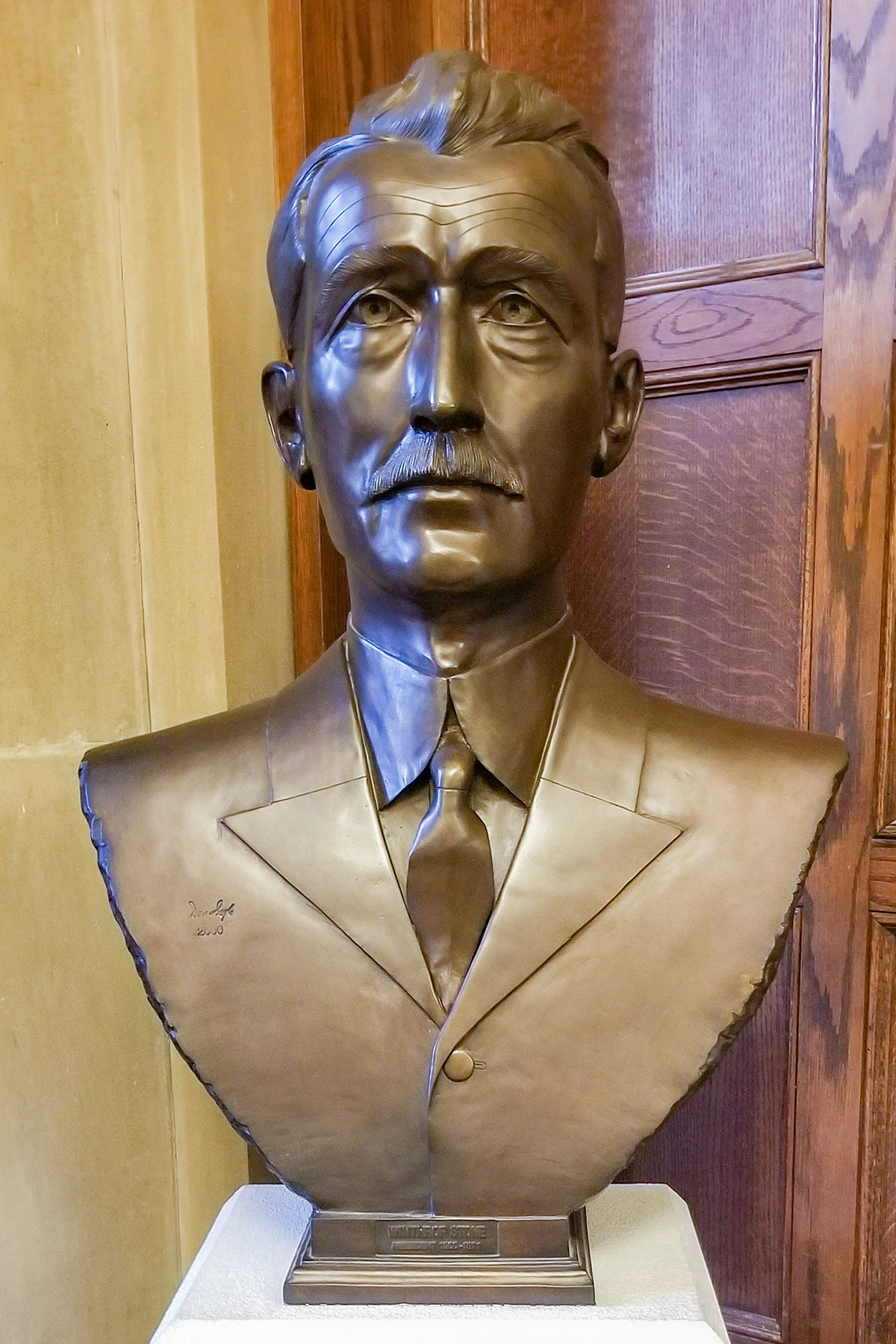
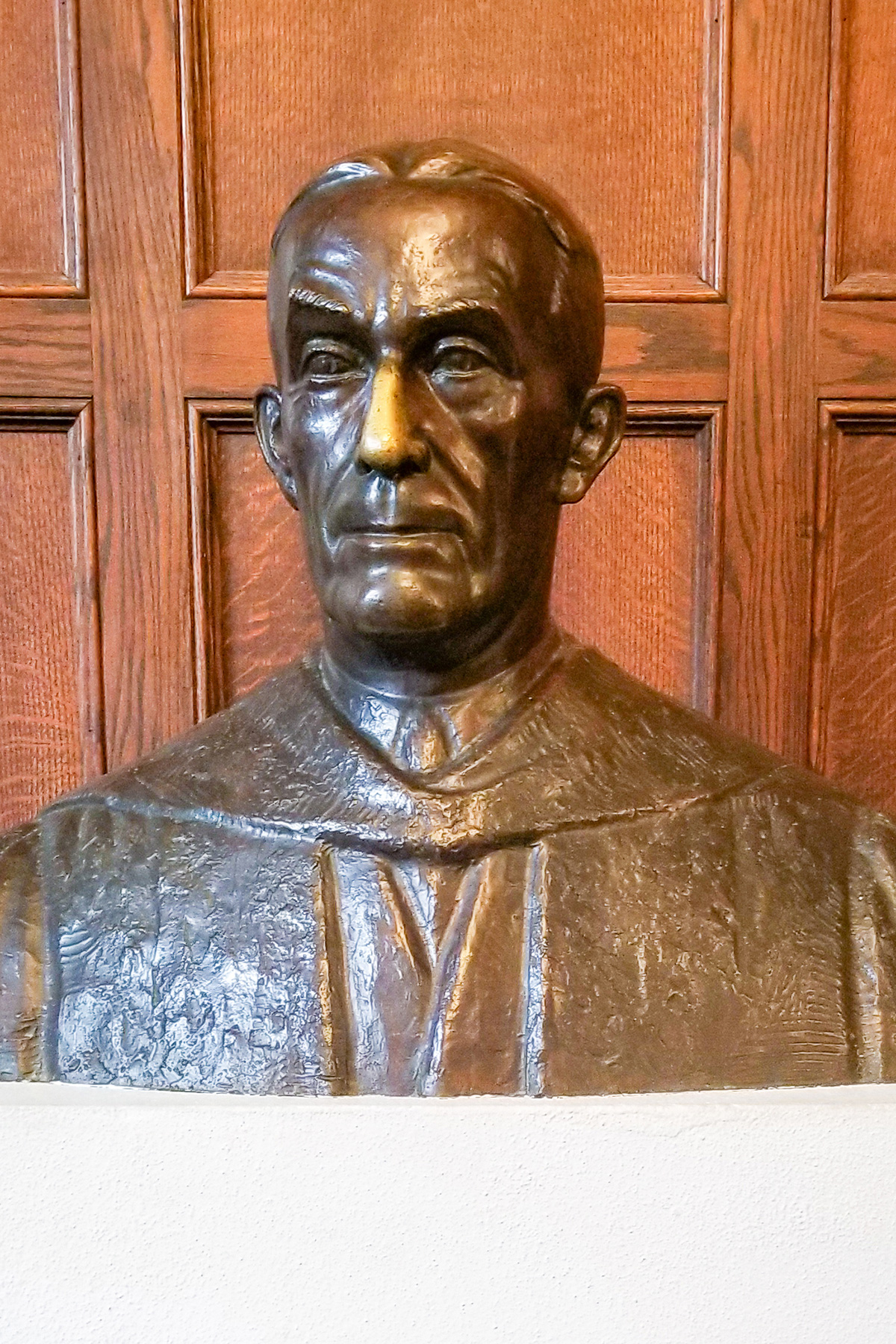
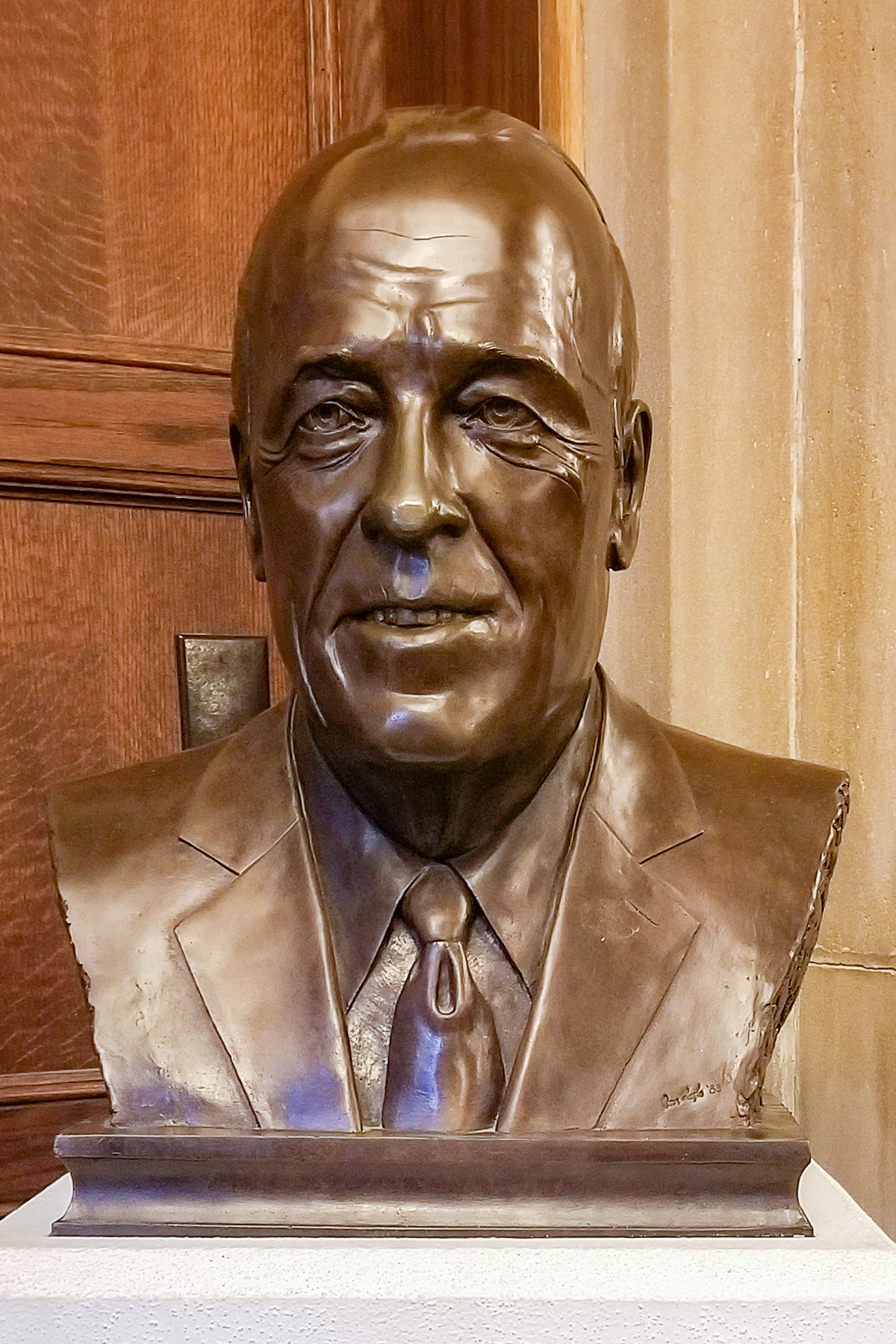
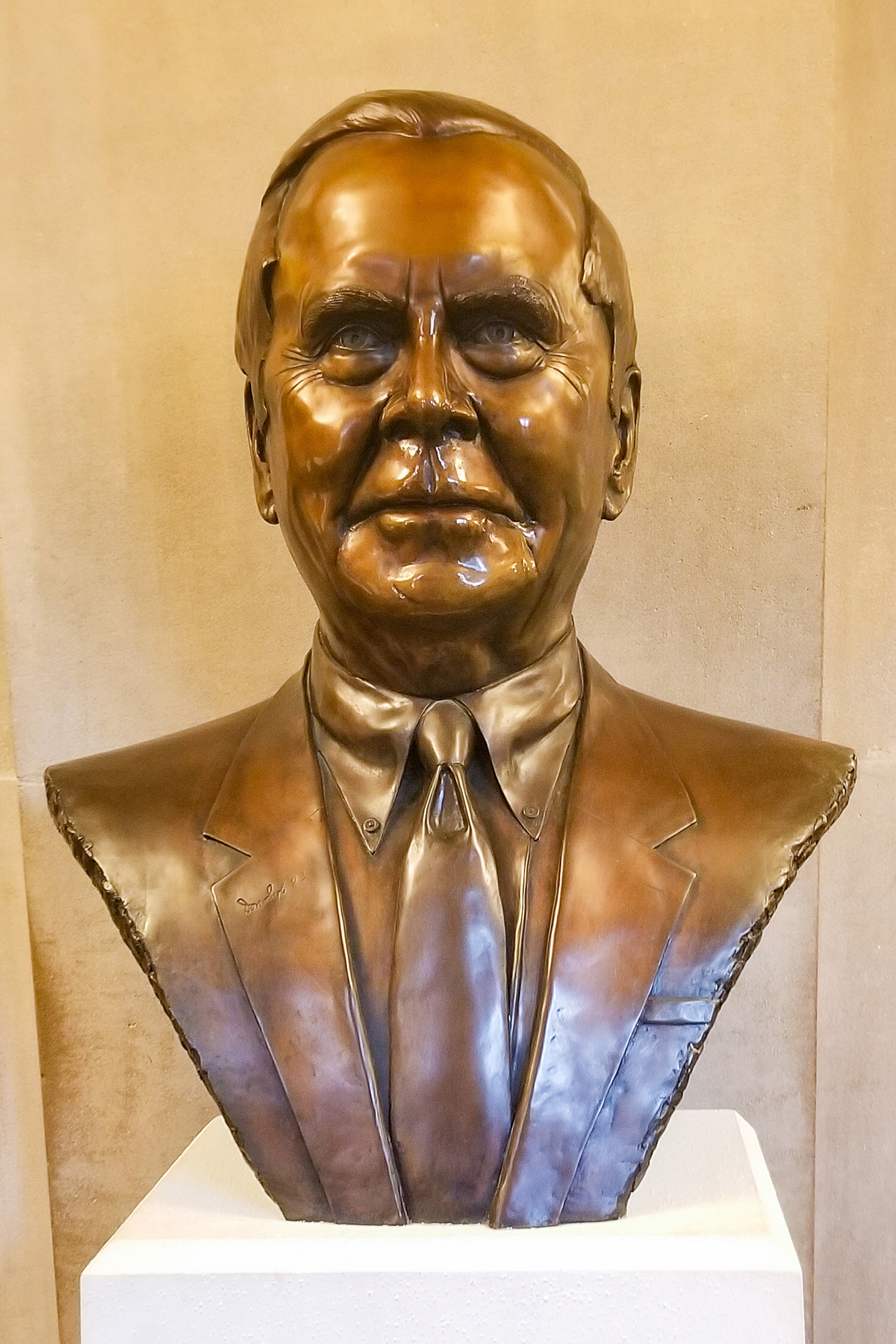
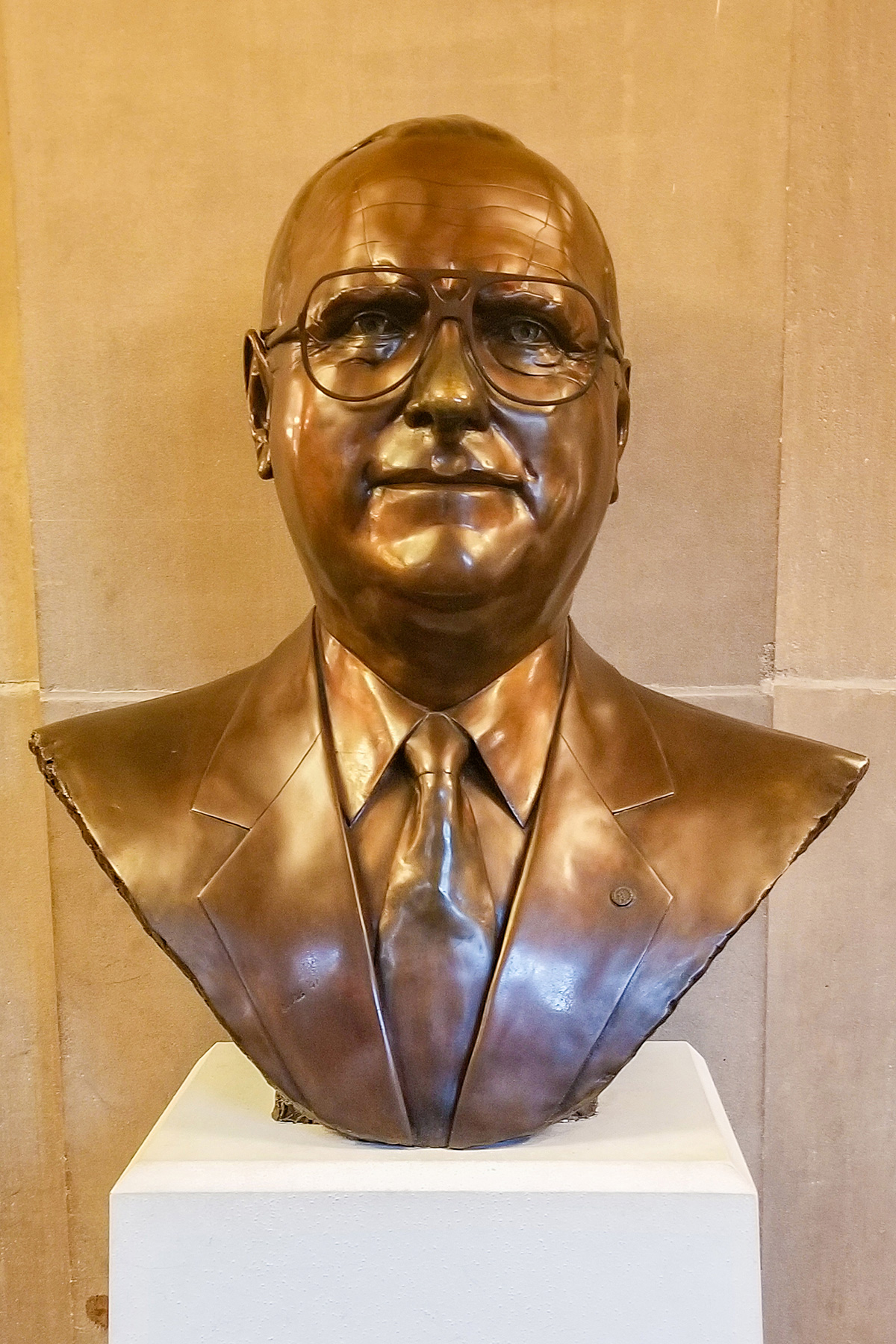
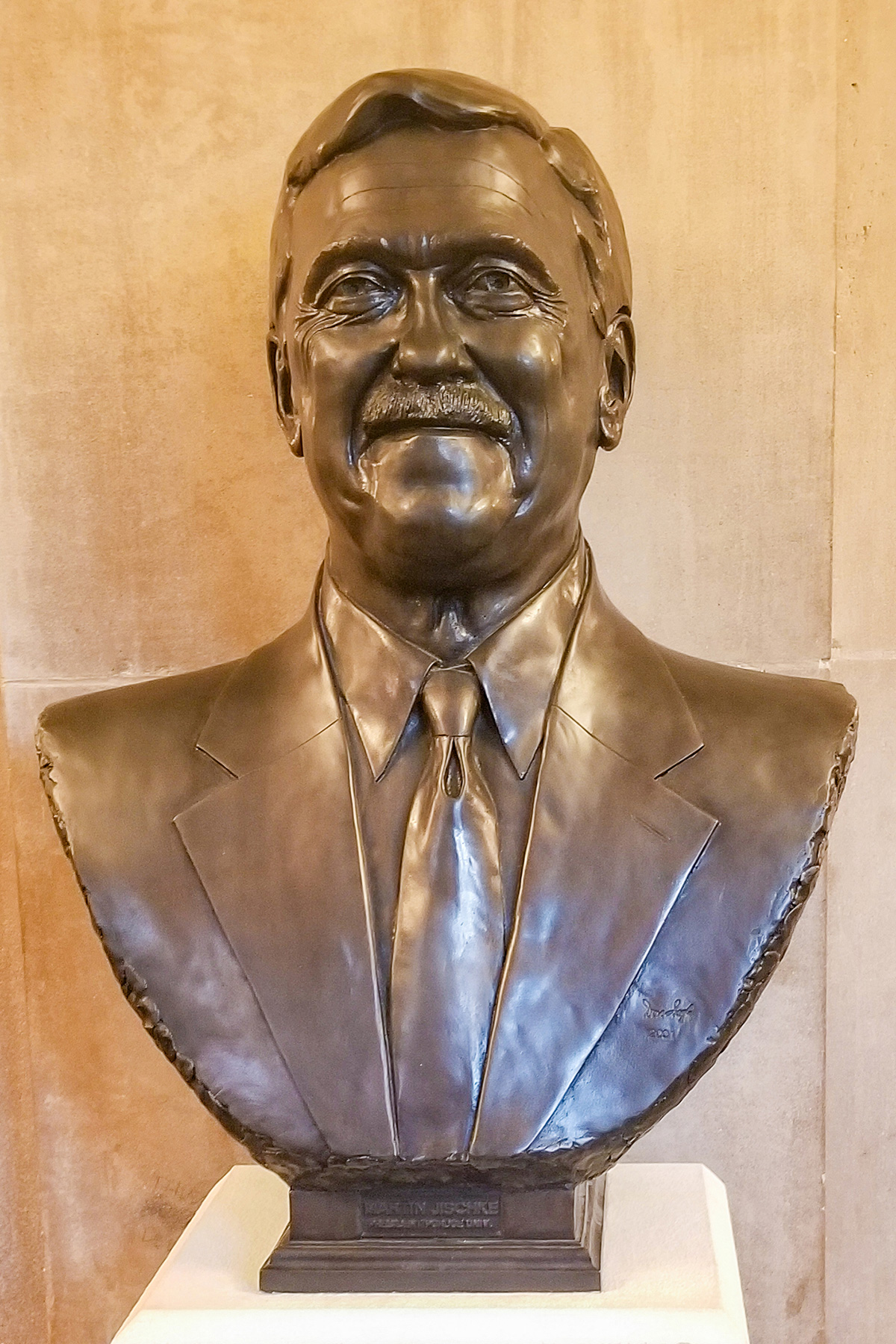
PMU Bronze Busts
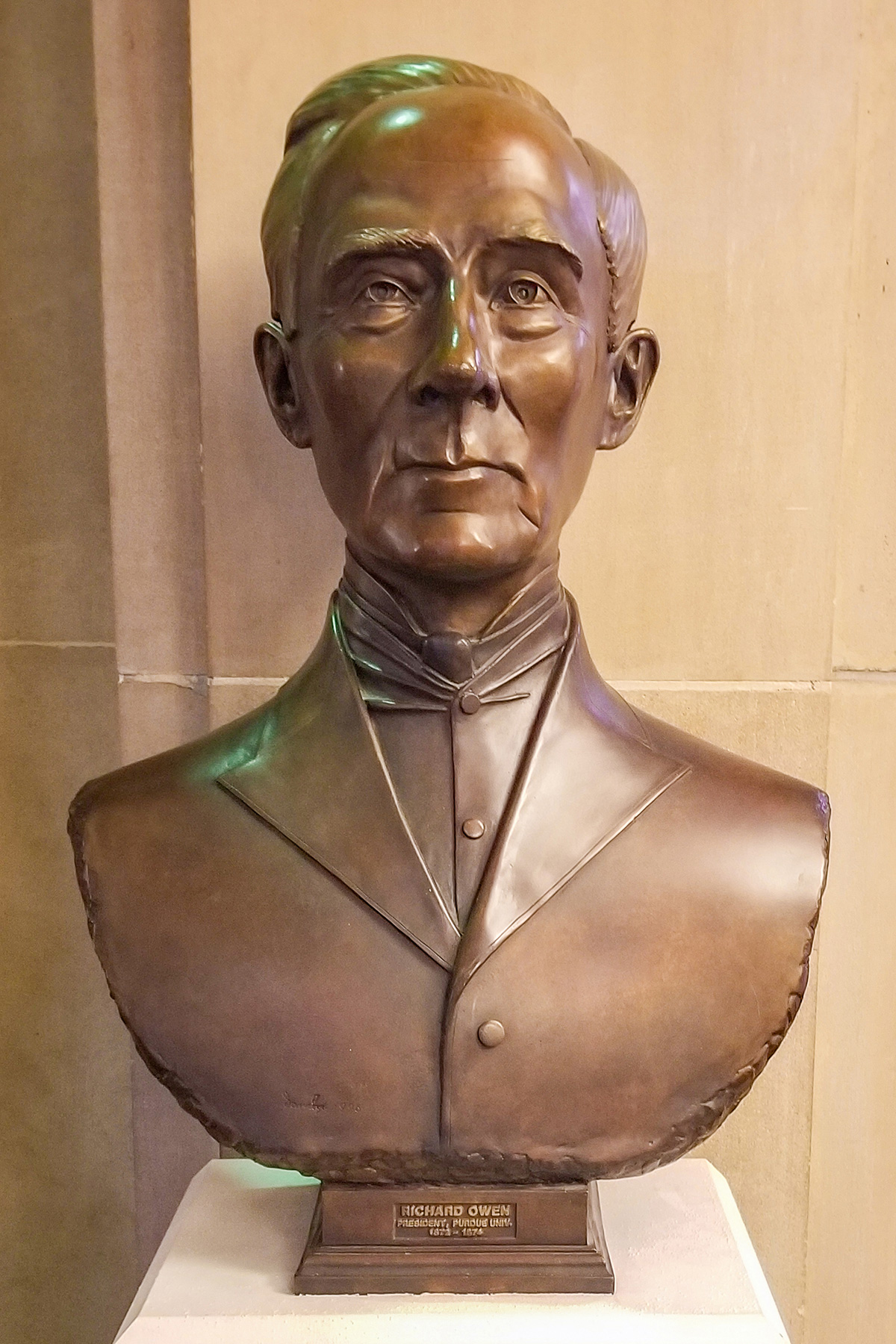
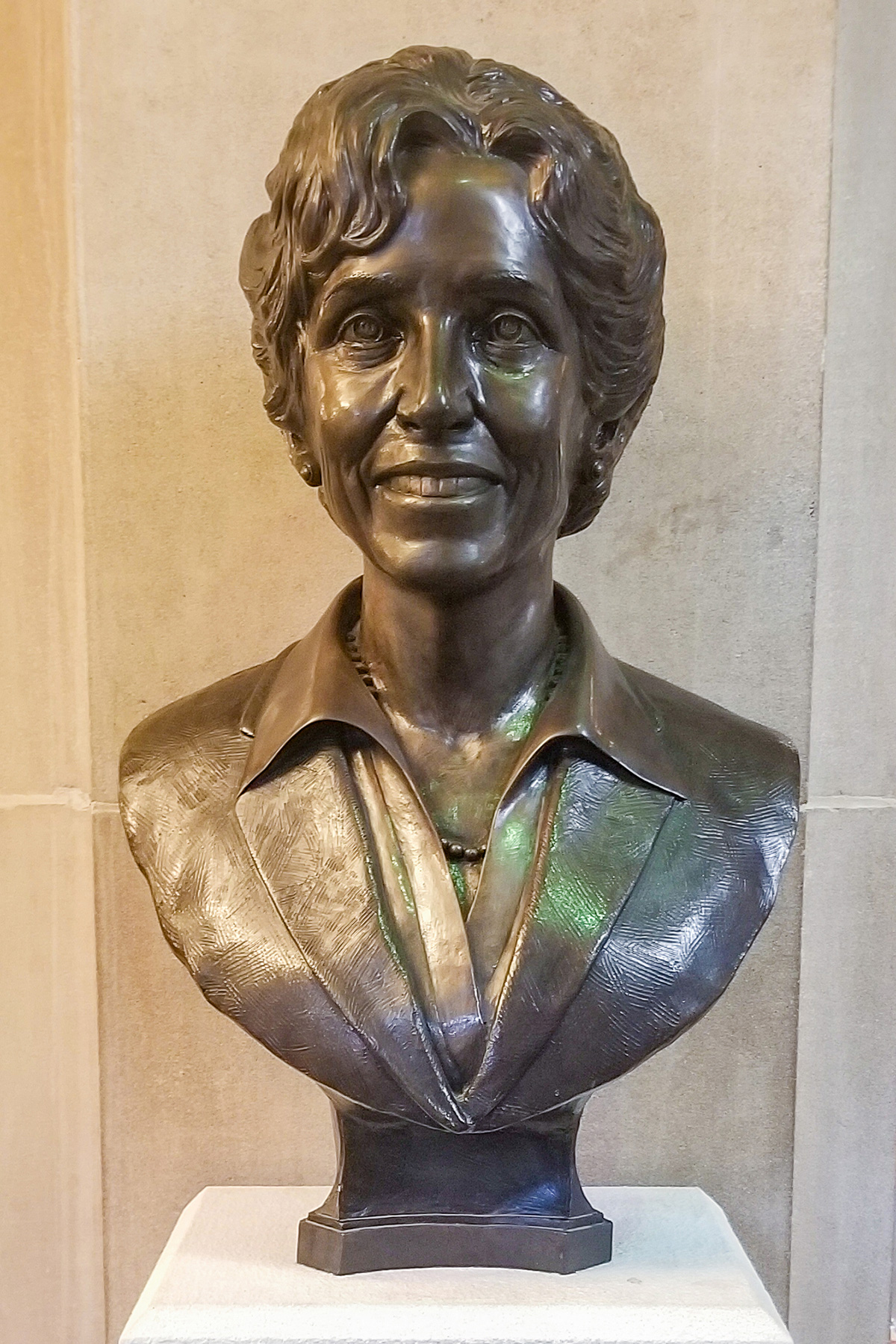
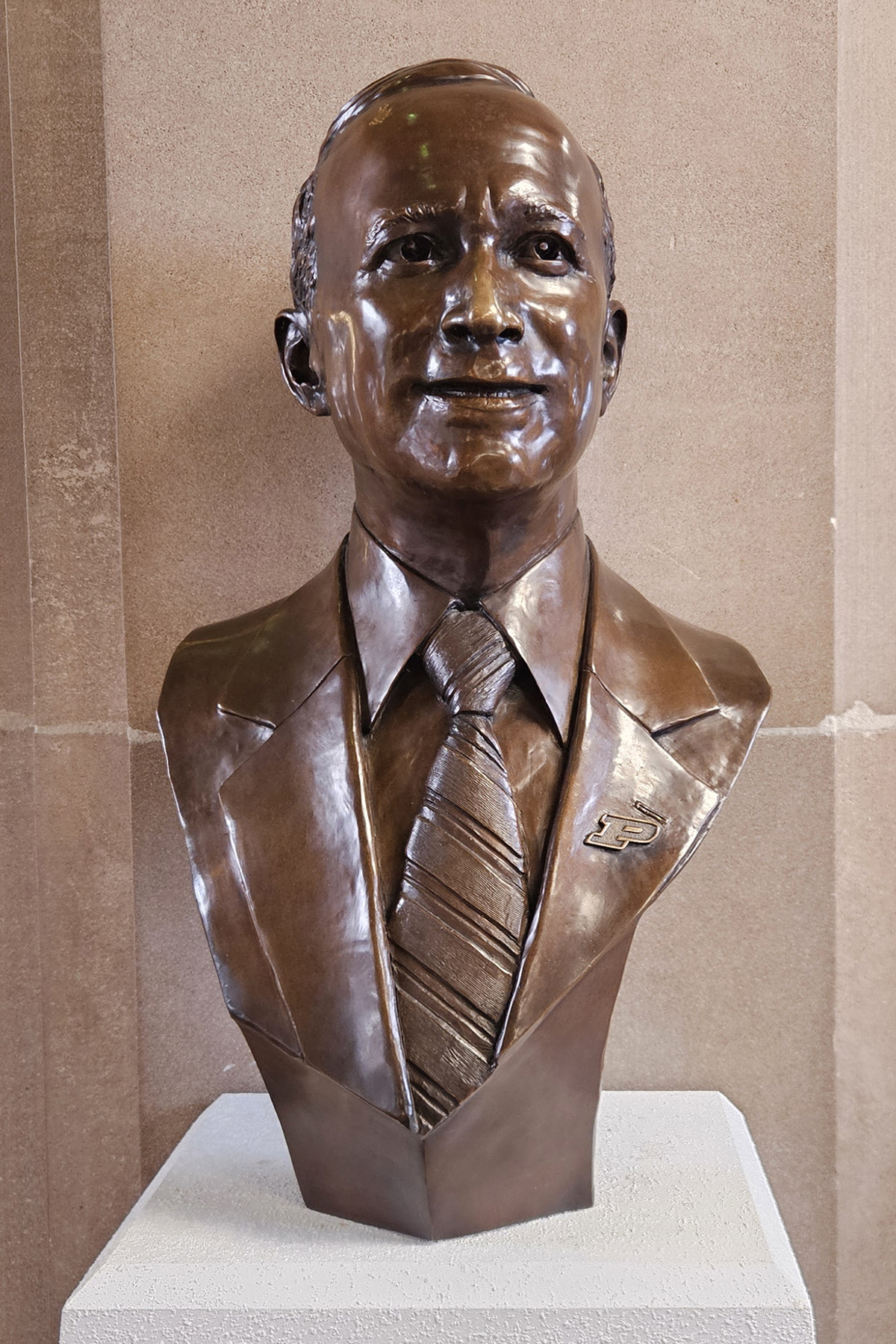
The PMU serves as the caretaker of a bronze bust collection honoring the university’s former presidents, along with two figures of lasting significance: David E. Ross and Abraham Lincoln. The collection is displayed on the first floor.
The oldest bust, depicting Abraham Lincoln, was a gift from the Class of 1904 on its 25th anniversary and was presented to President Edward Elliott in 1929; it has long remained in the Great Hall. Tradition has it that the nose of Lincoln’s bronze bust has been rubbed shiny by students for good luck; the bust honors Lincoln’s signing of the Morrill Land‑Grant Act (1862), which led to the creation of Purdue and many other universities.
In 1946, Purdue purchased busts of David E. Ross and President Elliott from Indiana sculptor Jon Magnus Johnson. The collection expanded in 1983 with Frederick Hovde by Don Ingle of Evansville and grew further in the 1990s, when the Purdue Research Foundation commissioned Ingle to complete busts of the university’s remaining five former presidents; a bust of Martin Jischke was added to the commissions after he took office. In 2012, Purdue unveiled the bust of France A. Córdova, created by Cincinnati artist John Hebenstreit. Today the presidential busts are installed just off the Great Hall on the first floor, with Lincoln remaining in the Great Hall and Ross displayed nearby in the West Great Hall.
Continuing this tradition, the bronze bust of President Emeritus Mitchell E. Daniels, Jr., Purdue’s 12th president, was unveiled at the PMU on Dec. 8, 2023, with university leaders in attendance and the university’s 13th president, Mung Chiang, offering remarks. The bust was sculpted by artist Jon Hair, who also created the bronze Purdue Boilermaker statue outside Ross‑Ade Stadium. With Daniels’ addition, the collection now reflects Purdue’s leadership through the 12th presidency.
Renovations

Tour Purdue Memorial Union
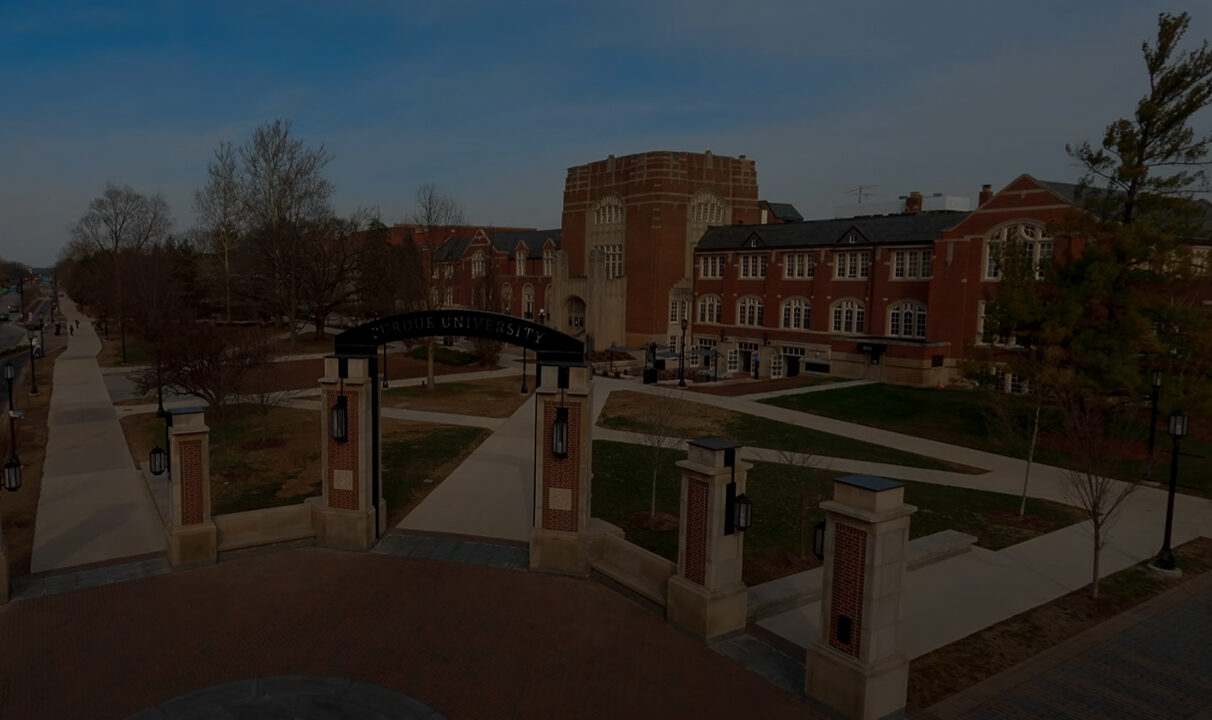
One-take drone tour of Purdue Memorial Union renovations
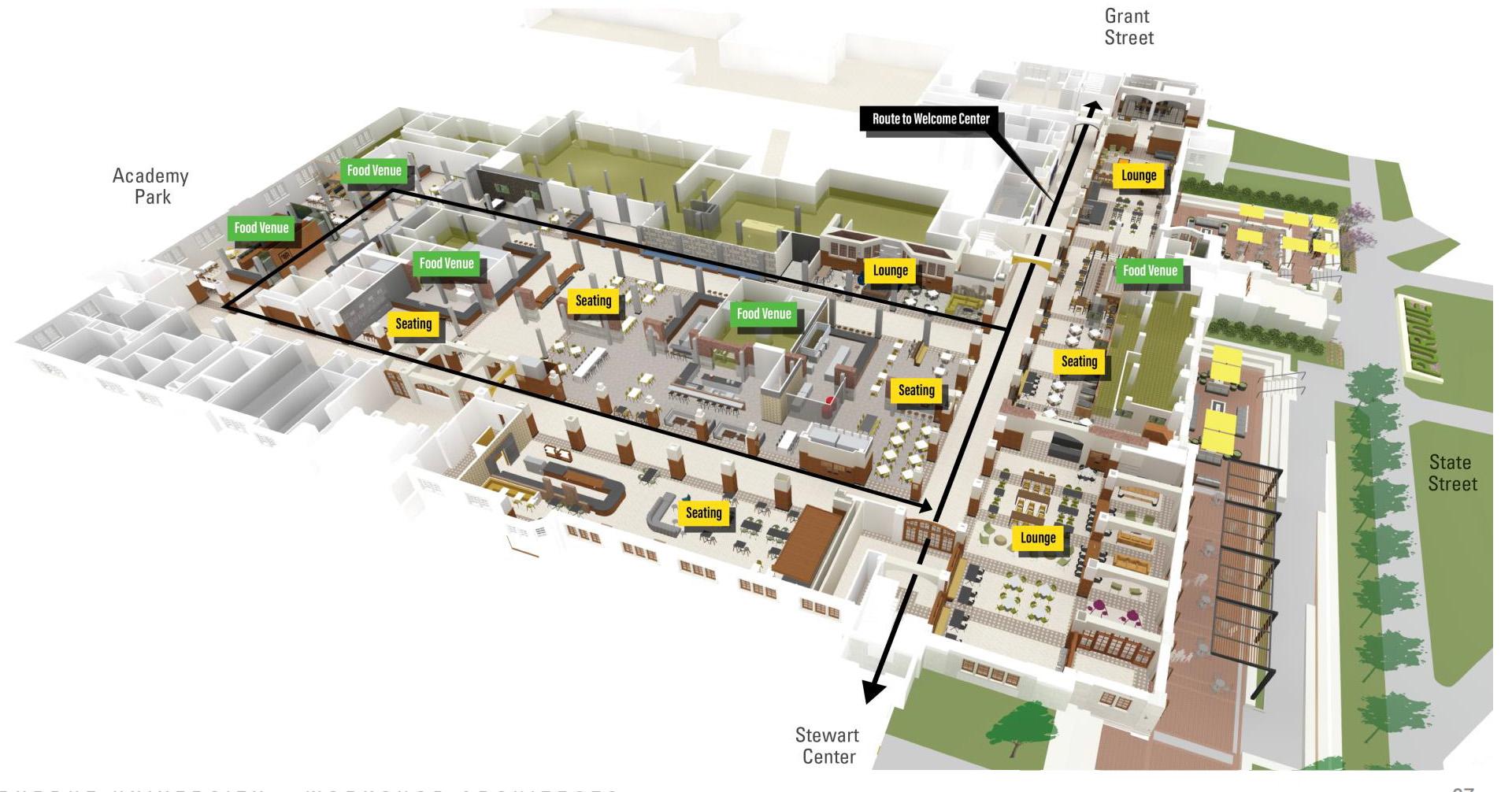
A century after the first shovel turned in 1922, the PMU ground floor reopened as the Atlas Family Marketplace — the most transformative renovation in the union’s history. Subsequent to this, there were additions and renovations to the PMU in 1929, 1935, 1938, 1939, 1953 and 1986.
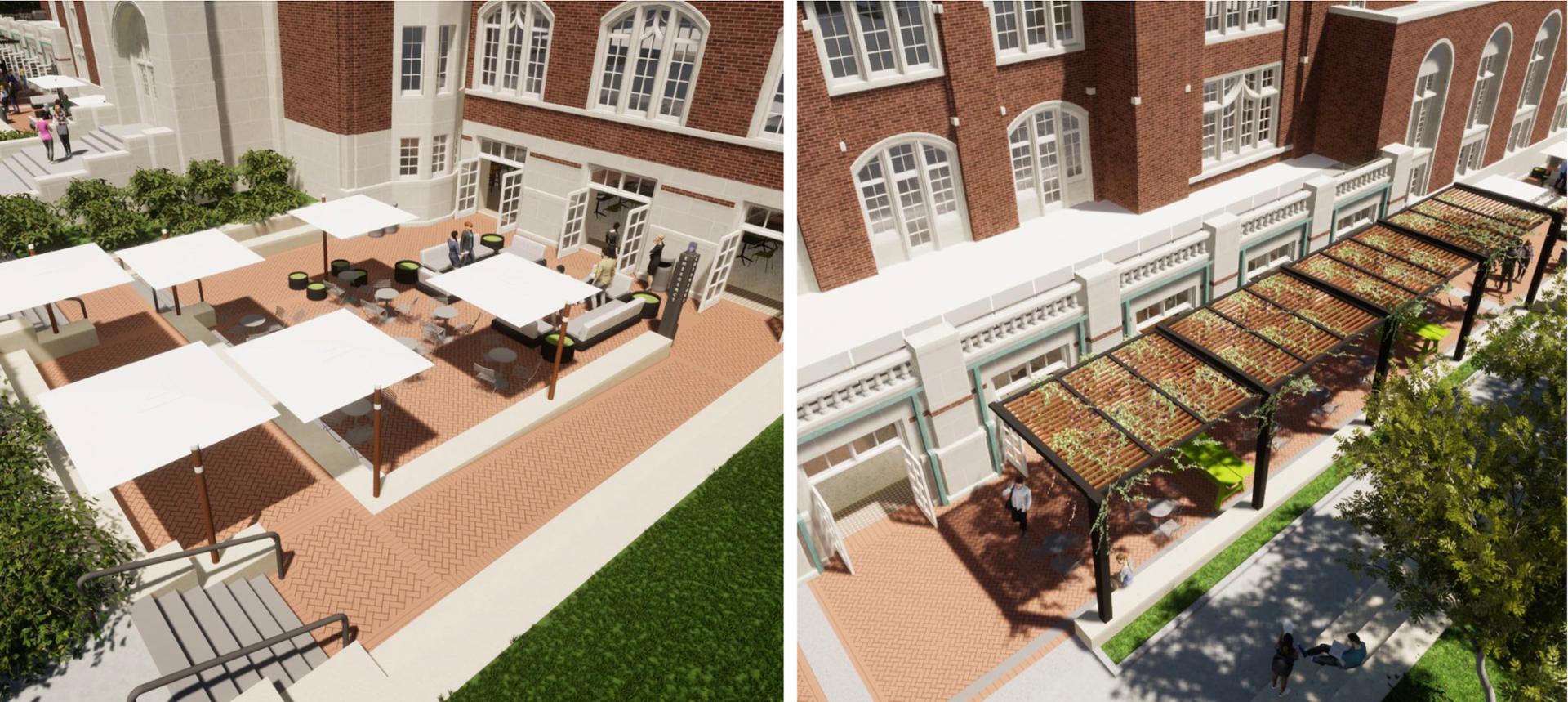
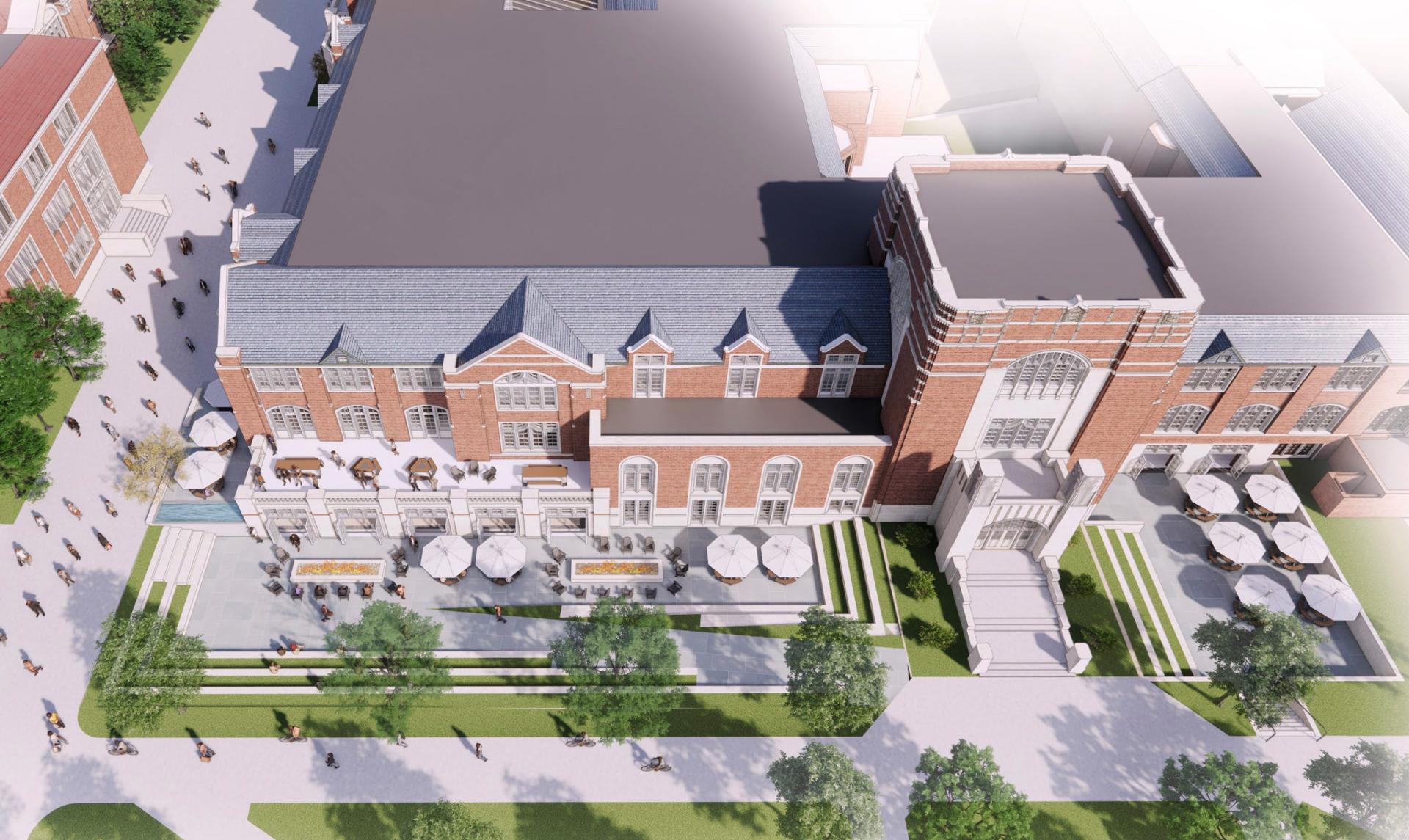
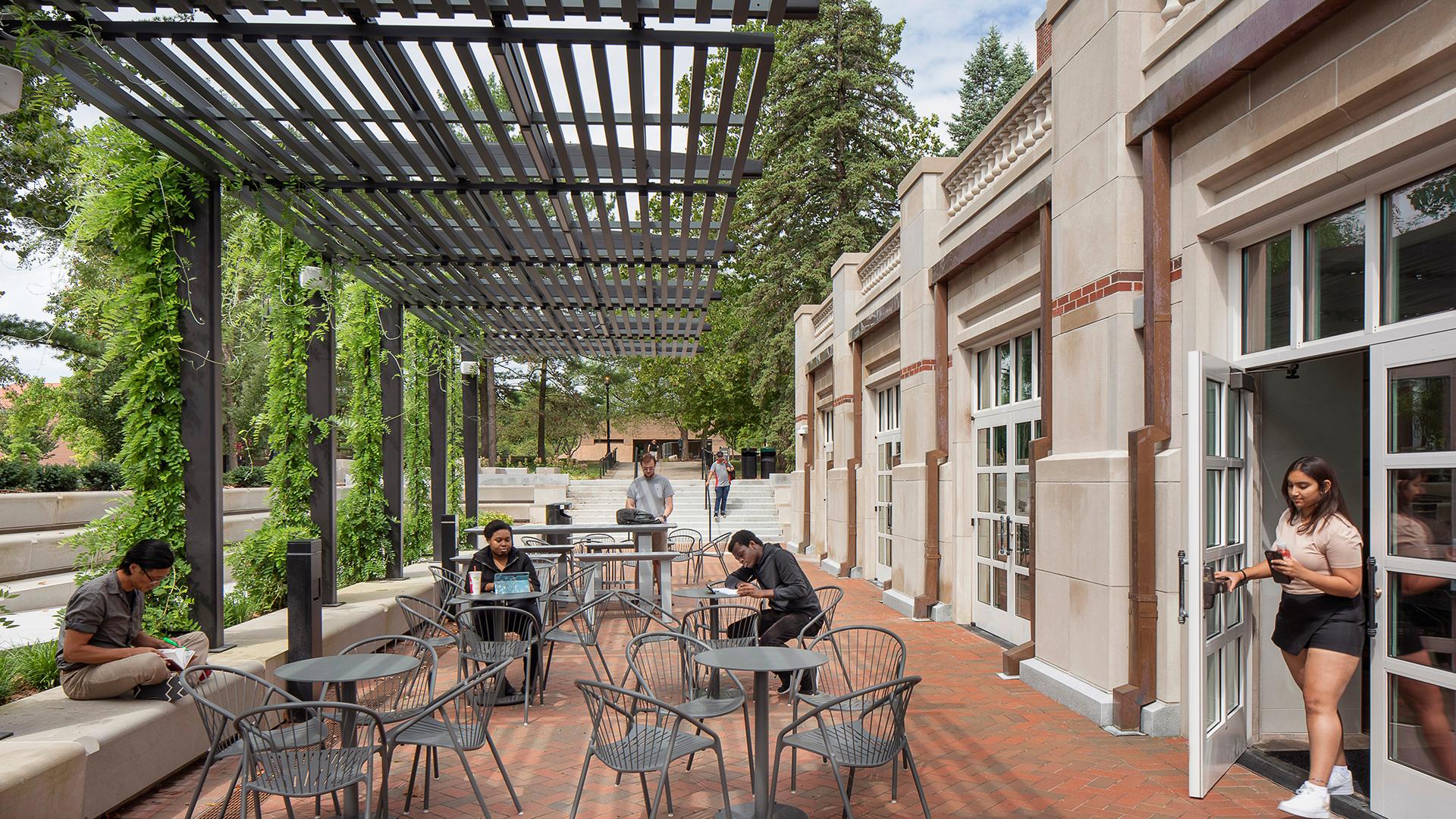
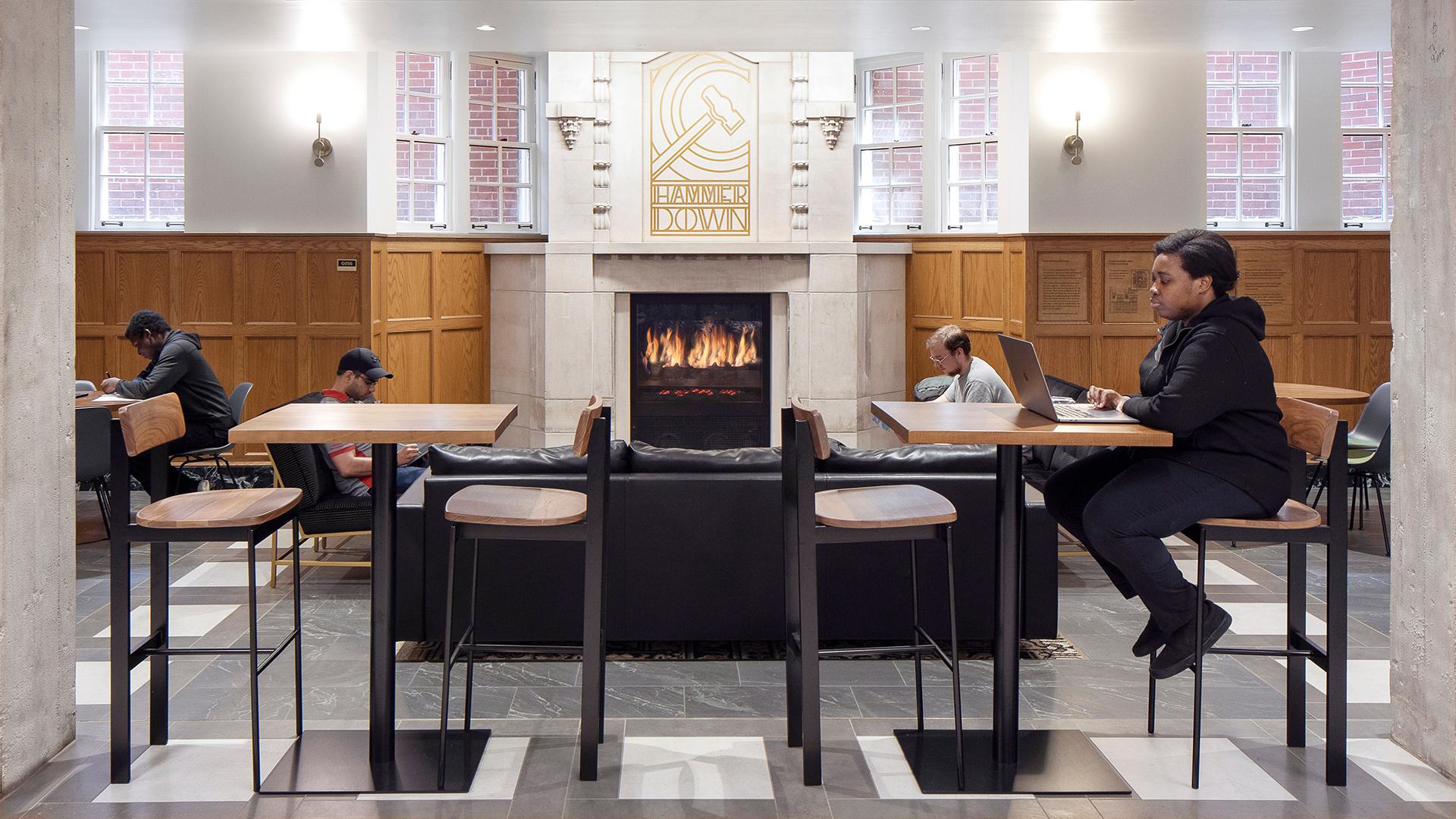
The project reimagined 67,000 sq. ft. of retail dining and social space with a return to historic character and the addition of modern amenities. Original 1922 elements exposed during demolition; including exterior walls, plaster arches and wood windows; were preserved and highlighted in the new design. Natural light and circulation improved through two light wells at a new fireplace lounge, plus two outdoor terraces that extend the experience beyond the building.
Renovations 2020-2021
Reopening 2022

Purdue Memorial Union
100th Anniversary
On Sept. 9, 1924, the PMU — though only partially completed — opened its doors to the Purdue community. One hundred years later, the union marked the milestone with a series of celebrations that honored the past, highlighted the present and looked ahead to the next century.