Running on Empty? How a ‘Check Engine’ Light for the Brain Could Make Learning Fairer
Imagine a dedicated coach training a talented athlete. One day, the athlete’s performance inexplicably drops. They’re slower, their form is off, and they struggle with drills they mastered weeks ago. A great coach wouldn’t immediately conclude the athlete has lost their skill. Instead, they’d likely ask, “Did you get enough sleep? Are you feeling overworked?” The coach understands that performance is not just about skill; it’s also about physical and mental readiness.
In education, students are much like these athletes, training their minds to tackle complex challenges. Yet, when their academic performance falters, we often lack the insight of a good coach. We see the symptom—a wrong answer on a test—but not the underlying cause. Is the student struggling with the material, or are they simply running on empty?
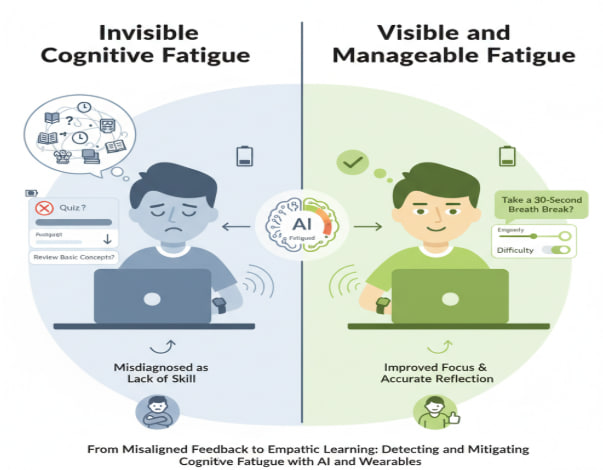
This is the central problem my research aims to solve. Today’s college students are navigating a demanding landscape, balancing difficult courses with jobs, extracurriculars, and personal responsibilities. The result is often a state of cognitive fatigue—a mental exhaustion that makes it difficult to focus, learn, and perform at one’s best. The trouble is that this fatigue is invisible. A mentally exhausted student can look distracted or disengaged, leading educators and even sophisticated learning software to misinterpret their struggles as a lack of effort or ability.
This creates a frustrating feedback loop. For example, a bright physics student takes a late-night quiz after a long day, as her energy fades, simple errors creep in. The adaptive system reads the mistakes as misunderstandings and prescribes remedial videos she doesn’t need, wasting her precious time and reinforcing a false sense of academic failure. The solution is misaligned with the problem.
My work is about making this invisible fatigue visible, ensuring a student’s performance is a true reflection of their knowledge, not just their state of mind at a particular moment. The goal is to build a smarter, more humane learning environment. To do this, we need to give students and educators the equivalent of a “check engine” light for the brain.
Our solution integrates two powerful ideas. First, we employ adaptive artificial intelligence that analyzes a student’s recent responses and, in real time, adjusts the next question, hint, or resource to pinpoint and address the specific concepts the student has not yet mastered. At Purdue, we have successfully used this approach in introductory physics courses to pinpoint exact skill gaps and select the right resources to fix them. But this was only half the picture. We still saw dips in student performance that the data couldn’t explain. Performance is shaped by ability (what you know), motivation (what you’re willing to apply), and fatigue (what you have the energy to use). Each variable calls for a different response, so we need data that helps distinguish between the three.
To collect that data, we look to wearable devices, like a smartwatch, which can sense tiny beat-to-beat changes between heartbeats—heart-rate variability (HRV). HRV patterns often track mental load and fatigue, though they also shift with stress, excitement, or movement, so we handle them carefully. By analyzing this data—securely and privately on the device itself—a trained artificial intelligence model can identify when a student is shifting from a state of focused engagement to one of fatigue.
When the AI system detects the early signs of mental exhaustion, it acts not as a judge, but as a quiet co-pilot. It triggers a light-touch, real-time intervention. This isn’t a disruptive alarm. Instead, it might be a simple notification suggesting a 30-second micro-break, a prompt to guide the student through a slow-paced breathing exercise, or a slight adjustment to the difficulty of the next question to provide a momentary reprieve. These small course corrections allow the student to reset and stabilize their mental state, preventing them from becoming overwhelmed. Our model distinguishes high motivation from reduced fatigue, so we don’t mistake a fast heartbeat for renewed energy; we adapt only when recovery—not challenge—is what’s needed.
By treating fatigue as a measurable and manageable variable, we can create a fairer and more effective learning experience. It moves us away from a system that inadvertently penalizes students for being human and responding naturally to their environment, and toward one that is truly empathetic. Just as a good coach helps their athlete manage energy to achieve peak performance, our educational tools should help students manage their focus to unlock their genuine potential. This work is a step toward a future where our technology is not just smart but also wise, ensuring that every student’s academic journey accurately reflects their capabilities.
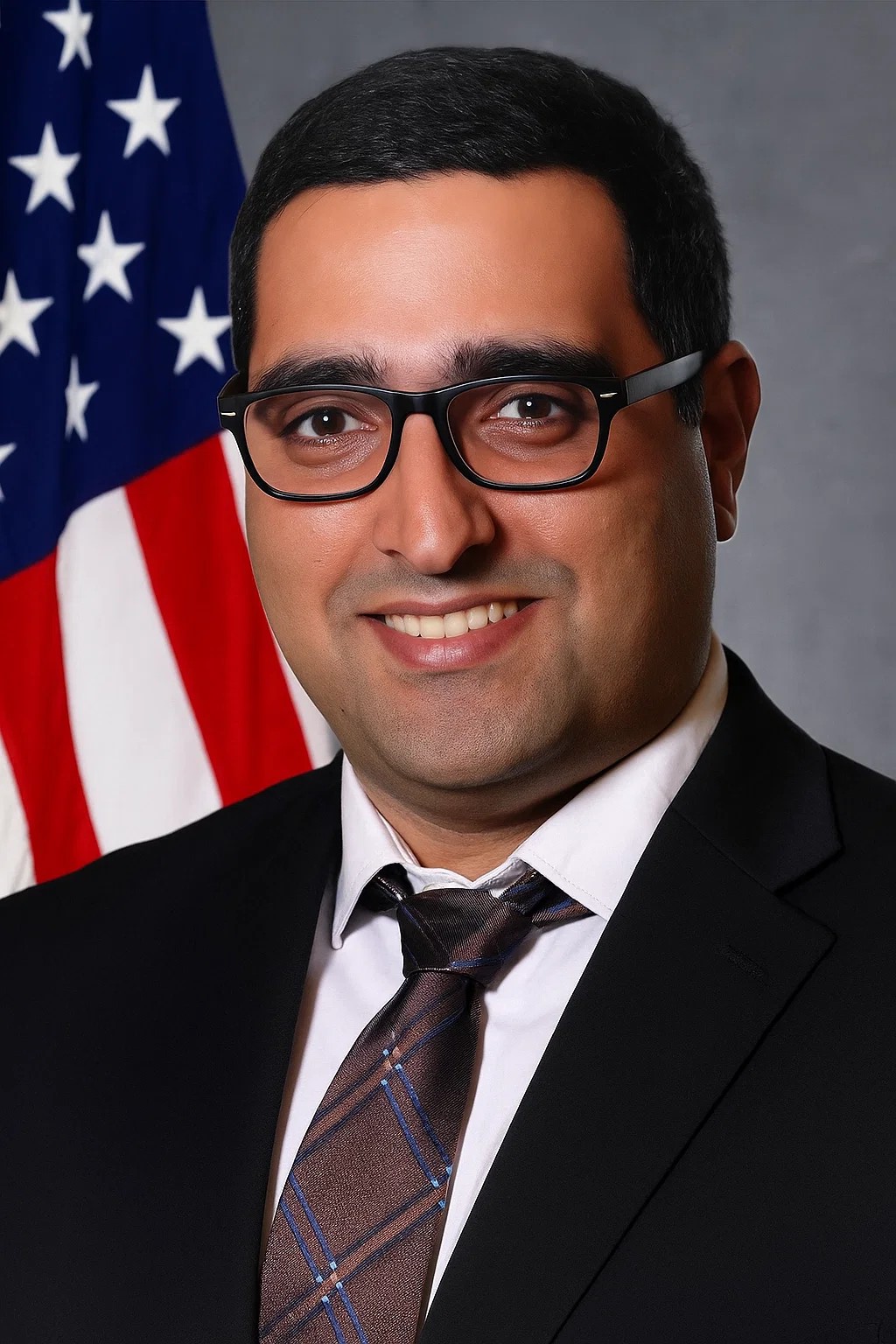
About the Author:
Amirreza Mehrabi is a researcher and educator specializing in artificial intelligence, adaptive learning systems, and engineering education. He is pursuing a dual degree: a Ph.D. in Engineering Education and a Master’s in Machine Learning and Artificial Intelligence in the School of Electrical and Computer Engineering at Purdue University. He has served as Head of the ASEE Chapter at Purdue. His research focuses on using optimization algorithms and deep learning models to enhance the way we learn and live. He is passionate about designing AI agents that personalize learning and mentor future innovators.
Want to participate in the competition?