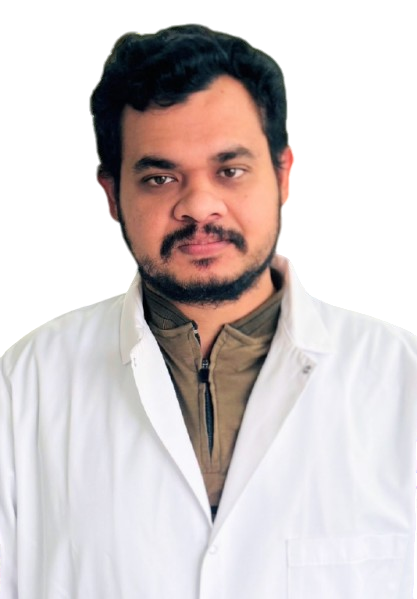
Mohammed Jakaria, PhD
Dr. Md Jakaria’s recent study, “Inhibition of Ferroptotic Toxicity by 4-Hydroxyindole” (DOI: 10.1021/acs.chemrestox.5c00313), conducted as part of his postdoctoral research in the Cannon Lab of Experimental and Translational Neurotoxicology, was featured on the front cover of Chemical Research in Toxicology, a leading journal published by the American Chemical Society. This work builds on his earlier publication in Cell Death Discovery, “The Role of Hydroxyindoles in Protecting Neuronal Cultures from Ferroptosis” (DOI: 10.1038/s41420-025-02608-4), and introduces a novel cell-free fluorometric assay capable of identifying radical-trapping antioxidant activity in potential anti-ferroptotic compounds, including 4-hydroxyindole. Beyond improving detection of antioxidant and possible pro-oxidant properties of toxicants, the study advances understanding of hydroxyindole chemistry and highlights 4-hydroxyindole as a promising neuroprotective candidate for further investigation, particularly in the context of Alzheimer’s disease.
Also!!! The Society of Toxicology (SOT)
has selected Dr. Md Jakaria for its prestigious RSESS Postdoctoral Excellence Award for 2025! CONGRATS, Mohammed!
Dr. Md Jakaria earned his Ph.D. in Neuroscience from the University of Melbourne, where his research investigated the molecular mechanisms underlying the development of Alzheimer’s disease. He also holds a Master of Science in Advanced Applied Life Sciences from Konkuk University in South Korea. He is currently a Postdoctoral Fellow in the School of Health Sciences and the Purdue Institute for Integrative Neuroscience, working under the mentorship of Dr. Jason Cannon. His research focuses on mechanistic neurotoxicology, examining how environmental toxicants drive neurotoxicity and contribute to neurodegenerative disorders such as Parkinson’s disease. Dr. Jakaria is an active member of the Society of Toxicology (SOT) and the American Society for Biochemistry and Molecular Biology (ASBMB). He also contributes to the scientific community as an editorial board member for BMC Pharmacology and Toxicology and an ad hoc reviewer for journals including Redox Biology, Journal of Neurochemistry, and Neurotoxicology. Looking ahead, Dr. Jakaria aims to pursue an academic career leading an independent research group focused on neurotoxicology and neurotherapeutics within a collaborative, multidisciplinary environment.
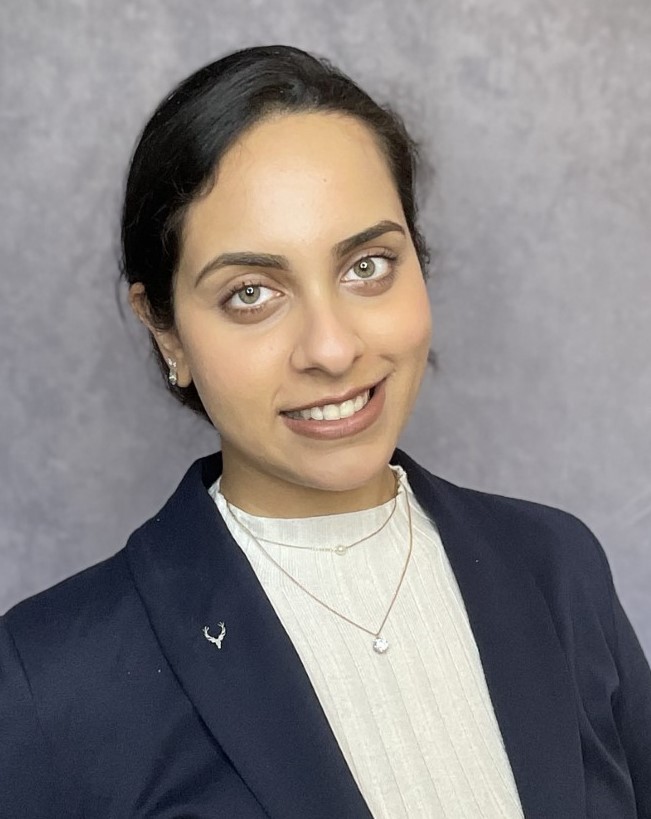
Radhika Bhaumik, PhD
Dr. Bhaumik was chosen as one of just twenty-five participants nationwide for a premier leadership development program for early-career PhDs. This prestigious 9-month program, the Torrey Pines Foundations of Leadership Program led by Sanford Burnham Prebys, begins in September 2025. Dr. Bhaumik will be sharing insights from this experience as the professional development speaker for the March 2026 Postdoc Power Session, focusing on core leadership concepts like personal assessment, understanding conflict, and effective communication.
Radhika Bhaumik earned her Ph.D. in Microbiology from Purdue University Indianapolis, where she studied the pathogenic mechanisms and biofilm forming strategies of Stenotrophomonas maltophilia, an emerging multidrug-resistant opportunistic pathogen. She is currently a Postdoctoral Researcher in the Department of Biological Sciences at Purdue University in Dr. Seema Mattoo’s lab, where her research focuses on how Fic-mediated regulation of the ER chaperone BiP influences protein homeostasis and cellular stress responses. Looking ahead, she aspires to transition into industry and contribute to drug discovery and translational research within a multidisciplinary, collaborative environment.
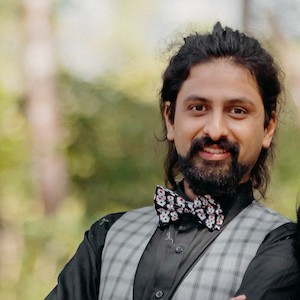
Sharath Tippur Narayana Iyengar, PhD
In July 2024, Sharath Tippur Narayana Iyengar co-authored a peer-reviewed publication titled “Identifying antibiotic-resistant strains via cell sorting and elastic-light-scatter phenotyping” in Applied Microbiology and Biotechnology (DOI: 10.1007/s00253-024-13232-0). This work, funded by the U.S. Department of Agriculture (USDA), introduces a novel, rapid, and label-free method for detecting antibiotic-resistant bacteria by combining single-cell sorting with elastic light scattering (ELS) technology. The significance of this achievement lies in addressing the urgent global challenge of antimicrobial resistance (AMR), offering a non-destructive and efficient alternative to conventional phenotypic and genotypic testing. This work has fostered various international collaborations and has been presented both orally, as posters, as tutorials, at ThermoFisher company meetings and multiple scientific conferences. Figures and detailed methodology can be viewed here.
Dr. Sharath Tippur Narayana Iyengar holds a Ph.D. in Biotechnology from the Royal Institute of Technology – KTH (Sweden), where his research focused on developing rapid, nucleic acid-based diagnostics for bacterial infections, integrating microfluidics, isotachophoresis, and molecular amplification techniques. During his PhD, as a Visiting Doctoral Researcher at the Institute of Microelectronics of Barcelona (Spain), he developed an early-stage point-of-care diagnostic product for sepsis, combining selective cell lysis and colorimetric bacterial detection, which led to a filed patent. His PhD work received a scholarship from the European Union (EU) Horizon 2020 research and innovation programme, specifically, under the Marie Skłodowska-Curie grant agreement No 675412, as part of the consortium for New Diagnostics for Infectious Diseases (ND4ID). He is currently a Postdoctoral Research Scholar at Purdue University in the Department of Basic Medical Sciences, working in Prof. Paul Robinson’s lab, focusing on rapid, label-free diagnostic tools for antimicrobial-resistant bacteria and cancer cells using microfluidics, spectral flow cytometry, immunoassays, spectroscopy and machine learning. His long-term career goal is to lead innovative R&D initiatives in point of care diagnostics, translating cutting-edge technologies into practical solutions that improve patient outcomes and public health.
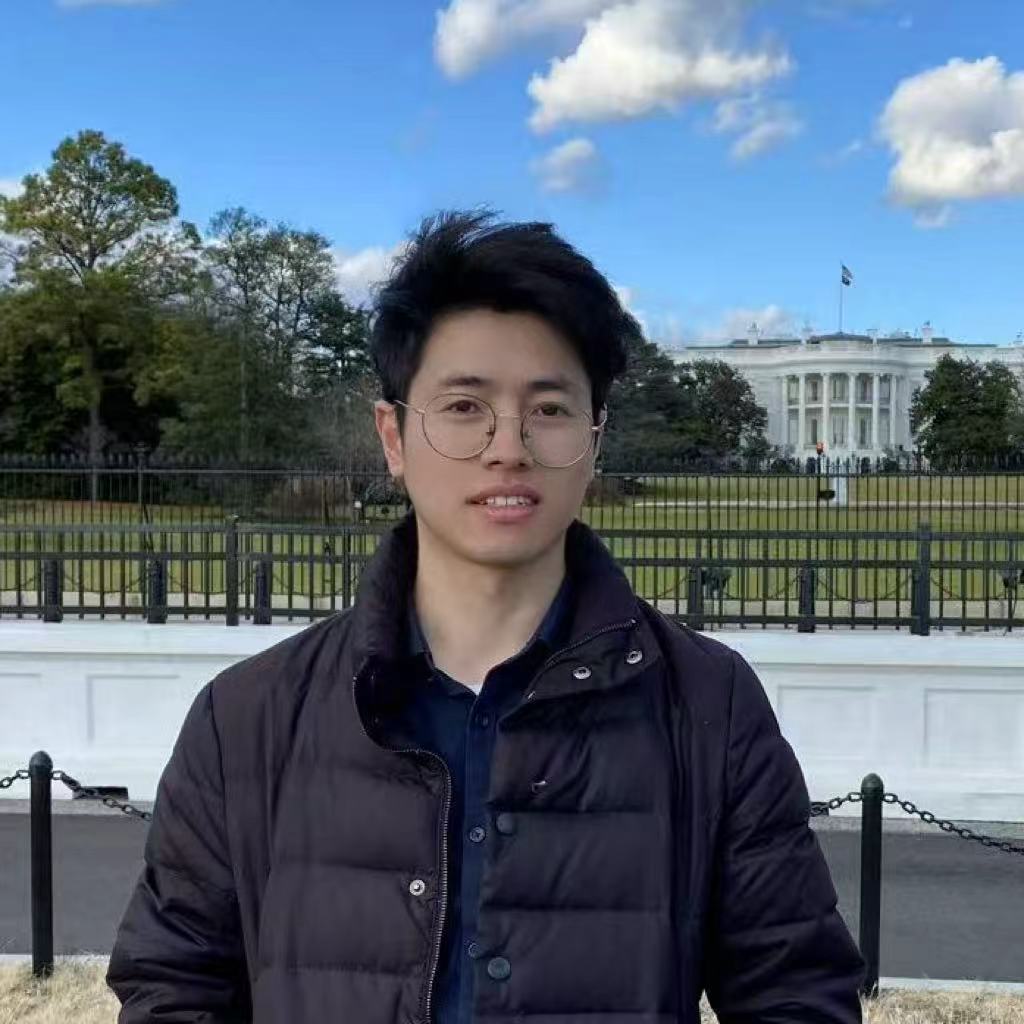
Shaohua Fang, PhD
Dr. Shaohua Fang has been awarded a grant from the Language Learning Early Career Research Grant Program, offered by Language Learning, one of the most prestigious journals in the field. The funded project, “Task Design Features and L2 Learners’ Truth-Value Judgments,” will run from May 1, 2025 to April 30, 2026, with a budget of $10,000 supporting experimental studies and undergraduate research assistant training. In collaboration with Dr. Elaine Francis (Professor of English and Linguistics), the project will validate and refine truth-value judgment tasks (TVJTs) by examining key design features. The goal is to strengthen the methodological rigor of TVJTs and advance research in second-language acquisition, language science, and cognitive science.
Shaohua Fang is currently a Ross-Lynn Postdoctoral Fellow in the Department of English at Purdue University. He earned his Ph.D. in Linguistics from the University of Pittsburgh. His research focuses on applied linguistics, second language acquisition, and psycholinguistics, with additional work examining how language models process language and on refining research methodologies. He is primarily affiliated with the Experimental Linguistics Lab directed by Dr. Elaine Francis. Looking ahead, he aspires to pursue a faculty position in academia, continuing his research while also expanding into teaching and mentoring.
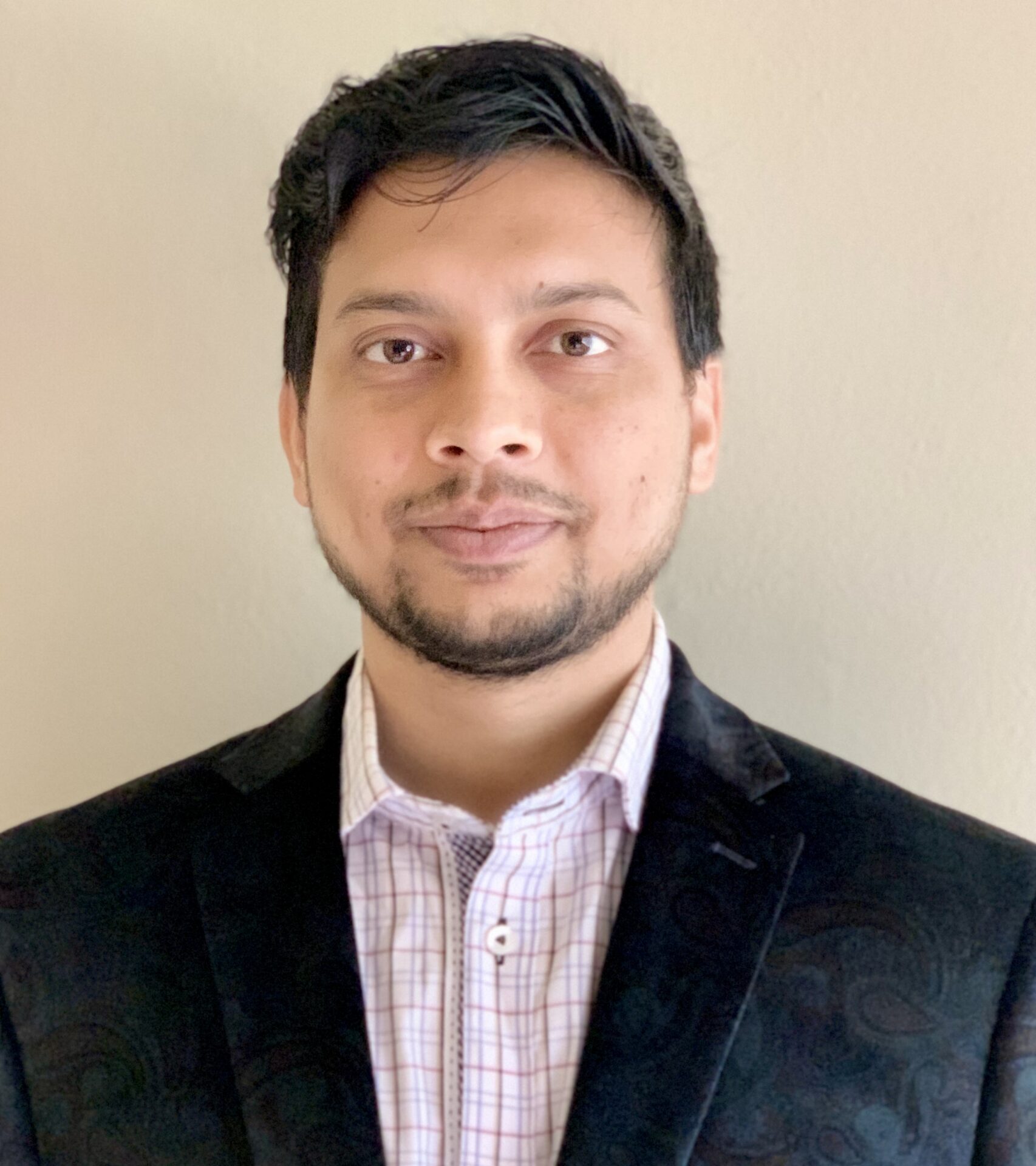
Md Masudur Rahman, PhD
Dr. Rahman has won the Best Paper Award at the Medical Image Understanding and Analysis (MIUA) 2025 conference, held from July 15 to 17 in Leeds, United Kingdom. The award, which includes a $400 prize, recognizes Dr. Rahman’s paper, “Knowledge-Driven Hypothesis Generation for Burn Diagnosis from Ultrasound with Vision-Language Model,” for its innovative approach to improving early burn severity assessment through AI-powered medical imaging tools. Recently, Dr. Rahman also received funding through the Health of the Forces Pilot Funding Program for a project titled “Accelerated Expertise: AI-Powered Diagnostic Pathways for Rapid Clinical Mastery of Burns.” His collaborators on this project are Dr. Juan Wachs, who holds the James H. and Barbara H. Greene Professorship in Industrial Engineering, and Dr. Aniket Bera, Associate Professor of Computer Science. This initiative is focused on translating AI insights into practical tools that support burn-injured service members, with the goal of improving both immediate treatment and long-term recovery outcomes.
Md Masudur Rahman is a Postdoctoral Researcher in the Edwardson School of Industrial Engineering at Purdue University, working in the lab of Dr. Juan P. Wachs. He earned his Ph.D. in Computer Science from Purdue in 2024. His research focuses on principled and interpretable methods, combined with adaptable capabilities that enable systems to generalize, reason, and act under uncertainty. He works at the intersection of reinforcement learning, foundation models (such as vision-language models), and embodied autonomy to address challenges in high-stakes domains, including surgical robotics, emergency medicine, and burn care. Dr. Rahman has authored over 25 peer-reviewed papers in leading venues spanning machine learning, robotics, and medical AI. He has also presented at workshops affiliated with NeurIPS, ICLR, and MICCAI. He is key personnel on externally funded projects supported by the NSF Robust Intelligence program and Purdue’s Health of the Forces initiative. In addition, he actively contributes to the broader research community by serving as a reviewer and program committee member for leading conferences and journals in machine learning, robotics, and biomedical imaging. Looking ahead, Dr. Rahman aims to lead a research program that advances principled and adaptable intelligent systems capable of transparent, robust, and reliable decision-making in complex, high-stakes environments.
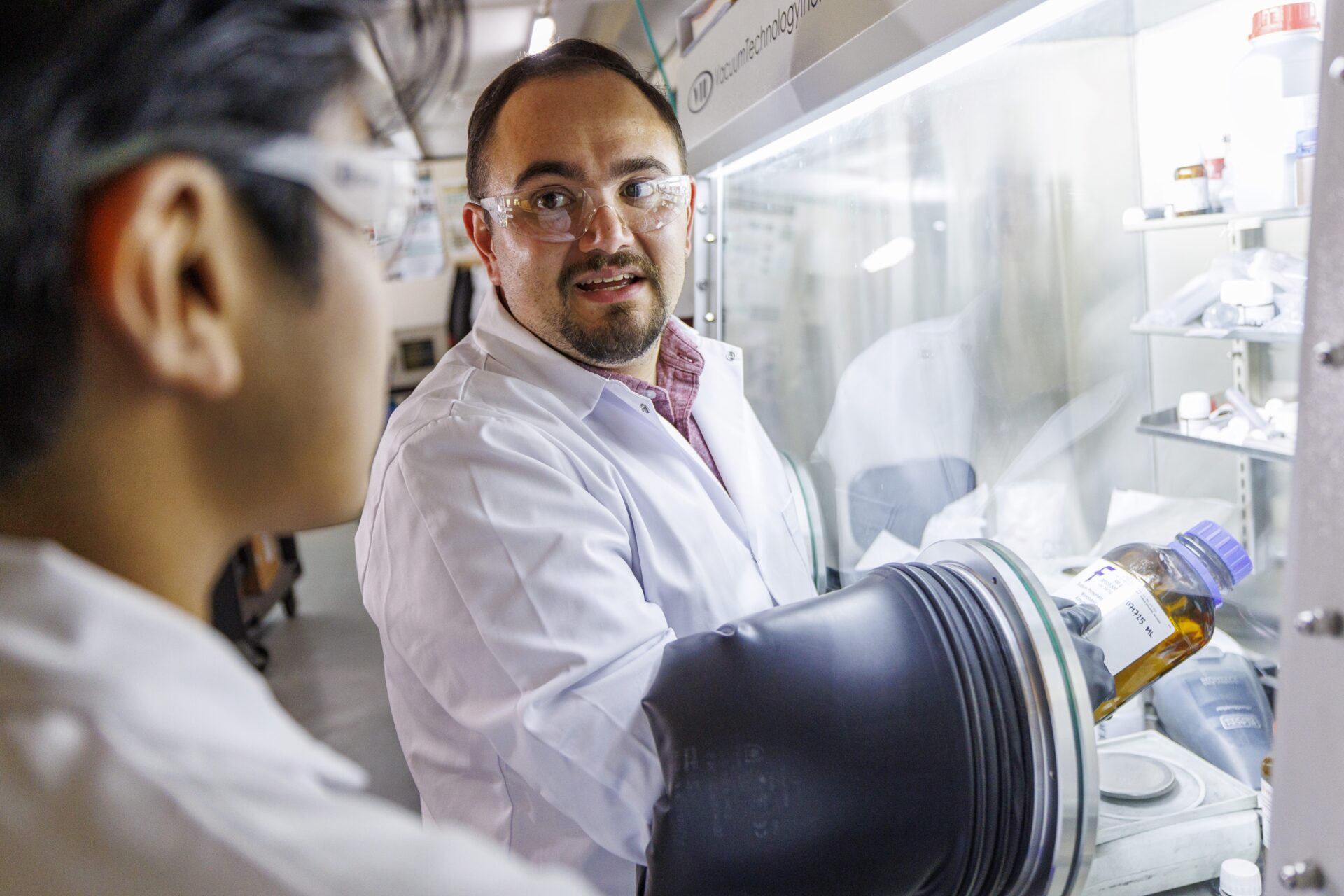
Brian Wyatt, PhD
Dr. Brian Wyatt was recently awarded the prestigious Maria Goeppert Mayer Fellowship at Argonne National Laboratory and published a first-author article in Science titled “Order-to-disorder transition due to entropy in layered and 2D carbides.” The fellowship is one of the most prestigious early-career researcher positions within the Department of Energy and provides the fellow independent support to pursue innovative research directions. Further, his Science publication advances understanding of entropy-driven disorder in layered carbides and their 2D derivatives, resolving longstanding debates and establishing new principles for tailoring stability in ceramics and two-dimensional materials.
Brian Wyatt received his PhD in Mechanical Engineering from Purdue University, where his research focused on the high-temperature behavior of 2D carbides known as MXenes as a National Defense Science & Engineering Graduate (NDSEG) Fellow. He is currently a postdoctoral researcher in the School of Materials Engineering at Purdue University in the laboratory of Dr. Babak Anasori, where he investigates the chemical design of MXenes for stability and performance in extreme environments. After his position at Purdue, he will join Argonne National Laboratory as a Maria Goeppert Mayer fellow, where he will lead his own research on the design of MXenes as stable, high performance materials in harsh energy-related conditions. His long-term career goal is to lead a research program at Argonne National Laboratory that advances the application-based design of 2D and layered materials for clean energy and extreme-condition viable technologies.

Nikhila T Suresh, PhD
Dr. Suresh was chosen as one of just three Purdue postdocs and seven awardees overall in the 2025 Indiana CTSI Postdoc Challenge. This highly competitive program drew record participation, with 113 registered postdocs across eight grant-writing workshops, 31 shortlisted applications, and 31 peer reviewers engaged in an NIH-style review session. Dr. Suresh’s proposal, “TLR7a immunotherapy in Multiple Myeloma,” was awarded $5,000 in pilot funding to advance translational research through Indiana CTSI core facilities. This recognition reflects both the scientific impact of her project and successful engagement with the challenge’s unique peer-to-peer grant writing, review, and presentation process. The Indiana Clinical and Translational Sciences Institute (CTSI) Postdoc Challenge is nationally recognized as a model for building leadership and scientific communication skills in early-career researchers.
Nikhila earned her Ph.D. in Computer Science from Amrita Vishwa Vidyapeetham, India, where she investigated the topological importance of hub nodes in the protein interaction network associated with comorbid diseases, an emerging drug-repurposing opportunistic area of study. She is currently a Postdoctoral Research Associate in the Department of Comparative Pathobiology at Purdue University in Dr. Ratliff L. Timothy’s lab, where her work focuses on transcriptomic analyses of multiple myeloma, and benign prostatic hyperplasia (BPH) to improve the immunotherapeutic options. Looking forward, Dr. Suresh aims to build on this experience to advance translational immunotherapy research and contribute to innovation in drug discovery and biomedical science.
Contact Information
Postdoctoral Affairs
The division of Postdoctoral Affairs is located within the Office of the Vice Provost for Graduate Students and Postdoctoral Scholars (OGSPS). Our physical office is on the first floor in Young Hall (YONG).
Physical/mailing address:
Young Hall, Room 160. 155 Grant Street
West Lafayette, IN 47907-21147
Email address: postdoc-affairs@purdue.edu
Phone number: (765) 494-2600