ESE Student Profiles
Ecological Sciences and Engineering
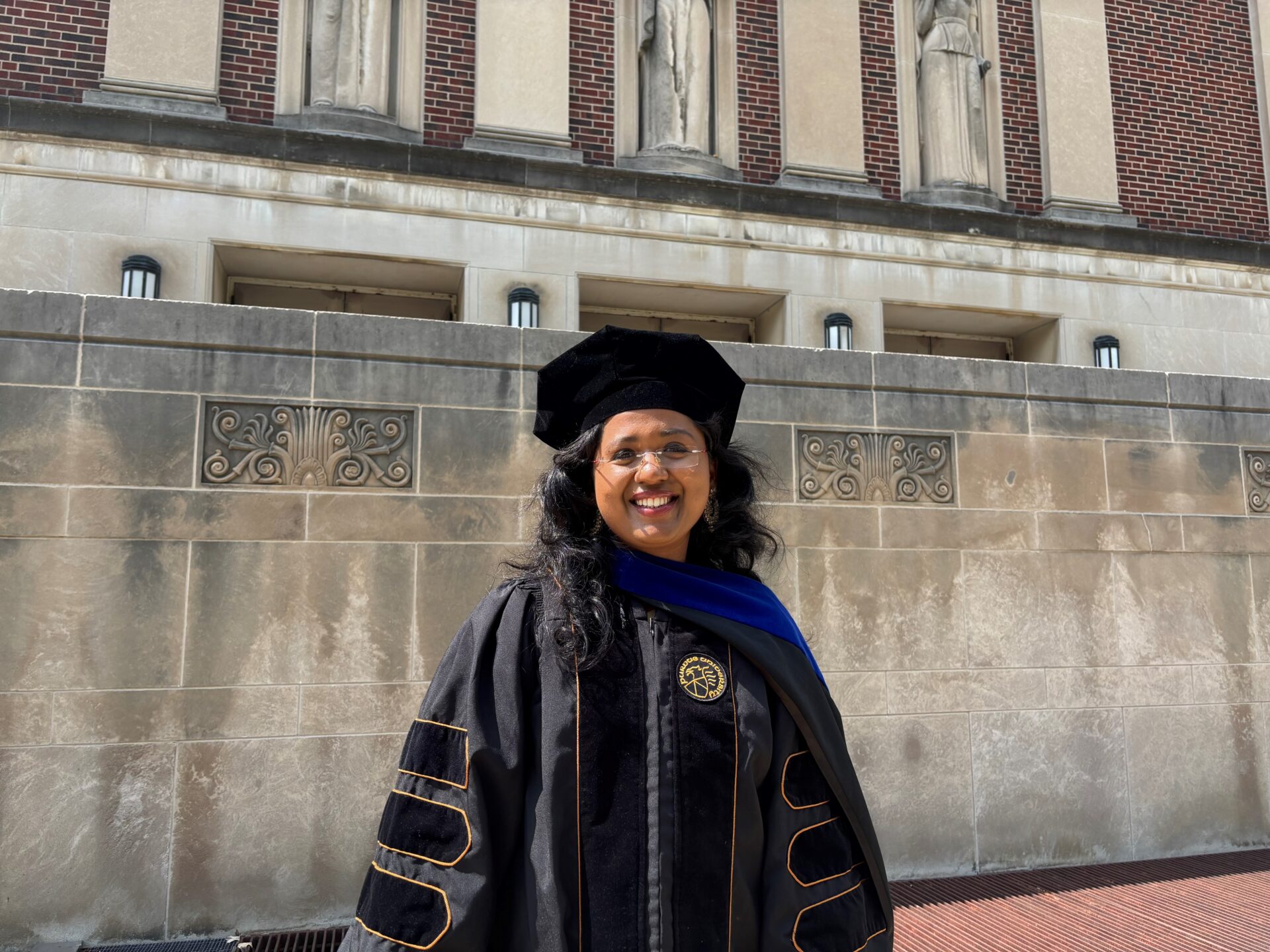
Home Department: Horticulture and Landscape Architecture
Mentor and Lab: Dr. Aaron Thompson
Research Area / Project: Social-ecological memory and adaptive decision-making in the Midwestern Agriculture
Website: Lab Website
More than any single moment of inspiration, it was the course of my educational journey that led me to pursue my current field of study – natural resources social science. I began with a bachelor’s degree in civil engineering, where during field surveys I often found myself thinking beyond equations, measurements, and material tests. Conversations with local communities revealed that the real-world challenges we face are as much social as they are technical. This realization sparked my interest in understanding how human and environmental systems interact and motivated me to build the knowledge needed to bridge those domains.
To pursue this integration further, I completed a master’s in sociology. Over time, I came to see how these two worlds, engineering and social science, intersect: one concerned with the design of infrastructures and environments, and the other with the social dimensions of how people live with, adapt to, and shape them. Yet, I also realized that while I had gained knowledge, I lacked the applied skills to work effectively at this intersection. That realization prompted me to pursue a PhD.
Through my doctoral research and coursework as an I-ESE student, I have developed skills in stakeholder engagement and gained a deeper understanding of how complex social–ecological systems function across social, economic, and political dimensions.
My research focuses on understanding how social–ecological memory shapes decision-making in agriculture, with a regional focus on the U.S. Midwest. I study how experiences of past extreme weather events are remembered, shared, and used to guide present and future actions. As part of this work, I interview farmers and walk across their farms to document family stories, observe memory carriers in the landscape, and understand how lived experiences shape adaptive choices. By examining how these memories are transmitted across generations, I aim to uncover the collective processes that strengthen or weaken adaptive capacity. Although regionally grounded, the research design and insights can inform memory-centered studies in other agricultural regions as well.
At the disciplinary level, my work contributes to decision-making science within natural resources social science. It highlights memory as a critical, yet often overlooked, component of adaptive decision-making. It will also help guide the design of Extension communication, focused on weather challenges and adaptation, drawing on local stories and lived experiences.
At the community level, the research findings will help illuminate where and why the transmission of memory continues or breaks down. This understanding will help identify gaps that limit collective learning and long-term resilience. In doing so, I aim to support agricultural communities in preserving and mobilizing their lived experiences as valuable knowledge for navigating future uncertainties.
Ultimately, I want my research to demonstrate the value of preserving memory because we can only learn from history if we remember its lessons and transmit them forward.
After graduation, I will continue deepening my work on social–ecological memory by exploring how it operates across different agricultural landscapes and cultural contexts. I am particularly interested in collaborating with museums and community organizations to design interactive spaces where local histories, ecological knowledge, and lived experiences can be shared and reflected upon. Such spaces, I believe, can serve as powerful tools for public engagement and collective learning.
Academically, I envision establishing my own research lab dedicated to studying memory within complex social–ecological systems. Through this work, I hope to cultivate an interdisciplinary community of scholars and practitioners who explore how memory – individual, collective, and cultural – can inform resilient futures.
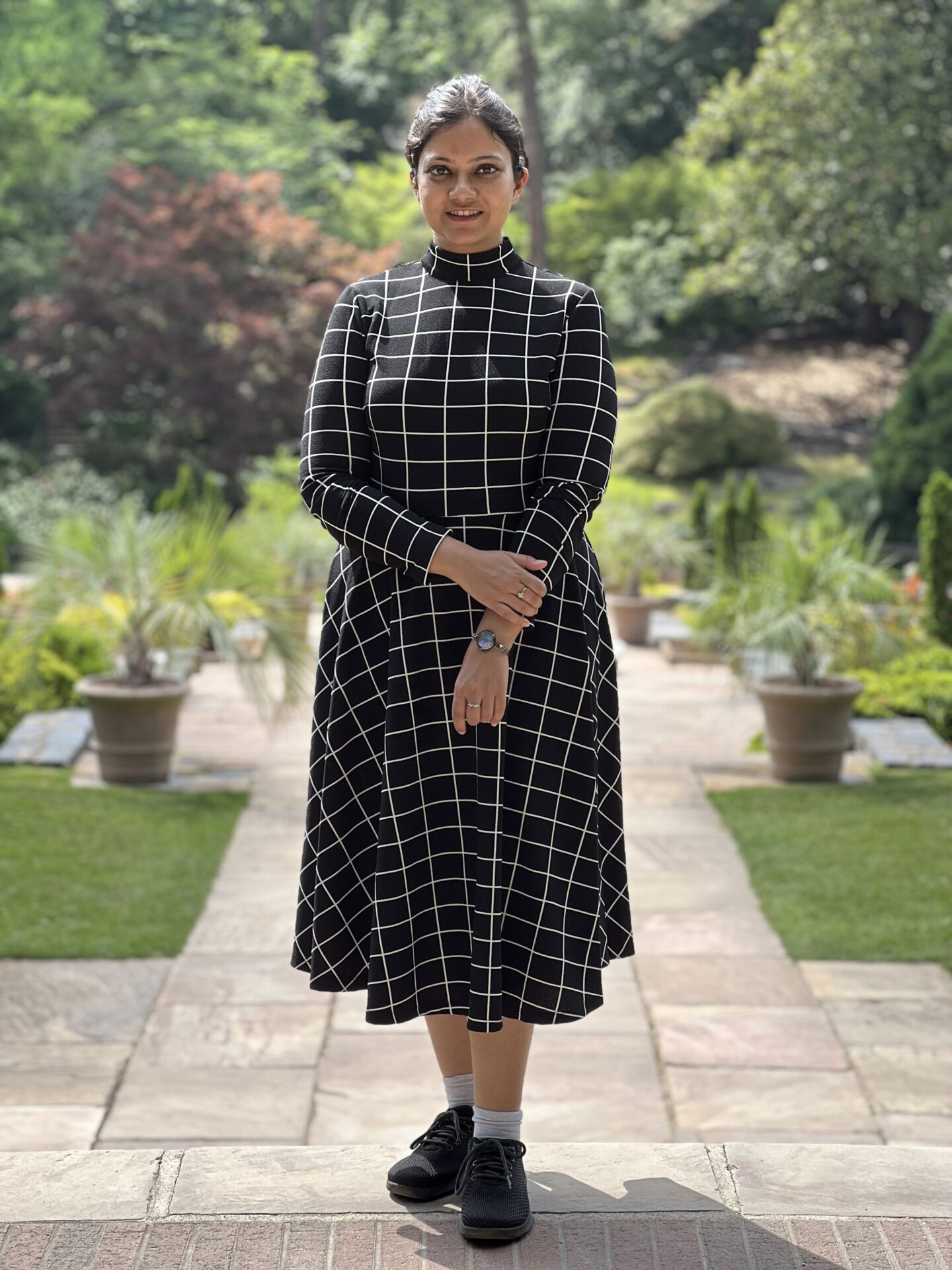
Home Department: Agronomy
Mentor and Lab: Dr. Laura Bowling
Specific Research Area / Project: Wetlands, hydrology, and frog communities
Website: Lab Website
I’ve always had a deep love for the environment, animals, and the natural world. Even growing up, I was curious about everything such as how ecosystems work, how soil supports life, how animals live and survive, and where our food comes from. That curiosity stayed with me and grew into a real passion for understanding nature on a deeper level. Studying in this field gives me the chance to explore those questions while also working toward protecting the places and species that matter to me.
My goal is for my work to bridge science and real-world action. By studying wetlands, hydrology, and frog communities, I hope to support better conservation decisions especially in areas under-studied. I want my research to contribute to more informed management strategies, help protect vulnerable ecosystems, and make environmental science more accessible to the communities connected to these landscapes.
After graduation, I hope to work as an environmental scientist who understands and contributes to all aspects of the environment from wetlands and wildlife to soil, water, and land management. I’m interested in careers in environmental consulting, conservation planning, or applied ecological research where I can use my interdisciplinary skills to solve real-world problems.
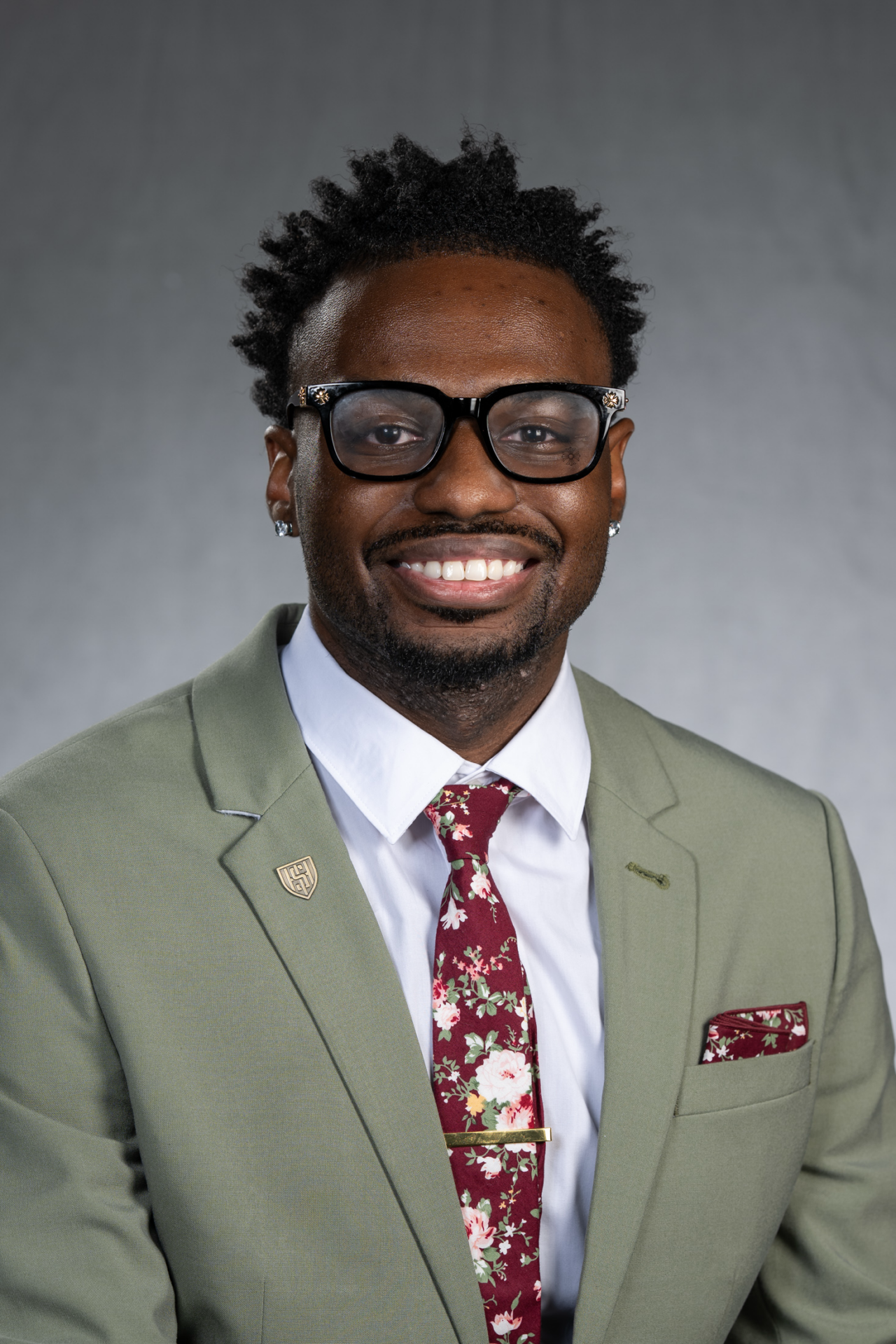
Home Department: Forestry and Natural Resources
Mentor and Lab: Dr. Bryan C. Pijanowski
Specific Research Area / Project: Integrating satellite and passive acoustic remote sensing to assess biodiversity across major biomes, with a primary focus on mangrove ecosystems. Develop a framework to characterize plant and animal relationships by creating new acoustic methods to quantify vocalizing species, and new remote sensing approaches to map vegetation structure and plant diversity. With a to conduct a data driven global analysis to link tree diversity and ecosystem structure with vocal species patterns and soundscapes across biomes.
Website: Lab Website
During my undergraduate years I visited many forests. Each visit made me feel close to nature. I felt calm among the trees and animals, and I paid attention to every small sound. I heard birds calling at dawn and at dusk. I heard insects buzzing after dark. This feeling became strongest in the mangrove when we stayed for a long time on a small ship in the Bay of Bengal. We had no phone or internet, so my mind was quiet. Each morning I watched the sun rise over the wide bay and spread light across the many winding water channels. In the evening I watched the sky turn soft colors as the sun went down. I saw layers of green in the treetops and the slow movement of water around the roots. At night the insect sounds seemed to bounce across the water and the leaves. I simply listened. I noticed how a light wind changed the sounds in the canopy and how a distant boat slowly entered the scene with its low background noise. Moment by moment I felt the place through my ears as much as through my eyes. Those days taught me to slow down, to listen with care, and to feel how sound and forest belong together. Later, when I started working with Dr. Pijanowski in the same mangrove on sound, everything changed. That was a real turning point. I could observe the sound world very closely, and I began to understand it as part of the ecosystem. It was beautiful to see how the morning slowly fills with calls, how a distant engine can break the calm, and how wind moves through leaves and shifts what we can hear. Those hours taught me to listen with care and to ask how plants and animals live together through sound. That curiosity, interest, and growing passion led me to pursue higher study, and I came to Purdue to learn how to measure what I was hearing.
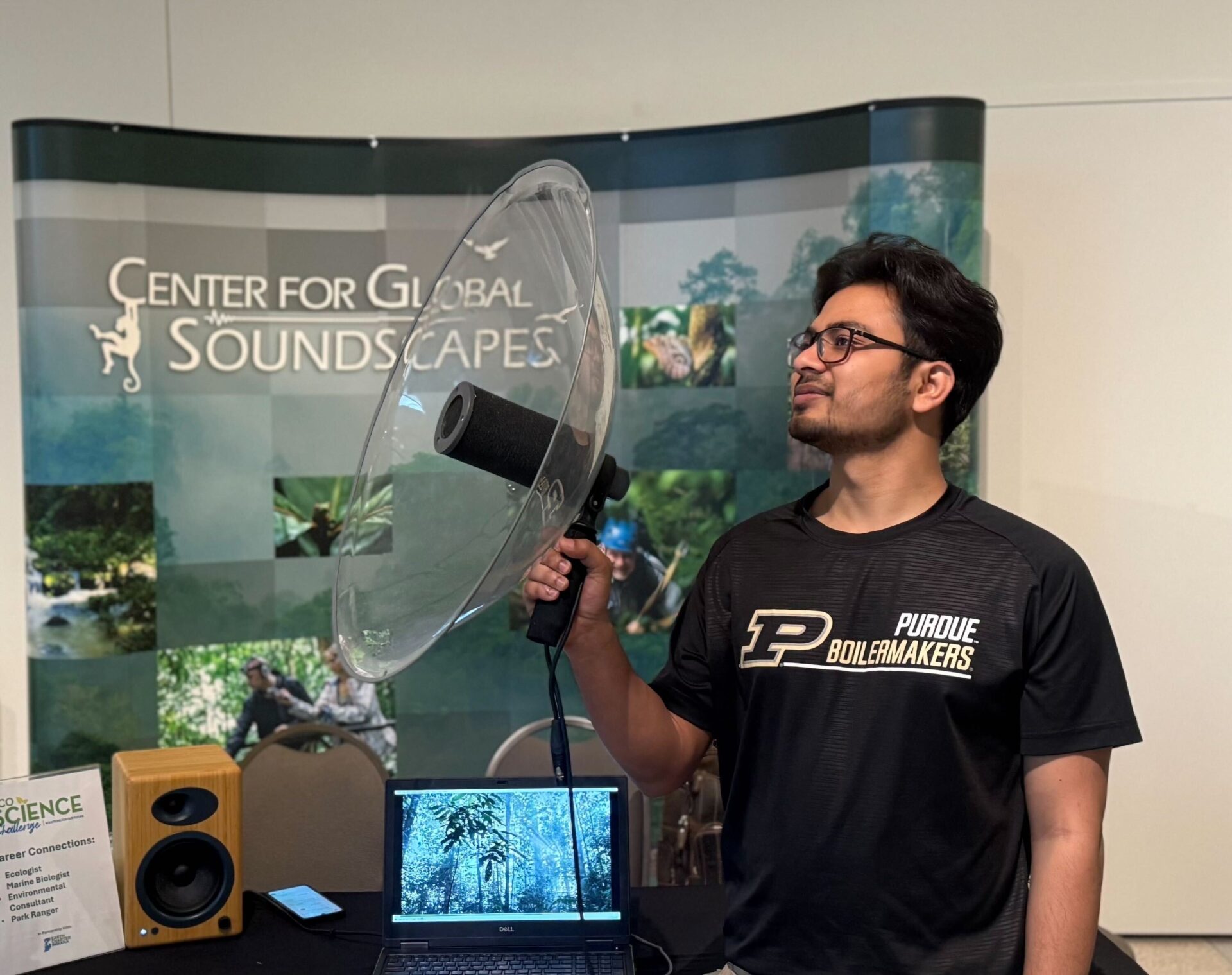
Here I am now, turning careful listening into clear science. In my research I bring listening together with simple, strong measurements on the ground and from above. I use passive acoustic recorders to listen across days and seasons, and I study patterns of animal sound, the sound of wind and rain, and the noise from people and boats. I combine these recordings with satellite views of the forest, such as how tall or open the canopy is and how green or stressed the plants are, and I add field surveys so I know which species and structures are present. By joining these views, I can follow how sound moves across structures, how seasons change who is active, and how human noise travels along channels and roads. I look for patterns that are easy to explain. My work aims to give both scientists and local communities a clearer understanding of how forests function by bringing together acoustic recordings, satellite data, and field measurements into one simple system.
After graduation, my goal is to become a forest ecologist who studies both what a forest looks like and what a forest sounds like. I want to contribute to the scientific community by developing conceptual frameworks and methods that combine acoustic recordings with satellite views so that habitat health can be understood in a clear and reliable way. By creating approaches that link sound patterns with habitat structure, I hope to support conservation efforts, detect ecosystem changes earlier, and give both scientists and communities a stronger understanding of how forests are changing.
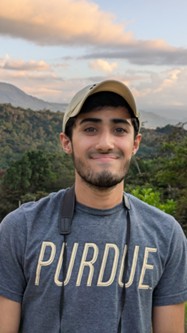
Home Department: Horticulture and Landscape Architecture
Mentor and Lab: Dr. Lori Hoagland
Specific Research Area / Project: Microbial ecology and my project focuses on the seed-transmitted microbes in tomato seeds and their implication for plant health and adaptation to stress conditions.
Website: Lab Website
I am fascinated by the close associations between plants and microbes. As a teenager, I was amazed to learn that orchid seeds, my favorite flowers and very abundant in my home country, Colombia, cannot germinate in the wild without help from certain fungi known as mycorrhiza. During my undergraduate studies, I was first introduced to research focused on developing agricultural solutions based on beneficial microbes. That experience revealed to me a strong sense of purpose within plant microbiology. Later, I had the good fortune to join Dr. Hoagland’s lab, where I found the perfect environment to deepen my understanding of this field and gain the skills needed to advance it further.
My current research focuses on microbes found inside tomato seeds and how they may influence different genotypes’ responses to pathogens. I have observed intriguing patterns suggesting that domestication might have reduced the amount of bacteria transmitted through seeds, many of which could enhance plant disease resistance. This approach could provide new insights into what has been lost during tomato breeding and how we might reintegrate beneficial seed microbes to improve plant health.
I plan to continue working in plant microbiology. Choosing between industry and academia is a tough decision, since both sectors are driving remarkable discoveries and innovations. I would like to gain experience in industry before deciding on a long-term path—or perhaps find a way to combine both worlds.