Category: Seasonal Information

Ornamental Grass Named Perennial of the Year for 2001

The Perennial Plant Association has selected Feather Reed Grass, cultivar Karl Foerster, as the 2001 Perennial Plant of the Year. Feather reed grass is an outstanding plant for the garden and landscape as a specimen plant or in mass plantings. Karl Foerster, in particular, is quite versatile given its compact habit. Known botanically as Calamagrostis x acutiflora, the species feather reed grass grows 4-5 feet tall with feathery plumes appearing in early summer. The cultivar…Read more about Ornamental Grass Named Perennial of the Year for 2001[Read More]

The Mystery of Mistletoe

Most folks think of mistletoe as an excuse for smooching around the holiday, and today, there probably aren’t too many people who have actually seen anything but plastic mistletoe! But, in fact, there is a real plant that is the true mistletoe. Well, actually, several types of mistletoe exist, including American Mistletoe and European Mistletoe. These two are different, but related, species of parasitic shrubs. Both have small, leathery leaves and translucent, white berries. American…Read more about The Mystery of Mistletoe[Read More]


Wood Ash in the Garden

Wood stoves and fireplaces are great for warming gardeners’ chilly hands and feet, but what are we to do with the resulting ashes? Many gardening books advise throwing these ashes in the garden. Wood ash does have fertilizer value, the amount varying somewhat with the species of wood being used. Generally, wood ash contains less than 10 percent potash, 1 percent phosphate and trace amounts of micro-nutrients such as iron, manganese, boron, copper and zinc….Read more about Wood Ash in the Garden[Read More]


Hibernation for Roses

Most gardeners don’t think about burying their roses, but that’s essentially what they should do to protect them from winter’s extremes. Similar to hibernation in animals, roses and other woody plants go through a dormant (rest) period in the winter. The first step to winterizing roses is to keep them healthy through the growing season. Gardeners should protect roses from insect and disease damage and maintain adequate fertility and moisture. After several killing freezes in…Read more about Hibernation for Roses[Read More]


Saving Seeds From the Garden

Collecting seeds from garden plants to plant next year may seem like a good way to save money, but you may be in for a surprise. Some seeds can be saved from year to year with good results, particularly the old-fashioned cultivars. But modern hybrid cultivars rarely breed true from collected seed. To get that disease-resistant tomato or frilly double petunia, two or more plants with desirable characteristics were crossbred. The seed from these hybrid…Read more about Saving Seeds From the Garden[Read More]


Fall Ideal for Planting Trees

Because spring is the time for new growth, most people think of planting trees and shrubs then. But cool temperatures and adequate rainfall make fall a good time to plant as well. The soil may be warmer and less damp than in the spring, and you may have more time to get the job done in fall. Fall-planted stock does demand extra attention. Plants may not have enough time to establish a good root system…Read more about Fall Ideal for Planting Trees[Read More]


Growing Trees from Seed

Many trees can be grown from seed that is collected in your own backyard, but you should be prepared for what lies ahead. Plants may not come true from seed, so don’t be too disappointed if the new plants are not what you expected. In addition, many woody plant seeds require special treatment before they can germinate and grow new plants. Many of our modern ornamental and fruit trees must be propagated by means other…Read more about Growing Trees from Seed[Read More]


All America Winners for 2001

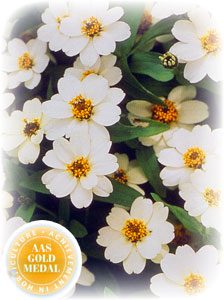
Nine new garden plants have been awarded the prestigious honor of being an All America Selection (AAS) for the year 2001. These new cultivars have been judged as superior in their class based on their performance in test gardens all over the country. For the flower garden, the first award winner is Zinnia “Profusion White,” a daisy-like, white zinnia with good resistance to powdery mildew. The sun-loving plants spread 12-24 inches and are loaded with…Read more about All America Winners for 2001[Read More]


Doing Battle With Weeds

No matter whether the weather is cool or hot, wet or dry, gardeners must do battle with weeds. By definition, a weed is any plant that grows where it is not wanted. Despite having a number of weapons to conduct this battle, the weeds seem to win as least as often as we do! The best weapons for the home garden and landscape include tools, such as the hoe and rototiller. There are quite a…Read more about Doing Battle With Weeds[Read More]


Transplanting in Summer Not the Best

Today’s mobile society often lands gardeners in the predicament of moving away from their beloved gardens at a time of year that is less than ideal for transplanting. Devoted gardeners just hate the thought of leaving all of their beautiful flowers behind. Ideally, the time to move most perennials is either spring or early fall. The hot, generally dry weather of summer is about the worst time of year to move any plant. But, sometimes,…Read more about Transplanting in Summer Not the Best[Read More]


Page last modified: February 10, 2017

Indiana Yard and Garden – Purdue Consumer Horticulture - Horticulture & Landscape Architecture, 625 Agriculture Mall, West Lafayette, IN 47907

© 2026 Purdue UniversityAn equal access/equal opportunity universityCopyright ComplaintsMaintained by Indiana Yard and Garden – Purdue Consumer Horticulture

If you have trouble accessing this page because of a disability, please contact Indiana Yard and Garden – Purdue Consumer Horticulture at homehort@purdue.eduAccessibility Resources