Category: Summer

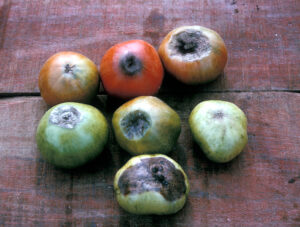
Blossom-End Rot Frustrates Tomato Growers

Eager tomato growers, having lovingly nurtured their plants, anxiously await their ripe gems. But alas, a black, leathery spot appears at the base of the fruit. Blossom end-rot is thankfully not an infectious disease, but rather a frustrating disorder of the fruit. The black scar tissue is thought to be caused by a deficiency of calcium in the developing fruit. In most cases, blossom end-rot is brought on by extreme fluctuations in soil moisture. And…Read more about Blossom-End Rot Frustrates Tomato Growers[Read More]

August Garden Calendar

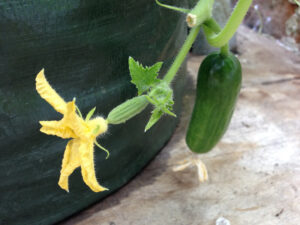
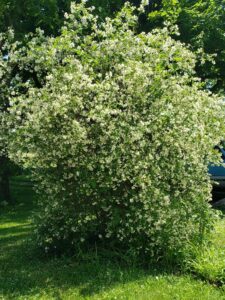
HOME (Indoor plants and activities) Take cuttings from annual garden plants such as impatiens, coleus, geraniums and wax begonias to overwinter indoors. Root the cuttings in media such as moist vermiculite, perlite, peat moss or potting soil, rather than water. Order spring-flowering bulbs for fall planting. Cut flowers from the garden to bring a little color indoors, or dry for everlasting arrangements. YARD (Lawns, woody ornamentals and fruits) Check trees and shrubs that have been…Read more about August Garden Calendar[Read More]


Cucumbers Bitter During Hot, Dry Weather

If you’ve noticed that your cucumbers are a little (or a lot) bitter lately, don’t give up hope. A little water, mulch and patience will provide relief. Most cucumber plants contain a bitter compound called cucurbitacin, which can be present in the fruit as well as the foliage. Bitterness in cucumbers tends to be more prominent when plants are under stress from low moisture, high temperatures or poor nutrition. Although most areas of the state…Read more about Cucumbers Bitter During Hot, Dry Weather[Read More]


Mock orange stumps knowledgeable pair

  Q: My mother taught me everything there is to know about plants and trees and how to take care of them properly. She is a walking encyclopedia of the outdoors. While visiting her yesterday I saw a flowering bush in her yard. Normally, if one of us doesn’t know what a flower is, the other one will. We are stumped. The bush in question has a very lilac look to it. Multiple, thick, sturdy…Read more about Mock orange stumps knowledgeable pair[Read More]


July Garden Calendar

HOME (Houseplants and indoor activities) Closely watch houseplants that have been set outdoors. They need more water than they did indoors. They can dry out rapidly in hot, summer breezes. Propagate houseplants by taking cuttings from vigorously growing plants. Place the cut end in rooting media (such as perlite, vermiculite, or peat moss soil mix). Enclose in plastic and keep out of direct sunlight. YARD (Lawns, woody ornamentals, and fruits) Keep newly established plants watered…Read more about July Garden Calendar[Read More]


Watering the Garden Just Right

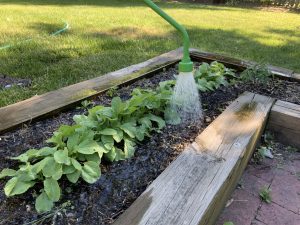
Although recent rains have relieved some gardeners from their watering chores, the respite is sure to be temporary. Seasonal thunderstorms may deluge some gardens with water while other areas, even those close by, may stay fairly dry. Most garden plants will need 1-1.5 inches of water per week to maintain healthy leaves, flowers and fruit. When Mother Nature does not provide enough, it’s up to the gardener to supply the rest. Not too little, not…Read more about Watering the Garden Just Right[Read More]


Trumpet creeper is no shrinking violet

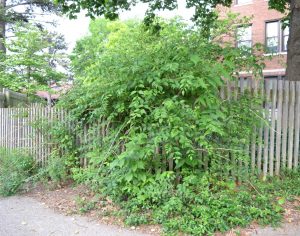
Q: I have a trumpet creeper that is more than 5 years old. It is planted at the front of our house which faces east. The vine grows rather hardy but never enormous, as the material I’ve read about this vine indicates. I am wondering whether to move it or just destroy it. Since I’ve researched it and learned that it can be very invasive, I’m wondering if I should just get rid of it….Read more about Trumpet creeper is no shrinking violet[Read More]


June Garden Calendar

HOME (Houseplants and indoor activities) Indoor plants will require more frequent watering and fertilizing as they increase their summer growth. You can move houseplants outdoors to a shady location, but pay close attention to their watering needs. Cut garden flowers for indoor beauty. Recut the stems again just before placing in water. Add a floral preservative, and change the solution frequently. Root cuttings of houseplants and garden plants to increase your collection or share with…Read more about June Garden Calendar[Read More]


Native Shrubs For Fall Color

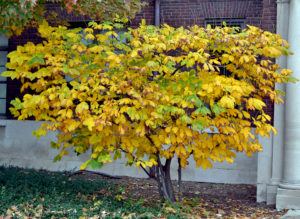
                    If you’re looking to add native shrubs to your home landscape, fall is an excellent time to look for those with good fall color. While many factors affect the display of fall color, there are a number of native shrub species that perform reliably in our area. Here’s a short list to consider, including their mature height as well as flowers and fall color. Most…Read more about Native Shrubs For Fall Color[Read More]


Her ‘Sensation’ lilac looks different this year. Enjoy!

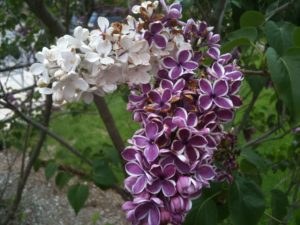
Q: I have had a ‘Sensation’ lilac for several years. It has always produced lovely pinkish purple flowers edged in white. But this year it produced a few odd clusters that had only pale pink flowers. What causes this to happen? Should I prune off the odd branches? A: Many horticultural cultivars of plants, particularly those with interesting color variegation, begin as genetic mutations (sometimes called sports) of the species. If the sport with the…Read more about Her ‘Sensation’ lilac looks different this year. Enjoy![Read More]


Page last modified: August 15, 2019

Indiana Yard and Garden – Purdue Consumer Horticulture - Horticulture & Landscape Architecture, 625 Agriculture Mall, West Lafayette, IN 47907

© 2026 Purdue UniversityAn equal access/equal opportunity universityCopyright ComplaintsMaintained by Indiana Yard and Garden – Purdue Consumer Horticulture

If you have trouble accessing this page because of a disability, please contact Indiana Yard and Garden – Purdue Consumer Horticulture at homehort@purdue.eduAccessibility Resources