Category: Plants

Mystery leaf identified!

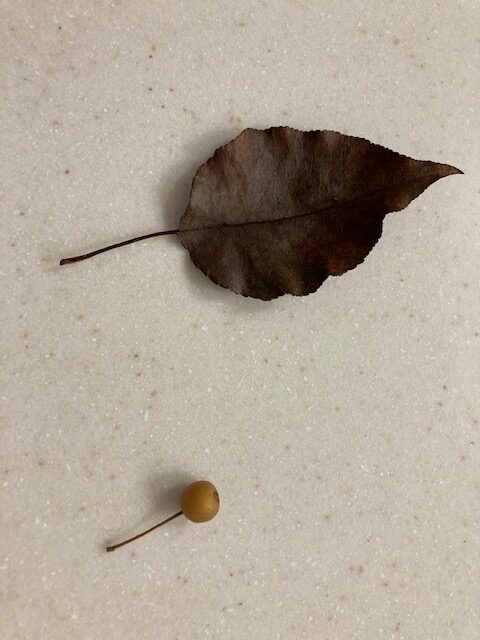
Callery pear leaf and fruit. Q: I would like identification of the two leaf samples enclosed. I think the photo showing just a leaf is a sweetbay magnolia. The other I don’t know. It has some sort of fruit on it and a sample is next to the leaf. Thank you so much! – G.H., Columbus, Indiana A: The photo showing the leaf with a fruit is Callery pear (sometimes called ornamental pear). They used…Read more about Mystery leaf identified![Read More]

 Categories:

December Garden Calendar

HOME (Indoor plants and activities) Check houseplant leaves for brown, dry edges, which indicates too little relative humidity in the house. Increase humidity by running a humidifier, grouping plants or using pebble trays. Extend the lives of holiday plants such as poinsettias and Christmas cactus by placing them in a cool, brightly lit area that is free from warm or cold drafts. Houseplants may not receive adequate light because days are short and gloomy. Move…Read more about December Garden Calendar[Read More]


November Garden Calendar

HOME (Indoor plants and activities) As houseplant growth slows, apply less fertilizer and water. If plants are dropping many leaves, move them closer to sunny exposures, such as west- and south-facing windows. Artificial lights may be needed to supplement particularly dark rooms. Pot spring-flowering bulbs with tips exposed to force into bloom indoors. Moisten soil and refrigerate 10 to 13 weeks. Transfer to a cool, sunny location, and allow an additional three to four weeks…Read more about November Garden Calendar[Read More]


Shining a light on why potatoes turn green

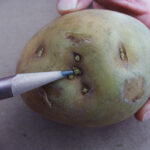
Potato tubers turn green when exposed to light. Whether store-bought or homegrown, potatoes will turn green when they are exposed to light. Most folks know that they shouldn’t eat potatoes that have turned green, or should at least cut away the affected portion. But it’s not actually the green color that is the problem. The green color comes from the pigment chlorophyll, produced as a response to light. The potato tuber that we eat is…Read more about Shining a light on why potatoes turn green[Read More]

 Categories:

Bees, butterflies like turtlehead flowers

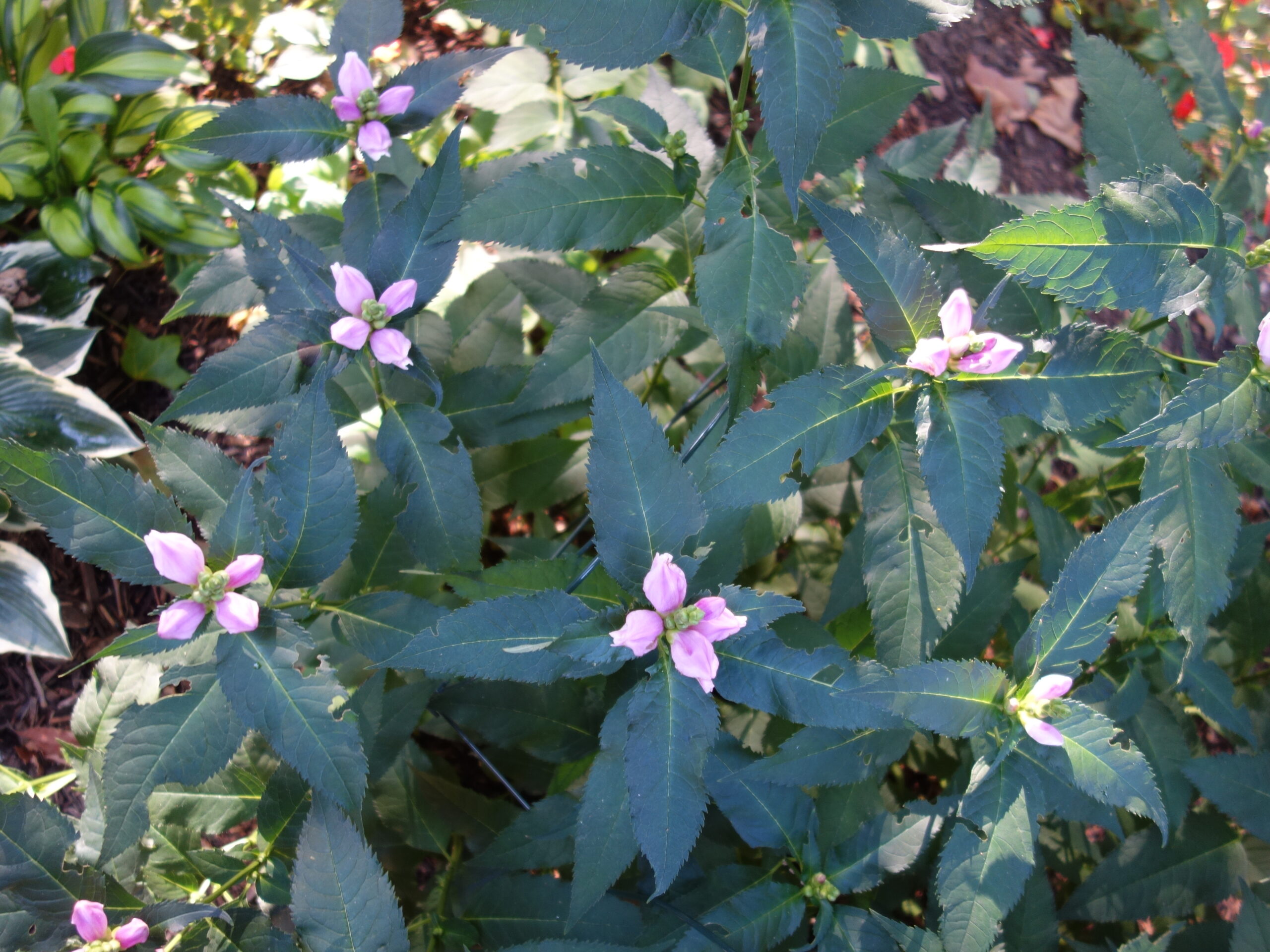
Q: I have a question about a perennial in our garden. Can you identify the plant in the attached photos, taken just a few weeks ago? – R.S., Indianapolis Photo provided by R.S., Indianapolis Photo provided by R.S., Indianapolis A: The plant in your photos is the native perennial called turtlehead, known botanically as Chelone. There are a few different species in commerce, including C. lyonii and C. obliqua, both with pink to purplish pink…Read more about Bees, butterflies like turtlehead flowers[Read More]

 Categories:

October Garden Calendar

HOME (Indoor plants and activities) Keep poinsettia in complete darkness for 15 hours each day — for example, between 5 p.m. and 8 a.m. — for eight to 10 weeks until red bracts begin to show. Pot spring-flowering bulbs to force into bloom indoors. Moisten soil and refrigerate 10 to 13 weeks. Transfer to a cool, sunny location, and allow an additional three to four weeks for blooming. Houseplants, especially those grown outdoors during the…Read more about October Garden Calendar[Read More]


Storing Leftover Garden Seed

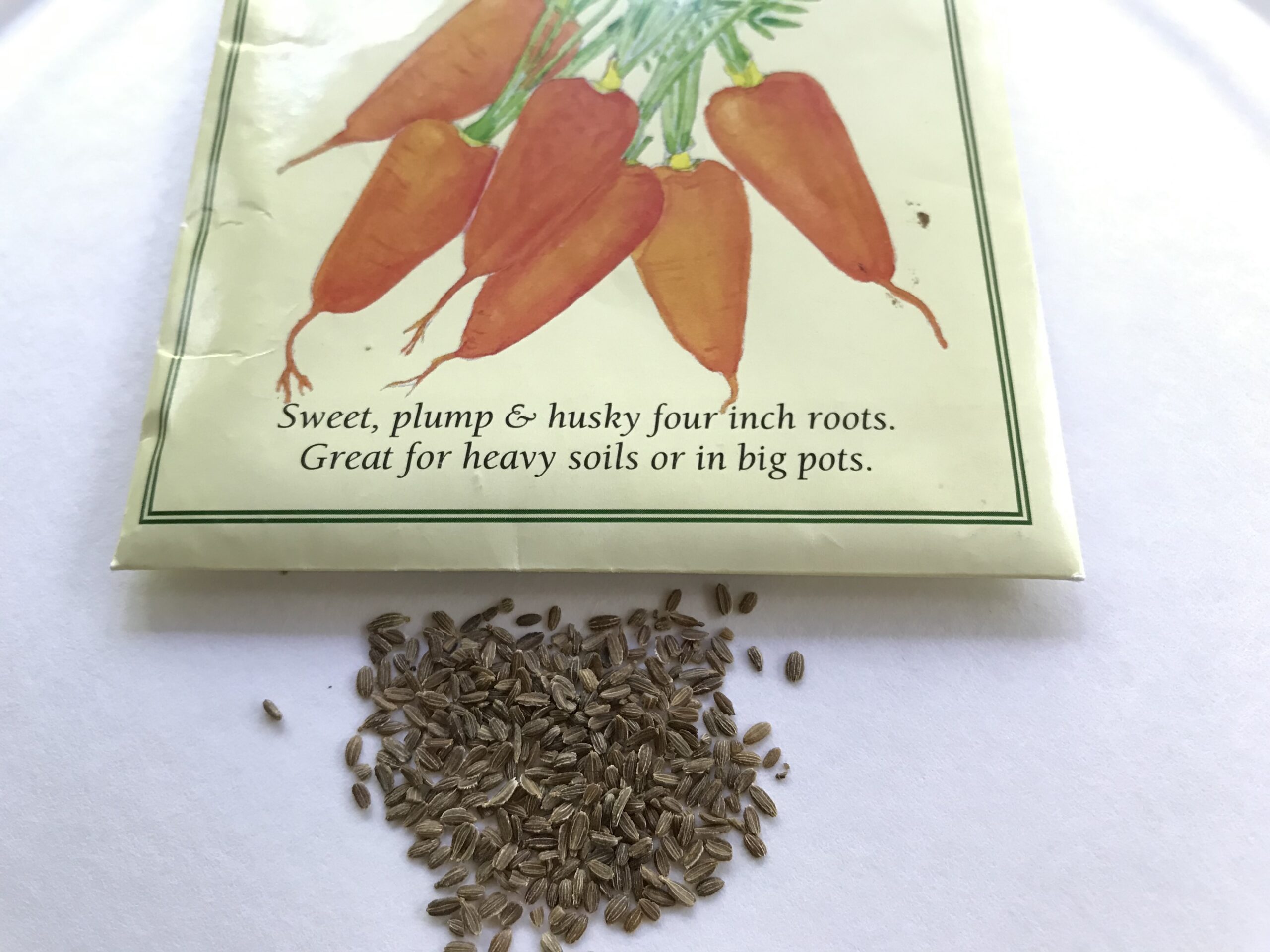
Carrot seed, photo provided by Rosie Lerner If you didn’t use up all the garden seed you bought this year, much of it can be stored for use in next year’s garden – depending on the plant species. Seeds of some plants ,such as corn, parsley, onion, viola (pansies), verbena, phlox, and salvia, are not very long lived, lasting only 1 or 2 years at best. Other seeds, including beans, carrots, lettuce, peas, radishes, snapdragon,…Read more about Storing Leftover Garden Seed[Read More]


September Garden Calendar

YARD (Lawns, woody ornamentals and fruits) Fall is a good time to plant many container-grown or balled-and-burlapped nursery stock. Prepare a good-size planting hole wider than the ball, but plant at the same depth it grew in the nursery and water thoroughly. Mulching will help protect against large fluctuations in soil temperature and moisture. Do not be alarmed if your evergreens, particularly white pine and arborvitae, drop some older needles. All evergreens shed needles at…Read more about September Garden Calendar[Read More]


Blossom-End Rot Frustrates Tomato Growers

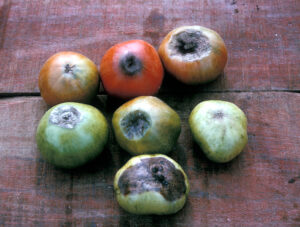
Eager tomato growers, having lovingly nurtured their plants, anxiously await their ripe gems. But alas, a black, leathery spot appears at the base of the fruit. Blossom end-rot is thankfully not an infectious disease, but rather a frustrating disorder of the fruit. The black scar tissue is thought to be caused by a deficiency of calcium in the developing fruit. In most cases, blossom end-rot is brought on by extreme fluctuations in soil moisture. And…Read more about Blossom-End Rot Frustrates Tomato Growers[Read More]


Tree care from freeze to slime

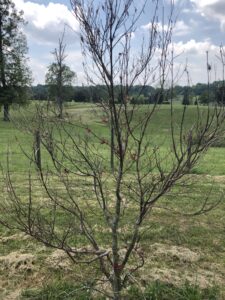
Q: Our Japanese red maple tree was full of new leaves when the hard freeze hit. It is just now getting a few leaves again. Should I trim the tree back, or just wait and see what happens? I do not know how much is dead or how much will produce new growth. – A.K., Harrison County  A: It’s easy to check the twigs for live tissue. If twigs appear to be dead, scrape away…Read more about Tree care from freeze to slime[Read More]

 Categories:

Page last modified: August 12, 2020

Indiana Yard and Garden – Purdue Consumer Horticulture - Horticulture & Landscape Architecture, 625 Agriculture Mall, West Lafayette, IN 47907

© 2026 Purdue UniversityAn equal access/equal opportunity universityCopyright ComplaintsMaintained by Indiana Yard and Garden – Purdue Consumer Horticulture

If you have trouble accessing this page because of a disability, please contact Indiana Yard and Garden – Purdue Consumer Horticulture at homehort@purdue.eduAccessibility Resources