Category: Winter

February Garden Calendar

HOME (Indoor plants and activities) Check water levels in cut flowers daily. Check stored produce and flower bulbs for rot, shriveling, or excess moisture. Discard any damaged items. Most houseplants require less water in the winter because growth is slow or stopped. Check the soil for dryness before watering. Move houseplants to brighter windows, but don’t place plants in drafty places or against cold windowpanes. Potted spring-flowering bulbs forced into early blooming can make good…Read more about February Garden Calendar[Read More]
It’s For The Birds

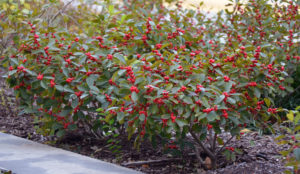
Q: I would like to plant bushes that will attract birds in fall and winter. I’m thinking of something that produces a berry they eat? – J.W., Winfield, Indiana A: Birds require not only food such as fruits and seeds, but also shelter and water. Planting a variety of plants that offer these resources across the seasons will help attract more birds to your yard. Some native shrubs to consider include: Aronia (chokeberry) Callicarpa (beautyberry)…Read more about It’s For The Birds[Read More]


Mother Nature Gives Spring Bulbs the Heave-Ho!

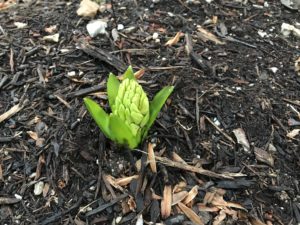
It’s not unusual for Indiana weather to have trouble deciding what season it is. Warm spells during the dormant period often lead to bulbs poking their foliage (and sometimes flower buds) through the soil. While we’re more used to seeing this happen during February warm spells, our frigid temperatures arrived a bit early in fall 2019, followed by intermittent unseasonably mild weather. Indiana temperatures widely fluctuated in November and December, with the low temperature at…Read more about Mother Nature Gives Spring Bulbs the Heave-Ho![Read More]


What’s killing the oak trees?

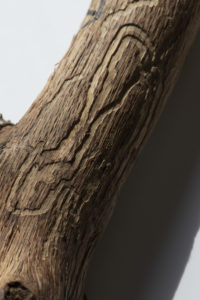
Q. In 22 years I’ve had more than a dozen oaks die because of a grub or larvae. Symptoms: First the leaves die and turn brown at the top of the tree. It slowly spreads down the tree until all the leaves are brown and have fallen off. Then the bark begins to peel away from the trunk, and then it falls off pieces at a time. You can see where it cuts off the…Read more about What’s killing the oak trees?[Read More]

 Categories:

Please Don’t Top Your Trees

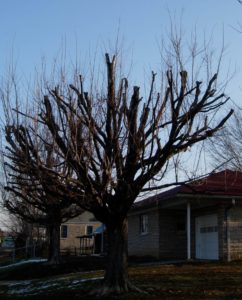
Topping a tree is an all-too-common practice among homeowners, particularly when their trees become too tall and pose a possible threat to the house or overhead power lines. Some have the trees topped because they believe, or are led to believe, that topping is a good pruning practice. Some situations obviously require the removal of large limbs for the sake of safety. But topping is a drastic step that ultimately endangers the tree’s life. Removing…Read more about Please Don’t Top Your Trees[Read More]


Timing of hydrangea pruning varies by species

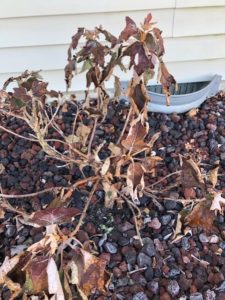
Q: Attached is a photo of our current hydrangea plant in front of our house. Should I cut it back now or leave it alone until spring? Or do you think it’s a lost plant? – R.G., Henry County, Indiana A: A number of hydrangea species are grown in Indiana. The proper time of pruning depends on the species. Your photo appears to be Hydrangea quercifolia, more commonly known as oakleaf hydrangea, one of our…Read more about Timing of hydrangea pruning varies by species[Read More]


Snow Is Good for Gardens

Though your aching back may not agree, recent heavy snows actually will be good for your garden and landscape. Snow provides moisture as well as protection from cold and wind. Snow is an excellent insulator against low temperatures and excessive winds. The extent of protection depends on the depth of snow. In addition, the soil gives off some heat so that the temperature at the soil surface can be much warmer than the air temperature….Read more about Snow Is Good for Gardens[Read More]


Pretty ground cover? Probably a weed

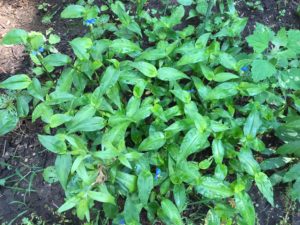
Q: I’m having an argument with my wife about a plant in our yard, and we hope you can help arbitrate. I’ve sent a photo of a plant that we found growing near some shrubs. Neither of us remember planting it. My wife thinks it’s pretty ground cover and that we should let it stay. I think it’s a weed and that we should get it out of there before it takes over the whole…Read more about Pretty ground cover? Probably a weed[Read More]


Pollinators are abuzz for the 2019 Perennial of the Year

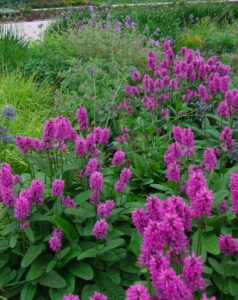
By selecting Stachys officinalis ‘Hummelo’ as its 2019 Perennial Plant of the Year, the Perennial Plant Association once again continued its focus on pollinator-friendly plants. ‘Hummelo’ is a compact, clump-forming perennial, reaching 1.5 to 2 feet tall and wide. Over time, the plants will form a dense mat, spreading slowly from creeping underground stems. Showy magenta flower spikes rise well above the foliage in midsummer and are quite attractive to butterflies and other pollinators. Plants are hardy in…Read more about Pollinators are abuzz for the 2019 Perennial of the Year[Read More]


In The Grow Question and Answer – High winds can be tough on trees

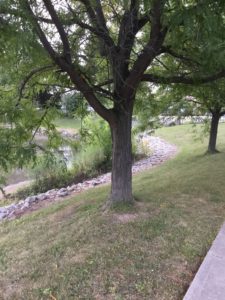
Q. Can you tell me what kind of tree this is? They were planted near our community lake 25 years ago. K.M., Indianapolis A. This is a honey locust tree, known botanically as Gleditsia triacanthos. The species is native to the eastern US. It has large seed pods and trunks that are armed with wicked thorns. Fortunately, most plants sold for landscape specimens are cultivars that are both seedless and thornless. But even these improved…Read more about In The Grow Question and Answer – High winds can be tough on trees[Read More]

 Categories:

Page last modified: December 7, 2018

Indiana Yard and Garden – Purdue Consumer Horticulture - Horticulture & Landscape Architecture, 625 Agriculture Mall, West Lafayette, IN 47907

© 2026 Purdue UniversityAn equal access/equal opportunity universityCopyright ComplaintsMaintained by Indiana Yard and Garden – Purdue Consumer Horticulture

If you have trouble accessing this page because of a disability, please contact Indiana Yard and Garden – Purdue Consumer Horticulture at homehort@purdue.eduAccessibility Resources