Category: Autumn/Fall

Look for Fall Color

Just as sure as you try to predict the weather, it is likely to change. But going out on a limb, I predict that we will have an early fall regarding color display this year. Not a very risky prediction, considering that many plants already are starting to display their fall colors! And to go even farther out on that limb, I’ll predict that the colors won’t be as brilliant as perhaps they were in…Read more about Look for Fall Color[Read More]
The Vanilla Orchid

Although much of the vanilla used for flavoring and fragrance today is produced synthetically, natural vanilla comes from the seed pod of an orchid plant. Vanilla planifolia is a vigorous, vining orchid that can reach up to 300 feet in its native tropical American environment. The vine produces greenish-yellow flowers that must be hand-pollinated outside of its native habitat to ensure good fruit set. The pods grow to about 6-9 inches long and are harvested…Read more about The Vanilla Orchid[Read More]


All America Winners for 2002

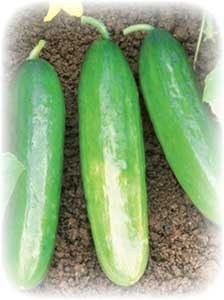
Five new vegetable garden cultivars have been awarded the prestigious honor of being an All America Selection (AAS) for the year 2002. These new cultivars have been judged as superior in their class, based on their performance in test gardens all over the country. The AAS winners are selected from many new cultivars, based on garden performance as well as production performance in the greenhouse. Although no plant offers a guarantee of success in an…Read more about All America Winners for 2002[Read More]


Dig Those Sweet Potatoes

Although some folks may be sad to see fall coming a bit early this year, many gardeners are looking forward to harvesting their sweet potato treasures. Sweet potatoes are warm-season plants that are very sensitive to cold temperatures. The tuberous roots should be harvested by the time frost kills the vines or soon thereafter. Sweet potato roots continue to grow until frost kills the vines. Roots can be left in the ground for a short…Read more about Dig Those Sweet Potatoes[Read More]


All America Winners for 2002 (Ornamentals)

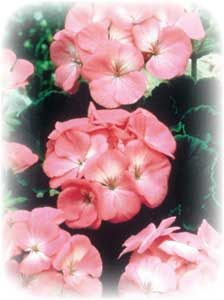
Eight new ornamental garden plants have been awarded the prestigious honor of being an All America Selection (AAS) for the year 2002. These new cultivars have been judged as superior in their class based on their performance in test gardens all over the country. The AAS winners are selected from many new cultivars, based on garden performance as well as production performance in the greenhouse. Although no plant offers a guarantee of success in an…Read more about All America Winners for 2002 (Ornamentals)[Read More]


Lesser Known Perennials Extend Spring Color Show

Tulips, daffodils, and crocus are stars of spring in Midwestern flower gardens. But there’s an array of supporting players that can add variety to your spring bulb show. Winter Aconite (Eranthis hyemalis) brings a splash of yellow, buttercup-type blooms on dwarf, 3-6-inch plants. Winter aconite is appropriately named for its early arrival, often pushing its blossoms through a cover of snow in February, though sometimes as early as January and as late as March. Plants…Read more about Lesser Known Perennials Extend Spring Color Show[Read More]


Wood Ash in the Garden

Wood stoves and fireplaces are great for warming gardeners’ chilly hands and feet, but what are we to do with the resulting ashes? Many gardening books advise throwing these ashes in the garden. Wood ash does have fertilizer value, the amount varying somewhat with the species of wood being used. Generally, wood ash contains less than 10 percent potash, 1 percent phosphate and trace amounts of micro-nutrients such as iron, manganese, boron, copper and zinc….Read more about Wood Ash in the Garden[Read More]


Hibernation for Roses

Most gardeners don’t think about burying their roses, but that’s essentially what they should do to protect them from winter’s extremes. Similar to hibernation in animals, roses and other woody plants go through a dormant (rest) period in the winter. The first step to winterizing roses is to keep them healthy through the growing season. Gardeners should protect roses from insect and disease damage and maintain adequate fertility and moisture. After several killing freezes in…Read more about Hibernation for Roses[Read More]


Saving Seeds From the Garden

Collecting seeds from garden plants to plant next year may seem like a good way to save money, but you may be in for a surprise. Some seeds can be saved from year to year with good results, particularly the old-fashioned cultivars. But modern hybrid cultivars rarely breed true from collected seed. To get that disease-resistant tomato or frilly double petunia, two or more plants with desirable characteristics were crossbred. The seed from these hybrid…Read more about Saving Seeds From the Garden[Read More]


Fall Ideal for Planting Trees

Because spring is the time for new growth, most people think of planting trees and shrubs then. But cool temperatures and adequate rainfall make fall a good time to plant as well. The soil may be warmer and less damp than in the spring, and you may have more time to get the job done in fall. Fall-planted stock does demand extra attention. Plants may not have enough time to establish a good root system…Read more about Fall Ideal for Planting Trees[Read More]


Page last modified: August 14, 2018

Indiana Yard and Garden – Purdue Consumer Horticulture - Horticulture & Landscape Architecture, 625 Agriculture Mall, West Lafayette, IN 47907

© 2026 Purdue UniversityAn equal access/equal opportunity universityCopyright ComplaintsMaintained by Indiana Yard and Garden – Purdue Consumer Horticulture

If you have trouble accessing this page because of a disability, please contact Indiana Yard and Garden – Purdue Consumer Horticulture at homehort@purdue.eduAccessibility Resources