Category: Vegetables

Shining a light on why potatoes turn green

Potato tubers turn green when exposed to light. Whether store-bought or homegrown, potatoes will turn green when they are exposed to light. Most folks know that they shouldn’t eat potatoes that have turned green, or should at least cut away the affected portion. But it’s not actually the green color that is the problem. The green color comes from the pigment chlorophyll, produced as a response to light. The potato tuber that we eat is…Read more about Shining a light on why potatoes turn green[Read More]

 Categories:

October Garden Calendar

HOME (Indoor plants and activities) Keep poinsettia in complete darkness for 15 hours each day — for example, between 5 p.m. and 8 a.m. — for eight to 10 weeks until red bracts begin to show. Pot spring-flowering bulbs to force into bloom indoors. Moisten soil and refrigerate 10 to 13 weeks. Transfer to a cool, sunny location, and allow an additional three to four weeks for blooming. Houseplants, especially those grown outdoors during the…Read more about October Garden Calendar[Read More]


Storing Leftover Garden Seed

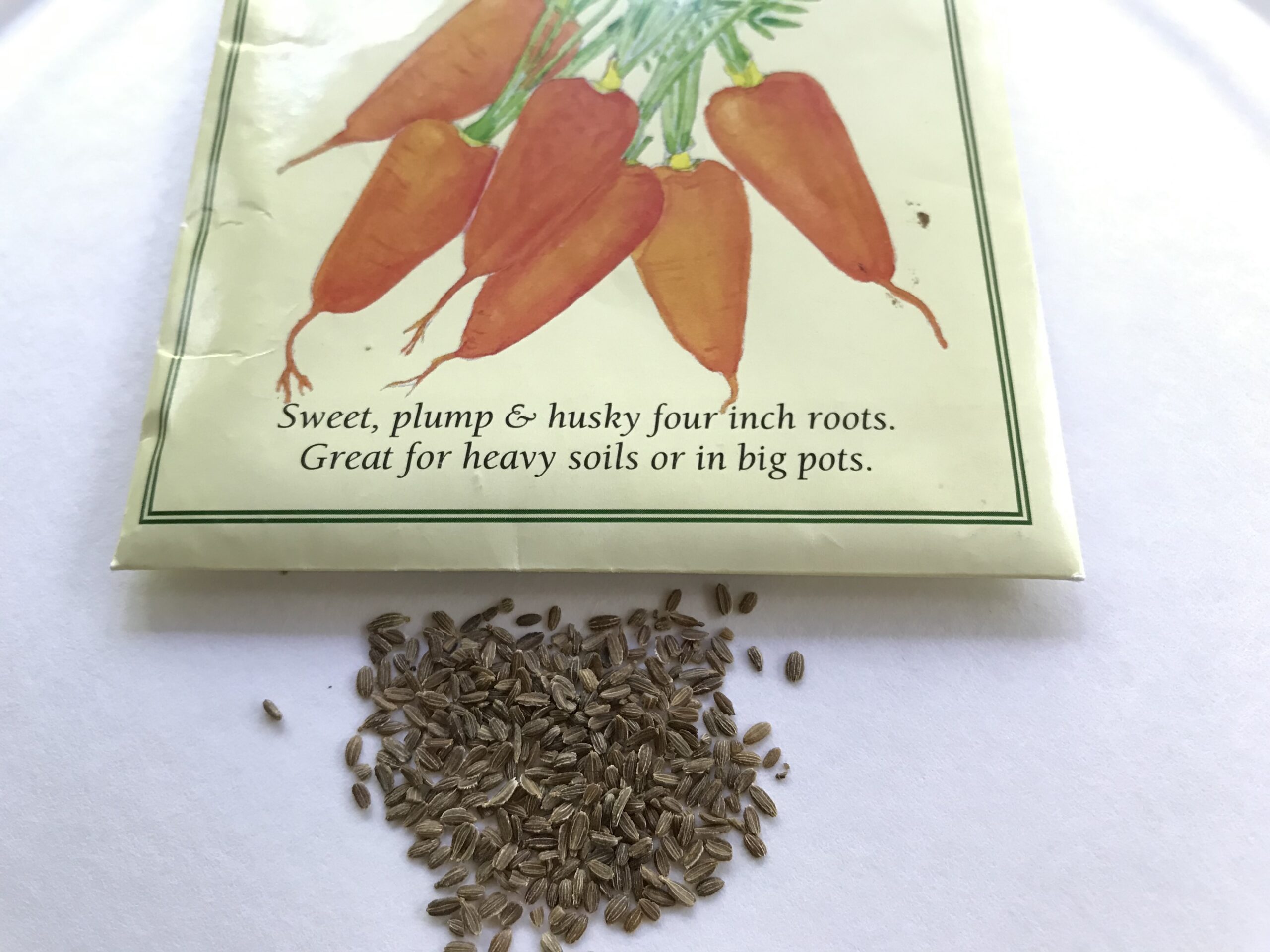
Carrot seed, photo provided by Rosie Lerner If you didn’t use up all the garden seed you bought this year, much of it can be stored for use in next year’s garden – depending on the plant species. Seeds of some plants ,such as corn, parsley, onion, viola (pansies), verbena, phlox, and salvia, are not very long lived, lasting only 1 or 2 years at best. Other seeds, including beans, carrots, lettuce, peas, radishes, snapdragon,…Read more about Storing Leftover Garden Seed[Read More]


September Garden Calendar

YARD (Lawns, woody ornamentals and fruits) Fall is a good time to plant many container-grown or balled-and-burlapped nursery stock. Prepare a good-size planting hole wider than the ball, but plant at the same depth it grew in the nursery and water thoroughly. Mulching will help protect against large fluctuations in soil temperature and moisture. Do not be alarmed if your evergreens, particularly white pine and arborvitae, drop some older needles. All evergreens shed needles at…Read more about September Garden Calendar[Read More]


Blossom-End Rot Frustrates Tomato Growers

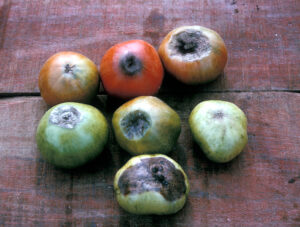
Eager tomato growers, having lovingly nurtured their plants, anxiously await their ripe gems. But alas, a black, leathery spot appears at the base of the fruit. Blossom end-rot is thankfully not an infectious disease, but rather a frustrating disorder of the fruit. The black scar tissue is thought to be caused by a deficiency of calcium in the developing fruit. In most cases, blossom end-rot is brought on by extreme fluctuations in soil moisture. And…Read more about Blossom-End Rot Frustrates Tomato Growers[Read More]


August Garden Calendar

HOME (Indoor plants and activities) Take cuttings from annual garden plants such as impatiens, coleus, geraniums and wax begonias to overwinter indoors. Root the cuttings in media such as moist vermiculite, perlite, peat moss or potting soil, rather than water. Order spring-flowering bulbs for fall planting. Cut flowers from the garden to bring a little color indoors, or dry for everlasting arrangements. YARD (Lawns, woody ornamentals and fruits) Check trees and shrubs that have been…Read more about August Garden Calendar[Read More]


Cucumbers Bitter During Hot, Dry Weather

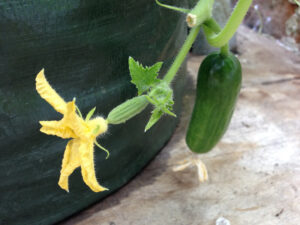
If you’ve noticed that your cucumbers are a little (or a lot) bitter lately, don’t give up hope. A little water, mulch and patience will provide relief. Most cucumber plants contain a bitter compound called cucurbitacin, which can be present in the fruit as well as the foliage. Bitterness in cucumbers tends to be more prominent when plants are under stress from low moisture, high temperatures or poor nutrition. Although most areas of the state…Read more about Cucumbers Bitter During Hot, Dry Weather[Read More]


July Garden Calendar

HOME (Houseplants and indoor activities) Closely watch houseplants that have been set outdoors. They need more water than they did indoors. They can dry out rapidly in hot, summer breezes. Propagate houseplants by taking cuttings from vigorously growing plants. Place the cut end in rooting media (such as perlite, vermiculite, or peat moss soil mix). Enclose in plastic and keep out of direct sunlight. YARD (Lawns, woody ornamentals, and fruits) Keep newly established plants watered…Read more about July Garden Calendar[Read More]


June Garden Calendar

HOME (Houseplants and indoor activities) Indoor plants will require more frequent watering and fertilizing as they increase their summer growth. You can move houseplants outdoors to a shady location, but pay close attention to their watering needs. Cut garden flowers for indoor beauty. Recut the stems again just before placing in water. Add a floral preservative, and change the solution frequently. Root cuttings of houseplants and garden plants to increase your collection or share with…Read more about June Garden Calendar[Read More]


May Garden Calendar

HOME (Indoor plants and activities) Many indoor plants can be moved to shady locations outdoors but only after the danger of frost has passed. Plants will dry out more often outdoors, so keep a close eye on soil moisture. Sinking the pots in soil will help slow down moisture loss. Now is a good time to take cuttings of houseplants to increase a collection or share with friends. Stick cuttings to root in media, such…Read more about May Garden Calendar[Read More]


Page last modified: August 9, 2022

Indiana Yard and Garden – Purdue Consumer Horticulture - Horticulture & Landscape Architecture, 625 Agriculture Mall, West Lafayette, IN 47907

© 2026 Purdue UniversityAn equal access/equal opportunity universityCopyright ComplaintsMaintained by Indiana Yard and Garden – Purdue Consumer Horticulture

If you have trouble accessing this page because of a disability, please contact Indiana Yard and Garden – Purdue Consumer Horticulture at homehort@purdue.eduAccessibility Resources