January 22, 2019
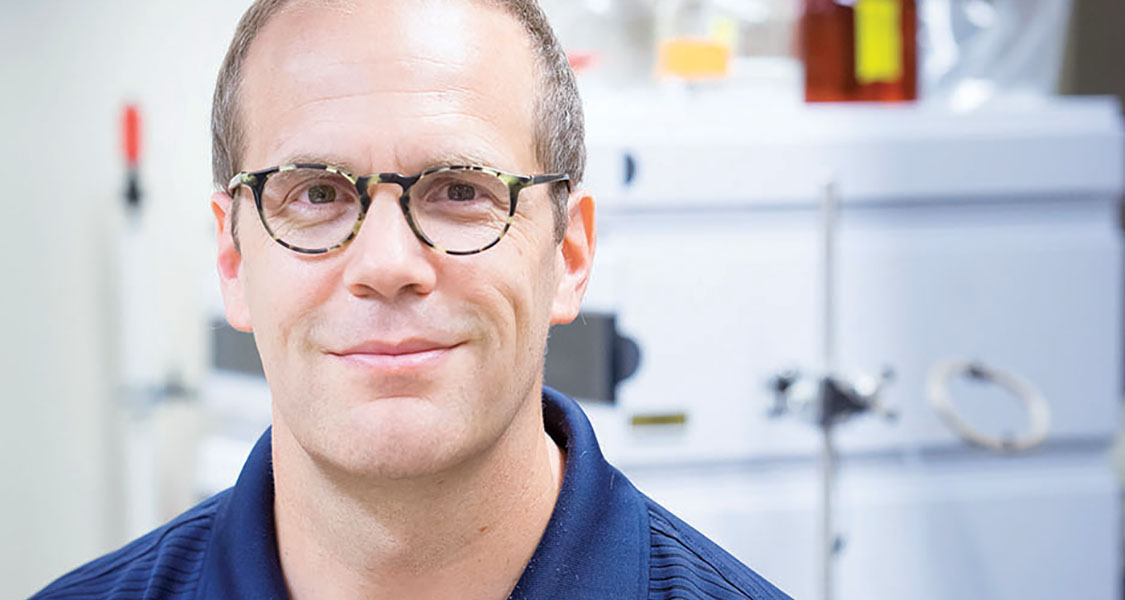
Jean-Christophe (Chris) Rochet, professor of medicinal chemistry and molecular pharmacology, has been named the new director of the Purdue Institute for Integrative Neuroscience. Rochet began his appointment on Jan. 15. An internationally recognized neuroscientist, Rochet specializes in studying central nervous system disorders, including Parkinson’s disease, an age-related neurodegenerative disorder that disrupts the lives of an estimated 5 million people worldwide. His studies in models that reproduce key aspects of Parkinson’s disease pathobiology have yielded new insights into genetic and chemical suppressors of neurodegeneration.
Rochet named Director of Discovery Park's Institute for Integrative Neuroscience
January 9, 2019
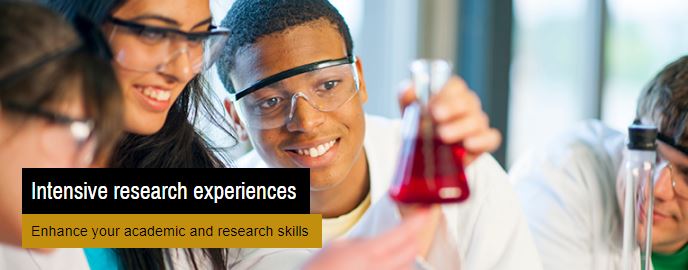
ABOUT THE PROGRAM: Conduct intensive research with a faculty mentor, develop an oral and poster presentation, attend GRE workshops and make new friends and connections. PROGRAM BENEFITS: A generous stipend, university housing and round-trip travel included. PROGRAM DATES: June 2 - July 27, 2019 APPLICATION DEADLINE: March 1, 2019 Office of Graduate Diversity Initiatives
December 4, 2018
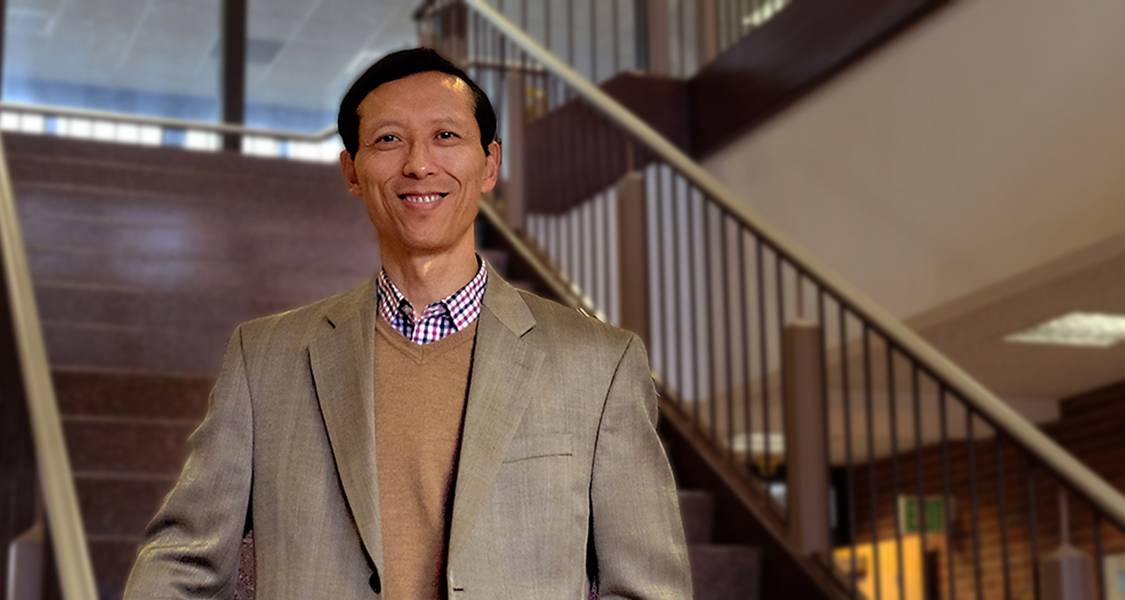
A World War II chemical weapon antidote has been shown to be effective in combating a new enemy: Parkinson’s disease. Recent studies in the laboratory of Riyi Shi, a professor of neuroscience and biomedical engineering, have revealed that dimercaprol can effectively remove acrolein, a neurotoxin that is produced in the body after nerve cells are damaged and that is directly correlated with Parkinson’s disease. So far, the studies have revealed an increased survival rate of brain cells and a significant delay of the disease’s progress. More specifically, the subjects have improved mobility and experience less pain.
World War II weapon used in new battle: Combating Parkinson's disease
November 20, 2018
PSY 633-002 Special Lectures in Neuroscience: The Neuroscience of Obesity
November 6, 2018
ATTENTION ALL PURDUE NEURO GRAD STUDENTS: PIIN is now accepting applications for the Spring 2019 Neuroscience Research Travel Awards! These awards are designed to support graduate student travel to scientific meetings or workshops held January-Jun 2019. APPLICATION DEADLINE: December 1, 2018.
October 17, 2018
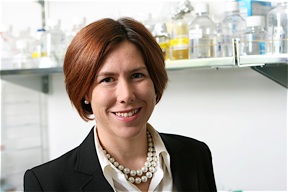
Dr. Tamara Kinzer-Ursem awarded the 2018 Cellular and Molecular Bioengineering Young Innovator Award
October 17, 2018
Dr. Kinzer-Ursem awarded an R61 grant funded by both NIAID and NIMH
Read More about "Dr. Tamara Kinzer-Ursem Awarded $1.4 Million R61 Grant"
October 16, 2018
PIIN Member Vibha Viswanathan Receives Award
Read More about "PIIN Member Vibha Viswanathan Receives Award"
October 5, 2018
R. Claudio Aguilar, associate professor of biological sciences, a world-renowned cell biologist who is making important contributions to understanding Lowe syndrome and the cellular processes associated with this devastating disease. Edward Bartlett, associate professor of biological sciences and biomedical engineering, an internationally recognized neuroscientist who studies the central auditory system to understand the fundamental basis of sound perception and auditory signal processing as well as changes in human hearing with age or acoustic trauma.
October 2, 2018
Dr. Aaron Bowman Receives $318,584 R01 Award
Read More about "Dr. Aaron Bowman Receives $318,584 R01 Award"
