66 Search Result(s) For "wood ash"


Wood Ash in the Garden

Wood stoves and fireplaces are great for warming gardeners’ chilly hands and feet, but what are we to do with the resulting ashes? Many gardening books advise throwing these ashes in the garden. Wood ash does have fertilizer value, the amount varying somewhat with the species of wood being used. Generally, wood ash contains less than 10 percent potash, 1 percent phosphate and trace amounts of micro-nutrients such as iron, manganese, boron, copper and zinc….Read more about Wood Ash in the Garden[Read More]
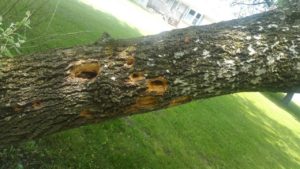

Gaping wounds likely a woodpecker’s work

Q. I saw these holes in my tree and am wondering what they are from. This tree is the only one I have seen them on. – M.S., Chesterton Some species of woodpeckers cause large holes in tree trunks. A. The holes are likely from woodpecker injury, but the tree may have some other issues. Has the tree been in a state of decline for a while? Perhaps branch dieback, leaf drop or other symptoms?…Read more about Gaping wounds likely a woodpecker’s work[Read More]

 Categories:

Composting turns garden trash to treasure

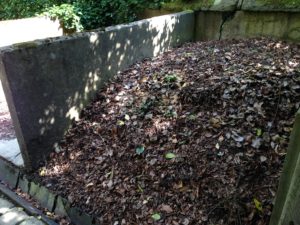
Autumn frosts usually means lots of cleanup around the yard and garden. Why not turn that yard waste into treasure? Composting is a naturally occurring process that breaks down organic materials into an excellent soil amendment that improves soil structure, as well as adds some nutrients. Composting will help you recycle your garden wastes, improve your soil and reduce disposal costs. All organic materials will break down eventually, but gardeners can speed up the process…Read more about Composting turns garden trash to treasure[Read More]


Preventing Fruiting in Woody Plants

Although most gardeners aim to bring in a good fruit crop on their plants, there are a few situations where a barren plant is preferred. Some homeowners would love to find a way to keep certain landscape plants from dropping their fruits onto driveways and sidewalks. There are a few methods that can help reduce the amount of fruit production on both ornamental and fruit trees. Hand removal of faded blooms, or young fruits, works…Read more about Preventing Fruiting in Woody Plants[Read More]


January Garden Calendar

Home (indoor plants and activities) Keep holiday poinsettias and other plants near a bright window. Water as top of soil becomes dry. Increase humidity around houseplants by grouping plants together, placing them on a pebble-water tray or running a humidifier. Check stored produce and tender flower bulbs and roots for rot, shriveling or excess moisture. Remove and discard damaged material. Repot houseplants as they outgrow current pots. Yard (lawns, woody ornamentals and fruits) Check young…Read more about January Garden Calendar[Read More]


February “In The Grow”

Q: This spring I would like to plant some blueberry bushes. The soil in this area is mostly clay, with a heavy limestone content. I have dug several holes about 2 feet deep, 3 feet in diameter, and 5 feet apart. The soil from the holes has been mixed with a generous amount of decayed organic matter and replaced. I would like to add an amendment to the mixture to acidify it. However, I have…Read more about February “In The Grow”[Read More]


February 1996

Q. This past summer, bugs ate the leaves off my turnips, squash, rutabagas, etc., in a short period of time while I was away from home. I had applied wood ashes mixed with water and dishwashing soap. What should I use rather than a toxic chemical? Also, should I transplant evergreens in the winter or early spring? When is the best time for transplanting? I also have several locust seedlings to move. I have a wood-burning…Read more about February 1996[Read More]


October Garden Calendar

HOME (Indoor plants and activities) Keep poinsettia in complete darkness for 15 hours each day — for example, between 5 p.m. and 8 a.m. — for eight to 10 weeks until red bracts begin to show. Pot spring-flowering bulbs to force into bloom indoors. Moisten soil and refrigerate 10 to 13 weeks. Transfer to a cool, sunny location, and allow an additional three to four weeks for blooming. Houseplants, especially those grown outdoors during the…Read more about October Garden Calendar[Read More]


September Garden Calendar

YARD (Lawns, woody ornamentals and fruits) Fall is a good time to plant many container-grown or balled-and-burlapped nursery stock. Prepare a good-size planting hole wider than the ball, but plant at the same depth it grew in the nursery and water thoroughly. Mulching will help protect against large fluctuations in soil temperature and moisture. Do not be alarmed if your evergreens, particularly white pine and arborvitae, drop some older needles. All evergreens shed needles at…Read more about September Garden Calendar[Read More]


August Garden Calendar

HOME (Indoor plants and activities) Take cuttings from annual garden plants such as impatiens, coleus, geraniums and wax begonias to overwinter indoors. Root the cuttings in media such as moist vermiculite, perlite, peat moss or potting soil, rather than water. Order spring-flowering bulbs for fall planting. Cut flowers from the garden to bring a little color indoors, or dry for everlasting arrangements. YARD (Lawns, woody ornamentals and fruits) Check trees and shrubs that have been…Read more about August Garden Calendar[Read More]


Page last modified: August 9, 2022

Indiana Yard and Garden – Purdue Consumer Horticulture - Horticulture & Landscape Architecture, 625 Agriculture Mall, West Lafayette, IN 47907

© 2026 Purdue UniversityAn equal access/equal opportunity universityCopyright ComplaintsMaintained by Indiana Yard and Garden – Purdue Consumer Horticulture

If you have trouble accessing this page because of a disability, please contact Indiana Yard and Garden – Purdue Consumer Horticulture at homehort@purdue.eduAccessibility Resources