Yard and Garden News

The following news stories are written by Rosie Lerner, Extension Consumer Horticulture Specialist, and are distributed to news media around the state by Agricultural Communication Service, at Purdue University.


All America Winners for 2002

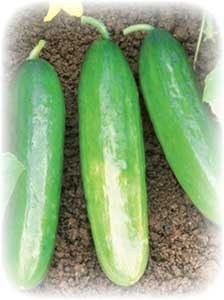
Five new vegetable garden cultivars have been awarded the prestigious honor of being an All America Selection (AAS) for the year 2002. These new cultivars have been judged as superior in their class, based on their performance in test gardens all over the country. The AAS winners are selected from many new cultivars, based on garden performance as well as production performance in the greenhouse. Although no plant offers a guarantee of success in an…Read more about All America Winners for 2002[Read More]

Dig Those Sweet Potatoes

Although some folks may be sad to see fall coming a bit early this year, many gardeners are looking forward to harvesting their sweet potato treasures. Sweet potatoes are warm-season plants that are very sensitive to cold temperatures. The tuberous roots should be harvested by the time frost kills the vines or soon thereafter. Sweet potato roots continue to grow until frost kills the vines. Roots can be left in the ground for a short…Read more about Dig Those Sweet Potatoes[Read More]


All America Winners for 2002 (Ornamentals)

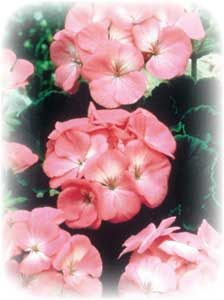
Eight new ornamental garden plants have been awarded the prestigious honor of being an All America Selection (AAS) for the year 2002. These new cultivars have been judged as superior in their class based on their performance in test gardens all over the country. The AAS winners are selected from many new cultivars, based on garden performance as well as production performance in the greenhouse. Although no plant offers a guarantee of success in an…Read more about All America Winners for 2002 (Ornamentals)[Read More]


Lesser Known Perennials Extend Spring Color Show

Tulips, daffodils, and crocus are stars of spring in Midwestern flower gardens. But there’s an array of supporting players that can add variety to your spring bulb show. Winter Aconite (Eranthis hyemalis) brings a splash of yellow, buttercup-type blooms on dwarf, 3-6-inch plants. Winter aconite is appropriately named for its early arrival, often pushing its blossoms through a cover of snow in February, though sometimes as early as January and as late as March. Plants…Read more about Lesser Known Perennials Extend Spring Color Show[Read More]


Pin Oak Looking Yellow?

Pin oak trees can be a beautiful asset to the landscape. Their pyramidal form, pendulous lower branches and reddish or bronze fall color are striking. Unfortunately, most pin oaks planted in the Midwest are plagued by a yellowing of the leaves known as chlorosis. Other landscape plants are also susceptible to chlorosis, including rhododendrons, river birch, holly and sweet gum. Chlorosis gets its name from the lack of chlorophyll, the pigment responsible for healthy plants’…Read more about Pin Oak Looking Yellow?[Read More]


Harvest Winter Squash This Summer

This summer’s heat wave is bringing the vegetable garden to maturity a bit earlier than usual in some areas. So many of our typical fall-harvested items may be ready sooner than you’re expecting.   Winter squash is so named because it is harvested in the mature stage, when flavor is rich and the rind is tough, making it suitable for winter storage. Summer squash is harvested in the immature stage, when the rind is still…Read more about Harvest Winter Squash This Summer[Read More]


It’s a ‘Berry’ Good Time To Clean Up the Strawberry Patch

The strawberry harvest may be over, but that doesn’t mean it’s time to forget the plants. Post-harvest care is an important part of keeping your patch healthy and productive. With yearly renovation, strawberry plants can remain productive for 10 years or longer.   Ideally, you should renovate the strawberry bed immediately following the last harvest. The work can still be done now, though it would be best to finish up before the end of July….Read more about It’s a ‘Berry’ Good Time To Clean Up the Strawberry Patch[Read More]


Ornamental Grasses Add Beauty and Texture

Although many gardeners think of grass as that plant that has to mowed every week, there are many species of grass that rival any garden flower for beauty and grace. Many ornamental grasses have attractive form, foliage, flowers and color-or even all of the above. Grasses can be used as ground covers (that do not have to be mowed), specimen plants, hedges, perennial borders, naturalized plantings and even rock garden plants. Perennial grasses that are…Read more about Ornamental Grasses Add Beauty and Texture[Read More]


Cold Weather Affects Vegetable Plants

It has been quite a year for Indiana gardeners already, and it has only just begun! We’ve had just about the whole range of possible weather from drought to flood and late frost to blazing heat. Recent cold weather has frustrated many vegetable gardeners. Plants such as tomatoes, peppers, beans, squash, cucumbers and melons must be successfully pollinated in order to produce their fruit. Extreme temperatures, below 55 F or above 90 F, will dramatically…Read more about Cold Weather Affects Vegetable Plants[Read More]


Trees and Utility Lines: A Battle to Avoid

The conflict between trees and utility lines is fresh on my mind, having just experienced the power company removing a significant number of limbs from two lovely old pine trees in the right-of-way behind my property. And I’m in good company with many homeowners who have experienced either the loss of a tree or a significant portion of a tree due to the need to keep the limbs from taking out power to the neighborhood….Read more about Trees and Utility Lines: A Battle to Avoid[Read More]


Page last modified: March 1, 2017

Indiana Yard and Garden – Purdue Consumer Horticulture - Horticulture & Landscape Architecture, 625 Agriculture Mall, West Lafayette, IN 47907

© 2026 Purdue UniversityAn equal access/equal opportunity universityCopyright ComplaintsMaintained by Indiana Yard and Garden – Purdue Consumer Horticulture

If you have trouble accessing this page because of a disability, please contact Indiana Yard and Garden – Purdue Consumer Horticulture at homehort@purdue.eduAccessibility Resources