Category: Seasonal Information

Mystery plants identified

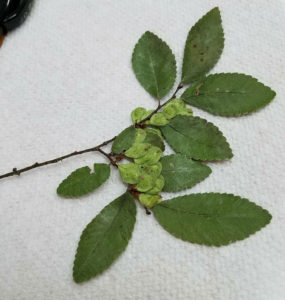
Q. I have some leaves from a tree I would like to identify. It is roughly 8 to 12 inches in diameter and fairly tall. The leaves are alternating with lengths of 1.5 to 2 inches long. The leaf stalks are all really short compared to the leaf length. Can you identify? – M.R., Brookville, Indiana A. This appears to be Ulmus parvifolia – common name Chinese elm or lacebark elm. This species is quite…Read more about Mystery plants identified[Read More]
 Categories:

Blooming out of sequence is cool!

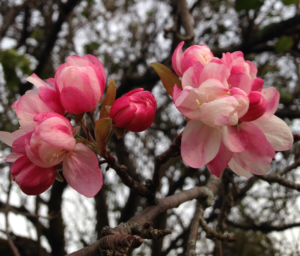
What is that crabapple doing reblooming in October and November? Actually, it might be more correct to think of it as jumping the gun on next spring rather than reblooming. Although it happens to some extent many years, there seem to be more reports thas usual of landscape plants blooming out of sequence this fall. Rhododendrons, crabapples, and saucer magnolias are the most commonly reported species blooming this fall. Spring-blooming woody plants initiate flower buds…Read more about Blooming out of sequence is cool![Read More]

 Categories:

Sprouted Squash Seeds and Stinky Ginkgo Fruit

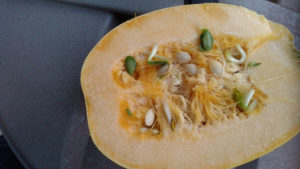
Q. We cut open a spaghetti squash and it had green sprouts growing inside. Have you seen this before? Is it safe to eat the squash? – B.O., Rensselaer, IN A. Although uncommon, premature sprouting of seeds inside a fruit sometimes occurs in squash, tomatoes, peppers, corn, strawberries, and other species. This early seed germination inside the fruit is called vivipary. Normally, the balance of plant growth regulators inside a fruit inhibit germination until seeds…Read more about Sprouted Squash Seeds and Stinky Ginkgo Fruit[Read More]


Composting turns garden trash to treasure

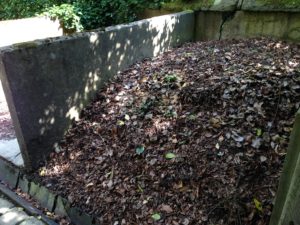
Autumn frosts usually means lots of cleanup around the yard and garden. Why not turn that yard waste into treasure? Composting is a naturally occurring process that breaks down organic materials into an excellent soil amendment that improves soil structure, as well as adds some nutrients. Composting will help you recycle your garden wastes, improve your soil and reduce disposal costs. All organic materials will break down eventually, but gardeners can speed up the process…Read more about Composting turns garden trash to treasure[Read More]


Showy hibiscus and mystery feathers

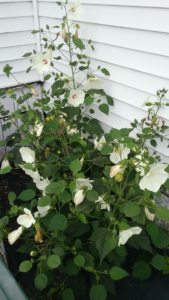
Q. Was wondering if you can identify this volunteer flowering plant. This is the second year it has come up. – H.G., Shipshewana, Ind. A. This is the perennial garden flower known commonly as hibiscus or rose mallow, botanical name Hibiscus moscheutos. This type of hibiscus is a hardy perennial that dies back to the ground each winter, and returns in the spring, reaching 3 to 5 feet tall or more. They usually begin blooming in midsummer and…Read more about Showy hibiscus and mystery feathers[Read More]


Damage control for the yellowstriped armyworm; Transplanting trees from the woods

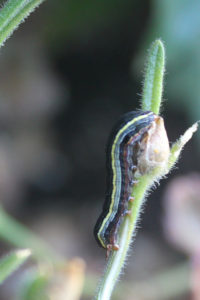
Q. I have a worm eating my flowers. The flowers are in a tall planter so I am wondering if I need to add something to the base of the planter to keep them from coming up the plants OR are they hatching out on the plants? Some of the damage is caused by small slugs as well.Can you tell me what kind of worm this is? Also, what do you recommend to deter them? –…Read more about Damage control for the yellowstriped armyworm; Transplanting trees from the woods[Read More]


Dividing iris

Whether you’re looking to expand your planting of iris or just need to rejuvenate an older planting, late summer through early fall is a good time to lift and divide iris. Dividing every three to five years will help rejuvenate the planting, and encourage more blossoms for the subsequent years. Most iris plants spread by means of underground stems called rhizomes. Rhizomes become too crowded over time, resulting in reduced flowering. By lifting and dividing…Read more about Dividing iris[Read More]


Blueberry damage could be plum curculio, Reduced production of strawberries

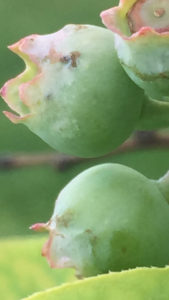
Q.  I have a few blueberry bushes planted in the backyard, and they’ve done well until last year. They started getting brown spots almost like a bite (see attached photo). No evidence of a pest and sprayed them with Sevin just in case. But that did not stop the browning, and most of the late season berries could not be eaten. Unfortunately, they appear to be starting that again this year already. Please advise and thank…Read more about Blueberry damage could be plum curculio, Reduced production of strawberries[Read More]


Gardeners reminded to protect pollinators

Pollinators are all the “buzz” these days with a federal proclamation designating June 19-25 as National Pollinator Week. Now in its tenth year, the focus of this designation by the U.S. Departments of Agriculture and the Interior is to promote the health of pollinators, so critical to food and ecosystems. It may surprise you to learn that the honeybee is native to Europe and was introduced to the U.S. But there are also numerous other…Read more about Gardeners reminded to protect pollinators[Read More]


Mystery plant, and challenging plant woes

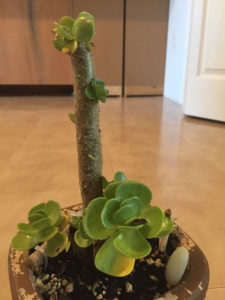
Q.  I bought this plant from a nursery about a year ago. On and off, I’ve been trying to identify it with various online plant identification sites, but I haven’t had much luck. Could you take a look and tell me what you think? – R.E., Tippecanoe County A.  I believe your plant is one of the succulents belonging to the genus Kalanchoe. Because this genus is so diverse and numerous, it is difficult to…Read more about Mystery plant, and challenging plant woes[Read More]


Page last modified: June 1, 2022

Indiana Yard and Garden – Purdue Consumer Horticulture - Horticulture & Landscape Architecture, 625 Agriculture Mall, West Lafayette, IN 47907

© 2026 Purdue UniversityAn equal access/equal opportunity universityCopyright ComplaintsMaintained by Indiana Yard and Garden – Purdue Consumer Horticulture

If you have trouble accessing this page because of a disability, please contact Indiana Yard and Garden – Purdue Consumer Horticulture at homehort@purdue.eduAccessibility Resources