Category: Seasonal Information

Bringing houseplants back indoors

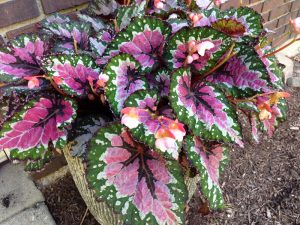
Many houseplants thrive during the long, bright summer days, especially when properly moved outdoors. But these plants may have some trouble adjusting back to indoor conditions when colder weather strikes. Many of our common indoor plants are native to the tropical or subtropical climates and cannot tolerate cold temperatures. Houseplants should be brought back inside before the outdoor temperature drops to 55 F. If days are warm but night temperatures are cold, you might consider…Read more about Bringing houseplants back indoors[Read More]
Early pumpkins may need temporary storage

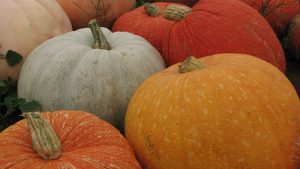
It seems that pumpkins often mature much earlier than we would like, and this year may be one of those times. Although the season got off to a slow start, the second half of summer was extremely warm and may have brought the pumpkins on in a hurry. And unfortunately, the dry weather that we experienced earlier might contribute to an early end for the pumpkin plants, unless you were able to irrigate on a…Read more about Early pumpkins may need temporary storage[Read More]


Callery pear volunteers should be removed

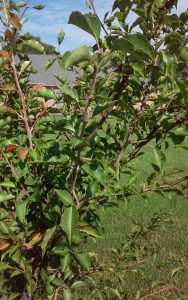
Q) I had this tree volunteer in my flowerbed. I transplanted in my yard but I don’t know what it is. It does have thorns. Any info would be appreciated. – P.P., Farmersburg, IN A) This looks to be a seedling ornamental callery pear. For many years, the cultivar Bradford dominated the landscape and was not self-fruitful. But as newer, improved cultivars were introduced to landscapes, they were cross-fruitful with Bradford. So now “volunteer” callery…Read more about Callery pear volunteers should be removed[Read More]


Three new vegetables chosen for All-America Selections 2017

Three exciting new vegetables were chosen as All-America Selections (AAS) winners for 2017, based on superior performance in test gardens throughout the country. Okra: “Candle Fire” was chosen for its unique pods — round rather than ribbed — and for its color, a brighter red than the reddish-burgundy okras currently available. The judges gave it high marks for productivity, taste, texture and tenderness, as well as for the ornamental value of red pods on red stems….Read more about Three new vegetables chosen for All-America Selections 2017[Read More]


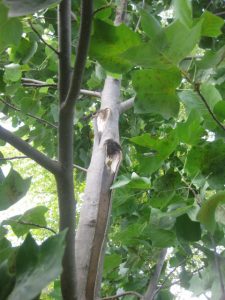
Large wounds in tuliptrees not likely to heal

Large wounds in tuliptrees not likely to heal Q) I’ve attached a photo of one of my trees. I’m concerned that the tree will not heal, and if it does will be too weakened. Also, you gave me a contact for a state arborist last time we visited. I have lost that info. – G.F., Jeffersonville, Indiana A) Looks like perhaps this was storm-related damage? Tuliptrees are somewhat weak-wooded and can be susceptible to limb…Read more about Large wounds in tuliptrees not likely to heal[Read More]


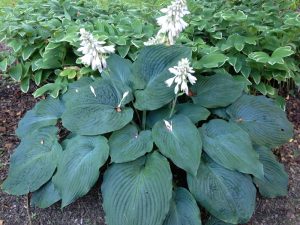
Humble hosta

If you’re looking for a plant that is winter-hardy throughout the Midwest, excels under shady conditions and has fabulous foliage as well as attractive flowers, then hosta is the plant for you. Also known as plantain lily, hosta performs best in partial to full shade, although some have been able to survive full sun conditions if given a cool environment with plenty of moisture. The leaves will tend to burn or turn sickly yellow if…Read more about Humble hosta[Read More]


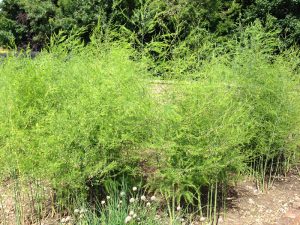
Bid farewell to asparagus and rhubarb season

Reluctantly, it is time to see the end of this year’s asparagus and rhubarb harvest. Because of their perennial growth habit, asparagus and rhubarb must be given a chance to rebuild food reserves so that a bumper crop can be produced again next year. A good rule of thumb is to stop harvesting about the middle of June. In the case of asparagus, this allows the spears to produce tall, fern-like growth. Often, asparagus plants…Read more about Bid farewell to asparagus and rhubarb season[Read More]


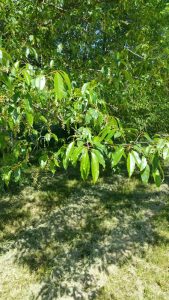
Beware of black cherry toxicity; it’s weedy, too

Beware of black cherry toxicity; it’s weedy, too Q. Was wondering if you could identify what species of tree this is from the photo? – RLW, Galveston, IN A. This is black cherry, known botanically as Prunus serotina. This is a large, fast-growing native tree that can become quite weedy due to prolific fruit that is prized by birds and other wildlife. The foliage and twigs can be toxic when eaten by livestock and pets….Read more about Beware of black cherry toxicity; it’s weedy, too[Read More]


Peony Showtime

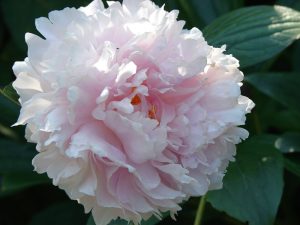
To admire a peony in full bloom is a fitting way to celebrate our full arrival into spring and preview a hint of the colors that summer will bring to our gardens. Although it is native to Asia, the peony has become a staple of Midwestern flower gardens – so much so that the Indiana Legislature in 1957 adopted the peony as the state flower. Zinnia was the state flower from 1931 to 1957 and…Read more about Peony Showtime[Read More]


Celebrate Arbor Day April 29

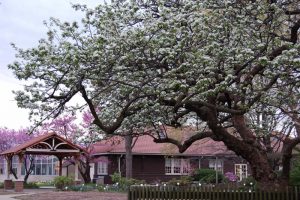
There’s no better way to celebrate Arbor Day then to add beauty and value to your home landscape with a new tree. Trees can also provide shade and wind protection for many years to come if given the proper start. The last Friday in April is both the national and the Indiana Arbor Day. The first step should be thoughtful selection of an appropriate plant to match the location. Assess your planting location for such…Read more about Celebrate Arbor Day April 29[Read More]


Page last modified: May 26, 2022

Indiana Yard and Garden – Purdue Consumer Horticulture - Horticulture & Landscape Architecture, 625 Agriculture Mall, West Lafayette, IN 47907

© 2026 Purdue UniversityAn equal access/equal opportunity universityCopyright ComplaintsMaintained by Indiana Yard and Garden – Purdue Consumer Horticulture

If you have trouble accessing this page because of a disability, please contact Indiana Yard and Garden – Purdue Consumer Horticulture at homehort@purdue.eduAccessibility Resources