Category: Seasonal Information

Science Project Resources

School science fairs often put students and parents on the hunt for project ideas. Of course, the point of these projects is for students, not parents, to learn how to plan and implement science! But, naturally, parents want to help their kids succeed. There are limitless resources available these days, especially with the help of the Internet. One of the most beneficial things moms and dads can do is to help their children find resources…Read more about Science Project Resources[Read More]
Science Project Resources

School science fairs often put students and parents on the hunt for project ideas. Of course, the point of these projects is for students, not parents, to learn how to plan and implement science! But, naturally, parents want to help their kids succeed. There are limitless resources available these days, especially with the help of the Internet. One of the most beneficial things moms and dads can do is to help their children find resources…Read more about Science Project Resources[Read More]

Versatile Vegetables for Fall Gardening

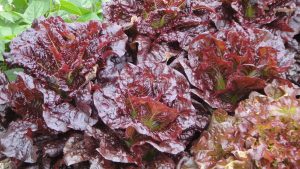
Fall is an excellent time to grow many vegetable crops in Indiana when the gardener can take advantage of cooler temperatures and more plentiful moisture. Fall gardening helps extend your gardening season so that you can continue to harvest produce after earlier crops have faded. Many vegetable crops are well adapted to planting in late summer for a fall harvest. Early spring-planted crops such as radishes, lettuce and spinach tend to bolt (produce seed) and…Read more about Versatile Vegetables for Fall Gardening[Read More]


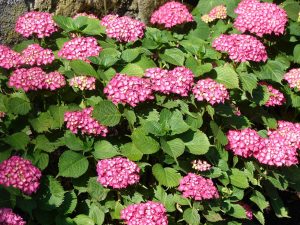
Hydrangea Popular, but Confusing

Hydrangeas are popular, but understandably confusing! There are about 25 species, though only five are primarily grown in the U.S. There are literally thousands of cultivars. Some species are classified as either mophead (all large, sterile florets) or lacecap (fertile, center florets surrounded by larger, sterile florets), depending on cultivar. The showiest part of the flower cluster is actually the bracts rather than petals. The bracts persist long after the petals drop and are often…Read more about Hydrangea Popular, but Confusing[Read More]


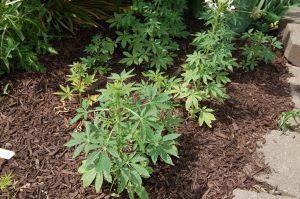
Sour Mulch Can Burn Tender Plants

Although the benefits of mulching garden plants are many, wood mulch that has been improperly stockpiled can lead to plant injury or even death. Young herbaceous plants are the most susceptible to such injury, which becomes obvious shortly after applying a hardwood bark mulch. Plants may look like they have been burned with fertilizer or pesticides, or possibly, are under severe water stress. All of the above could potentially be a problem, but, apparently, we…Read more about Sour Mulch Can Burn Tender Plants[Read More]


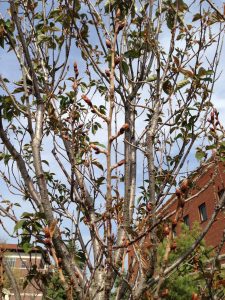
Where Have All the Flowers Gone?

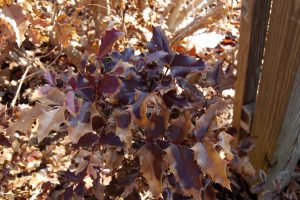
While some spring flowering trees and shrubs performed admirably this season, some species had few or no blooms at all. In addition, some plants were so late to leaf out they had many of us concerned that they had died overwinter. Some shrubs such as forsythia flowered only on the lower branches, where snow cover provided good insulation. While it is still possible that these plants may continue to show effects of the harsh winter,…Read more about Where Have All the Flowers Gone?[Read More]


It’s Rhubarb Time!

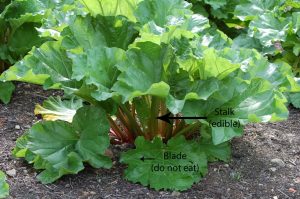
Rhubarb, also known as pieplant, is an herbaceous perennial grown for its unique, tart flavor of the thick leaf stalks (petioles). Rhubarb sends up its thick, edible stalks early in the spring, a much-anticipated harbinger of the coming growing season. Harvest can begin as soon as the stalks are large enough to cut and continues on through late spring. You can cut the stalks with a sharp knife, but be careful not to injure any…Read more about It’s Rhubarb Time![Read More]


Gardeners, Start Your Seeds

  Growing your own garden transplants from seed may take some extra work, but it does have its advantages. You’ll have a much wider choice of species and cultivars since most garden centers have limited space and tend to carry primarily the plants that sell quickly. Rather than having to buy a dozen of one type of tomato when you only need one or two, you can grow just the amount of each plant you…Read more about Gardeners, Start Your Seeds[Read More]


Winter Desiccation of Woody Ornamentals

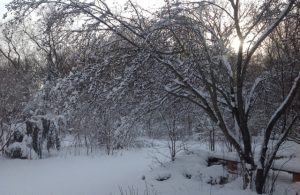
Winter’s howling winds and frigid temperatures are challenging for all woody landscape plants. Although our plants are fully dormant at this time, the plant tissue is still subject to losing too much water – a condition called desiccation. This year’s unusually heavy and consistent snow cover provides good insulation, and most plants went into winter with a good moisture supply this year. However, when the ground is frozen solid and freezing temperatures are accompanied by…Read more about Winter Desiccation of Woody Ornamentals[Read More]


The Big Chill

When winter temperatures dip below zero and winds howl across the prairie, gardeners may worry that their trees and shrubs are taking a beating. No need for doom and gloom yet – most hardy landscape and orchard plants are reasonably able to cope with most of our winters, including our recent polar vortex. Many factors influence plant injury, including plant species and cultivars, degree of plant dormancy and overall plant health. How low the temperature…Read more about The Big Chill[Read More]


Page last modified: October 4, 2016

Indiana Yard and Garden – Purdue Consumer Horticulture - Horticulture & Landscape Architecture, 625 Agriculture Mall, West Lafayette, IN 47907

© 2026 Purdue UniversityAn equal access/equal opportunity universityCopyright ComplaintsMaintained by Indiana Yard and Garden – Purdue Consumer Horticulture

If you have trouble accessing this page because of a disability, please contact Indiana Yard and Garden – Purdue Consumer Horticulture at homehort@purdue.eduAccessibility Resources