Category: Trees

Mystery leaf identified!

Callery pear leaf and fruit. Q: I would like identification of the two leaf samples enclosed. I think the photo showing just a leaf is a sweetbay magnolia. The other I don’t know. It has some sort of fruit on it and a sample is next to the leaf. Thank you so much! – G.H., Columbus, Indiana A: The photo showing the leaf with a fruit is Callery pear (sometimes called ornamental pear). They used…Read more about Mystery leaf identified![Read More]

 Categories:

December Garden Calendar

HOME (Indoor plants and activities) Check houseplant leaves for brown, dry edges, which indicates too little relative humidity in the house. Increase humidity by running a humidifier, grouping plants or using pebble trays. Extend the lives of holiday plants such as poinsettias and Christmas cactus by placing them in a cool, brightly lit area that is free from warm or cold drafts. Houseplants may not receive adequate light because days are short and gloomy. Move…Read more about December Garden Calendar[Read More]


November Garden Calendar

HOME (Indoor plants and activities) As houseplant growth slows, apply less fertilizer and water. If plants are dropping many leaves, move them closer to sunny exposures, such as west- and south-facing windows. Artificial lights may be needed to supplement particularly dark rooms. Pot spring-flowering bulbs with tips exposed to force into bloom indoors. Moisten soil and refrigerate 10 to 13 weeks. Transfer to a cool, sunny location, and allow an additional three to four weeks…Read more about November Garden Calendar[Read More]


Tree care from freeze to slime

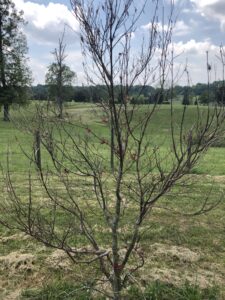
Q: Our Japanese red maple tree was full of new leaves when the hard freeze hit. It is just now getting a few leaves again. Should I trim the tree back, or just wait and see what happens? I do not know how much is dead or how much will produce new growth. – A.K., Harrison County  A: It’s easy to check the twigs for live tissue. If twigs appear to be dead, scrape away…Read more about Tree care from freeze to slime[Read More]

 Categories:

July Garden Calendar

HOME (Houseplants and indoor activities) Closely watch houseplants that have been set outdoors. They need more water than they did indoors. They can dry out rapidly in hot, summer breezes. Propagate houseplants by taking cuttings from vigorously growing plants. Place the cut end in rooting media (such as perlite, vermiculite, or peat moss soil mix). Enclose in plastic and keep out of direct sunlight. YARD (Lawns, woody ornamentals, and fruits) Keep newly established plants watered…Read more about July Garden Calendar[Read More]


June Garden Calendar

HOME (Houseplants and indoor activities) Indoor plants will require more frequent watering and fertilizing as they increase their summer growth. You can move houseplants outdoors to a shady location, but pay close attention to their watering needs. Cut garden flowers for indoor beauty. Recut the stems again just before placing in water. Add a floral preservative, and change the solution frequently. Root cuttings of houseplants and garden plants to increase your collection or share with…Read more about June Garden Calendar[Read More]


Assessing Freeze Injury on Horticultural Plants

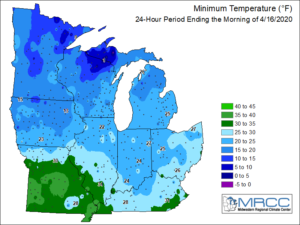
As so many gardeners are staying at home these days, we’ve had more opportunity to enjoy the spring display. And then, perhaps inevitably, “normal” spring frost and freeze visited. Some plants are vulnerable to damage. The amount of damage will depend on how far along they are in their development. Home fruit-growers may have reason to be concerned: At 28 F, you can expect a 10 percent loss of flowers/young developing fruit. However, at 25…Read more about Assessing Freeze Injury on Horticultural Plants[Read More]


April Garden Calendar

HOME (Indoor plants and activities) Start seeds of warm-season plants (including tomatoes, peppers, eggplant, marigolds, zinnias, and petunias) indoors for transplanting later to the garden. Harden off transplants started earlier in spring before planting outdoors. Gradually expose the young plants to outdoor conditions of wind, brighter sunlight, and lower moisture. Apply fertilizer to houseplants according to label directions as days grow brighter and longer and new growth begins. Foliage plants require relatively high-nitrogen fertilizer, while…Read more about April Garden Calendar[Read More]


March Garden Calendar

HOME (Indoor plants and activities) Begin fertilizing houseplants as new growth appears. Remove spent leaves and flowers to improve appearance and encourage more blooms. Start garden seeds indoors for transplanting outdoors later in spring. Check stored bulbs and produce for decay; discard damaged items. Prune, repot, and clean houseplants as needed. YARD (Lawns, woody ornamentals, and fruits) Prune trees and shrubs (except those that bloom early in spring) while plants are still dormant. If you…Read more about March Garden Calendar[Read More]


February Garden Calendar

HOME (Indoor plants and activities) Check water levels in cut flowers daily. Check stored produce and flower bulbs for rot, shriveling, or excess moisture. Discard any damaged items. Most houseplants require less water in the winter because growth is slow or stopped. Check the soil for dryness before watering. Move houseplants to brighter windows, but don’t place plants in drafty places or against cold windowpanes. Potted spring-flowering bulbs forced into early blooming can make good…Read more about February Garden Calendar[Read More]


Page last modified: August 9, 2022

Indiana Yard and Garden – Purdue Consumer Horticulture - Horticulture & Landscape Architecture, 625 Agriculture Mall, West Lafayette, IN 47907

© 2026 Purdue UniversityAn equal access/equal opportunity universityCopyright ComplaintsMaintained by Indiana Yard and Garden – Purdue Consumer Horticulture

If you have trouble accessing this page because of a disability, please contact Indiana Yard and Garden – Purdue Consumer Horticulture at homehort@purdue.eduAccessibility Resources