June 14, 2018
A multidisciplinary team of researchers at Purdue University and the University of Bordeaux in France has received a grant from The Michael J. Fox Foundation for Parkinson’s Disease to study a new gene associated with Parkinson’s disease, which was linked to the disease using novel big data methodologies. The findings from this research could potentially be used to design new therapies to slow neurodegeneration in the brains of patients with Parkinson’s disease and other related disorders. Jean-Christophe Rochet, professor of medicinal chemistry and molecular pharmacology at Purdue; Erwan Bezard, research director at the Institute of Neurodegenerative Diseases at the University of Bordeaux; Jason Cannon, associate professor of toxicology at Purdue; and Min Zhang, professor of statistics at Purdue, will study the neuroprotective effects of the new gene, known as NFE2L1, in Parkinson’s disease models. Their collaboration was helped by a nearly $107,000 grant from the organization named for the famous actor who has Parkinson’s.
June 11, 2018
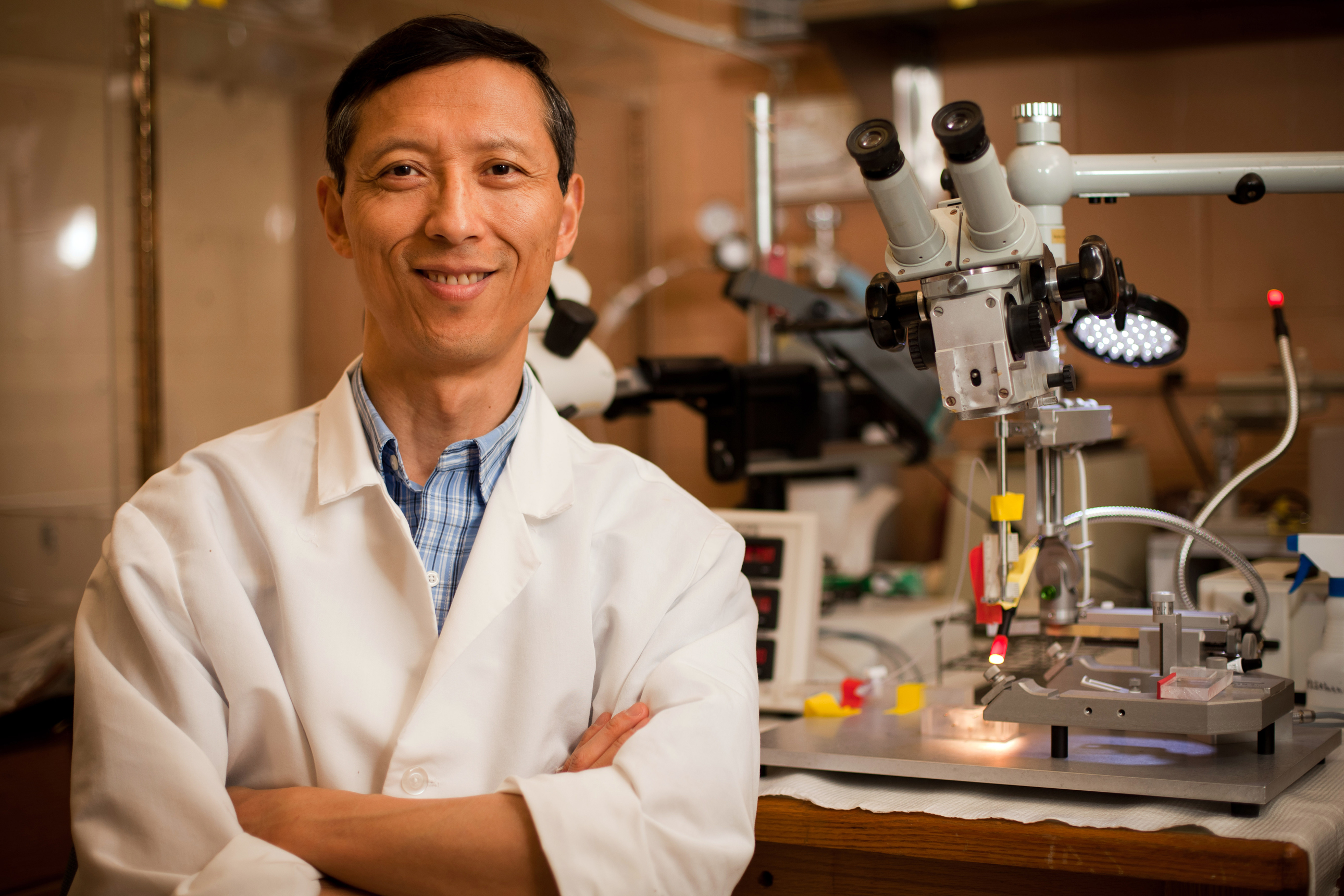
A potential new drug therapy for spinal cord injuries has been identified by researchers at Purdue University. The drug was identified by Riyi Shi, professor in the Department of Basic Medical Sciences, College of Veterinary Medicine and Weldon School of Biomedical Engineering. The drug works in a similar way as a drug previously developed at Purdue, 4-aminopyridine, which has been approved by the U.S. Food and Drug Administration to treat multiple sclerosis. (Purdue University photo)
Possible new treatment for spinal cord injuries identified in animal studies
May 3, 2018
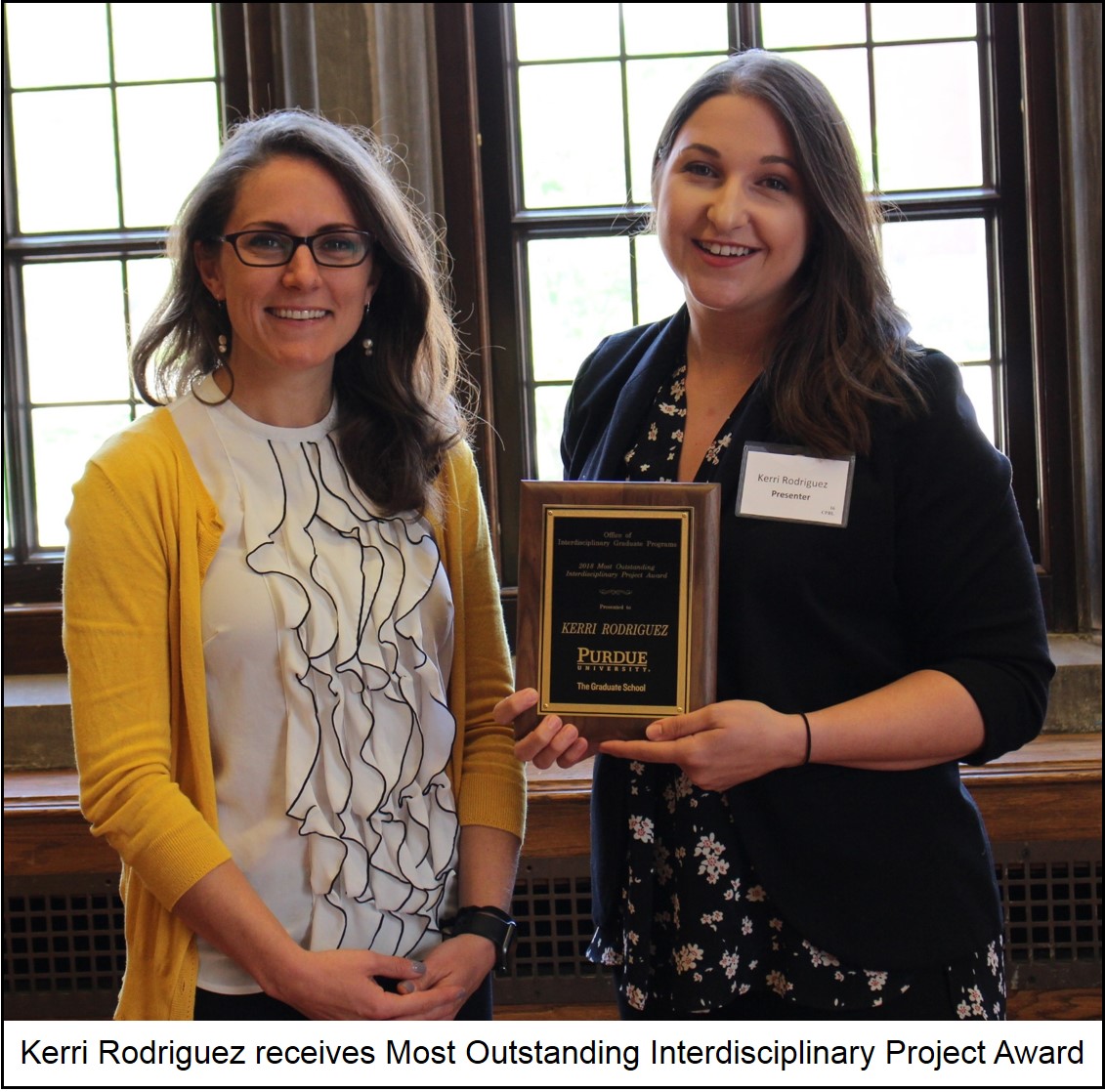
PIIN students really pulled in the honors from the Office of Interdisciplinary Graduate Programs! Kerri Rodriguez, a graduate student in Comparative Pathobiology, was awarded the Most Outstanding Interdisciplinary Project Award for her poster project entitled: “The Effect of Psychiatric Service Dogs on Salivary Cortisol in a Population of Military Veterans with PTSD." Five PIIN students won Certificate of Excellence awards: Dan Cholger for "Engineering and Application of Fluorescent Protein Biosensors to Visualize Purinergic Gliotransmission", Kelly Higgins for "Twelve Week Consumption Effects of Five Sweeteners on Body Weight, Energy Intake, and Energy Expenditure", Stephanie Hunter for "Effect of phenolic acids and resistant starch in potato products on post-prandial glycemia and appetite", Breanna McArthur for "Relationship between particle size and lipid bioaccessiblity in nuts" and Paola Montenegro for "Effects of the A53E substitution on alpha synuclein aggregation and neurotoxicity in Parkinson's disease models". Congratulations to all!!
April 27, 2018
Abstract: Canine leukoencephalomyelopathy (LEMP) is a juvenile-onset neurodegenerative disorder of the CNS white matter currently described in Rottweiler and Leonberger dogs. Genome-wide association study (GWAS) allowed us to map LEMP in a Leonberger cohort to dog chromosome 18. Subsequent whole genome re-sequencing of a Leonberger case enabled the identification of a single private homozygous non-synonymous missense variant located in the highly conserved metallo-beta-lactamase domain of the N-acyl phosphatidylethanolamine phospholipase D (NAPEPLD) gene, encoding an enzyme of the endocannabinoid system. We then sequenced this gene in LEMP-affected Rottweilers and identified a different frameshift variant, which is predicted to replace the C-terminal metallo-beta-lactamase domain of the wild type protein. Haplotype analysis of SNP array genotypes revealed that the frameshift variant was present in diverse haplotypes in Rottweilers, and also in Great Danes, indicating an old origin of this second NAPEPLD variant. The identification of different NAPEPLD variants in dog breeds affected by leukoencephalopathies with heterogeneous pathological features, implicates the NAPEPLD enzyme as important in myelin homeostasis, and suggests a novel candidate gene for myelination disorders in people.
Canine NAPEPLD-associated models of human myelin disorders- Dr. Kari Ekenstedt
April 27, 2018
Abstract: The transition from non-dependent alcohol use to alcohol dependence involves increased activity of the dorsal striatum. Interestingly, the dorsal striatum expresses a large number of inhibitory G-protein-coupled receptors (GPCRs), which when activated may inhibit alcohol-induced increased activity and can decrease alcohol consumption. Here, we explore the hypothesis that dorsal striatal Gi/o-protein activation is sufficient to reduce voluntary alcohol intake. Using a voluntary, limited-access, two-bottle choice, drink-in-the-dark model of alcohol (10%) consumption, we validated the importance of Gi/o signaling in this region by locally expressing neuron-specific, adeno-associated-virus encoded Gi/o-coupled muscarinic M4 designer receptors exclusively activated by designer drugs (DREADD) in the dorsal striatum and observed a decrease in alcohol intake upon DREADD activation. We validated our findings by activating Gi/o-coupled delta-opioid receptors (DORs), which are natively expressed in the dorsal striatum, using either a G-protein biased agonist or a ?-arrestin-biased agonist. Local infusion of TAN-67, an in vitro-determined Gi/o-protein biased DOR agonist, decreased voluntary alcohol intake in wild-type and ?-arrestin-2 knockout (KO) mice. SNC80, a ?-arrestin-2 biased DOR agonist, increased alcohol intake in wild-type mice; however, SNC80 decreased alcohol intake in ?-arrestin-2 KO mice, thus resulting in a behavioral outcome generally observed for Gi/o-biased agonists and suggesting that ?-arrestin recruitment is required for SNC80-increased alcohol intake. Overall, these results suggest that activation Gi/o-coupled GPCRs expressed in the dorsal striatum, such as the DOR, by G-protein biased agonists may be a potential strategy to decrease voluntary alcohol consumption and ?-arrestin recruitment is to be avoided.
April 27, 2018
Abstract: To attenuate an overabundance of cellular protein, it has been hypothesized that the 20S core particle (20S CP) of the proteasome can be chemically stimulated to degrade proteins into nontoxic peptides more quickly. Screening for small molecule 20S CP stimulators is typically performed with a reporter peptide composed of four amino acids and a coumarin group that is released upon proteasome-mediated hydrolysis to generate a fluorescent signal. Screening with this small reporter can lead to false negatives because the reporter peptide is rapidly turned-over without stimulation. To improve the screening for 20S CP stimulators, we have developed a peptide FRET reporter nearly four times more sensitive to stimulation but still amenable for high throughput screening. Through the application of our FRET reporter, we have discovered two 20S CP gate-opening stimulators and also a molecule that elicits its mechanism of action through an interaction with a 20S CP active site.
April 24, 2018
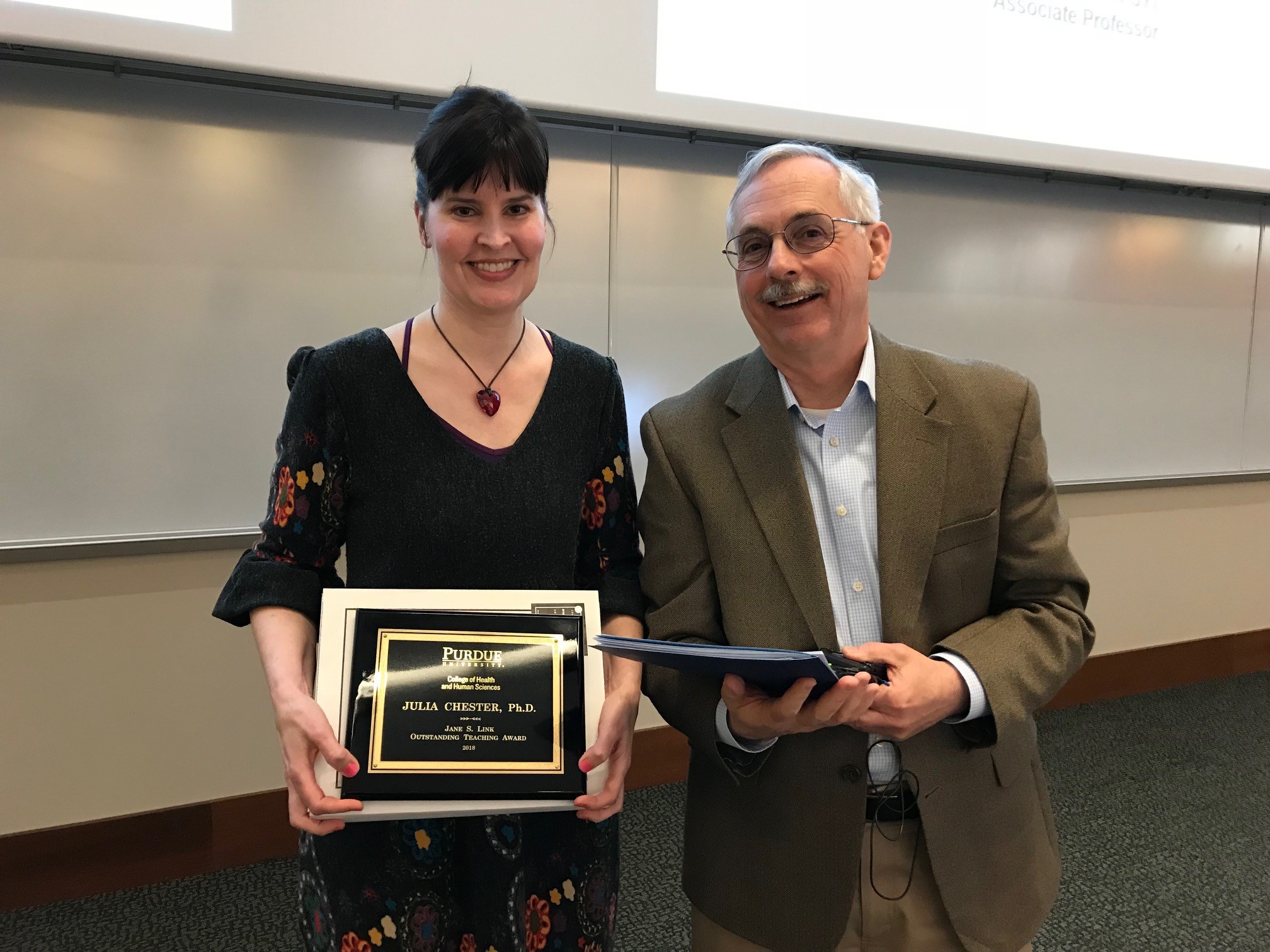
Julia A. Chester, Ph.D. Associate Professor Department of Psychological Sciences, won the Jane S. Link College of Health and Human Sciences Teaching Award.
April 24, 2018
The Purdue Chapter of Sigma Xi, the Scientific Research Honor Society for scientists and engineers awarded Professor Jennifer L. Freeman ( Associate Professor of Toxicology) with the newer Mid-Career Research Award.
Professor Jennifer L. Freeman was awarded the newer Mid-Career Research Award
April 24, 2018
Professor Stephen Konieczny (Biological Sciences) was recognized as this year's winner of the Sigma Xi Research Award. This award began in 1950 and Dr. Konieczny is the 66th recipient.
Professor Stephen Konieczny was recognized as this year's winner of the Sigma Xi Research Award
April 20, 2018
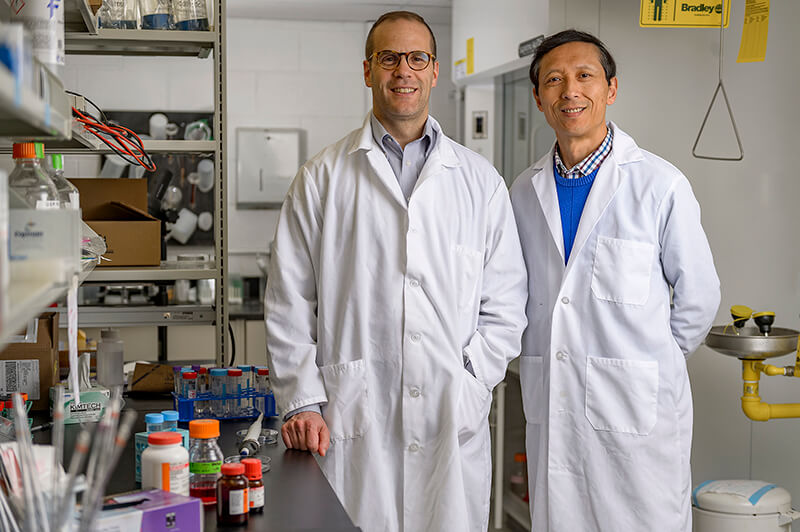
Two members of the Purdue Institute for Integrative Neuroscience, Dr. Chris Rochet, and Dr. Riyi Shi recently discover a key factor in the development of Parkinson’s disease that could lead to new therapies, potentially including drugs currently on the market. This discovery could facilitate earlier diagnosis and prevention of the neurological disorder.
'Key factor' in development of Parkinson's disease identified- Dr. Chris Rochet and Dr. Riyi Shi
