Category: Uncategorized

Get Growing with Purdue Extension

Registration is now CLOSED! Join Purdue Extension Educators for a live “virtual” program on commonly asked about garden topics. This program is designed for those that want to learn a little bit about how plants grow, common garden problems, how to grow vegetables, fruits, and flowers, and how to maintain your trees, shrubs and lawn. Tuesdays 9:30 a.m. – Noon (Eastern Standard Time) January 12 – February 23, 2021 Program Schedule January 12 – How…Read more about Get Growing with Purdue Extension[Read More]

Fern is healthier than it appears

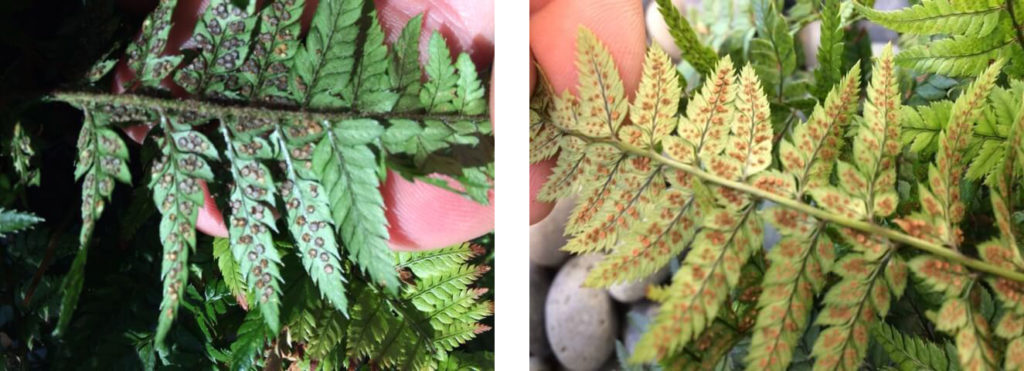
  Q: I received a potted fern as a gift from a friend, and it has done well in my home for over a year. But now it has what looks like a fungus on the bottom side of the leaves. Is there anything I can apply to prevent this from killing my plant? A: The growths on your fern are not from a fungus. They are fern spore cases and are not harmful to…Read more about Fern is healthier than it appears[Read More]


New Tool Provides Resources for Midwest Landscapes

The Purdue Landscape Report provides science-based, timely information for Midwest landscapes. Members of the Purdue Landscape Report Team create articles and supporting photos. The team is composed of Purdue Extension specialists and diagnosticians in many disciplines, including horticulture, entomology, plant pathology, urban forestry and turf science. The information in the report is intended to benefit commercial growers, garden centers, landscapers, arborists, or others who want to keep up with current landscape issues. In addition to…Read more about New Tool Provides Resources for Midwest Landscapes[Read More]


Showy hibiscus and mystery feathers

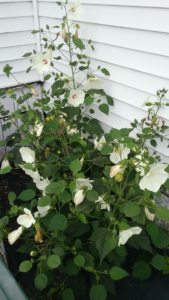
Q. Was wondering if you can identify this volunteer flowering plant. This is the second year it has come up. – H.G., Shipshewana, Ind. A. This is the perennial garden flower known commonly as hibiscus or rose mallow, botanical name Hibiscus moscheutos. This type of hibiscus is a hardy perennial that dies back to the ground each winter, and returns in the spring, reaching 3 to 5 feet tall or more. They usually begin blooming in midsummer and…Read more about Showy hibiscus and mystery feathers[Read More]


Dividing iris

Whether you’re looking to expand your planting of iris or just need to rejuvenate an older planting, late summer through early fall is a good time to lift and divide iris. Dividing every three to five years will help rejuvenate the planting, and encourage more blossoms for the subsequent years. Most iris plants spread by means of underground stems called rhizomes. Rhizomes become too crowded over time, resulting in reduced flowering. By lifting and dividing…Read more about Dividing iris[Read More]


Pricklypear Cactus Wanted and Unwanted

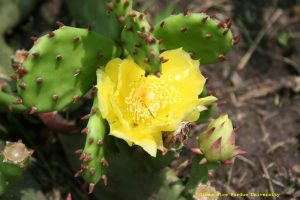
Q. How do I keep cactus out of my yard? They grow somewhat flat on the ground and have yellow flowers. I have sandy soil – I call them sand cactus. I keep digging them up, but can’t seem to get rid of them.  – D.C. A. The eastern picklypear cactus, Opuntia humifusa, is native to most of the U.S. including Indiana and is considered beautiful and valuable by many. But it certainly can be a…Read more about Pricklypear Cactus Wanted and Unwanted[Read More]


Cull Rotted Bulbs

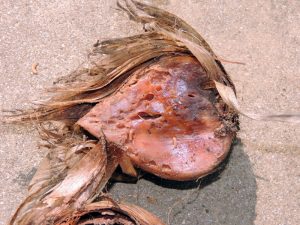
Q. I’ve been raising alliums for 20 years. Some years I’ve left them in the ground over winter, but most years I lift them when the stems dry up and replant them late September –  early October. This year I lifted them and most were rotten. I’ve never seen this before. I had 47 to dig this year and only got a dozen to replant this fall. I hope the pictures show the little white maggot looking…Read more about Cull Rotted Bulbs[Read More]


Decrease powdery mildew through prevention

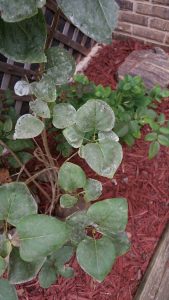
Q. Is there any way you could help in figuring out what is wrong with our lilac? – C.B. via email. A. Lilacs are quite susceptible to a fungal disease called powdery mildew, which causes a grayish-white, powdery coating of spores and fungal structures on the surface of leaves, stems, flower petals and fruit. According to the Purdue Plant and Pest Diagnostic Laboratory, the best method of control is prevention. Practices that will decrease the severity…Read more about Decrease powdery mildew through prevention[Read More]


Warm, wet conditions prime for algae

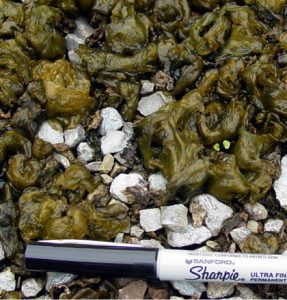
Q. For the last few years we have noticed some green blobs on our gravel drive. It only grows in size when it rains and dries up and turns black when the weather is sunny. It looks like turkey droppings and feels like jelly when wet. It is very unsightly and gets tracked into the house. We never saw this stuff until the last few years and only on limestone gravel. It seems to grow…Read more about Warm, wet conditions prime for algae[Read More]


Leaf galls common to oak trees

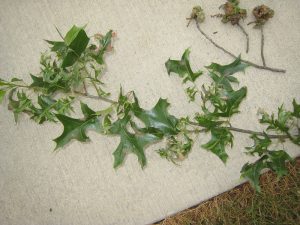
Q. We have a pin oak tree that is approximately 30 feet tall. On the north-facing side of the tree there are many wilted leaves, and there are many balls of strange growth. Pictures of the leaves and the balls are attached. Can you help to identify the problem and any solutions that we need to pursue? – M&L W, Indianapolis A. My best guess is one of the many leaf galls common to oak…Read more about Leaf galls common to oak trees[Read More]


Page last modified: October 6, 2016

Indiana Yard and Garden – Purdue Consumer Horticulture - Horticulture & Landscape Architecture, 625 Agriculture Mall, West Lafayette, IN 47907

© 2026 Purdue UniversityAn equal access/equal opportunity universityCopyright ComplaintsMaintained by Indiana Yard and Garden – Purdue Consumer Horticulture

If you have trouble accessing this page because of a disability, please contact Indiana Yard and Garden – Purdue Consumer Horticulture at homehort@purdue.eduAccessibility Resources