Category: Summer

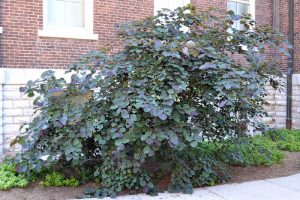
The Purple Landscape

Trees and shrubs with colorful foliage can add a steady supply of interest in the landscape throughout the growing season. Purple foliage is quite popular among plant breeders and garden enthusiasts.  Here’s a look at some possibilities to consider. Small to Medium Trees Japanese Maple – There are many cultivars available in the trade. Some have purple foliage all summer while others may be purple only in spring and/or autumn. Redbud “Forest Pansy” – This…Read more about The Purple Landscape[Read More]
Gardening for Pollinators

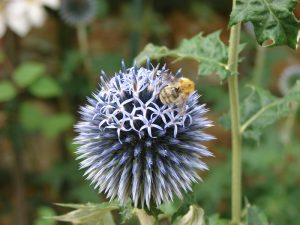
Pollinators are all the “buzz” these days with a federal proclamation designating June 15-21 as National Pollinator Week. Now in its eighth year, the focus of this event is to promote the health of pollinators, so critical to food and ecosystems. It may surprise you to learn that the honeybee is native to Europe and was introduced to the US. But there are also numerous other pollinator species including native bees, butterflies and moths, beetles,…Read more about Gardening for Pollinators[Read More]


Versatile Vegetables for Fall Gardening

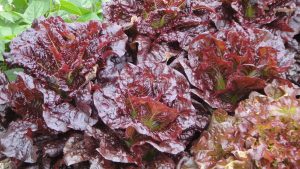
Fall is an excellent time to grow many vegetable crops in Indiana when the gardener can take advantage of cooler temperatures and more plentiful moisture. Fall gardening helps extend your gardening season so that you can continue to harvest produce after earlier crops have faded. Many vegetable crops are well adapted to planting in late summer for a fall harvest. Early spring-planted crops such as radishes, lettuce and spinach tend to bolt (produce seed) and…Read more about Versatile Vegetables for Fall Gardening[Read More]


Hydrangea Popular, but Confusing

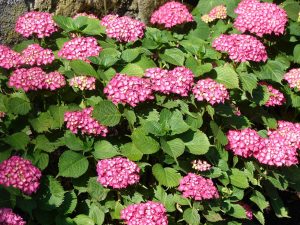
Hydrangeas are popular, but understandably confusing! There are about 25 species, though only five are primarily grown in the U.S. There are literally thousands of cultivars. Some species are classified as either mophead (all large, sterile florets) or lacecap (fertile, center florets surrounded by larger, sterile florets), depending on cultivar. The showiest part of the flower cluster is actually the bracts rather than petals. The bracts persist long after the petals drop and are often…Read more about Hydrangea Popular, but Confusing[Read More]


Sour Mulch Can Burn Tender Plants

Although the benefits of mulching garden plants are many, wood mulch that has been improperly stockpiled can lead to plant injury or even death. Young herbaceous plants are the most susceptible to such injury, which becomes obvious shortly after applying a hardwood bark mulch. Plants may look like they have been burned with fertilizer or pesticides, or possibly, are under severe water stress. All of the above could potentially be a problem, but, apparently, we…Read more about Sour Mulch Can Burn Tender Plants[Read More]


Harvesting and Storing Garden Vegetables

Nothing beats fresh-picked vegetables picked from the garden, but timing is everything! Harvesting at the right stage is essential – proper storage will help maintain homegrown freshness. Some crops are best harvested frequently while still immature, while others need to mature as long as possible. Crops also vary in their optimal storage requirements; some do best in cold, moist storage; others do best in dry storage. The following crops are grouped by similarity of storage…Read more about Harvesting and Storing Garden Vegetables[Read More]


Tomato Troubles

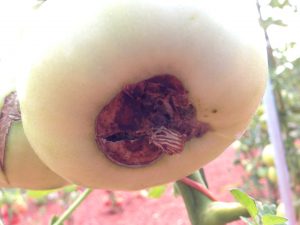
Despite the endless list of potential problems, tomatoes continue to be the most popular plant in Midwest vegetable gardens. Many tomato problems are related to environmental factors such as temperature and moisture, rather than insects or disease. The most common tomato affliction is blossom-end rot, so named for the black, leathery scar that occurs on the blossom end, instead of the stem end, of the fruit. Blossom-end rot most frequently occurs when there are extremes…Read more about Tomato Troubles[Read More]


Off with their heads!

Removing spent blossoms from your shrubs and garden flowers can be tedious work, but often pays big dividends. The removal of spent flowers is often referred to as “deadheading.” Pinching or pruning off dead flowers is not just a matter of aesthetics – it can also encourage additional blooming. Many plants – petunia, geranium, marigold, speedwell, and coreopsis, among them – will re-bloom after deadheading. For these plants, the formation of fruit and seed signals…Read more about Off with their heads![Read More]


Stressed plants may look like early fall

To state the obvious, many of our landscape plants really show the signs of excessive heat and extreme drought. Some trees are losing leaves already and may be turning color before they drop. Others have turned completely brown while still remaining attached. Early fall color and/or defoliation is common when plants are under stress and this season has been quite challenging for many trees, both old and young. The intense heat made it difficult for…Read more about Stressed plants may look like early fall[Read More]


Heat Wave Plus Drought Equals Double Whammy for Gardeners

The early arrival of summer’s extreme heat coupled with drought for many weeks now is tough on garden plants as well as their caretakers. Just as flowers and landscape plants have been gasping for water in much of the state, some vegetable crops are also struggling to stay productive. Tomatoes, peppers, melons, squash, pumpkins, cucumbers and green beans typically drop their blossoms without setting fruit when day temperatures are above 90 F, even if not…Read more about Heat Wave Plus Drought Equals Double Whammy for Gardeners[Read More]


Page last modified: October 6, 2016

Indiana Yard and Garden – Purdue Consumer Horticulture - Horticulture & Landscape Architecture, 625 Agriculture Mall, West Lafayette, IN 47907

© 2026 Purdue UniversityAn equal access/equal opportunity universityCopyright ComplaintsMaintained by Indiana Yard and Garden – Purdue Consumer Horticulture

If you have trouble accessing this page because of a disability, please contact Indiana Yard and Garden – Purdue Consumer Horticulture at homehort@purdue.eduAccessibility Resources