Category: Autumn/Fall

December Garden Calendar

HOME (Indoor plants and activities) Check houseplant leaves for brown, dry edges, which indicates too little relative humidity in the house. Increase humidity by running a humidifier, grouping plants or using pebble trays. Extend the lives of holiday plants such as poinsettias and Christmas cactus by placing them in a cool, brightly lit area that is free from warm or cold drafts. Houseplants may not receive adequate light because days are short and gloomy. Move…Read more about December Garden Calendar[Read More]
November Garden Calendar

HOME (Indoor plants and activities) As houseplant growth slows, apply less fertilizer and water. If plants are dropping many leaves, move them closer to sunny exposures, such as west- and south-facing windows. Artificial lights may be needed to supplement particularly dark rooms. Pot spring-flowering bulbs with tips exposed to force into bloom indoors. Moisten soil and refrigerate 10 to 13 weeks. Transfer to a cool, sunny location, and allow an additional three to four weeks…Read more about November Garden Calendar[Read More]


October Garden Calendar

HOME (Indoor plants and activities) Keep poinsettia in complete darkness for 15 hours each day — for example, between 5 p.m. and 8 a.m. — for eight to 10 weeks until red bracts begin to show. Pot spring-flowering bulbs to force into bloom indoors. Moisten soil and refrigerate 10 to 13 weeks. Transfer to a cool, sunny location, and allow an additional three to four weeks for blooming. Houseplants, especially those grown outdoors during the…Read more about October Garden Calendar[Read More]


Storing Leftover Garden Seed

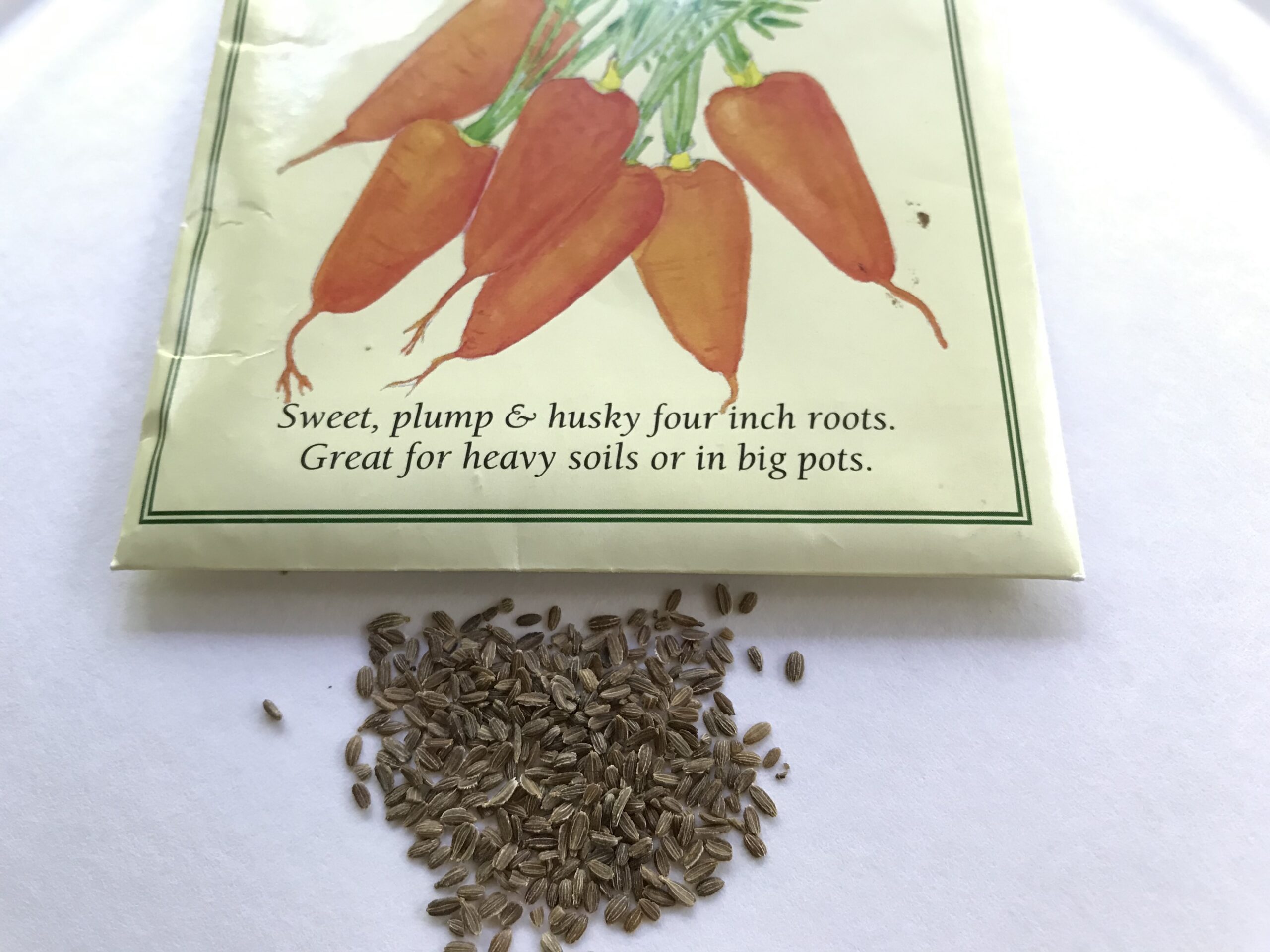
Carrot seed, photo provided by Rosie Lerner If you didn’t use up all the garden seed you bought this year, much of it can be stored for use in next year’s garden – depending on the plant species. Seeds of some plants ,such as corn, parsley, onion, viola (pansies), verbena, phlox, and salvia, are not very long lived, lasting only 1 or 2 years at best. Other seeds, including beans, carrots, lettuce, peas, radishes, snapdragon,…Read more about Storing Leftover Garden Seed[Read More]


September Garden Calendar

YARD (Lawns, woody ornamentals and fruits) Fall is a good time to plant many container-grown or balled-and-burlapped nursery stock. Prepare a good-size planting hole wider than the ball, but plant at the same depth it grew in the nursery and water thoroughly. Mulching will help protect against large fluctuations in soil temperature and moisture. Do not be alarmed if your evergreens, particularly white pine and arborvitae, drop some older needles. All evergreens shed needles at…Read more about September Garden Calendar[Read More]


Thankful for Cranberries

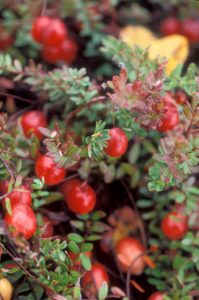
The cranberry plant is native to large portions of the northeastern United States as well as the West Coast states and portions of Canada. Cranberry production requires a rather unique acid bog habitat, which restricts its commercial production to just a few states. Wisconsin, Massachusetts, New Jersey, Oregon, and Washington are the leading producers in the US. The ideal soil pH is 4.0-5.5, quite acidic compared to other horticultural crops. A large supply of fresh…Read more about Thankful for Cranberries[Read More]


Cut Back Perennials Now or Later?

Gardeners often ask, “When is the best time to cut back the dead tops of herbaceous perennials (stems die back to the ground each year)? Should we cut them in fall as the tops fade? Or wait until spring, just before new growth begins?” The answers depend, in part, on the specific plant and whether disease or insect pests are a factor. For most healthy plants, leaving plant tops over winter is fine and, in…Read more about Cut Back Perennials Now or Later?[Read More]


Fall Leaves Are Treasure, Not Trash

The hot dry weather experienced throughout much of Indiana in late summer is bringing an early leaf drop to many landscape plants. But even under the best weather conditions, the shorter, cooler days of autumn signal deciduous plants to begin their color change and eventual leaf drop. For some, this marvel is overshadowed by the chores of raking and disposing of leaves. What’s needed here is an attitude adjustment! Autumn leaves don’t have to become…Read more about Fall Leaves Are Treasure, Not Trash[Read More]


Don’t let sap-sucking squash bugs get old

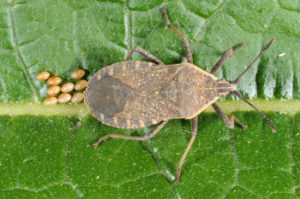
Q: We have been battling squash bugs for years. This year we went to preventive measures. Well, they are back. I now need to know what can we do to apply to kill them on contact. We are totally organic here. – T.H., Bremen, Indiana A: Squash bugs can be a persistent pest on all of the cucurbits, but especially on squash and pumpkins. This pest overwinters as adults in crop residue or nearby weeds, then fly to…Read more about Don’t let sap-sucking squash bugs get old[Read More]


Gardeners worn down; clearweed may be culprit

Q: I have had a garden on our property for about 14 years. Naturally, we’ve always had to deal with weeds, but until last year they had been the usual crabgrass and other types that could be controlled if you kept ahead of them. But last year, some type of weed or ground cover has sprung up, and it’s infuriating!! There is absolutely no way to weed it out by hand because it comes up almost…Read more about Gardeners worn down; clearweed may be culprit[Read More]


Page last modified: May 4, 2021

Indiana Yard and Garden – Purdue Consumer Horticulture - Horticulture & Landscape Architecture, 625 Agriculture Mall, West Lafayette, IN 47907

© 2026 Purdue UniversityAn equal access/equal opportunity universityCopyright ComplaintsMaintained by Indiana Yard and Garden – Purdue Consumer Horticulture

If you have trouble accessing this page because of a disability, please contact Indiana Yard and Garden – Purdue Consumer Horticulture at homehort@purdue.eduAccessibility Resources