Category: Vegetables

April Garden Calendar

HOME (Indoor plants and activities) Start seeds of warm-season plants (including tomatoes, peppers, eggplant, marigolds, zinnias, and petunias) indoors for transplanting later to the garden. Harden off transplants started earlier in spring before planting outdoors. Gradually expose the young plants to outdoor conditions of wind, brighter sunlight, and lower moisture. Apply fertilizer to houseplants according to label directions as days grow brighter and longer and new growth begins. Foliage plants require relatively high-nitrogen fertilizer, while…Read more about April Garden Calendar[Read More]
Advice for first-time gardeners: Start small

As so many of us are spending much more time at home these days, this might be the perfect time to think about starting a vegetable garden! In addition to adding fresh produce to your diet, gardening can offer both physical and mental therapeutic benefits. Anyone can develop a green thumb, as long as they’re willing to invest a little time, patience and elbow grease. Good planning is essential to successful gardening. Start your garden…Read more about Advice for first-time gardeners: Start small[Read More]


March Garden Calendar

HOME (Indoor plants and activities) Begin fertilizing houseplants as new growth appears. Remove spent leaves and flowers to improve appearance and encourage more blooms. Start garden seeds indoors for transplanting outdoors later in spring. Check stored bulbs and produce for decay; discard damaged items. Prune, repot, and clean houseplants as needed. YARD (Lawns, woody ornamentals, and fruits) Prune trees and shrubs (except those that bloom early in spring) while plants are still dormant. If you…Read more about March Garden Calendar[Read More]


January Garden Calendar

Home (indoor plants and activities) Keep holiday poinsettias and other plants near a bright window. Water as top of soil becomes dry. Increase humidity around houseplants by grouping plants together, placing them on a pebble-water tray or running a humidifier. Check stored produce and tender flower bulbs and roots for rot, shriveling or excess moisture. Remove and discard damaged material. Repot houseplants as they outgrow current pots. Yard (lawns, woody ornamentals and fruits) Check young…Read more about January Garden Calendar[Read More]


Don’t let sap-sucking squash bugs get old

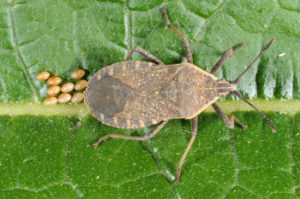
Q: We have been battling squash bugs for years. This year we went to preventive measures. Well, they are back. I now need to know what can we do to apply to kill them on contact. We are totally organic here. – T.H., Bremen, Indiana A: Squash bugs can be a persistent pest on all of the cucurbits, but especially on squash and pumpkins. This pest overwinters as adults in crop residue or nearby weeds, then fly to…Read more about Don’t let sap-sucking squash bugs get old[Read More]


Squash blossoms drop, and sometimes that’s normal

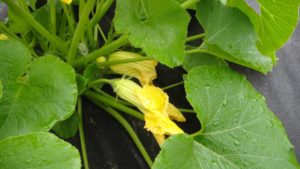
A common complaint among vegetable gardeners is that their squash plants have a lot of flowers, but many of them just fall off without producing any fruit. This same observation can be made of cucumbers, melons, pumpkins and gourds, all of which are collectively known as “vine” crops to home gardeners. These plants are all members of the Cucurbitaceae family and are also commonly referred to as “cucurbits.” All of these vine crops produce separate…Read more about Squash blossoms drop, and sometimes that’s normal[Read More]


Leafy vegetables ready for short, cool growing season

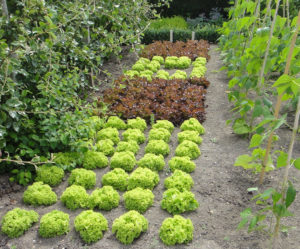
Leafy vegetables are more nutritious and have fewer calories than most other vegetables, and they’re easy to grow. Most greens can be grown in relatively short, cool growing seasons, making them available for fresh harvest earlier than most other crops. If properly planned, fresh, leafy greens can be harvested all season long. Leafy vegetables adapted to cool Indiana spring and fall growing conditions include lettuce, spinach, mustard, collards, endive, and kale. Many new cultivars of…Read more about Leafy vegetables ready for short, cool growing season[Read More]


Rhubarb is prone to bolting. Here’s what to do

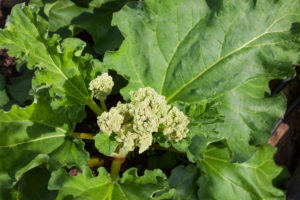
We humans can be so difficult to please. When plants flower when we want them to, we call it blooming. But when plants flower when we don’t want them to, we call it bolting. Flowering is an undesirable trait when growing rhubarb; therefore, bolting describes the event. Gardeners frequently ask why their rhubarb is bolting. Well, if you think of it from the plant’s perspective, it is just a part of the plant’s natural life…Read more about Rhubarb is prone to bolting. Here’s what to do[Read More]


Time to Harvest Sweet Potatoes

  Although some folks may be sad to see summer coming to a close, many gardeners are looking forward to harvesting their sweet potato treasures. Sweet potatoes are warm-season plants that are very sensitive to cold temperatures. The tuberous roots should be harvested by the time frost kills the vines or soon thereafter. Sweet potato roots continue to grow until frost kills the vines. Roots can be left in the ground for a short while;…Read more about Time to Harvest Sweet Potatoes[Read More]


Know When to Harvest Your Asparagus

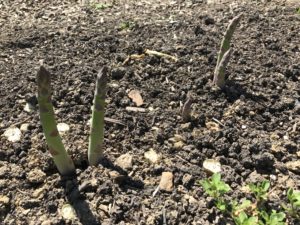
Q. I planted a new asparagus patch last year. I just have a few spears up so far. Do you think the cold weather injured the plants this winter? Is it OK to harvest these spears? Someone told me I shouldn’t harvest at all the first year. A. Asparagus is pretty cold hardy, so if the plants were in good health going into winter, they should be OK. This chilly spring was very slow for…Read more about Know When to Harvest Your Asparagus[Read More]


Page last modified: May 11, 2018

Indiana Yard and Garden – Purdue Consumer Horticulture - Horticulture & Landscape Architecture, 625 Agriculture Mall, West Lafayette, IN 47907

© 2026 Purdue UniversityAn equal access/equal opportunity universityCopyright ComplaintsMaintained by Indiana Yard and Garden – Purdue Consumer Horticulture

If you have trouble accessing this page because of a disability, please contact Indiana Yard and Garden – Purdue Consumer Horticulture at homehort@purdue.eduAccessibility Resources