
Rosie Lerner

716 articles by this author

Posts List

February 2003

Q. I have a small greenhouse that I use to winter over plants and to start new ones from seed in the spring. Each year I get whiteflies. I have bought commercial sprays from lawn and garden departments, but even with repeated applications, the whiteflies seem to persist. What is the best method to rid my greenhouse of these pests? Is there a prevention I should implement? Are there certain plants that attract whiteflies? —…Read more about February 2003[Read More]
 Categories:

New Garden Vegetable Cultivars for 2003

It’s that time of year when seed catalogs arrive just in time to cure the winter blues and blahs! Each season, plant breeders tempt us with better, healthier and unique new spins on familiar crops. Here’s a look at what’s new for vegetable gardeners in 2003. Bean ‘Heavyweight II’ sets a bountiful harvest of 8-inch pods on 18-inch, bush-type plants, ready to harvest just 53 days from seed. Available from Burpee Seed. Eggplant ‘Calliope’ is…Read more about New Garden Vegetable Cultivars for 2003[Read More]


Thirst Aid for Houseplants

It looks like cold weather is here to stay, so keep in mind that the typical household in winter is a hazardous place for houseplants. Although we grow them indoors, most houseplants are outdoor plants in their native climates. Tropical and subtropical species can be damaged by temperatures below 50 F, but being too warm in winter can also be a problem. The air in most homes becomes extremely dry as furnaces force warm air…Read more about Thirst Aid for Houseplants[Read More]


January 2003

Q. We decided to build a sunroom this winter. Unfortunately, this means moving some hosta. Can I transplant them at this time of year? Some others are planted where they will be run over by heavy machinery. Since they’re dormant, will they survive? — Jeff All, West Lafayette, Ind. A. Transplanting in the winter can be hard, cold work. If the ground is not frozen, dig up each hosta clump, and sink it in the ground…Read more about January 2003[Read More]


Recycle Your Christmas Tree

Though it may give you the blues to take down your holiday tree, you can find solace in recycling your tree in the landscape. Winter birds will appreciate using the tree for cover in your backyard, especially if you decorate it with bird food ornaments. Be sure to remove tinsel, plastic and other non-recyclable ornaments.  Suet, molded seeds or disposable birdseed hangers should be readily available from garden centers and bird supply shops. Homemade treats,…Read more about Recycle Your Christmas Tree[Read More]


Harvest Holiday Greenery from Your Landscape

Give your home the festive mood of the holidays by bringing a bit of your landscape evergreens indoors. Wreaths, swags, garlands and centerpieces can all be made from plants that are commonly found in the home landscape.  Some of the best materials to cut include balsam and Douglas fir, yew, holly, boxwood and juniper. Pines boughs are attractive in arrangements, but this is not a good time to prune them. If pine branches cannot be…Read more about Harvest Holiday Greenery from Your Landscape[Read More]


December 2002

Q. My honeysuckle is pretty wild looking. Dare I cut it down this time of year, or should I just grin and bear it? — Jean Phillips, Lafayette, Ind. A. You won’t kill it if you prune it now, but the cuts are areas that could dry out during winter. It’s best to wait until spring, just before it leafs out, if you’re going to do drastic pruning. If you just want to tip it back a…Read more about December 2002[Read More]

 Categories:

All America Winners for 2003

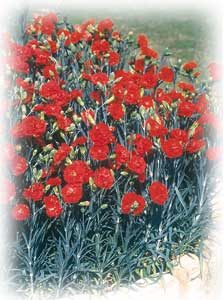
This year brought a bumper crop of new garden plant introductions. Ten ornamental garden plants and two garden vegetables have been awarded the prestigious honor of All America Selections (AAS) for 2003. These new cultivars have been judged as superior in their class based on their performance in test gardens all over the country.   Carnation ‘Can Can Scarlet’ was selected for its fragrance and versatility as a bedding plant, as well as a cut…Read more about All America Winners for 2003[Read More]


Where Chocolate Comes From

When you cuddle up with a steaming cup of hot cocoa during these chilly fall days, you might be pondering where chocolate comes from. Chocolate comes to us courtesy of the cacao plant (pronounced ca-cow), Theobroma cacao. The name Theobroma is an appropriate one as its translation is “food of the gods.” The plant is believed to have originated in the Amazon area of South America at least 4,000 years ago. The Aztecs and other…Read more about Where Chocolate Comes From[Read More]


November 2002

Q. I am a resident of Orange County, just outside of Paoli. I recently noticed that my red horse chestnut tree, which had previously lost all of its leaves due to drought, has sprouted several red flowers. Some leaves are coming out and MANY buds are swelling. Many buds are not swelling, and I hope they stay that way. The drought tricked the tree into early dormancy, and now the recent rains have awakened the tree…Read more about November 2002[Read More]