Rosie Lerner

716 articles by this author

Posts List

Heat Wave Plus Drought Equals Double Whammy for Gardeners

The early arrival of summer’s extreme heat coupled with drought for many weeks now is tough on garden plants as well as their caretakers. Just as flowers and landscape plants have been gasping for water in much of the state, some vegetable crops are also struggling to stay productive. Tomatoes, peppers, melons, squash, pumpkins, cucumbers and green beans typically drop their blossoms without setting fruit when day temperatures are above 90 F, even if not…Read more about Heat Wave Plus Drought Equals Double Whammy for Gardeners[Read More]

Question and Answer

07-05-12 Question and Answer Q. Two years ago, we lost a lilac bush that was over 90 years old. At the time, there were shoots of small lilacs coming up from the ground around the old bush. We took out the dead bush but left the shoots. Will these shoots ever bloom? They haven’t in all the years they have been there. If they aren’t going to bloom, I’d like to remove them. A. The…Read more about Question and Answer[Read More]


In Times of Drought

Dry summers are not that unusual in the Midwest, but this year’s dry spell – and now drought in many areas – has come considerably earlier than usual. Summer is just now officially getting started! Gardeners have a battle on their hands to keep plants healthy when extremely high temperatures are accompanied by lack of rain. During prolonged drought conditions, water restrictions or just limited ability to water to a huge number of plants, you…Read more about In Times of Drought[Read More]


Managing Pests in Home Fruit Plantings

One of the biggest challenges to growing your own fruit crops is doing battle with the many diseases and insect pests that prey upon them. Even trees that did not crop this year due to freeze injury still need protection from pests. Fungal and bacterial diseases can infect foliage, twigs and fruits. Some insects feed on foliage and/or fruit while others bore into twigs and/or fruit. A single fruit can be affected by multiple problems….Read more about Managing Pests in Home Fruit Plantings[Read More]


Managing Pests in Home Fruit Plantings

One of the biggest challenges to growing your own fruit crops is doing battle with the many diseases and insect pests that prey upon them. Even trees that did not crop this year due to freeze injury still need protection from pests. Fungal and bacterial diseases can infect foliage, twigs and fruits. Some insects feed on foliage and/or fruit while others bore into twigs and/or fruit. A single fruit can be affected by multiple problems….Read more about Managing Pests in Home Fruit Plantings[Read More]


Assessing Spring Freeze Injury

As most gardeners have marveled, we’re having one of the earliest “spring” seasons this year, with woody plants and herbaceous perennials three to six weeks ahead of “normal.” And then, perhaps inevitably, “normal” spring frost and freeze visited. Being so much further along in their development, plants are quite vulnerable to damage. Home fruit-growers have reason to be concerned: At 28 F, you can expect a 10-percent loss of flowers/young developing fruit. However, at 25…Read more about Assessing Spring Freeze Injury[Read More]


Cool-Season Planting Is Hot

Cool-season crops such as lettuce, potatoes, peas, cauliflower and onions actually prefer the cool, moist conditions of spring. With the extended mild winter, coupled with unseasonably warm conditions just at winter’s end, our cool-season crops may be in fast-forward mode! By March 13, soil temperatures under bare ground have already reached the upper 40s to mid 50s F in northern Indiana and in the 60s in southern Indiana. These temperatures are in the optimum range…Read more about Cool-Season Planting Is Hot[Read More]


New Vegetable Varieties 2012

What better way to scratch your gardening itch this winter than to page through garden catalogs or surf websites with the promise of mouth-watering produce for the coming growing season! Here’s a look at just a few of the new vegetable seed offerings for 2012. Try a few alongside your old standby favorites so that you can compare performance in your garden. Following the description of each vegetable is the number of days to maturity…Read more about New Vegetable Varieties 2012[Read More]


Question and Answer

Q. Saw your article the other day about bulbs blooming in winter. I’ve never seen January budding snowdrops. When do they normally bloom? My daffodil’s are up about 3 inches! Also, I would like info on flowers to plant in clay-like soil. I would like perennials that bloom quite a bit of the summer and in partial shade or full sun. I have planted many flowers and half don’t live or don’t come up the next…Read more about Question and Answer[Read More]


Brunnera macrophylla ‘Jack Frost’ 2012 Perennial Plant of the Year™

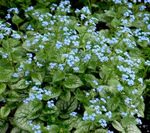
And the winner is, Brunnera macrophylla ‘Jack Frost’ for the Perennial Plant Association Perennial of the Year! Known as Siberian bugloss by many longtime gardeners, Brunnera macrophylla is a hardy (native to Siberia), low-growing clump-former, reaching 18 inches tall and wide. Brunneras are generally grown for their lovely small blue spring flowers that remind of forget-me-not. ‘Jack Frost’ is particularly notable for all-season interest with striking silver leaves with contrasting green venation and leaf edge….Read more about Brunnera macrophylla ‘Jack Frost’ 2012 Perennial Plant of the Year™[Read More]