Rosie Lerner

716 articles by this author

Posts List

Potted tulips sprouting, but no blooms

Q. I purchased some tulip bulbs last fall that I didn’t have a chance to plant. I potted them up and stored them in the basement. Now I have leaves, but no sign of flowers. What can I do to get them to bloom? A. Most spring-flowering bulbs including tulips require a period of 8-16 weeks of chilling to initiate flower buds inside the bulb. If they don’t receive that chilling period, the bulbs may…Read more about Potted tulips sprouting, but no blooms[Read More]
 Categories:

Garden Gifts For Valentine’s Day

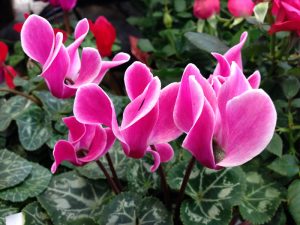
Valentine’s Day is just around the corner, and many will be searching for a special gift for that special someone. Why not say it with flowers? Nothing conveys your warm valentine feelings like cut flowers, particularly roses. But their elegant beauty fades fast. So if you’re looking for something that will last a little longer, there are several potted plants that will fit the bill. Cyclamen is made for the occasion with its heart-shaped leaves…Read more about Garden Gifts For Valentine’s Day[Read More]


Pokeweed a Native Nuisance

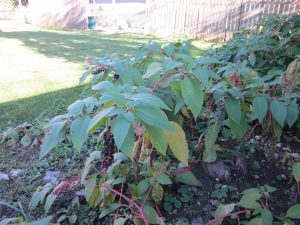
Q. We have this plant or weed in our back yard. I can’t identify it by looking on line, and was hoping that you can tell us what it is – and whether or not it is a weed that will destroy other plants or take over the lawn – see attached photo(s). –T.S., Munster, Ind. A. This commonly seen plant is pokeweed, known botanically as Phytolacca americana. Pokeweed is a perennial plant native to…Read more about Pokeweed a Native Nuisance[Read More]


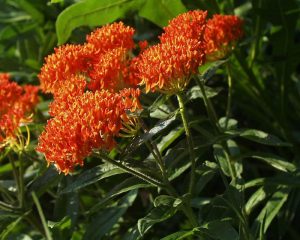
Butterfly Milkweed Named 2017 Perennial of the Year!

The Perennial Plant Association has named butterfly milkweed (Asclepias tuberosa), as its 2017 Perennial Plant of the Year. With much focus on pollinator habitat these days, butterfly milkweed is a terrific selection. Butterfly milkweed flowers play host to a wide range of butterflies, and milkweed foliage is the food source for monarch butterfly caterpillars. Bees, wasps and other insects are also frequent visitors. Butterfly milkweed is native to much of the continental United States and…Read more about Butterfly Milkweed Named 2017 Perennial of the Year![Read More]


Plants absorb water better through soil than leaves/Do roots of dormant seedlings grow through the winter?

Q. Can tomato plants absorb water through their leaves on humid days? Also on cool and hot days, how often do you need to water with our heavy clay soil? – C.W., Crown Point, Ind. A. While plants can absorb water through their leaves, it is not a very efficient way for plants to take up water. If water condenses on the leaf during high humidity, such as fog, then plants can take in some…Read more about Plants absorb water better through soil than leaves/Do roots of dormant seedlings grow through the winter?[Read More]


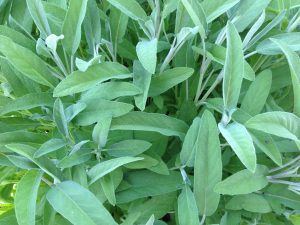
Tis The Season for Sage

Thanksgiving dinners filled with the fragrance of sage dusted turkey and dressing may be an American tradition, so it may surprise you to know that the sage plant (Salvia officinalis) is native to the Mediterranean. Today sage is used primarily as a culinary herb, but in older times it was a common medicinal plant.  The origin of the salvia name belies it medicinal value from the Latin salvus “to save” and salvere, “to heal”. Sage…Read more about Tis The Season for Sage[Read More]


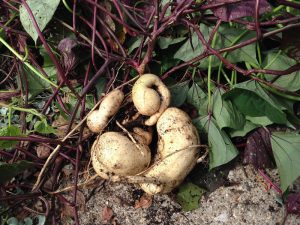
Ornamental sweet potato roots – edible but may not be palatable/Alternatives to Burning Bush for fall color

Q. I grew beautiful sweet potato vines in my flower garden this year. They looked great all summer, though they grew quite a bit larger than I expected so I had to cut them back to keep them from growing over my other plants. When I was cleaning up the garden last week, I noticed that the sweet potatoes had some fairly large potatoes underground. Are these safe to eat and do they taste like…Read more about Ornamental sweet potato roots – edible but may not be palatable/Alternatives to Burning Bush for fall color[Read More]


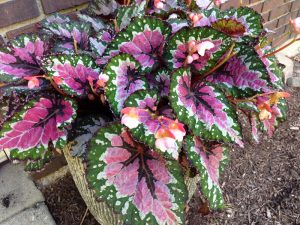
Bringing houseplants back indoors

Many houseplants thrive during the long, bright summer days, especially when properly moved outdoors. But these plants may have some trouble adjusting back to indoor conditions when colder weather strikes. Many of our common indoor plants are native to the tropical or subtropical climates and cannot tolerate cold temperatures. Houseplants should be brought back inside before the outdoor temperature drops to 55 F. If days are warm but night temperatures are cold, you might consider…Read more about Bringing houseplants back indoors[Read More]