
Online Programs
Foods for Health Certificate
Around the world, rising rates of obesity, Type 2 diabetes and other chronic diseases highlight the urgent need for healthier, more informed eating habits. As ultra-processed foods replace home-cooked meals, individuals and communities need practical tools to make better choices. Purdue University’s Foods for Health online certificate explores how food, nutrition and human health intersect in today’s complex food environment. Designed for both beginners and professionals, the course equips learners with evidence-based knowledge to evaluate modern diets, debunk common nutrition myths, and adopt personalized, sustainable eating habits. Rather than focusing on nutrients in isolation, the course takes a holistic view — examining cultural influences, sustainability and innovations like gut microbiome science, GLP-1 modulation and precision nutrition. Through engaging content and real-world examples, learners will gain the skills to make food decisions that support both personal well-being and public health.

Ready to learn about how food and nutrition affect human health?
Why Choose This Course?
Students taking this course will learn to:
- Explain how nutrition impacts overall health and contributes to disease prevention and management.
- Understand the foundational science of macronutrients (carbohydrates, proteins, fats), micronutrients and their roles in the body.
- Dissect emerging trends and controversies in dietary patterns (e.g., plant-based diets, functional foods, alternative proteins).
- Navigate nutrition information critically to better interpret scientific evidence and avoid misinformation.
- Formulate and implement basic dietary strategies, recognizing the interplay between food science, consumer behavior and individual health goals.
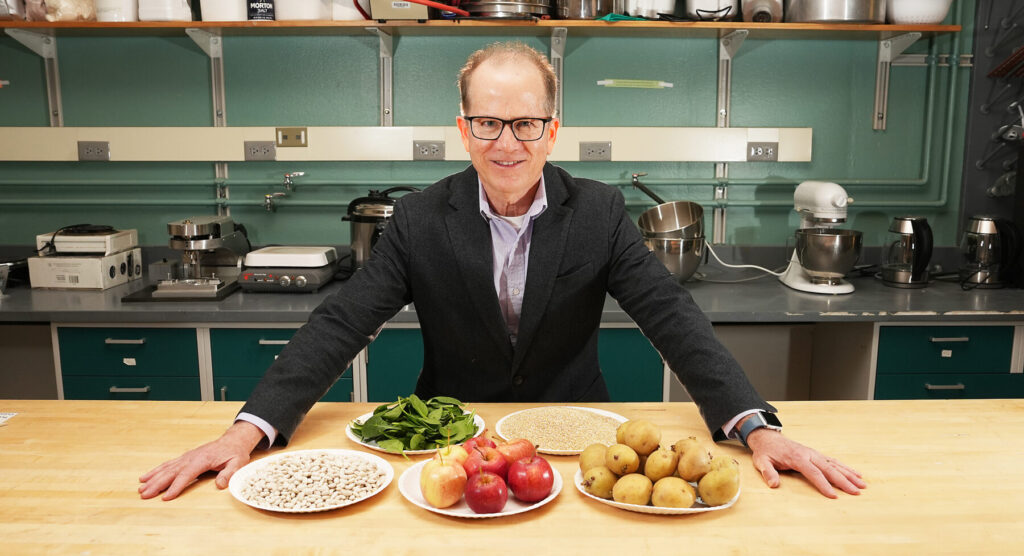
Research-based curriculum with real-life applications
After students complete the certificate, they will be able to:
- Evaluate contemporary food choices for their impact on human health and planetary sustainability.
- Incorporate personal behavior changes for healthier, more sustainable eating.
- Choose delicious, nutrient-dense meals using simple techniques and readily available ingredients.
- Practice mindful eating, moderation and self-compassion in daily food choices.
- Analyze trends in food product innovation, plant-based alternatives and the use of functional ingredients for disease prevention.
What You Will Learn
Purdue’s online Foods for Health program consists of six modules designed for flexible learning. You’re encouraged to complete one module every two weeks, though you may progress at your own pace. Access to the course is available for 12 weeks, so you can revisit materials as needed.
Each module includes:
- Expert-led video lessons covering essential food safety topics.
- Supplemental readings and resources including glossaries, graphics and industry insights.
- Downloadable slides to support study and review.
- Quizzes and assessments to reinforce key concepts and ensure comprehension.
| Module | Topic | Key Learning Areas: |
|---|---|---|
| Module 1 | Background on Food and Nutrients, Contemporary Eating Trends | Introduction and sociocultural history of foods Macronutrients overview Popular dietary patterns Mindful and sustainable eating |
| Module 2 | Carbohydrates, Dietary Fibers and Precision Nutrition | Role of dietary fiber in human health GLP-1 modulation through foods Carbohydrates – are they all bad? Precision nutrition and foods as medicine |
| Module 3 | Bioactive Compounds, Human Microbiome and Chronic Disease | What is your gut microbiome? Role of foods in inflammation and chronic disease Bioactive compounds and disease prevention Improving bioavailability of bioactives |
| Module 4 | Demystifying Fats and Oils | Dietary fatty acids demystified Lipids and gut/brain health Healthy fats, healthy adults |
| Module 5 | Foods and Obesity, Heart Disease | Obesity and diets Cellular response to different foods Heart-related disease prevention Forever young? Impact of diet on aging |
| Module 6 | Proteins and Innovative Foods | Proteins: Animal versus plant-based From kitchen to package, how is new food developed? Sensory: the science behind flavors New products – consumer trends and attitudes |





Frequently Asked Questions
Many employers provide tuition assistance or professional development funds for job-related courses, so be sure to check with your HR department. Purdue University occasionally offers promotional discounts for noncredit courses. Contact Purdue’s Department of Food Science project manager or our online programs faculty lead to explore scholarship and discount opportunities.
Foods for Health is an introductory course exploring how healthy foods and diet affect people. Students who are interested in studying this field as a profession could explore additional studies to work toward careers as a:
- Dietician or nutritionist
- Nutritional scientist
- Health coach / Wellness consultant
- Food technologist
- Public health educator
- Food manufacturer professional
You will connect with peers and industry professionals through online discussion activities and question and answer sessions. The course may also feature guest lectures from leading experts, allowing you to network with experts in the field of food and nutrition.
While this noncredit course does not include job placement services, individual career coaching from Purdue faculty and professional network can be made available upon request. Completing this certificate can also expand your professional network, giving you access to those who work in the nutrition and food safety fields.
Students will explore emerging technologies such as precision nutrition and gut microbiome science to understand personalized approaches to health. They’ll learn how functional ingredients and dietary strategies influence hormones like GLP-1 and support metabolic health. The course introduces tools and concepts used in food product development, including sensory science and nutrient bioavailability enhancement. Finally, students will also practice mindful eating and learn to critically evaluate nutrition information to avoid misinformation.
Register today!
Take the next step in learning about food, nutrition and healthy diets for human health.
100% Online | Self-paced | Taught by Purdue University food science experts and leaders